

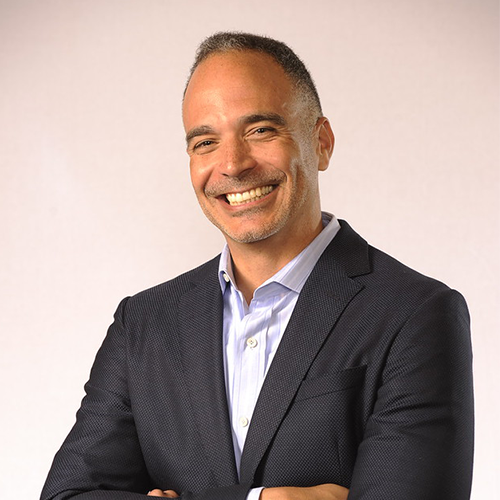
Jason Bey is an experienced leader with a demonstrated history of working in the biotech and pharmaceutical industry. Has held numerous positions including: sales, sales leadership, marketing, operations, business development, training, and executive roles. Skilled in building & leading teams, strategic planning, leading innovation & change, collaborating across departments and driving executional excellence. Jason is currently the Vice President and Franchise Head at Dompé.
Welcome to the Athletics of Business, a podcast about how the traits and behaviors.
Of elite athletes and remarkable business leaders frequently intersect. The real stories and hard lessons to help you level up your leadership and performance.
Now, your host, Ed Molotour. Welcome back to another episode of the Athletics of Business podcast. I am your host and CEO of the Molotor Group, Ed Molotor. What an episode we have for you today. Now, here's the deal. If you're listening to this episode and you feel your mind wander or you get distracted, you have to rewind and go back because if you don't catch everything that our guest today. Our guest is Jason Bay, who is the vice president and franchise head of donpe. And we'll get into who they are and what they are here in a second, but if you. If you miss anything, you're going to regret it. You can look at the show notes all you want, you can skim through the podcast, but. But this episode is full of absolute gold.
Jason is an experienced leader with a demonstrated history of working in the biotech and pharmaceutical industry. He has held numerous positions including sales leadership, marketing operations, business development, training and executive roles. He is skilled in building and leading teams, strategic planning, leading innovation and change, collaborating across departments, and driving executional excellence. Jason has experience in both established and startup environments, and that's where he finds himself now, in a startup environment with dompe. Although they've been around for quite a while. They are globally headquartered in Milan, Italy, but here in the United States, they are considered a startup. And with donpei, Jason was responsible for building a new pharmaceutical startup here in the U.S. as I mentioned, he successfully launched a product brand in company. Now get this, in approximately only five months.
And in doing that, the number one trade he looked for in hiring the right people to join the team was an entrepreneurial spirit. Jason really believes that mindset is different. Okay? There's the work ethic, the ability to make decisions without all the information, the ability to articulate their why and their purpose, their vision and their mission. We're going to talk about creating the culture and engaging the team in that process and how important that was for his launch. Okay. And their ability to sustain success. We're also going to talk about something that I find really cool, being specific when celebrating the small successes. Jason points out that we are very specific when it comes to where we fail, but very general and how we succeeded and we'll talk about doing the little things.
Jason Bay absolutely bleeds, oozes and lives and breathes the athletics of business mindset, and I'm really excited. And Jason is also a Creighton Blue Jay, A former Creighton Blue Jay basketball player. He does have a little bit more youth on his side than I do. He started at Creighton in 91, an incredible high school career. And I must say this about Jason. The one thing that's always attracted me to him and always impressed me with him is his ability to genuinely and sincerely connect with people. So I really hope you enjoy this podcast. Jason, thank you so much for joining us on the Athletics of Business podcast. I am. I'm fired up and I'm humbled to have you on this. This is long overdue. We should have done this a while ago. You and I go way back.
But, hey, man, I really appreciate you being here.
No, thanks. Thank you, Ed. It's. It's my pleasure. I mean, knowing your history and the respect that I have for you and all the great things that you're doing, it's an honor. So I'm happy to be here.
Well, I appreciate the kind words and just full disclosure here. Jason and I go way back, and I think. Jason, I think the first time I met you was your recruiting visit at Creighton.
Yes. I don't know if we can go down that path and sharing some of the stories, but no doubt, I think.
We were walking in the St. John's Cathedral, to be honest with you, when we first met.
No, I knew of you. The history. Right, yeah, no, we. The history. Yeah, for sure.
Yeah. Great place. To Creighton. Creighton Blue Jays. And obviously. But, yeah, but I met you on your career because obviously knew of you and about you in all your basketball glory and being good friends with someone I have so much respect for, Tommy Klein Schmidt. And you guys are two peas in a pod. The way you do things and the way you do things is what I really want to get into. Currently vice president, franchise head of donpe. And can you tell our listener a little bit about what donpe is? Because they're new to the US and the traits and skills that you're using to build out your team there aren't new. They're unbelievable.
And we'll get into your whole career path, but fill us in a little bit about what you're doing now, who you're doing it with, and some of the things you've got going on.
Absolutely. So dompe is a company based out of Italy, out of Milan, that originated in about the 1930s. So it's a pharma biotech company. So we are new to the US to your point, I was brought on board in August of last year and then we received an approval for our product about 21 days later. And I was responsible for helping build a team in five months and getting out there and launching a very innovative product for rare and progressive eye disease that can lead to vision loss. So, yeah, it's been a great ride as a, as I kind of look back at my career and I can't believe I'm saying this, but I've been in the industry, pharma, biotech industry for 20 plus years. So if you think about all the lessons learned and experiences now I'm at a startup.
So it's been a really unique opportunity for me because all those lessons learned at the bigger companies and the great training that you receive, you certainly apply those because things get a little bit more aggressive and a little bit more, I don't know what the word is. I guess there's higher risk when you're at a startup. So I feel like I was able to prepare myself for this ride.
So let's go back to. And I want to get to the higher risk with the startup here in a second. But let's start with how did you build a team that you believed in, that you were comfortable with? How did you go about doing that in such a compressed time frame?
Yeah, you know, I think that's where networking comes into play. And you know, as long as I've been in this industry, I've realized it's a small industry, like, all right, small world to say the least. How you treat people and the relationships that you develop over the years come full circle and I was able to tap into my network. One being in the industry for so long, but then also knowing this particular market being an ophthalmology, I wanted to target some folks who had that experience. But I'll be honest with you, there was one trait that I was looking for regardless of someone's experience. And I was looking for people who had this entrepreneurial spirit or fire. Right. Regardless of where they came from, whether it was small companies or big companies.
I think that's really been the common thread of the folks that went after because I knew it took a different kind of mindset to want to build something from the ground up. So I think that's really where I put my focus in building out this team.
So let me, let's talk into that a little bit because that's awesome, because you see that so much and there's so many different paths we can go down with that. But the entrepreneurial spirit, the different kind of mindset, what kind of things, what kind of conversations, what things did you look for to identify those traits in your potential? Potential hires.
You know, I think work ethic is kind of a no brainer. People being able to make decisions without always having all the information. People who've had some failure, they've had some challenges and how do they overcome that? Because when you're in startup mode, you're going to hit some bumps in the road. So you want people who've had a history where they've had challenges and they've been able to overcome them. So those are also some things that I look for is how does somebody articulate the experience they went through, you know, what were the lessons learned and how did they apply them and other experiences. So those were just critical things that were looking at as it relates to type of profile.
And of course you wanted someone with a successful track record, but they had to have that mindset where, you know, they can overcome some of the bumps in the road that you're certainly going to encounter, especially in a startup.
One of the things I like to talk about is leaving your jersey in a better place. And I'd like to think that I came up with that, but I pulled that out of the book by James Kerr, legacy, about the New Zealand rugby club, the All Blacks, which is an awesome book, but how do you, how much weight do you put on? And one of the things I really do talk about is what's the legacy that people that I'm going to hire? What, what's the legacy that they'll leave at the place that they're leaving, right? So what will their legacy there? How much do you look at that?
You know, I think that's important for all of us. Like what's our legacy that we're going to leave wherever we're at, right? And you know, and that's actually a pretty good question. I have asked something similar to that to some folks is, you know, when you look back at your career, 10, 20 years, whatever it is, say at Dante, what do you want your legacy to be? And it's amazing to see some of the answers that people will provide. So I think that, that's really important because it tells you a lot about a person and what's important to them, what are their values? I mean, you could talk about skills all day long, right? But that really brings to life someone's personal values. And I certainly believe you should have alignment and values.
I don't think you have to be the same as it relates to all of your experiences, but you definitely want people with similar types of values. And those certainly come to light when people start to talk about their legacy or what they want that to be.
See, and I love how this all comes together because when you start talking about alignment and you start talking about values and you start talking about having the ability to make decisions without all the information. You know, one of the things we talk a lot about, my clients and I, is authenticity, being an authentic leader. Not just, you know, an authentic leader in terms of your team, but an authentic leader of yourself, which, you know, to me, you break it down into honesty, integrity, and that will lead to resiliency. Right. But, but how important for you is folks that you bring on board for them to really maximize their potential for their values to align with what roles they have within your organization?
You know, I think that's the most important thing. I mean, that's the equalizer, the game changer as it relates to people's values. And because that drives everything. Right. That's the root of everything you do and where you're going to end up is the type of person that you bring on board. And I don't know if it's as much about the role as it's just about the person and who they are and how they look at life, because that's going to have a big impact in how successful they are regardless of the role. Right. So alignment and values is everything. And it really gets to kind of the why you do what you do. And I think that's a big driver. A corporation as well as an individual.
Is it important to you in the recruiting process, in the interview process? And it could be a casual cup of coffee you're having with someone or more of a formal dinner when you're sitting down talking that they can articulate to you that their why, you know.
Absolutely. And it's funny that you say that. I'm a huge fan of Simon Sinek. I've been through some workshops. Yeah, I mean, right.
I mean, yeah.
And anybody who hasn't read his book or been involved in one of their workshops, I mean that was a real game changer for me. I leveraged that. That's a previous company and building out a team. But that, that really is the core and it's not always what you do and how you do it. But why? What is your purpose? Right. So you know, what is someone's purpose and certainly gives you a lot of insight into that person. So I think that could be a really deep conversation. Sometimes it's better over a cup of coffee or lunch, opposed to a real formal interview. Right. But, but those are some real deep conversations that really helps you understand what's really underneath and what's really at the core of somebody as a person.
So let, let's say you bring someone in and they've got, they check off seven of the eight boxes, but one of the boxes they don't check off. You feel like that might compromise the culture that you've worked so hard to build. And I know we talk about this in athletics, you know, athletics all the time. But how are you willing to compromise what you've worked for in terms of culture with the fact that you might drive some massive numbers over the short term?
Absolutely not. No, I don't think you ever compromise culture. That's according to everything that you do. And if there's a person that compromises that, it's not worth it. I don't care how smart they are, how many sales they may generate or revenue, it's not worth it because ultimately, over time, it could be cancerous to the overall camaraderie of a team, especially in a startup environment. Right. You can't, you can't have one weak link on a team because every person matters. You're wearing multiple hats, right? You're driving the bottom line. You don't have as much headcount as some of the larger organizations. So if you have one weak link, you have to be quick to move them out of the organization or hopefully not bring them on board if they're not going to be the right fit, regardless of how talented or their experience.
And what I like to think, and this absolutely goes back to my days of coach in college basketball, when you take that stand and you, you take a stand for your culture and you build this culture that is worth fighting for, that also sends a message to your current people, does it not?
Absolutely it does. And, and because not only are you saying it, but you're showing it, right? And then people are more likely to follow you when they see you leading that way. So it actually builds more comradery and more of a closeness when they can actually see you act as it relates to what you're speaking to around values and culture, et cetera. So, yeah, absolutely.
What, and you know, you talk about connecting with people and sending Messages, your people. You are, from the minute I first met you. And I mean it sincerely, because I remember exactly where it was the first time that we actually had a conversation in the setting that were in. But you just had that ability to connect with people and to just get right to a normal conversation where you feel like you've been friends for a long time. How do you do that? How do you connect with your folks now? Building a team, a startup in the United States? How do you communicate. Connect to communicate your culture to them and to help them to sustain the faith and to keep them inspired moving forward because of all the setbacks that you. It's normal to face with a startup.
Yeah. You know, I think the unique thing, when you're building a startup organization, you're co creating. Right. I think that's the difference. A lot of times people would ask me, what is the culture? As I was hiring them, I said, well, you know, I've been on board say a month. What do you want the culture to be? Because we're going to do this together. I said, that's what's different in a startup versus an established company. We're going to build that together. So I would kind of reframe that conversation as it relates to culture and say, let's go down this path. What do you want it to be right? And how do we get there together? And I think when you do it together, then it's real. Right. It means something, it's more substantial. People can hold on to it, they can grasp it's tangible.
Right. So I think I was able to reframe it a bit, just due to the circumstances of a company that is new and is trying to build something that's unique and build it together.
So when you co created and you reframed it in that way and you flipped it on them and they were able to have some sort of say in what the culture was going to be. How much of an emotional attachment did that get? Because we talk a lot about not just buying, but believing. How much of an emotional attachment today did that? Excuse me, did that get from your people?
Well, it's huge. So here's what happens in a lot of big companies. Your leadership goes and has a workshop and you hire a vendor, you spend a lot of money and you come out with these fancy taglines around culture and what it means, but you don't involve the team. Right. So were really raw. We got on some whiteboards, we talked about a few things. That we thought were important, and then we invited them into the conversation. Now, what does this mean? What's important to you? Then it's more real and believable. Right. We were. We were able to be raw. We didn't spend a lot of money on a big exercise, but I think it resonated more because it was real. And I think people appreciated, like, wait a minute, we're a part of this. You're not telling us what the culture is.
You're asking us what you. What we want it to be. So I think that was really the difference. And then there's certainly a much greater emotional connection when you kind of go about it that way.
I love the fact that you just said, and it sounds ironic coming from someone whose business is based around leadership consulting, but I love the fact that you say you didn't spend a lot of money on a vendor to come in and give you the taglines. I've always believed. I've always believed that your culture, your values, what you stand for, has to be, you know, come internally, not externally. And one of the things I like dealing, and this absolutely comes from the athletic background, which is why I love this brand so much. But I. I absolutely believe in accepting reality of the situation. Not settling for it, but accepting it. Okay, so here's who we are in this room. Here's what we are, and here's what we want to be. Now, how do we get there together?
And being able to facilitate that together had to be pretty powerful. Now, how often do you refer back to. And I want to get into a little bit of the results of that time together. But how do you. How often do you refer back to the things that you committed to on paper?
Yeah, frequently. I mean, we created some guiding principles that we wanted to focus on together. So I think if you. If it's not frequent, I mean, even on a weekly basis, and then you're not living it's not real and it's not sustainable. Right. So it's something that we try to live with on a weekly basis. Like one of them is around, you know, recognition. And so that's something that I try to do every week on a consistent basis. So you can live it and feel it. So it has to be frequent, otherwise you lose it and people can't hold on to it, and you don't want them to forget. It's easier to live it when you see it and you feel it every day or every week. So I think the frequency is really important now.
Recognition. So celebrate the Small successes, how vital is that, how critical is that to do in your guys situation in terms of a startup and really for any entrepreneur out there, and here's, you know, and you and I know this and we've had these conversations. But you know, entrepreneurs, to me, you look at the finance industry, look people in the mortgage industry, you look at people are managing people's money. I mean every job, if you can develop that entrepreneur spirit, it's so key, like you said. So how important is it to celebrate the small successes?
You know, I think it's everything for a couple of reasons. One, it keeps the momentum, right? Because you have this big goal that you're going after. But if you don't celebrate those small milestones along the way, you lose momentum, you lose some excitement. But also you want people to replicate some of the behaviors that it takes to get to those small milestones, right? So I think there's an incredible amount of value along that continu to get to that bigger goal to call things out and it's okay to pat yourself on the back. I think a lot of times as high achievers, you're hard on yourself and you're only thinking about the big goal and you sometimes forget about the small milestones that get you there, right?
So collectively as a group, the more you can do that and doing it in an authentic way as well is important. It's amazing how much energy that your team can feed off of that type of communication and recognition.
What are some of the small successes that you're real intentional about recognizing in front of everybody?
You know, I think it's sometimes the smaller things that happen that people aren't noticing. Like it's easy for it to get up or put in an email, hey you. Your sales are up by X compared to the rest of the people. But I like to get in to some of the field leaders and get some examples about a conversation, for example, that someone had with a doctor that maybe changed his or her mindset. Maybe they didn't prescribe immediately, but there is something that they did specifically to influence that individual. So it's how do you dig deeper deep, pull out something that's very tangible and real and bring that to life, Opposed to generalities. Because I think here's what happens with recognition. I look at it the same thing as when I'm coaching somebody, right? When you're critical of somebody, you're very specific, aren't you?
Right. This is the behavior I didn't see. But many times when we Reward people. We speak in generalities and we don't get just as specific as when we're being critical. So the more specific you are with a certain behavior or accomplishment, one, it feels more real and authentic, but then two, it's a lot easier to mimic or replicate as a colleague. Right. So that's something that I try to take pride in as it relates to any type of recognition.
Think about what you just said is huge. When we celebrate successes, when we acknowledge success, when we reward people, whether it be when we give them awards, quarterly or yearly, whatever the case may be, or we send out that email that we've all seen, like when you hit a sales milestone each month. And we do talk. And what we really celebrate, we celebrate the byproduct product of the real things, the little victories that went into it. Like, you talk about digging with the doctor and getting specific. I think that is a. That is a huge point. And did you ever find, like, when you. When you brought folks on board that they weren't used to it, that was something that had never been done for them before?
No, I don't know if it has never been done, but it's. I don't see it. I don't think it's common. You can see a bigger response when you are specific or you can see it. You can, you can feel it. You can feel the energy from the person that's receiving the feedback. For example, I sent, before we got on this call, three text messages to three people that I thought were doing really well and gave them some specific examples of why I thought they were doing well. And it's amazing. Even the response back to you can, you can feel it. You can feel a difference because of the specificity and the fact that you took the time to do that.
And when you have. And if you keep hearing a pen drop, it's because I can't stop taking notes right now. Joe, Jason, this is awesome. When you have a meeting and all of a sudden you start sharing stories and sharing the little victories and success stories about how someone may have done something with Dr. Or how somebody processed a certain situation. When you do that, does a team create more positive energy? And when they do they get closer together? Do they become closer as a team?
Absolutely. It lifts a team. Right. It lifts the morale. It also, you're creating an environment where you can learn from others and it's real. Right. And people feed off each other and everybody wants to learn from each other. Certainly everybody's different in how they're motivated and how they respond and if they want recognition and how they want recognition. But at the end of the day, everybody's seeking to learn more. Everybody has a certain level of curiosity, and there's no better way to do that in a venue that you can share and learn from each other in a very authentic way. So it certainly lifts a team, I think, to a whole different level.
So here's where I'm going with that. Now that you've done that. Now, we talked about the positives and the successes, and we know that the foundation of any positive culture is safety, right? Somewhere you can go and get outside your comfort zone and you can grow and you can take risks, you can take chances when you do this and you become closer as a team and you start to be a family, not just be like a family. How much does that level up and lift a level of everybody's ability to be held accountable, hold each other accountable, and hold themselves accountable?
Well, I think it certainly helps. And accountability to me comes with trust. You know, do you trust your leadership? Do you trust yourselves based on how you've been prepared? Do you trust your teammates? And do you trust the organization? So I've been in organizations or teams over the years where you have a leader stand up there and they're saying, well, you're accountable for this. This is what my ask is. But you never establish trust, right? When you establish trust, it's a heck of a lot easier because you already have people following you without even asking, right? And they have a very clear picture of why they're doing what they're doing. And everybody's aligned on the purpose. So it's a heck of a lot easier to motivate someone and hold them accountable. And then, because what's happening is they're holding themselves accountable, right?
You hopefully you're hiring somebody who creates such a high bar that you can't even match how high they're holding themselves right to that level. But. But it's a heck of a lot easier to truly hold a collective team, a combo, when you establish that trust. And that trust comes from building the right culture, being real and honest with each other. And that certainly helps you go a long way.
So let's talk about. Let's talk about the culture that you have built to get you to that level of trust. What are some of the things that, in your time together, when you. You co created this culture, what are some of the things that came out of it?
You know, it's funny, like, we try to create some. Some guiding principles now. There's a culture that's been established. You know, Dante's been around for a long time, based out of Milan, incredible company, incredible people, and they have some long lasting values. What we wanted to do is what are some guiding principles that we want to apply in the United States that makes sense for this team that we're growing, that we're building here. Honestly, one of the first things as were on the whiteboard that came out of it was being real and honest. That simple, right? Because how many times have you been in an organization where you never felt, you just don't quite feel like something's real, right? Or you don't feel like the authenticity, the leader is authentic. But that was, that's been kind of the core of where we're at now.
I've always been a believer that why can't your organization be a family, right? Like, why can't you create a. Because I say that is think about your family and close friends. Who are you most real and honest with? Who's most real and honest with you? It's your spouse, it's your best friend, it's the people in your circle, in your local community. So I always aspire to try to work with my team to create that at work. Because if you have that same environment, you're gonna be real and you're gonna be honest and you're not gonna take offense to it because you know, the person on the other end cares about you, right?
And that's. That, that's huge. You know, I just. One of the things I love to talk about is, you know, being a family, not being like a family. And you think about the amount of time you spend together with the folks in your organization, the amount of struggles and successes you experience together. But, and this is something I took away and really playing for my dad in high school and playing for Coach B, Creighton my first two years. I mean, I would to this day, even if I haven't talked to you in 15 years, but if I was your teammate at either of those places, I'd take a bullet for you. Literally. I mean, were family. We did everything together. I mean, we saw each other struggle, we saw each other succeed.
You know, yeah, we could bust each other's stones, but God help you if you came from the outside and tried to insult one of us. It wasn't going to work out real well for you. And we wanted each other to, we wanted each other to succeed. And that's my next question for you. How Important to you? Is it inside your culture and as you recruit to your culture to bring on people that can genuinely be excited when their teammates experience success?
You know, that's. Wow, that's so important. I mean, whether it's athletically or it's in a business world, you've got to find a way to get to the root of who the person is. And are they genuinely happy for others when they succeed, you know, or are they so competitive that they have blinders on and they can't be excited or happy for others? I mean, that could be the detriment of any team, Right? Think about athletically or in the business world, if you have people, it's okay to be competitive and competitive with yourself and even competitive with each other, but if that gets in the way of wanting to see others succeed, you're not going to make it. You're not going to make it as a sports team, you're not going to make it as an organization.
So how you question and how you get a better understanding that in the recruiting process is so critical. And you hope that you get it right, but hope, usually those. Those qualities come through pretty clearly through an interview or just. Just a conversation. You could. You can get a feel for. For someone's makeup as it relates to that. There's no doubt when.
When you're in the. When you're in the mix, and I'm going to presume here, and this could be. This could be going on a limb and being a little bit too presumptuous, but you've had your struggles, and we can talk about that. You've had your struggles. How do you keep your people dialed in and keep the faith when. When things. Look, I hate to use the word bleak, but when things are challenging.
Yeah, you know, I think acknowledgement, you know, and acknowledging the situation, because sometimes you don't want to gloss over it. You don't want to act like something's not tough. Right? And I think when you acknowledge people respond, and also I think what's important if things go bleak or things go south is. And this is something we've adopted, it's another mantra that we've kind of rallied around at Dante is take a we, not them approach. And what I mean by that is, think about it. When tough gets. When stuff gets hard, there's a human tendency at times to point fingers, right? But if you take a we, not them approach, regardless of the circumstances or regardless of how tough something is, it's pretty amazing how people will rally when you're not pointing fingers. You're like, you know what, guys, let's do this together.
We acknowledge it. We're in it together. And then for me, it's being confident of the team that I've assembled, right, that they're going to appropriately assess the situation and take the best course of action moving forward. And lastly, at the end of the day, no matter how bad something gets, you have to communicate, communicate. You can't hide from it. You know, you hopefully learn from the situation, you move on. But a lot of times I've seen where you kind of give a little bit of information or you gloss over it, or you're not real with people, but. And then you lose trust, and then you don't even get to the solution, and it could just be detrimental to a team or an organization.
Talk a little bit about that, getting to the solution, how significant is it? And do you talk about it with your people? To be a part of the solution.
And not part of the problem every day, it's wild. It's like you're taking words out of my mouth. I mean, you know, I think it's easy. And you try to hire the people that have that mindset, right, that's your goal. But collectively, you want to create a culture where that's the team mindset, right? Because, hey, we all get there. We have hard days where we complain, but how do you build someone up, take them off that ledge and get to the point where it's about getting to the solution? So we. I don't want to say the word preached. I don't think that's appropriate. But we talk a lot about it as a leadership team of, you know, we want solutions, oriented people. It's okay to acknowledge the problem, but we ask people to bring a solution.
I don't even care if it's the right solution. But. But it. I want people to come to the table like, hey, here's the problem. Here's a couple recommendations that I have. Can we get on the phone and talk about it? Like, I think it is that simple. But it's amazing when you take that approach, the impact, and actually you turn it into a positive situation, opposed to it being negative and just kind of lingering and kind of at a black cloud. So.
And that plays right into take a we, not them approach. I love that. I mean, I've got about 25 stars right next to that. I absolutely love that. Now, how. Let's talk about you, Jason, because you've had. You've had an unbelievable run in your career. And, I mean, you just started, you know, take us through how you got to this point of your thought process and your mindset as a leader and some of the struggles and successes you had on early in your career. And if you could, can you talk into a little bit about how significant a mentor is and who have been some of your better mentors along the way?
Yeah. You know, I have to say that. What a blessing to play sports or be a part of athletics or a team. Right. As I look back at my life, that's been such a foundation of who I am. And I don't want to say where I've gotten, because I always continue to strive to go further. But that's been such the core of a lot of the things that I've learned. And that goes back to Creighton University. And you and I have that common bond there. I think the difference is you were on some great winning teams, and I was right. And, you know, and I was very fortunate in high school, you know, the team that I was on, you know, were. I think we had six to six Division 1 players.
We cut to the chase.
We were pretty good. I was lucky to be a point guard around a lot of great players. I think I may have lost six games in my varsity career. We were ranked number seven in the country. Then I get to Creighton, and that's the. That's the first time, you know, the coach who recruited me left. We had a lot of my teammates transfer, and that's the first time that I was in some significant losing streaks. And I didn't. I didn't know how to prepare for that. I hadn't had that experience. So a couple of things happened. You're at a crossroads, right. A lot of my teammates had left. Do you stay on board and you ride it out when things are really tough? And I.
And I remember sitting down, talking to my dad in tears many times, like, I don't know if I can handle this. I want to transfer. I want to quit. And, you know, we had those deep conversations around, finish what you started. Lean into the adversity. He always saw, you know, feedback as a gift, where a lot of times I felt like the criticism was so intense I couldn't handle it. And even in the, you know, the deepest of deep moments and losing streaks, I think you have to. You have to look at the lessons in defeat and really get an appreciation or a love of the game, regardless of the outcome. So I just go back to that period of time because you had Talked about adversity. So even before I got into the professional world, that was a tough run for me.
But you know, I think, you know, many times as an athlete, as you know, Ed, you're only defined by wins and losses. But in that particular moment, as I look back, I didn't, it didn't come to reality for me then, but I feel like I won now as I look back just for sticking it out during a really tough run. So the only reason I share that example with you is because those lessons learned have been able to carry over into my professional life, regardless of sometimes, you know, the deep holes that you get in or the deep challenges that you run up against is going back to those lessons of finish what you started, lean into the adversity and appreciate the love of the game and why I'm doing what I'm doing.
So yeah, that's kind of why I brought you back to that days.
Well, and it's so true though, when you really look at it and you know, we're, you and I are both what people would consider older fathers.
Yeah.
But it's a different time now. It's a different year. And I don't want to go down that road and get off on that tangent, but you know, these, we, I think as the leaders of youth, we're failing them in athletics because we don't allow them to fail and we don't put them in situations where they got to learn the lessons. It's going to, it's going to come back to haunt our generation when their generation's in charge. I mean, that's just the way it is. And it's not saying that they're less of a person than us by no stretch of imagination because really it's on us. But when you really go back to it, you said something to lean into adversity and growing through adversity, not just getting through it. And what you went through was brutal.
I mean, you think about it, you lost six games total in high school. You might have lost six games the first four weeks of the season when you're at Crate and I don't mean, no, I don't mean, hey, I was on my dad's worst team. You know, I mean, I, I think about that my junior year at Valentine, I was on my dad's all time worst team if you look at wins and losses. And that was brutal. But I look back on it and being able to bounce back the following year and have a really Good year. That, that taught me something. And you see it in business. So what were some of the, what were some of those early struggles in the business world, in your professional career where you had to tap into those lessons?
You know, wow. It was constant. Like, you know, just getting into the pharma industry. I mean, I, I started right out of graduate school and just feeling my way around and just trying to learn from a clinical standpoint. You know, I was a journalism major. Now I'm getting into a very highly clinical conversation with physicians who studied, you know, countless years to get to their point where they're at in treating patients. And I wanted to get to a level where I was respected. So you go back to those days of the preparation, whether that's athletics or in school, and putting in the time to become a clinical expert so you can have better conversations and be respected as it relates to the medical community. So that was probably the biggest challenge for me.
I mean, I was sitting down with the dictionary, looking up words and trying to figure out how to pronounce some of the words because it was so new to me. But it took hours and hours of preparation to then get to the stage where, you know what, I can do this. I'm going to be successful and I'm very fortunate.
What would you have given to have Google back then?
Oh, right. Well, I would have loved to have a lot of the technology today.
If you could see the smile I had on my face when you said dictionary, that was awesome.
So, yeah, it's been certainly a pretty incredible run. A lot of the challenges and things that you're faced with come down to people situations. And that's where, you know, you talk about the athletics of business and being in a team setting. It's all about personal dynamics and being conscious of where people come from and their backgrounds and how they see the world. And maybe it's a little bit different. So a lot of the things that, the areas I've spent the most time has been around people and people situations and challenging and motivating and managing and leading and, you know, fortunate to be in leadership positions. You're, that's your job. It's to keep the engine going. And that engine really centers around people.
So that's been, you know, that's where the complexity lives, but that's also where the greatest reward comes from, the relationships that you have over the years.
And I love what you just said. That's where the complexity lives. And it is. And I want to go back to a point I was making earlier and I think feel bad if I got away from it, but you are. You're amazing at connecting with people. What are some of your keys to success? To being such a networker, such a relationship builder, to really be having the ability to get people engaged with what you have going. I mean, your ability to build teams, and not just build them, but to create environments, to have that sustained success on an individual basis and a collective.
Basis, you know, and I didn't get your original question. I think it will mirror up nicely to this question around mentors. And, you know, I was so blessed throughout my life to have individuals who had such a positive impact on me. And I think you'll see a correlation here. So there's four people that come to mind. I'll start with my dad. And he's. He still is and was the first. I can't tell you. I think it was every night before I went to bed, he would say, be a leader, not a follower, and treat others the way that you want to be treated. He coached all my teams growing up, soccer, baseball, basketball. And the thing about my dad is.
And as I reflect back now, and even then, the way he treated each kid, whether they struck out every time or they hit 20 home runs, or they scored all the points or they didn't even they got off the bench for three minutes, he treated every kid the same. He would light up the gym when he walked in, and people would just respond to him and the energy. And kids, today I'll run into somebody 30 years later and they'll still talk about my dad and the impact that he had in their life. And most of the time it was the kid who didn't play that much. Right. So I was able to see that every day. And I don't know if I even knew what was going on. And I think that, you know, a lot of.
A lot of those things I was visually seeing and. And I think it just had a huge impact on me without me even knowing. And then I think the next stage of my life. So I'm a young kid going into high school. I mean, I was so fortunate and blessed to play for coach Steve Pappas, who, you know, is unfortunately no longer with us, but his spirit, certainly.
What a guy. He was me.
Right? I mean, what comes to light for me as you talk about connectivity is there was never a time that I ever sent doubt in him, in. In what he believed in us. And I don't know if there's ever been a time in my life that I was more confident. It wasn't cocky, but more confident because he. He had so much belief in me. I never doubted myself or my capability. Never. Every time I took a shot, I thought it would go in even if I missed seven of them. And the reason I say that is I think about that today. Can I have that influence on other people where they believe so much, that they can achieve so much because of the belief that I have in him. So that still sits with me today.
And I've just been so fortunate to have had the time with him and to be able to kind of observe, but also have that feeling myself. And it's such an awesome feeling when you are that confident because someone else believes in you probably as much more than you believe in yourself.
That's great. And Coach Pappas. So do you ever find yourself doing anything and you are kind of like, God, I am. All of a sudden, I am Coach Pappas. That is something Coach Pappas would have done, you know?
Yeah. Like, I get really fired up for people. I get really excited. He was the most emotional, positive person I've ever seen in my life. And he was such an optimist. And, I mean, I think about him probably weekly. I mean, a lot. And I go back and reflect on a lot of the things like him in the huddle. Like, you were so fired up, you want to just run through the wall and the wall behind the wall for him, Right?
Yeah.
So, yeah, like, that positive energy, it's just the best feeling in the world.
Yeah, yeah. And then who is the fourth? Oh, really? The third?
Yeah, yeah. So there. There are two more. And sometimes people know that you're a mentor and sometimes they don't. Someone near and dear to think all of our hearts. And you're going to know immediately. Doc Bevel, Aqua, great university.
Yeah.
You know, better known as Doc. And he was, for those. For the listeners, he was the team physician at Creighton for so many years.
Oh.
And what made him different, and you know this, Ed, you know it as well as anybody, is he treated everybody the same, regardless of your record. Right. You could be, you know, 2 and 20 or 20 and 2, but he treated everybody as if you were his son and daughter, and he loved you. And that's when I realized how much someone can be so selfless. He put everybody before himself. And you talk about connectivity. I mean, I just. He made you feel like you were at home, even if you were a thousand miles from home. And I'll never forget that feeling that I had. And he's still with all of us, I know, in our hearts and in our minds.
But that was a unique person that to this day has still had an incredible impact on me because you talk about connectivity, how about you just love somebody? And he epitomized that. He was. That's who he was. And to be cared for and to know that you're cared about to that level is pretty extraordinary.
And he didn't care. He didn't care what sport you played. He didn't care what, how many points you scored. He didn't care if you get any minutes. I mean, hell, I was a walk on. And he saved my life. I mean, we had that measles epidemic. He said, I spent three or four nights at his house, you know, because I couldn't. I was quarantined. And he, you know, to this day, you know, Kevin McKenna, I mean, Kevin still has an picture of Doc hanging on his office wall or sitting on his credenza in his office at the University of Oregon. You know, Doc is this day that one of the biggest men in his life. I'm sure you remember Kevin Johnson. KJ I found a picture and Kevin transferred midway through his sophomore year.
I found a picture of Doc and Kevin on a trolley in Italy. And it may have. Actually, may have been Milan. It was our first night there. And I sent it to Kevin. And Kevin, I mean, he might have called me every day for a month, thanking me. I mean, that's the kind of guy that Doc Bev was.
Absolutely, absolutely. I mean, I'm smiling right now as you're talking about him and the last person. Again, what a gift to have. You know, there's been multiple people, but these are the four that have kind of stood out to me and I think are appropriate for this conversation. Dave Hynek, he's a previous manager that I had. And the reason he's relevant, the reason he's so important for a lot of the reasons he's. He's the first person that hired me into a people manager role. So, you know, that is so critical. You talk about a defining moment in your life or your professional life when you are responsible now for other people's lives and their happiness from a corporate standpoint, and their happiness at work is certainly impacted, their happiness at home. And he gave me some very simple advice.
Focus on people first and the results will follow. I've never forgotten that he's the first guy that would call. He'd call everybody, regardless of where you lived or the level that you were at in the organization. First thing he would say is, how are you doing? And how's your family? It wasn't, what are your business results? Or what are your sales? Or, you know, let's talk about business strategies. It was, how are you doing and what can I do for you? And I've used that, and I rallied around that and what a huge impact that he's had in my professional life.
And, you know, I think these four people you talk about, selfless leaders and connectivity and belief and love, and, you know, they're kind of at the core of who I am, and they've had such a big impact, and I've tried to carry a lot of those lessons into my professional life.
That's awesome. I mean, that's some. Tell you what, Dave's in good company. I don't, I would love to meet him. I don't know, but he's in good company with your dad and Steve and Doc. And, you know, I love it. Selfless leadership, connectivity, belief and love. And that's where, you know, you and I, the whole, you can be a family. That's where that all comes from. Well, hey, Jason, this has been awesome. I hope you've had a as much fun as I have. And where can people find out more about Donpei and where. Tell us, you know, are you on LinkedIn? Are you on Twitter? Working people follow you a little bit and watch your success and the things that you're doing as a leader.
Yeah, no, LinkedIn's probably the best way to get in contact with me, you know, donpe.com you know, we're, we have a oxybate.com. We have a US website now. Or just look up donpe on the website if you want to learn more about the company. But, you know, I'm in the Chicagoland area as you and I talking earlier off the air. I live in the Naperville area and I love to engage with other leaders in the community across the country. I'm unfortunate. I work for a company based out of Milan, but our head commercial office is in San Francisco and we have a medical office in Boston. So I'm willing to engage with people across the country and I look forward to learning from a lot of your listeners and other folks that you've had on these podcasts, Ed. And it's been a pleasure, man.
Thank you for allowing me to be a part of this And I've learned a lot just through the conversation and just I've smiled a lot. I've gotten goosebumps and just some of the memories. Going down memory lane with someone I respect a tremendous amount has been a lot of fun.
Well, thanks, Jason. We probably had to contain ourselves because there's a lot more stories that we could have told about Doc and Coach Pappas. Matter of fact, when we get done here, I am going to tell you my favorite Coach Pappas story. But hey, listen, follow us on Twitter, the Molotor Group and you know, obviously themolitorgroup.com to learn more about what we do as an organization. Also on Instagram, molitore and on LinkedIn. Love LinkedIn. It's a great platform. Absolutely love that. You can find other unbelievable episodes because of our guests. Nothing to do with me because of our guest on itunes, Stitcher, Google Play and also check out the podcast website The Athletics of Business.com and please rate us. Review us. Thumbs up, thumbs down.
Let us know what you think on itunes because the more of those we get, the more people we can reach, the more value we can add. Jason, thanks a lot.
Thanks, bud. Appreciate it. Thank you for listening to the Athletics of business. Be sure to give us a rating and review so we know how we're doing. For more information about the show, visit.
The athleticsofbusiness.com now get out there, think.
Act and execute at the highest level to unleash your greatness.