

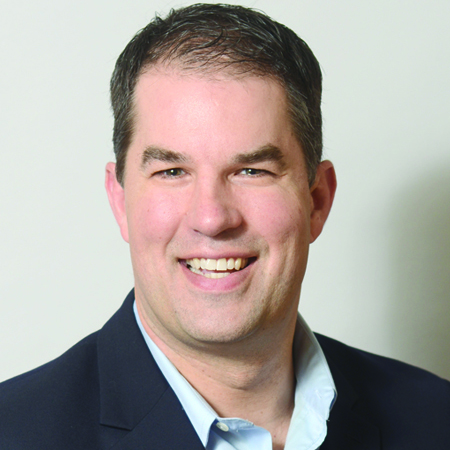
Jason Boeker summarizes his life in a simple but impactful way “I have been provided opportunities through others taking chances on me. I wouldn’t say I have always earned or deserved these opportunities, but I was taught to never waste them, earned or not.”
Jason is President at Benchmark Houston Builders where he began working in 2012 as Senior Project Manager. In 2013 he was quickly promoted to Vice-President of Operations in which role he helped BHB navigate their way through the oil and gas market crash of 2014-2015. In January of 2018 Jason took over as President and is now leading BHB through a significant growth period.
Prior to joining Benchmark Houston Builders, Jason was with Swinerton Builders where his last position was Senior Project Manager.
Jason graduated from Texas A&M University in 2000 with a Construction Science degree and was a leader on the Men’s Basketball Team. At the conclusion of his senior season he was the recipient of the Captain’s Award, the Aggie Spirit Award, and the Senior Award.
Welcome to the Athletics of Business, a podcast about how the traits and behaviors of elite athletes and remarkable business leaders frequently intersect. The real stories and hard lessons to help you level up your leadership and performance. Now, your host, Ed Molitor.
Jason, thank you so much for joining us on the Athletics of Business podcast. It is. I mean, first of all, to be able to have you as a guest is humbling, but to have you as a former player that I had the privilege of coaching, and I don't say that lightly, I had the privilege of coaching is really. Is really special. And we're going to be doing a special event together. You'll be part of the panel discussion at our VIP dinner for our executive leadership performance event November 28th at Texas a and M. So with all that being said, Jason, welcome, man.
Thank you again, Coach, for having me, man. It's been good reconnecting with you and. And. And appreciate you having me on your podcast.
Oh, it's.
It's ple.
Pleasure's mine. It's funny. Reconnected. It's been 20 years, okay? And if anyone out there in this world thinks that relationships aren't what life is all about and what business is all about, they're missing the boat. Because honestly, you and I picked up right where we left off. We probably what, first connected on the phone about six months ago, five months ago, something like that, maybe not even that long ago. We just picked up and lost track of time. And I'm just excited to have you, and you've got a lot of great things to say, and your professional career does not come as a shock to me. You were. You were the person on the team that every single day came to work, regardless of the fact you might not be rewarded. You know, you had to figure out a way to celebrate your.
Your small victories, whether you were, you know, you're playing for playing time, for practice time. And a bit of context here. Jason was on our team at Texas A&M, 1987, 1998. Was that your first year on the team, were you?
97, 98.
Yep. Yep. And that was our last year. Our head coach had been reassigned. In other words, fired at the end of the year. And an incredible man. I know he had an impact on your life. And you still, despite the fact were going through collectively a really challenging time and you were individually fighting to get your respect, you still found a way every single day to bring it. So I appreciate that. So thank you for that, Jason.
Well, we, you know, you guys, Coach Barone, Coach Mosier, Yourself. You guys gave me an opportunity that honestly was just another paving piece in my career. And I always have appreciated that. Even though we only got to spend a year together. I always appreciated not only the lessons you guys worked with me on the court, but the fact that you guys gave me an opportunity that helped keep me at A and M and springboarded a lot of things that are happening today.
And met your wife.
And met my wife. Yes. I gotta say that.
Absolutely. I got heavier back there.
Yeah, yeah.
But hey, let's talk about your professional career. It's pretty, it's pretty amazing how fast you moved not just up the corporate ladder, but geographically as well, and to different cultures, different thought processes. Can you share with us and I'm going to get out of your way here, just share with us. From the time you left, you graduated from A and M to now what your professional career has consisted of and who you've been with and what industries you've worked in.
Well, I graduated from Texas A and M as a construction science major, which typically those students go work for. Commercial or commercial general contractors. Started off with a company, west coast based company that had a Houston office. Worked in Houston for two years as what they call a project engineer. Got an opportunity to go work with the vice president out in the home office, San Francisco Bay Area, and thought that was going to be a good opportunity for me to kind of get some exposure to the corporate office. The largest division at that time in the company, worked my way up, was a project manager at 28, which was unheard of in some respects. But my first project was $70. So they didn't give me a gas station for the first time. They gave me that.
And then unfortunately the, you know, the housing market crashed and that completely impacted our company because were doing a lot of high rise residential projects. Got offered an opportunity to move to San Antonio. The company had purchased a division, purchased a company and created Division San Antonio and had some connectivity issues, bridging the gap between San Francisco, the business culture that had been developed on the west coast and what was going on within that company. They figured they'd move a Texas boy down there who spent 10 years in California building projects. They thought that I could do something with that. Well, unfortunately I thought I could too. And. But the market was just a little bit too much to overcome. So at that point I had some options. One was to move back to California, the other was to find a different job.
So I was looking at companies with very similar cultures. Large Houston Contractors was a Tough decision for me, but got offered, you know, basically got offered through a recruiter, said, hey man, there's a guy who's got a small company, he's got kind of a boutique situation. He's looking for succession plan. He doesn't have anything internally. And you know, I met with them, met with my partner and he said, look, you know, you can own this company. I want to retire and you can own it if you're willing. And I said, well, give it a try. And so basically worked as an employee for a year and then after that first year, we started a path to ownership and best decision I ever made and it's been great. Now I'm, you know, the president of our company, I run our company.
My partner's retired and we're on our way to the next, you know, the next generation of our firm.
Right. And there's a lot inside of the story that to the eye, you can't really see. And let's unpack a little bit of it. So let's talk about your construction. At the time that you made your path to ownership, you were very heavy in the oil and gas industry, correct?
That's exactly right.
So all of a sudden, here comes, you know, life is beautiful, life is golden. Here comes Jason Boca. It's going to set the world on fire. And what happens to the oil and gas industry?
Well, and you know, most people around the country, you know, they see the oil crash and all this and they don't really realize, but the Houston area is. Pretty much every business is tied to it. 2014, the market crashed. Between mid 2014 at its peak to like mid 2015, the market crashed and we lost 90% of our revenue. We had, we had revenue going through the end of 17, already booked and ready to go. And pretty much all of those projects went away. You know, I had come over to try to help diversify and I had like a five or ten year plan for diversity. Well, most of our work was with one big, very large client.
So we had to go find new clients, find new types of work, get, you know, unaffiliated, not unaffiliated, but have some more affiliation with industries that were more peripheral to the oil and gas, like chemical and laboratories and things like that. And I'm was a project manager. So, you know, I said, oh my gosh, this is not going to last. You know, we're done. Honestly, through some fortunate and some of the relationships that I had with other companies, we got Some referrals, started building a network of clients. They had a little bit of work to keep us busy. And you know, that's been four years now. And now, you know, next year we could look at 30, 40% revenue growth as opposed to, you know, most of our work being gone in 2015.
What do you attribute that to in terms of. And I want to get back to your move to San Francisco here in a second, but what do you attribute your folks ability to do that through that tough time? I mean, how did you develop that resilience?
I think we just, you know, I really looked at it as one. I've given this, I've been given this new opportunity. I needed to make it work. And we also had, you know, our employees relied on me to make it work. And so, and I say me, our team to make it work. And so I just kind of saw that as like, they're my family. We needed to, we needed to find ways. And so, you know, thousands of phone calls, I'm not getting thousands of phone calls and just upselling our company, showing them our work, being passionate about the stuff that we'd done and helping clients see the connectivity between what they wanted to do and what we did. And through some attrition, we really kind of started building some.
We got a project, then we did good work, then we got repeat business and we executed well and we got more repeat business. And then, you know, we just, you know, they use the term grinding is kind of overplayed, but man, were grinding back then. And I think that now we're building a name that is more, you know, we had one big client who loved us. Now we've tried to spread that feeling to the other clients we have, and now we're starting to see some fruits of that labor so well.
And you've been in a number of different uncomfortable situations. And we'll talk about comfort zone. But when you moved to San Francisco, I mean, that was a huge change. And it was not only a huge change for you, it was a huge change for your wife and for you to make that commitment to that company. When you went there, did you have any idea that getting back to Texas was an option?
No idea. No idea. Matter of fact, you know, we had moved. My wife was looking to get her job relocated. You know, we had just gotten married. You know, were like, we're moving to California. We're going to be free of in laws. We're going to go, you know, have fun every day, live in the sunshine and all that. Other good stuff. And, and Texas wasn't a second thought, you know, at that time. And I was gonna go run this $2 billion a year company one day. Like that was the way it was gonna be. And the reality is that, you know, I was kind of on that path. And then, you know, life just threw me curve balls and changes and I started to realize, look, man, you know, the opportunity to be back in Texas.
My family had been traveling for 10, 11 years to come see us. You know, we needed, you know, were close. I had three young boys at the time were in San Antonio. We were almost there. And it was like, you know, it just felt like the right thing to do, right? In addition to the professional side, that I thought would be another challenge. But you know, everybody made it work. My wife, she's the rock that we kind of all stood on right over through all that time. And honestly, she supported me in everything we ever did professionally, everything I've ever done. She has said, trust you sounds good. And that really helped alleviate a lot of the stresses with some of those decisions.
Right, right now, your experience in San Francisco, obviously a much different culture, you know, the thought process, the work ethic, I mean that, all the experience out there, how did that prepare you to lead your organization now, all the different things that you were exposed to, that you got exposure to, how did that prepare you to lead the different types of folks that you have today?
Well, the night. The good thing about the things about San Francisco is one is I was working for a huge organization that had been around for, I think a hundred and something years. They had been developed over time. They had a lot of systems and processes and things to help people grow and mentor. And then if you had that right personality combined with all of that, all of those systems, you had a real shot at growing. So you take and you go and you're trained. You see how this organization works. You're exposed to presidents, vice presidents, the executive board. All that does is reframe the context of what you see this industry as. You're not building a house and worried about a house.
You're building tens and hundreds of million dollar a year projects that quite frankly end up looking like a small business in and of themselves. And so when I came to our company, which was much smaller, I had built projects that were twice the revenue that we had ever done in one year. And I think that pretty much gave, I think that established being out there, established a lot of foundation for the confidence that I had and coming in saying, okay, this is not like any other project. I mean, this is just like any other project that I've built. You know, we've got people, we've got a goal, we've got a deadline, we've got budgets, we've got pieces to this puzzle that we need to be aware of. And I had been exposed to that.
You know, we called it a project, but quite frankly, they're just, it's just a business. And so I think that really made a huge difference in my ability to kind of come in here and look at things differently and say, you know what? This is not any different than what I've already done. It's not called the same thing. I'm running a company, not running a project. But it's very similar and manageable, for sure.
When you work with your people now. And I'm going back to the comment you made about reframing your context, okay. When you reframe the context for your people now and you get an idea of how it looks and they realize what it takes to get there, and that gets them outside of their comfort zone. And you and I have talked about this, can you speak to how significant it is to operate at the edge of your comfort zone on a daily basis so you can work towards maximizing your potential?
Yeah, well, you know, everybody is a, you know, people's comfort with anything is probably a byproduct of their experience, right? So if you can expose people on a manageable level to things that they're not comfortable with, but continue to develop their experience tool belt, then they start, they, without you doing anything, they start to see things differently. We start, you know, when we're trying to build a person and build a person's confidence, maybe we expose them to a project that they're uncomfortable with or a tough owner or a, you know, a difficult team or whatever the circumstances, you know, and they're uncomfortable in that situation. What we try to do is show them all the experiences that they've had over the years on a micro level and say, look, you've already been there. You've already done this.
You've already been in this situation, you in a different scenario. But now all these pieces and all these experiences that you've had are now should give you the confidence to go forward. They definitely give me the confidence to put you in that situation. So you need to see that. And quite frankly, you're not necessarily going to change their mindset right away, but once they get into the situation and they start to see that it's not a whole lot different than where they were. I think they start to grow. And then now, you know, you've reframed it right now their point of uncomfortable, you know, the place of where they're uncomfortable has now been moved out three notches because they've overcome something that they were once uncomfortable with.
Right, right. So how does that speak to your culture at Benchmark Houston Builders? In terms of, you want them to increase their level of self confidence, you know, when it comes down to decision making. You also, now that you're back growing, which is awesome, but now that you're back growing and you go out and recruit individuals to join your team, you know, obviously culture is a recruiting advantage. How do you, how do you communicate that culture and what is your culture?
We, we try to tell new employees and even our existing employees, we try to reinforce it. Look, this is your company. You know, this is your company. This is not my company. This is your company. You know, you can make or break whatever piece you know, your role is in this company with how you perform. And it's open. We don't have a very extensive hierarchy. We don't have a lot of layers. There's a lot of opportunities that you can go and get within our company. From a, from a new employee standpoint, we kind of, we, we preach that too. And it gives them.
Most of those people that are coming to us have worked for large, very like organized organizations that have a bunch of systems which are all good, but they're, but their flexible, their ability to be flexible and to use their experiences to grow are somewhat limited. Right. We, we try to tell them, look, we're going to have, you know, we have systems and organizational stuff and we have rules and all those other things too. But the reality is you are at the forefront of our business. The client sees you and sees that team every single day. And we want that client to be confident that our team, no matter who it is going to be the right team for their job.
We tell our employees that they need to be confident in their skills because we wouldn't have put them in that situation if we didn' feel like that they could do that job. So I think from a cultural standpoint, you know, we're, you know, it's hard to say there's, you know, we're different than other general contractors, but I do feel like that because of, you know, my experience in a very organized organization that we try to keep Things a little more flexible, a little more entrepreneurial, if you will. From a project management standpoint, we want our people to think. And honestly, I want people that want my job. I want to feel confident that those people, if I disappeared for a year, that our company would be just fine.
And so I continue to try to tell our people that so that, you know, maybe they don't believe it yet, but one day those experiences are going to backfill that message and then those guys are going to just. Then, then our company and our culture are somewhat preserved, and then they can transfer that to the next wave of people down the road.
Right. How do you, how do you do this as a leader? So, you know, management versus leadership. But how do you and your position as you grow your company and grow your people, how do you not just manage them, but how do you inspire them to do things that they may not think they're capable of doing?
I, you know, sometimes you try and fail, but I think the reality is you've got to be a little bit sneaky about it. You've got to put them in small situations where you know they're going to be challenged. And then you've got to continue to refer back to those successes and continue to reinforce those successes. And if there was failure, you need to get the takeaways out of that failure. And you, and you try to show them, hey, look, this is why this didn't work out, right? And both have an equal place in someone's growth someplace in some ways. And I think more so, failure has a lot bigger place in someone's growth than success because people remember it, right?
So you don't want to expose them to overwhelming situations where their confidence folds, but you want to continue to reinforce where they've had success and show them that, look, this is how you can continue to grow and then leave the sky open for whatever, however far they want to go and say, that's the carrot. That's not a fake carrot. That's not some, you know, executive speak. That's a reality.
Right?
You know, that's a reality. So if they subscribe to it, they'll grow.
Yeah. And this sounds awful, like an awful lot like a lesson you learned way back in the day at Westbury Christian. When your high school coach puts you in a situation when you're, when you were young, and I don't want to necessarily say that he put you in position to fail, but he puts you in position to learn. Can you talk just a little bit about that situation and what impact that had on you and not just your playing career, but your academic career, your social life and your professional career.
Well, so the situation was I was, you know, Westbury Christian wanted me to come to school there and play basketball and get an education and all that. I was not a good basketball player in middle school. I just started playing. I was third string B team and seventh grade. I was second string 18 in eighth grade. And I was like. My mom came to me one day and said, some coach called me and said, he wants you to come to school there. I said, school for what? You know, I got a school. He goes, well, no, they just won a state championship. They want to continue to build this basketball program and. And he wants to make you a Division 1 college basketball player. And I'm like, what? Well, at that time, I was not a good player, but I was tall.
So I guess he saw this, you know, 6, 5, 6, 6 kid, you know, and said, hey, let's, you know, let's get this kid into school. Well, you know, he tells me, he's like, look, you're gonna have to work. You know, we're establishing a program. We're not establishing. We're not trying to have a good year. We're trying to establish a program that we can build around you and other things that I'm like, oh, my gosh, this guy's lost his mind. And so, you know, they put a lot of attention to me. Well, the first game, the season, you know, we're a small. Like, we have 200 kids in our high school, and we're, you know, coaches.
Like, we're playing 5A, 4A, Texas 4A and 5A schools, only for non district, which is huge, which is like 3,000 kids in their school, you know, and so he's like, first game of the year, it's Bay City. Well, I'm like, okay, cool. He goes, you're gonna be on varsity. I said, okay, I'll just sit and watch and all that. And he goes, no, you're gonna start.
And you're a freshman now, right?
I'm a freshman. I'm about six' six, about 155.
Soaking wet.
Yes, soaking wet. Well, Bay City is like a 4A at that time. These kids are Giants. Football powerhouse. Giants. I mean, everybody's 6, 3, 4, 2, 20, you know, and. And jumping out the gym and all this. And coach is like, you're starting. I'm like, you. You've lost your mind. So. So I start. And about the first three Minutes, the game. I mean, I'm just getting obliterate. And we had all. And all these juniors and seniors on the team are like, why is this stupid kid started like, you know, and I'm just getting destroyed. And he took me out after three minutes, and I don't think I played another minute the rest of the game. And he came to me after the game. He said, how was that? I said, coach, you're crazy. He goes, no, I'm not.
He goes, I wanted you to see what it feels like, because next year you are starting, you are going to be on varsity, you are going to play minutes, and you. We are going to play Bay City and whoever else we play, and you need to be ready. So he wanted to basically give me a frame of mind and say, look, it's on you now, kid. I'm going to be here to help you no matter what. But you've got to see what that looks like so that you can know what to do to get there.
Right?
He said, if you were playing against some other school like us and you went out there and did okay, you would think that's. That's where we're going. And he goes, that's not where we're going. And, you know, as it relates to everything else in life and even, you know, what were talking about with our employees is it reframed what. What that next step is. And it helped me understand, okay, he didn't leave me out there the whole game. We didn't lose by 30. I think we won the game. You know, all these other things. He let me get exposed to it, let me get taste it, let me see it. And now he was going to set up a plan that helped me understand how to get there.
And so I think, you know, that's always kind of been there for me, you know, and all through, you know, playing through high school, I mean, even my whole college story has a little bit of that sprinkled in it. My, you know, my professional career of people giving me a chance when I didn't think I deserved it happens. And then all of a sudden, I'm now trying to preach that message to our employees. So it's a. It's a huge. To me, it's a fundamental piece of who I am and what I think it takes to grow in anything you do, whether it's athletics, business, personally, whatever,
You know, and one of the things I like to say is you grow through change, not get through change, or you grow through adversity, not get through adversity. And at a very early age in your athletic career, in college, you. You play for two different schools, three different coaches. You dealt with a lot of change. You dealt with, you know, change of personalities. You dealt with change of the way things were ran. You dealt with change of expectations. Is that something you developed, that the ability to. Not only just to be able to deal with the change, but to improve and to get better and come out on the other side of the unknown and unexpected and fear a better person?
I think it. I. When you look back, you can always glean a lot of that out of every one of those things. I think you can definitely look back and say, okay, you were given an opportunity, whether it was a change opportunity, whether it was adversity, whether it was a challenge, whether it was an opportunity, however you see it. And I just went to it. I didn't look at it in that same light. I just looked at it like that was what I was dealt with. Let's go try to do something with it. I was always a big competitor, you know, growing up. I mean, I got. I don't know where I got that from. I think my mom just fighting every day to try to just live, you know, and you see that.
You see that work ethic, and you see the fact that you get through those things, even though they are hard. And maybe that has a lot to do with it, but I was always very competitive, and I always saw those opportunities as. As a way to beat something or someone or something else. And, you know, sometimes that mindset can be detrimental. But I think in all those scenarios where, you know, changing schools and losing my coach, the first. The guy that gave me an opportunity, A and M, I lose him after the first year, trying to convince a new coach, you know, getting. Earning a scholarship, you know, finishing my degree, all those things. And then in the professional side, I think they all kind of speak to that, the mentality, identifying where it came from. I don't know.
But I can tell you that it's definitely fundamental of who I am.
But it's paid huge dividends in your professional career, has it not?
100%, 100%. I look back and I say, you know, again, I overcame that. I look back and say, I've got enough awareness to say, okay, I got through. You know, I got through whatever that situation is, I can get through this. Next thing. I know how to, you know, map out a plan. I may not be prepared fully, but I know how to map out a plan to kind of grow, go to the next step. Some of those decisions, you know, those opportunities are kind of luck or opportunistic, but, you know, you kind of just make the most of what comes your way.
So let me ask you this. So you walk into. I mean, I got a couple different scenarios. I'll give you a real easy. When you walk into the basketball locker room at Texas A and M and Reed arena right now, okay, and you sit there and you've got every single member of that basketball team sitting in front of you, and they say, jason, give us one piece of advice. Has nothing to do with basketball. Maybe it has something to do with the, you know, the behavior skills and things of that nature. But give us one piece of advice where these young men and the women's team sitting there, too, and these young women can be successful in their professional careers regardless of their walk of life.
Oh, that's a good question. And I won't have a real eloquent answer other than I think that, you know, if you remain consistent in a path and you remain confident in your ability and you put the work behind that confidence, it doesn't matter what situation is presented to your success will continue to develop and grow. Whether it's monetary success, professional success, athletic success, whether it's marital success, you know, your faith, anything like that, I think you get what you put into it. And recreating boundaries each time, each step along the way, reset your boundary, do not get complacent and where you're at, and do not settle in to where you're at. And it doesn't always have, you know, professional success a lot of times is all driven by wealth.
Financial success, pay attention to success in whatever form it comes, and continue to reframe it each time you reach a milestone. That's how I would feel. I mean, that's how I feel. And I think that anybody who's young, who wants to do something in this world should subscribe to a mentality that has something along those lines with it.
And someone raises their hand in the back and says, but, Mr. Boker, don't you know, I'm already successful. What's harder? Sustaining success or getting to this level? And I think you almost answered that, though, when he talked about recreating your boundaries and reframing it.
I would say, I would say getting there is the fun part. Sustaining is much harder to me. Sustain.
You're supposed to. Right. Like you're supposed to be successful now, right?
That's right. That's right. That's right. And guess what? Everything catches up too. Because there's a, There's. There's, you know, other people and other situations all that are doing the same thing coming up. So I would say that sustaining it is. It's much more difficult and then, then getting there than getting there.
So while you're sustaining success, you focused on not just surviving, but thriving and really still growing the business. You have to reframe things. You have to, you know, set certain or different benchmarks. And there was no pun intended in that. Okay, but you need to do that because you know, it's, you know, if you want different results, you have to do something differently. Right. Otherwise you're just gonna stay stagnant. Stuff like that. How are some of the ways you do that inside of your business?
Well, one is we. The. The nice thing about our business is this always dynamic. Now, I won't say that technology or all these other things have a tremendous amount of infl. On our business, but I will say that the project product types are always evolving. I think the relationship side of our business is extremely important to our growth. And I think that maintaining those relationships is constantly changing. Not only are you trying to keep existing relationships from getting stagnant, and you're trying to grow relationships where people trust us with their work. And I think that, to me, keeps a lot of this fresh and fun. I mean, we have, you know, we're a people industry. We're not, you know, we're built with people who actually, you know, swing a hammer every day.
And I think the people side of it, all the way up to the decision makers that we go to for work, I think the fact that those relationships are constantly evolving and growing give us, give me a lot of personal satisfaction and, you know, and it keeps it fresh. I mean, while the work looks the same, the relationship is growing. You know, we say we want to build. We want to build work for our friends. You know, we want to build. We want to build projects for our friends. We don't necessarily want to consider, you know, while you're a client and there's a. Maintenance of that relationship. We, we want that comfort level to be so much so that you can call me, chew me out, you know? You know, and we still move on right past that, you know.
Right. So as we wrap up here, I have to ask you this question because one of the things I've always admired about you is you. You have the self confidence that you talk about you have the swagger, you have the edge. You had the chip on your shoulder. You're going to compete your lips off, but you always remain humble. How do you keep your level of humility the way or where it is?
Well, my wife might say that differently sometimes. But I will say this. We, you know, humility is an important aspect. I think today's, I say today's, I think the next generation of people. I think humility is a tough thing to come by. But in my world, you need to recognize that it can all be gone tomorrow. If you forget the pieces and parts that helped you get where you were then you, you can lose all the foundation that got you there. And if you don't respect it, pay homage to it. Respect the dynamic that developed a business or a career or athletics or whatever, then you lose sight of why you got there and you get too big for it. It can all be gone tomorrow. And we, you know, we're blessed. I'm blessed to be in a situation.
I realize there's a lot of people had a lot to do with this and we're still trying to grow. We're still going to have new people that help us get to where we want to be. But I will say this. You know, I look back at people who worked really hard and still didn't make it right. And I respect them and respect people in entities or situations in that world that so much so that I think, you know, you just got to be respectful. What's, what's happened in the past, how you got somewhere, why you got somewhere, you know, to say that it has everything to do with me is the dumbest thing I could ever say. And it, you know, we have employees that make this happen every day. You know, the fact that I've got.
Had a situation where I'm here only as a byproduct of the employees or the people that I worked with, the mentors that I worked for, all these other things that go along with it.
Outstanding. Well, Jason, thank you for your time. I mean, you've been more than generous with your time. How can our listener find out more about you folks? What social media places can they go to? Website, etc.
Well, you know, we're benchmark Houston Builders. We're headquartered in Houston, Texas. We do work in three state or four states. Actually we're licensed to do work in Texas, Louisiana, Oklahoma, New Mexico. Have bags, will travel. You can go to our website at www.benchmarkhouston.com you can reach me direct my information. Contact information's on that website. And, you know, we're happy to. Happy to provide any service you guys need if it's, you know, something we can do. So I appreciate you having me.
Yeah, absolutely. And Jason, thanks again for joining us on November 28 for our event at Kyle Field in the hall of Champions. And we'll get more information out to you as well if you want to put that on your website. And we'll have that. And to find more information out about that event, you can go to the Molitor Group. You can find everything you want to know about our organization there. You can get me a Twitter, the Molitor Group. We do have two Facebook pages. One is our business page, the Molitor Group. The other is the athletics of business community. Just drop us a line inside of that. Let us know you want to be a part of it. We'll okay that. And I feel like I'm missing Instagram. I'm Ed Molitor on Instagram and that's it, you know, and I. Jason, it's.
If you'd have told us 20 years ago that we'd be doing this, would you have believed me?
Not. Not in the least.
Well, hey, it's been fun. I appreciate it and I look forward to seeing you again soon.
Thanks, coach. Thanks for having me. Thank you for listening to the athletics of Business. Be sure to give us a rating and review so we know how we're doing. For more information about the show, visit theathleticsofbusiness.com now get out there. Think, act and execute at the highest level to unleash your greatness.