
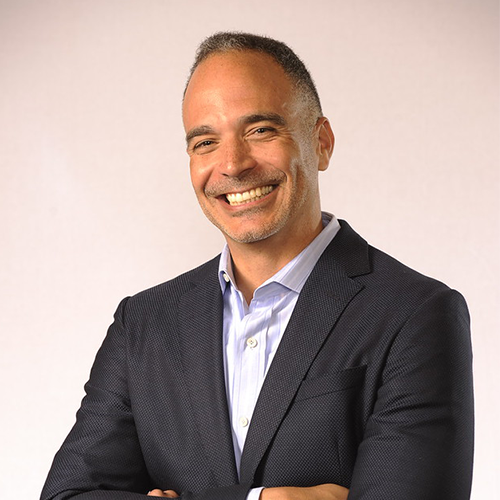
Jason Bey is an experienced leader with a demonstrated history of working in the biotech and pharmaceutical industry. He has held numerous positions including: sales, sales leadership, marketing, operations, business development, training, and executive roles. Skilled in building and leading teams, strategic planning, leading innovation and change, collaborating across departments & driving executional excellence. Jason is currently the Vice President and Franchise Head at Dompé.
The real stories and hard lessons to help you level up your leadership and performance. Now your host, Ed Molitor.
Welcome back to another episode of the Athletics of Business podcast. I am your host and CEO of the Molitor group, Ed Molitor. And today I am so excited to welcome back a great friend of mine, Jason Bey. I have a tremendous amount of respect for how Jason goes about doing things, and if you listen to his previous episode on the Athletics of Business podcast, that was episode number 39. Jason needs no introduction, but in case you havent listened to it, ill fill you in a little bit about Jason. And that is the fact that hes an experienced leader with a demonstrated history of working in the biotech and pharmaceutical industry, has held numerous positions including sales, leadership, marketing, operations, business development, training and executive roles. He's skilled in building and leading teams. Now, I wouldn't say just skilled. He is a master.
Jason is a master in building and leading teams, strategic planning, leading innovation and change, collaborating across departments, and driving executional excellence. Jason is currently the vice president and franchise head at Dom Pain. If you didn't listen to episode number 39, I urge you, I encourage you. Heck, I implore you, go listen to episode number 39 is phenomenal. And in today's episode, we're going to jump into a lot of different things. We'll talk about how Jason and the amazing leadership team at Dante has handled the COVID-19 not just going through it, but growing through it as we talk about all the time. We're going to talk about the things that Jason learned in 2019, which is a year that he identifies as probably his most fulfilling and rewarding year as a leader in that industry.
We're going to talk about how the leadership team at Dante collectively activated an inspiring and motivating vision, value proposition and operating principles, which we discussed in episode 39. We're going to talk about how those drove them to enormous success in 2019. It's pretty cool because we caught them right at the beginning of 2019. And here we are looking back and reflecting along with Jason. Jason's going to talk about why it is so powerful to focus on need and not precedent while being willing to take risk in how extraordinary teamwork and collaboration permeates throughout the teams at Donpe. And this next one I love. We're going to talk about what it means to own your dirt and how that has helped donpe remain fast and nimble and how it could help you.
We're going to talk about how important it was in 2019 that Jason identified the importance of walking away from all things that aren't business critical. And along those lines, how you temper your desire to go fast, right, to operate with speed, yet allow your people to fail on the journey, knowing it will make them and the organization stronger over time. And then we jump into dealing with COVID-19 and Jason gets real here with us, gets very real and transparent. And he shares with us how he looked inward to face his fears, which allowed him to be vulnerable with himself, family, friends and colleagues. And that's a word, vulnerable vulnerability that we'll talk about quite a bit.
We'll talk about how and why Donpe put the health and safety of their people and families first, which led them to be one of the first companies in their sector. Again, that's the pharma biotech sector, to put in a work from home order for their employees. And finally, we're going to talk about how they are focusing on the need at hand being present right now. Right. And while doing that, learning fast and through constant communication with their people. As a matter of fact, Jason will say, communicate, communicate with their people, moving quickly to make the greatest impact possible. And that's what Donpe is all about. Enjoy my conversation with Jason Bay. Jason, thank you so much for joining us again on the Athletics of business podcast.
It seems like only yesterday that you joined us for episode number 39, and we've been talking about doing this encore interview for a while. And who knew that we'd be having a conversation that we're having today? But I can't tell you enough how much I appreciate you taking the time.
Absolutely. It's my pleasure, and I should be the one thanking you. Ed, I appreciate your friendship first and foremost. You've just been such a great thought partner for me as a friend, but also on the professional front as I've navigated through a really exciting journey here at Donpe and then unfortunately, through some challenging times going on in the globe right now with COVID-19 but appreciate your friendship. I know you've not only had an impact on me, but leaders all around the country. So really excited to be back.
Well, and I appreciate your friendship. And we do talk about everything. I mean, we talk about how this has impacted our business with how it's impacted our clients, our teams, as well as our family. So it's been, if this makes any sense, going through something like this. So it's been a lot of fun, kind of leaning into your incredible thought leadership. So I do appreciate that.
Oh, it's been my pleasure.
So let's jump into. I mean, when we last talked, were just talking about all the great things that you were in the process of doing and building and what you're looking to accomplish in 2019. And I think it is safe to say that you completely blew that out of the water.
It's been a really exciting year. Journey, year and a half. And as I reflected back this morning, as I was drinking my coffee and preparing for this conversation, I just thought about how grateful I am first to the Dampe family. Just bringing everybody back to that previous conversation. You know, Dampe is an italian pharmaceutical company based out of Milan, started by the family, been in existence over 100 years, starting as a pharmacy, and then leading into bringing products to the market for over the counter, as well as now this first biologic that we recently launched for neurotrophic keratitis in the US.
But I think what's been most unique, and they deserve all the credit, is first they brought this product to market, all the scientists behind the scenes and making it happen and realizing an unmet medical need, but also in hiring my manager, Ashley Klein, one of the great minds in the biotech pharmaceuticals sector, who lives in the Bay area, allowing her to assemble a very diverse, talented group of leaders, which I just so happen to be a part of. And I'm very fortunate and grateful, but the amount of trust and autonomy they put into us, even before we performed or acted on anything, was just amazing to me. I had never seen that type of support and trust before, and someone who didn't know you that well.
But there's a reason they've been successful over the years in multiple markets around the world, and I'm, again, internally grateful for that level of trust and autonomy. And before we move forward, I just thought it was very appropriate to acknowledge them and give them my thanks for putting us in this position to succeed.
Which is one of the things that makes you such an incredible leader, is your level of gratitude and awareness. But I love the story about, you know, how Ashley said she wanted you to take this journey with her. What sold you on Donpe in the vision and what was going to happen here in the United States?
Yeah, I think it was their values first and foremost in talking to their leadership. Ariona is their CoO, Natalie Donpe herself, who's the daughter of Sergio. This vision has been there well beyond, even before I stepped on this planet. As far as their focus on bringing medicines that meet unmedical needs, and that's why they're in it. And I was bought in from day one when I heard them talk about that longer term vision and how they see that moving forward in the future. And then secondarily, I believed in Ashley. I had a relationship with her. And as, you know, as you navigate through your career, you follow people that you respect and that you trust. I knew she did her due diligence as it related to the company as well as the product.
And then as I dug in and realized what an amazing product it was a no brainer, and I was very fortunate to be able to come on board.
Right. Well, why the success in 2019? I mean, you guys talk about how you blew it out of the water, obviously, the amazing people, the breakthrough science, but what were the things that you can really pinpoint and bullet like? Here's why were able to do what we did. Yeah.
You know, I think there's three things from my perspective. First and foremost, we did a really nice job of, I think, collectively, you know, activating and inspiring and motivating vision. We created a strong value prop and most importantly, operating principles that were real. Right. In thinking about how we wanted to operate, how we wanted to act, not just focusing on the number that we wanted to hit. I think that was a real major difference maker for us because, again, every company were on the hook to perform. Right. We put a tremendous amount of effort around how were going to get there, not just the fact that were going to get there, which I think that equals more sustainable success over time, which showed in our performance in 2019. And we did in a very raw, authentic fashion.
We didn't go out and sign up a vendor and spend thousands of dollars to come up with these operating principles. We simplified it, we made it real and we lived with it and we put it into motion in 2019. And I think that was a huge difference maker for us.
Let's talk about those operating principles. I absolutely love them.
Yeah. You know, they're very simple and you'll see by just the simple language that we came up with them first. It's we care about each other. We, not them. Be real and honest. Own your dirt, which I absolutely love. We could talk more about that.
That's the best. Yeah, that is the best right there. Own your dirt. I mean, it's all wonderful, but own your dirt is. So it just takes you back to the athletic days, doesn't it?
Absolutely. Need, not precedent. And then achieving extraordinary results and celebrating success and we really anchored around these as a leadership team, and not only did we come up with them, but we embedded them in our culture. We embedded them in how were even evaluating people, and were thinking about people for promotions and people we wanted to hire. It really became a part of our organization. So that leads us really, to my second point, focusing on need, not precedent, and taking risks. You know, a lot of times you look back at your historical experience and you try to apply the same things. I think what we did differently is we looked straight in the face of what was in front of us and we adapted to what was needed versus what we wanted. And as a startup, you have to be very thoughtful.
And through relentless prioritization, I think that led to exceptional execution. We were very clear on what we expected of people, where they should focus. We put ourselves in the shoes of our customers, not just thinking about what we wanted to deliver to them, but what did they actually need for their patients. I think that was a game changer, honestly, that simple approach and mindset that we adopted.
Yeah, yeah, that's awesome. And I, you know, we've talked about this, the relentless prioritization leading to exceptional execution. And I love the language in that because like you said, it's very real, it's very authentic. And here's what we're going to do, and here's how we're going to do it. And you're so dialed into your why, and you talk about that when you put yourselves in the shoes of your customers. And it's so aligned with the vision, like you said, that Donphe's had long before you and I were even on the planet. So, you know, then leading that goes to number three, where you empowered people to make decisions at the local level. Talk about how significant that is.
You know, that really comes down to own your dirt and trusting people. Just the same way that the Dampe family and leadership team in Milan trusted us is you hire people with certain skill sets. You want diverse skill sets. We hired people with the mindset of having an entrepreneurial spirit. After you align on what's most important, you have to let them go and be okay with that and allow people to fail, allow people to try different things, give them the right coaching and feedback. And I think we did a nice job of that. But what it does is it empowers you, it gets you excited, it elevates your energy level and where you really feel like you're making a contribution. You and I both have worked for people, right? When they allow you to have that Runway to make mistakes to relish and success.
It just ignites a fire in you that you want to continue to sustain over time.
Right? And the word that keeps coming up and the thought that keeps coming up is the amount of trust you have developed and earned with your people. And really, that goes back to one of the things you were talking about in your second point. Focus on need, not precedent, and weren't afraid to take the risk. But you talk about in one of our conversations how you restructured while things were going well and your people bought into that. Right? Like, they believed in you as leaders, they believed in what you're doing. Can you talk about how you were able to manage and navigate your way through that?
Change is never easy, especially when things are going really well. A lot of times you are forced to change if you're going down a path that's not working well. We were hitting on all cylinders in 2019, and we stepped back and were continually thinking about the future of the organization. It's easy to get caught up in the moment. You should certainly celebrate the small wins. But we actually stepped back, looked at our sales organization, and realized we could hire some more folks. There was a greater need out there based on the market opportunities and the amount of patients that were really out there who needed the product. So we shifted our leadership team. We hired new managers. Just about every person on the sales team received a new manager.
We shifted some of the current managers into different roles, and it was a complete changeover. But the reason were able to do it is we knew we had the right people. One, who could handle it. Two, we communicated along the journey. Right. The last thing you want to do is come in at the last moment and say, hey, guys, we're going to change things up. And we provided context around the why and what's the benefit to everybody in the short term, being our employees as well as our customers, and then in the long term for the health of our organization.
Why?
It was the right thing to do. And it was amazing how people jumped on board. But I think well, before that, you have to establish trust because you don't have the trust. You can't initiate that type of change, especially in times when things are really good. Right? So, yeah, it worked out really well. Again, we've had some bumps and, but it wasn't on the people front. Some of it was just process driven. But I feel that was a huge contributor to not only ending the year strong, but also setting us up for this year, which we had a really strong q. One.
Yeah. And you think about what you just said, and the communication piece is what I was getting to. You beat me to the puncher, which is awesome. But we know that the workforce wants three things, right? First, they want to know if they're valued, right? They want to know they're valued. They want to know that the work they do is important. It has meaning. Okay. And then they want to be coached. They want leaders to take the journey with them and communicate with them and connect with them, which is what you've done. But how powerful is it that you are able to find by dialing into your why organizationally as well as individually?
Talk a little bit about how powerful it is that you get emotional attachment into what you are trying to accomplish when you do this restructuring, even though things are going well. Yeah.
You know, you've heard me say this so many times. I mean, I'm such a big fan of Simon Sinek. I actually listened to him this morning on LinkedIn as he was addressing his team, which I was just blown away with.
How about that?
I mean, the guy's phenomenal. I mean, he used the word love twice in expressing how he feels about his team. So we can come back to that one. But what I've always learned there is if everybody understands their why first as an individual, and that's not an easy thing to pull out of. But are we putting people in a position where they're digging internally to better understand that for themselves first and then being able to articulate it in a very clear way of what's the why and where do we want to go as an organization moving forward? I think it's so much easier, and I think what we just went through is an example of that, to then embrace change because you understand why you're doing it and where you hope to go as an organization.
And most importantly, who's at the end of it? That's a patient who needs a product. Right. To improve their quality of life. So, again, I just think that's going to continue to be anchor for me as I move along in my career, not just professionally, but also personally, is really always trying to test myself to understand why am I doing what I'm doing, what are my values? But are we collectively aligned around what that is as an organization?
Right. And you had mentioned to me that this was your most rewarding year of your career, and you've had a hell of a career. All right? And you mentioned this. But then the other thing I love is you talk about how much you learned this year. Right. The most successful people, the great leaders, are all lifelong learners. Share with us a little bit about what you learned this year in a wildly successful year.
Yeah, no, I appreciate you asking that. Wow, there's so many lessons. First, I have to say I've had the most fun that I've ever had in my career. I mean, what a ride. And that comes from for a lot of different reasons. One, I think my passion is aligned to what I'm doing. Number two, I'm working with people that I consider my friend. There's not a person in this organization I wouldn't want to go have dinner with or have a coffee with outside of work. And that's a game changer for me. And that's something that's really important to me. But as it relates to really specific learnings, you know, not in any particular order, Ed. But I think one for me is the importance of making decisions without having all the information needed. You hear that a lot, right? In leadership and in books.
But I had to live this. I think we all had to live this as employees, as leaders, as individual contributors. And it's really was essential to our success as a startup. Not everything's paved perfectly for you. You're going to go down unchartered waters, especially when you're new to a country, as a company, new to a market. But I think being able to be nimble and flexible and agile, sometimes you're not going to have all the answers that you want to move forward with the decision. And I think that's what I learned. Again, as I had mentioned earlier, when you strive for perfection, it's tough to be nimble and move quickly. And I think we did a really nice job.
Again, I had my failures, but I guess I became more comfortable with making decisions without having all the information, which that hasn't always been the case for me. And I think I was forced to, based on our situation. A lot of us were.
Was that a big process for you to get used to doing that, to be comfortable doing that?
Absolutely. I'll admit, I mean, as an individual, it wasn't something that I was comfortable with. Like, I like to dig in, do my due diligence, you know, project out what could potentially happen, thinking through the implications of a decision. But when you're moving quickly and sometimes you don't even have all the resources you desire, you have to be okay with it. And I think the situation forced me to look internally and kind of have a personal breakthrough. But I have to admit it wasn't something that came to me naturally, but I think the situation challenged me and pushed me individually to help me work through that and then also to help others work through that, because this was a situation I think we're all exposed to. Right. It didn't have anything to do with your level in the organization.
It was more about the fact that were navigating through some uncharted waters. Yeah.
And when you do that, there's a sense of. It's like a feel, right. Almost trust in your gut and intuition, but a level of self confidence. And you see things happening, you see things developing, and you have that trust in yourself to make that decision and to, once you make that decision, you're. You're moving forward. So when you first started doing that, did things fall into place for you, or were there some failures? You're like, okay, this isn't working so well.
Oh, there were certainly some failures. And then I think there's some insecurity. Right. And we all have them as people, and because you don't want to make mistakes, especially as a leader. But then when you find out is one of the greatest things you can do for a team is to be vulnerable. And when you do make a mistake, admit it. And I certainly had to do that, but I think it was just a great moment. And were on the journey together, though. It's not like one person was going down that path by him or herself. We were going down it together. And then when you create a culture where, again, you're okay with that, and people can stumble a little bit. Right? It's safe. But you pick them back up, you give them the right coaching, and you take the feedback.
You can get through that well, and that's the thing. You and I have talked about this before. As a matter of fact, I think we talked about it in episode 39. It's safe, not soft, right? People, sometimes they mistake that. And anyone who knows jason knows he is not soft. Anyone who ever saw him play basketball knows he is not a soft human being. But a safe culture is so significant for that very reason. People know that it's okay to take risks. It's okay to get outside their comfort zone, because that's where they're going to grow, and they know that level of support that they need is there for them.
Absolutely. You couldn't be.
What are some other things you learned this year? Because I know. I know you probably have.
Oh, yeah, I have a whole list. I think another thing for me was being able to walk away from things that aren't business critical. I talked about it a lot, is prioritize, prioritize. I'm a fairly detailed person, but you have to step back and prioritize, help your team prioritize and then do things based on need, not precedent. We all run into that challenge in our professional lives is you have experience for a reason, you certainly want to lean on it. But you looking at the here and now, are there ways that you can do things a little bit differently based on what's being presented to you in the moment and also what you foresee in the future? I think COVID-19 is a perfect example of that. That was definitely a learning, continual learning for me. I think for us as an organization.
No doubt in terms of prioritization thing, I think one of the biggest challenges folks have, at least for what I hear from clients and what seems to pop up is the ability to say no to things. Right. And talk about things that aren't business critical, that aren't revenue producing behaviors. Okay. They're not taking you a step closer to your success. How do you work with your people to develop the ability to say no, knowing that it's okay to say no? Not only that it's powerful.
Yeah.
You know, it's not easy.
I think, because we want to please people, we want to do well. People are driven. They want to make their manager look good, and they want to thrive in their own individual role. I think first and foremost is aligning on what are your strategic imperatives as an organization. Right. I think doing that early, getting the right alignment, and then cascading that down appropriately, as here's the imperatives. Now, how do you fit into driving that within your role? And I think sometimes we move so quickly, we don't help people define their roles. So then once you do that, it's a lot easier to say no to something if it doesn't fit in and align to what that strategic imperative is and how you feed into that.
Now, again, I'm not saying it's easy, but I think when you really have crystal clear objectives or imperatives, it does make it a little bit easier. So then you have to be in an environment that, again, is safe, not soft, where you can say no and people understand why you're saying no or deprioritizing. There are times certainly where you have to shift your strategy, but you really have to be able to have that environment where people can say no, but then explain why they're saying no and move forward especially when you're moving quick. Right. And you're building and you're growing, you have to be able to adapt.
Right. And, you know, I don't want to get away from what you learned this year, but you just mentioned something defining people's roles and being crystal clear and what their role is. And because I think sometimes as leaders, the challenge is we're moving so quickly, we don't take the time to pause and define the role and give them ownership of it and get them to attach to it emotionally. So they embrace, because really, their role and how well they execute is the true value they bring to the organization. So can you talk a little bit about how you communicate exactly what the role is? And not just in the sense of telling them, but when questions pop up or you can see the light bulb, like maybe it's just not going on. Yeah, they do have.
And how you go ahead and explain exactly why their role is so important.
Yeah.
You know, it's funny.
It's interesting. I'm just kind of looking back, when you hire people, you have a great job description. It's amazing how much you put into it. I think one thing we did, though, is we let people know is this is the job description today, but you're going to wear multiple hats, you're going to be an entrepreneur. We're in a world that we're going to face things we didn't know were coming. Are you okay with that? So I think being upfront with that really helped as we are hiring people on board, but as they got on board and they were rolling up their sleeves and figuring out where they could make an impact, we're defining our strategies. I do think you have to engage that individual in refining their role.
They might not define it, but I think refining it based on the evolution of the organization, the evolution of their own personal professional growth, and we're able to align that. It's amazing. You get so much more buy in when people feel a part of the process. Right. Because it's forever evolving any organization, the structure, people's abilities, their skill sets. Some people want to stay in a certain type of role, but were in a unique situation that were growing at such a fast clip. People's roles were just naturally evolving because they had to for us to keep up. Right. But as we step back and allowed people to help refine, it's amazing how excited they got. Not that it was a complete shift in every role by any means, but really understanding what it is that they can bring to the table.
Aligning their skill sets to the strategic imperatives that were put in as an organization.
That's awesome. You move fast, make decisions without all the information, things are going to happen. Define and refine. How important has patience been to you?
You know, it's funny, you talk about moving fast, but yet having patience.
Right. Be quick, but don't be in a hurry. Right?
Exactly. And I think patience, what I mean by that is patience with myself in making some mistakes because I was wearing new hats that I hadn't worn before, and I wasn't the expert in everything that I was exposed to in helping build an HR team and benefits and 401K plans to make it attractive to bring people on board. There's a ton of mistakes I made and being patient with myself, which I probably haven't been very often in my lifetime, and then being patient with my colleagues and my peers and as we've talked about in this whole conversation is allowing for people to grow as we're moving. Right. And make some of those mistakes but stretch themselves and try to do things a little bit differently, a little bit better.
And I think those are two areas of ways in how patience really came to the forefront for me. But a lot of it was internal, I have to admit, and giving myself a little bit of slack and knowing that there's going to be a lot of things, a few things that I'm going to fumble through. There's no doubt right now, I really.
Want to jump into discussion about COVID-19 how it's impacted you, how you've led through it. But what's one more thing, let's talk about one more thing that you learned this year in 2019.
Yeah, I think the last thing, and definitely the most important, is, you know, trust is earned when actions meet words. And I'm just so thankful that people trusted in us and coming and joining a company where everything wasn't mapped out. But they believed in a vision. They believed that we wanted to do something special and we wanted to do it together. And so I'm more thankful to the folks that I work with for trusting in me and trusting in us. And I do think we've been able to establish something very unique, but I also know that it never stops. Trust is something that's forever ongoing. And again, you really have to ensure that your actions meet your words.
And especially in times like this with COVID-19 you can never prepare necessarily for situations like this, but you put your people first and they trust that you're going to do what's right for them and their families. Not that it makes it easier, but it definitely helps you navigate through some of these situations well.
And it goes back to one of your differentiators, right along with your vision, operating principles where you talk about family and you talk about build trusting, respectful and supportive relationships and empower each other to make great decisions. But the first build trusting, respectful and supportive relationships. And that's right now what's going to be such a game changer for you and what's going to separate you from, you know, where you are to where you're capable of being when we get to the other side of this. So lets jump into COVID-19 and whats going on and what your thoughts are on and what that journey for the last month. I mean, it feels like I read something funny yesterday. February was 29 days, March was 100 days, and Aprils been like 3000 days already.
It seems like its been such a long cycle that weve been going through this first quarter. Lets talk about that journey with you.
Yeah, I think first for me, Ed is really thinking the healthcare providers out there, restaurants that are delivering, allowing for pickup, supermarket employees, delivery drivers, I mean, people are risking their lives to ensure that we can continue to move on. And literally, and that's just so important because I read a quote the other day, I was on social media, which I'm probably on a little bit more now than ever. It was on a mural in this wall, I think it was southern Cal, maybe La, where it said, we don't know each other, but we need each other.
Awesome.
Love that. Think about all the people on the front lines. That exactly holds true, but also us. I was walking around the neighborhood, keeping our social distance, obviously with my family. And the way people that look at you, the empathy, the love that they have in their eyes is something that I've never seen before. And I actually feel much closer to strangers and my neighbors than any other time in my life. So the reason I share that is there's so much optimism there. I do think there's light at the end of this darkness. None of us can predict when it's going to happen. But as I reflect and think about life in general, well beyond just our professional life, those are things that have just really resonated with me. The unselfishness.
And I think the globe coming together and then working for a global organization based out of Italy where they were hit really hard and just see the selflessness of people reaching out to help has been overwhelming, to be honest with you.
Yeah, I mean, you hit the nail on the head, the way we have come together. And it is the way people look at each other, the way, you know, you talk about people putting their lives on the line, it's literally, I mean, they. I look at the grocery store people. Yeah, they sit there all day. I mean, they sit there all. Yeah, they've got the screen up in front of them and all that, but they sit there all day and they're not there necessarily for them. Yes, they need the money. Yes, they need to feed their families. But everything they do there is with the idea of, okay, let's all keep this moving forward together. Yeah. Yeah. So how have you supported your people? How have you supported your organization? And really, let's start back with Milan.
And they were hit so hard with this. How did Donpe respond? Because you are critical. You're critical to the health of Europe. You're critical to the wellbeing of that part of the country. Let's talk about that a little bit.
Yeah, I would just say courageous. When I think about my colleagues in Milan, our manufacturing plants in Lakuila, which is about two to two and a half hours from Milan, and we've still been able to manufacture the product unscathed at this point, where it's then shipped to the US for patients tremendous need. And starting with Sergio Dampe and just the courage that he's exhibited to ensure, with the safety of our employees, that product is still able to get the patients. And I've just. I'm just amazed. And again, if there's something that inspires you and understanding, there's a patient at the other side, and the organization's doing whatever they can to ensure they get product is very rewarding for everybody, but most importantly, the patient. So again, I just commend them for how they've handled it here in the US.
You know, first when you think about it, like, I had to look inward pretty quickly. I'm sure you did as well. I was scared to death. I'm not gonna lie. You're educated on some things, you're not on others. You try to become educated. But it was just a really difficult time, and I think. So my first thing was trying to identify, what am I scared of? Right? Like, what's keeping me up at night and then talking to my wife and family. Like, what is it that's concerning to you? Because we're all scared about different things. Right?
And the reason I bring that up is then my next conversation is with those I work with closest, the leaders and my colleagues in direct reports is to dig into one, show empathy, make sure their families are okay, but also seek to understand what's keeping them up at night, and how can I better relate to them as individuals? Because I can't just assume that they're scared or anxious about something similar to me, it could be completely different. But if you don't make that human connection, you could forget about anything else that you hope to aspire to as an organization or an extended family. Right. That was just a really interesting moment. I guess for me personally, is to dig a little bit deeper and address your own internal fears before you can ever think about leaving anybody else.
Didn't that almost feel. I don't want to use the word refreshing to you, but it felt like a reset button to me. Like, I looked at this from a gratitude viewpoint, like spending time with the family, being home, knowing that they're okay, knowing that there's something that we can't control, and that's having the kids here and how we do things here. But it gave me a point to reflect, like, okay, the worries I had six weeks ago, seven weeks ago don't seem very significant right now. Okay, so how. How's the rest of my life look like that? You know, you talk about being vulnerable with yourself. Okay, let's be real here. And what is it that we fear? What is it that we can do about it? What do we have control over? And then let's move forward doing that. Jeff?
Yeah. You know, you bring up, I mean, you talk about gratitude, and it's interesting you say, that is several weeks ago, I pulled out, I have a gratitude journal in my nightstand, that during times throughout the year, I pull out and I write what I'm thankful for. And most of many times it's been through adversity, but other times, it hasn't. But what it's done for me is kind of ground myself. One, when you write down what you're grateful for, it's amazing the impact it has on you internally as a person. But it then does create this calmness when you address others because you've identified early on your fears. But most importantly, what you're grateful for, it certainly makes it easier to connect with people, especially when you're writing it down every day.
And like you said, and you have those reminders of no matter how hard it is, I'm grateful for the people on the front lines that are risking their life. I'm grateful that I could spend additional time with my family. I'm grateful that I work for a company that's that it's healthy. And, you know, I consider my colleagues, friends, like, putting that down on paper. It's amazing the impact that it has on you as an individual, which then helps you be a better leader and a better connector of people, for sure. Right.
And a great segue into connector of people. So what did you do? You know, I know you're a master communicator. You're incredible at it. What did you do with your people here in the United States when this, it became very real and became very apparent that you had to be nimble and you had to make a move here and do something.
Yeah. The first thing we try to do as a leadership team was to maintain a level of education to the best of your ability. Right. There's a lot of information flow in the media. There's a lot coming at you, and you're absorbing a lot really quickly individually. I also tried to talk to leaders across different industries first and then narrowing in on my industry to see what they were doing and how they were processing everything. And then ultimately, we just stayed in contact. We over communicated. I think we shared what we knew. We also shared what we didn't know.
In times, I don't want to say of desperation, but of difficult times, you want to also be careful of not trying to predict the future, because especially in this situation, there's no way any of us would know what tomorrow's going to bring, let alone six months, let alone what tomorrow's going to bring. And then were actually one of the first pharma companies in this sector to have our folks work from home, both in the San Mateo office as well as our salespeople. I didn't see any risk with that. You can always have people go back out and sell or go back to the office, but there's no way in the world we wanted to risk people's health, their safety, especially being in vulnerable situations, going into hospitals. So we pulled them back quickly.
And what I appreciate is our senior leadership in Milan was comfortable with that. We weren't thinking about the business impact at that point. We were thinking about the health of our employees. So I think right away, it just, you continue to maintain the trust, and people quickly realize that we value them and their families more than anything as it relates to business results.
I mean, that is absolutely huge as we wind down here. I think this leads us right into, you know, talking about leadership. And it's funny, Jason, because you and I, every now and then, I mean, we may go a month without talking. Two or three weeks without talking, two months. I mean, our worlds are evolving so quickly, but every now and then I'll get a text from you or I'll fire you. A text. Hey, man, what are you reading right now? Okay. And we love talking about leadership. So can you share with us what you're reading right now or what you recently read that's had a huge impact on you? Yeah.
So two things. One, any podcast, anytime I can listen to Simon Sinek, I keep going back to him. I'm such a fan. I hope there's a day that I can meet him. Maybe you can get him on this show.
Okay. We'll effort that. Yeah.
As I had mentioned, I heard him talking to his team and he was talking about, yes, these are unprecedented times, but they're not, which was kind of interesting. The way he talked about that is he highlighted when the Internet came in and how certain companies couldn't keep up and Starbucks and Uber and how they put certain companies out of business. And he said, this is more shocking and it's more sudden, but as an organization, you have to adjust to change. Opportunity is what we will be, not preserve what we had. Right. And that really resonated with me in the fact that we're going through some times that we've never been exposed to.
But what I'm most inspired by, Ed, is how people are continuing to reinvent themselves every day, looking at their roles and looking how the company is going to have to evolve and change based on the times that we're facing. So we come out better at the end of this and paving a whole new path that we probably never even thought of based on the situation were handed, which is huge.
And you think about it, you will, right? You're doing it right now and you're going to have a whole different skill set. There's opportunities that have presented themselves during this pandemic that otherwise would not have presented themselves. And what are you going to do with them and what you folks are doing? What you're doing as leaders? Phenomenal.
Absolutely. All right, now get to the book, the motive. I think you read it, right? By Patrick.
Yes. Thank you very much.
I read it.
My daughter wasn't so happy because I was kind of unintentionally ignoring her the night I had it. But I did read it in one night. It was awesome.
Jeff. Oh, it's a great book. I read it again this morning. I'm up early all the time having an eleven month old. So I early and read who gets.
Up first, you're the eleven month old.
I get up because the only time I have in the day because once he's up and our five year old, that's it.
Isn't it funny though, you find yourself like trying to be quiet, even breathing when you get up in the morning.
Before everybody and then the stairs creak and you start getting anxious and. Yeah, but I'm such a big fan of Patrick. I know you are as well. You know, five dysfunctions of a team, other books that hes written. I think the difference with this book is its not talking about how to lead or how to inspire others. Its more of why do you want to lead? And thats the first question that I ask people who aspire to leadership roles, whether its at Donpe or within other industries or other companies, is why do you want to lead? And it really forces you to reflect and look inwardly. And I just think its a phenomenal book. Ed be curious to get your insights and perspective. But thats, I read it and I'm kind of rereading it right now, to be honest with you.
Well, it is a great book. And you speak to like, why you lead. And there are folks that when they get into that role that they coveted. Right. Why did you covet that role? Okay. Is it all of a sudden you deserved it, so you have it. So now you're going to do things the way you want to do them and you're just going to have fun? Or is it that you, now you're here and the fun is just beginning? Like the work is just beginning because you're going to serve others and you're going to lift them up. And I just love like the patience of the mentor throughout the book. Right.
He just kind of let the one gentleman paint himself in a corner and then all of a sudden he came up with the answers and the realization that was, you know what, I was doing this the wrong way, but yet he still had time to pivot and do things for the right reason, the right way. And I thought that was phenomenal about the book. And like you said, Patrick is, he's unbelievable. Yeah.
You know, it's funny, he had a quote in the book. It said something like, we should aspire that people one day stop using the term servant leadership, since that is the only valid kind. Right. And I think that just summarizes the whole book and just thinking about leadership in general, especially as we continue through these current times and again, some of the unforeseeable challenges that may be ahead of us. It's still.
And you and I were blessed, right. Growing up, we both played for high school coaches that were way ahead of their time in terms of servant leadership and the way they coach and the way they did things. Yet they still would compete their lips off and get after you. But it still blows me away that sometimes you have to, and this is to no fault to people, but you still have to explain to some folks what servant leadership really is like. We put all these folks in leadership roles, but we don't do them justice by preparing them to be in those leadership roles and talk about what they mean, not just to them, not just to the organization, but to the people they lead.
Before we wrap this up, can you talk about how important it is for you and your leaders to coach your people? Not just manage them, not just tell them what to do, not. And you don't just focus on numbers, but how important it is to coach them and jump in alongside them on this journey? Yeah.
There's nothing more important. That was one of the reasons we restructured. That is, we wanted to allow for more opportunities to coach our field team. Cause we felt that we owed it to them. And it's amazing when you ask people, you look at different surveys. People wanna be coached. Right. And as long as you help your leaders understand how to do it and tailor it to the individual, it shouldn't be something that's people fear. Right. It's something that people should want one. It should be delivered in an inspiring way, too. And it should be something that's tangible that you can actually wrap your arms around, embrace and move forward and improve. Right. And I think coaching and feedback, I think we talked about this last time. It always has this negative feel to it, right.
Like you're just calling out what I don't do well. But coaching, as someone's strengths, for me is just as important, if not more than an area, that maybe they're not as strong, because if you're really specific about what they did well, they can replicate that. Right. So I think sometimes we shortchange the positive reinforcement, and we're very generic opposed to. We're so specific when we're calling out something somebody doesn't do well. So there's nothing.
You had that phenomenal quote in the last one that we're so. I don't remember the exact wording. I just listened to the episode a couple of days ago. But you talked about how when people mess up, right. When they fail or they mess up or they don't do what they're supposed to do. We're so specific in that failure and how we identify with it, but yet when they succeed, we sort of just gloss over it and we don't get real specific. Yeah. No.
And this is where you've been a great partner for me, thought partner coach. And working with our team and myself is, at the end of the day, you always remember those great coaches. You know, I go back to my dad being my first coach, to my high school coach, deep papas to all the way through my lifetime in multiple sports, not just basketball. And those people, they're in your heart, they're in your mind. You go back to things they used to say to you and the same thing professionally. And I hope that I can one day be a person who plays a small part in someone's life, or they look back and say, wow, we had a really defining moment or a great breakthrough. That, to me, is way more important than any revenue that's hit or exceeded.
And I think that's what I aspire to as a leader, where, again, I could just be a small part of a magical moment for somebody in their personal and professional growth, because I know what it feels and I know you do as an athlete when someone really connects with you and they care about you, because in order to get great coaching, you've got to care about the person you're talking to. And I know what that feels like to be on the receiving end, and I know you do as well.
That's awesome, Jason. Thank you so much. It's been. It's been an absolute blast having you back. And this conversation. I mean, we could keep going. We said every time we talk on the phone, we say we could talk for hours, but we've got things to do. And I appreciate you. I appreciate what you're doing. Appreciate dome, obviously, I mean, you folks are doing some amazing things. Thank you.
Thank you, Ed. It's been my pleasure. And I look forward to the next conversation and learning about how you're keeping your kids busy and active.
Hey, you know what? If you figure it out, let me know, okay? Because that means you beat me to it.
Thanks, Ed. Thank you for listening to the athletics of business. Be sure to give us a rating and review so we know how we're doing. For more information about the show, visit theathleticsofbusiness.com. Now get out there. Think act.