
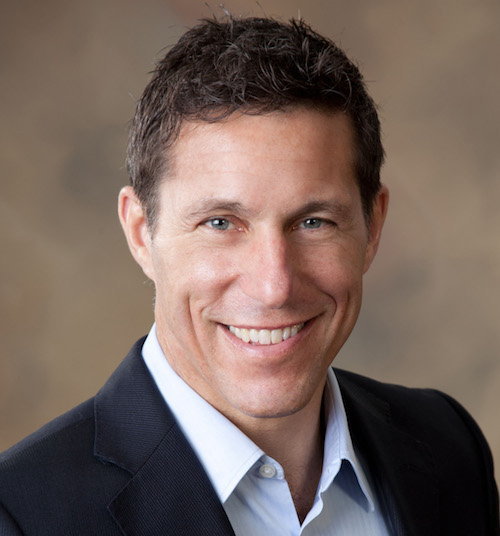
Nick Sarillo is the founder of the Trust & Track Institute and Nick’s Pizza & Pub – the sixth busiest independent pizza company in per-store sales in the United States. Founded with the purpose of providing the community with an unforgettable place where families could relax and have fun, Nick’s Pizza & Pub was recently named one of the Top 25 Best Small Businesses in the country by Forbes Magazine.
Nick credits his company’s success to his purpose-driven culture, which is the focus of his book, A Slice of the Pie: How to Build a Big Little Business (Portfolio; 2012). Nick is a regular speaker at entrepreneurship and HR conferences, and his insights have been featured in The New York Times, The Economist, Inc., Fast Company and Investor’s Business Daily.
Welcome to the Athletics of Business, a podcast about how the traits and behaviors of elite athletes and remarkable business leaders frequently intersect. The real stories and hard lessons to help you level up your leadership and performance. Now your host, Ed Molitor. Welcome back to another episode of the Athletics of Business podcast. I am your host and CEO of the Molitor Group, Ed Molitor, and I am beyond thrilled to welcome today's special guest, Nick Cirillo to the Athletics of Business podcast. Nick is the founder of the Trust and Tract Institute, as well as Nick's Pizza and Pub, the sixth busiest independent pizza company in per store sales in the United States. I'm gonna tell you something. The family and I have been there a few times. It's unbelievable, which is no shock because now follow me with this. When he talks about the purpose.
Nick's Pizza and Palma was founded with the purpose of providing the community with an unforgettable place where families could relax and have fun. Nick's Pizza and Pub was recently named one of the top 25 best small businesses in the country by Forbes magazine. And Nick credits his company's success to his purpose driven culture, which is the focus of his phenomenal book, A Slice of the Pie, how to Build a Big Little Business. And Nick is a regular speaker at entrepreneurship and HR conferences and his insights have been featured now get this in the New York Times, the Economist Inc. Fast Company, and Investors Business Daily, just to name a few. So let's get to the interview and some of the things that we're going to talk about are how to drive a trust, which helps you grow through the tough times.
And one of the really cool things Nick says early on in the interview, he talks about how he doesn't want people coming to him seeking permission at work. And that's why one of the reasons he thinks it is so important to be explicit and defining your purpose and to shift from the mindset of a manager solution to a purpose and value solution, which really empowers your people. And then he'll talk about how to build systems around purpose and values, which drives your success, drives their success. So without further ado, let's get to this incredible conversation with Nick Cirillo. Nick, thank you so much for joining us today on the Athletics of Business podcast. I am extremely fired up to have you here with us.
Yeah, thank you. I'm grateful to be here, Ed. This is a lot of fun. Excited to have a chance to finally be on your show with you.
Well, I tell you what, we've been blessed with Some great guests, and we're going to jump right into it. And I'm going to. I prefaced it a little bit in the introduction, but give the listeners some context here. We're right in the middle of the COVID 19, the coronavirus, the global pandemic. You have an amazing journey. You and I have had some wonderful conversations prior to recording this podcast, and everything comes back to trust. And I'd love for you to take us a little bit on your journey here up to now and what trust has meant to you. We'll talk about trust and track and where you're introduced to that and all the amazing things that you've built to help you at this time. Not just to, you know, to grow through this, not just to go through this.
Yeah, yeah, for sure. Happy to do that. And I agree with you 100%. Trust is really important. The challenge is that it's a big word and means a lot of different things for different people. And I dissected it and paid attention to the word. And love Stephen Covey's book, the Speed of Trust and separating out, like, character trust from competency. Trust has been helpful for me as well, but, yeah, it's an important partner. I'm sure as we talk through this, that topics can come up.
Absolutely. So tell us a little bit about your journey, because it's really. It's pretty amazing when you sit back and look at it.
I don't know if it's so amazing. I mean, it's pretty average, actually, and maybe that's what's funny about it. I grew up in the city, mostly on the north side. You know, people ask, what neighborhood were you in? We actually moved around quite a bit because my dad was.
I'm guilty as charged, by the way,
Because I had a few times. Yeah, well, I was fortunate because I grew up in a very entrepreneurial family. My dad were very traditional Italian. He had five brothers. You know, my grandma raised all five boys on her own in Chicago and mostly around the Cicero area. Around Cicero. My dad had really a couple businesses all the time. He was actually in aluminum siding and remodeling business back in the day. Right. The Tin man kind of days.
Right.
So we had that remodeling thing going on, but we always had a restaurant, too. And it's funny because I definitely seasonal construction stuff, so more in the restaurants in the winter than in the summer. But because of that, every time we bought a house, my dad would remodel it and fix things up, and then we'd move. So we're but mostly around the north side of the city growing up. But I would say back to my story. I think a big part of who I am, I didn't realize at the time, but I learned a lot. The term entrepreneur didn't even, you know, that was never spoken to, but just lived.
And I would say a big part of that was, I think some key things that I learned from my dad was every time we just driving down the street with him as a kid, you know, 8, 9, 10 years old, I had to work with him all the time. I had no choice. But, you know, he would always point out a business or we go to one of his buddies businesses and always ask him the question, why are they doing it that way? Is that really the best way you could do it? How can we do it better? You know, oh, you know what, that's a tire store. I bet that could be a better like dress shop or, you know, they should open McDonald's over here.
And you know, so that kind of questioning day to day just developed a mindset for me about how to question things and do things differently. And because, you know, he didn't up to an 8th grade education and really did well for himself, but I think always not getting stuck in any kind of corporate or any philosophy about the way everybody says it's gotta be done this way. My dad always said, if you want to get ahead of life, you gotta do something different than the average guy does. So I was always from business to sports. That was always in my mind. And I think a couple of things that really shaped my philosophy was growing up with my dad in an entrepreneur mindset. I think my little Italian grandma and sister, she taught me a lot of great values.
And I think the other thing was to keep us off the streets. I either had to be working with him or in sports. And I learned a lot from football and wrestling, I would say, especially as a coach in wrestling. I told the kids the self discipline. Some of the things I learned about wrestling have really helped me as an entrepreneur.
Oh, and wrestlers are known to be a little nuts and so are entrepreneurs. So it really goes hand in hand.
Taking risks, you know, what the heck going for it.
Well, a ton of self discipline. I mean, the work ethic is off the hook. So take us through your journey with your career, all of the different industries that you've been in and where you're at now.
You know, it's funny because after working in my dad's restaurants, I actually thought I was so burned out by the Time I was done with high school with, you know, not having Friday nights and Saturday nights with my friends and stuff. I was like, dad, I'm never going to get in the restaurant business again. Because of that, I wanted to. I liked working my hands. I became a Carpenter. Started at McCormick Place, actually. That was a little boring. So then I went into residential stuff and loved building houses. Really did. I mean, I felt. I was like, okay, this is. I was so passionate about it. And my brother actually went to school for architecture. So sure enough, a few years later, after I start doing side jobs and my brother graduates from college with a degree in architecture, we started our own.
Doing a spec house. One spec house led to two. Next thing you know, we got our own construction company. So that worked out well for. And actually still is working out well. My brother still has a construction company. But for me, my journey, what happened was I got married and had three kids, you know, and then we ended up moving out to the burbs, and I wanted my kids to good schools. Actually, we're building houses out in that Crystal Lake area in Cary and stuff and.
Great area.
Yeah, the northwest suburbs of Chicago, for those of you who don't know. And my kids were little, taking them out to eat, you know, my Danny was, you know, they were like 2, 4 and 6, Danny, Nick and Michelle. And I just realized that there wasn't a place where you could take the family to go out to eat. That was like a fun place for the whole family. You go to the cheesy place that was great for the kids, but the food sucked, you know, and brutal for the adults. Yeah, yeah. You go to a better place for the adults. And the servers didn't treat the kids like first class. They would be good to the adults, but the kids were like a pain in their butt. And my angels, you know, I couldn't imagine that, really.
Probably the reason you're out to eat in the first place, too.
Yeah, exactly. So at that time, too, I was also starting about 11 years into the construction business. It was changing. It wasn't about quality craftsmanship anymore. There was. Now there was nail guns, you know, it was about building a house fast. It wasn't as fun for me. And I'm a big fan of passion. I believe in we should be doing what we love every day. If not, it's time to look for something else. And so I was sitting with the timing of losing my passion in construction industry and seeing this as an opportunity, even though there's a gazillion restaurants at the time, pizza places at the time. I thought, you know what, I'll take my dad's recipe and I'm going to build my own place. And I think we could do it better. And so I gave it a shot.
I didn't have much money, but I actually wanted to build like an old. My design was this old midwestern barn look.
Very cool.
Yeah, yeah. And it worked out good because I didn't have any capital. So I went and knocked on farmers doors and asked them look for the farm that was like the barn that was falling down. And hey, can I, you know, I'll take this off your hands. The guy's like, look at me sideways. Oh yeah, sure, take it. You know. And that was before old Barnwood was cool, you know. So this is 1995.
Well, you made it cool, Nick.
Yeah, well thank you. Yeah, right. I'm such a trendsetter. So I was able to design and build my first restaurant myself in 95 in the Crystal Lake area, you know, northwest suburbs. Luckily I opened the doors and the place was packed from day one. And after so many people telling me, you probably experienced this too, you know. And when I started the plans and started building it, I had so many people telling me I was going to fail. The location wasn't on the main strip. You know, restaurants are so hard. I don't know what I'm doing. You know, all that it was fuel me up. All that it was fire me up to say, yeah, right, you're going to tell me I can't do something, you know. Right.
And you knew what the best part about those people are is. Those are the same ones that say, but let me know if I can do anything to help you. Yeah, that's just the person I want help from. Someone fail. Okay, I use your ideas.
So anyhow, I was so happy when I opened the doors and it was packed, you know, I mean, I wanted to hug every guest.
Yeah.
And it really was, I think the community was really looking for that place to come with their family, with the neighbors. And they're big restaurants. At that time there were just under 200 seats. They're half the size they are now. In 2000 I put an addition on it, made it 350 seat restaurants, about 9,000 square feet. So they're massive, full service pizza, casual dining restaurants. And really, I mean, about a year into it after I was able to stop working 20 hours a day, start getting my act together and realizing I really need to train other people. So I don't have to do everything. I had this epiphany ed about. I think part of it was people coming to me and asking for raises.
And I'm like, I don't want to be that kind of manager boss where people come to me for permission all the time. I had some bad experiences with previous bosses myself. And so I thought right around then, I was like, how do I create a company where people enjoy coming to work every day? And I had long been, since my high school days, I always been interested in psychology and human behavior and why people perform. And, you know, and I was very competitive myself too. So I was always, like, interested in how do I have people, like, do their best here at work, but do it because they enjoy it themselves, not because I'm telling them to do it, you know.
So that's where I started reading and researching, like, how do I build a place that has meaning and that I think inquiry really brought me down a path. I started reading about companies like, for me, the only ones that were doing that had that kind of mindset in business. I started reading about Whole Foods back then. I started reading Star books, was newer back then. Read Howard Schultz first book. I was trying to figure this out. It was right around 2000 or so that I wanted to grow my business. I met this guy, Rudy Mick, and he was the one who helped us define our purpose and our values. That was a game changer. When I met him, I had been looking for a bunch of consultants. And most of the consultants were like, here's how you make more money.
Here's how you put security cameras. And back to that trust thing, I'm like, that's B.S. You know, I think security cameras create is an environment of less trust. You're sending a message, you know, And I actually had no problem making money. I was making tons of money. That wasn't the issue for me. It was about how do I expand my business and still hold on to what I had created around trust, around care for our team. We cared about each other and create meaning at work. And I didn't have the right language for it. It was just an intuition until I met Rudy. And that's where he was like, nick, you have all this passion inside you. Let's take that passion from inside your gut right, and define a collective purpose for the organization and collective values. I was like, that sounds really cool.
I have no idea what the hell you're talking about, but that sounds really cool.
It had to be somewhat of a relief too, to know that you had it in you now. Let's just figure it out.
Yeah. Well, we did a off site with about a dozen of our team members. I had 60 employees at the time, so were fairly small. But after those workshops of defining our purpose and our values, I still say that was a transformational point in my life. So many things in my life changed after that. I was like, holy cow, this is amazing.
And I've heard you say, purpose is why we do what we do. And it's back to the Simon Sanfords, why we do what we do. It's why we get up every day. You know, a lot of people in the entrepreneur world talk, but in business in general, talk about what keeps them up at night. I prefer to look at what gets me up in the morning. But how did that parlay into and lead into figuring out a way to build the business so people love being there?
Well, to be 100% transparent with you is at the time, I had no idea and no care about what anybody else was doing in business. You know, I just cared about being the best. I was very competitive. It's like I want to be the best kind of place for people to work, come work. And of course, I wanted to be the best restaurant in the area. I wanted people to love coming to us. And when I did this purpose and value stuff, I was like, I've been searching for a way to create meaning and fulfillment in people's lives and this is the key. And Rudy even says to this day he's never had a client that actually took his work to the 10th level the way I did. I started creating systems around purpose and values.
Even though it's not a tangible concept, if we have an issue or a problem, instead of issue manager solution, we have a chart on the wall that's in the break room, you know, in the office. It's issue, purpose and values solution. Such a simple concept, but really before any one of us, any one of our team members, managers, anybody could solve a problem themselves. They can take care they don't have to go run into a boss. Here in orientation, we're going to talk about our purpose and values, teach you what that means, and we're also going to give you this tool, Issue, purpose, value solutions so you can solve problems on your own without having to go ask for permission. So little tools like that.
Again, I wanted to build a system around things so we could be the best and nobody had to come to me for permission. Flatter organization led by the team. And I mean like 16, 17, 18 year olds that's what's truly remarkable when.
You think about it.
It is a diverse group. You know, now we have two restaurants with the systems in place. We went ahead and opened the second restaurant in Elgin in 2005. That one I built to the full 350 seat restaurant. Just replicated it, opened the doors with great success, had great sales. I mean, you know, that brought us up to about 200 team members. Really pretty diverse. I mean, there's, of course there's older folks, servers, bartenders in their 50s and single moms and, you know, all very diverse, but a lot, I would say 70% of our 200 team members were under the age of 25.
Why? I can speak from experience, obviously. Our kids love the place, my family loves the place, our friends love the place. But what's really cool about is you go in there and you feel like you're home, you know, and not just cause of the fireplace, but in the ambiance, but because of the way people treat you. Right. And I've never had so much fun waiting for a table in my entire life for such great conversations with the folks that work at an establishment. So, I mean, it works and it works in good times and it works in bad times. And I'd love to kind of go back and talk about the culture you've built and how that helped you at a very significant tipping point in 2011.
Yeah, so that's a good point. I love what you said about even, you know, the final point, I just want to make, you know, just off what you said, like even waiting for a table, when an organization really wants to live their purpose and values, they're going to put it into every part of the business. Right. So hiring orientation in our training. So when we start building the training out, for example, for the host team, you know, we have four or five hosts that run the restaurant, basically. So what we said with the host and we designed is like, so how do we incorporate our purpose in the host training? So as an example, Ed, we don't give people waiting for a table a beeper or monitor and treat people like a number. We treat them like humans.
So we give one of the hosts, the host that fills the restaurant, a microphone and we say improv and have fun on the microphone when you call guests up. So that's just another way of having the purpose and values come to life.
Absolutely.
What I found is like I said, I did this really because I cared about the team. And I went on in 2004, 5, I read the book the Great Game of Business by Jack Stack. Went to those conferences, the great game of business conferences, because I already been doing open books. Not very well, but I was sharing our financials and then this gave me a framework so I could systematize like I love doing systematize a scalable way to have open books. So all these things are trust building, culture building processes. And what I've learned about culture. Culture is. I mean, there's a bunch of different definitions, but what my definition of culture is, stop frame any organization, any group for a minute or five minutes and watch their behaviors. Their behaviors are the culture.
And it might not necessarily be the plaque on the wall that we want it to be. It is what it is. I think with the opportunity where purpose and values provides is being intentional about the culture we want to create. Most companies culture is dependent on the loudest voice in the room, which could be a high performer, or it could be the negative nanny. Right. Which drama and culture just happens. Instead, with purpose and values, we define our culture, we're explicit about it, and then it creates what we intended. That made a big difference for me as we got into the tough times of the recession.
Well, and what I love about that is it's not command and control with you, right? I mean, you're building a culture, intentionally building a culture where you're getting the feedback from everybody involved in the decision making, and it's just the empowerment that provides and the ownership. I just had today's podcast that goes out. Jason Bay talks about owning your dirt and it's the collective ownership. And you talk about that we own our purpose and values and we own our mission. And obviously that's talking about the future, which I love as well, that you talk about. But what's that sense of. With the younger folks that you have working for, the sense that they're valued, that the work they're doing is important, and that they're really a part of everything that's happening.
Yeah, it drives me nuts when you hear people talk about millennials or the younger generation, how all the things they generalize and say, they're entitled and they don't know. I have such a different experience of them. This generation is really high performers. The challenge with ic and again, from my experience of the team we hired and why they're high performers, what I've seen is they want to be about something bigger. So purpose, when we connect with purpose, it's important to them. When we connect with values, important. The other challenge, I think, which was harder for the older generation Is this generation has a higher expectation of managers, of leaders. They expect that if you say, these are our values, they're expecting those. This leadership to live those values. And if you're not, they're going to flip you off and say, I'm out of here.
Or literally.
Yeah, literally. So I think that's awesome. They have a higher expectation of leadership. That's not a bad thing. And the other thing is, of course, they don't have a lot of trust in leaders anymore because look at the models we have this day and age.
We set this up.
Yeah, yeah. Not real good. And I think the other thing is empowerment. With open books and training, we have a system where the team gets their own raises. They could see their career path is transparent. We actually have it, you know, in the break rooms and stuff. We have a chart of how to get raises and how you what your career path to look like. Super transparent. Everybody knows what everybody else is making because they have a rookie pro expert hat system.
How'd you come up with that?
Well, yeah, that was another one of those people come to me for a raise that was like a pain in my butt. I don't like that. So I thought this is probably about a year, two years, three years in, where I actually started asking the team, how could you get your own raises? Let's start figuring out a way that we could create a system for people to get their own raise. And I thought if. If I train people well and I shared how we make profit, why not? So I started with a certification program where they started in an entry level, say as a pizza maker or a host, wherever it was. But they start out there, and we get them certified at what they were hired for. We call that the 201 level.
After they go through orientation, once they're certified, now they're a rookie in the organization we give them. In the heart of house, we give them a tan hat, they're a rookie. And then as they get three more certifications, now they become a pro in the heart of house or at the host desk, and then they get a red hat to signify they're a pro. So everybody could see that they've moved up, right? And then they get all the certifications. They're a black hat expert, right. They get another, like buck and a half raised to get to that level. Now they're. Not only are they more valuable themselves, but they've created more value for organization because they could do so many things in the heart of the house, the kitchen, we call the heart of the house.
Yep. Love that. So back up for one second to the orientation. Forgive me because I should have said this before. I love it because one one and two, one, let's talk about what those are and the fact that aren't those like the third step of the orientation? Like you don't actually get to the food part of the orientation until you've talked about a few other things that are most important to you.
Yeah, for sure. So by the way, our purpose is our dedicated family provides this community an unforgettable place to connect with your family and friends. They have fun in the field, at home. So we put that and the values as a cover sheet of the application. So we're starting off with that message. Someone comes and asks for a job and when we hand them an application, our host and application, they ask them to please read that. And after they read it, if that feels like something want to be a part of, go ahead and fill out the application. If not, that's okay, just give us the application back. You can go somewhere else.
Have you actually had people hand the application back? Because that would blow me away.
Yeah. Oh yeah. There's probably about 10%. Okay. Kids are like, mom told me I had a job. I don't know about all that. Like, okay, no, thank you. It's okay. But again, we're setting the expectation. And then once people get through, we have a pretty disciplined, rigorous hiring process. Two interviews, experiential. Once they get through that, then everybody goes to orientation. I don't care if you're a bookkeeper, marketing, pizza maker, bartender. Everybody's going through the orientation. And in the orientation we're going to talk about our purpose and our values. Issue, purpose, value, solution, these processes. It's all about culture. Our orientation is probably about 10 hours long. And we're not asking people if they like our purpose and values. We're doing exercises around how would the value show up in these experiences? How's the value show up in your life?
So it's very experiential, interactive. Again, this younger generation likes about the organization is it's based on your own ability to be able to perform and move up the ladder. It's meritocracy, Right?
Right.
It's performance based versus permission based so that we go through that in orientation. So all that stuff is about the culture before you actually learn anything about what you were hired for. So after orientation, then we do a brief four or five hour one one where we'll go in the heart of the house and Everybody makes our product. So again, purpose is why we do what we do. Values are how we do what we do. Neither one of those are what we do. And now we go to our product. Our what? Our what is very important. It's just different. So everybody makes a pizza, they make a beef sandwich, they make some salads or whatever might be, you know, 90, 100 degrees in there. That's okay. They get to feel that.
And then after 101, then they get the break off and do what they're hired for. They go to their 201 training. And that's what I just talked about earlier, the 201 level. Now, if they want to be a trainer at NICS or a manager at NICS or open their own business, they can go to 301 level. And the 301 level is where we teach emotional intelligence skills. That 301 level was our train the trainer program has now turned into the trust and track business in itself. So it evolved into the trust and track leadership program. And then we had so many other businesses that were interested in what we're doing. I opened that program up to the public. So basically, our train the trainer program became its own business called the Trust and Track Institute.
Let's talk about that, what trust and track is.
So that term got developed, actually, when Bo Burlingham, who was writer for INC. Magazine, inc. The business magazine, and he also wrote the book Small Giants, he was doing a story about us for INC. Magazine. And he was the one who was like, nick, your leadership style that you're doing and your managers are doing is unique. It's similar to other leaders in small giants businesses that I've studied. He said, but it's definitely to your point. Like you said, he goes, this is not command and control. Something different. And that conversation led to this definition of it wasn't trust and hope. It wasn't trust and verify. It was really trust and track. Because we start from a place of believing in people, I do believe people want to do their best in the morning when they start the day right.
I believe 90% of people have good intentions. So we're going to start from a place of trust. Then we're also going to track their behaviors and give feedback along the way of how they're doing, celebrate those positives, or course, correct, whatever it may be. So that's why it's those two parts, trust and track performance. Right.
Talk about the success of that and how that kind of evolved.
It really evolved first in a really successful model for our leadership team. Because it is mostly around developing emotional intelligence skills, especially in customer service industries. Although we've helped businesses all over the world, they've come to our class. Now I go out to other businesses and help other corporations. I'm helping a company in California in the aviation. They have a thousand employees. Well, they had a thousand employees pre Covid, so that's what's really evolved. I think the most important thing is that it's a foundation to our leadership style and has helped us through. I mean, talk about the crisis we're in now. It's also that training and this culture stuff has helped us through the recession. I wrote a book about it and all that stuff. But really, it's a great model, I think, for the 21st century and for sure for this generation.
I just started it because I thought it was the right thing to do and the right way to treat people, as my grandma would tell me. And it's turned out to be really effective this day and age.
I love how you go back to the lessons you learned from your Italian grandma. I love that from our first conversation. I love it.
Yeah. I gotta tell you, one of the things that really was weird to me back in the early days of my business, when other, like the local community college came to me and said, what are you doing here? You know, you have such low turnover, less than 25% turnover. You know, I had people coming to my business and asking questions. The Chicago Tribune did a story, you know, and I was like, what do you mean I'm doing something different? I go, didn't everybody have a Grandma Theresa the way I did and teach you? This is the way you're supposed to treat people.
What do you mean? It's just a way of life. That's all I know.
Yeah, exactly.
That's awesome. Well, let's talk about your book. I absolutely love the title, A Slice of Pie, how to Run a Big Little Business. Let's talk about the book. What it was like to write that book and how some great stories came out and what's inside that book.
Yeah, I wrote the book from the perspective of an operator. I love reading books, and I know, and they've been very helpful for me. But what it was different. What I wanted to achieve is I didn't want to be a consultant or an academic talking about the way things should be. In theory, as a small business owner, I was searching for a more of a how to from an operator's perspective. So that really was my intention in writing the book. I shared anecdotes and how would I talk about the systems that we built through the stories of the team, you know, and how this works and how it doesn't work and you know, where we've had problems and how I had to fix and alter and change things as I went. So that's really what it's about.
And it just so happened that I was writing it just as the recession hit and as were going through a tough time. So I actually altered the introduction and included a really life changing part of the recession. I think you were alluding to it earlier in our.
Yes, yes.
Can we get to that interview? Get to that story happened in 2011.
Yes, yes, tell us that story. It's an amazing story.
Yeah. So I think that the writing of the book and the timing of it was pretty interesting that I actually. All this stuff with the recession happened, you know, and again, I think it's a good reason to be intentional about the culture we want to create. I never realized that all the things I was doing, open books and all that thing was actually also an insurance program for a crisis as we're experiencing now in the COVID times as well.
Right.
I had wanted to open a third restaurant in Chicago in 2007. Not good timing. I was in the Six Corners neighborhood in Porter park area and I had invested in a lease in a building, started remodeling it and the recession hit and LaSalle bank got bought out by one of the big banks and the big bank pulled our loan. So I had to stop. I stopped construction, which was fine. You know, it's probably a good thing anyhow, except that it left me pretty cash. Our cash reserves were down to a minimum at that point. So it just left our organization kind of weak going into the recession, which was hard. We were making it just fine until around 2010ish, they started this major construction across the street from our Elgin restaurant to build a Sam's Club and a Walmart.
And in that construction, they tore up the whole intersection and widened the roads in front of the Elgin restaurant from two lanes to six lanes and huge intersection. Oh my gosh. Yeah, you've driven through it. It totally killed our business there. From April of 2011 through the summer of 2011, which are our best. Once our sales were down over 50%. So that was a huge. On top of already the recession, you know, the recession I thought was going to be ending. We thought, oh, awesome, this is going to be great. You know, build more traffic. And you know, we did budget a little bit for the construction but nothing like, you know, what happened. And one thing led to another. I mean, we just couldn't, you know, that Crystal Lake restaurant was helping us get through it. Someone.
But finally, by the time we got to the end of the summer, I had done. I had started a few months earlier, made a cash flow projection model, and I could see about four weeks out. We're going to run out of money, right? And this was like, September. And I'm like, holy crap, we're not going to make it. The opening of those stores is going to be in October. I was like, we're not going to make it. I really thought, this is it. I'm going to have to shut our doors. I'm not going to be able to make payroll. And when I saw that, I'm like, again, our values are open and honest communication. You know, we communicate openly, clearly and honestly is one of our values.
And I, you know, I said, well, I'm going to have to tell the team that, you know, we have about four weeks left of payroll and they need to either find a job or do something. So with that, when I started talking to the team, they're like, nick, thank you. And here I am, prepared for people to quit and start abandoning ship. And instead they're like, you know what, Nick? We think we need to share this with the community. We need to let them know. I'm like, what? You know, I already feel like, you know, sorry for language, but no, it's perfect. Here I am thinking, I suck. I should be selling steak or pasta or something. Like, you know, I'm going through the list of all the things. I invest way too much money in training.
You know, I'm doing all these things wrong. And then the team is like, wants me to share that with our community too, you know, Right. And you know what? They were right. And I agreed with them. And I have. I definitely had some resistance at first, but I'm like, you know, and again, these are servers and bartenders and 16, 17 year olds are like, let's put something together. Let's share with our community. Let's do a last hurrah for them to come in. I was like, all right. You know, I kind of was on the fence about it. And sure enough, we get to the end of this one week where we had a big promotion and the promotion didn't bring in the sales that we needed. That Saturday morning, I open up my computer and see our numbers, and I was like.
I honestly was in tears. I was like, this is it. I'm Done. I have to write a letter to our guest. So that moment, Saturday morning, I wrote a letter to our guest about, you know, we had a database of about, I think 18,000 people, our database of frequent diners, you know, that we send emails to. Before I sent that email, I shared it with my team and I said, could you please proofread this? Take a look at it. What do you think? Being really honest, you know, I shared in that letter, you know, I wanted our community to know that we're going to go out of business, and we're going out of business. And it wasn't because of my team or my managers. It was really my fault.
I had overextended us in 2007, left our company week, and now we just weren't able to get through the construction and all this stuff. And it was my fault. And I wanted them to know that. And I wanted to know we're grateful for, you know, them coming visiting us over the years. And I, being the optimist that I am, I did finish with. And maybe if you want to come in and say goodbye, or maybe if enough people come in and say goodbye, there will be a big enough booth so maybe we can get through this the next, you know, to the opening of the big stores. So my team looks at it and says, awesome, this is great. And I had also been talking to my bank. I share with my bank, let them know so they wouldn't be surprised.
And of course, the banker, are you crazy? You can't do this. You're being way too honest. Yeah, as expected, they're like, you know, you're going to have. Vendors are going to be cash only. They're not going to give you know, you're going to have Mutiny. You know, it won't give product, all this stuff. And so sure enough, I go back to the team and told them I had also a PR friend look at it and had the same response. I go back to the team and I tell them, listen, the professionals, yeah,
Air quotes, the professionals, they're telling us.
That we're being too honest, too transparent. We shouldn't do this. We're going to have even worse of crisis on our hands if we do it. And the team is like, no, Nick, we believe this is who we are. It's part of our values, open and honest transparencies. We think we should do it. So, of course, what do you think I did, right?
Yep, absolutely.
And I got to tell you that it's one of those divine moments when I, you know, three o' clock in the afternoon. I had that choice to send that email to our guest, and it was like slow motion.
Yeah.
When I hit that send button and I was like, I just let go. I really thought whatever is meant to be, you know, I looked up to the Evans and I said, you know, this is it. And I really thought I was going to go out of business. I thought, you know, I was going to get lambasted by the media. And quite the opposite happened. I was so blown away.
Yeah.
And again, it's. I really believe it's because we've been so honest and transparent with our community. You know, we had done fundraisers for years that we give back to the community. The community uses, you know, the churches, the schools, the sports teams use us for raising funds.
Right.
You know, so all that stuff, I guess, you know, had built. It was an insurance plan, you know.
Well, how long did it take until someone responded to the email? Because I love this part of the story.
Yeah. Here I am, virtually in tears. Send this email out. I'm like, downtrodden, walking through the restaurant. Oh, this is gonna be horrible. And I get not even 20 minutes walking through. A guy comes in the back door, and I happen to be passed by him. Just as he walks in. He says, nick, I'm here. I'm like, what? I'm like, what are you talking about? He goes, yeah, I got your email, and I was nearby. I drove up and came in. He goes, I'm here to support you. You know, I'm really thinking. I mean, it was so quick. I was like, he was in the parking lot or something. But he goes, you know, I got your email. I'm coming. I'm gonna get a beer and a pizza, and I'm here, you know, that's great.
And that was, like, the beginning of what was crazy avalanche of experience. The phone started ringing off the hook. I had my special events coordinator come out from the office, and she's like, nick, are we going to be open in a week? I'm like, yeah, we'll make a week. You know, that's not a problem. She goes, well, I got the football coach from the local high school said he's going to bring the whole team on Friday after the game and wants to know if we're going to go.
Right?
Yeah. I'm like, come on. Yeah, that's awesome. You know, so that. That kind of stuff. And I got to tell you, what happened after that was a reflection of, you know, what I learned was it wasn't what I loved and I loved learning was it wasn't about me. People were coming in because of the team, right? Because of the bartender, because of the server that had built relationships with them.
Amen.
You know the story I've shared a million times about more on the server, that's just one of many. Lisa, you know these stories. I had several. I remember Amanda coming to me in tears with a regular guest on a Friday night. Mom and daughter, you know, come in every Friday saying we're here to see Amanda. You know, this little girl bringing in with her mom and dad bringing her piggy bank of five quarters. You know, how about that? Yeah. They wanted to give it to me, you know, to next in our server so we'd be around. It was so amazing.
Well, and then, my friend, is a result of doing things the right way for the right reasons, which is awesome.
Yeah, I mean our sales increase over the next five weeks 110%. We got enough cash, our local vendor, the produce guy, dropped off a week's worth of vegetables on the house.
Did you send the banker a tomato?
You know what happened? You'll laugh at this. The local banker, he actually called me at five o' clock that evening. I guess he had someone in his bank had gotten the letter and he left me. Obviously I didn't answer the call. He left me a voicemail. We were so busy and he said, nick, I guess you went ahead and sent that letter that I suggested you shouldn't send. Well, I'm glad you did because our team at the bank are asking me what are we going to do to help Nick's. I've getting phone calls from our board of directors asking us what are we going to do to help Nicks? Our customers are asking us what are we going to do to help Nick? So guess what? We're going to be there.
We're going to not only come in and dine in, but we're also going to take a look at your restructure your debt and see how we figure this out together.
How about that?
Yeah, how about that?
Yeah. Well that's a phenomenal story to wrap things up and before we go, where can our and we'll put everything in the show notes with all the links to what you're going to share with us. Where can our listeners find out more about you, what you're doing about Nick's and of course find the book.
Yeah, for sure. I mean go on Amazon and check out a slice of the pie. Really appreciate the story because I do want to share this with other Business owners, managers, leaders. This is definitely a model for the 21st century. How we lead. And now I teach. The Trust and Track Institute is trustandtrack.com. You could reach out and I'm there. You can reach out to me. For me, my purpose in life is to get purpose and values in organizations. Get this kind of work out there in the world to help have this kind of impact on our society. You know, help small, medium sized business. Because that really is the fabric of America and really how we're going to make a change and how we're going to get through crises like this.
That's incredible. Thank you so much, Nick. I appreciate you taking time out. I know that the schedule is crazy right now and to take so much time out and share everything with us. I'm extremely grateful for that.
Thank you. And I'm grateful for the opportunity to share this with your audience.
I wish we had more time so we could tell more stories because I have a feeling we're just getting started.
Yes, there's quite a few.
All right, thanks, Nick. Thank you for listening to the Athletics of Business. Be sure to give us a rating and review so we know how we're doing. For more information about the show, visit the athletics of business.com now get out there, Think, act and execute at the highest level to unleash your greatness.