
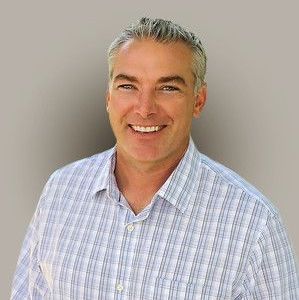
JJ Gottsch is the longest-tenured employee with Ryan Sanders Sports & Entertainment and has played a key role in the development of both the Round Rock Express (Houston Astros Triple-A) and Corpus Christi Hooks (Astros Double-A). He was promoted to his current position, COO, in January 2015. In this role he oversees all business operations for the Express, RS3 Turf, RS3 Strategic Hospitality as well as the company’s growing entertainment division. Gottsch was president of the Hooks for the club’s first five years, where his leadership and experience helped them draw more than two million fans in their first four seasons. Previous to his position in Corpus Christi, Gottsch served as assistant general manager for the Express during the first six years of the organization’s existence. Gottsch helped lead the franchise to record-setting attendance numbers, establishing a new Double-A home attendance record with 660,110 fans in the club’s first year, eclipsing the old attendance mark that had stood for 20 years. The franchise would proceed to break its own attendance standard in each successive season with Gottsch on board as a steadying influence.
A former player, Gottsch’s professional career included time with the Butte Copper Kings in the Pioneer League and the Perth Baseball Club in the Western Australia Baseball League. At the collegiate level, Gottsch played for Creighton University as well as TCU, where he was a member of the Horned Frogs1994 Southwest Conference Championship and NCAA Regional team. He transferred to TCU after spending three years at Creighton, where he was a shortstop on the 1991 Bluejay team that advanced to the College World Series.
Will Ferrell Pitching for Round Rock Express – Promotion with Will supporting his Cancer for College charity – https://www.youtube.com/watch?v=haHlFA_bDkI&t=
Truckin & Buckin – A two-day simultaneous Monster Truck and Bull Riding Event in 2016- https://www.youtube.com/watch?v=o-cWDZiXPa0
Fear the Walking Dead – We rented our stadium out to AMC Studios for six months (before our 2018 season) so they could shoot the first season of Fear the Walking Dead – https://www.youtube.com/watch?v=IPYH7WMKPrs&t=103s *You’ll need to rewind back to beginning, it seems to be opening ½ way through
Home Run Dugout – A new startup in Austin basically a baseball version of Top Golf – https://www.youtube.com/watch?v=VnkjqByAnO0&t=
Welcome to the Athletics of Business, a podcast about how the traits and behaviors of elite athletes and remarkable business leaders frequently intersect. The real stories and hard lessons to help you level up your leadership and performance. Now your host, Ed Molitor. Welcome back to another episode of the Athletics of Business podcast. I am your host and CEO of the Molitor Group, Ed Molitor, and today our special guest. We are joined by JJ Gotch, CoO of Ryan Sanders sports and entertainment. I'm telling you something, this is an unbelievable conversation filled with humor, phenomenal stories, some great lessons on excellence, some great lessons on leadership. Let me tell you a little bit about JJ.
JJ is the longest tenured employee with Ryan Sanders sports and entertainment who has played a key role in the development of both the Round Rock Express, which is the Astros triple A team, and Corpus Christi Hooks, the Astros AA team. He was promoted to his current position coo back in January of 2015. Now, in this role, he oversees all business operations for not only the Express, but also rs, three turf rs, three strategic hospitality, as well as a company's growing entertainment division. He's going to share the journey of all of a sudden, those lines of business developing. Now. As a former player, JJ's professional career included time with the Butte Copper Kings in the Pioneer League and the Perth baseball Club and the western australian baseball at the collegiate level. And this is where it's really cool.
Jj played for Creighton University as well as TCU. Now TCU, he was a member of the Horned Frogs 1994 Southwest Conference championship and NCAA regional team. He transferred to TCU after spending his first three years as a Blue Jay at Creighton, where he was a shortstop on my favorite college baseball team of all time, the 1991 Blue Jay team that advanced to the College World Series. That was just an unbelievable story in and of itself. But you throw JJ story. I mean, basically that was his backyard, and I can only imagine what that feeling was like for him. And as a matter of fact, we do talk about that.
Some of the things we're going to talk about inside of this conversation are how the values of the Ryan and Sanders family, which include trust, honor and respect, drive the decisions and behavior of Ryan Sanders sports entertainment. We'll talk about how they turn a consistent customer complaint about their experience at the ballpark into a new and prosperous line of business. JJ will share with us why he so strongly believes in the sharing of best practices with others and how Ryan Sanders sports entertainment got creative during the COVID-19 crisis by having their employees wear different hats and do different jobs so they can execute on cutting expenses and creating additional revenue. We're going to talk about when the COVID-19 hit.
How they're able to serve their people as well as the community by identifying what they had, which was five major sports venues stocked, completely stocked with food and beverage and what the immediate need was, which was the people's inability to get what they needed at the grocery store. Not only their people, they're close to 2000 employees, but folks in the community as well. And finally we jump into how all of their service to the community as an organization has resulted in a tremendous amount of pride in working together to be a part of the solution to a major crisis. Now I'm going to get out of the way and let you enjoy this amazing conversation with JJ. JJ, thank you so much for taking the time and joining us on the Athletics of business podcast today.
It's taken a while for us, our paths to cross. It was meant to be, but it's great to have you here.
No, absolutely. I am shocked that we have not talked or met before with the amount of people that we both know.
Well, you know, another Creighton Blue Jay here and I was going out, you were coming in and what a run you had when you were at Creighton.
We'll get to that.
But let's talk about, you know, I feel the listeners into all the incredible work you have done, that you are doing. But can you give us in your words, this incredible journey that you've had and how it's brought you to where you are today?
You know, Ed, I think it's, when you look at this thing, it's not that original of a story. I think it's part hard work, I think it's part dedication. I think it's part being in the right place, the right time. It's been a pretty consistent theme in my life. And then I think it's a lot of luck. You know, when you're younger and go through life, you've got some decisions that are put in front of you and you take the information that you're given and you try to make the best decision. And fortunately for me, in some of these pivotal moments in my life, from transferring my last two years of high school, from Valley High School, a small class C public school, to Creighton Prep, to, you know, after spending three great years at Creighton, I'm transferring my senior year to TCU.
And then some of the other decisions in my professional life that have gotten me where I am today. They've not all been perfect, but I wouldn't change one thing about where I am today. I love my life, I love my wife, love the group that I work for. It's been an amazing run, and a lot of times it's, you don't really step back to think about where you are or how you got there. But in times, like right now, where we are, you obviously have a little bit more time. So I definitely appreciate it. Worked hard to get here. Been pretty dedicated, but a lot of luck involved as well.
Well, let's go. Let's go back to Creighton. You're there for three years. You're the shortstop on the 1991 College World Series team. That had to be awfully special for you to be a part of that. And then you transferred. If we can get into that story, because that transfer, that story has a lot to do with where you're at today.
Oh, it has everything with where I have to be today. But, you know, my time at Creighton was awesome. I was very fortunate to be on that 91 team with coach Henry and just an amazing group of older guys that you were probably with for a majority of your time at Creighton.
Great people.
Brian Martindale's the shortstop that was in front of me, Bob Langer. Just a great group of guys. Some guys that I ended up playing three years with from Alan Bennis, Eric Maloney, Kamara Barti. Majority of the guys from your neighborhood in Chicago, we made up that team. It was probably 75% Chicagoland guys and 20% Omaha guys, and then a few hodgepodge from there. But I was really fortunate early that year, my freshman year, I didn't anticipate getting a lot of playing time.
Like I said, we had an older team, some guys that had knocked on the door the year before on regionals, almost got to the series, and then probably a week or two into the season, Bob Langer tweaked his knee, and so he's out, and so Henry looks down and he's pointing at me, and I'm looking to the right, I'm looking to the left, and there's nobody around me. And so I end up going in, and it's a preseason tournament out in Fresno, and it was, I think, the Pepsi Johnny quick Challenge or whatever, and we season tournament, and that was the first time that I think people really recognized kind of who were and where were on the map. I want to say were probably, were definitely top 20, probably close top ten, and then just kept winning.
And I probably started another 20 games or so until Bobby came back. And then, you know, playing time was a little sparse after that, but it was an amazing experience to be able to be on that team and go through that run. Kid that grew up in Omaha, you know, really raised in the parking lot of Rosenblatt Stadium, watching all the grades from Barry Bonds to Ben McDonald, all those great Texas teams and Arizona state teams in Miami coming through. And then on that first Saturday when we're going up against number two, Clemson, getting announced on the foul line and looking up and seeing not only my parents, but all the people that I've grown up with and grown around my entire life, it was pretty special, pretty magical. Obviously, we had an amazing run that year. It was so much fun.
The city got completely behind us. Obviously, the university. I don't know if you remember this, but if you go back and look at some of the clips, one of the things I'll always remember is your buddy Bob Harstad was on a lawn chair on the roof of Rosenblatt State.
Oh, yeah. That's where he's watching games. Oh, yeah.
Can, can you imagine in today's commercial environment and protection and OSHA and everything else, a player from Creighton's current team on the roof of TD Ameritrade?
Oh, and not just any player either, right? I mean, one who made a pretty big name for himself in the college basketball world already.
Exactly. So, you know, it was a great run. And then, you know, spent my sophomore and junior year there, went to another regional and again, continue to play with some fantastic players. You know, Brian O'Connor got to spend three years with him. You know, he's now the head coach at Virginia, has won a national championship, but just a really special time to be able to play at a great university. The friends that I have from those three years at Creighton are the friends that I still have today. We talk. We talk a lot. We've talked a lot over the last, you know, couple years with our teammate and great friend Jason Judge, passing and having a golf tournament in his honor every year.
Just recently, one of the guys on our team from my class, Brian O'Brien, had a real tragic fall to where he fell down a set of stairs and is going through some rehab right now, and all the guys have banded back together behind him. So really special group, obviously, you know, being able to go to the series of special, but, you know, those memories and those relationships and friendships are the most special to me. And what I still have today.
Well, and that's a lot to do with the way you do things now, too, right? The relationships and the memories and the things you experienced back then as an athlete. So you had that incredible time at Creighton. What was it that pulled you away, and how did that bring you to where you are today?
You know, after my junior year, we had a strong finish, knocked on the door in the conference tournament, but didn't make the regionals. Todd Winberg, Winnie was our coach at that period, and, you know, he had inherited Jim's club, and even though, you know, Winnie and jack, we're pretty much on the same page as Jim. You know, I was the last guy from our recruiting class. I want to say there was eight or ten of us in that initial recruiting class our freshman year. I think two had transferred after our freshman year, but the eight of us had gone through our junior year, and I want to say the other seven had all gotten drafted. Eric Maloney, Alan Bennis, Kamara Barti, Brian O'Brien, who I just mentioned.
So I was the last guy, and, you know, so it was my senior year would have been an interesting one. I was the last remaining guy from the College World Series, and I think they were kind of ready to start moving in a different direction. I wasn't being kicked out at all. In fact, athletic director Bruce Rasmussen was. We talked a couple times that summary in terms of wanting me to stay and continue to be involved in the program, but I had gone down topeka, Kansas, to play in the Jayhawk league. On that team were several. It was a great team, guys from Cal State, Fullerton, Oklahoma, guys that all played in the series. And on that team was Reed, Ryan, Nolan's oldest son, who was going to be a senior at TCU.
And super competitive, probably the most competitive person that I've ever met in my life then and still to this day. And he had been at TCU for a couple of years and quite honestly, was sick of getting beat by Texas, sick of getting beat by a and M. Saw a lot of potential is going to be an older club that next year, kind of like what we had at Creighton. And he just, he really thought that they had an opportunity with a few additions that they could make a run to regionals and potentially further. And so basically he recruited me and three other guys that were all going to be seniors at our respective schools, that all played in the College World Series, had all been two or three year starters. These weren't guys that were just scrubs.
And basically, over a period of about two or three weeks, talked all of us into transferring. And it was interesting because I think went out to a pizza hut in Clarina, Iowa, one night, and he kind of brought it up and we all kind of jokingly like, oh, yeah, you know, that sounds like a great idea. Well, I'll transfer to TCU or senior year. Well, a week or two later, he comes back to us, he goes, where are you guys at with this? Because I went ahead and got you guys some scholarships lined up and we're kind of ready to rock and roll. And the four of us looking at, were you being serious?
He's like, yeah, being serious.
There's three or four guys getting their scholars dropped. You guys need to make a move and figure out what you're going to do. And so, long story short, over the next couple weeks, we start falling like dominoes, where one guy goes, the other three of us, and he says, hey, you know, more than thinking about it, this might be kind of a cool opportunity and, you know, neat story. And if you three guys do it, I'll do it. What are you talking about? We're all going to be seniors. We've all go to one schools, we've all been to the series. A couple days later, another guy comes, he says, you know what? You guys do it. I'll do it, too. So now it's down to me and another guy.
And so over the next week, we kind of go through it and I call my dad, and I don't know if my dad is like yours or anybody else, and, you know, I'm asking him for some advice on what should I do, you know, love my time at Creighton and loyal. But there's this different opportunity, and I can remember this, you know, vividly. He goes, get a yellow pad of paper, yellow illegal sheet. He goes, I want you to write the pros down one side and the cons on the other. And he goes, and then look at that and see what list is longer. And so I did that.
And, you know, at the end of the day, I decided that this might be a great opportunity for me to get a kind of a fresh start, and it allows Creighton and coach Wemberg to kind of move on. And so I did it and, you know, moved and transferred down there, and it was amazing. We swept Texas that year. We swept a and m the Southwest Conference championship.
That's not easy to do back then. I mean, it's not easy to do now, but back then with the Southwest conference, that was not very common.
We won the Southwest Conference for the first time in about 30 years and went to a regional and one game away from going back to Omaha. So it was an amazing experience, but it was one of those things that we talked about before, Ed, it's, it's hard work and dedication. You gets you a certain point, and then you get some decisions and fortunately for me, it was a tough decision and it worked out, and it's, it kind of paved the way and sent me in the direction that has led me to where I am now.
So let's talk about that, because you went on and did some different things. You played minor league baseball for a while. You went out west, you had a couple different talk about that a little bit. And when you first, like, what the vision was when you first came back, enjoying Ryan Sanders.
After my senior year and our season finished at TCU, you know, again, one of those times where reality slaps you in the face. It was the third time and that I wasn't drafted. I was hoping after my senior year of high school, I was going to get drafted. Didn't. Was hoping after my junior year. Didn't. And was hoping after my senior year, didn't. So I was actually working a baseball camp at TCU, and we go in for the midday water break or whatever, and the head coach at the time, Lance Frank, was, hey, you still want to play pro ball? I'm like, what are you talking about? He goes, well, they've got a co op team up in the Pioneer league that they need, that they still got a couple spots they need to fill.
And had a guy that apparently saw you at one point during the year and asked if you still wanted to play, and if you did that, he was going to sign you to go up and fill a couple and fill a roster spot. So again, it was one of those things to where, all right, should I stay here and work a baseball camp and go back and try to finish up school or try to follow my dream? So, went to Butte, Montana, played for the Butte Copper Kings, and probably participated one of the worst professional teams ever. Well, and I say that it wasn't. We led the league in hitting, okay? But we also led the league in era. And the interesting part about this whole story is this, is that for three and three quarter years, I was a position player in college.
About three quarters of the way through my senior year at TCU, that same head coach had asked me, he goes, hey, you know, you can hit and you can throw, but you're just too slow. You're probably not going to. You're probably not going to get drafted. You want to pitch a little bit? So I'm like, yeah, sure, I'll get on the mountain. So he's like, we'll go throw some bullpen and see what happens. So second weekend we're at tech, and we're either crushing tech or they're boat racing us, one or the other. I go in for a 9th inning through a scoreless night. Great. This is on a Friday or Saturday. Tuesday, we're playing that midweek game against non conference playing Ole Miss. So he goes, you're going to start. What are you talking about?
I've gone from not pitching since high school to now.
I'm going to start against Ole Miss.
Against Ole Miss. Well, I throw three innings. I think I gave up a run do. Okay, we win the game that weekend. We're going to Baton Rouge, Alex box Stadium. Playing against LSU, number one in the nation, they got Todd Walker and a host of other future big league all stars. So we go there. We lose the first game, I think a one run game. Four three. We lose the second game, two one. We're going to the yard on the third day, and our coach comes to me and he comes to a buddy of mine. He goes, one of you two, starting today, I don't know which one. Both of you get loose in the bullpen and I'm going to see who throws better. I've never heard of this before this or after that. A coach has ever done this.
Yeah.
Well, sure enough, we get there. My buddy, he's got a live arm, looks good in the pen. So he starts. He starts the game with twelve consecutive balls. Walk, walk. As the last ball is getting called on the three hole hitter, our coach is coming out of the dugout, calls me in. I hadn't, I'd stopped warming up.
Now you wish you would have started now.
I wish, yeah. So I, and bases loaded against Todd Walker, who would become the player of the year that year in baseball. So I'm just like, what is going on? I get him, I think zero two or one two on my out pitch. I say, out pitch. You know, I hadn't pitched since high school was enough. I throw him, actually one of the nastiest knuckle curves, starts at his waist, breaks down to his shoelaces. This guy drops the head of the bat, barrels it up square and hits a ball that goes by my ear with an exit velocity about 160. Fortunately, it didn't decapitate me. But the other thing, it got out to center field so fast that only one run scored. Next guy gets up, exact same thing happens. I get him.
Zero, two or one two hits a ball, laser into the outfield, another guy scores. Same thing, same thing happens again. So now I face three guys, given up three hits. Bases are still loaded, we're down 30, not an out, and I get pulled. That's the last time I ever see the mound. The ironic thing is this scout at some point had saw me pitch during one of these things. So he thinks I'm a pitcher. So I go to Butte as a pitcher, and my coach says, listen, they think you're a pitcher. Don't tell them you're not. So it wasn't until halfway through that season in Butte that my manager found out I wasn't a pitcher. And needless to say, he was not pleased that I had misinformed him of my past college.
That happens, right? And that happens. So then they let you go when you get into coaching. You had a short stint into coaching.
Yeah. So I got done that year, and actually, again, sidebar. I went down to Australia, catcher on that. On that team in Butte, Montana, was in the Indians organization, a guy named Mike Moyle, and Mike's dad was the president of the Western Australian Baseball League. He said, hey, we can have a couple, two or three different foreigners on each one of our teams. Do you want to come down and play in Australia this year? I'm like, absolutely. So I go to Perth, go down, have a fantastic time. Again, not a ton of success on the field. Starting to become a recurring theme. So by the time I get home, there's a stack of letters at my parents house. One of them is from Major League Baseball that lets me know that they are no longer in need of my services.
So call back to our coach at TCU, and he's got an opportunity for me to come back and be a grad assistant, which a lot of us, baseball, basketball, is a great opportunity for us to continue our education, but really, you know, stay in the game and go down that coaching path. Because at that point, I'd really thought that being a division one baseball coach was going to be, was really what I wanted to do. And so I spent a couple years of that as a grad assistant. And then one night I was in night school, and I'm sitting there, and I'd come to the realization that when grad school was over, that there probably wasn't going to be a third paid spot as a coach at TCU, and so I was going to probably have to move on and do something different.
It was one of those times where you're just sitting there going, listen, do I want to continue to be a coach making pennies? As you know, there's not a lot of money. You got to love what you're doing, especially back in the early nineties, if you want to be a coach, because you're just not making a lot of money unless you're that guy. So I just made the decision of, you know what? I need to probably move on and try to take what I've learned and my relationships, as we've talked about earlier, and figure this thing out. Had a guy from Creighton prep that had opened up some high end baseball softball specialty stores in Arizona.
He'd give me an opportunity or said, hey, come on out, manage a couple of my stores, and then if you like it, let's expand the franchise back to Texas. So I was out there and did that for a little bit, and then a couple different things happened that didn't, it wasn't exactly what I thought it was going to be.
And so while that was happening, I got a call from Reed Ryan again, who had got me to come to TCU and said, hey, man, I think my playing career is coming to an end as well, but I want to stay involved in the game, especially at the minor league level, utilize a lot of the relationships and network we have, and bring a minor league baseball team to Austin, Texas, which at that time was the largest metropolitan city in the US that didn't have a professional baseball team at any level, hadn't been baseball in Austin since 1962.
Wow.
So he said, if we're going to, he goes, I think there's a couple teams in the Texas league we might be able to purchase. And if we do, I want to move to Austin. I want you to come help me. I don't know when that's going to be, but I want you to be on the ground floor. And so I said, yeah, you just let me know when that happens, and I'd be happy to join you. And so that eventually happened in August of, I think I moved into Round Rock in August 1 of 98 and a little time period before that. I don't know if you want to get into that. I work for the Zapffe family, so.
This is beyond intriguing. This one right here.
Exactly. I don't know how much time I don't know if you would want to do a five pod series, but we might have to.
But we can touch on this, because this is. This, to me, is like the story behind the story. You're with the Zappa family out in Hollywood. What in God's name got you there? And what was that like?
So I have this conversation with Reed. So I know at some point there's going to be an opportunity for me to come to Austin. I don't know if it's going to be six months, eight months, a year and a half. I don't really know. But I know that I've got some time and again, just as luck would have it, and things happen, a buddy of mine calls me, goes, hey, what are you doing? I was like, well, kind of in between trying to figure out what, you know, I've got some time in my hands. What's up? He goes, well, Gail Zappa needs somebody to come out and help run her family and be their personal assistant. Like, what are you talking about? Who's Gail Zappa? He's like Frank Zappa's widow. And I, you know, I'm a small kid from Nebraska.
I don't know who that is.
I'm like, so, you know, and I don't know that there was Google or Wikipedia or anything. So he's trying to get me a little history on it, and I'm like, well, how do you know these people? Well, he. At the time, again, we grew up in a town of valley, Nebraska, 1600 people. Well, he's now out in LA. He is Roseanne Barr's personal assistant, which.
Had to be a chore, too.
And this was, this is 97. So Roseanne, she is huge.
Yeah.
He's like, come on out, man. And I go out and interview with the Zappa family on Halloween 1997, Halloween day.
So how perfect was that? Those on Halloween day.
So I go into their house in Laurel Canyon, just on the north side of Hollywood. I believe Marilyn or Charles Manson had stayed at one point. And I get interviewed by Gail Zappa in her office, which was a old submarine that they converted into an office. Not lying. So somehow, some way, we hit it off because the reality was that she wanted someone to help their family that had common sense and wasn't trying to push a movie deal, a script, or their own music agenda. She loved the fact that I had no idea who they were. I didn't need anything from them and would just come to work every day and give an honest effort. So, yeah, I go out, move out. I'm living in Santa Monica, a couple blocks from the beach. My buddy's working for Roseanne. I'm working for the Zappas.
And we came home every day and we would say no one except each other would literally believe what our day looked like.
Right?
One, because we're from Nebraska. And that reality of Nebraska and the Hollywood, they're just, to this day, they're diabolically different. We both were under NDA, so we couldn't tell anybody. But it was amazing. And I think we talked about this offline, but my days went from setting up luncheons with, at that point, President Clinton, when he was coming town, Gail was the largest independent contributor of the Democratic National Party as a female. From doing that, they had three different houses, one in Toluca Lake, one in Malibu, one in Laurel Canyon, driving different things out to the kids, meeting with lawyers, meeting with architects, down to taking the dogs to the vet, down to picking up groceries. It was. It was literally a personal assistant for the family. But it was arguably the ten most unique, memorable months I've ever spent in my life.
I love the family. To this day, we still stay in a little bit of communication. Not as much, obviously, just because, you know, I'm in Texas and I've got a different life and they've got doing different things, but love the family in those ten months. And then, yeah, I went from living, you know, working in Hollywood to coming to Round Rock, Texas. And it was funny, I. We were in Hollywood on a Friday or Saturday, had a going away party for me, and then on Monday, I was at a loobies in north Austin speaking to a bunch of old guys.
In a Kiwanis club and just killing it, too, right?
Oh, yeah, that was the best part is I'm selling something that we don't even have.
So what was that like?
You know, because. So at that point, we knew that were. We hadn't gotten an election passed to build a stadium. We hadn't closed on the actual team. We were purchasing the double A Jackson Generals from Jackson, Mississippi. The close on that team hadn't happened. There hadn't been an election for the stadium, but were trying to build up momentum for this deal. And so Reed, who's to this day, is one of the best speakers I've ever heard or seen. I mean, the guy could be a governor of Texas or a politician. He's amazing. But he was being asked to go and speak to every civic club and organization throughout central Texas. And so really, what my job for the first two or three months was to kind of split that up.
And so, you know, we looked at a list of folks, and he said, all right, I'm going to go talk to these two or three groups today. I want you to go talk to these two or three groups. And we really just talked about what minor league baseball was, what it could do for the community, the type of affordable family entertainment that it was. You know, we really just shared kind of what our vision was, and then if it got boring, we just start telling funny Nolan Ryan stories.
Well, perfect. Yeah. Now, what was Nolan doing at this point?
So, at that point, Nolan had obviously retired, been three or four years retired from the Rangers in his last stint there. His passion has always been in the cattle and ranching business, and so he had continued to do that, spending time doing that. The family was involved and is still involved in the banking business, so they had a lot of side and different businesses going on in that realm. But I think it was an opportunity for Nolan and a longtime business partner of his named Don Sanders. Don was a minority owner of the Astros back in the eighties. When Nolan signed, Don had to or has two sons, Brett and Brad. They're about the same age as Nolan's sons, Reed and Reese.
And so it was an opportunity for those guys to again, work together, get back in the game of baseball in a different capacity now as an owner of a minor league team. So they were fully on board, and then, you know, and had fully, full confidence in Reed to put this thing together.
So what was the timeframe from when you left the Zappos to get down round Rock, and you're. You're speaking and you're. You're going out there making the big push. You get the vote, everything gets approved until the first opening pitch for the Round Rock Express. What was that timeframe?
So it was a really condensed, fast moving, hectic. If it would have been the 48 year old me, it would have been highly stressful that it was the 27 year old me. I didn't know what stress was. I didn't have a kid, I didn't have a wife, didn't really have the bills that I have now. But. So this is August. Get here. Get on the ground. August 1, 1998. We've got an election in November to pass, to have the funds allocated to build a stadium. We get that passed in November. 78% approval rating. So, you know, at first, we didn't want to have an election, Ed, to be honest with you, but the reality was, it's the best thing that could have ever happened, because it proved to us that people in central Texas wanted baseball and they wanted it in a big way.
So looking back on it's the best thing that ever could happen to us. So we passed the election in November. We start construction in January of 99 in a cornfield just outside of Round Rock, and then open up April 16 of 2000 for our first double a season at Round Rock.
Wow.
So, I mean, we built the stadium in just over a year. You know, as, you know, spending time in Texas, we're a little bit more fortunate. Our construction window is a little bit longer than, say, Chicago or Nebraska. But, you know, we had to build a stadium. We had to build a franchise. Every single piece of the organization had to be built from scratch. And so it was Reid's real direction with Nolan's name, Don's horsepower, and us building this amazing team of executives that had experience in all different areas from sales, marketing, merchandise, and really building this dream team together that eventually got us open in April. And, you know, we're still here 21 years later talking about it.
Well, it's amazing story, and you completely blew it up. And I forget the year, but you set the attendance record. It was like over 660,000 for a minor league team. Tell me about that, what that must have been like.
Yeah. So it was an amazing, you know, it's one of those things. Right time, right place. I've been really fortunate, as on a personal level, but the team, as we mentioned, at, you know, at that point, Austin was the largest metropolitan us city that didn't have a professional sports team. And so you take that, it was growing. You're in Texas, it's the sport of baseball, and you've got Nolan Ryan's name behind it. And we'd started out as an Astros affiliate, and we had an amazing team that first year. So, one, you've got the newness of a new team, a new stadium in a new market, all those things building up. And then we had this team that went on this amazing run, and for folks, that we had a great team. We won the Texas league that first year.
But it wasn't that we just won games. It seemed like every Friday and Saturday night, which were our big nights, we had our, you know, our biggest giveaways, fireworks on Fridays and whatever, our biggest promotion, we would win, and we would win on a walk off. So you just.
You couldn't script it any better.
No, you couldn't. It was amazing how many times that we won in these just amazing fashions. And so we get to the Texas League championship, and we win. And it was just an amazing year. Fast forward to 2001. Same thing. We've got a lot of the guys back, and then even the guys that took their place for even better. We go on another amazing run, break our attendance record from the first year, break it in successive years. We get back to the Texas League championship, and game two was September 11. And so at that point, even though eventually sports started back up, the major League World Series, that was the year with the Yankees and I think the Diamondbacks on the minor league level, it paused, and it never started back up.
And so it was interesting because some leagues awarded championships to both co champions, but the Texas league that year actually awarded the championship to Arkansas, who were playing. They were up 10 in the series. But it was an amazing run those first couple of years. And then, so we had a couple of years under our belt and had some success here, and then felt like we had the right mix, felt like we had the right program in place. And so we started kicking the tires and said, hey, is this something that we could emulate and duplicate in another city? And so we kind of started kicking the tires and to see who might have some interest.
And eventually, and it was actually Reese Reed's younger brother that was kind of leading the push on this one, and started communicating with Corpus Christi down on the Gulf coast, another great town with baseball history. Hadn't had affiliated professional baseball since, I want to say, the late fifties, so again, was ripe, was prime, and so we started the process there again. And then once we realized there was an opportunity, I was chosen then to move down to Corpus in the fall of zero three, and the timing was almost identical. So we're five years later, fast forward from fall of 98 to the fall of zero three. We've got to go through an election again in corpus. So our organization helps get this election passed down there again. I think that election was pretty close, 77% of rural rate.
So we get the stadium vote passed. It's almost identical timing. January of zero four, we start construction. We're building the stadium, we're building the franchise. We're building the brand, we're building our front office, and then we open up in April of 2005. And what we essentially did is we took our AA franchise from Round Rock, moved it, and really, what you're moving is just the business, because there's no physical assets that you're moving or anything else. So we made Corpus the double a franchise for the Houston Astros. And then right around that same time, late zero three. When we realized this was going to happen, we're able to purchase a AAA franchise in Edmonton and then move them to Round Rock. For that zero five season, they were also the Astros.
So we had the Astros double a franchise starting in corpus, and then we had the Astros triple A franchise in Round Rock. So a lot of synergies and again, right time, right place, and experienced almost identical success in corpus those first few years as we did here in Round Rock.
That's unbelievable. And let's get into the fact that Ryan Sanders sports entertainment is not just two minor league baseball teams. Theres so much more that you are. Its all about the entertainment. Can you tell us a little bit about that and what other business units that you folks have?
Yeah, so a couple different things. And its funny, this recurring thing of timing keeps on coming up in this conversation. Right. And so right around 2013, two things had happened. One is the Astros had gone under new ownership the year previous and they really needed someone that had a more personal touch and they could really work with the fans and communicate with fans and players and sponsors, someone that just had that kind of aura. And so they looked. And within the Astros family, you know, you had a kid that grew up in the Astrodome as a bat boy, Reed Ryan now was the president of both their Double A and AA affiliates. So there was a relationship there. And so they reached out to Reed and said, hey, would you be interested in becoming president of business operations for the Astros?
And so, again, for him, I think it was an extremely tough decision, but a chance for him to go home and be the president of the team that he grew up with, you know, his dad playing in the dome and he was a bad boy there, you.
Know, and so amazing.
Yeah, fantastic opportunity for him. So, you know, at that point, we're losing, although he's, it's a great opportunity for him internally, we're losing our founder, our president, and kind of a lot of the bandwidth, but we still had, you know, Reese, who was our CFO myself, and a lot of great personnel. But some other things that happened. But timing wise, we'd never looked at being a seller. We'd looked at kind of continuing to build and grow these minor league teams. But as timing would have it, Reid was leaving and the Astros reached out to us about, hey, would you be interested in actually selling the hooks to us? And so, you know, I think at a level above me with ownership, they kind of worked through those things and found that might be the right opportunity. And so we did.
But when we did that. We were also able to, you know, by selling that team, were able to have a little bit more cash on hand and the ability to do some different things, to have some more capital. And we looked at our organization as a whole, and although were primarily minor league baseball, before even we did some different live entertainment components and special events. We looked at a couple of things. How can we become better? How can we become bigger and how can we diversify? The first one, it was the low hanging fruit, was this. We had one complaint, consistent every year. We had more than one. But the biggest complaint every year was our food and beverage.
And I want to pick on any of the big boys, you know, because we ran through a couple of different concessionaires, and the complaints from our fans was the food's too expensive, hot dogs are cold, and the beer is warm, and your customer service is terrible.
It's bad combination.
Why is that? How can nobody get this thing right? We can come in here and we can at least make the beer cold. We can make the hot dogs hot. We can at least be nice to people. You know, there's a lot of factors that go into this, and I don't want to get too much in the minutiae that concessions are. It's hard to make them cheap. Now, I know the falcons, and what Arthur Blank is doing is they're kind of bucking the trend. But we knew that we could fix at least a couple of these things, and so we decided to let's at least try. What's the worst thing that can happen? And so went out. We had actually had a couple people internally that we felt like that would be strong candidates to run this thing.
So we just started ourselves, and we took the food and beverage in house, and lo and behold, we took our number one complaint every year. It didn't go away, but it substantially decreased, and we found a niche, and were able to really, were able to communicate better between the food and beverage division and our ball club. And all these different things happened well around that same time at again, the timing of it all. In 2013, circuit of the Americas opened up, which is a 3.2 miles racetrack in southeast Austin, which is home to the US F one Grand Prix, which over the three day weekend of that event is the second largest event in the United States behind the Super bowl. When you combine all the different activities, well, they're going through the same thing. They're like, listen, we just had this event.
We're getting roasted by everybody about this. The food and beverage operation. What did you guys do? We took it in house. It's kind of explained to them what our program was and how we did it. And they're like, well, you want to come over and do ours? And so, truth be told, in full transparency, whatever this is, six years later, I personally thought it was going to be a little bit much to bite off, but our folks were supremely confident and thought it was something that they could pull off. And so went for it and went down there, and six years later, they're still our biggest partner on the food and beverage side. And we've now grown to. We do arena here in Austin. We do an arena in Frisco. We still do the racetrack. We do a couple golf courses here in Austin.
We do a minor league ballpark in Pensacola, Florida, with the blue wahoos there. So we've grown this thing and we've diversified. At that same time. We were looking at everything that we had in house. And one of the things that we kept on getting these calls, we get the calls from a high school coach or a college coach or just a local baseball guy. How do you build a mound? What kind of dirt do you guys use? What do you put around the warning track? How do you get your grass to be so green? And so our guys would go out and they spend a half day helping this guy, a half day helping that guy, and we're like, why don't we just do this ourselves? Why don't we just start a separate company?
Fortunately for us, there's a group in Iowa, the Iowa Cubs, our AAA brother there, that had kind of started this. You know, they're a little bit more limited, though, because the weather in Des Moines is not quite as cooperative as Texas. But we called them like, listen, how did you guys do this? Because we're not going to be competing with, you're not going to be going to Iowa. And so they basically gave us the playbook. And so great about minding baseball, and I'll share this with you later, is that we share best practices. We've got great relationships with throughout the 160 clubs. Fantastic people. And so they gave us the playbook, and so we started this turf division.
So now went from the beginning of 2013, owning two minor league baseball teams to at the end of 2013, owning one minor league baseball team, a food and beverage company and a turf company. And so at that time, were fixing and adding and doing some things that we thought were an immediate help. But now you look fast forward to where we are. Today talking through this pandemic. And quite honestly, if we wouldn't have diversified back then, it would be a really ugly situation here right now because our turf company is the only one that is actually fully operational to this point, still doing jobs.
So lets talk into that because theres so many, like you said earlier, we have to have you back out for an encore interview because theres so much to go into here because the fact that you took on that food and beverage with the Grand Prix and you didnt think it was going to go very well, but you knew enough to stay a little bit out of the way and let your people do the work because they knew to be wildly successful. Id love to get into that story, but lets talk about now. Here we are in this pandemic. And I remember when we first talked, its kind of when everything was really starting to break and were starting to understand the significance of what were going through. What else are you doing with the other business units that arent operating at full capacity?
Because you guys have gotten extremely creative and extremely successful at what it is youre doing.
Well, ill start by this. Ive always been proud of our organization, working for the Ryan family and the Sanders family and all the employees that we've had over the past 21 years. But I will tell you that right now, I could not be any prior of our organization from top to bottom over these last six weeks and what they've brought to the table in terms of creative ways to cut expenses, creative ways to add revenue. When you look at, and we'll use, and we'll talk about maybe the baseball side, Ed, and kind of specifically look at that angle.
Absolutely.
Big difference between minor league baseball and Major League Baseball is major league baseball. A lot of times employees get put in silos. You're either in marketing and that's all you do, or your sales and that's all you do. Or you're advertising and that's all you do. Well, on the minor league side, you don't really have that luxury. We don't really have the payroll capacity to just have these specific departments. Now, we do have people that concentrate in those areas, but they've got multiple jobs and multiple hats. And so what we asked them to do was, hey, whatever youre working on right now, lets put that bread in the warmer. Lets just set it aside for right now and lets do a couple of different things.
Lets get really creative and lets come up with your ideas on how we can cut expenses, non essential expenses, how we can create additional revenue so one of the things that we did, and weve got a large stadium that requires a lot of upkeep from painting to cleaning to landscaping and all the various things that you need but are really just labor driven. And so what we did is went internally and our folks that were traditionally doing sales or they were doing marketing or they were doing merchandising. Guess what? You're on the painting crew now. You're on the cleaning crew. You're on whatever offseason projects that were going to work on leading up to this season and or for next season, that we're just labor driven. That's what our folks are doing. So they're not necessarily generating any new revenue.
But what we did is we cut a significant expense from those daily operational needs of the ballpark. The other thing that we've been doing and isn't necessarily creating any new revenue, but you've seen a lot of different organizations do this at every level, from NFL, MLB. It's, we've gotten these contracts and these commitments from our sponsors and our partners that are paying these yearly contracts, well, they're paying them for visibility either through eyeballs in the stadium or through digital broadcasts or whatever it may be. So what we've been doing is trying to, how can we continue to add values to our partners and our sponsors and in as many different creative and unique ways as we can? So it's creating content that we can push out, usually via social media, but a lot of other digital platforms.
We're now producing a weekly show called Sidetracked. It's, you know, obviously a double quandary from our Round Rock express kind of railroad theme to obviously this COVID deal. What we're bringing in, it's about a 30 minutes show that were doing Facebook Live and what were doing is were having each one of the segments is sponsored by one of our various sponsors, from Dell Technologies to HeB, which is, as you know, is a big grocer in Texas, Budweiser, Pepsi to where again, this isnt new revenue dollars that any of these groups are paying us. Its just us trying to provide value to the partnership that theyve given to us and that were working with them on so different, doing different things like that.
We're looking at different ways that were going to, you know, some of the different promotions that were going to do this year. If you look at my beard, you wouldn't know this since we've never really met before, but I typically don't have a beard, but I had not.
Seen that in any of the pictures I saw. So I was going to ask about that.
So one of the promotional nights we do every year is a what could have been night. And so we talk about what if we'd have been named the round, because we had to name the team contest, and we had all these different team names that were submitted, and we obviously chose the express one because of Nolan's nickname, and then two, I don't know if you've heard during our call, but there's a railroad track 75ft from the stadium, so. So that was it. But we. Different name submissions were the round Rock fire ants, the Jackalopes, all these. But one was the hairy men. So there's this lore, this legend that there was this Bigfoot type beast that used to, or God used to hang out in and around round Rock back in the old days, and so he was the hairy man.
And so we, one of the team name submissions was that. And so what we do on this promotion is one weekend a year, we take on that name and we do the full uniforms, full merchandise, haps the whole thing, and then we usually do something around whatever. And this year, were going to have people grow out beards, do whatever. Well, when this pandemic started, I had just started growing the beard anyway, and then somebody said, hey, you need to keep that in kate, you know, for when we promote that hairy man during this deal. So that was one of them, another one that you'll. And again, not to timestamp this thing, but in, you know, in a couple weeks is going to be the 10th anniversary of when we had Rojo Johnson here.
And in terms of great minor league promotional stories, this is a great one where we had Will Ferrell come and people didn't know that it was Will Ferrell. And he was, he had a different identity where he was Rojo Johnson, a guy that was a convicted felon, released from jail in Venezuela and come back to pitch in the Astros minor leagues.
Which people were not when they first saw the press release, they weren't real pleased about this either, were they?
No, they weren't. So there was two things. We had two parallel paths going on. Will Ferrell had a college roommate that was diagnosed with cancer and then had a tough time coming back to college. Not because of the cancer. He was, he was in remission but didn't have the money. So he and his buddy started raising some money for him to be able to come back to school. It was so successful that he created this charity called College for cancer. And now I think they're in their 30th year or something like that. They continue to do things. They were expanding and wanted to come to Austin and do a fundraiser, had reached out to us again. Through our relationships and our network, we're able to get connected. And they said, hey, would you. Would you like to help us promote this event?
We said, yeah, what do we got here? Would will be interested in doing anything around one of our minor league games? They're really doing something. And they said, yeah. And they said, let's come up with something. So Reed and we came up with a character and came up with this idea between his script writers and our folks, and basically worked on this whole thing. And so now we're developing this person, this great baseball player that grew up in the United States, moved to Venezuela, was importing reptiles back to the US, got thrown in jail, now gotten released, you know, through 100 miles an hour. And for those that are old enough to remember the ED, this Sid Finch kind of story. Oh, yeah, Sid Finch kind of on steroids. So we create this alter ego, we create this press release.
And we actually got a phone call from one of our partners. I'm not going to mention their name, but it was a significant founding partner, that said, listen, we've been behind you guys since day one. It's the Ryan family. You guys are about family entertainment, about great values. And we're just, quite honestly, we're concerned that you guys are not only bringing back, but promoting a felon to pitch, you know, at a venue that we're helping, supporting, and just quite honest, we don't know if we're comfortable with it. And so Reed had to call and say, listen, come to the game, please. I can't explain what's going to happen, but please come to the game. And you will know that what we're doing and where our values lie are still consistent with what you guys want to do.
But were being really obnoxious on how were promoting this in terms of just. It was crazy. It was actually crazy. And this was when bloggers were first starting to kind of come online. Okay, we didn't go through traditional mainstream media, but were feeding these bloggers this. This content. He knew it was fake, but so they're pushing it out there. Well, now some of the mainstream media is coming up. So now we're promoting. Will Ferrell's going to come to the ballpark and throw out the first pitch in support of cancer for college. Simultaneously, we're promoting that. That Rojo Johnson is going to come and pitch on this certain night or he's going to be in uniform. Nobody put it together. We're like, how can these people not put it together?
Yeah.
In fact, we bring him into the game, and it wasn't until, I think, his fake mustache fell off that fully realized that it wasn't Will Ferrell. But it was an amazing night. You know, this is in 2010. We'd gotten over a million hits on YouTube in the first day. But it was a tremendous minding promotion. He was fantastic to work with.
I can't let you off the hook, though. I cannot let you off the hook because you played a very significant role in this promotion. Okay, let's talk. I mean, you played a huge role in this promotion. Tell us that part of the story.
Well, when you say significant, you mean, I got a Budweiser dumped on my head and I got in a headlock and got beat up by Rojo Johnson. So, yeah, it was funny because here's the other thing. We're doing this in the middle of a professional baseball game with professional athletes that are one run below big league level. Some guys that have been going back and forth between the big leagues empires who are sharpening their skills to try to get the big leagues to get their break.
Yeah.
And we're doing this crap in the middle of affiliated Triple A ballgame. So truth be told, we'd kind of told the Astros what were going to do. We didn't tell them exactly what we're going to do, but we met with both managers. We met with both the umpiring crew before the game and talked through them and said, listen, we understand. We were players. We're going to try to keep this thing to a minute and a half, two minutes. Having him warm up in the bullpen, come out. It was different than a regular promotion. And so we said, listen, we'll watch this thing. If the game's tight and you guys don't want to do it, just pull the plug, let us know. So, like, okay, so I go in uniform about the fourth inning, will we meet in the clubhouse? He's getting his uniform on.
I'm getting mine on. We're kind of talking through last minute. Okay, you're going to throw at me. We're going to get in a fake fight, yada, yada. And then let's kind of run out the center field gate and we'll move on, and then the game will restart. So we kind of go through everything. I sneak down into the visiting dugout, I'm in full uniform at that point. I'm only, you know, 37, 38. So I'm still probably a little heavy for minor leaguer, but I'm not as big as I am now, so I still kind of look like a minor leaguer. So nobody really knew. Well, the games, it's like a one game, one on the fourth one, the fifth one six. I'm like, oh, man, we can't do this. There's no way we can do this.
And so we're on the radio talking back and forth. Well, fortunately, either we bust out for three runs or Nashville busts out for three runs, one or the other. So there's a little separation. So there's not the anxiety of us screwing up this close game. So he comes out to pitch, I want to say the top of the 8th or whatever it was. So I go out, I go up to bat, and the whole thing is he's supposed to hit me with the pitch, and then I go, and then we fight. They go out. Well, he misses me, throws behind me. Well, I know that we can't keep going until he hits me because who knows how long it's going to take.
So I kind of step back and I kind of talk the umpire and tell the umpire, we know, you got to do something. So the umpire throws him out, and then we kind of go into the skit where I throw my helmet at will. He throws his glove at me, and then I kind of charge them out. And then he just ad hoc shakes up this budweiser, sprays it in my face. So then I'm chasing him around, chasing around the infield, chasing around the outfield. Finally get to center field. He gets me into headlock, and we're kind of doing some WWE stuff. And then we finally get off the field. It was hilarious.
Was the place going crazy?
Place was going crazy. And then he went and did an interview for the media in character, up in the press box afterwards. It was hilarious, but it was one of those things to where it was a great minor league promotion. You know, he's gone on to do a lot more, the baseball stuff. You know, he went nine innings in spring training, but, you know, he's a fantastic guy. It was a fantastic night and an amazing experience. But so we're trying to figure out ways now of ten years later of how we're going to celebrate that. And so we've actually been talking with some of his folks, and we wanted to do a fundraiser again this year around cancer for college. And so we're working with that group on how cool.
That's so cool. And you guys do a ton of great work. Let's talk about what you're doing now in terms of, with the pandemic, what started out for your employees with the meals, things like that. Can you tell us a little bit about that?
Yeah. So again, we looked at kind of what we had and what the need was. And so we, you know, were getting ready to open the season, not only here, ballpark in Pensacola. We had two arenas that were operating. The racetrack was just getting ready to host MotoGP, which is international event. So we had five major venues that were fully stocked with food and beverage, that some of this stuff has got a shelf life. So we're sitting on a bunch of inventory. And so as we started to look around, and then as this pandemic started, when it first got started, people were like, one, we're not going to a grocery store.
It's too dangerous.
There's some safety reasons. And then two, for the folks that were brave enough to go to the supermarket, nothing was there. Beef had run out, eggs had run out, toilet paper, all these different necessities. So we're sitting on all this inventory. So we're like, hey, can we liquidate this stuff? Can we figure, is there a way logistically that we can do this? And so initially, it was, quite honestly, it was to liquidate our inventory and get it out. And were originally just going to do it just for our employees because we've got almost 2000 when you include all of our part time and hourly employees across the board. So we're like, can we do something that we can basically do this at cost and provide this great alternative for our employees?
So we kind of push it out to our employees and it's a huge success. Like, right away sells out of the number that we thought were going to be able to do. So our guys go back and say, listen, you know, can we continue to do this or can we look at our vendors and can we continue to provide this? And we realize that our supply chain is not broke. And not only is it not broke, we can find other things that we need and potentially go beyond our internal employees. And so we make the decision the following week that in addition to our employees, we're going to go to the general public and we push this thing out. We don't know how people are going to respond. Same thing sells out in 2 hours, the third week sells out in 45 minutes.
Wow.
To where now we've gotten such a following on this thing, where we've got people that either didn't need them initially or don't need them now, but are now purchasing them and donating them, and we're sending them out to the front line. So we're going to.
How cool is that?
In Round Rock in Austin and Frisco. And now we are delivering these meal kits either to the hospitals for the nurses or to their homes. So now these nurses and doctors and administrators that are at the hospital all day don't have time to go to the supermarket, or how am I going to cook for my family? It's already there. And so it went from initially us figuring out way, how do we liquidate this product to now we're not only helping our employees, working with the general public and having offerings for them, but now working with some of these frontline folks. So, again, it's been a real success. Is it adding a lot to our bottom line? No, but from an emotional standpoint, and I can tell you, I've gone. I've actually done some of the drop offs.
I've gone and met with some of our people as we're doing this. The amount of pride that they've got that they're helping, and they're a part of the solution, not only internally for our organization, but for the community. Just, it really joys me to see how happy they are to be able to be part of the solution, and.
That'S what it's all about. And, you know, we talk about, well, is it really impacting our bottom line significantly? No, but you and I both know on the other side of this, whatever that is, whatever that looks like, that's just gonna make your organization that much stronger, that much closer, that much more emotionally attached to what you guys do. And like you've mentioned, it's gonna make you that much more creative, even though. How much more creative than he can get than will Ferrell on the mount.
Exactly right. But that's the thing. We're never gonna quit trying. You know, the one thing, though, that we do try to adhere by is we try to be family friendly, and then we obviously try to, you know, we be responsible stewards of the Ryan Nate, you know, Nolan and his family have built up a legacy of trust and honor and respect, not only here in Austin, in the state of Texas, but throughout the world. And so we take that responsibility very seriously. And so. But the good thing is that Reed, the oldest son, is probably the most creative person out of any of it. So generally when he is something he wants to do, we know we've got the green light.
Yeah. What's really cool, you sit there and you look at how this has evolved. Who knows if we're still in this in a month from now, two months from now, where else this whole idea will have led just to feed your employees, where this will, you know, what this will have evolved into. That's so cool.
Well, and it's. I've listened to some of your other podcasts and some other leaders, and, you know, there's a recurring theme that, bottom line is this, is that if and when we all come through this, we're all going to better humans, but we're going to better organizations. You know, as it relates to this podcast and the business of athletics. Athletics of business, we're going to better operators. There's no doubt in my mind. The other reality is this, is that the stronger, better, more well run organizations are going to be stronger, and the ones that weren't probably aren't going to make it through. But we've realized that. And the other thing is this, and this is not anything secret. I'm proud of all of our employees, but the ones that you expect to step up stepped up even more than normal.
And so it's been, our leadership team talks almost on a daily basis, and it's. It's amazing what some of our folks have been doing and continue to try to press every day because to your point, you know, there's a very good chance, again, we're timestamping this thing, but there's a very good chance that at some point in the next month or two months, there could be major league baseball games in some form or fashion. There's probably not going to be fans in attendance, you know, be similar to what's happening in the korean league, as we talked today.
Right.
But there's a big question to the minor league side if there will be, just because it's a different component. And our livelihood is driven by, in stadium attendance, by people buying tickets, purchasing hot dogs, purchasing beer, and purchasing merchandise. Our game doesn't relate as much to the television as the big league game does or as NFL, NHL or NBA.
Well, JJ, I can't thank you enough, and I definitely want to jump back on the podcast with you and talk about some of the different things you have done, you know, from a creative side, from a collaboration side with your people and how to help them grow through this, not just go through this whole situation that we've been in, if that's something that you're open to, we'd love to have you back.
Well, and I know that other people have, and I can't remember where you said you got it from, but I know that Porter said that he was stealing. I think Jason did as well. But I. I can't tell you. And I've footnoted you a lot. I've been utilizing the. You know, instead of going through this, growing through this, and to that point, my daughter has become a fantastic bike rider through this. And we love it with that mantra. It's like we're. We're going to grow through this. And we really looked at some things that we wanted to do, but because before life was too busy, just. We had them to the back burner. So, no, I appreciate you. I appreciate you having me on today.
You're doing great work, and I look forward to being on again at some point and telling some more stories.
JJ, I appreciate it.
Thank you for listening to the athletics of business. Be sure to give us a rating and review so we know how we're doing. For more information about the show, visit theathleticsofbusiness.com now.