

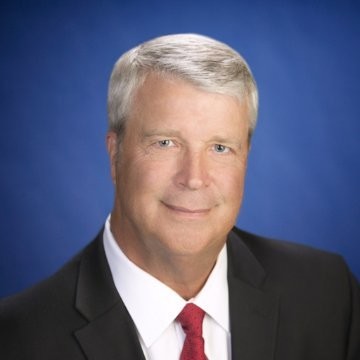
Ted Simendinger, President and CEO of Ocean Palmer and Associates is a globally experienced leadership coach with expertise in behavior-based talent development, executive and Millennial coaching, change management, sales problem-solving, and sales excellence. He has extensive global experience solving complex organizational and performance challenges that enable quick, relevant repositioning for greater success. Ted utilizes strategic planning, private coaching, and classroom facilitation at multiple levels to explain, teach, and develop high-performance diversity talent and inclusionary cultures.
Ted is also the founder of the No Bats Baseball Club which is a baseball-related charity organization that has raised over $2Million with an incredible group of good men, doing good things, for the right reasons.
A former #1 salesman with Xerox and top senior instructor at the Xerox International Training Center for Management Development, Ted has extensive experience in designing and updating curriculum.
An accomplished and respected award-winning author and speaker, Ted has guested on network TV talk shows coast-to-coast and has been featured on over 3,500 global radio stations.
Considered one of the world’s foremost teachers on the subject of “Worry,” Ted’s popular life skills book “Managing the Worry Circle: How to Improve Your Life by Worrying Less” — written under his pen name “Ocean Palmer” — is utilized around the world. He is also an expert on The Impact of Technology on Behavior & Happiness.
Welcome to the Athletics of Business, a podcast about how the traits and behaviors of elite athletes and remarkable business leaders frequently intersect. The real stories and hard lessons to help you level up your leadership and performance. Now your host, Ed Molitor
Welcome back to another episode of the Athletics of Business podcast. I am your host and CEO of the Molotor Group, Ed Molotour. Now, as we get started, let me be very clear. Let me go on record as saying this. There is no introduction which I could provide that would do proper justice for today's special guest. I am beyond thrilled to have Ted Simendinger with us here on the Athletics of Business podcast today. He's one of the most remarkable men that I have had the good fortune, the unique opportunities to get to know through the relationships I have developed because of this wonderful podcast. Ted is the president and CEO of Ocean Palmer and Associates. He's a former number one salesman with Xerox for years. An amazing story behind that and what got him to walk away from that. He is a worry expert.
He's one of the world's foremost teachers on the subject of worry. As a matter of fact, he has an amazing book, Managing the Worry Circle, how to Improve Life by Worrying Less. And last but not least, how I actually was introduced to Ted. He is the founder of the phenomenal no Bats Baseball club. And the only way I can describe it in a short intro, it is a baseball related charity which has raised over $2 million. Huge shout out. The organization has raised over $2 million with an incredible group of good men doing good things for the right reasons. And it is no coincidence that Ted founded this organization and he won't take any credit for it. Right? He'll probably say in the conversation.
Matter of fact, I know he says in the conversation it's the greatest thing he ever did and he did it by accident. But it's no coincidence that their motto is adapted from one of my favorite Jackie Robinson quotes is a man's life means nothing except for the impact it has on others. And Ted is a leadership coach, a consultant, a trainer, and he has impacted lives across the globe. But what makes him really special is he realizes how those folks that he trained or coached or taught, how those folks have also impacted his life. So let me get out of the way. I really hope you enjoy this conversation with Ted Simendinger. Ted, thank you so much for joining us today on the Athletics of Business podcast. I am extremely fired up to have you here with us.
Well, thanks. Thanks a million. I really appreciate being on the show.
Ed, so much respect and admiration for everything you've done. And we're going to get into a lot today, but can you take our listeners through your journey, where you've been and what you've done? And obviously I've told them a bit about you in the introduction, but I'd love to hear it in your own voice.
Oh, man. I guess I'm a good example of how you don't have to be an A student to have a wonderful life. There we go. Yeah. You know, I was born in. Born in Philadelphia, I grew up in Annapolis, Maryland. Left home at 17 to work my way through school, which I knew I would have to do. And I was a meat cutter in a grocery store. That's how I got through school. I paid my way and. And I graduated on time in four years, which it was tough. You know, you're going to school full time, and I'm working anywhere from 40 to 70 hours a week on top of that.
And so the one discipline I did have in school, I think I learned how to work hard from a guy named Marvin Fisher, who was a guy that I worked for, meat cutter. And he worked like crazy. And so I learned the value of hard work from a guy with a very limited education who believe very strongly and that you never back into the pay window. And so I learned that lesson at a young age, and I sort of took that forward.
When I got out of school, I sort of realized that there had been a lot of people in my classes who might have done better than me in the GPA perspective, but I wasn't sure that there was a whole lot of them that had learned a lot more about life in that timeframe than I had when I knew the only edge that I had coming out of school would be that if I kept working hard and learning, I would get past the people that quit learning when they got their diploma and walked off the stage. I really believed that, and I took that forward. That was sort of like a driving mantra as a young man. And so then I did what every illogical kid would do when he get a graduate degree in business is I decided to be a famous sports writer.
Perfect.
A great segue. Yeah. I mean, I Beautifully trained. Right. You know, my career highlights in high school, I broke my foot during a timeout and I. And it's playing my wrist after a bit, you know, other than that, I didn't really have a lot going for me of note. But I went back to Annapolis, Maryland, where I'd grown up, and I Worked at the newspaper for a couple of years. And then I reached a point where the business side of the newspaper didn't really align with a more macro view of life that I had. I thought the world was bigger than sports. You know, sports is a diversion, but it's just a small slice of the world piece. And I was more intrigued by the macro nature of what was out there than the curiosity to learn about all that stuff.
So I retired from being a famous writer and got into the corporate world. And I didn't plan on being there long. I planned on being in the corporate world one or two or three years to make enough money to go back to being a famous writer again.
So it's almost like a sabbatical. Completely backwards, though.
Yeah, yeah. It's a good way to put it. But I wanted to work for somebody who's the best in the world at what they did. And I was fortunate enough to get an opportunity with company that was just that. And I figured that I wanted to work with guys who were the best because I'd learned the most. And that proved to be the case. And there was a strong correlation between the financial rewards you earn and how hard you work. And Fisher had taught me how to work hard when I was a butcher. Working hard was not an issue for me. And I got paid a lot more money than I thought I would and probably more than I deserve, but it served to keep me around.
And so one year turned into three and five and sort of evolved, you know, and so I had a great ride in that regard, you know, and it lasted 20 years and until.
And that's when you were with Xerox, correct?
Yeah, that's when I was with Xerox. And Xerox is best in the world at what we did. And we had a reputation for really being the best there was at developing salespeople. And I was lucky enough to get selected to be a senior sales trainer at the International Training Center. And so every week, I worked with the best we had with advanced stuff. And I learned how to develop talent, you know, for her. Very behaviorally curious. I minored. I had a triple minor in college. Marketing, economics and psychology. And so all three of those things fit very well when I was training. And like any good instructor, you learn more from the people you teach than you actually share with them. And I got better and stronger and more aware on the behavioral side of things.
And that really set me up for what ended up being a career reinvention. You know, once I hit the 20 year mark. And, you know, I had an incident. We had a corporate incident that was such a tragedy, but it took me to fork in the road and I took the path less traveled and never looked back.
Can we talk about that just a little bit?
That. The incident? Yeah, sure.
And how that impacted you and where that directs you and how you've continued to doing what you do.
Yeah, yeah. When it happened. And what happened was that at a team meeting at work, I was in Hawaii, which is a good place to go on an expense account, but at a team meeting, one of the guys snapped emotionally and he shot and killed seven of nine people. And he liked one of the guys and passed the gun over him and he missed the other one running down the hall. And he escaped for a while and then he drove to a park and just, you know, waited basically to be apprehended and caught. And this was a devastating, significant emotional event for all of us. Xerox was very family centric culture, and islanders especially, you know, the greatest thing about him is the family centric nature of the island culture. Family is everything, friendships, everything.
And, you know, when a guy's worked with his teammates for 15 years, you go through everything in life together. You know, you go through marriages and births and divorces and graduations that you go through everything together. Right. But he snapped, and I wanted to figure out why. I knew I'd learned it from the training center. I'd learned a lot about human behavior, but I needed to piece together, I needed some peace, some inner peace by understanding why he did what he did and tossing it off as a disgruntled worker or somebody going postal. That. That was not sufficient for me. That doesn't explain anything. That's an excuse, not an explanation.
And so I spent about four months having to really try to figure this out on my own by talking to different people that knew him in the situation and getting management's point of view and workers point of view, all this stuff. And in the end, I thought I understood why he did it and I thought the symptoms were there to that regard. To this day, as then, I thought the company was partly culpable because of a management strategy that I think evolved in a. An MBA classroom somewhere that had no practical transformation into the workplace. Right. And I knew that it was time. Once I figured that out, I knew I had a higher purpose. I had to help people from getting to that point of despair.
I knew I couldn't stop Byron, you know, but because of what happened, but I could help others from getting to that point, I knew that didn't know how I was going to do it. And I much less I was going to get paid for it. But I walked away. You know, I had a great career, I was making more money than I was worth and I just turned around and walked away. And I never really looked back. But by doing that, it forced me to reinvent myself in a way that was a closer path to true north. And I think that's what a lot of us have to look for as we go through our careers. Otherwise you can get old and empty at the same time. And I didn't want to do that. I wanted to have a purpose.
I wanted to be positive in lives of others. And that was the road that I chose. And because it was an unpaved road and an unlit road, I had to find my way through it and figure out what I was going to teach and how I was going to teach it and what I was going to call it and why anybody should listen. You know, I had to do the research, you know, big and critical thinking and fact based decision making. And so research was a huge part of what I did. But I had to close the gaps that I had seen exist. And that's where my life and channel and focus was. And then the flip side of course, is that I had.
I only have, you know, my wife and I have one child, a daughter is now Gracie's now 31, but at the time she was 10. And I knew, behaviorally speaking, that a parent's key influence years on the children are 0 to 13. And here I've been on the road chasing money for the first 10, I had a thousand days to be a real dad and my daughter. And so I walked away and decided to have the guts to go do it because I did not want her to grow up resenting me for never being around. And as things have worked out, Gracie and I are very close today. We're as close as I could ever dream of being to somebody. Right. So it's worked out for me. But I was certainly ed.
It was nothing that was predictable or in the cards or it was a pure reaction to a tragedy. You know, in my work even today, I often refer to that incident. I never used to. And what I learned is that it is more cathartic for me to share that because there's a lot of hurt people walking around. A lot of people have dealt with pain, sorrow and tragedy. And I never know what people have been through. En route to a chair in one of my programs. And so I learned to talk about it openly. And by doing the work I do the very best I can, and using life skills as a vehicle for better business. I honor those seven guys. They did not die in vain. What.
What has happened is I took their tragedy and tried to turn it into a positive by improving the lives of others around the world. And I've taught on about 45 countries and in five continents, and it's worked out okay. And I think they would be happy and proud knowing that.
Yeah. And I'd have to think, when you use that story and when you reference it in your teaching today, the people that are sitting there in front of you, who you really don't know their story, so to speak, and that they may be hurting, that allows them to connect to you at a deeper level and trust you in terms of what you're doing. And I think then all of a sudden, they're more open to what you're teaching and what they're learning.
Yeah, that's a great point. The art of what I do, I develop talent for a living. I'm not really. I don't call myself a trainer. I don't like the term, you know, because I say you trained seals and you train dogs. I develop people. Right. I develop talent. And one of the keys to open communication, there's. There's really a box that forms based upon two things. And that's what somebody knows and what somebody knows that matter. Right? So our friendship will grow as more you learn about me, the more I learn about you. The information, you know, part of that access grows. Right. The driver to determine how big that box of influence is will be what do you know about me that really matters emotionally? Right. So it's not just what you know, it's what do you know that matters?
The shootings, it was a big emotional event in my life. There were significant emotional event in my life. And so when I share that opens up a pretty big box for my audience, and it creates that safe haven that you referred to. You're all over. I mean, you're right there. I mean, you got it. It creates a safe haven. And that's what I want. I want a safe haven of open communication. I'm no Superman. I'm just a guy that made different choices through his career than they did, you know, but trust and openness and a willingness to talk about everything or anything, either publicly in a group setting or privately one. On ones which I often have with people, I think that helps I think a lot of people like having somebody to talk to about these things, you.
Know, And I think that speaks right into, you know, when we talk about today's workforce, you know, they want to know that they're valued. They want to know that the work they do is important, that it has meaning and they want to be coached, right? And I've always believed, and I go back to my background as a college basketball coach and the way I was raised, son of a coach, you need to figure out what makes people tick. And when you invest in your time and your emotion, in understanding what makes people tick, that just builds that relationship at a deeper level and that trust. And like, how does that show up as you work on the life skills at this, as you develop talent? How does that show up?
Like, how do you work with people to figure out, to help them figure out what's making their people tick? Does that make sense?
Yeah, it's a good question. Because. And the reason I like the question so much, I usually teach in a corporate setting, right? And I generally spend the first day of what we do on human behavior issues. And so it's all about them. I take everybody on a deep dive between their head and their heart. I take them in there and I will usher them in there and I make them. Adults learn best in context, you know, as you know. So I create a program that's very interactive. I don't use slides or any of that stuff. We talk and I make them do exercises and all that. So it's experiential learning. And experiential learning resonates with adults. And if it's about you, it'll really resonate. You know, I'm not spouting some corporate theory. We're talking about navigating life.
And I have a series of successive series of modules. Each has a very specific strategic purpose and each is ingrained into a life skill for very specific reasons. But whenever you're in a classroom and regardless of what you're teaching, you've got the first half morning as your grace period, your trust period, and you either hook them or lose them there, right? And so if I make it all about you, and it's all up here, you know, in your head and your heart, and that's where you are. It's not about me. That's where you are. You're going to stick with me. Because people need to learn this stuff. They know they need to learn it. They don't know how to go find it in an experiential, understandable way. And so I typically get very high retention and apprehension application rates.
And so once the learning points are embraced, then we put them into context of what somebody does for a living. It's a nice transference. And because if you're in a pretty good place between your head and your heart in your real life, that's what you bring to the office. But if you're all jumbled up there, everything's crowded or you know, confused. That's what you bring to the workplace. And so I'm a big believer in coaching and developing the people first and then trusting that they will bring it into the workplace. And that's typically what happens. It works out quite well.
And what are some of the tells when you know you've got them hooked? Like when you know, all of a sudden they believe in, but they've also bought into what you're talking about?
For me as an instructor. Yeah, they volunteer answers. I don't have to even bother calling on them anymore. Right. And I don't, you know, there's eight different student personality types. I don't need to get into all that stuff, but I can recognize each of the behavioral types rather quickly. I know how to deal with each of the eight behavioral types. But the tip off for me if it's resonating will be the non verbal cues, but then also the volunteering and engagement of the people. When that happens, I know that we're on the right track. And if it's not happening, I figure it's my fault, not theirs, you know.
Interesting. If I can push pause on that and go back to Xerox. And besides the incident, things changed when you were there at the end. You know, leadership changed, the culture changed.
Yeah.
Can you talk a little bit about what that was like? And then had they taken this approach that you work on now and instilled it at Xerox, how much that would have helped their situation.
Wow. Okay. What broke and this was actually became a seminal moment in the modern history of the company is that after many of the patents expired, we had to rely on new innovations and new designs, new patents and stuff like that. But for the first time the company brought in an outsider to be CEO. And he was just different. And he didn't understand, you know, quote unquote, the Xerox way. He didn't understand our approach to things. And when this tragedy happened, he disappeared for three days. He was at a villain Spain, as I understand it. You know, that was the word that I Got, but he didn't release a statement or anything. And then he shows up in Hawaii, calls an all hands meeting, saw the workers, you know, came to that. And I was in the back of the room.
I stayed throughout all this stuff rather than go back to mainland. And he bungled the people's names, the victim's name. And I'm sitting back there, Ed, with a drink sip and a glass of orange juice, thinking, Xerox isn't Xerox anymore. I gotta go. It's time for me to go. You know, I figured it just, it was just different. It would be a really cheap shot on my part to say, well, if they did it my way, this wouldn't have happened. Right. There have been so many advancements in areas that I teach. I don't really think this body of work existed back then. This approach did not exist, nor was it what made Xerox great. Xerox was an absolute production oriented, results centric business. It was competitive. It was a premium price product in the market. You won or you lost.
And that's the way it was. It wasn't into soft skills, it was into results.
Sorry, just for context for the listener, what year was this?
As we talked about, I left on the stroke of the millennium. So this was 1999. Okay. Okay.
And I understand what you're saying, like this body work wasn't. There was a different mindset, it was a different time. But had it been there, and I didn't mean to put you on the spot saying if they did it your way, it would have been better. But had this body of work been available or had it been something that they were more intentional, could this have put them down a different path?
I think it would have made it more powerful. And I don't say that from a point of arrogance. They say it from a point of confidence. The company was great at some things and it was negligent at others. So if you get great at something you're not doing well now, and you couple that with how great you are driving a revenue engine, then think of what's possible. You know, I saw you. One of the reasons I think I wanted, you know, aside from the shooting, I worked with some wonderful talents who torched their own lives after 5 o'. Clock. You know, they could not manage their own life.
And so from the outside you think that they had it all and they were making a lot of money and they look great, dressed great and all that stuff, but in the inside they were just hollow shells and disintegrate. You know, and so their coping and resilience skills were eroding like a stone with water getting poured on it all the time. And I saw that, and I. I thought that was a senseless loss of talent. You know, it was a shame. And so I knew there was a need out there to find a better way. And I could see. I knew enough and I was interested enough about people, and I knew how to make great salespeople. I knew there was just a better way of doing it. And I had to believe that I wasn't the only one who felt that way.
Now, I was also lucky enough that my meetings generally were at a C level or close to C level. Some of the biggest corporations in the country, and I would talk to them about what the gaps were between them and their people, and I'd hear the same things. And so then it's the question of, well, you know, it's like recognizing anything in the marketplace. If you find a hole, can you fill it? And I thought I could, but I knew it wasn't as easy as just hanging up a shingle and going into business the next day. I knew I had a tremendous amount of work to do. The work never bothered me, so I did it.
So, and we talk about gaps. You talk about finding holes and filling it. Can you share with us what some of those gaps are that you fill?
You know, that's probably better answered by people that have seen me or work with me. You know, the one that comes to mind, you know, is the topic of worry. You know, I'm a worry expert, and I became a worry expert way back before the Internet had any kind of archive or access to any kind of information. But worry was a topic that I identified as a root cause, going to result in the divorce of a real close buddy of mine and his wife. And the basic. At the heart of the whole issue was he worried about nothing, she worried about everything. So, boom, you know, it was going to combust. And it was obvious to me it was going to combust.
But I drove away after that discussion with my buddy that day just thinking, how can a common human experience like this affect people so radically indifferent? That's the, you know, I always have a big question mark hypothesis behind everything that end up researching is, I want to know why. Why is this? And so I began studying the topic and surveying people and what they're worried about. And then have all this data, and you got to figure out what it means and what's worth teaching and how do you. What do you call it? And you know, all that kind of stuff. And for a while, it was great because it was my own proprietary stuff. You know, nobody could steal it. If they wanted to get it, they had to hire me. It was beautiful. And I'd gone into work for myself.
But then the economic collapse happened in 2008, you know, world financial thing. But I was working over in London at the time and saw it. I saw it on Crawler, bottom of TV in London, New York, you know, two world banking centers. I knew what it was going to mean, and I knew I had to put the worry circle out into the public domain. Even though people would steal it and knock it off and all that, pretend they thought it up and all this kind of stuff, you can't control that. You know, the question is, where's your altruistic motive here Is. Is the inconvenience of going to outweigh the good you can do to help other people. And worry is a life skill that's relevant to everybody all around the world. And I've taught it all around. So I ended up writing about it.
And the book did fantastic. And I was invited on a lot of programs, and I love talking about the topic. And I have. I've taught thousands of people all around the world ever since. And the rewards that have come from that are remarkable. They just make me feel like a person, you know, and so they benefit by learning this stuff and they help make me happier and better and stronger by being willing enough to learn it.
That's phenomenal. And the book is Managing the Worry Circle. And we'll put a link in the show notes to that book as well as your other book, the Impact of Technology on Behavior and Happiness.
Yeah, I mean, talk a little bit.
About that as well.
That came about when I got invited to speak at MIT's graduate school. The guy that was running the program at that time had been a student of mine who was intrigued by the worry circle. Probably 10 years before in Latvia. We were in Rigga, Latvia. Yeah, yeah, go find that on your atlas. Beautiful town. But he really liked that. And he's very cerebral guy, brilliant computer genius. And he invited me to come to talk to MIT's graduate school about the worry circle. And it was from that, you know, we had almost three times the normal attendance for a guest lecturer, which told me how crowded the circles were in mit. But it was from that and the discussions with those people that I had. The next giant question mark that I had to pursue was nothing. You know, as a behaviorist, nothing's changed.
Behavior like technology in the time I've been in, which is quite a long time now. And so I need to know why. And I am all about being positive and trying to be positive in lives of others and trying to be as happy as you can. And I wanted to understand what the impact of that was. So what I thought was going to be a fairly interesting research project turned into about 1500 hours to figure it all out.
Wow.
Yeah. And technology is wonderful in some ways, and it's absolutely the devil's handbook in other ways. But it's a complex topic. But I think it falls into the category of stuff that it's really good for a parent to know and a boss to know. Because you have to understand if we're going to create a digital world and rely on it so much, you got to understand how it shapes the minds and the worries and the happiness and the engagement of the, you know, the people who are on the doing it, you know, the ones that are beating all the keys all the time.
And I think the whole technology worry behavior is so exposed right now. I don't know if exposed is the right word, but it's so magnified right now with everything that we have going on in this world.
It's just, yeah, no question. You know, this stuff, you know, I say this frequently, Ed, but this stuff only matters when it matters. And boy, does it matter now. Right. There's a lot of crowded heads out there, a lot of people really stressed out, and the danger of self harm and the danger to others increases under these pressures. And because we're really getting pushed into more of a digital communication, as opposed to human communication kind of interchange, I think it heightens the importance of knowing this stuff, you know, and there's a lot to it. And so once again, you try, or at least I try to teach this stuff in a way that people can understand.
Because I do trust if I teach it well enough, they can understand it, they'll do the right thing, and then they'll do what I really would like to do, and that's that I want them to pay it forward and teach it to other people, you know.
Well, before you segue into the next thing we're talking about, can you explain the warrior circle just a little bit?
Yeah, yeah. The worry circle is imaginary bubble inside of your head that hand it holds, it contains everything you worry about. And it's human nature to worry. Everybody does it. But a couple of the principles of the worry circle, you know, because we all have one, right. Is that worry circle issues will stuff that baby up. It has to stay full at all times. Right. There's something about being human. Gotta be worrying about stuff at all times. And I laugh sometimes. See, the only guys who don't worry about anything are the ones that think pro wrestling is real. Right? Right. But most of us know that it's a bit staged. And so. So they're, you know, the first thing knows. Look, everybody's got. Everybody's got a circle. It's got to stay full at all times.
But what's very interesting is that when we remove one, we remove a worry, a new one will come in and take its place because the circle has to stay full at all times. Now, the brain handles what we worry about. There's three different types of things that we worry about inside of those that cert. Right. And so if I die, if you downloaded everything that's in your head onto a page, those things would fall into. Into three types of things. And there's things that you can control, things you cannot control, and things you can influence. Right. And influence issues are a blend of I can control it and I can't control it. Parenting, for example. Right. We all tell our kids what to do. We want to do the right thing. Once the kid goes outside, what's the kid gonna do?
Whatever he or she can get away with or whatever their friends talk them into. Right. It's just the way we do. So one of the things that you want to understand is that you're gonna worry about three different types of things, and the brain handles each of those different. It processes each one different. When we worry about things beyond our control, it creates tremendous stress, and it can lead to people doing rash things. Because the brain handles uncontrollable things in a manner that takes it forward to the worst possible extreme that almost never happened. And I have these discussions with my peers now because, you know, I'm a boomer, right? I guess at the end of their careers, oh, God, I got laid off. Blah, blah, blah. You know, you know, I'm going to lose that. I'll lose the house, I lose the car.
I'll get sick. I mean, get wiped out. I mean, on and on. It's one hypothetical lease and next to, like, knocking over a whole row of bad dominoes.
Yeah, absolutely.
And so those things, Virtually none of those things ever happen. Right. And so that is a really toxic noise. And so we have to learn that when we identify something as being an issue beyond our ability to control it's not allowed in your head. You know, you treat your head like a castle instead of like a letting it be. Open bar, open bar. Anything you can get to, you trash it and you end up cleaning it up, paying the price. And so things we can control are good for us. So that's what we want in our worry circle. And the reason they're good is if something bugs us enough, step up and do it and resolve it. We know we can't. If you want to lose weight, you lose weight, then buy you that much, you put it off till it does, right?
So, and then the influence issues are comprised of things that we can control and can't control. And you just have to learn to just break them into those two pieces. And you own the part, you can, and you block out the rest of it. So it's really understanding that everybody will worry about those three types of things. They typically fall into eight categories and they emanate from self. So it'll be our self or family, you know, or friends or servants go out through money, careers, society, and then environmental or whatever it radiates out. So as long as we know that what we're worrying about is normal, then the art becomes simply learning how to manage it better.
And when you manage it better, you don't have all the emotional amplitude of people that you almost have to check them some days to see which one of them is there, you know, the good witch or the wicked witch. I mean, and I don't mean that from a sexist standpoint. What I mean is people have a high emotional volatility if they can't manage what's going on between their head. And so once you learn how to manage that, you get to a lot calmer, better place and you don't overreact to things that really don't deserve it. And in the case of the tragedy I had to deal with, that guy broke because he was so swarmed under the negative vortex of things beyond his control. He was living in a hypothetical dungeon and it took him down.
And typically every day in the news we see somebody falling prey to the same type of disaster and the ability.
To stay even, right, to keep it real, for lack of a better term. How critical and how significant is that into experiencing sustained success at a really high level?
I think it's vital, absolutely vital. I think there's two things, you know, that's one of them, right? I don't think you can, you know, I'm talking about long haul success here, right. The second thing Is that I think you have to really have a great sense of self awareness. Nobody's perfect. Right. And so what you do is you got to know yourself really well. And then you surround yourself with people that have different, stronger skill sets than you do in areas where you're deficient. And then you listen to them and then you make decisions based upon that. And so self awareness is really big. But you have to be able to manage your emotions. Because even if you're a great talent, people don't want to work for an emotionally irrational person. It's too hard.
They need to know what to expect of you. Right. They need.
Exactly. And you need to be safe for them to approach. You know, a lot of times, especially in a corporate world, people are afraid to go into a boss and give them bad news. Well, you want people to come in and give you tough news. That's how you solve things. And so I think there's a very strong correlation in emotional resilience, awareness and resilience and leadership.
Yeah. And the way we work here with the clients in terms of resiliency, I believe it's a direct result of your level of authenticity. And the way I break that down is the honesty, integrity, and vulnerability. And it's that vulnerability piece that I believe when people buy into that and they understand that, they become more powerful, not powerless, when they're vulnerable, it allows them emotionally to stay a little bit more even. Like they don't have to have all the answers. It's about filling that knowledge gap, so to speak. How critical is vulnerable to staying emotionally even and managing the mindset, if you will.
Yeah, Vulnerable is a big, broad word. Right. And the way you use it might be different than the way I hear it. I think if it's. If you're using it in the context of being human and being imperfect, I think it's really big. It's really important. You know, I teach a concept of three headed juggling, you know, that we all go through life juggling three heads. And the first heads, what's the image you want to project to others? Second head we're juggling is what's the feedback we get from people? How do we react to it? Right. Do we care? Does it cut deeply, you know, what it, you know, like. And so this is the social media thing, Right.
We put the best version of ourself out there, but then if we get, you know, if we get attacked, cyberbullied, or we don't get affirmations, or we get a million affirmations, what does that do to you emotionally? Right. And so those two heads are juggling and then you throw in the third one, which is to me is the most important of all. And that one's who you really are. I mean, regardless of the image, where you want to project, regardless of what you get back, who are you really? I have coached and worked with a lot of older workers who really were not dialed in at all to who they were. Didn't know. Right, right. And that's not self awareness.
Right.
Because now, yeah, without that self awareness, you are living based on a facade. And facades, weather and fall down, I mean, the town and Blazing Saddles, as much fun as it was to look at you down the street, it wasn't going to hold up to a dust devil, right? No, sir. And so the, I think the power of owning your third hat and knowing, look, I'm really good at some stuff, I'm not good at other stuff. I've made more mistakes than you guys added together. Being open to know that, admit that, own that, and be proud of that makes you really approachable. If you're a leader whose whole life is on image projection and you're hypersensitive to negative feedback of others, they're not going to come to you. And I don't think you. That's the difference between managing and leading. Right.
A manager can inspect and do it, you know, and tell you what to do, blah, blah, do it my way. A leader inspires results through others. And in order for that to happen, those men and women have to want to follow. And they're not going to follow you unless they trust you. And they don't trust people. They don't know. Authenticity, right?
Absolutely. Yeah. I love that. And I think, you know, when you make yourself vulnerable, I'm curious what you think about this. And this absolutely comes from my coaching days and some of the mentors I learned from, the great mentors I learned from. When you open up and people develop that trust that you're being human with them, they have, there's a greater chance that they'll come to you with the real problems or the real challenges, what's really going on in the world. And when they do that, I believe as a leader, then you know what's making them tick, you know what's going on, and you have a better opportunity to put them in a, a greater position to be successful. What are your thoughts on that?
I think, you know, I think you just underscored and you repeated the power of what we talked about earlier. With the X and Y axis with regards to what you know and what you know that matters.
Right.
When people come to you, they're going to give you news about something that matters. So your relationship box with that individual is going to grow. And it is growing as a result of the investments that you have made to create an environment where that is safe to do. And the bigger the box, the more influence that both each of you has the most, you know, the employee has on the boss managing your manager. Right, right. And that boss has with the employee because the boss understands what's making the person tick or what, you know, aggravated the individual to the point where he or she would come in and talk about something that mattered to them. Right, right. So approachability is really important, you.
Know, and this is a great segue to what I want to talk about next. Relationships and investment in those relationships, investments in each other and going through great experiences together. You are a part of, you founded a very special group of people. And I want to talk about that no Bats group. Can you take us through the journey of getting them together, starting this group, all the amazing work the group has done and really the highs and lows of life that you've experienced together and where you're at right now.
Well, you know, no Bats, it's the greatest thing I've ever done by complete accident. And I mean that, you know, I wish I could take credit.
That's how good you are though. You're so good. You did something amazing by accident.
By complete accident.
Everybody can say that.
No, but I'm a great example of what happens or what can happen when you surround yourself with good people and just let them be good people, you know, like no Bats is a. Is a baseball related charity organization that gets together once a year for a long weekend. And I started it after I got. After I got basically talked into it at, in my living in Miami. Oh, man, I got roped into that. Yeah. A guy I worked with, Xerox was trying to get me to rent out Dodger Town, the spring training facility in Vero beach that the Dodgers had for a very long time. You know, I mean, you know that when they even go back to the Brooklyn Dodgers and in la, before they ended up moving away, I mean, everybody had played there, right.
And so the history of the place was remarkable and all that stuff. And he's there saying, hey, rent it out. We'll get a bunch of guys and go play. And I'm like, yeah, sure, you know, I can't even get a card game together. And he goes, trust me, which I.
Find hard to believe, by the way.
I find that, well, I don't. I don't play cards well, so I lose all the time. Diminishes my interest in the game. But so he connect. He gave me the woman, Lisa Kent was her name, at Dodgertown Harrison Conference Services. I'll never forget it. And I called up and explained what I wanted to do. Now this was really. If you. If you think about it, this was really before a lot of these fantasy camp things have been invented, right. They said, what do you want? This was. I called her at night, in the winter, in 90. And we. We had our first event in 91.
Yeah, this is well before fantasy camp started popping.
Yeah. And so. So I had to explain what I wanted to do. And I had to explain basically that our fantasy camp was not to have anybody famous there. It was just to have a bunch of guys. And it ended up, you know, the only thing I really knew that was important to me because I. When I organized it the first time, all I wanted to do was really do it one time. I missed baseball very much playing, right? And I had this thought, what if I got hit by my obituary, said hadn't played ball in 15 years? You know, I'd be like, oh, my God, how awful. That would read, you know, And I figured there's probably other guys out there that feel the same way. But, you know, I was. Let's see, at that time, I was in my mid-30s, I guess.
And so, you know, I'm grinding, you know, I'm making house payments, I'm chasing checks. And, you know, you grind and you raise a kid. You know, you're out of college and you're. You're trying to be a real guy. And so there's a lot of hassle and stress that comes with that. And again, I always lean on the fact that I'm incredibly normal. I feel normal about everything. And I figured, well, if I feel this way, other guys feel the same way. So I rented the place, and all I wanted to do was straight line the cost out to however many guys showed up. And, you know, I didn't think I'd be able to get enough guys to do it. And in less than two business days, I had 42 guys signed up, and virtually none of them were my friends.
Everybody knew somebody who was related to somebody who had a neighbor. And that was really important then, and it has stayed important 30 years later. But no bats through the years has evolved because of the fabric of the men involved. And nobody's in a better position to judge who belongs and who doesn't than the guys that are in it. Across pollination, everything. I didn't want it to be my club. I didn't want to be click club, but it would be in it. I just wanted like minded guys together. And then from the get go, in the very first year, the one thing that was really important that I have insisted on ever since is I wanted to protect the emotional experience of each guy who showed up. Managing emotional experience of those guys very. It's the number one priority for me.
And to the point that I was rather zealous in that I wanted everybody to have a good time. You know, I'm sick and tired of guys being negative to people. I want you to lift people up, not put them down. And I police that very tightly. But because of that, the culture of the club has evolved in a way that represents that the guys in it role model that and they know who fits and who doesn't. And over the years now, you know, typically in a given year we'll have 50 or 60 guys show up. But you know, over the years we've had about 240have come and go for different reasons and all that kind of stuff. But we've raised and donated over $2 million now to a wide variety of people.
Congratulations on that. That's awesome.
Well, that all goes to the guys. And it goes to. That was spearheaded by a guy named Ted Darby out of Plano, Texas, who believed in the charity approach. And then he got his winning man, Dan Carroll out of Chicago. D.C. puts on a golf tournament in Chicago each year just because he thought it was a good way to raise extra money and awareness and stuff. And so I enjoy the benefits of being a front man, but it's the guys who've done this, you know, I'm just. They just roll out the ball, man.
So tell us something about some of the trips, some of the stories. I mean, some of them, we only have so much time, but there's much so much there. One or two of them would just.
Well, I mean, I don't even know where to start. The best, the Reds were the best because they got it. I mean, the Reds community, Cincinnati Reds community fund, they just get it. The Diamondbacks are the worst by far. Now, this was a long time ago now, right? So they've changed how they operate. And the people Involved that the ownership group and all. And so they're probably really good now. And I understand they are. They. What angered me is they confiscated our water and gator. You know, they dropped $10,000 charge on me a week before our event and then confiscated a water and Gatorade at the gate and then put in little tiny big trash cans full of ice and little tiny Gatorade bottles a day after the event. They charged me a bill for $3.50 for each one.
I mean, they were the worst, right?
Oh my Lord.
But I think because of things like that, it caused all the changeover for the better in that franchise. They're a lot better now. Right. And the people running the community now are top shelf. And so, you know, I only had one run with them. That, that was a disaster. But it's. I do not want it to be interpreted as the way they do business today. Totally incorrect.
Absolutely.
We had one major league franchise wanted to take $27,000 of our charity money and journal transfer to the stadium ops people to help balance the budget. That didn't fly. We kicked that out. You know, we don't operate that we turn over every nickel and dime. The most poignant and emotional of our event was the year that Jim Catfish Hunter died. Jimmy had ALS and were all set to go to his hometown in Hertford, North Carolina, a little farm town. And Jimmy died a month before our event. And we had our vent as his machine shop anyway. And the club has remained very close to the als cause you know, the Jim's family, you know, Helen and the kids. And that was a very poignant experience for us to the extent that went back there for. I think it was our 25th anniversary as well.
We returned there because I refer to that as a spiritual home. You know, went to Cooperstown was a mess before they built all the extra stadiums. The only place you could play in Cooperstown way back in the early years was either a double day field or at the high school. And we got rained out of Doubleday Field. So I went played in the high school and then I got a call on Monday from the principal yelling at me for playing on his field. So for a long time I said, you know, the hardest place to play ball in America.
This all started at Dodgertown, mind you. So.
Exactly. Let's go. First three years I went there and they went to Cooperstown for 90 in 94 because the players strike was on and we signed it with the players. So instead of him taking up Alliances with major league uniforms and stuff. We did minor league stuff, right. And went on the road. Rickwood Field, Birmingham, was a lot of fun. Historic place. You know, Cobb played there every. Willie Mace grew up right there. I mean, it was great. And we paid guys to watch our cars while were there because it's a tough neighborhood, but great historic place. And that was where Darby started the whole charity angle for our club. You know, Ted Darby, a great man, driving force in our charity initiative.
And he managed the budget so well, we had some money left over, so he donated it to friends of Rickwood to help renovate the field. And on and on. I mean, a lot of. So you have.
You have all these wonderful trips, all these great. I mean, a ton of laughs, great guys. And you become a part of each other's life, the very fabric of each other's lives. And you've had. You've lost some members. Can you talk a little bit about that and what that meant to you and how you honor.
You know, for me, Ed, it was. And it's always devastating, right? My guys know that I love them. And one of the things that I sort of always hoped for was that I didn't ever have to have one of us get buried. I wanted everybody to live happily ever after as long as possible. And the first guy that we lost that really broke my heart was George Simmons, who was killed on 9 11. He was on the plane that was skyjacked into the Pentagon along with his wife. And he had. We had his charity check that year that he had written out. We were going to. We're going to Wrigley. And I had it framed. And it's hanging in the office in Wrigley right now with Cubs office for Cubs care, you know. But the sudden nature of that tragedy was devastating to me.
And earlier this year, we had a guy wasn't feeling good, decided to drive himself to the doctor, had a heart attack. On the way to the doctor, it was over for him. And he loved baseball more than anybody. And one of my closest friends, one of my founding buddies, Smiling Jake Davis, he got killed by a drunk driver. Smiler left five girls and a loving wife and another fella, Mike o'. Neill. Luther. Luther, we called him because he was a doppelganger for Jerry Van Dyke on the old TV show. I mean, you swear it was him, right? We were helping Cal and Billy Ripken, and Billy's the funniest man in baseball.
I mean, absolutely love going to Rip City with that guy, but it was the weekend of the DC Sniper, when those guys, Malvo and the other guy were shooting guys out of the trunks of their cars. And there was a tropical storm or something blowing through Baltimore and it was raining like crazy. Billy made Ellie, his sister, get out and get to the park. At 5 o', clock, we played the Ironbergs minor league park. And he's out there making a roll of tarp for us. He said, they came to play ball, they're playing ball. How can you not love Bill Ripken? But at our event, it was sort of somber because, you know, you had. The weather was bad and the DC sniper was bad. And so Luther, God bless him, decided to spice things up.
He got called up front to get in the water or something. He comes skipping up there like a little kid. And he's going past Vi Ripken, Cal's mom, Cal and Bell's mom. And he just stops and plants a big kiss on her. And I'm like, oh, my God. And Cal and Billy laughing like crazy. But it was just a spur of the moment thing. And so, you know. And so when I lost Luther, he just. Yeah, he lit up every room. He was one of the kind of guys, he lights up a room when he walks in. You know, you either light it up when you go in or you light it up when you go out. And he. This guy was. Was just instant mayhem. And so we. We have lost some guys over the years.
We've lost wives, we've lost children, which is, you know, I never. Each time it drains some life out of me, right? But they've. All of it enriches me with so much that I've. I've still got more to give. And I think all the fellows feel that way. When something bad happens, you're never alone. And this is important. I think as men get older, I think it's easy to make friends when you're growing up. Maybe into high school, maybe into college. But after that, you go your separate ways. It gets hard. And what we have built throughout the years is a brotherhood of quality guys who care about each other, who are there through thick and thin. And unfortunately, mortality is, you know, really inconvenient and immortality ruins a lot of weekends. But no man in our club is ever alone, and he knows it.
And I think we all value that and protect it.
That's what's so huge about it, right? I mean, that's what makes a club so special, because way more than just what's on the surface. And one of the things about, you know, guys and clubs and teams, if you will, is nicknames. All right. And you guys do a fabulous job of ordaining, as we call that, Nick. You know, guys with nicknames.
Yeah. You know, you know, baseball, it's such a brilliant vehicle for what we do for so many reasons. You know, it's. I thought it was the perfect vehicle for no bats because it's a team game played by individuals.
Yeah.
That's what we are. The bulb will find you, and it always does. You'll have a chance to be a hero and a chance to be a goat, and stuff is gonna happen.
Not that many rules either. What are the. Is it four rules?
What are the four rules of the trip? No. No wives, no kids, no drugs, and no arguing. And we really have never had a crossword in 30 years, you know, because everybody knows if we have a disagreement, it's a do over. Big deal, do it again. Right. And so. But yeah, the nicknames. Baseball is the greatest of all sports because the baseball will give your nickname. You will get you the name that you deserve. You know, I got one of my closest buddies, Mark Matthews, I nicknamed him the Poet Laureate because he doesn't say much, but everything he says is brilliant. Right. And it's right on the monitor. You know, I talk a lot. I talk a lot, but I don't say much. Right. Mark says a lot by saying a little and. But Smiler, I mean, Smiler.
Smiler J. Davis, you know, got killed by the drunk driver. One of my closest friends, he got that nickname when were in Bimini in the Bahamas playing a goodwill game because we all had to throw in 20 or 25 bucks for dinner. And were in the Bahamas with Bimini. We're an island of 1300 people, and they made a big to do out of it. And they boned and rolled, you know, bonefish, stuffed bonefish. It was delicious, fantastic, beautiful.
Yeah.
Smiler didn't like seafood and he didn't like salad. So he paid 20 or 25 bucks for a baked potato. Right. And that's how he's grousing about it. And so we have the big photo. We got the Bahamian politicians there and the local guys and us and everybody in the smile. Everybody smiling ear to ear. And Smiler got this frown because all he could think of is he paid 20 bucks for a baked potato.
That was a good baked potato, though.
It was really good. But something with the photo came out. I just looked at it there. Smiling Jake Davis. And he carried that name forward from that point forward. So yeah, Guys get a name. I'm not the only one. A lot of guys. Luther. Bob Moyer gave Luther his name and all that stuff. And then that's how you're known in the club, you know, so each year when the guys get together, they'll call each other out by the name that they know him by. They don't really know the real name, and that's okay. You know, that's the beauty of it. The beauty of it is all men are created equal in the club. No matter what you do for a living, how big your bank account is, how tall you are, how old you are, it don't matter. Everybody's equal.
And it's been a pleasure to grow old with these men they've honored me with, just with their friendship.
Yeah. And the type of donations, I should say, the type of charities you give the donations to. Do you want touch on that for a second there?
Yeah. Wide variety, Ed, My take on it was I wanted to expose them to something different every single year because I want them to get exposed to all these different things out there and hope they would stick with it beyond the year that we're there. And so there's a wide variety of charities that we've supported. A lot of times it will align with either the star who's hosting us, like Randy Johnson was big on homelessness. He self funded a lot of money along with his wife in support of homelessness in the Phoenix community. Right. And so RJ was about that. COWS would like adult literacy and the launching of the Boys and Girls Club in honor of his father and stuff like that. Tony Gwynn, all about self esteem.
The Tony and Alicia Gwynn foundation in San Francisco, Jim Hunter, Catfish Hunter, the ALS foundation, and so that. And we've done RBI quite a bit. And we also had an event that we worked with Bat, the baseball system out of New York to help the few remaining Negro leaders, you know, who are still legitimate. You know, there's a bunch of fakes running around, but the ones who are legitimate, we helped them out, too. So what we always wanted to do was have a good cause and underscore the two things of the guys. One is it's important to give back. Right. And we'll expose you to all these different ones. Different one each year. But the other thing that I wanted to be able to do was make it seamless. So we collect the money, we hand all the money over.
So the charity gets the roster of donors and the addresses and the emails and the amount, you know, where we don't take anything. You know, everything's made out directly to the charity itself. 501c3 work and they keep 100%. And I think that all of us in the club are really proud of that. We're proud of it. You know, we're not 90%, we're 100%. Right. And so that's how it sustains. And then each year, when we decide where we're going to go or we get invited somewhere, we work with that location and figure out what is best for that community. We want our money to get as close to the adventure recipients as possible. Few layers as possible. You know, we wanted to go right there.
Yep. Amazing work. I mean, great work. And you know, as we begin to wrap this up, I want to bring this back to you. As we talk about nicknames, another great segue into to find more out about you, what you do, your work and your book go by the name of Ocean Palmer. Can you share a little bit about that?
Yeah. Ocean Palmer is a pen name they come up with years ago. I had an agent at the time that was shopping a book that I or a story that I'd written. He was trying to get a movie deal out of it. He called me up one day and he said, look, your name's too cumbersome. Now, my legal name is Theodore John Zimmerdinger iii. I don't know what's so tough about that.
Me neither.
And so I heard this guy tell me this feeble excuse. Now I'm a sales trainer, right? Don't bring this weak stuff to my house, right? And so he goes, you need a pen and you need something major that people can remember, right? So I said, great, it's Ocean Palmer. Now go get the deal. It was a five second discussion. And what I found out was that Ocean Palmer sells more books than I do, right? Who knew? Who knew? Who knew? And then I also found out some sneaky stuff like girls use fake names in bars sometimes. I didn't know that. I didn't know that was legal. And you know, I had students sometimes. Oh yeah, we've been doing that forever. You know, now I'm wondering out a lot of formative years. Yeah, yeah, man.
But yeah, you know, you have your name that your parents gave you. But then, you know, suppose everybody could pick their own name. What would you pick? And all that stuff. And so it's worked out really well for me because I write a lot of things. Yeah, I write a lot of books and I write Stories and I write screenplays and, you know, and all that kind of stuff. And it is a lot easier for people to remember and all that. And it's fine with me. You know, my name's pretty cumbersome. I understand it. And so that's just how it came about.
Where can they go ahead and find out? Website links. They can find information about your organization. We'll put all this. If you forget anything, I have the list. We can put all of it on the show notes, so the links will be there. But just so you put it out there. So Osha Palmer and Associates. The books, all edges.
Well, you know, first let me. You know the club. The club is www.nobats.com n o b a t s no bats.com and our webmaster, Mike Stepkin of Aurora. I think he's in Aurora. Right. Aurora, Illinois does fantastic job with that. And so the hats off to Mike for that. But nobats.com will say everything you need to know. If you're interested in joining the club or learning more about it, just fire a note through there and it'll eventually straggle its way to me and I'll contact you. But it'll tell you a lot more about who we are, what we do, why we do it, the way we do, all that sort of stuff. All my work comes under my Ocean Palmer pen name.
So that's oceanpalmer.com O, C, E, A, N, like the C. And then Palmer, like Jim or Arnold, you know, Ocean palmer dot com.
We'll go. We'll go with Jim right now. No bats club. We got to go to Jim, right?
Yeah, I talked to him and he was in Miami for spring training after he'd been inducted into the hall. And he was thinking about making his comeback, you know, and I went down. I was talking. I was watching him because I lived in Miami. And I said, hey, Jim, you know, I said, the ball. I don't know how old you are. And he looks at me. If you have it. The hitters down. Palmer was great. I grew up in Baltimore with the Orioles during Earl Weaver Heydays and Cal Sr. And all this magnificent time. And those guys, those were good days. Oh, were so spoiled. So spoiled. Yeah. Yeah. Great memories.
Those are good days. Well, hey, I can't thank you enough. This has been phenomenal. I appreciate your time and the conversation was amazing.
Well, it's very kind of you to have me on the show. I appreciate it very much. And all the guys in the club do Too for first 20 years were around, I never wanted zero publicity. And the fact that now, you know, we get past 2 million in charity, that the guys have sort of earned it and I'm really happy for them. You know, we are a collection of good men doing good things for the right reasons and I'm very proud of them. And it's very kind of you to have me on to help talk about those guys a bit more too.
The pleasure, honestly, the pleasure has been all mine. I mean, just an amazing group of men, the stories, the purpose behind it. Right. And just the whole community. I mean, you've hit on so many things. Not just this conversation, but our conversation last week about what really drives and why it's so important and significant. And 2 million is amazing. But for some reason I had this gut feeling after 30 years it might really just be getting started.
I hope so. You know, we're in a training that transition. Yeah, I mean, yeah, we're in that transition, you know, because the guys who started the club are old now. Right. So I call us the Telemugs. And that's an acronym that stands for the Extraordinary League of Most Unusual Gentlemen. So we're the Telemugs and. But it's an interesting transition in. In club history because I'm trying to move it over to the next generation of guys because the guys wanted to sustain, you know, so I'd love to have some younger guys who get it, you know, get it from a social responsibility standpoint, who love the game and are good people.
Yeah.
You know, I'd love to cross pollinate some more talent into the group because I think all the guys are very proud of what we've done, but I do think we'd all like to see it move forward. Keep going. Absolutely.
Well, I'd love to help any way I can and I appreciate this and appreciate your time.
You're very welcome, my friend. Thanks, Ed.
Thank you for listening to the athletics of business. Be sure to give us a rating and review so we know how we're doing. For more information about the show, Visit The Athletics of Business.com now get out there, Think, act and execute at the highest level to unleash your greatness.