

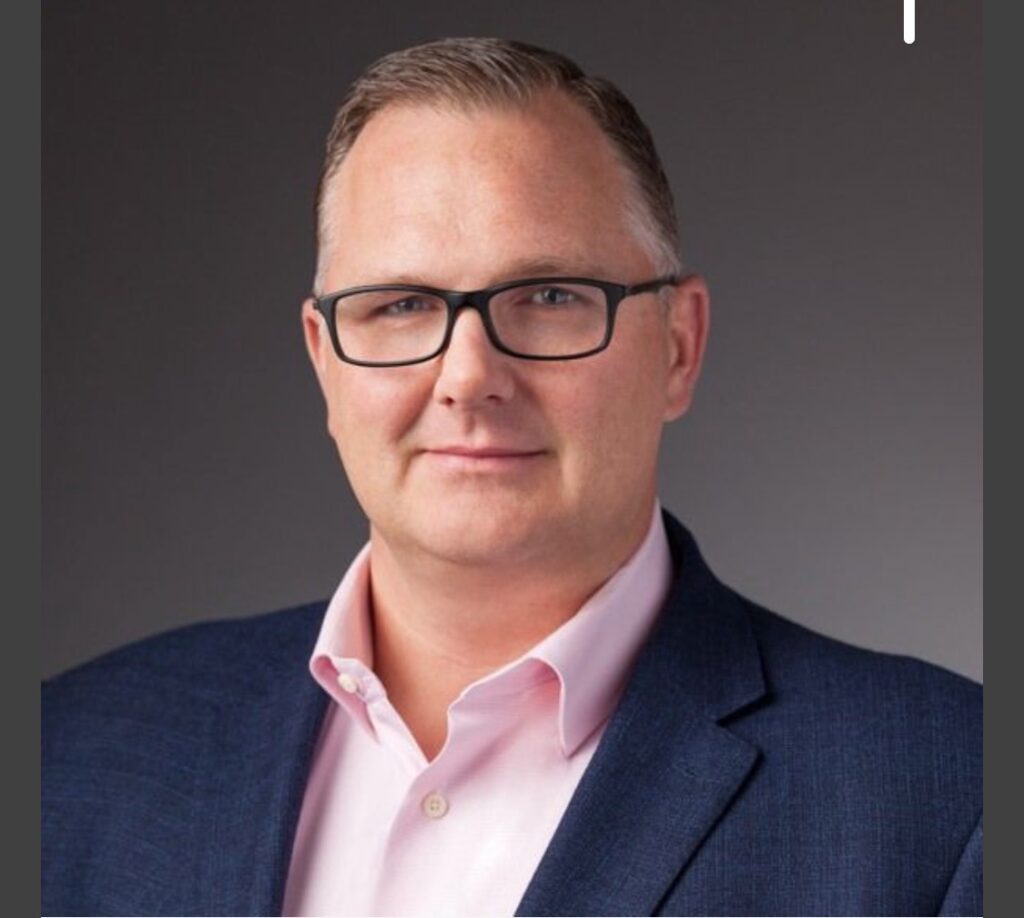
EXECUTIVE PRACTICE LEAD, QUALITY SOLUTIONS & CUSTOMER ANALYTICS
Bryan is a proven business leader with more than 20 years of experience developing and leading executive-level account strategy, building and leading high-functioning teams and practices, and identifying and delivering technology solutions that meet the demands of an ever-changing marketplace. Bryan’s success in selling and delivering diverse technology solutions to Fortune 100 companies can be attributed to his clear, persuasive communication style and keen ability to relate complex solutions to stakeholders at varying levels. Prior to joining The Northridge Group, Bryan has held senior management positions at market-leading technology companies includes IBM, Apple, and AT&T.
As the Executive Practice Lead of The Northridge Group’s Quality Solutions and Customer Analytics team, Bryan leads the organization’s delivery of actionable, data-driven customer insights for our clients and is responsible for developing new service offerings to address evolving market opportunities. Bryan holds a B.A. in Psychology from Creighton University where he was a pitcher on the baseball team and team captain both his junior and senior season.
Father of 3 Strong-willed Daughters Maddie (16), Mia(15) and Samantha (12)!
Welcome to the Athletics of Business, a podcast about how the traits and behaviors of elite athletes and remarkable business leaders frequently intersect. The real stories and hard lessons to help you level up your leadership and performance. Now your host, Ed Molitor.
Welcome back to another episode of the Athletics of Business podcast. I am your host and CEO of the Molotor Group, Ed Molitor. And we've done it again. Another incredible conversation with a former Creighton Blue Jay. I'm losing count how many that is now, but today's special guest is Brian Gillison. You're absolutely going to love this conversation. Just so much knowledge, so many stories. I have some great laughs. Just a wonderful personality. Brian pitched in the early 90s at Creighton where he spent the first two years as a starter, his last two as a closer, but more importantly, his last two years he was a team captain. Today he is executive practice lead of quality solutions and customer analytics at the Northridge Group.
And he leads the organization's delivery of actionable data driven customer insights of their clients and is responsible for developing new service offerings to address evolving market opportunities. Okay, he's had an incredible journey. Prior to joining Northridge Group, Brian held senior management positions at market leading technology companies. Now get this. Including IBM, Apple and AT&T. We're going to jump into some wonderful things inside of this conversation, but I'm just going to give you a sneak peek. We're going to talk about how finding people who have a framework to better themselves and others has helped the Northridge Group build a sustainable culture. And as Northridge Group scales their executive advisor space, what are some of the things they are looking for, questions they are asking and how they are a tell for how prepared you are and what skills you possess.
Not only what skills you possess, what level those skills are at. We're going to talk about why it is so important to get comfortable with failure as soon as possible. And Brian will get personal with us and talk about circumstances and adversity early in his life that changed the path of not only his athletic career, but it also motivated him to be the best father he could be today to his three strong willed daughters. As he describes him, Maddie who is 16, Mia who is 15 and Samantha who is 12.
And one of the things Brian's going to share with us that he has done over the years, which I love, is why it is so important to him to have a personal board of directors and how he went about building them and how he leans into that board of directors to help him in his professional and personal life. And he'll share the three principles that he has lived by and continues to live by in and how they can help you improve again, your personal, professional life immediately. And I know right now the situation we're in, the way our world is, there's a lot of people out there looking for jobs in between jobs. Okay. If you're not, you know, someone who is.
So Brian shares some things that they look for at the Northridge Group when they're interviewing on a video call, even his team members on the video call, and how he coaches people to better. And Brian will share the tools, resources, and practices that he has used and continues to use to develop the ability to be present. So without further ado, I'm going to get out of the way and let you enjoy my wonderful conversation with Brian Gillis. Brian, thank you so much for joining us today on the Athletics of Business podcast. It is awesome to finally have you here, Ed.
Thanks for having me. I appreciate it.
So I told our listeners all about you, but just share with us what you're doing now. Tell us a little bit about your journey and what brought you to the Northridge Group and all the amazing work that you folks do. Sure.
So I'm the executive practice lead at Northridge Group, so I'm responsible for quality solutions and customer analytics. What that really means is we do a lot of quality work within corporate corporations looking for to measure customer satisfaction or compliance in a specific area. We also, you know, my group also does a lot of around data analytics and what that looks like from a customer perspective. So these are kind of areas that are near and dear to my heart based on my previous career and my practice areas. Around 65, I get to work with every day. I learned something every day from them. So it's a great opportunity for me. And then I took this job a little over a year ago. Treece Falterbach, who was one of my mentors for 23 years, she's the CEO of the Northridge Group. Right.
So the, you know, we're a smaller firm. I have one practice area. There's three or four other practice areas in our company. And we're a smaller firm, but we work with Fortune 100 companies, we're certified women owned, and we're also an ESOP. Right. So that culture element around everyone having an ownership stake in what Northridge is doing is very important to what we try to do. And we think about that. Of course, who we bring into Northridge is very important to that culture. And then also servicing our Business clients. So, for example, where we think we have a competitive advantage in the consulting space is the majority of the consultants at the senior level that we bring in have had experience delivering in these specific areas, so to speak.
Some of the areas now we have in corporate real estate or pricing, these are people who have delivered in that space for 25 years, are now NRG, what we call executive advisors. So they could come in and really hit the ground running. So we're very fortunate to be able to utilize our network to serve our clients and have a competitive advantage in the space, if that makes sense now.
And that's awesome. Let's go back a little bit. You talked about your culture, right. Woman owned esop, careful about who you bring into. And you and I have talked about this, Brian, over some of our great conversations the last few months, building a culture worth fighting for, which is a lot of the work that we do here at the Molotov Group. Can you talk about that? What are you looking for in the type of people that you bring into the Northridge Group? What are the qualities?
Yeah, I mean, I think about this and kind of how this relates to kind of my principles. Right. Of what we think about. Right. So we have, you know, as a practice leader, we have autonomy of kind of how we bring people into our space, but also integrating that into the culture that Terese and our president, Darren Moore have set in place. Right. So I think about it in terms of this is, you know, does that person at that specific level you're bringing in have a network of quality relationships from start to finish? Right. And, you know, we could go into a little bit of more of what that means, because that's very important to me. I also think about, is that person a continuous learner or understands how they learn and others around them. Right.
Because at the end of the day, you need to understand how do you ingest new information and then how do you share that information with a dynamic or diverse work group? Right. And the other piece of this is, I always ask people when I bring them in is talk me through one of your biggest failures. Right. And then when you do that, you kind of get some. Are they comfortable with being when they fail, what did they learn like? And you kind of get a sense of what all that looks like. And in my mind, I'm trying to frame that out as we bring in these quality resources that at the end of the day, we'll be servicing our clients, which turns into a relationship for Northridge Group for not only the first engagement, but potentially for five, six, ten years.
Yeah. That's awesome. You speak about Therese, and I had the wonderful opportunity to talk to her because you're kind enough to give an introduction and back to your first bullet in terms of your three principles and relationships matter. She's been a mentor for you for over 23 years. Talk about how valuable that relationship is and the relationship has been and the doors that it's opened up for you.
Yeah. I mean, I think about, you know, what Terese has meant to me for, you know, better part of 20 years. Right. You know, and the beauty is Therese. When she initially started mentoring me, you know, I'm not sure she thought it was going to be a 20 year journey. Right. So to speak. So she was probably like, are you.
Saying she wouldn't have signed up for it?
Yeah, she's just like, you know, this is way too intense for me right off the bat. But, you know, she was always a person. She helped me get into kind of the technology space here in Chicago. Right. You know, I grew up in Connecticut and moved to was in Creighton for a while, and then I was in Denver and then Minneapolis, and then I finally landed here in Chicago. But she helped me get into the technology space. And then as I moved through different portions of my career. Right. @@&t, you know, different forms and fashion at@&t and then at Apple and then also Open Peak, which. And then at IBM. Right. Every point of the way, Treece, I would reach out to her and, you know, ask questions of like, what's the career development look like?
Or some of the tougher things that I was doing or thinking about doing or contemplating. How do we think about a business problem or a relationship or a networking problem? And she would always take the time to really mentor me. And that always made it made, you know, it just made such a tremendous impact on my life that when timing worked out, right after I was going to leave IBM, you know, there was an opportunity for me to come in and participate in one of her practices. Right. And that's been, you know, very special to me. And I treat it with the utmost respect. And, you know, I want to continue that culture that she's built for, you know, 20, 23 years.
Yeah. And I have to think the fact that she had mentored you for all those years transitioning into being with the Northridge Group was sort of a seamless transition because you knew what made her tick, you knew what made the group go, and you sort of fit right in.
Yeah. Well, it's interesting the Beauty of what the Northridge Group is was this diversity of thought, right? And diversity of kind of how do you operate. So I think it was a little bit of a learning culture on both sides, right? Because the majority of people at the Northridge Group were senior executives, right, at some place, you know, previously or been at the North Roche root for a while. So it wasn't as seamless as you would think, right? Because. But the beauty of this is you have to have respect for how they think about things. And, you know, they had respect about, I think, about things. So, you know, there was some really interesting, I would say, first four to six months, and we still do that.
And I think, you know, pushing each other back and forth and understanding ideas are really what make, you know, great solutions or great client relationships. So, you know, one of the lines I use with a lot is tension in any relationship, I think is important, right. You know, when I walked into Northridge, right, I'm sure they didn't want me to be a pushover, right? They wanted kind of me to have some thought leadership and the same thing they I wanted from them, right? I wanted them to provide me some thought leadership and us to kind of push and pull each other. And then at the end of the day, the best ideas went out and then we go execute on those, right?
And that ties right into what you talk about, doesn't it, being a continuous learner? I mean, here you are and you come in as a senior executive, collaborating, communicating with other senior executives with different experiences, different reference points than you have. Can you talk a little bit about how you do that? I mean, does that come from a point of humility? Does it come from a point of curiosity? I mean, where does that come from?
Yeah, I will tell you that where that comes from for me is I'm dyslexic. So I was diagnosed as dyslexic when I was young. I didn't really deal with it very well, with what I would say, grammar school, high school and even college, right? I would kind of just kind of sweep it under the rug. And I didn't understand that there was different ways to learn things, right? So, you know, really where this started to shake out for me was, you know, in my. I would say even my early 30s, right. I started to understand as I got more responsibility, that there's all kinds of ways to learn. So, for example, you know, I'm very, you know, I need to listen to things, right? I could, you know, I could read things. I could read books.
It just takes Me a little longer to do it. For me, my medium is, you know, listening to things and also doing or being in meetings, Right. Where I'm ingesting information very quickly. Right. For that's how it worked for me in my 30s. And I just started to figure out that, hey, listen, I am capable of doing a lot of things. And one of my, you know, one of my toolkits that I say to my team is abcd, always be connecting the dots. Right. So, you know, no matter what type of learner you are, the value you bring is, can you be connecting the dots that other people don't see. Right. And that's why that continuous learner is so important to me.
And, you know, the stuff that I think about is as kids, I've got three daughters and I think about can they think about how they learn earlier in the process? Right. Could you know, can. You've got kids, you got, you know, 6 and 9. I believe it is 6 and 8.
Yep.
It's an 8. Right.
Going on 18. But anyways, that's another story.
Exactly. Mine are, you know, 16, 15 and 10. How do you think through that? If they could understand how they learn earlier in life? Right. I think they have a better chance of making a tremendous impact and also, you know, doing things that are really interesting to them.
You know, that's an interesting segue. You brought your kids up because the next question I was going to ask you, there's different ways to learn and how significant is that? And you and I both have had some amazing coaches in our life, athletic coaches. Right. And the best ones were the ones that just figured out what made you tick. And they're going to put you in a position to be successful by how they taught you things. So there's different ways to learn things. But as you develop junior leaders, as you develop the next generation of leaders, how important is that for us to realize there's also different ways to teach things?
Yeah. I mean, I think about that in terms of just my personal experience with sports in general. Right. I still talk to Joe Monroe, who was my football coach when, you know, I was in, you know, Wilcott High School in Connecticut. Right. And, you know, he wasn't. He wasn't easy on me. Right. But he also would be hard and soft and try different approaches. Right. So you learn that. And I think that also instilled something to me when I went to Creighton.
Right.
I had an opportunity to. Jim Hendry was my coach when I first got there. And then I had Todd Woodburn, right. Todd was a fantastic first class gentleman that gave, let's just say, tough love. Right. But he would also understand that you need some room to grow. Right. And then the beauty of that too is you're seeing these kind of different coaching styles. Right. I see Steve Pratt, who runs full practice, our full package athletics here, and then also Ben Berg, who is a high school coach for Carmel girls basketball. All of these resources kind of, you see them looking for the best way to get the best out of that resource. And I think as former athletes, we look at that and say, wow, they were wiser than you thought. Right? For sure. Right.
And then it also instills in you is you need to take different approaches to your resources that you have within your company to say, hey, how do you think about that? Like, maybe I shouldn't go hard or I should go soft or I need more structure with this resource or we need to give them more rope so they could basically expand and grow. Right. Or you need to coach them up more. And that's just with your internal employees. But I also think about that from your clients. At the end of the day, you know, you should be that trusted executive advisor or the teacher to your clients. Right. So that same type of mentality of getting the best out of that resource implies not only internally what your company, but also to your clients. How do you get the best out of your clients?
How do you position that information the correct way so they could get the maximum information out of it? Right. Those are all things that you kind of where I feel like I've taken that, you know, kind of my experiences of growing up in, you know, Connecticut and obviously fortunate enough to play a Creighton, for sure.
Your story is really an interesting one because. And this is what I think adds to how effective and how awesome you are as a leader is you're from the east coast, right? You were a football player. That was going to be your thing.
All right?
Football mentality, baseball mentality. You're both crazy. All right, Both, all you guys are crazy, which is awesome, but totally different. And you've had a very diverse group of coaches. And even just when you're at Creighton between, you know, Coach Hendry and Todd, I mean, two totally different coaching styles, right? Your high school coaches. Can you talk a little bit about what you pulled and from where, from each coach and how that's fit into your characteristics and your makeup as a leader?
Yeah, I mean, those are. That's a great question. And you know, I think about it in terms of, you know, there's things that stay with you for your entire life. Right. You know, I think about, you know, probably, you know, my football coach in high school kind of taught me more about kind of the discipline of what it takes to be. To excel at a specific level. Right. What that looks like. I think about that in terms of kind of, you know, Jim Hendry and Todd Winberg and Jack Dahm. You know, I play for Jack as well at Creighton. You know, it's around, you know, taking some personal ownership. Right. Personal ownership of your development. Right. And what that looks like. Right. So if you put those together, right.
You get, you know, the discipline piece and then you get, you know, you need to be an active participant as you get into college, as you know. Right. You've got to. You got to take an ownership stake and to progress and better. Right. And that's what you really want to look for. You build culture. Right. Are you looking for people that have a framework that they could tap into that works for them? Right. And then how they think about bettering not only themselves, but others? Right. That is the key to building this culture that's sustainable beyond yourself or your company or the broader group that you represent. Right. So those are kind of, I think, you know, the big ticket items. You know, I'm sure I didn't when I was in high school or college.
I'm sure if you ask those coaches that I was probably not the best listener, and I probably pushed the envelope way too many times, and I'm sure they could attest to that. But that's all part of the learning process, right? In the growth of you as an individual.
And one of the things that you learn as Nathleen, that you learn, and we've talked about this quite a bit, is failure, Right. Learning from failure and the ability to get outside your comfort zone and to embrace that. Can you talk into that, how that's played out in your professional career? And you said something to me a while back that the sooner you learn that, the better. And how that fits.
Yeah. And I'll be completely transparent. Is like, on my part of especially being dyslexic. Right. You have a fear of reading out loud. You've got a fear of a lot of things, of looking like you're not as educated as others. Right. And especially in front of people. Right. I struggled with that earlier in my career where, you know, I wasn't the one who was, you know, giving a lot of the larger speeches or stepping up in some of that in that world. But as I embraced that and understood that every opportunity that I got to present or I got to do something that got me out of my comfort zone, I got a little better at it, right? And I also started, you know, let's be completely clear, you know, everyone still gets nervous, right?
But can you learn to get through that and can you learn to kind of take some bit of that nervousness or you didn't do it perfectly as a way to lead you and get better every single time? So I'll give you an example is, you know, when I worked, I was fortunate to work for a company called Open Peak. And, you know, it was an absolute fantastic culture, right, where I had the opportunity to build kind of a sales and service organization. I learned more in that time of my life because I had such autonomy and then responsibility to build the service and sales organizations that kind of. I saw fit and they gave me that opportunity. You know, I failed many times, right? We built a practice from zero to about 46 people in less than two years, right?
And you understand, okay, what did I do right in that hiring process? What did I do wrong? You know, okay, how did I set up the structure as it relates to how we service our clients? How do we tweak that? You know, and that was great because we had some really great senior leaders there, you know, And I talk about that, you know, my thinking about my network and mentors. One of them was Chris Hill, right? He was a Senior Executive at&T, and he was the president of Open Peak. I had the opportunity to work for Dan Gittleman, who was, you know, he was the CEO of Open Peak, right. They taught me an awful lot of. They gave me an opportunity to kind of grow as a resource, but also given me enough rope to kind of do my own thing and fail.
Right? But, you know, the flip side to that is when you fail in business, there's some real consequences within a resource, or you're hitting. You're missing a number or something of that nature. So, you know, having that type of leadership structure in place that has some tolerance right around growth is really key. And I think that is one of the aspects that, like, at bigger companies, I think they struggle with a little bit, right? Everyone wants to put together a mentor program, but what does that really look like? What's the parameters of failure? Right? And then how do we, you know, how do we tie that back to. That's going to be personal growth for them, even though they fail. Does that make sense?
No, it Makes a ton of sense. And that's a great segue to my next question is one of the things you and I are cut from the same cloth is we love to compete, right? We want to get in the trenches with our people. Like when you put our backs against the wall, we're going to figure out a way to succeed. But to be able to mesh that with a mentorship program in a larger corporation or a larger organization inside the corporate structure is a little bit delicate sometimes because when you talk in terms of competing people, you know, competing in joy, for some reason society has a tendency to think it's mute. They're. They're mutually exclusive when it's completely the opposite.
Can you talk into that as you built that culture at Open Peak where that competitive nature would show up and where it would come out?
Open Peak was an interesting culture based on kind of Dan and how we, you know, we ran the company, right? Or he ran the company. It was extremely competitive, right? Extremely competitive on preparing for meetings, adding value internally and external meetings, like, so were always competing at Open Peak, right? And that was a very smaller, I would say smaller company, but very agile, right. That kind of brought out your competitive juices as a culture. But then take that into how does IBM work at that. You have a broader structure with a very big company and you would have, what does that competitive culture look like at the corporate level? And then how do you drive that competitive advantage or competitiveness within either the practice that you're serving from a consulting perspective or even the project you're working on, right?
So you have all different levels of competitiveness. You know, kind of answer your question. At the end of the day, you're going to have to answer to yourself, right? You're going to have to answer to yourself and your teammates that you're working within that practice or project or the scope that you have? So, you know, I think in my case is we don't like to fail. We are going to compete our asses off for sure and we're going to be proud of the work we do. And at the end of the day, if it doesn't work out, that's okay. We'll learn from this and we'll move on. Like, where I always thought about this is I could control the culture of the group that I'm calling on and then potentially the client that we're serving, right.
Once you get broader than that, it gets extremely difficult, right? And that's where I think the broad I would say the larger companies, you know, there's, you know, billions of dollars spent on this product, you know, this topic, so to speak. And it's not an easy thing to crack by any means. Right? Because anytime you get out of the. It's theory of large numbers, right? Anytime you get after outside 100, you know, then you're, how do you put the process in place to be competitive? Like, do you have the right people that are putting the processes in place to be competitive? Is it a commission based, is it, you know, what are the things that you're offering?
And what I see sometimes with companies is people making decisions on that piece of it have never really walked in the shoes of delivering in a competitive environment. So you know, a lot of questions that I ask some of my clients is like, okay, who's working on this? Who's working on how we structure operations or how do we think about building this culture? And you get to understand those resources that are making those decisions. They may right or wrong, they may be good or bad, but maybe they don't have the experience needed to make some of those decisions. If that makes sense.
Makes total sense. And you talk about controlling the controllable and we're living in this time right now with so many unknowns, uncertainty for whatever reason, unmet expectations. We all kind of have this tendency to try to put a timeline on everything that we're going through only to realize that our timeline doesn't really matter. I am so impressed by your ability to be present and I just, I'm curious as to how much of a role your ability to be present plays into your putting your clients minds at peace. In other words, you're able to control the controllables with them and keep everybody on task. Where does that show up in your world?
Yeah, well, it's interesting. I don't think that if you were to ask me in my 20s or 30s that I would have, they would have said how present you were. It was more of a mindset of how fast could I run and how hard I could outwork someone, you know. And I think that type of mentality just doesn't scale. Right. You just can't scale. And as you grow older you start to think about that. So, you know, one of the things that I started to do is, you know, I meditate every day. I've read this book, it was fantastic. I'll throw a shout out to this guy, Dan Harris, who is on NBC Nightly News book called 10% Happier. And you know, from there he had a Panic attack on tv.
He was a national news Anchorage, and you could see him go through the panic attack. And he writes this book around how meditation helps you be present in the moment no matter what's going on around you. So what I started to do is I started to kind of meditate on a daily basis. Right. And I use an app that it's 10% happier app. It's fantastic. And the more you do it, the better you are at really kind of grounding yourself in what's happening at that specific moment. Right. And not letting different forms or fashions kind of distract you from the decision that you need to make in that moment. Right. And I found that extremely helpful.
Where I would say earlier in my 20s and 30s, where I would be like, hey, I'm just going to digest as much information as I can and I'm just going to kind of blurt it out without, you know, kind of being mindful in that decision making at that time. So that's how I think about that, or that's how I kind of force myself to be present. But it has to be a daily type of exercise that hopefully, you know, I guess hopefully that my clients or the people that I work with, you know, could see on a daily basis.
And, you know, I believe people's stories. So their stories are so fascinating, and it tells a lot about who they are and what their life has shaped up to be. And when you go back and look at your story from the time you were an athlete in high school, there's been a lot of things that were out of your control. Sure, you're going to play college football, you got injured, you turned to baseball, you go to Creighton. That story in itself, I'd love for you to share with how you ended up at Creighton. But then you go through three coaches, which three amazing men. You know, I apologize to Jack Dime. I forgot that you were able to play for him. But three amazing men, but yet still, that's a challenge, right?
And then the shoulder injury before you played in Cape Cod, leave your sophomore year, and then you decide at the end of it that, you know what, I'm just going to walk away from the games. I know my shoulder's not going to hold up. Excuse me. And you have these different things that keep happening to you, and you sort of just seem to be resilient through it all. And that might just be on the surface. There might have been a struggle below the surface. But talk a little bit about how that helped shape you Yeah.
I will tell you, first and foremost, the resiliency I learned is from my mother, God rest her soul. She was pretty much a single mother, right? Had me when she was 18, so we kind of grew up together. And I'll use a line is, you know, I think about my mom and she had a tremendous amount of passion. And, you know, what we say is she got some shit in her neck, right? She was just a tough lady, right? And she never would allow anyone to kind of think less of her or anything of that nature. So I think first and foremost, it started with her, right around kind of this resiliency, right? So for me, it was, you know, in high school, I got into a bad accident and was slotted to play football. Dislocated my hip and shatter my right wrist.
And, you know, all the football stuff went out the window, so I couldn't play football, right? I basically, when I dislocated my hip, it stayed out and there was nerve damage. So anytime I would take a hit, I would. It would pop out. So I found out very quickly, it's like, I need to figure something else out, right? So my uncle Jack Pierce, who was a football coach for University of Nebraska for 17 years, you know, it was like, hey, listen, I know you're into baseball, all that kind of stuff. We should, you know, and that was going into my senior year. And he's like, you should start to think about, you know, playing baseball and getting serious about it. So I. I've been playing baseball my entire life.
But, you know, helped me, said, why don't you to go take a look at Creighton? I'm sorry, why don't you go take a look at University of Nebraska? So I go out to Nebraska to a recruiting visit to watch Nebraska baseball. And so I go to Nebraska baseball and, you know, no disrespect to Nebraska or anything like that. It just didn't work out. Like, it just wasn't a great fit of the coaching and the players. And I was there for two days and it just wasn't a very welcoming experience. You know, Uncle Jack made a phone call to Jim Hendry down the street. And this is when Creighton was in the College World Series and was the season that Creighton was in the College World Series. And, you know, I go right down the road, 45 minutes, and Jim Hendry doesn't know me.
I don't know my. He doesn't even know my uncle. But they, you know, both coaches. So I walked into the Creighton you know, dugout, shook hands. You know, I watched a quick game and then I left. And I thought nothing of it. And throughout the entire process. So Creighton that year keeps making the run to the College World Series. And I was starting to get recruited by a lot of other, you know, colleges for baseball. And it was like, oh, that's great. And Jim kept on calling Coach Henry kept on calling me and says, don't sign. I'm like, coach, I'm a little nervous here. I don't like, you know, hey, he was busy.
They were busy winning games, though, right?
You know, they had a lot bigger things than Brian Gillis in, you know, Podunk, you know, Connecticut, by any means. But he kept on saying, don't sign. And I'm like, okay. And I'll never forget it. I was watching, no joke. I'm watching the College World Series. I'm in high school. I'm getting very nervous that I keep on pushing off a lot of scholarship offers. And I'm watching Eric Maloney, who's a good friend of mine to this day, pitch in the College World Series. And I'm getting phone calls from Coach Hendry after every couple games saying, hey, don't sign. Next thing I know, you know, they obviously make their historic run to the College World Series. The next day, Todd Winberg was on a flight out to see me in Connecticut. Jim kept his word, sent Todd out there.
He went to go see me on this skin infield. I was playing probably Legion ball. And it was, you know, in the city of Waterbury, Connecticut, which is not known for their. It's not a mecca of baseball by any means. And I was fortunate todd that night, came back and offered me a scholarship, right? And right on the spot. And the funny part of that is, you know, this is how weird and fortunate you get through sports is. Me and my really good friend John Dunlop split Cliff Floyd's scholar, right? So Cliff was. I don't think I'd be going to Creighton if Cliff wasn't such a great baseball player and be, you know, sign a professional contract so that, you know, those type of breaks in sports and, you know, just in life in general, kind of help you out.
And then, you know, for me, you know, as I went through Creighton, I wasn't, you know, I was okay, right? And I got through. And then, you know, I had some adversity when I ended up playing in Cape Cod my sophomore year. And Ended up having some shoulder problems when I was playing in the Cape. Being very successful. Came back to Creighton and had to get reconstructive surgery by Dr. Frank Jobe, the orthopedic for the Dodgers at the time. So had to take a red shirt year. Never really came back to how I was and what that looked like. Got an opportunity, picked up very late rounds with the Indians. And I just knew at that time, you know, my shoulder wasn't going to make it and I didn't want to kick around in the Miners for so long.
So I ended up taking a job in Denver working for a liquor distributing company or a marketing company out of college. And the funny story was, is in my hometown paper. And I'll send you the article. It says Gillis chooses beer over baseball. So you can imagine how my high school friends and my college friends responded to that.
Oh, I can only imagine. Yeah.
I'm not saying that I had a couple cocktails in college, maybe I had, maybe I couldn't. But I'm just telling you that headline is, you know, it's. I still get shit for that today.
That's phenomenal. You know, I tried finding that article. Do send me that link, though. First of all, that's the title of a great 30 for 30 on ESPN.
Yes.
Bureau of Bureau for Baseball.
It's one of my proudest moments, for sure.
Now, speaking of problem moments you've had this ability to overcome, can you talk a little bit about this? Ties into different ways to learn. Can you talk about your battle with dyslexia? And I know we've touched on it, but how you've. Because every time I talk to you, which is often, we're talking about a new book. Right. And we're. We're talking about different ways of, different things that we're learning, different things that we're working on, different projects. Can you talk about the dyslexia and how you went about overcoming that? I guess, for lack of a better word?
Yeah. I mean, for me it was, you know, I'm not sure I did a really good job of it when I was younger. Right. I think you're just, you know, the maturity. As you get older, you kind of think about things differently. So when I was younger, you know, I got some special help from when, you know, from I went to a grammar school, public grammar school in Wilkin, Connecticut. Right. And had some great teachers. Right. Got some special help. My mother got me some help outside of school. But, you know, I never really embraced it. Right. I Never embraced. Like, I would never allow any of the teachers or extra time or anything like that. It was more of an embarrassment where I thought I was embarrassed because I had dyslexia, right. And that's probably not the best way to handle it, right.
And, you know, and this is going back, you know, a long time. So as I got older, you know, I kind of just learned ways to cope with it without bringing attention to myself. So in high school, it was more of, hey, listen, I'm not gonna, you know, I'm not gonna set the world on fire in high school for my grades wise, you know, because I've had some struggles. And then as I got to college, the same stuff, it was like I needed to think about how do I learn in college, right? So I started to do. It's funny is I would spend a ton of time at the library. I know that's shocking for the people.
That know that library at Creighton was a great place to hang out, though.
100%.
Yeah.
I actually, I had dual interest in that. But for me, it was honestly, what I would do is I would take some of my texts and have the words read back to me, right? And that was kind of the first start of, okay, why I am ingesting this way faster because I'm having this read to me and I'm now retaining that, right? So this kind of goes back to, you got to figure out how you learn, right? I could read anytime, but I just don't read super quick, right? But if I have it read to me and I'm looking at the words directly, then I'm probably twice as fast as someone else, right? So you just got to figure out what that looks like. So, you know, and this kind of goes back to kind of your.
As I think about your development as just a person in general, like, it's like, okay, now, I don't see dyslexia as a crutch. I don't see it as. I see it as a way to think about things differently. And I've also figured out a way for me to learn. And I also think that this is a strength of mine as you go forward. So, you know, I give you an example. One of my daughters is dyslexic, right? And making sure that she feels comfortable that she, you know, is not any less than another student. She just learns differently. And, you know, the more you can embrace that, and the quicker you can embrace that, the better you can be.
But I'm also, you know, I'm also A realist around, you know, kids with any disability is, you know, are the teachers equipped to do it or do they understand what that feels like as a kid, you know, is, are they putting the space for them to grow and to learn? Yes and no. So, like, you know, she's going to get some. She got some great teachers, right? I got some really good teachers who made an impact on my life. But I think, you know, getting back to your point is until I owned it and talked about it out loud, and that really didn't really happen until my early 30s, I'm not sure it became a strength for me. I should rephrase that.
That's the only way it became a strength for me when I started to own it and what that looks like and kind of thinking through what that means to me and what do I need to do, and then also empowering myself to be a leader and think about things differently in knowing and a confidence that you can get things done even though you do have a disability.
Right. And I love that you said so much there in the last two or three sentences. You talk about space for you to learn and grow, right? And we'll get into how you do that in business because it's so important you talk about owning it. I like to talk, call it running to the fight. So in other words, somewhere along the line someone got you, was able to pull it out of you. Talk about it. It's okay to talk about it. Let's talk about it. Let's figure it out and let's leverage it, right? Let's figure out how instead of being a crutch becomes a tool, it becomes a weapon for your growth. How does that show up in business, though?
In other words, when you work with different folks, different personalities, different circumstances, different set of experiences, different personal stories, how do you figure out how to give them the space that they need to learn and grow in that setting?
Yeah, it's funny I ask them. It's as simple as this. Where I think about this is as business leaders, we have this, you know, the set of goals that we have to hit, right? And if you're. If you define what those goals are and clearly articulate them, the people that you work with, you could start to ask them what interests you about certain pieces of this or addressing this problem. Like you. You may put someone in a spot that's like, hey, listen, they need to think about process, business process. And to fix this problem, we have to define the business process and we've got to work it, and we' Got to tweak it, and now we've got to implement it. Right. Maybe they don't want to do anything with process, and you're kind of forcing them to go down that road.
If, you know, as you, there's all kinds of problems to solve in business. What I like to do is ask, you know, what interests you? What do you want to do? Like, is it data analytics? Is that piece of our business very interesting to you? Is it the quality piece of our business, like, around customer satisfaction and understanding behaviors that drive great customer experiences? Is that something that interests you? Or it could be another piece of our business around kind of business process optimization. Right? So there's all these areas, but at the end of the day, Ed, you gotta ask. You gotta ask someone to say what interests you. And that may change every quarter, Right?
Isn't it funny? Because people, when I asked that question, the listener might have been sitting there like, oh, man, I can't wait to hear this answer. This is gonna be really good. And how simple it is. Just ask.
Just ask them, like, and honestly, you know, it probably changes. You know, it changes, you know, every quarter, every six months, every year. Right. But that keeps people engaged. That really does. Like, you may have resources that are tremendous problem solvers looking for areas like, I'm going to go, I know there's an issue here. I'm going to go solve it.
Okay.
You have those group of resources, or, hey, they need a little more coaching to say, here, there's the problem. Here are the steps you need to take to go get that problem. Right. There's all kinds of pieces to that puzzle, you know, And I think about this as you build, culture is in. Leadership is putting the right people in place at the right time to maximize their ability to ultimately get to that goal.
And when we talk about the right people in the right place at the right time, okay, we know today's workforce wants three things. Number one, they want to know that they're valued. Okay. They want to know that they mean something to you as a leader, to you, the organization. They want to know that the work they do is important and has meaning, and they want to be coached. How do those three things show up at the Northridge Group?
Yeah, that's. That's a. I mean, I think about it for us, where Treece, you know, turned us into an esop. Like, first and foremost, we value that. Like, we want employee owners, right? And I think about that. And first and foremost. So they understand that the work they do contributes to the profits, right? I think about that a lot of being in a smaller company and how much that, how important that is to me and the people that work with me, right. And I think it sometimes at the bigger organizations, they don't understand that. They really don't. You know, people feel disenfranchised through like, hey, listen, I work for a company that has 200,000 people. My work doesn't really contribute to the bottom line. I think that's a big gap in bigger companies.
But for us at Northridge Group, everyone contributes to the profits, right? And we all share in what that looks like. And I think about you, the other piece of this is, you know, a sense of purpose. You know, how do you give that sense of purpose? And I think at Northridge, because we're so nimble, right? It's, you know, we could set that purpose every quarter, six months, every year. But we're also agile enough to go get something or go, you know, go get a market that I think helps people become very passionate about addressing a business problem.
So you get that why, you understand that why even though it may change a little bit, but you have, you know, that's why I love working for the Northridge Group is to think about, I get to do really cool stuff very quickly and I get to respond to markets or respond to a client's need. That also is a double edged sword because it can confuse your, you know, the people that it's working for you or in the company to say, hey, listen, I thought were chasing this and now we're chasing that. Well, how does my role change? So how do you think through the dynamic agile culture that we've kind of created. So I haven't got it figured out, I'm just being honest.
But how I think about it now, I help myself figure it out is I have people around me saying, hey, listen, we just moved the ball a little bit. Let's get really clear on why we've moved the ball and why it's beneficial not only to them but the company, right? So that's how I think about that piece of it. And the next piece about that is the kind of culture and feedback I'm passionate, as you mentioned before, is ingesting information. One of my favorite books is Measure what Matters, right? So we think about, we term things as. What they do is really the okrs, right? So what's your objective and what are your key results and if you're aligned. So objectives is something that's some type of goal that you have set out There. And then what you have is key results.
Did you get it or didn't you? Right. So you could. Those are the key results are basically activities that would need to take place to hit that objective. So we use that an awful lot around making sure that we're aligned from top to bottom. So what anyone's doing at any level always lines up to that objective up on top.
And you know that plays right into something I wanted to ask you about, especially during this time. It's. It's interesting. I work and we're talking about measurements with lag measures and lead measures. Okay. So during this. COVID 19. During this and what it's done for your business and inside of your industry and your space and how you've adjusted the lead measures. Okay. Because the lag measures, I mean, that we keep redetermining what those lag measures are going to be based on. Based on what we wake up, what world we wake up tomorrow. How's that impacted you?
Yeah, I mean, I think for the Northridge business, we've been in really good shape. Right. We've handled the work from home aspect to this very well. We had some. We had the infrastructure in place, right. From an IT perspective to manage that remote workforce. Right. And that's something that were very passionate about and we set those in. But what we had to think about is, okay, we needed to service our clients near term, but we also needed to think through is we know that they're financially challenged through the end of the year or through the first quarter of next year. So how could we structure relationships and still move the ball forward? So, for example, we think about this in terms of putting some contract structures in place that have some flexibility from a deliverable.
So maybe a phase one, phase two, phase three, so you don't have to bite off on a $2 million sow right off the bat. You may be able to do a $250,000 engagement right off the bat. And there's these stages that you would go through. So that gives them some flexibility. And I also think about, I think about it internally as well as how do we think about where we are going, Right. Like, where is where. What's our client struggling with? So for us, it's about top line revenue. Right. So we have what we call executive advisors. Right. Howard Irgain, who has run global pricing fortune 100 companies, runs the pricing piece of our business. Right. If you think about that is they need to get tremendous price growth or they're getting price pressure in the next 6 12, 18 months.
So he's experienced, he's done that so he could help a company think about top line revenue. So we're kind of skating to where our clients go in. And I'll give you another example is Greg Adams, who is a senior executive. He was an ex COO in the corporate real estate environment. Right. So he is, we are looking at him from what does corporate real estate really look like in the next six 12, two years, five years? Right. So he's done that at scale for, you know, a larger companies. So we would come into a client and say, hey, I'm sure you're thinking about top line revenue. You know, we've had someone who's done this in this space for a long period of time.
I'm sure you're thinking about what the space is gonna, what your, what's corporate real estate gonna look like for you in three to five years? And Greg has done it and we can execute on those type of things. So we're really skating where we think our clients are going, but the client is constantly giving us feedback and I think we're in a good position. So I have this vision around what Northridge would become, around these executive advisors to really becoming this next generation of what consulting looks like of senior executives who have delivered in the space based on the need of the market. Right. So, for example, maybe training, right, Would be coming down. How do you think about training? You know, what does training look like in the next 6 12, 18 months, right, in this virtual environment?
You know, and I was having some dialogue with internally at NRG is what does team culture look like, right? Like you may not even, you may even shake someone's hand before they're part of your team anymore, right? What does that look like? So thinking through some of these things and providing some best practices to our clients is really where we feel we're going to have a tremendous advantage because we're going to have people who have done it and delivered in this space, you know, for 2010, five years.
So you just touched on something that's huge right now. Right, because there's depending on the industry, there's some organizations that are scaling significantly right now, yet they can't do the face to face interview process. Everything, or at least 90% of it has to be virtual. So what are some of the tells for you? Virtually, how do you read the person? I mean, you and I, you know, we talk about this like, what's the tells? How do you read the person? How do you get the feel, how do you get the vibe? You know, how honest and forthright they're being, what makes them nervous, what makes them exude confidence? How do you do that virtually? Is that something you folks talk about internally?
Yes. Yeah, all the time. Like, I think about this as one of my cultures or one, a part of my culture is to always be on video. Just, I don't care where you are, I don't care if, you know, there's kids running around in the background or a dog jumping around or barking. I don't care. But I want to see your face. I also like the way I think about it, is I'm always looking for this too. I'm sure you're the same way Ed is. Do they understand what video means to them? Like, have they taken the, do they have the personal pride to have the best situation? Like, is your monitor directly across from your face? Are you, or is it on the table and you're typing while the meeting's going on? Right.
So there's all these kind of tells that are going on as you're thinking about and then you got to kind of coach up good behavior. So for example, you know, I'm not going to call out someone to be like, hey, listen, you're multitasking. Everyone multitasks, right? I multitask, you multitask. But you may call out great behavior saying, hey, listen, man, I really appreciate the way you've, you contributed in that meeting today. That was really well done. And it's probably because they're not multitasking or they're not doing things and they're giving their full attention and you're getting more out of it. One thing that we struggle with is kind of the follow up piece of this.
In a virtual environment, it's always easy to say, hey, listen, in a face to face meeting is like, hey, you have notes, you're gonna send this out, all that kind of stuff. But in a virtual environment, you make sure that you're spelling that out before anything starts. What's the purpose of the meeting? Who is taking the notes? Who has the action items off of that? And that will also put people on notice that, hey, listen, just because we're on video doesn't mean we're not going to be crazily productive and really push the envelope of how we think about solving a business problem.
Well, and you talked about with your dyslexia, it used to be a crutch, now it's a tool, now it's a, you know, you leverage it you think about working virtually, interviewing virtually, you think about the advantages of it. Okay. When I was in recruiting industry, we spent a lot of time training. I had one client in particular that did all their first round interviews via. It was Skype back then. It wasn't. It was Skype. But we would talk to them about their background, by the way. Wonderful background right there you got going. But no, we would talk about their background, we would talk about coming prepared, were talking about looking professional. But we would also talk about the advantages of the fact that it's saving you the time of travel, saving you the fact your flight could get delayed.
It's saving the effect that you could be staying in the fleabag motel by accident. There's all these different things. So virtually, I think what's the compensating factor that you bring to the table as an interviewee or as a team member or what do you do? And I love to hear you talk about the fact that you do pay attention that. Because that is a difference maker.
Yeah. I mean we're going through this now as we think about scaling our business, especially within the executive advisor space. I will tell you, there's one of the interview things that were starting to think through is, you know, I had a fortunate time to spend some time at Apple. Right. And earlier in my career and I went through that interview process and it wasn't the easiest thing in the world. One of the things was they get you up to go solve a business problem right on the spot. Right. So what we're starting to think about is as we interview resources or we talk through things, we're basically saying virtually, can you bring up a whiteboard? Can you start to think about, okay, well tell me one of your biggest projects you work through and what you learned from them. Step me through that.
And it's not just verbally. Maybe you bring up a whiteboard to make them kind of think differently. And then I think about what this is going to look like in the future is a lot of times what I ask people to do if it's the final round of an interview, was I want you to present your 30, 60, 90, what's your business plan to me like, and then you'll usually have three or four clients that are three or four, let's say resources at that final stage and you'll know real quick if like who prepared for it. Right. And who did it well and who didn't. And also like, do they have some presentation skills? And what I would, what I do is I Don't even sit in on some of that last piece of it.
I'll have some of my colleagues within Northridge or in previous organizations, like, what did you think? How did you. Like. And they didn't even. They weren't even part of the first, you know, let's just say two or three rounds of that interview process. So there's all kinds of. You know, I think about this. As you get older, Ed, I think your toolbox just gets bigger, right. And you're trying to think through things. And, hey, I remember when I interviewed there, or I remember when I interviewed here, I had this dialogue with the executive, and you start to kind of piece this stuff together, and then you kind of put together that process which you think has the most impact. Right. But you always got to continuously try.
To iterate on it, and your toolbox gets bigger, but you also learn which tools you can trust the most, and you keep using them, and you keep using them. So I think sometimes when you're a younger leader, you're younger in business. It's like, okay, that worked this time, but maybe I should be doing it how he's doing it or how she's doing. It's that whole comparison gap instead of trusting your ability and your skill set. Yeah.
I mean, I think about it like being a parent. Right. You know, you know, 16, 15. And Sam's gonna kill me because she's. She's 11. She's not 10. And I said 1010 earlier in the podcast, if she ever listens to it.
But, like, I think, because as fathers, we want our daughters to stay young as long as they.
And I'm laughing is I think I'm a better parent now with Sam, better than when I was with Matty, and me is 15. And you're always testing things out. Right. And it's the same thing with business, you know, But I will kind of center it back to. But are you learning anything else to test this out? Right. If you're not getting new ideas or reading books or ingesting or you're a continuous learner, your tool set never gets any bigger, or you're never testing it out at the right time. So that's how I tie it back to is like, you know, if you're going to keep on hitting that thing with a hammer. Okay. Have you thought about anything else? Like, if it's not working or, you know, what are other ways to do it?
The way I think about it is if I'm getting diversity of thought or I'M listening to a book or I'm having interesting dialogue with client and, you know, clients and the people I work with. My tool set now becomes, instead of just Brian's vision, it's now, you know, 10x. And then you could start to use those tools maybe at a certain time that it may work or it may not. And then you need to go to another tool.
Right now, before I ask you the last question, we wrap this up. Where can folks find out more about Brian Gillis? Where can they find out more about the Northridge Group and your blog? I love the blog you have on your website for Northridge Group. You guys have some amazing content, some amazing things on there. So can you share that with our listener? Yeah.
So Katie Francis runs marketing for us for Northridge group. So it's northridgegroup.com right. You could find a ton of great kind of thought leadership within what we do and how we do it. For me, I am at Twitter, so Brian M. Gillis. And then also please feel free to send me something on LinkedIn. So Brian Gillisorthridge group. So all of those ways you can reach me, but I'm getting a little more agile, I guess, with social media and responding and all that stuff. So there's a ton of different ways you could reach me.
Alright, fantastic. And if you're driving, if you're working out or you're doing something where you can't write that down right now, as you listen to the podcast, it'll be in the show notes. All those links will be in the show notes as well. So you can just click on it from there. You can find those@The Athletics of Business.com or if you really want to get efficient, go to the molotowardgroup.com you can learn all about what we do with the executive coaching, the consulting as well as the speaking. Now, last question. Okay. What advice would you give? Or do you give because you're doing some amazing work with your daughters? Right. You're also coaching girls basketball. Carmel High School, which is phenomenal, ironically. Alma mater of a couple great Creighton Blue Jay baseball players.
Yes.
Stochowiak. Bobby went there too, didn't he?
Yeah. Bobby Langer and Stahoviak. Steve Bruns went there as well.
Steve Bruns, right. That's right. Okay.
You know, tons of talent at Carmel. For sure there is. And then also I forgot Eric Maloney. So Eric Maloney went to. He's. He was there as well.
God, just load and reload, right?
Yes. I.
Yes. So what advice would you give to folks in the business world, your daughters, whoever, who have some self limiting beliefs wrapped around the circumstances that they are in, they're out of control. And obviously a lot of that question comes from what we're dealing with right now with the COVID 19. I think people are really struggling with this because I don't think they don't know what they don't know and I don't think they give themselves enough credit and see opportunity where there's actually adversity. So what advice would you give them?
Yeah, I think in this environment right now, you know, I kind of, I go back to my three principles that I try to live my life with. Right. Is these relationships matter as we get older. And you know, this is, you know, I have relationships that I could tap since I was a kid, you know, grade school friendships and coaches and teachers and all that stuff. Giving advice to younger people or younger people coming up in business, those people that you're interacting with and your clients and anything in general are going to mean something in five years, 10 years, if they're meaningful, if you're true to yourself and you're interested in what they're doing. Right. So that relationship piece, don't ever sleep on that. Right.
Seek out great relationships because you figure out what that looks like and that is something that you could tap in for a lifetime. You know, the other piece of this, as we talked about this a little bit is, you know, not a little bit we talked about a lot is that continuous learner stuff is figuring out how you learn, right. What that looks like and how do you learn. It could be how do you ingest information, how do you learn in a specific classroom setting? How do you think about a business problem like, how are you successful? Don't let anyone else tell you how you need to learn something. Right. And that comes with trial and error, right. So you've got to get out there and you got to get your hands dirty. Right. For no doubt.
And the last piece about that is, you know, I think it's the failure piece. Right. The quicker you could get, you know, comfortable with failure, I think the better you are. And then I will tell you, I'm not sure. I wish I would have got that failure piece as a teaching tool when I was like 6 or 7 and not 26, 36, 46. Right. You know, I think the earlier you learn how to do that, the better you become in failure is just a teaching tool. Right. As you move forward. So those are kind of the three things that I would ground any advice in, and hopefully they pick one or two of them and kind of run from there.
Yeah. And I love that. And let's go back and forgive me, because I forgot one thing I really wanted to talk about. And you bring this up every time we have a conversation. Your personal board of directors. Okay. In terms of the deep relationships and I work with, when we talk to athletes, and this is something you and I have heard our entire life. You become the, you're the average out of five people you spend the most time with. Right. Can you talk about how important your personal board of directors and what they are exactly?
Oh, my God. For me, it's one of the most important things that was actually something that IBM brought to the table when I did some executive training at IBM. And it was interesting is I always had an understanding of what relationships meant and I thought I did a decent job of it. But then, you know, you kind of frame it out as, who are the six to 10 people that if you needed to make a life decision with that they would give you the unbiased, unfiltered opinion or advice of what to do. Right. And that your board of directors may change. Right. So for me is. One of my board of directors is Father David Ryan, St. Francis Parish.
Right.
He's fantastic. He's always been a board director for like 15 years. So if I needed to make some type of life decision, I would, he would be one person I talked to. And then if it was business wise, you know, perhaps it would be someone I work with. It could be a Chris Hill, it could be a Will Ulasic who was one of my mentors at IBM. There could be a person that I work with, you know, Andrew Demas at IBM.
Right.
There's all kinds of people that you could pull on at different times. So your board of directors could be 6 to 10, but it also could change all the way out through your life. Right. Or the circumstance. So your board of directors, maybe when you're 20, you're probably your field may be 100. Right. And then based on whatever decision you need to make, you would pick four to five of them. But what I've learned is you need to make sure that those board of directors, that you're actively engaging them every quarter to six months to a year, so they understand how important they are to you. Right. And how much you value their opinion at the right time.
Right.
So they understand when you call, you're just, you know, it's Genuine. But you also need them to be very unbiased and very direct in giving you some coaching. Right. I think that is critical and you know, I laugh about this and it may be, you know, it starts and stops. What, you know, Teresa's always been there. Right. Theres has been one of my board of directors for 20 years. And I'm, you know, hopefully that's the case for 10 more years, 15 more years, who knows?
She's an amazing woman. Let's talk a little bit about the culture that she has driven. Aside from the fact it's an esop and there's the value and everybody's work is important, but just such a genuine, true person. Talk about that a little bit.
Yeah, I mean, I think about that you're pulling traits from your board of directors that are innate to you. Right. And I think about what Treece brings to the table is a genuine care for the well being of the people that she leads. Right. She really does care. Right. And she's also, and that's, you know, I think about that just that piece alone and that genuine nature of how she approaches her, not only her employees, but also the clients that she has established for her career. Right. I look at Trees has boards of directors very similar to what I have. Right.
And she said she hasn't, you know, she'll kill me for saying this, but she's a little older than I am, so she has some of these relationships that she's been part of for 30 years that are not only clients but their friends. There's confidants and you could pull them at a different time. So first and foremost it's how she treats her employees, but then also what she does with those relationships she's established. Right. And the value she gets both ways, right. Because they get a lot of value from dealing with Terese and Treece gets a lot of value from them. And that's the beauty of why I'll kind of end it with is like why relationships matter. They really do.
Which is why I appreciate you so much. It's been great getting connected and having you on today was awesome. Brian, thank you so much for your time.
Absolutely. Thanks Ed, for having me. I really appreciate it. I had a great time.
Thank you for listening to the athletics of business. Be sure to give us a rating and review so we know how we're doing. For more information about the show, Visit The Athletics of Business.com now get out there. Think, act and execute at the highest level to unleash your greatness.