
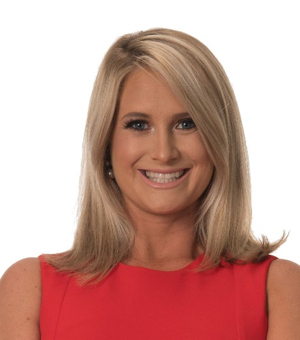
Holly B. Hunt was raised in a rural North Georgia town, Elberton, Georgia, which is also known as “The Granite Capital of the World.” The oldest of four children, she felt a natural inclination to take on the role of leader and caretaker from a young age. A self-proclaimed serial entrepreneur, Holly has always looked for ways to grow and develop outside of her current circumstances.
She has 15 years of experience in telecommunication sales, sales management & operations, and more recently in sales strategy and programs for Comcast Business. Holly joined Comcast in 2012, and currently serves as the Director of National Partner Programs for the Indirect Sales Channel for Comcast Business. She graduated Cum Laude from the University of Georgia where she obtained two degrees, a Bachelor of Journalism in Public Relations and a Bachelor of Science in Education in Sports Studies.
Prior to Comcast, Holly spent time in sales roles at Cingular Wireless, AT&T, Wholesale Carrier Services, and Windstream. She has also launched and operated a few small businesses including Athena Network Solutions, Your 180 Fitness, Hollywood’s Couture, and most recently her own personal brand, Holly B. Hunt.
She has served on the board of the Comcast Women’s Network ERG at HQ in the role of National Liaison for the past 2 years, and recently took on the Co-lead position. Holly is an active member of the Junior League and has held leadership roles in the Miami, Atlanta, and Philadelphia chapters. She is currently serving as Chair for All Member Leadership Training in the Junior League of Miami. She also volunteers with Back on My Feet Fort Lauderdale as a Career Coach and has spent time with other non-profits over the years.
Holly is passionate about motivating and inspiring others to achieve their full potential and make the most out of life. She dedicates time mentoring several women and men at Comcast as they navigate their career journeys. She frequently speaks with groups and organizations on topics such as building their brand, goal setting, and finding their purpose.
As we found ourselves forced into a challenging situation with quarantine due to COVID, Holly decided to be pro-active in keeping her co-workers and friends motivated and in a positive mindset. She launched a “Mindfulness with Holly” call series for Comcast employees to get a dose of motivation and inspiration while working from home. She also launched her own blog and brand, Holly B. Hunt, where she blogs about topics such as Building Resilience, Gratitude, Finding Focus, and Creating Balance. You can follow her on her journey at www.hollybhunt.com
Welcome to the Athletics of Business, a podcast about how the traits and behaviors of elite athletes and remarkable business leaders frequently intersect. The real stories and hard lessons to help you level up your leadership and performance.
Now your host, Ed Molitor. Welcome back to another episode of the Athletics at Business podcast. I am your host and CEO of the Molitor Group, Ed Molitor. And are you in for a treat today? Wait till you get a hold of today's special guest, Holly Hunt, Director of National Partner Programs at Comcast Business Now. Holly has over 15 years of experience in telecom sales management and operations and more recently in sales strategy and programs for Comcast Business. She also serves on the board of Comcast Women's Network ERG at Headquarters in the role of National Liaison and recently she took on co lead position there so much content, so much value in this conversation.
One of the things you're going to pick up on right away is how passionate Holly is about motivating and inspiring others to achieve their full potential and get the most out of life. And not just their personal life, but their professional life as well. And with that being said, she does a great deal of mentoring for several folks at Comcast, both men and women, as they navigate their career journeys. And she frequently speaks with groups and organizations on topics such as building the brand, goal setting and finding their purpose. Now we'll dive into some of Holly's story because we all know that your story, your personal story, the journey that you've been on, shapes the way that you do things later in life.
In Holly grew up the oldest of four children, which gave her a natural inclination to take on the role of leader and caretaker from a young age. And one of the other things she talks about is being a self proclaimed serial entrepreneur. She's always looked out for ways to grow and develop outside of her current circumstances, which no irony here as we found ourselves forced into the challenging situation with quarantine due to Covid. What does Holly do? Holly decided to be proactive in keeping her coworkers and friends motivated in a positive mindset and launched Mindfulness with Holly, which she was kind enough to have me on as a guest. And it's a series for Comcast employees to get a dose of motivation and inspiration while working from home. But that was not all. She wasn't done there, right?
Holly also launched her own blog and brand, Holly B. Hunt, where she blogs about topics such as building resiliency, gratitude, finding focus, and creating balance. Holly, thank you so much for joining us today on the Athletics of Business podcast. I am really excited to have you here.
Thank you for having me, Ed. I've been looking forward to this.
Yeah, it's a long time coming, and we're going to jump right into it. Obviously, in the introduction, our listeners got quite a background about you. So much to talk about. But I want to jump into what you did right when this pandemic hit, because you didn't waste a whole lot of time starting your mindfulness with Holly. Can you talk about that?
Yeah, absolutely. So, as you know, that's how we met. We got all thrust into this situation. I knew immediately. I said, the mental impact is going to be something people aren't going to recognize initially, but it's going to be very challenging. You know, everyone all of a sudden went from, you know, I personally was a business traveler, so, you know, getting out of the road and being able to get out and do things, and then all of a sudden, we're. We're all sheltering in place, we're doing everything virtually. And, you know, it really was a. I feel like it took any mental and emotional toll on me, and I was leading at the time, and I've since changed roles. But I work for Comcast Business, and I was leading sales enablement sales operations initiative for part of the Comcast Business Northeast division sales teams.
And, you know, I. We're thinking, you know, what can we do to really. Let's capitalize on the time. Let's get some training in front of the sales reps. And I said, well, let's also keep in mind that this is a challenging time for everyone, so let's not focus just on shoving product training and sales training down their throats. Let's think about their mental state and, you know, what they need to be doing just to, you know, stay sane, if you will. And, you know, some of them were like, okay, Holly, look, you run with that idea and do what you need to do. And, you know, it really. It grew legs pretty quickly, and it took on a life of its own. And I kicked it off first with a session about gratitude.
And no matter what's going on around us, you know, there's things that we can be grateful for. And spending time, either in the morning or evening or both, sitting down, just, you know, journaling and thinking about what's going well in our lives and things we can be thankful for, because it can really shift your mindset from, you know, woe is me and focusing on the negative to focusing on the positives. And so I started out with three sessions, two sessions three times a week. So I was hosting six sessions. I did a 7am Eastern Standard Time to accommodate the early risers on the east coast. And then I ended up, at the request of some of my contacts on the west coast, doing a 11am Eastern Standard Time call for the. To accommodate the west coast and maybe the central time zone people.
And, you know, I was averaging 40 to 50 people, I'd say, in every session. And, you know, it became a lot coming up with content three times a week. But I looked forward to it. I feel like the people that joined it looked forward to it. You know, received a lot of just nice notes that said, thank you for hosting these. It gives me something to look forward to. It keeps me grounded, you know, it just keeps me in a good mental space.
And that's really fulfilling too, when you receive those notes. But how, you know, for me, all the writing I do, the podcast, all the conversations I've had, really helped me through the pandemic. Growth. Through the pandemic, I really learned a lot about myself. I learned a lot about my family. I learned a lot about my business and others. How, how much did it help you doing the mindfulness with Holly?
Oh, I can't even put a value on it. It was. It's immeasurable. It had such an impact just on my. I felt accountable, right? I felt accountable that I wanted to help everyone, but in turn, it was helping me. So to your point, I felt like I learned a lot. I did a lot of research, I became a better person. I built resiliency. You know, I think one of the topics that I really spoke about and made sure I wove through a lot of the topics that I spoke on was building resiliency, even during times of crisis, how there's different things that we can do that will help us, then the next time we encounter a difficult situation, get through it a little better.
And I did that in turn just by helping others recognize some of their strengths and the tools and resources we have available to us. I in turn, did the same for me. So I'm so glad I did it. And then in turn, it opened a lot of doors for me. I met a lot of people. We'll talk later about it, but I've been able to also expand my career at Comcast through it and my brand. So, yeah, it was. At the time I didn't realize the impact it would have, but it was great. And then it's continuing to grow.
So it's amazing what happens when you do the right thing. For the right reason at the right time, isn't it?
Absolutely.
I mean, you had no intention. It wasn't like, okay, I'm going to do this because all of a sudden I'm going to climb a ladder or get a new opportunity. At Comcast. You actually did that to serve the teams, which is awesome. And the gratitude. Speaking of gratitude, almost every time we talk, you just got back from a run. Okay. So I have to ask, when you're on your run though, do you do like a gratitude checklist or how do you go about doing that, like kind of being real mindful about your level of gratitude?
I do. It's funny you said that, because I did. I went for a run again this morning and now I'm fortunate in the environment I live in. I live in Miami beach, so it's hard not to be grateful when you wake up in the morning. I am about four blocks from the beach, so I run the beach boardwalk for the majority of my run. So I always say it's hard not to see a sunrise or even a sunset and not to just be filled with gratitude, but I do. And so I was keeping a journal and I started this, I will say pre pandemic that was One of my 2020 New Year's resolutions, is to start a gratitude journal. And you can find it on my website. I have different steps and things I would write down and it's. And it's.
I would, I enjoy as much now, looking back at the journal, the things that I was maybe praying over or things that I was thankful for. But then there's also things that I write down that I maybe goals that I'm working towards. But it's interesting the things then that have come to fruition or that have changed and developed in the past year that it reminds you, like, don't fret because things will work out. Right. And so now I don't usually do a lot of journaling as much physically, but to your point, I use my time during my runs to reflect. I reflect, you know, the things that are going well, the things that I want to work on. I have a speaking engagement in a couple of weeks with the Women's Network, the big South Central division chapter.
And they gave me theme they want me to speak on and it's impact, inspire and empower. And so I was thinking through those three terms, you know, how am I going to weave all of this together? So that was the basis of my, I guess, mental thoughts in my three mile run this morning. But I Came back from it with so much clarity. So I'm a huge advocate of finding whatever that is. If it's going for a walk, going for a run, but using that time to also mentally tune in. I know a lot of people do meditation, but I like to, rather than just meditate, I like to kind of mix it with something where I'm sweating as well and move.
And I mean, hey, you're in Miami, right? Running the beach. But isn't it funny how gratitude can lead to resilience? Like, one of the things I talk to my clients about is it's great to do a gratitude checklist. It's great to do a gratitude check in whatever you want, however you want to word it. But when you think about what you're grateful for, think about the journey it took to get there and to get that. It wasn't really always easy. Right. And when we get to the other side of this and we're getting closer, we don't know how far away that light at the end of the tunnel is, but it's there. But we're going to be okay. And there's going to be things to have gratitude for. And it just goes back to how that gratitude leads into your resilience.
So what are some of the things that you noticed when you talked about resilience and some of the feedback you got from folks that really resonated with others?
Yeah, I think at the core of it, not to simplify it, but I think it just comes down to the focus. And I also say it comes down to your daily routine. So I'll expand on both of those when I, you know, first thing, the way you spend the first hour of your day can set the tone for the rest of the day. So a lot of people, what do they do? It's. They grab that cell phone. I have two of them, right? So they grab their phone, they start checking emails, and they start getting on social media. And so, you know, immediately, depending on what that content is, they can go into either a really good place or really bad place. But it's a distraction if you can spend that time.
And again, sometimes it takes a little while to develop the different habits and the different routine. But spend that time, again in gratitude, you know, doing something active but really focusing in on the things that are. That are positive, they're going on in your life. Because, let's be honest, the most negative person you'll meet, the most positive person you meet, they all still have a mixture of negative and positive things going on in their Lives. It's what they choose to focus on. And a lot of the, again, the things my mindfulness calls and things that I still really try to study today is the fixed mindset versus the growth mindset. You know, you can say, woe is me. Life is what happens to me. I can't control it. All I can do is what I can do. And you know, I can't.
You know, I'm just going to have to be a victim of my circumstance. Right. Or you can shift your focus to that growth mindset of, you know, I am where I am today and I can't control. There's a lot of things that are out of my control, but there are still some things within my realm of control. What are they? What can I do to get a little better each day? And to your point, you sometimes can have a point in time where you look back in the rearview mirror and say, wow, I've come very far, you know, and appreciate that and have gratitude for that. And maybe you're not where you want to be, but you've got to be able to recognize and appreciate how far you've come. And I think it's just what you choose to focus on.
A quote that I share with others a lot and I feel like I think of probably once a day is by Charles Swindoll. And it's, you know, life is not 10% what happens to us and 90% how we react to it. It's all about your attitude. And it's a longer excerpt I actually have framed in my office. But the point is, you know, life is how we view it and how we want to react and respond to the circumstances outside of our control.
And how did you see, as you went through the mindfulness with Holly over the course of the last 11 months or so, how did you see certain folks where all of a sudden they started to make those changes, they started to move away from the fixed mindset to the growth mindset when the light bulb went on and they realized that a. When you start to focus on what you can't control, right. Your self confidence goes out. You're more motivated. Right. You're more productive. Tell me a little bit about how you saw those changes occur.
You know, a lot of sometimes it was in there. I would see some of their posts, I'm connected to several of them on LinkedIn and I would see their posts change that they. Because a lot of people, I feel like when you have this, when you become passionate or when you become, when you really Have a strong belief in something a lot of them really started believing in. Wow. You know, mindset is powerful. And I need to focus on what I can do to take care of that so that I can be the best version of myself. Then they wanted to share that with others. Most people that are happy and passionate and fulfilled and, you know, in a good. A good headspace, if you will, I feel like that bleeds into everything they do and they want to share it with other people.
And so even in some of them, talking to them about their, you know, because this is mostly salespeople or sales leaders, but they would reach back out to me and I felt like they wanted to get better. When you've got a good mindset, you then want to get better in other areas of your life. So whether it was now they wanted to focus on the product training, the sales training piece and building out their funnels, but they had more motivation to do that because mentally they were in a better place. And again, is this something that you just set it and forget it? No. And I tell people that, they say you just always seem so positive. And I think some people think I just wake up and jump out of bed, like the smile on my face every day happy.
And I tell them it is a daily exercise. Like there are some days I wake up and I'll say, you know what? I'm not feeling it. And I allow myself to do that because some days you just need to have a down day where maybe you are just, you know what? I need to just watch some mindless TV or do something mindless and not feel obligated to be my best version today, but let that time happen and then get up the next bow to get up the next day and do something differently. But when you really do focus on the mindset piece, you will see it again bleed out into every other area of your life. Your home life, your personal life, your work life. And you know, I did just see.
And I think a lot of it came from the notes I received and I just. And that further motivated me. But people would reach out and say, you know, I. Because one of my big thing was don't get sucked into the news. It is sensationalized and you're only going to hear the doom and gloom. You don't hear a lot of the positive stories. And so I said limit your exposure. I'm not saying walk around completely ignorant to what's going on around us. It is important to know, but it's also important not to some people. I think Working from home, turned on tv, left it on all day. And you don't realize how that does impact, you know, your mental state. So a lot of them email me and say, you know what, I've limited my news intake.
I'm replacing that hour of, you know, news in the morning with, you know, sitting down and reading something inspirational. And they're like, it has made such a difference. And so hearing from people again further motivated me to want to hear that message further because it really was helping everyone.
And isn't it funny, the timing of those notes, when you get them, they're like at the most perfect times when they seem to come across. But I want to back up for a second because you said something that I want to hammer home. And I talked about, how did you see the growth? Where did you see the change and the transformation? We didn't talk about metrics, we didn't talk about numbers, we talked about LinkedIn posts. We talked about changed behaviors, we talked about things that are moving them in the right direction. And that's why I give kudos to yourself to Comcast Business for all the work you've done with your people.
Because there's a lot of corporations out there that don't see the value at times of the type of work that you do that we do, because it's the metrics driven, it's the bottom line. And so I love the fact you said that you saw a change behavior to LinkedIn post. They want to share the positivity, they want to share the energy. And all that does is pour in every other facet of their professional life as well as their personal life. So now I've got to back up a second though, because you are a natural born leader, but you're not because you work on it so hard. Right? But there's a place this comes from.
There's a part of, I feel people's stories tell so much about them and they really show their views of the world and what beliefs shape them into the person they are. And you really come from a very cool story. The oldest of four kids. I want you to share about what that meant to you being a leader. I don't want to talk too much into it because I want to let you do that, but I really think it's. And it just resonates with you.
It is. And so, you know, growing up, I was always the bossy older sister, which not denying it, you know what I am, I think. But I like to say this, I wasn't ballsy. I just had Leadership qualities at an early age. I don't see the boss shouldn't be told they're ballsy. They just have leadership qualities. But I did, I think, growing up. And first of all, my parents are wonderful. They raised us all. We all are college educated and are doing well for ourselves now and came from just a place of love. And I will say they ingrained in me from a very young age. You can be anything you want to be. And I come from a small rural town in North Georgia where I didn't see a lot of the things that I see now.
Having lived in a lot of big metro areas, Atlanta and Miami and Philadelphia, and haven't traveled the country. I'm so appreciative and grateful for how I grew up. I grew up very humble, not even understanding maybe the things I didn't have. I knew I had the things I needed. I had people that believed in me and I had love. And maybe naively, I did believe I can be. I can have and be anything I want to be. I didn't know any different. You know, a lot of it. I'll put it to my dad, his work ethic and his positivity. I mean, he worked six days a week, full days, just to support our family. My mom, you know, stayed home raising our four children, which was a job in and of itself.
But watching both of them and again later in life, I've been more appreciative and recognized it more younger. You know, you're a kid, you don't really maybe appreciate it like you should, but they instilled in me just the values of what's truly important, but also, you know, what can we do for others? And again, I feel like having been the oldest of four, I took it upon myself to. To be a caretaker, but also want to. To teach them. I know, my mom told me when I was in preschool, so call it three, four years old, I would come home and I had a sister 22 months younger than me. I would make her sit in a. I had a little desk area. I'd make her sit in her desk when I came home from preschool.
And I wanted to teach her what I learned. Now, at the time, yes, I was probably being bossy, but she graduated salutatorian of her high school class.
There you go.
I take a little credit.
Absolutely. Did she mention you in her speech?
No, but she should have, right? I'm like, come on now, don't give me credit here. I was just like chastised for being too bossy with my little Sister.
Absolutely.
Yeah. But it was to your point, Ed. I think we all have a choice. I just, like, I've always naturally been drawn to want to be in leadership roles. I don't join organizations to be a member, to be somebody that sits in the background. I always just want to grab the bull by the horns and give out. I feel like I'm one of those people that gives 0%. Either it's a down day and I'm just being lazy, you know, which are very rare, or. Or I'm giving 120%, and that's how I approach everything in life. I heard a speaker the other day, he said, how you do anything is how you do everything. And I couldn't agree with that more because I look at everything I do, I want to go above and beyond. It can make me pretty.
The end of the day, you're pretty exhausted, but I think at the end of the day, if you are, if you can go to bed exhausted and haven't had a fulfilled day, then you're doing okay.
So, man, I love that. And I want to go back to something you said. You can be anything you want to be. Me being a girl, Dad, I said the greatest. You know, it's just. There's something about it. How much did your upbringing and the love you were surrounded with and the thought and the mindset that you can be anything that you want to be in that natural inclination to lead and to serve others. How much of that led you to your work with the women's network?
Yeah. So again, I'll bring it back to just maybe the naivety and maybe the blessed ignorance of not knowing how the world really worked. I grew up in. I won't say I was in a bubble. I mean, definitely still experienced a lot of, you know, real life stuff. Like I said, we grew up very humbly. So I didn't have a lot of the tools and resources as I went through college. So, you know, definitely had my financial struggles and so forth. So don't want you to think I was in a bubble, but I want to hone in on that piece. So I never doubted myself. And I think that's where the important piece is. I believed in myself because I didn't know that I couldn't do that.
I didn't know that because I was a woman, I didn't have an equal chance of doing something. And as, of course, as I went and got into college and then got into the real world, you know, saw some of the lack of equality in things and that's where I said, you know what? Wait. I thought I could be anything I wanted to be. So I want to help change that now. It is forefront for me. But even before, I probably was doing things like currently with the Women's Network and with some of these, I guess, missions that are focused on bringing equality to the workplace, I was doing things to do that, probably unknowingly. And now I've making a conscious, concerted effort because I feel like it's not enough to say, let's hire more women.
What are we doing to develop those women to be ready for these roles? Because if we're not taking a deliberate and concerted effort on development opportunities, you know, having career coaching conversations and really seeking to understand what we can do to help them, you know, get to the next level, then we're doing them. And I say them, we're doing women a disservice. And really that goes to anything. I mean, there's a lot of De and I efforts out there right now. I'm proud that Comcast has taken such a stance, a strong stance, on saying, you know what? We need to develop the populations that are underserved. There's a lot of people, they just need someone to take a chance on them, and I'm a product of that.
All throughout my career, people I've just had maybe at one point in my life, someone in this instance say, you know what? I'm going to take a chance on you. I'm going to hire you and see what you can do, right? And then I get a little further down the road and someone else took a chance on me. And I think there's a lot of really good people with a lot of potential that just need someone to believe in them and someone to give them.
A chance and to build on that. Because I love that it's not just about hiring women. You need to take a chance on someone, then what do they need to do? And we're not just talking about when someone takes a chance on you, what do you need to do with that.
Opportunity at that point now holding myself accountable to delivering on what they're expecting of me. And I think that's where, again, a lot of this probably ingrained in me at a young age is my dad's work ethic of just, you do the right thing, right? And if, when people, you know, use an example, I did change roles during a pandemic and that was scary. Now have been with Comcast coming up on nine years this month, actually. So it's been a long Ride. But I was in a role and had been looking for my next opportunity. Interviewed for a new role, it was an internal one, so it wasn't as scary as, you know, completely taking a leap outside of the company. But I did. I lacked some experience in the. In the channel, which is where I'm at now, the indirect sales channel.
And I didn't have any experience there. And historically, all of the hires within. In that part of the organization had channel experience. And so I had to convince my boss, who now is my boss. But the hiring manager said, you know, I can do this job. I will learn this. I understand it's, you know, you're not going to be able to see me face to face and go through this training with me, but I need you to take a chance on me. And that's basically what I told him. I said, look, I will do what I need to do to get up to speed. I just need the opportunity. And he gave it to me, and obviously I did get the role. And that was late September, so I've been enrolled about five months now.
And, you know, Ed, it was such a point of pride. This is great timing because I had my review with him just a couple of days ago. And he said, look, I haven't had a lot of time to really do a thorough review. They're normally done annually. But he said, I do want to tell you, over the past five months, I've been very impressed with you, and I'm very glad that I brought you onto the team. You've done a phenomenal job. And I said, you know, it makes me proud and grateful to hear you say that, because I needed that chance. Right. And once someone gives you that chance, recognize it. Know that they're putting sometimes their name or their brand, sometimes their career on the line by taking a chance on you. So don't let them down.
Yeah. Yeah. That's awesome. And I think. I love what you said about hold yourself accountable to what they're expecting of you, because at the end of the day, I mean, we can have all the accountability partners we want, and I think they're wonderful. But at the end of the day, the only person that can truly hold ourselves accountable is us. How have you seen that? Have you seen the accountability piece during the pandemic? Have you seen it be more of a challenge, or have you seen it be something that people leverage, like something people build on, that they are holding themselves accountable, or are people letting it slide?
So it's funny you asked that, because that was one of the Things I talked about in mindfulness, I think because it was all of a sudden we're thrust into a situation none of us were prepared for. I highly encourage people to find accountability partners, you know, and Ivan, I like to reference accountability partners to your personal trainers. Right. A lot of some people like me, I get up and I want to go for that run because the run for me isn't just a physical activity, it's a mental activity for me as well. Right. But for some people, it's hard to find that motivation and they hire personal trainers. I mean, it's a billion dollar business. Right. And so I like an accountability part to that.
Sometimes you just need that person to check in with you and say, are you doing the things you said you were going to do? I actually do mentor several women and actually a couple of men at Comcast and with the accountability piece there, a lot of them will commit to doing something that over that time of period that we speak. So maybe it's they're going to work on their resume or they're going to, you know, look for different opportunities in the field that they're really, and make some connections in the field really trying to get into. And so I'll ask them, verbalize what you're going to do and. But I think with accountability partners, it's great to also, you know, put some timeframes and commitments around what they're wanting to do. And then, you know, I'm asking them, hey, did you do it? Right?
And, you know, where are you at with this? So naturally, I think some people, naturally are maybe a little, don't need it as much as others, but I think some people really do need that. And I will say during the pandemic, I think everybody could use someone just checking in on them. Whether you want to call that an accountability partner or not. I think I encouraged everyone, you know, find someone, even a few people like, just check in once a week, twice a week. Even if it's just a, hey, I'm thinking about you and hope you're doing okay. I don't think that should ever end, honestly. I think, yes, we're coming out of this pandemic. It looks like we're coming out the other side, but guess what? Something else is going to pop up. Right?
And even outside of a national or international, global I guess is the better phrase, pandemic, people had their own situations that are going through that sometimes we don't, we know nothing about. And so I think it's important checking in with people. And so I Guess that's kind of an accountability partner. But I think a lot of times it's also just being a good human. Right?
Well, being a good human and it's a social aspect that we're missing, not being at the office and it's. But let's talk about the mentorship work that you do at Comcast. What is it? What are the keys for you to know when you have a good mentee? What makes a good mentee productive and positive force inside of that mentor mentee relationship?
100%. It's the follow through. I've had many women because a lot of times I am speaking in, you know, women led organizations or I guess a lot of times how people come across my name or will reach out to me, hey, I saw you speak here. Hey, I heard about you this way xyz. So I've had people that reach out and say, hey, I'd love to, you know, have some coaching conversations or, you know, if you're open to having a mentor, mentee relationship. And what I tell them that is I will take on as many people as I can. What I ask of you is that you control the cadence.
So if it's, you know, once a month, you set up that time with me, you show up for that time and that you come with either you come with some type of agenda, right? So it's not just showing up like, hey, what can we talk about today?
That be prepared.
Yeah, be prepared and show that you are. As if you want someone to invest in you've got to show that you're invested in yourself. And when I, it's pretty easy to pick up on. For me, I feel like I can read people pretty well and they come prepared and they have, you know, one to three items. They're like, here are the things I want to discuss on this call. And then we'll discuss them. I'll give some feedback, I'll get some guidance here or there. And then, okay, the next call is this date. Then they come to that next call, they give me an update on how things progress. Maybe they have some questions on some of that, but then they have something new they've added so that continuing to develop. And I tell them, you know, you've got to control the cadence.
You've got to kind of drive this thing. I'll show up. But when I show up, I want to see that you're as invested in yourself as I'm invested in you. And the ones that are invested in themselves, I will go out of my way to help them. The ones that either don't. I've had some no shows for meetings. You know, after a while it gets to the point that I don't feel like that I'm. I feel like I'm a little more invested than they are. And sometimes I have to tell them, look, maybe it's just sitting a good time for you to, you know, for us to have this conversation. Why don't you come back to me when you maybe you have a little more of a focus on what you want to do next.
And then the one ask I always have of them because some are just, they're so grateful to have someone that will talk to them, give them feedback, give them guidance. And my ask is to pay it forward. I said someone at some point in my life has helped me or has taken time out of their day when they didn't have to. So my ask is that you don't have to help me. Everything comes back around. I'm a full believer and everything comes full circle. But help someone else out, because if we all take that mindset and I'll say, what, you know, someone helps me, I'm going to do what I can. I think about like the Starbucks line or people say, someone behind me paid for, or someone in front of me paid for my coffee.
You feel almost like indebted, like, okay, I'm the person behind me, right. If we all take that as humans, if we all just say, I'm going to help someone else out, I mean, wow, what a better world we would live in, right?
Yeah, yeah. And it does just as much for you as it does for them without. You know, I would love to get back to the women's Network because you have some great stuff going on right now with the virtual Summit. I would love for you to talk into that a little bit because we've got one huge thing left to get to before we run out of time here, which I hate the fact we're going to ever run out of time. We can have you back on sometime soon, but talk a little bit about the Women's Network, the Virtual Summit and what kind of great work you're doing inside of that.
Yeah, absolutely. So I am honored to be the co lead for the women's Network at headquarters for Comcast. So took that role on in January. And interestingly enough, we have annual summit every two years, but this will be our first ever virtual one since we're not back in the office. So typically it is a half day event at one of the hotels in Philly. We rent out the, you know, the ballroom and we have four to 500 people in. We'll have a keynote speaker, a couple panels. It's about a four to five hour event. Well, this year we had to pivot and we had to pivot pretty quickly and we knew weren't going back in the office but we said, you know, how do we engage our membership? So we've got about 3,000 members at headquarters. We have over 25 chapters across the country.
Well, in the past it was a one day event and it was in a hotel in Philly. So we really just were, you know, the audience was our headquarter chapter and even then were not able to accommodate 3,000 people in the ballroom. So very limited in space. We have a unique situation in that we're going to be able to really reach a much wider audience. Not only our headquarters chapter but our chapters across the country, including now we're international. We have a chapter with sky now that Comcast has acquired sky in London. And so we actually kick off today. So great timing with a Grace Killalay. She is a wonderful speaker who is going to be talking about, as we've already talked about resilience. So her topic today is building resilience and confidence. We are going to do a 10 part series over.
So it's going to be a summit series rather than just a one day event. It's going to span over three months. We're kicking it off in March because of Women's History Month so wanted to align it with that. And we're looking at about one event a week which is pretty aggressive. But everything from, you know, motivational speakers. We have some business deep dives. We'll educate our membership about what's going on, you know, outside of maybe their own department at Comcast, with such a large company. So it's interesting to find out what's going on the different business units. We'll have some speakers, talk about the DE&I initiatives that we are taking on and even some fun things. So I think we're going to do some speed networking, maybe some trivia games, some panels. Something I'm passionate about is male allies.
You know, as I mentioned, as a woman, you know, we can rally around each other and push each other and try to get each other up the corporate ladder, breaking that glass ceiling. But we'll hit a barrier at some point if we don't have some of the men that are already in those positions advocating for us and being Allies for us. So I'm excited to put together a male ally panel for men that have been champions of women in leadership to speak about, you know, why they're doing it and how other men can join forces to do that as well. So a lot of great topics that we have lined up. I'm excited for it.
I love that. And one of the things I should talk more about, and I try to talk about as much as I can, is really my hero is my mother. Originally from south side of Chicago. She was a nurse. Why don't you get a job? Why don't you stay home and raise a family? And then she went back and got her undergrad, her master's, and started her own, her business, and then her whole career culminated with her being the director of Women's Health Apprentice Hospital in Chicago. So, for me, I witnessed firsthand the fight my whole life. Like, I witnessed the challenges, and I witnessed how cool it was to see my mom just putting her head down, plowing forward and pulling people forward with her. So I love the work that you do, and I think it's so awesome.
And the whole concept of the male ally, I think, you know, there's a part of me is like, God, I really feel bad as a man that they, you know, we need to create something like that. But the way I see it, we're all counterparts, right? Like, we could support you support us, we support each. So, again, more unbelievable work that you're doing in Comcast business and for three months. So let's look a year from now, when this is all over, knock on wood, when this is all over, three months from now, you're going to have your Women's Network summit in person again. How will you be able to do that? Are you going to keep it virtual for three months to keep pouring in and keep doing all this work that you're doing now?
So it's interesting. So it's every other year. So the next one will not be until 20. No, it's okay. The next one will not be until 2023. So I'm already interested to see. See first how this one goes. I'm optimistic. We already have a thousand people registered for our kickoff session, so we're already just in that first session, going to expand our reach double what we normally do, Right? Because we don't even. We can't record the ones that we didn't record the ones in person. We're recording most of these, so a thousand in the first one. Not to mention the people that will watch the recordings, you know, after the fact. And you know, Ed, I really think, and again, I try to always see the glass being half full. Right. But I think some of it, some things will stay virtual.
And that's not a bad thing, I think, because again, it makes us all more connected. Yes, I'm as ready to get in person at events as anyone else. But I would say if we do something in person, which likely by 2023, there'll be some component of that 100%. We're going to stream it 100%, we're going to have, you know, recordings available after the fact. Because I just feel like, you know, if nothing else, this has brought us all closer and it's made us realize that a lot of times physical location is irrelevant.
Right.
And it's changed the way we do business. I mean, obviously it's changed the way we live. But I think there's been a lot of positives that have come out of it.
Isn't it amazing the creativity that's taken place and all the positives that actually have come out of it. When you look about moving forward in 2023 and talk about streaming it, so you have the in person piece of it. Right. But you also have the virtual and the streaming. And speaking of positives that have come out of the pandemic, let's jump right into your brand. I mean, all the great work that you've done. I Love your website. Hollybhunt.com Unbelievable. Talk to me about that.
Timing wise is about the same time as the mindfulness calls. So One of my 2020 resolutions was to start a blog. I've always been passionate about speaking with others and sharing inspirational thoughts, motivational content. And so I said, you know, I should really just start a blog and start instead of just keeping this in my head or having one off conversations with people, blogging about it, creating little video clips and sharing this on a website. And so the pandemic did probably push that time frame up a little bit. I said I'm going to do it sometime in 2020. Well now it's like, you know what, I have a little more time on my hands because I can't travel. So I got something positive that came out of it. I created the website. I've got a series of blogs.
I will say the beginning of a little better about it. I was doing about a blog every couple of weeks and then I've gotten back about once a month. But it's continuing to evolve and you know, it's been A fun journey just because I have blogged on a variety of topics. The first few were about how do we get through this, you know, pandemic and building resilience. The gratitude journal as I mentioned was my first one and then system has evolved a little bit. I lost my dog, my 13 year old lab, awfully. Yes, it was heartbreaking and that was a one of the hardest things I ever had to go through. But I will say I turned my pain into purpose and I wrote I actually, I think two blogs I've written about. Kami was her name.
And so what did I learn from actually before she passed, I wrote one about, I think the things that I've learned from my dog that have made me a better person. And then I wrote lessons learned in grief because I feel like grief's a hard thing to deal with as it is. But how do you comfort someone that is grieving? And things that I learned that resonated with me when I was grieving, people that reached out. And so I again use that as a blog. And so I try to take things that I experience in life because that's where I can really pour my passion and pour, you know, I don't even have to think about the words, they just fall out onto the paper or you know, as a type, they just kind of come out because it's things that I've experienced firsthand.
And my fault with all that is if I went through this and these thoughts or what I took from this, took away from this has helped me and it's helping me to maybe get through my next troublesome time, then it probably can help somebody out there. And honestly, Ed, if it helps one person, it's worth my time and if that one person shares it.
And isn't that funny how that happens when you just start writing and it goes back to the journals. But when you start writing, you crystallize your thoughts, you organize your thoughts, all of a sudden something seems to resonate with you a little bit more than you realized and everything and then when you have the impact on others. So I just love it. I mean, all the things, it's almost like the flywheel with you or the snowball effect, however you want to call it is as a pandemic is going on and extended you, Holly, you just gotten better and better.
I like to think that, absolutely. But it all has kind of connected together, right? I mean, and as I said, I think I'm also a firm believer if you, what do they like to say? Get what the quote Is. But good luck is the result of hard work meeting opportunity. You know, people like to say, oh, you're so lucky you did this or you did that, or, oh, you're lucky you got this opportunity. But no one sees is the work that goes on behind the scenes. I love the image of the. Maybe the tree. Or you'll see, like, a little plant that's grown, but you'll see all of the roots that have taken so long to really just take hold in the ground. Or the picture of the iceberg.
The iceberg, yeah.
Little ice and then under it. And I think that's just. That's so true of any success anyone has. You only see the success. You don't see all the hard work that goes on behind it. But everything that I've done at the time, it's like, oh, why am I doing this? Maybe I should quit. You just keep going. You just keep going. And then at some point, it's like almost. It felt. It's felt like a domino effect for me that things have really just fallen into place. But I had to sit back and reflect and say, holly, it didn't just happen overnight. Right? Like, the things you put into place got you to where you are now.
How do you do it? Like, how do you keep your balance? Because you have a lot of balls in the air. Not that I'm telling you something you don't know, but you're so. I mean, you're so even, and I love it. I mean, you're so even in whether or not you compartmentalize things or how you organize them or whatever, but you're so. You have everything, at least visually. Very succinct, right? And very organized. You're very even. How do you do that?
I go back to my daily routine in the first hour of the day. The first hour of my day sets the tone. Because I'll know on the days that I say, I'm going to sleep in, or. Or maybe I stay up too late the night before, I don't feel like getting up. When I can get up and spend that first hour of the day in gratitude. I'm a woman of faith, so in prayer, being thankful and grateful for everything going on around me. Maybe if there's something that is troublesome to me or something that's weighing heavy on my mind, praying about it, asking for guidance on it. And then I will say, I'm also a planner. I mean, I have my to do list, but I do that the night before.
When I get up that morning, I can I'm not stressed about what have I got to do today. I've already done that the night before. So before I go to bed I write on everything that's got to be done. I have my to do list, my work to do list, my, I mean down honestly add sometimes to 15 minute increments of things that have to happen and then that next morning I'm not frazzled. I'm spending that time getting in the right mindset. A lot of time people meditate, something I never really, I guess, well, mine's prayer. But pray, meditate, exercise. But spend that time really grounding yourself for the day. It will make a world of difference.
Yeah, yeah. Well, kudos to you. Where can people find out more about all the work you do? First your brand, then with Comcast, all the different groups, all the different things. What are all your social media? Go ahead and share that before I ask your last question.
Yeah, absolutely. So HollyB Hunt.com's my website that links out. There's links to all of my social media. Social media. It is a work in progress because as you just said, I've got a lot of balls in the air. But continuing to try to add there. I am pretty active on social media though LinkedIn. I do highlight a lot of the efforts I'm doing with Comcast business and with Comcast Women's Network. So definitely link out to me there. But it's on my website too. So I said if you go to my website it'll link out to all my other platforms. But yeah, definitely follow me. I'm intending to start vlogging soon. Love it. So rather than just doing the written, there'll be some small video clips. It might just be little nuggets for the day.
And then I also want to link out to some other content as well, things that have inspired me or maybe newsletters that I read that I find valuable. Again, it's all about just sharing what I'm coming across, what I'm finding and sharing, I like to say, putting positive energy and positive vibes out to the universe.
That is so cool. Thank you for all the work you do. And really the last question I have, I'm guessing there's someone listening who's saying this is great, I love it, I get it. I just have trouble getting started and then when I get started I have trouble sustaining it. Any advice you'd share with them?
Accountability partner. Tell someone when you want to start your journey, you know, or you know, I want to start my gratitude journal and I did Say that as an example. So, you know, tell someone, hey, I'm going to do this. And find someone says, hey, I'm going to do it with you. And let's, hey, what did you write in your journal? Maybe, you know, that is some personal stuff, but you don't want to share exactly what you wrote. But find someone that says, hey, did you write your journal today? I think a lot of times to develop a habit, just like when it goes back to my personal training, you need someone that will just check in with you. And, you know, I still need that in certain aspects. You know, hey, did you do this?
Hey, you know, you said you weren't going to eat sweets today. Did you eat sweets? And if I know I have to answer to someone, it's a little easier than if I could hide it or, oh, I didn't do it, I'll do it tomorrow. Right? So finding an accountability partner, and it doesn't have to be a long term thing, but just until you can develop the habit. Because once you get in the habit and I think you start feeling it's like the running for me, right. Sometimes it's like I'll get out of running for a bit and I'll get kind of a rut. But once I realize how good it makes me feel, then I don't need to report out or I don't need to tell anyone what I'm doing. I'm doing it for me.
But until you can realize the benefit and the value of it, find someone that'll hold you accountable. And then I promise, I think you'll find the value in it. And you won't want, you'll want to go and tell other someone else, recommend someone else to do it. You won't even need to think about why if you're doing it or not anymore.
Well, it's pretty cool. And it becomes your default behavior, which is what running is to. And all this great work. I mean, it's just who you are. It's who Holly Hunt is. And, and on that note, I appreciate your time. Thank you so much for everything you share with us today.
Thank you, Ed. I really enjoyed being on the podcast and look forward to staying in touch and being back on again soon.
Oh, no, absolutely. And thank you for having me on mindfulness with Holly. That was, that was a lot of fun. Anytime I can. I felt warm after because I remember it was really cold here when we did it and I saw that sun shining right in your sunshine in Miami. But No, I really do appreciate it and look forward to connecting again soon.
Awesome. Thank you. Ed. Thank you for listening to the athletics of Business.
Be sure to give us a rating and review so we know how we're doing. For more information about the show, visit theatletics of business.com now get out there.
Think, act and execute at the highest level to unleash your greatness.