
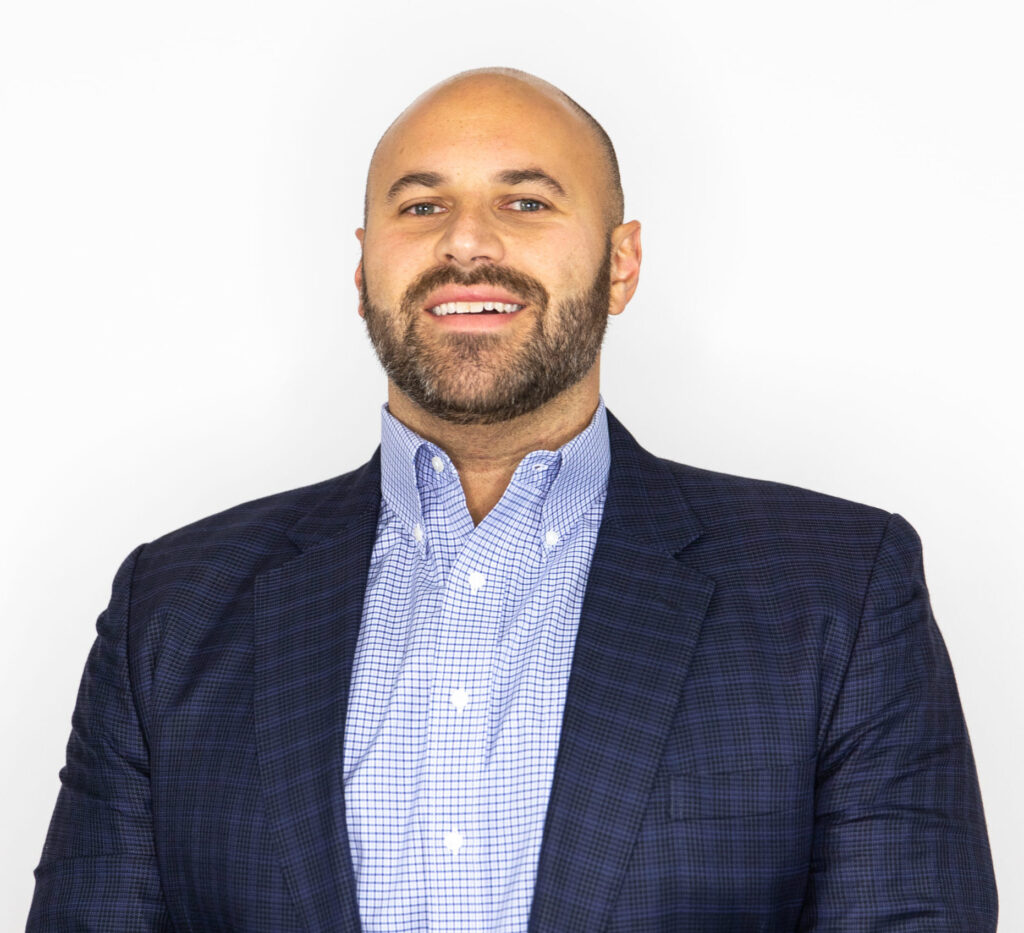
Mike Rabil is the Co-Founder and Chief Executive Officer of the Premier Lacrosse League (PLL). Founded in October 2018, PLL is now wrapping up its third season, with the semifinals in Philadelphia on September 5th and the Championship in D.C. on September 19th. The PLL was named Sports Breakthrough of the Year in 2020 by the Sports Business Journal. In December 2020, the PLL and Major League Lacrosse (MLL) announced a merger with subsequent season operations and activities to formally exist under the PLL. The league’s exclusive media rights agreement with NBC Universal is a first for the sport, bringing lacrosse closer to millions of fans across the country.
In his role, Mike is responsible for the long-term vision of the company as well as oversee all day-to-day operations of the league. This past year, Mike has successfully used his lengthy entrepreneur background in Silicon Valley with his keen sports knowledge to spearhead the launch of PLL.
Previously, as the VP of Sales and Partnerships, Mike led revenue and built Funding Circle’s US sales and BD teams from scratch. Mike was on the founding team at Endurance Lending Network, which was acquired by Funding Circle in 2013. In 2012, Mike co-founded Endurance Companies, an investment holding company based in San Francisco, and served as CEO and co-founder of Turnstyle Cycle, now Boston’s largest boutique indoor cycling company. Mike first dipped his toes in entrepreneurial waters in 2010 when he co-founded Endurance Fitness 247, which he manages with David to this day. Mike began his career in consulting at Jones Lang LaSalle, the world’s largest real estate services company. He graduated from Dartmouth College with a BA in Government, where he was captain of the football team.
Welcome to the Athletics of Business, a podcast about how the traits and behaviors of elite athletes and remarkable business leaders frequently intersect. The real stories and hard lessons to help you level up your leadership and performance. Now your host, Ed Molitor.
Welcome back to another episode of the Athletics of Business podcast. I am your host and CEO of the Molotor Group, Ed Molotor, and we have just an incredible conversation to share with you today with our special guest, Mike Rabel, who is the co founder along with his brother Paul. Co founder and Mike is the CEO of the Premier Lacrosse League. The story behind Paul and Mike's journey to get this league to where it is today and what they have grown through the past three years as they lead up to the semifinals this year in Philly in The finals in D.C. is phenomenal. We talk a lot about the partnerships they have formed, how they look to serve their partners, how the values of their partners, along with their investors have to be aligned with the Premier Lacrosse League's values in their organization.
And they serve the players. It's just how they put the players first and the fans first and the partnerships first in this league is beyond amazing. So much creativity, so much persistence, so much resilience, thinking outside the box, some just fun stories that it's one of those things we talk about how you look back on your journey and if someone were asking you now, could you do that part of it again, you don't really know. And that's the life of being an entrepreneur, that's the life of being a business owner. That's the life of whatever your role is, right? You look back at some of the sacrifices you made, some of the things you had to endure, some of the creativity you had to show and you had to display and you had to come up with throughout your journey.
And sometimes you scratch your head and how'd you do it? But the bottom line is you did it and now here you are. And the really cool part about this conversation with Mike is you're getting to see a success story in the making. Like this isn't the end. This isn't us reflecting back on something that happened to them 25 years ago. And here's the things I learned. There is the reflection piece of it, but it's in the middle of the adaption phase and you get to hear the stories about the movie pieces right now and what's in their mindset, what's in their thought process and just a.
Whole lot of fun.
Mike, thank you so much for joining us today on the Athletics of Business podcast. I am really fired up to have you here.
Thank you for having me. Appreciate it.
You know, as I was talking earlier with you, there's so much to talk about and where to begin. Right. And I just want to jump right into it. Your journey and your brother's journey with the Premier Lacrosse League is absolutely phenomenal. And you are everything that we talk about in the athletics of business. Right. Agility, perseverance, resilience, creativity, innovation. Can you just take us through your journey with the Premier Lacrosse League and all the things that it took to get to where you are today?
Oh, man. I would probably bore your listeners with all the things to get here, but, you know, it's a good question. I think that the impetus of it was really around a couple things. I had been in tech for about six years in San Francisco, hit a bit of luck out there in sort of a gold rush, the second gold rush, I'd say, from 2008 to what is today, and was fortunate enough to be part of a group that I learned how to build a company from the ground up. While I was on the founding team, I wasn't one of the founders.
And so when I left that company and it was getting ready to go public, I went down to Mexico with my now wife and spent some time and wrote down a bunch of values that I wanted to have as part of my next phase of my career. And some of them were working with family or people I care about. I think oftentimes you spend so much time at work and working with people you care about and you enjoy being around is often undervalued. So that was like one of the. One. One of the big pieces for me. The second one was creating economic prosperity for myself and the people around me. And then three, doing something that was mission driven. And. And so if I looked at all of those, it sort of pointed the direction of entrepreneurship and continued on that path.
But then look at all the different opportunities in front of me. And one of the biggest ones was my brother Paul, who and I have always worked together, but the league he was playing in was distressed. And there was sort of a lack of emphasis around player treatment and fan attention. And so we looked at, hey, why don't we go buy this league? Yes, we're not your typical sports operators with years and years of sports media experience, but Paul's a ton of digital and social media experience, and I know how to, I think, build a business from the ground up. Coming from tech, I can apply a lot of those systems and procedures. And so we approached looking at buying the mll, which is the former league.
It was about five years ago and we're met with a lot of resistance and I understand why. They were an established league for 18 years. While they may have made some mistakes along the way, who were these two young brothers coming in, trying to tell them they could buy it and do it a different way. And we had raised capital that was supportive of us purchasing it at a certain price. So long story short, met with resistance, went down the path of building our own league instead and just go head to head and compete with them. So this is 20 into 2017. All of 2018. Operated in stealth throughout 2018. And then October 22nd of 2018 we announced the launch of the Premier Lacrosse League. The difference was were purely single entity. We were a tour based model.
We, we tour around to 14 to 15 different cities throughout the year. Originally we had six teams. The idea was most major North American professional leagues are in 15 to 32 cities. So even with six teams, we had to get more scale and go and travel similar to nascar, wwe. We were the first professional sports team based league to do that. And so we launched NBC as our broadcast partner with the most television distribution that lacrosse has ever had, changed some of the rules invested in the product and the production. And 2019 was very successful. Then 2020, like everyone probably that you've interviewed recently, was met with a lot of resistance from COVID Our business specifically was just very impacted. It was the second year and we're event based business and so navigating that was difficult. But I think we came out stronger.
We were one of the first leagues to announce return to play in a bubble format. No fans in Utah. We changed the format of our season. We did A basically consolidated 50% amount of the games in Utah, single site, location. All players were in a bubble. We actually expanded a couple of months before that to a seven team. So in the bubble we had seven teams and that tournament style play went really well. All of our numbers were up. Even sponsorships and advertising numbers are up, subscriptions are up, TV viewership was up. And then, you know, 2021, Covid still lingering. We had to persevere through all of the navigation of how vaccines will play, what cities will come back, online stadiums. Each stadium is different that we play in and we tour in.
And sort of the end of 2020 we actually merged with the MLL. So the original league that we tried to acquire that didn't want us to, we ended up merging with them, expanding to an eighth team. So this year you know, we officially released our schedule in April because were still trying to put everything together, like I said, because of COVID But this season's been really successful. We've had a lot of improved metrics from ticket sales, which is only our second year selling tickets, because last year we couldn't. To sponsorships up over 100%, to our TV ratings up 26%, to our minute streamed up over 45%. So we're in a really good place. We're growing. It's not without challenges, like you said. But that's part of the journey. And part of that was my long winded answer to your first question.
No, it's awesome. And you talk about the tour based model, talk about the advantages that holds for where you're at, right. With your league versus being in a city and having the continual play there. Cause there is a bunch of advantages, sure.
I think the biggest advantage right now is, you know, we are trying to retell the story of lacrosse and we are trying to get new people and new sports fans and bring them to games. And the best way to do that is through digital social storytelling around the game and our players and past players. You know, lacrosse was created over a thousand years ago by the Indigenous people in Canada and then moved down to America and sort of was recreated in a different format. But the Indigenous people in Canada played the game to resolve disputes within their communities. And so it's a beautiful game. It's a game that, you know, we really do. Before every game, we do land acknowledgments when we play here domestically and honor the land that we're playing on. Our MVP from last year, his name is Zed Williams.
He comes from the Seneca reservation. A contestant for MVP this year, Lyle Thompson. He is part of the Haudenosaunee community. So there's a lot of Native roots. So that's one. In exposing that and to your question, touring around and telling that story on site, through the programming we do on social owned and operated channels, on digital, producing those stories is really important for us. And then touring around, you know, it's a combination of business planning and making sure that, you know, we're being thoughtful about the expenses that we do have, but then also having a lot of access points to cities that have never seen lacrosse before. And sometimes that comes at a cost. Right. If we played every single game in Baltimore, Long Island, Washington, D.C. traditional lacrosse hotbeds, upstate New York, we would do great.
But that's not the best way to expand the game. So we go to places like Minnesota, we go to places like San Jose, and we go to places that are non traditional hotbeds throughout the year that allow lacrosse fans that are there to see the game and experience it up front. Also, being single entity and not having a team's tied to GEOs at this point, while we have eight teams, allows fans to identify a team that they want to be fans of for no other reason. Maybe they like the logo, maybe like the coach, maybe like the players, maybe they like what the team chemistry represents. And then so as we evolve though, we want to start thinking about geos. And you don't necessarily have to be based in a city to have a GEO tied to it.
You could still be a tour based model and have some cities or regions tied to a team and they still represent that area. So we want to be really thoughtful and deliberate as we scale and build this business. And that flexibility of the tour model.
Allows us to do that with the tour model. And you go to a city, I mean it is an event, right? It's not just, it's not just lacrosse game, right? It is an absolute event. And I'm curious as to how much you monitor when you talk about going to a geomodel. How much you monitor, how much that location embraces the event and the things you learn from that. And then what you're going to do.
With that data, I mean, nailed it. I think a big piece of it. We don't talk about it too much, but attendance and how they show up matters, right? And so there are some cities that we've toured in 2019 that we haven't gone back to. It doesn't mean we won't go back to them, but it's always that push pull of cities that we go to and the attendance matters, right? So give you an example of a city that necessarily you wouldn't think of it being a hotbed, but Albany, right? We went to Albany in 2019 and it completely crushed it. We sold out couple games, went back this year, sold out a couple games and the attendance was one of our highest, most attended events. The per cap revenue on purchasing merchandise. So it's now it's a cornerstone event for us.
Albany will be a place we always go because the fans are super passionate. They show up, they participate. And so that data is a big part of what we do. And it also allows us to think about, okay, great. What qualities and characteristics does Albany have that we can look at for other locations. Right. So I teased out maybe we go to Syracuse, but we need to be thoughtful about that. Not cannibalizing because it's two and a half hours away from Albany.
Right.
But it has similar characteristics. College town, upstate New York, super passionate lacrosse fan base that's been had a rich tradition of college lacrosse there, just like Albany has created in Syracuse, obviously with their tradition there. So looking for those things is super important to us. And to your original question, yes, absolutely. Data does matter. Performance matters. That said, we do have to try to take some risk on to continue to expand the game and open up eyes to it. Like, you know, Minnesota, it was a good event. It wasn't our highest ticketed event, but it was good enough and above the bar, still profitable. And we'll probably go back to Minnesota next year. And additionally we have a partnership with Minnesota Vikings. They have a great facility and it was a really pleasant experience for our fans and players. And so those things matter.
That's awesome. You know, speaking of risk, getting folks on board as the game of lacrosse moves from east to west. Right. And getting people and investors on board, you have some unbelievable big names involved. And I truly believe that preparation breeds confidence. And you and your brother had so much confidence in what you were doing and what you're trying to accomplish. Where did that come from? Like, what was the work that went into it?
I mean, a ton of preparation, like you're saying. Sometimes I think it was just being naive. I think about it now, people like, hey, would you do this again? And I don't think I would just because the pain tolerance and the pain of doing it. I think oftentimes people think about sports and they're like, oh, you're doing it for the vanity metrics of it. And it couldn't be more different. Maybe if were the NFL or the NBA right now, it'd be a little bit different. And not to say that they don't work hard or they don't endure a lot, but those businesses have massive budgets, they're established huge perennial fan bases and you know, we're still developing that.
And so, you know, when Paul and I travel, we share hotel rooms and he gets a little upset because I always pick, you know, as sort of a two star. But you know, we watch what we do, we still fly coach, we try to make sure we're thoughtful about our per diem's and it's a grind, it's a startup. But at the same time we're very fortunate to have investors who believe in spending the right places. So spending around players, providing them healthcare, spinning around the fan experience, going to great venues, making sure that those things matter and exist where you're really going to get bang for your buck. Right? And so those things for us is where we really spend a lot of our time. But it's a journey, the whole process. And we knew this wasn't going to be easy.
If it was, we wouldn't have had the opportunity to build the pll. And so that's really how we think about it. And, you know, I got to give a lot of credit to Paul. I think Paul, you don't become one of the best athletes of all time, and I think he was the best lacrosse player of all time without being able to have a really high pain tolerance. And so Annie's incredibly optimistic. I'm more of a realist, and I often. Some people may say I'm pessimistic, but I try to be more optimistic. But I definitely take a look at sort of what the risks are and everything. And Paul has not only a very high pain tolerance, physically and mentally, but he is optimistic.
And so I think that yin and yang balances well, and that's what led us to being so bullish from the start.
Well, bullish is a great description. And I got to believe you learned vicariously through your competitor. I mean, the mll, they were your competitor. When they decided to push back and not allow you to acquire them, I got to believe you learned vicariously through them. And I'd love for you to talk into, like, how were you able to get creative, get thoughtful, get innovative? When you got in front of these folks that you wanted to invest in the pll, when all they, in their mind, before you sat down in front of them, they looked at the failure of what was happening with the mll.
Yeah, I think so. Really, when you start a business, it takes one foundational investor or partner to believe in you. And then everything kind of falls after that. And our foundational partner originally was Rain Ventures and a partner over there named Blair Ford, who doesn't get the accolades that he deserves and nor does he want them. He's former Bain Capital partner, is a partner at Rain Ventures, and he and a couple other guys over there, Colin Neville, who's a partner, and a guy named Rob Petroforte, who's now a genius. Sports just believed in it, and I think they believed in it for a couple of reasons. First one was just looking at the general growth of the game at the youth level. And seeing that there's growth there. Second one was it already had product market fit.
And I think when you start a company, you look at are people going to be receptive to this. And so I talked about the native history around the sport. It being creative, created by indigenous peoples and it being a game that's been around for a thousand years, grown in the men's and women's at the high school and collegiate level. If you look at the popularity swing through the 80s and 90s and then, you know, some brand damage happened in the early 2000s with the Duke and UVA scandals, but there was a ton of growth happening publicly. We believe that the collegiate scandals on the men's side with Duke and UVA and then, you know, the MLL's lack of commercialization of the professional league left an opportunity for us to go build it.
And so what we talked about is we thought that the market was there, we thought that the statistics of the growth were there. And we thought our model of being a digital social media business that owned a league, single entity for the time being, not for control purposes, but for purposes of strategy and being able to create a consistent experience for players, fans and our partners, our broadcast partners and our sponsors. The best way to do that in an early stage is single entity. This Tor based model, that was the recipe. And we found some people that believed us, we found Rain that believed us. We found NBC and John Miller, he was the original person that took a huge risk on us and gave us a ton of linear inventory and packaged a great deal.
And no matter where we go, we'll always be indebted to them for taking that first risk. And then once that happened, everything started to come along and then the players believed in us. That took a bunch of risk. And we talked about not only paying them more, but also giving them stock options and ownership and then healthcare. And they had to believe us. And that took a lot of phone calls. And some didn't. And that's okay. And then they end up coming up with this, coming over this three years later. And some did and they were more rewarded so with stock. So there you go.
So I have to ask you this question, Mike. Being an athlete, you talk about pain tolerance and as I mentioned before, you are a complete stud because I don't know how many offense and defensive linemen in high school letter four years in lacrosse. Okay, that's big time right there. But you're D lineman at Dartmouth, right? So you and I both know as Athletes, we like to have an edge. We like to have a chip on our shoulder. So all the people that push back on you early and said, you know what, it was great meeting you. No, you know, don't let the door hit your butt on the way out. It seems like a good idea, but we don't think it's going to work. Any of those come back to you and then how did you approach those conversations?
Because I guess what I'm getting at is when people tell us no, or people underestimate us or undervalue us or don't think we're capable of doing something. As athletes, we love to prove them wrong. And part of that proving them wrong is having that chip on your shoulder. How were you able to navigate that water as the success started to happen?
Yeah, I think there's kind of two types in my mind. And I think that honestly, being an entrepreneur, to try to take a big swing at something, I think entrepreneurship is glamorized in media. We only talk about the successes, but we don't talk about the failures or the process to get there. And being in this business, particularly sports, where we're competing with, and by no means are we, the mlb, NHL, NFL, NBA, ufc, don't. Don't want to put us on that same playing field, but we aspire to be right. But when you will be in meetings, right, where we're going after a brand and they're talking to the MLS or they're talking to the mlb, right. Or our team, and they decide to go there. An esports league or an esports team.
And so there's this weird juxtaposition that I'm in often around telling the hard truth about building this versus like the everything's great and up into the right. And I think what's great is everything is up into the right. From a metrics perspective, that's what matters the most. But we don't talk about the hardship of it as much because this business is incredibly complex. I know this wasn't your question, but it has six constituencies. Most businesses have three. They have their investors. If they do have investors, they have their customers, either their B2C or B2B. And then they have their employees, right? And that's who they service. In our business, we have our investors, we have our fans, we have our employees, we have our sponsors. So it's B2B. We have our players, that's five. And we have the media, we have six.
So every time we communicate anything, we have to think about all these different constituencies. 100% more constituencies than most businesses. I think marketplaces have four because they're usually B2B and B2C. That creates a lot of inability to be as transparent as probably we want to. But at the same time it's not because we're trying to be over calculated. It's just because we have to be mindful of perception, particularly around how the media perceives us. It's what creates value at a sports league in our team. But if I was a B2B software business, I wouldn't have to worry about that as much. Right, so back to your question. Do I hold grudges or do I? It wasn't your question, essentially, but what do I do when someone said no? I think that it's life is too long to hold massive grudges. Do I have to?
Paul and I keep a list of some people that were very dismissive. Sure, we think about them and they motivate us. But I think that there are people who weren't part of us at the beginning that have come around and see the work we're putting in and we know that they have a skillset maybe that we don't have and we want them to join us. And so I think it takes too much energy to hold those types of grudges or to think about those no's, but they do motivate us. And I think the last piece is around doing why I went on that tangent at the beginning. I think entrepreneurship oftentimes is about proving something.
When I was at Dartmouth and I love the school and I love my friends, particularly my football friends, but the football team was a bit ostracized at Dartmouth and were looked at as outsiders. You don't deserve to be here. You only got here because you played football.
Right?
Right. I never had the feeling that I was a dumb jock until I got to Dartmouth. I was always considered a smart kid who did well in school and tested well and played football and lacrosse and then got a Dartmouth and was all of a sudden considered a dumb jock and probably was because people, the kids went to Dartmouth were far smarter than me. But since then I've always had just chip on my shoulder to just prove those wrong, those people wrong. And so that has to. That kind of continues to course in my veins. Back to your point around being competitive.
Yeah, that's awesome. Now in that note I read something that you wrote. Partnerships are about the people and with all the constituencies you have and the complexity that you have a lot of partnerships. How much do you lock into or lean into your values and make sure that they're aligned with the partners that you bring on board and the partnerships.
That you forge all the time. We originally had five values. We actually created a six that was really focused on each other in the office, but also our partners. And it's be helpful. I think it's something that we try to suss out interviews, but then also for people that we hire, but for people we work with as well. And being helpful is something that is easy to say but is often isn't innate. And how helpful are you? And so we think about approaching our partners, our sponsors, as trying to be as helpful as possible. No, I mean, let's just be honest. Most marketers don't wake up in the morning and say, I need to buy lacrosse. I think I've had a handful of inbounds of people that have said, hey, I would love to talk to you about sponsoring the pll.
We have to convince someone to sponsor the pll, but we always return on their investment. And I think that it first starts with, does their product match well with our audience? And can we do something super creative they can't get somewhere else? Oftentimes we can, but we have to really think about their product. Right. First and foremost. And how will our audience receive that? Is there. Is it an authentic tie in? Like, we have a great partnership with Hex Performance, which is a really cool organic detergent that washes out a lot of the stains and smells from lacrosse equipment and just general workout clothing that was started by a professional. Former professional lacrosse player. Really cool story.
We did the storytelling around it, and we know Drew Westervelt, the CEO, we never thought there was a sponsorship there, and said, hey, can you do a call? Jared Smith, president of Ticketmaster. And it was like 2019. Remember exactly where I was at Baltimore. And I was like, what? Why is the president. Ticketmaster will talk to me. Sure. I mean, obviously I'll get on the phone with him. And it was like a Friday night. I get on the phone with him, and he is incredibly complimentary of what we're doing. And he was like, I would love for you and Paul to come speak at our biggest customer event and stand on stage with me. And I could just interview in a fireside chat. And it was during the middle of the season. I convinced Paul because he's playing and bodies killing him.
And I'm like, hey, we got to do this. So went, spoke to Jared, sat in front of all of his customers, and after that meeting, I was like, this is someone I want to spend time with. Incredibly thoughtful, warm, accepting, ask really good, hard questions. But it was someone that I was like, I would love to find a way to work with you and spend time with you. After we sat down and did the Fireside Chat, we walked backstage and I said, hey, man, if there's ever something we can do together, we'd love to form a partnership. And he's like, I'd love to hear it. Come up with something.
And so went back to the drawing board, and we're like, hey, let's give them the entitlement sponsorship, and let's find a way to not only provide a ton of value from them as a ticketing platform, but to use all their different technology to get smarter around how we market, how we service our. Our customers. Right? And so we're the premier lacrosse league powered by Ticketmaster now, and we use a lot of their technology to be smart around how we spend our dollars and find lacrosse band in certain pockets and we go to certain places. So it starts with the people, then it goes into the partnership and the product.
Yeah. That's amazing. So you never. I mean, that was not even a thought in your head before you received that inbound call from Jared?
Wasn't even a thought. We just met him, and I was like, I have to find a way to work with Jared. And so went to the drawing.
Board around it, and that's one of those things like, where would we be today? You know, what would it look like today if this never happened? How was that Fireside Chat? I gotta imagine that was pretty amazing.
It was crazy because I didn't feel like I deserved to be up there on stage as the last conversation in front of, you know, 500 of their biggest customers. And so we're in. We were at lafc, sitting on the stage, and were talking to Jared Smith, president of Ticketmaster, and it was Paul and myself, and it was asking a bunch of questions, but it's just a. It was just a real conversation. And we talked about the struggles. We talked about the wins we've had thus far in the middle of our first inaugural season, what it means to build something as brothers, what it means to build something that we're passionate about, what it means to fight and claw and scratch in a highly competitive world as a small property fighting against all the big properties. It was great.
And his approach was just really inquisitive and thoughtful, similar to yours, Ed. It's just like, you've obviously Done your research and you care about it. And so when you meet someone like that, you instantly connect. And it was someone we wanted to work more with.
That's awesome. Now, speaking of research. Tuesday, March 10, right. 2020, you're sitting at the Staples center courtside. You just got done with your board meeting. Okay. For the Premier Lacrosse League. And your last few slides of that board meeting, can you talk about that? And can you talk about what was going on in your world and what sort of was, you know, that light ahead that you had an idea might have to change?
Yeah, so we had a board meeting that day and then afterwards, Joe was taking us to Lakers Nets, and it was the last game actually played of 2020 with fans. And things were going really well. Right. We were getting ready to announce a fundraise that we just did our series B, which we never really announced publicly. We expanded to a seven team. We had an in house ticket sales team. We were selling a bunch of tickets. We were in conversations with Ticketmaster about a big sponsorship. Things were just going really well. And then I was starting to track Covid. I remember I was on my peloton and I was reading the news in December and it was like this thing was coming out and I was kind of tracking it and it didn't really gain a ton of momentum.
But as we're building our board deck, I was like, I think we need a couple slides on this. And like, and it just, it makes sense to sort of be long term. And so I think we just, I think we had two slides. It was like, this is a concern. We are monitoring it. If it happens in something that shuts down attendance in live sports, which has never happened before. So we didn't have like a ton of learnings from it. We'll regroup within the next two weeks, but we'll give an update in the next 30 days on where we are and how Covid will affect this business. And so we already, as part of it, we're like, we're going to regroup in 30 days and provide an update. And then, you know, three days later, the.
Basically the world shut down and things changed forever. So it was something that was on our minds and they were, were thinking about, but we certainly hadn't done the deep work around. This has definitely happened. This was like, if this happens, we'll try to be prepared.
Well, and so really the story is just getting started here because then you go to New York City, right? You fly out to New York City for a fundraiser, I believe, and everything Happens, and your brother get on a plane and fly back to la. Think that's what we need to do. Cancel fundraiser, talk about what you did on that plane ride with the shared Google Doc, and all of a sudden start coming up with scenarios. Because that there is so much in this short. I mean, it's unbelievable what you two.
Are able to do. Yeah, I mean, we have a small family foundation that we sort of put on the shelf for now, but essentially raises tuition funds for kids who have learning differences because it's expensive to go to school if you have a learning difference. And we experienced that with our youngest sister and saw our parents struggle to pay for tuition. And so Paul was building that foundation. We had a big fundraiser in New York, and that's where we generate the scholarship funds. And so were in New York. We flew out after the board meeting the next day. This is the 11th of March, and I think that the day after that, we're getting ready for the fundraiser. And I think Adam Silver announced he's pausing his season. And then I think President Trump at the time announced.
I forget what his announcement was, but he had a larger announcement around some sort of shutdown or sheltering at home. And they're also cascading a bunch of events. It was like, things are basically on pause. We're not sure what's going on, but it's definitely spreading. Right. And so we. We canceled the event, started doing refunds. We're like sitting in a hotel room with our parents and, you know, we. I'm like, hey, I don't want to get trapped in New York City. I need to get back to la. And so we jump on flights back and, you know, you have to do what you have to do. So what we said is like, all right, let's start building that game plan.
And so, you know, as myself, Paul, our CEO, Andrew Cinnenberg, and then our VP of strategy, Christian Henzi, and our VP of growth, McDavis, and we opened up a Google Doc and we said, all right, let's just start hacking away ideas of what we can do. And so there was best case scenario, our upside case, which is short term, this thing fizzles out in a couple months. Medium case or base case, this takes us to the fall. Worst case, we can't do anything with fans and we can't run our typical season. And so we thought it was somewhere between best case or upside case and base case. We didn't think it was going to be downside case. Right. And so we just Started building the different scenarios.
And then within those scenarios, of those three, we started mapping out with our finance team what the cost would be and how that would work. And so were just sitting there hack away all, you know, from five hours, were just working. And I didn't think, I wasn't that. I just had never, we'd never experienced a pandemic. I didn't know enough about it. I didn't know about viruses. And so I didn't study the Spanish flu of 1913. Right. And now we know way more than we ever did. But we didn't think this was going to be as long lasting as it has been. And so it ended up being the downside case. Right. We can't have a normal event. We can't do a season normally with fans. We have to do something. We can't lose a whole year. What is that going to be?
And so credit to our team for coming up with this bubble construct and being one of the first teams to come back live. With the Olympics being paused, NBC had a bunch of inventory that was sort of vacated. So we took the opportunity to jump into all that linear inventory and play our season. And our board and our investors actually trusted us as well. We hired a Covid committee. We had infectious disease doctors and virologists from Harvard on this committee who guided us on building a process and a testing protocol for a bubble. And we're having a call with Blair Ford, who I mentioned this is like a month before were setting, setting foot in Utah. And he was like, are you sure you can do this? Like, what do you like, what kind of tests and how many times?
And I was like, Blair, honestly man, we're just following this recommendation from our Covid committee and it's either going to work or it's not. And I think that we have to be comfortable with taking that risk in order for us to have a season, in order for us to make sure that professional lacrosse is still around. And then also giving the players and fans some glimpse of hope that sport is back and some semblance of normal. And I remember being there in the bubble and the first day of practice because were shelter in place for so long from March all the way till July and you get there and people are playing lacrosse and meeting in groups and giving handshakes and hugging. That was just an incredible feeling. We were lucky to pull that off. No on site cases. The players were amazing.
We're great about it and it was just a great experience.
So let me ask you this. So MLL still there. You hadn't merged, acquired, whatever you want to call it yet, right? MLL had their players one year contracts. You're able to pick up players after that. Part of that, I mean, just my guess is the trust, the level of trust the players had in your league and was Covid, did that help accelerate the trust that players had in you and what they saw in you? Did it help accelerate the way you were able to handle it in the mastermind, you know, process behind it? Did that help accelerate your growth in a time when a lot of people went off the other end?
You know, you'd have to ask the players, but talking to them, I think that they all of a sudden, I mean, they trusted us after the first year because I think what we had to do and what we said were going to do and pull that off, they already had a level of trust. But I think they gained. I'm hopeful that they gained and I know that our investors did and public sentiment was in our operational capabilities and being able to pull it off and pivot in a second year, I think gave us a lot of credibility as operators.
If you were to tell me, hey, you're going to start a professional league, sports league, you're going to go head to head with the league that's been around for 18 years, in the second year you're still going to go head to head with them, but then you're going to have a pandemic. All right, are you good? I would have been like, no, I'm not good. There's no way I'm doing this right. So I think us putting our heads down dealing with that, it was one of the most painful things I've ever had to do, but gave us credibility with our entire ecosystem that we work hard, we're thoughtful and we're going to do the best we can to grow this thing and take care of our fans and players.
Did it help rethink and reshape. Let me back up. Did it help reshape some of your thinking around how you're going to do things? I mean we hear this all the time and in corporate America, like, okay, we streamlined something, we figured out that were doing something, it wasn't the best way to possibly do it. Did any of that show up in your guys world?
I think the biggest piece that allowed us to, that we learned from going through Covid is that and particularly it's this year is that we could actually fit in more games on a weekend than we Thought originally in the first year, it was just three games a weekend. I mean, this year was five and up to six for even Albany.
Okay.
And so we can get more games in around that event weekend than we thought. The reason why we only did 11 weekends this year, or 11 cities, we had the same number. We have more games this year than we did in 2019, but we had more games per weekend because we just wanted to restrict travel. You know, travel is a way that you can. You can put yourself at risk. And so we didn't want to travel to 15 locations or 14 locations. We wanted to sort of limit that and do more games on a per weekend basis. So what we've learned this year is that our players are incredibly resilient. They're strong, they're tough, they can play. They don't want to every single weekend, but if they have to, they can play double headers every few weeks.
And as long as they get 24 hours in between of rest, they're fine. And so that was a big learning for us. And it's actually, I think, allows us to think about how to get more games and more tonnage, more revenue for the league.
Yeah, that's cool. And, you know, you and I both know in athletics, it's about what you're willing to sacrifice, but it's also about what you're willing to endure. And as we see the variant popping up and there's, you know, there's Covid, but then there's continued setbacks, the usual adversity, usual challenges. How are you guys able to keep everybody up? So many folks think they could just put an expiration date on this thing and we can't. And yet. So people are still falling into that trap. So what was it that you do, or what is it that you do to keep your people elevated and keep working at it?
Well, I think there's. There's a couple things. First is just on the science side of things, and, you know, with FDA approval this week of the Pfizer vaccine, I don't think there's any more information that people need to know that these vaccines are going to. What is, what's going to get us to a place of beating Covid, that's my belief. Not speaking on behalf of the league, but my belief is that the more vaccination that we can have, from a staff perspective and a player perspective, it's not mandatory at the moment, but the more vaccination we can have, the better we're going to be in a place to Be safe and spread the virus less. When we talked about that was the first thing we talked about. It was even before FDA approval happened.
Pfizer, we just said, hey, look, there's enough credibility around this vaccination that we want and we will encourage everyone to get. We want to encourage you to get vaccinations unless they're religious or health reasons. And we're at a place where 97% of our staff, employers are vaccinated. Right. Doesn't mean we don't have testing protocol. We still do, but we're able to ease up some of our restrictions because our vaccination rate is so high. So that was one second. One is just staying up to your question. It's just trying to be really transparent and just saying, hey, if you don't have the answer, for me at least. And Paul, when we talk to our staff and players, it's like, hey, look, we don't know the answer yet, but here's how we're planning it.
And so being really transparent around our plans, here's option A, here's option B. If there's three options, here's option A, here's option B, here's option C. Here's what we're waiting for. Here's the information we need to make the decision, and it'll be one of these. And that's all people really want. They don't want you to tell them everything's going to be okay. They don't want you to tell them everything's not going to be okay. They want you to tell them this is exactly what's going on and we're planning. And as long as you can do that, I think it keeps spirits elevated.
Yeah, that's awesome. And here we are. So coming up, right, September 5th, you have the semifinals in Philly. Tell us about what you have left here in the Premier Lacrosse League because there's so much great stuff going on. Yeah.
In Philadelphia, we're playing at Subaru park, which is the MLS Stadium. It's a great venue. We actually had our championship in 2019 there. We have two games. The first one's at 11am Eastern, and that's Atlas Lacrosse Club versus Chaos Lacrosse Club. Atlas is the second place team and they're on fire. They have a really stud. They have a stud face off guy, Trevor Baptiste, and a great rookie, Jeff Teed, and they're just sort of. That have a ton of firepower, great veteran leadership from Tucker Durkin, who's a big defenseman from Philadelphia, and the Chaos Lacrosse Club. Is a really great group of a lot of Canadians actually sort of adopted Canada's team. They got some great leaders and Dane Smith and Josh Byrne were both Canadian but also great faces of our league.
And then they have great leadership with their coach Andy Towers and then the great goalie Blazers. That should be an awesome game. Then after that 130 we have the Whip Snakes Lacrosse Club. Two two time back to back champions versus number one water dogs. Water Dogs last year were an expansion team and now the number one, they had a buy leading into this weekend and that's at 1:30 and that game. Both those games are going to be on nbcsn. So we're excited. It's going to be two awesome games which should be some great lacrosse.
And then the finals will be in D.C. on the 19th. Correct?
Yep. Finals will be at Aldi Field. Again MLS venue, D.C. incredible venue. We love that place. D.C. is a hotbed. It's on pace to be our highest sold ticketed event ever. And that'll be at 12pm Eastern on September 19th. And that'll be on NBC Maine. So the big NBC broadcast.
Awesome. Now how many folks does that seat?
That seats? I think just around 20. Okay, so, okay, so we'll see what we do.
That'll be so cool. Well, I mean, hey, I appreciate you joining us and taking the time and where can folks find out more about the Premier lacrosse like league? How far ahead for next season will you start releasing the sites and locations, things like that? Kind of walk us through that.
Yeah, so I mean the best place to find information is our website, premierlocrossleague.com or follow us on Instagram lll. I think that for next year we're actually in a really interesting year. We're in the last year of our deal with NBC so we're excited about the future potentially and hopefully continuing to work with them. And we also want to get to more locations. And so you know, we hope to announce our schedule somewhere around, you know, January if we can do it sooner than we will. But that's sort of the current path and we're excited about getting to some new cities, getting back to our beachhead towns like Baltimore and Albany and Washington D.C. and trying to get out to the Pac Northwest a little bit more, trying to find great venues in Seattle. I know it's an emerging hotbed.
So if anyone has any recommendations, shoot to you Ed, or to me, let us know.
What about Chicago?
Oh man, went to Chicago a couple years ago. We're trying to find a good venue. I think the venue went to was a little bit far.
Toyota Park.
Yeah, it was a little far out, I think it used to be called. Was it Sea Geek venue, or is it. I forget what it was, but was.
It the one in Cicero where the fireplace.
Yeah. With Chicago fireplace. Yeah.
What do you mean? We got to get you in Soldier Field. That's where we have to get you.
Hey, man, I would love to go to Soldier Field. I think maybe up Northwestern would be awesome to get up there.
Yeah, that'd be cool. How about Wrigley Fields?
I mean, obviously, that would be incredible.
Wrigley Fields. You'd be. You'd be the only winning franchise in there. I'm just saying it'd be a great venue, though.
Actually, looked to tell you about why Chicago is awesome is that we chart our unique users on our website and where they come from. And so I think it goes. It goes Washington, D.C. or goes New York, Washington, D.C. boston and Chicago. We get the most. The fourth most web visitors. Wow. So a lot of lacrosse fans. We need to get back to Chicago.
Yeah, I mean, it's a great. It's. It's an unbelievable sport. I mean, I love it, and I love the fact the way it's. It's moved across the country and the level of interest is up. It's so cool. But before we go, I have to ask you. I'm looking at you're looking at me. I love your headset. I love your headphones. What. What do you. What do you got there? Because look at these things. They're old. They're worn out. I need to get a. I need to get me a set of those.
These are Bose. They're a great sponsor of ours. I appreciate that. Little plus up right there. You know what you're doing. But I'll get you a pair of these. I'll make sure I follow up. Buzz is a great partner of ours, and they. They're great for podcasts. We use them, and so I'll make sure we get you. We got to get you a pair, man.
Yeah, I would love that. Yeah. These things. These things are. They're not pretty, but I would love that. I heard a lot of good things about them. But, hey, Mike, thank you so much today. I mean, this has been awesome, and I look forward to. To following you guys here the rest of the way and seeing all the amazing growth that is sure to follow here.
Awesome. Thanks, Ed. Thanks for having me on, man.
Thank you for listening to the athletics of business. Be sure to give us a rating and review so we know how we're doing. For more information about the show, visit theathleticsofbusiness.com now get out there. Think, act and execute at the highest level to unleash your greatness.