

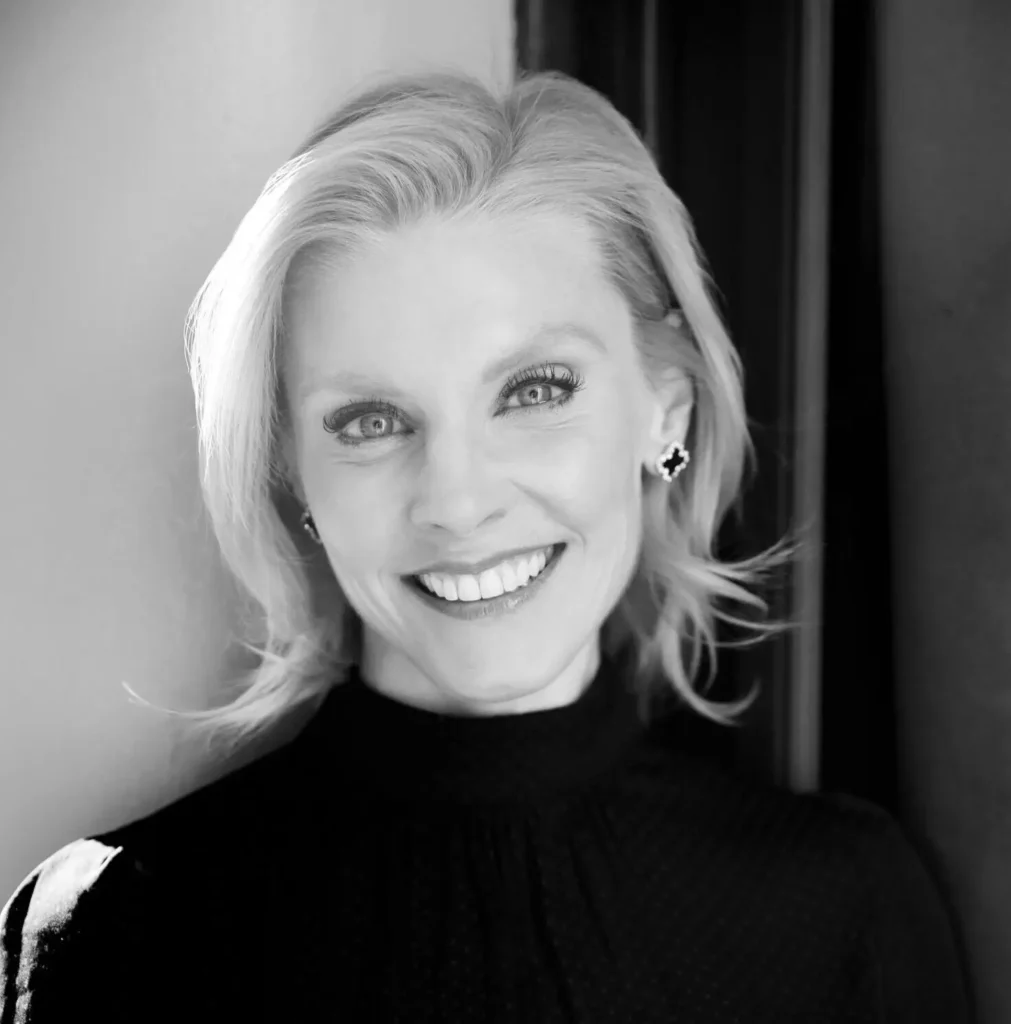
Suzanne Monahan is a wife, mother, and leader in the health sciences industry.
As a former collegiate athlete, two time cancer survivor, and now a leader, she is passionate about the power of mindset, teamwork and performance. Currently, she holds a commercial leadership position at Shionogi Inc, a biopharmaceutical company that leverages a science-based heritage to develop and commercialize pharmaceutical products to treat unmet medical needs.
Today, she dedicates her time at Shionogi to building and leading the sales team for the US. Suzanne is committed to “raising up” cohesive and resilient teams both at work and on the field.
She believes in family first and enjoys giving back, serving as a girl’s lacrosse coach, an advocate for patient-focused cancer care, and a mentor to future leaders.
Welcome to the Athletics of Business, a podcast about how the traits and behaviors of elite athletes and remarkable business leaders frequently intersect. The real stories and hard lessons to help you level up your leadership and performance. Now your host, Ed Molitor. Welcome back to another episode of the Athletics of Business podcast. I am your host and CEO of the Molitor group, Ed Molitor. Amanda, I just want to jump right into today's conversation with our special guest, Suzanne Monahan. And to say that Suzanne is special is a major understatement. And I am 110% certain that after you listen to this episode, you will agree with me. Now, even though I want to rush right to it, let me give you a little bit about background about Suzanne is a wife, a mother and a leader in the health sciences industry.
She's a former collegiate athlete as she played lacrosse at Quinnipec University. Suzanne is a two time cancer survivor, which she is very open about. And she also shares how her husband, Matt, who is a CSO at Genesis, has been her rock and the amazing role he has played in supporting her career. And now Suzanne is a leader, and as a leader, she is passionate about the power of mindset, teamwork and performance, which we'll discuss all of these inside of this conversation. And currently, Suzanne holds a commercial leadership position as a vice president of hospital sales at Shionogi, Inc. Which is an amazing company. They are a biopharmaceutical company that leverages a science based heritage to develop and commercialize pharmaceutical products to treat unmet medical needs. And today, Suzanne dedicates her time in Shionogi to building and leading the sales team for the US.
Now, stay with me here because I love this whole concept of what Suzanne does that she is committed, not interested in, but she is committed to raising up cohesive and resilient teams. She believes in family first and enjoys giving back, serving as a girls lacrosse coach. And you all know my pension and my love for youth sports. So we have a great conversation and advocate for patient focused cancer care and a mentor to future leaders. And let me just give you a little peek about a couple of things that we do talk about that we do discuss. She really gets down into the nitty gritty advice and tips for pharma sales leadership in the post pandemic era.
Suzanne shares with how to handle a high value employee, leading your team, and the story that she shares with us and what she does, it might actually blow you away. Suzanne shares how to adapt to higher and higher levels of competition as your career develops and evolves. She talks about the value of unorthodox methods. As a matter of fact, I referred to Suzanne unofficially. Well, we can make it official if we want, right? This is our podcast. I refer to her as the queen of the unorthodox. And one of the things that I really took away from this conversation with Suzanne is her ability to master the art of human connection. And she shares with us the keys to doing just that.
She talks about vulnerability being available for your people, how to be open and caring, and how to make sure that your team feels like they have a voice. Now let me get out of the way so you can enjoy this conversation that I had with the amazing Suzanne Monahan. Suzanne, thank you so much for joining us today on the Athletics of Business podcast. I am thrilled to have you here with us.
Thank you. I'm excited to be here.
There is so much we want to talk about in such a compressed amount of time. But first, I introduced you and then told the listener a little bit about you. But can you kind of bring us up to speed on your journey, what you do at Shinogi and just how you got to where you are today?
Of course, you know, when I think about people ask me this question, obviously all the time, most frequently during interviews, and I think about people in two different buckets. Some people are master planners, right? They have a master plan that they go after. And some people spend more time fitting all the puzzle pieces together. And I would consider myself a puzzle piecer. A lot of where I am today is a whole series of little moves that I don't know if I anticipated. So, you know, it starts very young. I come from a big, crazy family and I've spent the majority of my life with them and still very invested in them. And what I loved about that is it gave us such an amazing community and there was a big emphasis on being part of a team, right.
And that led, certainly at an early age, to things that I have taken with me my whole career, whether it be dance, athletics, just team sports and things of that nature. I started playing lacrosse when I was twelve. I picked up a stick and as I got older and I realized that this was something that could also help me get into college, I played that piece and put that together and once I got there, it was a really big realization that everybody there was the best, too. And it was such an incredible learning experience, both from my own, mindset and certainly just a time management standpoint. And all of those things set me up for a lot of the pieces that would come. I would say that as I look back, there are some really big milestones.
You know, one is just the influence of coaches in my life, whether they be at any stage, high school, college, even afterwards in the form of a mentor and then also being a patient. I've spent now two times as a patient and it has brought to light again this power of how you think and how you approach things and also the importance of just accessing care to unbelievable healthcare. As I walked into my first bout of being a patient with a cancer at a very young age of 21, I realized that all the things that I thought I had figured out didn't exist anymore. Right.
And it's a great experience though, too, because what that brought to me in the end was, I would say the marriage of this idea of being part of a team and also maybe not being a healthcare professional, but being in the healthcare world. And I started out in pharmaceutical sales and once I got there, one of the things that I was really drawn to was leadership and just how people would connect with what a goal, how they connect people build relationships. And I've taken that with me now through my journey and I finally kind of found my home. And one of the things that I love doing is building teams and it's such a unique and interesting skill. But here I am at Shionogi. And Shionogi is an incredible place for talking about a company that's 144 years old.
And they have gotten there through incredible research, development, and just a really strong passion for finding medications for unmet needs. And so when you take that and you combine it with this vision that they had to succeed another 144 years by building out a commercial team in the US, here, I landed in the middle of COVID Building out the very first sales team for Shionogi in the.
US really is an amazing journey. I'm going to go all the way back because we have a few things to unpack there. Lets start because I absolutely want to get to your first diagnosis with cancer at just a young age of 21 because theres so much there to talk about the emotional attachment that is provided for what you do in your professional career. But you go to Quinnipac University as a star lacrosse player and you said something so significant, you realize now all of a sudden everybody was the best player where they came from. And if you dont experience it, you dont quite understand the level of intensity, the level of effort, the level of demand on your time and your mind that division one athletics requires and really all college athletics, but it's just. It's just something that's.
How did that help shape you and the coaches that impacted you? Were they from high school? Were they from college? You know, how did they have that impact on you?
One of the areas that I feel like it's. Is not as open or talked about, in particular with athletes, but it certainly could be extended to other areas is just this idea of how you think and combined with your skills, and they both have to be intact. Right. So we're. We're so well trained as an athlete to have incredible skills, but you also need such great mind training. And for me, that's where my coaches were able to support the fact that there are days that I would wake up, whether it be in high school or college, and feel like I wasn't good enough to do something. And as I think about important people in my life, I think about the people who helped me see a different side of myself. And had I not one been open to that. Right.
And to experience that kind of coaching, I would not be where I am today. And certainly not giving that back to people. It's an element that is not underrated, but maybe it doesn't come to the forefront of what we talk about when we talk about building just an incredible athlete or incredible professional.
Jeff, it's one of the intangibles. When you figure out how to connect with people, right, and get to them, so to speak, and really figure out what makes them tick and how you can put them in position to be wildly successful, it's an intangible, and people sometimes get frustrated with intangibles because you can't touch them, you can't feel them, you can't measure them, but they're so real. And how much does the ability to do that play into your success?
Now, I will say that one of the key areas that, for me, becomes a non negotiable, especially as we're hiring leaders, as we're hiring people, is the ability to connect. This is. It's an element that is critical for us from a performance standpoint. Right. If we're connected to a cause, we're connected to our teams, we're connected to somebody, we're connected to the best version of ourselves. We will give that back ten times over, and that takes work. You have to invest time in building relationships with people. And again, we're so focused and trained on the skill portion, and it's equally as important to ensure that we're taking time to get to know people and really what it is that makes them tick and what it is they need support on to grow into the best version of themselves.
One of the things ive heard about you, im not sure if I reveal this yet, is how well you get to know people, though, and how well you connect with people. Where did that come from and what are some of the methods that you use? And im sure its natural. Im sure its something thats just automatic for you. But how did you get to be such a pro at it?
I believe that we so much of what we show up as a person is what we live. And I had the unbelievable blessing of living both again, through my family, through my parents, through my siblings, through people like my coaches, people like my mentors that genuinely cared about me. And for me, that's where that starts. You have to care. You have to care about what you're doing. You have to care about the people that you're doing it with. You have to care about this idea of a common, shared goal. You know, I don't know if that's something that you can teach, but you can show people what that feels like. And when they feel it, they're more likely to give that back. For me, that's one of the first things that I start with.
I want people to always feel cared for in my presence. Whether we're having the best day, whether we're having the worst day, you should know that the people around you care.
About you and that consistency. So your team knows what to expect of you.
They do, yeah.
They know what to expect of you. How do you handle the most? I mean, think about what you went through, and we'll get into that. But think about what you went through during COVID and building out this team. There probably were more challenging days than there were cupcake days, so to speak. Okay. And that was probably just a poor choice of words, but you get what I'm saying.
Yeah.
How are you able to do that? How are you able to show up every single day with the trust, with the kindness, with the compassion and caring? Yeah.
So I love this question because your true self comes out in the hardest times, regardless of what that is, whether it's a personal event, whether it's a work event, and when you think about COVID one of the pieces that will ring with me forever is that you have a group of people where every day is challenging. Every day personally is challenging. Every day professionally is challenging. Every day is an unknown because it's not something that any of us have had a lot of exposure. And I'll start with that. That one event where the unknown is true for everyone is a bonding moment. We are forever and eternally bonded by the fact that we didn't know. And there are times that I feel like that's the one thing that you have to hold on to and see what you have in common.
When we talk about sports, we talk about work, we talk about performance, we talk about common goals. And I look back and reflect back on building that team out in COVID and 19. One of the big commonalities that we had were that were all trying to do something brand new in a new time that had never been done before.
Well, and there's more significance to that, too. Let me. Let me explain that if I can for a second. First of all, I think this is a great opportunity to give a huge shout out to John Denny, who introduced us. And John is at Buckman Enoch's cost and associates and just so amazing at what they do, placing leaders in the healthcare industry and small pup here. John was also on episode 86 of the Athletics of Business podcast, which seems like a lifetime ago, but the profile you provided John and his team to fit experienced, specialist folks who have done the same thing the same way for a long time. I mean, talk about the challenge that posed for you and what you were trying to accomplish.
Absolutely. So, you know, John probably had the harder job in this. If I really think back to it.
Hey, it's good to make him.
That's right. We definitely made him work. But John and I had that common bond also. Right. John and I have a real passion for bringing great people to great places. And as the first face of the company, John was a great person to have do that because he also represented us. You know, he represented us in such a positive way. And never once did he look at me and say, Suzanne will never find all these people right now. Suzanne, we won't be able to get these people to do what you want them to do in this environment again, it's around this mindset that, of course, I believe we can do this, and that's infectious.
And the people that were able to reach out to that took his phone call initially, then took our phone call, then took a chance and got on Zoom with us. All of these building blocks started to build commonalities. They started to build trust. It started to build excitement over something that we could all do together that was brand new and at a time when were also launching a tremendous product that was needed in this space, regardless of COVID Right. These diseases don't care that COVID is around. Right. We still need.
They didn't take the pandemic off.
For us. That was the first step in bringing a group of people together over video that for over 25 years have been walking halls of the hospital. And the first thing we need to do is ask them to do something different.
Right. And that which doesn't normally fit that profile. Right. Like people are doing the same thing every day for a long time.
That's right. You know, typically it's very standard. We look for a certain profile. People who have worked the hospitals, they've walked the halls, they know the janitors, they know every single nurse, they know every physician on each of those floors. And you have access to them. Anybody will tell you that one of the most challenging pieces of launching any product is just gaining access to those decision makers. And when your only access is through reaching out over email and trying to get a video appointment in a time of crisis with infectious disease physicians that are managing these really tough to treat COVID cases, it sounds like what I was asking people to do was impossible. And the reason that it wasn't is because of the people that we chose.
And our people are the ones that had the right kind of attitude and mindset to say, I am connected with you and what you want to accomplish. I am investing in myself to change the way that I do things every day.
Right.
And this together mentality. Like, together we grow together, we succeed.
Together.
All tides rise.
How were you able and absolutely love that. How were you able to identify that in the process when there is no Im sitting in front of you? Lets feel this energy, lets feel this vibe. I want to see your body language. I want to see. And you can get a little bit of that on Zoom, right? You know where I'm going with this. Like, how did you identify that you were bringing in those type of winners, so to speak?
If you had asked me this at any point in my career prior to COVID, I would have told you it's impossible. There's no way you can hire the right people without meeting them in person. And I am still an enormous advocate for in person. There is nothing that will ever replace that. In my opinion, one of the pieces that was really important is process. And when you are looking for deep change, process becomes just as important as the belief that you have about the end game. And for this process, we put multiple touch points in.
And the reason that's important is because first and foremost, from the employee standpoint, the candidate standpoint, we want them to know who we are, why would you take a leap of faith leaving a secure job in the middle of COVID to come and launch a product with us? Right.
Besides your nuts.
But anyways, that you don't understand. Right? Exactly. So we either get tons of people who. Right. Who have thoughts that aren't well put together. Right. Or we have the best of the best. And of course, I believe it's the latter. But in all seriousness, this process that we implemented with the help of John Denny and his team was to ensure that they had multiple touch points with us. And that helped us. Right. We would have multiple touch points with them. In addition to doing a traditional phone screen through the recruiter, we immediately moved to video, and we would start doing multiple video rounds.
And while the downside of that is it can be more taxing on a candidate and certainly on our time, the benefit was that people can do that from anywhere, and they really got to see who were at the core and what were building. They heard consistency in our messaging, and we got to see them multiple times. And so in some ways, it had benefits over a massive hiring event where you're getting one or two touches on someone.
I love it. So all of a sudden, we have these constraints, right. The rules of the game are changed. We have these constraints that we're operating inside, and we actually have the ability to become more creative in how we do things, and then we realize there's a better way to. Or a more efficient way to get them done.
Yeah, we've carried most of those through now, actually. We found that there's an efficiency in our hiring when we incorporate a combination of video and then bring in, you know, one or two candidates in those last rounds to meet us in person. And while, again, that has an unbelievable value and benefit to us because you really feel that connection when you're with somebody. We also have a pretty good understanding of the people who are coming to us, and they know us. And I would say another big part of that, Ed, and I give a lot of credit to my. My peers within Shionogi and our leadership team as well. That is a group of people that were highly invested in helping bring these people on and took their time to do that, too.
And it's important that our candidates feel like their leadership is invested in them, and that's something that we carry through.
Here and then just massive success right. Throughout the process. And when we talked about, gosh, a month and a half ago, I feel like when we first connected in such a wonderful conversation, and I said, well, how did you do it? Like, what were the keys to your success?
When I think about leadership and I think about leaders, all of us have a natural, lean right. For me, it's people, I understand them. It's something that is in need within me. And what I have found so incredibly powerful in my own journey is also understanding the power of processing. Because when you marry these two things together, people, and the process is when you truly see performance at its best. And it also helps people relate to what they're doing, to feeling invested.
When I think about this launch that we've been through, when I think about this dichotomy of COVID and how we reach customers differently forever, probably successful change, to me has always been about how you think about something and what's your plan, and I guess that differently, you know, it's about your mindset and do you believe in what you're doing and the method that you're using for those pieces? And I think back to the times that we have had to implement the greatest change in the name of performance and the place that I can share that I feel like drives that success really starts with the voice component. So as I arrived at Shionogi, were unclear how to reach our customers, which is such an important aspect of ultimately gaining a successful launch and performance. Right? That goes without saying.
And one of the first things that I always sit with and say, I'm so happy that I did was take a minute to get connected with the closest level to the customer, spending time. Now, I had the blessing of having a small group at that time and the availability to sit with every single representative and figure out exactly where they were. What are the customers saying to us about how we can meet them, where we can meet them, and what method? What are the challenges that you have? What are your struggles? Help me with that so that I can support you and marrying that with the voice of expertise. And that can come in so many ways. It doesn't have to be a very expensive process. It can be your peer network, it can be your Kol experts.
It can be different groups or channels that reach customers in various ways that you reach out to. And that's one of the things that we did. We spent a lot of time reaching out. What I would say is with some very creative benchmarking to find out what good and what great looked like in a space that was unknown to us. And when you combine the voice of that customer level and you combine the voice of experts, it helps you create an ask. Right? What are you asking your people to do, because people need stability and they want clarification. And when you set expectations, it's really about providing those for people. So that there's two things that come out of expectations, right? Accountability, which we want to hold people to, we want to hold ourselves to, and recognizing accomplishments.
If we achieve what we say we're going to achieve, we believe we get performance and we need to recognize that. So it's repeated that positive reinforcement piece. One of the greatest investments I believe we made during that time was training. You have to make sure you train to the correct need. And for us at that time, it was really how do we take a group of people that have forever been walking halls of a hospital or interacting live face to face and train them to connect with people virtually? It's very similar to how we talked about the interview process. For us, this is a place that I really drew heavily on the voice from the field, the voice from our customers and experts in virtual sales.
And I'm so grateful actually to have a really wonderful connection with the remedy group, which is a virtual healthcare service group out of Pennsylvania. And they had done fantastic work for me in the virtual space prior to me coming to Shionogi. At first they provided me some basic insight and then were able to connect them into our own organization to help us train our salesforce. And they came on and they trained them virtually with some of the methods and techniques and tactics that made their Salesforce so successful. That was also such a great way to honor the work that virtual sales professionals play in any kind of sales organization or market. Right. That's something that a lot of times people aspire to go from virtual to in person.
And it's really nice to also see how we're combining the in person and the virtual to have this well rounded sales representative and customer focus. So I love that the other important place investment is operations. You have to be able to implement platforms, ways to capture all the asks that you have and ensure that the materials, right from a brand perspective, are visible to your customers. So that was a really key component to that piece.
I'm sorry to interrupt, but so curious is like, as I listen to you talk, it's as if, it's not as if you absolutely are helping your people get clarity and get order inside of all the chaos that were living in. Right. But what were some of the things that you did to make that happen? What were some of the things that were different than normally? You talk about walking the halls of the hospital, right?
Yeah.
All these years doing it. And that's just what they know, and it's what they were great at, what they were pros at. So what were the adjustments that you made?
We saw a lot of this come out of the training within the virtual group. Little things like instead of walking hall searching for people, you're searching the Internet, right? You're searching different LinkedIn profiles. You're connecting with people who have other connections. What I really believe, one of the key things that came out of COVID is that it taught us, in this process, taught us to network in a different way. Instead of networking just face to face, you're also networking through social media, you're networking through advocacy groups, you're networking through different people who are normally wouldn't connect you with someone, a valuer, decision maker. I think that's one component was just learning different modalities of networking. That was a really key component. The other is teaching people how to share information over a computer screen is completely different than having a conversation about a product.
And for us, one of the biggest areas that we saw right away is that getting appointments with people was so challenging. But when we did, they sometimes gave us 30, 60 minutes. And that allowed us to put a platform into place that we use through our CRM that could share our promotional pieces. And it helped to steer a more valuable conversation for people. And we, in some ways, got a tremendous amount of time from that. What I appreciated about the flexibility, and I'll say that's a key component to learning any kind of new skill, is just being flexible, is that we needed people to be able to have a conversation, a product conversation that could span anywhere from a half hour to five minutes.
And so we needed to train them to use their materials differently and be able to answer the questions that were the most pressing in order to make change in that institution, right? Or that.
And so, as you do this, and now we're coming back into our current situation, our current status, those skill sets that you created, the creativity, right? And the curiosity of, like, curiosity, excuse me, of how we can do it better, what can we do to be more efficient, and how the conversations became more meaningful. And now, suddenly you realize the result of those more meaningful conversations. How is that contributed to the sustainability and the continued growth of your product?
One of the areas that I am the most proud of is, as a smaller company, you're not only building your commercial presence and your product, but you are building your organizational footprint and your reputation. And that's built by your people. And through this entire launch. The most consistent feedback we get from our healthcare providers is that our people, whether this is leadership, whether it's our support teams and home office, whether it's our field force, bring value. We're bringing value to the healthcare system and to their particular institutions or the research that they do. And while that seems simple, there are so many times that on the flip side, you can just show up someplace and interact with someone and not be respectful of what they are looking to gain from that.
And so what I truly believe has led to this sustained growth is the fact that we're bringing value in areas that's needed. That are needed, right. Both from an information and a product standpoint. And we are meeting customers where they need to be met, in whichever way that is. And they see us in turn as a partner in providing just exceptional patient care.
And you really laid it out there. And one of the things you talked about was vulnerability. Can you jump into that a little bit and talk about how that helped drive your massive success as a team?
Absolutely. Vulnerability, it can be a taboo topic. And I will say that it's one of the most important investments you can make in yourself and in others. Because when people see who you are and they know that you care and they know that you are in it with them, they will give you more than you will ever be able to just ask them for. And one of the pieces that comes to mind when I think about this is just as were building our teams from our homes, we will never, ever see those people in the same light. You're in somebody's home with them while they're interviewing, while barking, kids bouncing off them. Absolutely right. And that's internal and external. You know, one part of that is just having candidates and employees understand who you are as a person.
And nothing says that more than spending time in your home with you. And some of it's internal. Right. And people understanding that you are a person and you have the same life issues that they do. There are multiple times where my children would be next to me with me, trying to homeschool, you know, just living our life. And, you know, I think there's an old adage that, you know, many of us were raised that there's a very fine line between all things work and personal. And that's something that I've made a choice to defy. And I will take the risk any single day that I may be put in a situation that's. That's challenging with someone that I know to that level. Because what I believe that has given me is. Is the ability to live my leadership qualities that I.
That I believe in, which is that I want to trust people implicitly to do the job that they were hired to do. And whether we are crushing our goals or whether we are really having to pick up the back end, we are kind and respectful to each other. And I saw that come through, and.
I didn't mean to cut you off there. I'm sorry, but it's such a huge piece of the whole authenticity.
Right.
I mean, the way we talk about authenticity here with our clients is honesty, integrity and vulnerability. And it's exactly what you just said. That vulnerability piece, though, for some reason taboo to some, right. They see it as a sign of weakness. And in the grand scheme of things, the reality of it is this. It is a sign of strength. It is. And it's just as you made yourself, as you opened up and made yourself more vulnerable to your. To your team, I'm guessing that the information you received about them was greater, they opened up more to you, and then you had a better idea of how to put them in better position to realize a higher level of success.
Absolutely. When I think about when you know a whole person, it unlocks doors for you to understand where they are best served, where they can best serve themselves. And sometimes, Ed, that is right in your backyard. Right. It's right in your organization is right in the. In the position that they're in. And we have to nurture that so that they are the best representative. Right. Or they're the best leader, wherever that role lies for them. And sometimes it's in a position one, two stages down the road, and you want to ensure that they stay with you for that journey. And sometimes it's not with you anymore. And that's okay, too, right? There is a time to say it's okay because I want you to be happy, and I want to be happy. And I want to have success. I want you to have success.
And this isn't the home and great. We're coming back, though, because we have a few more keys of success that you and I discussed. But you are, after all, the queen of unorthodox. Correct.
Queen of unorthodox. I love a good orthodox.
But speaking of, it might be time for you to move on, which is awesome. We support you. Matter of fact, we're going to help you. When someone leaves your organization and they have their last call with the team. Yes. What is it that you do that is unorthodox? Why do you do it? And what is the power that is a result of it.
I believe that we have all been in a situation where people leave, and it's an awkward, unsaid. And early on especially, it was a year and a half before we met anybody on our team, and we had very little turnover, which I'm unbelievably proud of and we still do to this day. But we did have someone that was moving on that was a really integral part of the beginning of the launch, and they deserve to be represented for that. And one of our team calls, I made sure that were gracious and thankful, and we acknowledged many of the things that person had done, because I'll never take those away from somebody. Right.
They gave us that time and that effort and that space, and they should be recognized for that, and they should also be recognized for taking a big step in saying, I want to go do something else. We recently also had this with one of our leaders here, and I'm excited for him. He has got a great opportunity. You know what you should do? You should go and you should do that, and you should be that. And that will open the doors for somebody else to join our organization or join into that position. So it's the old one door opens, right? The other one. Right. One door closes. One door opens, right. But you've got to be sitting by the window to feel the breeze.
Was that hard for you to do it first when you first started doing it? Was it, and I don't mean hard for you personally, but was it hard to explain to others why you were doing it?
I wasn't sure I was doing the right thing. Interesting, because people can take that two different ways. Right. I believe that part of the way reason that we got into this whole, we don't really talk about when people leave is because it draws attention to the fact that somebody is leaving your organization, and we strive so hard for retention. It felt almost as if that kind of vulnerability. Right. To say that and to put that out there could go one of two ways.
But what I had never realized was the feedback that I would get and the feedback that I got was, wow, you know, I've been in other companies where, you know, ten people have left and no one's ever addressed it or they pretended it didn't happen or what really struck me as is one person that came to me and said, you know, I just feel like it's really nice that we're thankful to people who spent their time with us. The simplicity of that alone made this something that made it part of who I am.
Well, and think about this, right. You talk about retention. You're celebrating someone who's moving on, but you're focused on retention. If I'm sitting there and you do this for someone who inevitably was probably going to leave anyways for this opportunity. Correct. Because you all do things the right way, so it's not like they're running from you. Okay.
Correct.
It's like, oh, my God, Suzanne really does care. Like, she's legit. Like, I always knew she was legit, but this is. This is confirmation that she truly cares. There is a level of trust that I've never experienced in my career. It's going to take, God moving mountains for me to leave this place. Like I. This is a part of the family I want to spend my career or at least a big chunk of this ride with. Yeah.
And that's a big part of. Of building a work family. Right. It is about the same elements that we see in our own families. There are highs, there are lows, there are things you agree with. There are things you don't agree with. But ultimately, at the core, if there's trust and you care, then how people show up will always be their best.
Right now, all of the things you talk about circle back to something is that you as a leader, youre always available. Like, youre there. How key is that success of your team and to others inside your organization? How much you achieve during such a challenging time to have leaders that are available for their people?
This is a piece that I feel like is easy to overlook because sometimes you have to seek that.
Right.
Its one thing to say, im available. You would be amazed at how many people aren't really sure if that's true. Right? Is it really true? Can I really take them up on that? And so part of it is continually putting yourself out there as an example, because what I'm hoping is that they give of themselves as well. And time and time again, I'm reminded that, in particular, the team that we're with right now is one that is very cohesive. And I believe that a lot of that comes from the fact that I'm available. Our senior leadership is available. My peers are available. Our direct line leaders are always available. And what that makes people feel like is also that they don't have to be perfect every day. Right.
If they have a need, they have a struggle, that they can come to multiple places for support if they want to grow in a building organization that doesn't have every single career ladder in place yet there's places for them to reach out to and have a mentor. So being available is really about meeting people where their need is and being supportive, not just, hey, you can call me if you want to talk about something.
Door is always open. Proverbial door these days, right? Yeah, doors always open. You can call me, but, like, legit. And oftentimes as a leader, you're seeking that out so that they know that you truly are available. Is that something as an organization that you talk about, or is that just sort of happen?
We do, and I think more than we talk about it, we live it. Right, right. That is one of the elements that I'm so proud of all of us here at Shionogi is that we are truly living the values that we say are important to us. Even at this past NSM that we just had. Our CEO attends our CCO is there. These are people that are taking a week out of their life to ensure that our sales organization and our commercial organization know how important they are to what they do and that they are there to spend time with them and hear them and listen to them and also recognize their success and help us always align on where we're going as a unit. Right.
This common unit in how beaver world do expectations play? And we'd like to talk about extraordinary expectations. Right. Don't want to be ordinary. We don't want to just be good. And what you have accomplished in such a short period of time and in the constraints you accomplish it within is absolutely extraordinary. So what type of expectations and how significant are those to your success?
Expectations. It's a fascinating topic for me because there are your traditional expectations, which absolutely must be intact. We must understand what we're all working towards. And that's in the form of different things. It may be a revenue goal. It may be some type of sales goal, it may be some type of accomplishment that you're looking to deliver. And then there's how you get there. Right? There is the. Are you meeting with the right people? Are you meeting them the right amount of times? Are you using all your resources? And so when I look at those kinds of expectations, I say to myself that I want those to be something that are, of course, one. Realistic. Realistic, yet support and challenge where we need to go. They should be consistent. They should also recognize the fact that people get to things in different ways.
And that ultimately, when we're reporting out on KPI's or metrics, that is an amazing opportunity to highlight what our people have done. And so I love the opportunity to say this is what we expect because we believe it drives this result. And then let's highlight your performance. The other side of expectations, though, is behavioral. Right. We also expect people to show up as their best selves. Right. I expect people to be the teammate that you would want them to be to you.
Right.
I expect that we can trust you to be, ladies and gentlemen, to be the face of Shionogi. Right. To have great manners. I expect you to bring value each and every day to our customer base. And those are just as important to me as the expectations we set around performance and activity with those expectations.
Talk about, if you could, the significance of providing not only measuring those expectations, but providing feedback in real time. So the lead measures versus lag measures, right. Like, how significant is that?
One of the mistakes I think it's easy to make as a leader is to believe that everybody sees things the same way you do. There are things you can measure on paper, and those should be intact. But as leaders, we also need to understand what is behind that. I talk about that a lot with data, right? The data tells us what is happening. You tell me the story about what's happening there, and a piece of that story is helping people understand that how they perform, how they interact, sends messages to people. And measuring that, to me, is more around the combination of what the paper says, what your performance is showing, and how you interact. Because when all those things are intact, we get a really well rounded professional.
When one of those is missing, then there is something that is broken and that's synapse and it's our job. That's where coaching comes in, right. To be able to pinpoint and identify if it's something metric related, if it's something behavioral, is it something about the way your way, right. Does that resonate the way that you want it to?
There is a consistency in terms of when certain behaviors show up and what the results tend to be.
Definitely.
And is there a way as a coaching leader that now all of a sudden we see things, we see certain behaviors, can we identify, hey, we need to step in here and make sure everything's okay, and what can we do to support them and to help them?
One of the things that I love each week, Monday mornings, all of my leaders send out a message to their teams. It's an incredible combination of the performance metrics, the activity metrics, and highlighting what somebody's done that correlated to that. When you say it out loud, you can see those three facets come together. What I love about these messages is that each one of them are sending a message that those three elements are important, but in their own style, in their own way. And it tells a story, and people read stories, so the team feels connected and invested to how they're growing the business, and they see that positive reinforcement come through. And they want to be up there on that leaderboard also. They want to be up on those emails also.
I love that. And I have to jump on this opportunity when you talk about stories, because you really, truly have an amazing story. And I think, I believe that your story plays into your compassion, your kindness, and your consistent seeking out of trust. And you, as a leader, earning that trust. Take us back, if you can, to your playing college lacrosse dream come true. You're at Quinn effect amazing university. Meet the man in your dreams. Okay. All right. And obviously, I had to give matt a shout out there, and all of a sudden you're 21 years old. Yeah. Right.
Can you talk about as much as you'd like to talk about what happened, what was going through your mind and how that shaped your outlook and your thought process on things such as relationships and time and teams and mental toughness, physical toughness, compassion, whatever it is you'd like touch on? Because I think there's something so powerful there.
You know, when you are 21, the things that I was planning for, I certainly hadn't put this in any kind of timeline, right, or any kind of master plan. I am a unique combination of very open about that journey that I've actually now been through twice. Once in my twenties and once just two years ago again. And yet it's not something that I bring to the forefront because I also don't feel defined by it. For me, certainly at 21, what it did for me was help launch this insight to the fact that if my mind was in the right place, things would work out and things would always work out. And honestly, I showed up at the doctor thinking I had a bruise from practice. And fast forward a couple months.
And after many journeys back and forth, my parents and I were sitting with someone who said, 99.9% sure that your daughter has cancer, and there are three people in the country that I would trust to operate on her. And it put into motion this reality that small stuff matters, but maybe not every day. And I got up every single day, Ed, every single day and said to myself, this won't get me. And while there are many medical professionals that obviously got me to my state of health, I really do believe that was a trigger for me to change the way I thought about things. And it was very easy prior to that to get bogged down in one small stuff, but to also just, am I good enough to do this? Am I not good enough to do this?
What's happening on the field, what's happening in sports? What am I going to be when I grow up? Right? And so I will forever be grateful for the perspective that journey gave to me. And it also really opened my eyes to the fact that healthcare is so important and choices and being educated in them. And as a patient, it is critical that you have that same kind of trust that we talked about today in the people that are treating you.
And I have to believe that story combined with what happened two years ago, which I do have a question about that for you, but I have to believe that just fuels the story and the emotional attachment that you have to the healthcare industry and who it's and who is truly serving the real purpose behind it. How has that shown up in team meetings? How has that shown up in presentations and speeches that you have done? Like, how does that, all of a sudden, I've got to think you can feel it right in the heart when you talk.
I can't. You know, for me, I was blessed. And the benefit of being treated with cutting edge technology, right. With healthcare professionals that we're the best at what they do. And for me, in my small way, want to ensure that each of our people that go out there every day are trying to make somebody that they speak to healthcare professional, they speak to have all those options to. I talk a lot about this from main stage at meetings, right. Our job is truly about bringing choices to hcps, giving them the choices that they need and giving patient options. And that piece is never lost on me. Because if it were me, I would want somebody out there every day advocating in a grassroots way for me and for my health.
I absolutely love that. And I can. And the reception that you receive from that has to be something that's so sustainable. Right? It's not something like, there's no cheerleading around this, there's no rah. There's no fluff. This is real. And I have to believe that's something that your team members just take with them.
I listen, I hope they feel that, Ed. I do. Right. It's something that is a genuine part of me, and it's something that has probably kept me honestly in this industry and with. I've been with wonderful companies that have had incredible products. And it's one of the reasons I'm really passionate about going to companies with tremendous products.
Well, and so then two years ago, show back up, and here you are. Here you are doing amazing work. How in the world did you stay dialed into what you needed to do for yourself and what you need to do for the organization?
You know, that story comes with so many other stories. But I will tell you that the two constants in my life have always been my family. Always been my family. And I feel for people who can't say that, because I have been so blessed to have a rock solid support system and in undeniable faith. And whether, you know, whatever that is for somebody, for me, that's just knowing that your mind is in the right place, which is hard. It's really hard. Right. And that you're taking action where you need to. And those two things are aspects that I apply to all things that I do. Right. Is my mind in the right place, and am I taking action where I need to, and are those two things driving the right result?
And at the end, I'm a simple girl, and I like to be able to think about things in the context of outside of just one situation. And so I would say that carries me through and also recognizing the fact that healing is hard. It's something that just, like, practice, just like learning all your skills, you have to give yourself room to heal and to be vulnerable. Ask for help, you know, if anything else. That's what this has also taught me is that there's a time and place to ask for help. And it doesn't mean you can't do something. It just means that you're. You're learning and you're on your journey of investing in yourself.
You are an absolute warrior. This is one of the many things I love about you, Suzanne. Not only are you a warrior, though, but you have that compassion. You have that. That sincere, authentic desire to, like, connect with your people for the right reasons. I mean, there's many leaders out there like, yeah, I'm going to connect because we got to drive this bottom line. No, you're doing things for the right reasons. And that's just got to feel so good, doesn't it?
Listen, it does, because I've learned to be myself. We're all products of how we grew up to some way or the other. And I will say that some of my most memorable and most difficult times as a leader have been those moments where I've trusted myself to just be myself. And I will always say the biggest misconception of me is that people misinterpret the power of my personality. I have a deep desire to win and to perform and for a great love for process, but I equally love people and a common cause. And when those things come together, that's where you see this unbelievable greatness that I believe that we're living right now. Gnogie.
So if I. And I know we got to wrap up here, but I have one or two more questions for you.
Sure.
If I may. When you have folks that are driven by metrics because they don't know any better because of where they've been in their career, and now they come to you and you see it and you know that there's more to them. You know that they wish they could put family first. You know, they wish they could feel that vulnerability is a huge strength, that authenticity piece. How do you get them to that? How do you help them get to that point? Does that. Does that question. I mean, my. I don't know if I'm.
Yeah, yeah, it makes sense. And, you know, this is one of those incredible balances. And I use that word a little bit lightly because balance doesn't mean that you do all things equally. Balance means that in the moment, you're in with the job that needs to get done. That's what you're doing. For me, I will always come back to, if you want people to do something, you have to show them in your own way how you're doing them. And I show a lot of that. I am very invested in my family. I am very much committed to work. I am dedicated to the metrics that we have to deliver. And I'm also a believer that this concept of setting expectations and trusting people to deliver in the way that they know best drives performance.
For me, this is a lot about show people what you expect, and it's also about tackling things head on. I can't tell you the amount of times that I've walked up to somebody and said, like, I know that you have x, y, and z in you, or, this was incredible. Imagine if this is what were doing every single day, or this isn't what you would expect of your teammate. Why do you think it's okay for it to be expected of you? Right? And so tough conversations are something that I've gotten really comfortable with, and ultimately, they're not that tough because they feel right to me. They feel like I'm bringing somebody to the next level, the best level of.
Themself, and because there's a purpose behind it. Right. It's not. You're not focused on the fact that it's a tough conversation. You're focused on the potential outcome of what this challenging conversation can bring. That's why you are who you are. Suzanne, we're just about out of time, and there's so much more to talk about. We have to have you back on. Okay. But in the meantime, I have one more question for you. But before we get to that question, can you share? Because I guarantee you, every listener right now is like, I need to find out more about Suzanne Monahan. Okay. The organization, everything. Can you tell a listener? And this will be in the show notes, all your links, your social media, everything will be in the links. But can you share with the listener where they can find out more about you?
Sure. So people that know me the best, Ed, will find that question very amusing. I am very.
Would they say nowhere?
No. Well, they might say nowhere. I do have a LinkedIn profile. Suzanne Monahan. I am on Instagram at Suzanne Skkmonahan, and I will say that many people that know me the best have gotten a card for me, which is why they will find it so amusing and funny that we're talking about other forms of social media. I'm still a girl that believes in the written word, but nonetheless, I also think it's just an incredible way to reach people. And as I have gotten to know more about different industries and certainly about different people, I have a real appreciation for the new way that we connect. So hopefully, this will be a good launching pad for that as well.
And I will not claim responsibility for that either. And a delay. Congratulations, because I really want to touch on this before we go. Last year, you received, okay, the HBA luminary award. HBA is the healthcare business association. Phenomenal organization. And just, if you're not familiar with the luminary award, I'm talking to the listener, not to you, Suzanne, obviously. Okay. It is for leaders who have a proven track record of helping to advance the careers of other women. I mean, it is an amazing award and the honor bestowed. And you were nominated by your organization. Can you just share a little bit about what that award means to you and what it represents, not only to you, but to the women that you have worked with? Yeah.
So one of the things that I appreciate about HBA is that it's an incredible organization that does advance. You know, their mission is really to advanced leaders and advanced leaders in cutting edge ways. For me personally, I was so humbled. I was nominated by our now CEO, Nate McTouchen, and I felt honored. Honestly, because we one, we work with incredible people at Shionogi. From that aspect, I was certainly very touched. But the other aspect of that is because, as I mentioned, I have dedicated certainly the past good chunk of years to developing into the leader that I believe really develops people and drives performance. And for me, that was an incredible recognition of the people that we surrounded ourselves by and brought here and what we can build in the future.
I love that we can do it in a way that I believe in and that for me, and I don't, it was something that was telling and I think allows me to really step in to who I am as a leader and continue on that journey.
So cool. Suzanne, thank you. I look forward to all the amazing stuff that you and Shion Ogi continue to do. I can't thank you enough because I know this was not easy to get this much time carved out to spend with me and spend with us. You were amazing. And I know I speak for everyone who's listening to this. That was every single second was packed with a ton of value. Thank you. Thank you, thank you. And I'm being serious. We need to do this again sometime in the near future because there's still so much there to talk about. Suzanne, thank you so much.
Ed, thank you so much for our time together. I really enjoyed being on. Thank you for hosting me for my very first podcast. And I love to see the work that you're doing with emerging leaders and roles.
Thank you for listening to the athletics of business. Be sure to give us a rating and review so we know how we're doing. For more information about the show, visit theathleticsofbusiness.com. Now get out there. Think, act and execute at the highest level to unleash your greatness.