
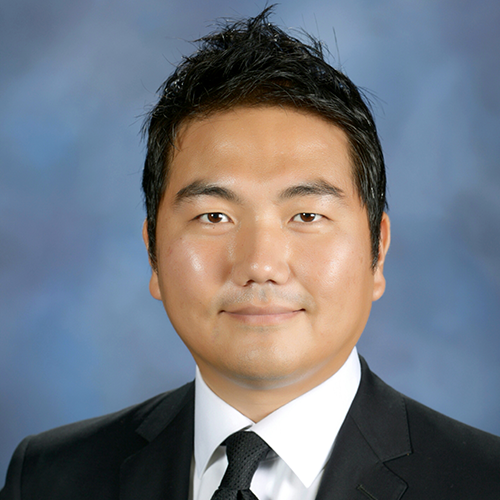
Chef Tai Lee, Texas A&M Class of 2002, owns and operates five gourmet eateries in Bryan/College Station: Veritas Wine & Bistro, Madden’s Casual Gourmet, Paolo’s Italian Kitchen, Chef Tai’s Mobile Bistro and upcoming Urban Table Restaurant. Since starting his business in 2007, Chef Tai has established himself as one of the most prominent players on the Bryan/College Station culinary stage with his renowned culinary skill.
Welcome to the Athletics of Business Podcast. This is episode 34.
Welcome to the Athletics of Business, a podcast about how the traits and behaviors of elite athletes and remarkable business leaders frequently intersect. The real stories and hard lessons to help you level up your leadership and performance.
Now your host, Ed Molitor. This is Ed Molotour, CEO of the Molotor Group and your host of the Athletics of Business podcast. I am really excited about today's special Chef Tay Lee. I was introduced to Chef Tae several months ago from a previous guest on our podcast, Dr. Brandy Plunkett, who appeared on episode number 12. And I would go back and listen to Dr. Plunkett. She just added a tremendous amount of value to our listeners. Chef Tay has an amazing story. He was born in South Korea and he moved to the United States to live with his grandparents and his uncles when he was only 13 years old. Since an early age, family and friends exposed him to diverse regional cuisine from Korea, Japan and even America, it was this exposure that would later help define and shape his culinary style.
In 1998, he moved to College Station, Texas to attend Texas A and M University where he would major in business. However, while Chef Tay attended school, he started working in a local Japanese restaurant and he finally realized that he had a true passion for the culinary art and enough conviction to pursue a career in the restaurant industry. In 2006, Chef Tay and his wife Christina joined forces with Mike and Taffy o' Brien to start Veritas Wine and Bistro. Offering Asian flavors and ingredients on European and American cuisine. It has since garnered various awards and has been recognized to be one of the top restaurants in the Brazos Valley. Since then, Chef Tay has opened College Station's first official and nationally famed gourmet food truck. How cool is that?
Chef Tay's Mobile Bistro Chef Tay won Grand Championship from Texas Food truck showdown in 2015 and 2016. You can find his truck on campus at Texas AM University during the school year. Also, Chef Tay and Cristina opened an authentic Italian restaurant with New York City flair, Paolo's Italian Kitchen. And then their most recent opening involved the purchase of Madden's Casual Gourmet in downtown Bryan, which has been really popular with the local community because it kept the favorites of Chef Peter Madden as well as including Chef Tay's spice and cooking style. Now I'm really excited because when we go down for our Unleashing greatness event on April 10, we'll be able to hang around for a couple days to enjoy the grand opening of their latest venture, which is Urban Table, which that takes place on April 12 and April 13 in South College Station.
Urban Table will feature contemporary American cuisine with a twist based on Chef Tay and his culinary team's diverse spice and flavor selection. Now, here's what's really cool about Urban Table. It's going to have a dedicated family dining space on the first floor and then a dining space along with a full service bar and lounge on the second floor. Tay, welcome to the Athletics of Business podcast. And I cannot thank you enough for carving some time out of your schedule because I know that you have a ton going on. So thanks for being with us today.
Well, thank you for having me. I'm very happy to be here.
Well, let's jump into right now what all you have going on. Let's talk about the different restaurants you have in Cotton Bryant College Station, the big project that you have coming up. Obviously you and I are very excited to be working together on the Unleashing Greatness event. And we'll talk about that a little later. But you have some really cool things going on, so let's jump into that.
Well, so I have my flagship restaurant, Veritas Wine and Bistro, which I opened back in 2007. And then I also have an Italian restaurant called Paolo's Italian Kitchen, Madden's Casual Gourmet in downtown Bryan, and also run an award winning food truck called Chef Taste Mobile Bistro. And also I am the head chef for Texas A and M Association of Former Students banquet managing. And then I'm opening up a brand new restaurant in about a month. So a lot of things are going.
And you have a family?
Oh yeah, family with the two children.
Yeah, which is awesome. And they're really involved in the business as well, are they not?
Oh, yeah. You know, my wife is the head sommelier and she's also the, you know, back of the house manager as well. So, you know, we got everybody on hand, you know, on the business and can't wait for the two boys to grow up and get them to wash some dish.
Yeah, yeah, that's great. Do they love being around the chaos and the craziness and the end result as well?
Yeah, they do. I mean, the children loves to visit restaurant scene. You know, they say, hey dad, you know, when can I go visit you at the restaurant? Can I go along with you and of course snoop around the kitchen and try to pick up a little cookies or things like that? Yeah. And my wife, of course, the restaurant won't run without her. Actually, because she takes care of all the back end of the business. So we're very fortunate to have a great team working together.
That's phenomenal. Now there's a story to how you ended up at Texas A and M. And I, you and I had the unique opportunity to sit down at the Texas A and M hotel. Beautiful place, by the way. If you're in College Station, you have to visit that, that place. But, and we got to know each other a little bit. And your story, we only had about an hour and we could have taken 10 hours because we were on a roll, as you can imagine. But can you take us back to your childhood when you first got to Texas? What brought you to Texas? And then. And then walk us right up into your time at A and M because this isn't really what you thought your end game was going to be, which I think even more fascinating.
Well, so attended high school back at the Colorado Springs area. I immigrated to US side when I was about 13 and then attended Texas A and M. Thought I was going to be a aerospace engineer and didn't turn out so well. Changed my major to a school and. Which actually helped me, you know, get to the point there where I am right now. But yeah, just basically a scholarship offer that I have from Texas A and M University was the, you know, big impact on choosing Texas A and M over other universities. And, you know, so glad I came in and visited the campus and that the people that we have, the faculties and facilities was just a, you know, top notch, you know, world class, you know, university.
Being out here, I am so grateful, you know, I chose this school over other schools. And then while I was going through school, I was working at a local restaurant and my professor, Steve Carr, who taught me strategic management, got me convinced that I should run my own restaurant business because I had both talent on the business school and also in the restaurant business. I said, well, give it a shot. So after about a couple months of researching just to see if the restaurant is right for me, I decided to give it a shot. I was still young, and if it didn't work out, I still had a time to recover. The restaurant business is not something that you want to go in when you're 50 or after your retirement because it's such a huge risk.
And S and P industry report will say 85% of the restaurant will fail in first three years. I say, you know what, if I do happen to fall into the 85% that fails, at least I have a Time to recover, because I was only 22 at the time. So I decided to jump in, and I actually ended up enjoying it, and I ended up loving what I do, the interactions and all that. So I decided to professionally pursue it, and here I am with lots of.
Restaurants and a lot of great stuff going on. Where did your love for food in the restaurant business actually begin?
Well, my grandma and my mom both actually ran and operated a restaurant since I was a little child. So, you know, running around the house and being around the food was a very common thing. So I always knew I loved food, but really on the eating side, not really necessarily on a cooking side of it, but as you get more involved with, you know, food, as you eat, you wonder like, man, how can I make this food a little bit better? You know, how can I tweak it a little bit so it fits my palate better? I think that's when I really started to sprout some neck for cooking.
And it was really the rise of a food network during the late 90s, when people start to watch Food Network and start to see, oh, you know, the chefs are really not just blue collar cooks, but they're professionals who can bring some really awesome things, and they're artists and they have a great business models. And it has also inspired me to pursue that because the perception in America was changing from a blue collar cook behind the scene to a chef, an entertainer and artist where people try to embrace and, you know, they sort of came up to be a superstar on their own rights. And I felt like with the changing perception, I was able to capture some of that imagination with our local clients.
That's so cool. Now, can we walk back a little bit to your mom and grandma with their restaurant? Can you tell us where that was and what that was like?
Sure. I mean, it was all back in Korea, actually. So growing up, all I remember was a smell of fried chicken, because my mom had a fried chicken restaurant actually since I was a little child. So, you know, you have to go through the restaurant to the room. My house was attached to the restaurant. So every day going to school, you got to go through the restaurant. Every day coming back, you know, you got to go through the restaurant. Restaurant. So it wasn't anything different for me. It's just right now, it's an extension of my childhood, you know, just walking through the restaurants, and it's not really a work, but it's really a livelihood, and it's a type of, you know, life that I am, you know, pursuing right now.
But yeah, when I was kids, just grandma and a mom, you know, they were in the kitchen. And then when I moved to America, grandma was also continuing to do some cooking at the small little restaurant that she owned inside my uncle's supermarket. So I was able to help her roll some sushis and things like that.
Where was that located?
It was in Colorado as well. So my uncle, yeah, my uncle had a supermarket. Seems like every Korean had a store back, but he had a supermarket and my grandma met a Japanese restaurant. So, yeah, I got to see a little bit more exposure as I was growing through my teenage years. And, you know, I wouldn't say I was a super proud, you know, I was somewhat embarrassed. You know, to my, you know, friends, I say, hey, so what your uncles do? Like, well, he runs a supermarket. Very stereotypical Asian community within America. But as I got older, I understood what they were working for and their work ethics and their perseverance. And that all kind of rubbed up on me as well. Because none of our family are, you know, slackers.
They all work very hard and they had no choice but to work hard. But, you know, some people, even though there is no choice but to work hard, still choose an easy way and they just sit around. So they chose to work. And, you know, I got a lot of respect for them and they helped me go through the schools. And it's kind of interesting how, you know, it came around full circle and now I'm actually running a restaurant and neither of them are actually running restaurant at the moment.
Well, and this is. Okay, thank you. You took me right to where I wanted to go because there were some conditions when you went to college where they're not, you know, in terms of. And then first you change the engineering major. Okay, that was the first thing, but you kept the grades up. Then you went from accounting to finance. I couldn't agree with you more on that one. And then you call home and say, dad, I want to go in the restaurant business. How did that go?
That did not go so well. The night before graduation when he flew in from Korea to attend my graduation, I dropped a bombshell that I am not going to pursue a corporate world, but to pursue a restaurant. And he was very disappointed because I was a first generation college student within our family. So a lot of hopes and dreams are riding on my back. And, you know, I try to convince him, hey, Dad, I mean, people in America make millions of dollars picking up trash. You know, waste management was a great example for me to Explain it. He didn't care. He said, hey, the chef or restaurant is sort of a blue collar job. This is not why I sent you to the America and, you know, to attend, you know, great university.
I want you to change your mind and go back to the corporate side. Well, you know, I kind of got a hard head just like him. So I butt it and I say, no, I'm gonna give one year and see if I like it or not. And it ended up, you know, turning out well. I mean, it could have gone really bad. But that was a little bit of.
An understatement, by the way it turned out.
Yeah, yeah.
So when did he finally come around to like, okay, my son has got this. He understands, right?
So we didn't speak for a couple years because of. Both of us were stubborn. But 2007, that. That was it. It was a December 2007 when I told him, I'm going to Napa to do a wine, you know, wine valley tour. And some of our clienteles and some of our suppliers are all at the Napa area. So I say, hey, you know, I'm going there. I know you live in California. Would you like to go with me? He said, well, I have never been to Napa. I guess I'll tag along. And of course, all the purveyors, all of our suppliers, I mean, they rolled out a red carpet event, you know, I mean, just free cases of wine just so I can taste. And I gave them all to my dad.
I already knew these wines, so I said, I don't need to taste it. I'll just buy it anyway. And I gave him, I think, 12 cases of free wine. That's 144 wines. He's like, man, my son treat me well. Yeah. So that, I mean, you know, it's kind of stupid, but, you know, 144 bottles of a wine won him over. You know, he felt like, you know, what if American people treat my son as, you know, businessman and they're gonna roll out a red carpet and, you know, bring out all these great food and wines? Maybe he was right, you know, so that's when he start to turn. Now he's the biggest supporter, you know, of my business. You know, he's very proud. But, you know, I understand culturally they want you to pursue well and succeed in America.
And traditionally speaking, you know, they want you to be a doctors or lawyers or businessmen. But, you know, I just had to prove it to him over times that, you know, there are different ways to achieve American dreams.
Well, you learned at an early age. You learned a work ethic and you understood it and you grew as you grew older, you really grew to not just understand it, but to appreciate it, which is awesome. But you said something before that I want to speak to because it has turned out well. And I love your whole approach to the fact that you're still growing and evolving and developing, which is really cool. But you said earlier 85% of restaurants fail in the first three years. So it looks great right now. It looks like an amazing dream come true. But there had to be some days, and I already obviously know the answer to this question, but there had to be some days where it was dark, it was a challenge and it was a grind. And you're like, what am I doing?
Why am I putting myself through this? Can you talk about what it was that didn't just get you through it, but how you kept improving and kept evolving?
Like you talk about, well, I mean, you know, current status actually is like a little swan swimming on a lake. You know, even right now with the multiple restaurant operations I'm, you know, I'm doing, everybody think on a perception like, oh man, he must be doing really well. But really it is a constant struggle below the surface. I mean, my legs are churning because it only takes a couple bad months to tank a restaurant business because just, you know, very high overhead, we have a lot of salary staffs, so it takes one bad reputation and takes a, you know, couple bad months to tank a restaurant.
And the way we are set up right now, because we set it up, you know, our multiple restaurant with a very small, tight finance, we really rely on a high efficiency and a, you know, very great level of performance to maintain our thing. It's not like we have a millions of dollars, you know, on our bank account, you know, bankrolling us. So it does require a lot of attention to detail on everyday operation. But yes, when we first started 2007, 2008, we all know what happened with the economy. So it didn't really help that you had a very high end restaurant in Bryant College Station because there were only four high end restaurants and everybody struggled to certain degrees and were one of the brand new restaurants.
So in a brand new restaurant, just you don't have that huge, thick clientele basis, so you have to fight for it. And we certainly sank a lot of money keeping that restaurant afloat with the hope that one day it's going to turn around. And then with the confidence that we had a right product and A right service model that we will eventually get everybody turned around and come see us. Lucky for us, it has worked so far. But last year was particularly difficult just because the town is growing. The population hasn't grown significantly, but the number of the restaurants and number of the businesses have, you know, almost seems like increased by 40, you know, 40 to 50% compared to the year before.
So whenever you see all these increase, even though there may not be, they may not be your direct competition, people still do try them out. I mean, Hooters and I don't compete on a, you know, typically same level. However, if somebody do decide to go to brand new Hooters, well, you know, it is a missed opportunity for somebody who could have gone to other restaurants, not just mine, but to, you know, existing restaurants. So you start to see kind of the market kind of pulling apart just so everybody had a little bit of a less traffic coming to their restaurant compared to the year before. So everybody struggles somewhat. Lucky for us, we saw that happening actually about two years, you know, from this year. So from two years ago, we start to see the trend of a brand new restaurant coming in.
You see this on the news, you know, the permit for construction for brand new restaurants and whatnot. So we knew there will be more restaurants. So we actually shipped some of our focus onto the catering business outside of our existing location to offset some of the sales loss. And that's, you know, one way to stay competitive and try to think about, you know, how we can move our tactical and, you know, strategical move just to make sure we don't suffer as a whole group. And that's one big reason why we have decided to open up a new restaurant down in South Kalis Station, which is a traditionally underserved area. But it's. The struggle is every day.
I mean, the human drama, you know, clientele that you have to deal with, you know, hot water not coming on, you know, out of the blue, you know, paints, you know, paints, you know, paints coming off because we had some water damage over some, you know, crazy downpour. So there's always a constant struggle, but you just have to fight it. And I think the reason that we have succeeded and I, you know, I still do this is because I love what I do. I love meeting people.
So how do you keep your composure? Because if folks never walk back into a kitchen and see what's really going on back there, it's nuts. And then you don't just have the kitchen as a chef, you have the Entire business. And you just talked about last year as a struggle. You use the swan and the lake analogy by. I love. I wrote that down and. But how do you keep your composure?
Well, it's not easy, right? It's like a theatrical thing. You know, when you're in front of other people, you have to keep your composure. Whether you made a mistake or not, you cannot let people see it. You can't let people see you bleed. And same thing with our staff. If they see me struggling and if I am, you know, just being in a bad mood because of our business, well, they're the first one to actually vote, unfortunately. And I do have an amazing, loyal staff who's been with me 12 plus years. But some of the younger staff who doesn't have enough loyalty with me, if they sense something's not going right, they'll be the first one to vote, you know, so one, as a leader of the company, one, you have to instill confidence that everything will be okay.
You know, if I'm the one who's gonna be starting panicking, everybody will panic. So I gotta keep my composure. You know, I really try to not to show too much emotion in front of people. You know, when things, you know, as they say, hits the fan, if you start lose it, then everybody lose it. So, you know, it's just something that I train myself when I go to the work. You know, just let's try to focus on our four walls and try to figure out what we need to accomplish. Give them measurable, attainable goals and make sure they focus on what they have to do. And then I'm going to have to take care of my end of the business.
Making sure we promote our business market, our business, continuously approach our past and current client, you know, seeking out a new business and new opportunities. And it has been working out well. You know, luckily we have a very good reputation within our community. We give a lot, you know, we give back a lot to our community as well through different charities. And that helps when I approach, hey, you know, would you like me to give you some sort of opportunity, you know, for us to serve your upcoming event? They say, yeah, we'll think about, you know, having you guys take care of it. Things like that doesn't happen overnight. It really require a lot of, you know, constant contact and nurturing. As you know, being in a business in this town for 12 years has helped because we built certain level of a relationship.
Now there are restaurants and operations who've been doing this much longer and they're Much better at it because they built much longer and a much deeper relationship. So it requires persistency and a consistency as well to achieve that goal. And, you know, we're still work in progress right now.
And so much work you put into it and you do give back and you said so much. But I want to go back to one thing you said. Don't let people see you bleed. And you don't want your team to see you panic. One of the things when I work with my clients, I always talk about is a coach has to be the face his team needs or her team needs. And you do that. You do that so well with all this work that you put into it. Okay, this is your, your culture that you've built. Okay, how intentional are you about recruiting not just talent, but people that are the right fit for your culture?
Well, you know, hiring is everything. You gotta hire, right? You know, this culture, these in days, if you hire wrong person, it's really difficult to fire them too. So, you know, there are several steps on how we hire people. Not only, you know, the paper, resume that we gotta look and application. We do our due diligence by calling the prior employment just to see what's going on. And then we do a initial interview to secondary interview. The third interview is actually what we call on job evaluation. We literally put them on a meat grinder, not real meat grinder, but on a Friday busy night, and we literally dump them on a line and just to see how he handles it, you know, does he panic? You know, does he get flustered, you know? You know, does he get mad at other people?
You know, does he start screaming at people? Well, obviously he can't, you know, he can't handle the pressure. He may not be cup of tea, you know, our type of person. And we're not his cup of tea for the restaurant business. So we really give our best effort to hire right person. But the fundamental basis for hiring right person is being a right and a good person. Like you have to be a good person. You know, there are people who are shady about things, and if you're shady, it doesn't change. You know, we have a whole saying, you know, little bad habit when you had it when you were three, it will go on till you're 60. So if you are not honest about things, we'll ask multiple questions different way.
And if he changes his answer, then, you know, I start to think maybe this guy's not always honest about things, then he may not be the right person. I mean, he could be, you know, he could be honestly just nervous, so he might give you wrong answers or things like that. But, you know, people can fake it for a couple days and a couple weeks, but, you know, they can't fake it for long. So we really try to find out their flaws on that first initial on job evaluation, and let's see where they're at. I mean, every company has a different tactics to hire right people. We feel we've been very blessed. As I said, I have a multiple associate who's been working for me for multiple years, and I'm type of person. I don't tolerate liars. I don't tolerate laziness.
So if they're not cut out for my company, I'll be the first one to find out and make sure we don't hire those kind of people. But if they are hired, we really do give amazing amount of focus and investment in terms of trying to retain their service, try to nurture them, and give them opportunity to grow within our company. And our company has been growing because of that fundamental idea of, hey, you know what? If I give my best and I learn, I will have an opportunity one day to become an executive chef at this restaurant group. Because Chef Tay is always expanding. And that has been the case. All of our executive chef level has been homegrown within our own company, and they've been progressing through. And the sous chef and a chef below, they have seen it.
So one day they know they're going to have their own little shot at it.
Well, and I love what you're talking about. You're talking about. You attach emotion to these folks, and they've got skin in the game because they do know that it's beyond just creating dishes and serving dishes. This is. This is a life that they're building. And, you know, hat off to you for doing that. And when you talk about honesty, you talk about integrity. Talk about trust. All right, how much. When those are all in place, how much does that help your ability to make quick decisions? I mean, because you are flying all over the place and you're a. You've. You have to turn things over to your people at some point.
Yes, absolutely. Absolutely. And what you just said, integrity and trust, you know, their ability to perform that old. Accumulates into my decision making. You know, I. I've been approached by many people, hey, let's open up a restaurant in Houston. Hey, let's open up a, you know, some other restaurant. And I'll say yes or no based on who I have. Just like in Any team, sports, team. You know your strength and you know your weakness and you have to pick your fight, you know, pretty wisely. And I will only say I'll expand if I feel like I have the right team and I'm only good as my weakest link, right? So if I feel like our overall strength of our kitchen staff and a front of house staff is weak, expansion will only undermine my current operation.
But if I feel like we have a very strong staff and I have a room to grow and if I don't promote somebody, I'll lose them to someone else's restaurant or they're going to turn around and become their own entrepreneur, well then I'm going to say, you know what, let's expand. You know, I'll go borrow some money, I'll go find an investor and let's open up a restaurant, let's make you a partner into our growth. And then rather than having another foe, I'd rather have another partner within a business who can grow together. So, you know, those people really do help my decision making easier. By having a right people, then I know I can do other things because I trust that they're going to make the best decision on my behalf.
And you can really get into the fact how it frees up your mental energy too to go do other things and create other things. How you use the word strengths. And when I was growing up in athletics and then even when I was in the business world at the beginning it was all about work on your weaknesses. You're not good at this, you've got to spend more time in that. Well, what about our strengths? Can you talk into for a minute how critical it is to not only identify your people's strengths but to be able to leverage them and put them in the right position to be successful?
I mean, that's everything really. Right. You know, you got to do your SWOT analysis, you know, strength, weakness, you know. So when we see associate with a certain level of a strength but with a certain level of weakness, I try to pair them on the line. Just, just like in a sporting time, we try to pair the people with a different strength and a different weak. So we don't have a two of the same weakness and a two of the same strength. It's kind of redundant, right? So I try to pair them where we complement each other with the different strength and a weakness so they can work together and then there, that way you can also build a mutual respect within the team because you know, let's Say Guy X can chop, but Guy Y will be great at sauteing.
Well, if they both do same thing well they might say, well I think I do, you know this thing better than so and so. But if you put a different strength together, they gonna actually start to, you know, noted at each other. Like, you know what that guy's really is good at? You know, salt A. And then I try to tell Guy Y, hey, since you're really good at sauteing, cross train Guy X by teaching him, you're gonna get better at it and then you're gonna be able to look, you know, earn some respect, vice versa. Guy X, you're fantastic at chopping. Guy Y is really not good at chopping. Let's show him how to do different chops, different cutting techniques, knife skills. You're gonna teach them, you're gonna learn better and then he's also gonna give you a mutual respect on it.
And I think that's how we've been cross training staff and making sure everybody's weakness are covered. But through that I think we build better team together.
And there's no question, it's almost like a player coach team. And you know, that if you know, I always said when I was coaching if I walked into practice 15 minutes late, I should be okay with it because I should know that our guys started the warmups, started the drills, are holding each other accountable, are encouraging each other. So I mean, you're building that culture. Now I'm going to ask you a two part question here because they go hand in hand, they may not seem on paper like they do, but what has been your biggest struggle will be the first part. And what has been the thing that you're most proud of?
The struggle probably will be financial. Just because we started as a small mom and pop restaurant and due to the several needs and opportunity we expended, we seem to expand it almost every two years of our operation. So it does take up a lot of finances out of your savings. So when you have a pretty thin savings account and when some threat does come, you know, come across, you got to do all kinds of interesting things, you know, run a credit card,
Being a business owner.
Right, exactly. A lot of people don't know that part, you know, that you got to go out there and you know, let, you know, loan money, you have to go to bank and say, hey, you know, can I get some more advance on it? Things that my staff don't necessarily have to know, but I'll do whatever I can, you Know, I need to. To make sure I don't miss their paycheck, because that's a promise that I gave it to them for their work. I'm going to pay them. So I have to keep that promise. Because I keep my promise, I can hold them accountable. What they told me they're going to do, I can say, hey, I paid you. You need to, you know, you need to come up on your end of the bargain. But the blessing part actually has been our staff.
Our staff has, you know, really live up to end of their bargain, and they have been buying into my understanding and my persistence on excellence in dining. I mean, good enough is just not good enough. You know, we don't always make it excellent, but we got to pursue it. You know, someday we do better than others, but someday we fall short of, you know, shorter than what we normally do. So important thing is we try to let them know, you got to be consistent and you got to be persistent, and you got to pursue for the higher level what you've done. Really excellent one day. That should be a baseline. And then you got to try to attain next level. And most of our staff has done that.
And if all of them does it, then I know I can attain to that next level a lot faster. But I can't be complaining about current success that we're enjoying, because if it wasn't for them, we cannot get to anywhere.
Right.
So.
Right. That's a great perspective. So before. Before we get set to go here, I want to walk through the different restrooms, restaurants. Excuse me, the different restaurants, and talk a little bit about each one and what they are and now. And I'm also going to ask you with Urban Table, once that is complete, is there something else that are out on the horizon that you're allowed to talk about yet, or are those wheels still turning in your head?
I do have one, actually, in Pipeline.
Okay. All right, I'll leave it there. I'll talk to you about it when I see you in College Station next time.
Right.
Okay, let's start. Go ahead and start wherever you want with those.
Yeah. So 2007, I opened up my first restaurant, Veritas Wine and Bistro. The jacket that I'm wearing as well, that's my first baby, basically. So it is upper casual. You know, we strive to have a very creative international fare cuisine. We really specialize on fantastic seafood and a steak and just overall very unique international flair. I can't help being an Asian guy. Right. So I bring a lot of the Asian spices into what we kind of know as an American food with a lot of European techniques, and the chefs that we hire and the chefs that we work together, they also bring a very diverse background on our cooking. So we, as a team, work really well together on coming up with something very creative, very unique to this town.
And whenever we have out of town guests coming in, especially from California or New York, they're just blown away that they couldn't believe they came to Kalis Station and they can have a food like this. The second restaurant operation that we open is the food truck, actually. So it's Chef Tae's mobile food truck. It's been open nine years now. And we are the first food truck to be allowed to come into Texas A and M University campus. And we are the America's favorite food truck awarded by Food network back in 2011 as well, and won Texas food truck competition back to back on 2015 and 2016 as well. So we had our own very good success about it. That definitely has been our cash cow in terms of operation because of the low overhead structure of a food truck.
But you do need to have a certain level of steady crowd and a clientele to make that happen. Just because you have a low overhead doesn't mean you'll be successful. If you don't have traffic and you don't have a certain sales volume, it doesn't work. But we've been very blessed by being on Texas A and M University.
Do you have to have that located in a certain spot? Are you only allowed certain spots? Okay, so if folks are in town in College Station for the event, where could they find the food truck?
Well, the food trucks, most of the food trucks are located throughout campus on an engineering school corridor and also by the pavilion, which is on the main campus as well. But there are five food trucks currently operating within campus right now. And then the next project that I done was a New York Italian restaurant called Paolo's Italian Kitchen. And we're really particularly proud about our partnership there because the partner who opened the restaurant with me actually have run a New York Italian restaurant up in New York City for 30 plus years. So they retired and moved to Texas and they partner with me and thank God they brought their. They brought their chef who worked for them for 18 years. And I mean, they really did bring the authentic Italian New York Italian, you know, into town.
So it is different than what your traditional Texas Italian would be. But salsas are fantastic. You know, that's the only Italian I actually ate in town. And then the most Recent restaurant that I have acquired, actually it was Madden's Ketchup Gourmet in downtown Bryan. Beautiful restaurant. I actually been there regular for nine years before I purchased it. But dear friend of mine, Peter Madden started the restaurant 15 years ago and he was changing his restaurant group into a really nice casual taco restaurant called Mad Tacos. So in that transition he decided to let his higher end Madden's Casual Gourmet go. They were my competitor back then. When we first opened there were four higher end restaurant in town and Madden's was one of our competitor.
But you know, somehow I had a great opportunity to purchase the restaurant and we've been running it for past three plus years and it's been going well. I gave my word to Peter that I'm going to keep what made Madden's unique. Same way I had no intention of making Maddens what Chef Tay does and cannibalize the clientele. Veritas was unique on its own, right? Palos is unique on his own, right? Madden has to be unique on its own, right? So we wanted to make sure no restaurant will cannibalize its own clientele by being too similar to each other. We wanted to make a very unique restaurant experience for all of the people who come to Bryan con area.
So rather than giving that franchisee consistency flavor, I wanted to give a unique homegrown mom and pop restaurant experience, but still giving a consistency of a corporate restaurant in terms of service level, guest relationship and product quality. And then the newest restaurant that we're doing is Urban Table down in South Kyle Station. Traditionally very underserved area of Browning Kyle Station because there are a lot of residential areas but there was no real good restaurant operation. They had a lot of fast casual fast food restaurants, but nothing really that parents with the children want to take them every day and every night. So we wanted to build something that was unique to that part of the neighborhood where we have a two story restaurant. It is open kitchen and a dining room on the first floor for really for the family with the children.
And second floor is unique because not many restaurants in Bryan calisation is a two tier level. Most restaurants are single story restaurants. So on the second floor we decide to install our wine bar and upper deck patio and a little lounge area where you can see the, you know, the view of Cal Station out on the horizon. So it's really unique way to do things. And because of the spatial separation the adults can have a great time upstairs without, you know, children crying or interrupting the dinner. And the family Downstairs can have a great dinner without bar crowd interrupting the family dinner. So the spatial separation is just light enough. Right. It actually came from our own needs because we have two children, and sometimes it's really difficult for us to dine out because of our children have a children moment.
But I think having a very distinctive dining scene and the food that we're going to do is going to be what we call new American cuisine. So it is American cuisine that we all think what American cuisine should be. But we try to bring a lot of different flavor and spice from coast to coast. So I traditionally excelled on the west coast style of a cuisine just because the heavy Asian influence. And then my executive chef is from St. Louis, so he brings a lot of that. No nonsense, no frill, just great Midwestern American cuisine. And then we have a sous chef who's from Florida area, but also worked in the New England area, so we can bring some of the east coast flair. The other sous chef that we have is from Brian, local Brian Kidd.
So he brings a lot of that southwestern Texas flavor into it. So we're really hoping that we can bring diverse menu that is American by utilizing unique spices and a different combination of sauces to kind of update what we see as American cuisine should be at a very friendly price point because we are, after all, dealing with the neighborhoods.
That's. That's outstanding. That's got to be. That has to be a lot of fun. And. And where can folks find out more about the restaurants? Your website.
So, yeah, the website will be the best way to do it. It's a ww.cheftay.com so C-H-E f t a I.com and it lists all of our restaurant family of restaurants on it. So if you click a particular restaurant, it'll direct you to a particular website with a full menu and the descriptions.
Okay, and where else can they find you on social media? Because I love your posts.
Oh, boy. I got. I got all kinds of social media.
We have Instagram, we have Twitter.
We got Twitter, Facebook, Instagram. So I have my personal, you know, social media site, and then I have my individual restaurant social media as well.
Okay. Okay. So are the handles for those? Are those basically the restaurants?
They're all. Yeah, they're all different.
Well, I'll tell you, watching Urban Table evolve on Facebook has been. I love the pictures. It's. It's going to be a really cool place. Now, when you say Southern College Station, how far south are we talking? Rock Prairie Road are we gonna go?
It'll be, it'll be south of Rock Prairie. So William D. Fitch and A. Wellborn is the sort of the nearest cross section of the town. So we are closer to Wellborn than say, Texas A and M University campus. So we are really, you know, southwest of South Kyle Station. But it is quite a distance away from what we traditionally know as the restaurant row on University Drive.
Which is what makes it really cool though, right? I mean that.
Yeah, absolutely.
It's got its own now. It's, it's wide open space, it looks like, which it is. Yeah.
It has plenty of parking spot and we have neighborhoods after neighborhoods within three mile radius. So we're very excited.
Fantastic. Well, let's go back to the catering business because that's obviously doing. I mean, every time I see you one of the social media posts, you're doing, you know, something for the university or for some other benefits or for some events. And you will be doing the catering for our unleashing greatness event, which we're having in April. Yep, in April. April 10th. The tailgate party outside of Kyle Field. And I know we talked about the menu. Okay, so can you talk about a little bit more?
Very.
It's absolutely perfect, I think, about what we're going to serve at the events.
Well, you know, the tailgate theme, just a lot of exciting tailgate themed type of food. And it really does lead up to the parents weekend. So that weekend we're going to have a marina white game. So, you know, I have some really exciting, you know, sliders and, you know, hot wings and things like that people can associate. But we're going to have a very different type of a sauce and a different type of setup on it. So again, visually, it's not something you're going to be like, oh, what is that? No, you'll know what it is. It's a slider. You'll see a taco station, things like that. But the flavor that you'll see and you'll taste is just smidget different. Where it's like, wow, this is fun flavor. Hey, this is really different. And it's something unique. So that's sort of our strength.
We try to reinvent what you kind of see as, hey, I know what taco is, I know what slider is. Visually it looks same, but once you taste it, you know, the spices and seasoning that we utilize is just unique enough where you're going to be like, you know what? I want to have a second serving.
Yep, yep. And it's going to be a really cool atmosphere, really neat setup and. And we have to thank Dr. Brandy Plunkett for introducing us.
Oh, yeah, absolutely. Absolutely.
And it's funny. We get introduced and all of a sudden you realize how many of the similar circles that we. We are connected with and stuff. So I. I feel blessed to have you such a big part of this event and can't wait to see you soon. Actually, we might cross paths before you know it, but thank you so much for taking time out of your day. I mean, you are. I find it hard to imagine when you sleep, to be honest with you. You have so many balls in the air. But thank you. And a ton of insight, you know, for our listeners and for myself. I mean, just. Just great content. And if you want to listen to other episodes of the Athletics of Business podcast, go to itunes. You can find us on stitcher.
You can also check out the website theathletics of business dot com. But do me a favor. We've had some phenomenal guests and Tay. Unbelievable. Go ahead, go to itunes and leave a comment. Rate this episode because it was off the charts. And again, I appreciate it and thank you for all you do, and I.
Appreciate you, Tay, thank you so much. I appreciate it. Ed, thank you for listening to the Athletics of Business. Be sure to give us a rating and review so we know how we're doing. For more information about the show, visit theathleticsofbusiness. Com.
Now get out there. Think, act and execute at the highest.
Level to unleash your greatness.