

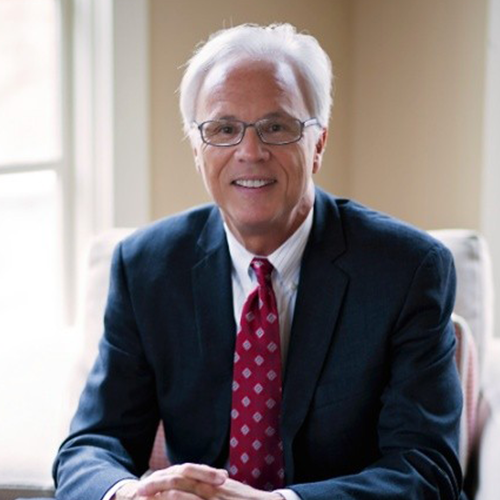
Kevin Eastman is the author of “Why the Best are the Best”, Professional Speaker, Former NBA Assistant Coach & Executive who brings his knowledge and experience in sports to the business world. He speaks on various topics, including championship culture, teamwork, leadership, motivation and individual success.
Over his 40 years in the game, Kevin has coached basketball at all levels, including 13 years in the NBA. He was a top assistant to Doc Rivers with the 2008 NBA World Championship Boston Celtics, and most recently served as an assistant coach and Vice President of Basketball Operations with the Los Angeles Clippers.
Kevin has worked with or coached an impressive group of current and future NBA All- Stars both as a coach and as Nike Basketball’s director of player development for the nation’s elite college and high school players. He continues his work with young elite players through USA Basketball and speaking to Nike audiences.
Kevin was raised in Haddonfield, New Jersey, and attended the University of Richmond, where he earned his bachelor’s and master’s degrees. He was a scholarship student-athlete at Richmond, and in recognition of his unique qualities as a basketball player, the University created the Kevin Eastman Award. The award, which has been awarded just five times in program history, is given to a player who exemplifies the qualities of team leadership, dedication, and outstanding play. He was inducted into the Athletics Hall of Fame at both Haddonfield Memorial High School and the University of Richmond.
Welcome to the Athletics of Business, a podcast about how the traits and behaviors of elite athletes and remarkable business leaders frequently intersect. The real stories and hard lessons to help you level up your leadership and performance. Now your host, Ed Molotour.
Welcome back to another episode of the Athletics of Business podcast. I am your host and CEO of the Molotor Group and Ed Molotor. When I launched the Athletics of Business podcast over a year and a half ago, I wrote down a whole bunch of names of incredible leaders that I would love to have on the podcast as a guest. And one of those names was Kevin Eastman. And I could not be more excited to bring you this incredible conversation that Kevin and I had. A little bit about Kevin before I talk about what we're going to discuss on the podcast. And this is going to be a snapshot into Kevin's career and Kevin's journey and what he's doing now. Because really, if I were to go through everything, it would be a podcast episode in and of itself.
So Kevin has spent 35 plus years studying why the best are the best in the world of sports and specifically his 35 plus years in basketball. So what's Kevin done in the game of basketball? Well, it's been pretty amazing. Okay, he spent 13 years in the NBA, which was after he was a head college coach for 11 years, an assistant college coach for 11 years, and spent four years as a college athletic director. He has been an assistant in two NBA All Star games. He has coached with Doc Rivers in the Boston Celtics in two NBA Finals in 2008 when they won it. And he'll share some incredible stories from inside the locker room and inside the workouts in the minds of all the folks on that team, including incredible stories about Doc Rivers.
And then the second time he was in the NBA Finals was with the Celtics in 2010 and he was a part of the top three NBA regular season winning records with the LA Clippers. And now get this, okay, has worked with and or coached these NBA All Stars. It's quite the list. Chris Paul, LeBron James, Blake Griffin, DeAndre Jordan, Paul Pierce, Kevin Garnett, Kobe Bryant, Kevin Durant, Anthony Davis, LaMarcus Aldridge, Ray Allen, Kyrie Irving, Kevin Love, DeMar DeRozan Jones, John Wall, and DeMarcus Cousins. Now we're going to talk about all sorts of stuff, but again, a couple of the items we're going to talk about the three most important things a leader can have from his or her team. As I mentioned, Kevin will share stories from inside the Celtics locker room in 2008.
And he tells a couple stories of Doc Rivers that just gives you so much insight into what makes Doc such a great leader. He'll talk about how you may be invisible to the public, but yet invaluable to your team. And he'll discuss something that I think is so important. It's the difference between the best versus my best. And a very interesting twist on that. He talks about how you have to be at your best as a teammate. Right? You have to be at your best so that I can be at my best. And he also flips that around, and there's some great examples, great stories of that. And again, he'll go into stories about KG and Ray Allen and LeBron and just all the teams he was a part of.
I'm going to tell you, this is something that you'll listen to more than once. It's a little bit longer of a podcast. There is so much content, so much value. As I mentioned before, we all love listening to podcasts. When we're driving, when we're traveling. This is something that you want to pull your chair up in your office and take out a pen and paper and take notes. Okay? So, folks, sit back and enjoy my conversation with Kevin Eastman. Kevin, welcome. And thank you so much for joining us on the Athletics of Business podcast. I am humbled, honored, and really fired up to have you with us.
Well, thanks, Ed. I think the uniqueness of what you do is that you combine both athletics and the corporate world, the business world. And as we've all known for ages, there are so many carryovers. But we say that a lot, but we don't talk about it as much. So I'm glad I had the opportunity today to share some things with you, and vice versa.
Well, thank you. And you're absolutely right. We don't talk about enough. And not only that, we don't execute it on enough. So let's just jump right into it. Can you share with our listeners your journey? Take us back, you know, all the way back to your childhood, your playing days, and how that had an impact and influence you and led you to where you are today?
Well, I do get asked this sometimes, and I usually start opposite of the way the question is posed. So currently, where I am today is, and I like to think of it this way, at least I have my priorities, finally, right? Sometimes in coaching, we mix our priorities up.
We do.
But I am a husband to Wendy and a father to Jake, first of all, and that's my top priority now. Every day I wake up I'm not as good as probably many of your listeners are because I still have the old tunnel visioned coach mindset. But I'm growing out of it and that's what I want to keep on doing with my life is to keep on growing, developing and improving. So that's first off. Second thing, I think I am because someone has blessed me with some tremendous experiences. I want to be a sharer and a contributor to other people's success.
I've had the good fortune of having some of my own and in my particular craft coaching basketball, I was able to get to the highest level, the NBA and also win at the highest level, winning A championship, an NBA title in 2008 with the Celtics. So that's where I am today. How did I get there? And I think I started with first off having a little bit of a rough background. I don't want this to be a dark and negative part of our discussion today. But you know, I had a major curveball thrown at me that I didn't even know. I didn't even know I was that back when I was 5 years old and that was my mother committed suicide. She did it in a very difficult way. She jumped out of a hospital window a number of floors up.
So obviously there were some demons that she was dealing with. And to this day, because it was so such a probably a traumatic experience to my dad and my older brothers, no one really talks about it. I had to actually try and find out more about it as I got older. So that's kind of a difficult part of where I started. But maybe it allowed me to learn how to compartmentalize and to move on from something no matter how bad that particular situation is to us in our own individual lives. Because I hope that doesn't happen to people. But we're going to have experiences where it really hits us hard. But we can't stop because the one thing that doesn't stop is life. So we have to keep on moving.
With that being said, I grew up for the most part in my early years in a single parent home. My dad worked hard worker commercial real estate. So oftentimes were home until 6, 7 o' clock at night on our own. So we had to figure out how to do things. I had two brothers at that time. Well you fast forward that. And my dad remarried. So we became a yours, mine and ours. A Brady Bunch for those of us who are older. So my stepmom brought six in, we had three coming in and the hours was the one who's the youngest. And so that's. Now all of a sudden we have three individuals not knowing where to go. And now we have a team. We actually had six boys, three girls. So we could actually field a basketball team out in the backyard.
So were ready to take on anybody in the neighborhood. We'd even let you combine neighborhoods if you wanted to, because we had some height at that point. Anyway, because of that many boys, you're out and playing sports quite a bit. And the sport I kind of took to for some reason was basketball, because you could play it alone. And I was somewhat of a loner. I was kind of a young, introverted, shy kind of guy. Growing up, doubted myself, wasn't sure if I was good enough, wasn't sure if I worked hard enough. So that probably gave me my impetus, my motivation, my deep drive to try and become successful in whatever I took on. And because of the hours put in and the single mindedness of my drive, I had a good high school career.
Was able to get a scholarship to the University of Richmond in basketball. Played there for four years. It was the first year freshmen could play on the varsity. So I had an opportunity to do that. That led to a year professionally called the All American Basketball association, which took the place of the aba. So I had a little taste of a higher level of competition. But just like many of those leagues, they're fledgling and it disbanded. And finally the game told me I wasn't good enough. So I still loved the game. And during my years in college, I would always work camp, so I was always teaching the game. What I saw about teaching is you can help someone else get to where they want to go if you do a good enough job.
So that must have somehow stuck deep inside me because that led me to the track I'm on today, which is trying to help people get to where they want to go. So played college basketball, played professionally for not even a calendar year. I like to say a full year. But then, you know, I think, well, God probably heard that, so I better change that almost a calendar year. And then got into coaching and was 35 years in coaching. I think it was 20. Well, a bunch has an assistant, 11 years as a head coach in college. And then 11 or 12 years. I'd have to ask my wife Wendy, how many in the NBA? Yeah, so that was kind of my really fast path on my life that I've taken and been so fortunate.
It's an amazing path. And I have here, with what you sent me, 13 years in the NBA, which is absolutely Amazing. And I have a list of the NBA All Stars and Olympians and folks you coach. And it's just amazing to me. You've been at the highest level, okay. And you've won the championship, and you continue to be so intentional about learning and growing so that you can impact people. Can you talk into about what you learned? Actually, let me back that up. Where did that come from? Where? Was there a mentor in your life that you picked that habit from? Was there someone who modeled that type of behavior and that trait that you're like, you know what? That makes sense. That's how I'm gonna. I mean, was it in college? Was it in high school? Where did that come from?
I think it more came from the circumstances. When I was young, I had to do things for myself. I had to figure things out. And when you're trying to figure things out, that automatically puts you in learning mode. And when you're in learning mode, even if you don't do it on purpose, you grow. And if you grow, you're developing. So that kind of is how it works. And I've always enjoyed this concept of teaching probably even more than coaching, but teaching people something they want to become better at and maybe even something they love that they can keep doing. So I did that all through my years in camps. I know camps helped me when I was coming up, so maybe that was a little bit of it. And then the first taste of an adult other than my father.
And he wasn't a big talker, therefore we didn't have a lot of conversation. He was more an encourager. And you can do this. You can be good at this type of guy. But he was working so hard, so I learned from him through observation. So I don't know that I physically was in the same room as many of my mentors, but that's the thing, especially in today's world. These kids, the young people today, they can learn from almost anyone in the world, because probably those people are on YouTube. You can Google them and read about them. So shame on us if we can't find the answers and we can't get into the heads of the people that we'd love to meet but may never have the opportunity to meet. We can still find out about them and learn from them.
So I think that was part of it. And then the first coach I worked for was a guy by the name of Lou Goetz. He was at Duke under Bill Foster the year they started to turn that program around a little bit. And Lou came to University of Richmond where I played. And he asked me if I wanted to be a graduate assistant. And I saw from him that you can be a first class guy. You could be extremely organized, you can really communicate well with people. And it worked for him. So probably I learned a little bit about some things from Lou. But it also was these mentors that I've never met that I'm still introducing myself today. And the one thing I would say to the listeners is, you never know. You never know what's next.
So I end up writing the book, which I'm sure we'll talk about, but you never know who's going to read the book. And these people I've been reading about, the Nick Sabins, the Dabo Sweeneys, the Sean McVeighs who was in the super bowl last year, I knew I would never be in the same room with them. It just doesn't work that way. And I'm not one that tries to prostitute myself. And, you know, I just want things to evolve rather than force myself on people. But lo and behold, I'm standing next to them and sitting in their offices because they read the book. So you never know where this thing's going to take you. But because I had that curiosity gene. And the other word you mentioned was intentional. When were starting this particular question, we'll say this about intentional.
It deals directly with your purpose, what you feel your purpose is. And I know that word's overused now, but you have to dig a little bit deeper as to what that means to you. And for me, it's pretty simple. What I'm supposed to do, what I have a chance to be pretty good at, and what can help someone else. That's how I define a purpose. Where intentional comes in is my definition of intentional. What you do on purpose to fulfill your purpose. So what do you do every day? And I saw that Lou Getzes of the world do it. I saw my dad and his communication. I saw my virtual mentors do these things. So I put them into what I do. So that's kind of how I probably came about this life philosophy.
Well, in the book, and I love the book, it's why the best are the best. And we're going to really talk about it. But since we're talking about intentional, you talk about. One of the challenges today is the confusion wrapped around intentions versus intentional. Can you talk into that a little bit? Yeah.
In its simplest form, and to me, success lies in the simplicity. Confusion lives in the sophistication. So I try and simplify Things as best I can. A lot of people have good intentions. Those are the things that we want to do. Those are the things that we write down in our paper. Those are the things we read. We're going to do these things at some point. And that's the killer. At some point. You know, the best time that I found in the whole day is now an intentional is I figured out the things that I need to do and I'm going to do them. So what is my intentionality? Each day one is to read minimum of two hours. Every day one is to find some alone.
And I don't want to get all religious y and all that, but spiritual time, whether it be a prayer for someone close to me or someone I know who might need one, whatever. Another intentionality for me is to find private think time where I'm away from everything. And I just think. And it's a yellow or white legal pad or Porter's. So if we go back to the Rick Majeris days, it might be a dirty napkin. Right. But you're going to write something down. Yeah. Good book, by the way. So those are some of the things that I'm intentional about right now. I'm intentional every day to try and find something. Well, not every day, every other day. Because if you do it every day, your children are like, hey, get off my back, man.
I had to live in the same house with you for X amount of years. Can you give me a break? But try and find something I could send to my son Jake that maybe he could use in his career. And I know some of them are received. He's like, oh man, I don't need this.
So like you said before, you just never know when that one time is going to be right. When you send. Timing's perfect.
Yeah, that's a great point actually. So now Jake's going to be mad because you said that. Because I'm going to keep doing it.
That's all right. That's good. And you know, this is a great segue actually in terms of the next thing I wanted to talk about. We talked about Rick Majeris and I was blessed to grow up around the Rick Majeris and the Pat Sullivan's and the Bill Gleason, my dad and that whole, you know, circle of guys and preparation was so key. And as you talk about words, I have phrases that stick with me. And you said something in your book and I'd love for you to share the story about Ray Allen where the brilliance was in his preparation that to Me, I mean, like, just thinking about that gives me goosebumps. I don't know why it is, but just to me, how intentional he was about his preparation.
Yeah. Well, what you find is when you really study why some of the best become the best. And by the way, for your listeners, there's two bests. There's the best, which not all of us can get to. And as leaders, we shouldn't put that on everyone. I don't think that we lead because that can be a daunting task for people. So there's the best and there's my best. And what you find out in the NBA is that, you know, everyone thinks it's a league of superstars, and really it's not. It's an over preponderance of role players. They found out how to be their best at the role that they've been given. When we go to Ray Allen and talk about this word preparation, my definition of preparation is be there before you get there.
You know, if I'm going to give a corporate talk, I want to go into the room, and this is stupid, I know, but in particular, I want to see A, is there a podium? B, where are the wires on the stage? There's nothing worse than a speaker going down. No. Because what do you do when you stand up? You've lost all credibility. I think the only thing you can do is say thanks and walk out.
So version of dropping the mic right there.
Yeah, yeah. And maybe it was put up there on purpose and they wanted me to trip so I would leave because the talk was so bad. But that's just a little simple little thing about preparation. I wanted to see how. How far does my vision have to go from side to side so that I can visually include everybody in the audience. Is it a wide room? Is it a narrow room? Can I actually get off the stage and walk down an aisle? So those types of things. Well, when you ask me about Ray specifically, some of your listeners will remember the shot that Ray made in the San Antonio series. LeBron took the three, missed it. Chris Bosh got the rebound. Ray had the presence of mind to know they were down. He speed backpedaled to behind the three in the right corner.
Did not look down because he had already been there before. So Chris throws him the pass. He shoots it, makes it so people know in Boston that I worked out with Ray all the time. Myself and Mike Longobarti were the two coaches who were always there when Ray wanted to shoot. No matter what time of day, as soon as that shot went in, I was now with the Clippers, or I wasn't coaching Ray anymore. I still might have been with the Celtics.
I can't remember.
But some of my friends texted me, oh, man, he always makes those shots. He's. He's always so lucky to be there. And I remember texting back, no, that's not luck at all. Ray actually did a drill where he started in the middle of the lane, and were at the top of the key, and we would smack the ball, and he would speed pedal, he would backpedal to some point behind the three. We were throwing the ball, he'd shoot it, he'd run back into the lane, we'd smack it again, he'd speed, backpedal to somewhere else, we'd throw him the ball. You see, Ray had been there thousands of times before that shot took place in the game. That's preparation, right? Be there before you get there. He had already been there.
And anyone listening, whatever it is that you're about to do, if it's something that might even be a little daunting, might add a little pressure to you. What I always say is, preparation trumps pressure. If you're prepared, you have the opportunity to go in there feeling the best that you can to that point in your life or that day. So for me, and I also think back to what Russell Wilson said. Russell's from where I live now, from Richmond, Virginia, Played at Collegiate High School here. He talked about him being smaller than most quarterbacks and maybe not quite as fast. So for him, preparation became his separation. That's how he felt. He got better. And you can read stories about Russell. You can read stories about. I mean, you know, that's why it's one of the words.
Every successful athlete that I know, every successful manager, VP, or even CEO that I know, preparation is a huge part of what they do.
And you just said something. You know, preparation is your separation. And there's another line in the book, when we go back to talking about producing in the present, but in role players, and it's a league of role players, to the public, you may be invisible, but to your team, you're invaluable. I love that. Can you talk into that a little bit of how that applies in the business world?
Yeah. Well, let's take a salesperson. And when I talk to sales teams, I often talk about. Well, first of all, I talk about this preparation thing. You know, if you were to ask the best players, the all stars in the NBA, if there was one thing you could relay to everybody who's in a sales job, what would it be? They would probably tell you, well, I work on my shot every day. It's the single most important thing that I do. So why aren't you working on your sales presentation every day? We actually play more often because we play sometimes four times in a week. A salesperson may not give a sales pitch four times in a week. Right. Maybe they're doing some work, preparation, whatever. So that would be number one. Number two would be okay.
If you're the salesperson and we said no one else works with you, no one else does anything for you. Therefore, you have to make the product, you have to ship the product to the distributor, you have to pack the product, you have to then find out the address of where it needs to go. You have to track the product so you know it gets there. You have to receive all the calls when something is wrong with the product. As you can see what I'm getting at, there's a lot of people that are invisible to the customer behind the scenes, the end user, but they're invaluable. Even in the old days that administrative assistant and some. A lot of head coaches still have that. You know, I could argue that Doc Rivers, administrative assistant, knows more about Doc's life than Doc does.
I believe it. Yeah.
Yeah. I believe that he's the one who puts his feet in his own shoes and she knows more than he does about.
Well, let's talk about the books. I want. I would love for you to share this story that you told me last week when we first connected, about how you started writing, where the book came from, how many words you began with, how you whittle it down and what the book represents and how powerful it is.
Well, I hope it's powerful. You know, that's for the reader, as they digest it, to determine for themselves my intent. As I told you, and I word it differently, depending on. But. But in essence, it's this. My goal was not for them to say, wow, that is maybe the most well written prose I have ever read. The intelligence level of this writer is off the charts. We talk about Einstein and da Vinci. We should be talking about Eastman in that. No, I didn't want that. I wanted to simplify it such that when the reader was done, instead of saying, wow, Kevin was such a good writer, he's so intelligent, they would actually say, this man, he was able to simplify those concepts so well that I can actually put them into my life right now, today, and start acting on them.
So that was my overriding goal. Now how did I get the actual book out? Well, through a lot of invisible people, quite frankly. As I read all through my coaching career and I read so much, I watched YouTube, I had discussions, I had debates, I did, you know, all this learning, I started to figure out, you know, everyone who seems to be successful, there's certain words that always pop up in the conversation. So I went back because when I read I highlighted everything, right, that's important to me. So I went back and really started to study my files and I thought, there's that word, there's that word again. Well, I originally came up with 92 or 93 words. A couple things popped in my head. Number one, some of these words are similar, so I can combine them.
Maybe I'll use preparation, but I might use two other words in the chapter on preparation. So I include it, but I whittle it down to 25. That what I thought were the most powerful words that people who were successful. And here's the difference. If people even kind of skim through the book at a store, say, they'll say, oh yeah, that word. Oh yeah. Truth, oh yeah. Preparation, oh yeah. Accountability, oh yeah. Discipline, oh yeah. Commitment. I know those words I've heard in my entire life. My coaches when I was young told me that. My manager now tells me that. But here's the difference. Everyone in this country has these words in their vocabulary, but the best of the best is they live these words every day. So it's that commitment to live these words every single day.
So as I got these words whittled down, that's when I started to just sit down. And at the time after I left the NBA, I was doing some consulting work for the Clippers. And part of that consultation is I would meet with them one week per month either in la. So I could see practices, I could see games, I could see the actual guys faces, body language, et cetera. Because my job was to provide ideas, observations, things I think they should do, etc. But I wasn't there. Every day I might say to him, hey doc, you got to play Blake Griffin more, especially in the fourth quarter. Well, maybe Blake and him had major blow ups and they hated each other for a week. That happens in the NBA. Well, I didn't see all that.
So that's why it's always good to have that outside eye. So one week I think it was like New York, Washington, Charlotte, that type of trip. So I live on The east coast now, so. So that was an easy one for me to spend a week. Well, I sat down intentionally and just opened my computer and started typing away. And in that 10 day road trip, I probably got 95 plus percent of the manuscript written. Because that thing about writer's flow, I guess I got it now. Some of it's good writer's flow.
Yeah.
Some of it is Kevin Eastman's writer's flow, which just spurts out.
You know how many authors out there just cringe when they heard you say that? That you got 95% of that done?
Well, they're real writers. Well, no, here's the deal. Some of them didn't have the experience I had in this respect. I head wrote the book for 35 years. These words and these concepts were constantly in my head. And I probably talked about them a lot in my clinics and my corporate and sports team speaking. I didn't do as much of it when I was a coach because you don't have any time as a coach. So that's how it all evolved. And then when you get into the publisher and the editor, they're the ones who can really kind of figure out the order that things should be placed. Part of my problem is I don't remember some good stories. So my editor, they had this concept called talk your book.
And what you do is you just get on the phone with the editor and they start asking you, like, dumb questions.
Right.
That lead to smart answers. Like, he reminded me of a couple stories that I wouldn't have remembered had he not asked me this stupid question.
It's pretty amazing when it happens, isn't it?
Yeah. Yeah. So anyone who's writing a book, I would first tell people, like, if I write another one, I'm going to talk to some people and just start telling them. I don't know exactly how I'm going to do it.
I have to tell you, okay, this is an unbelievable book. All right. And I'm a tough critic of books. I've read Kindle, I've read the Hard Copy, and I've listened to it. And what I really love when you talk about simplifying is the layout of the book. So you go from the words to the groups of three. Can you talk about that? And then when you wrap it up with Legacy, and we're going to get to Legacy, I think that's so significant. But can you talk about the layout of the book and what your thought process was behind that?
Yeah, well, I wanted to start it out with where it really started because Doc is such a wordsmith. Doc Rivers, the head coach of the Celtics, I remember him in our first team meeting in 2007, he got the team and were around, you know, a U shaped locker room and he said, guys, I think we have enough in this locker room to win the title this year. And boy, you talk about guys snapping up. First of all, he basically told them, I believe in you. And those are the four most important words a leader can say to those that they lead. Now, the other end of that is you have to earn that belief for the coach or leader to be able to say that to you.
But in that instance, he had the three most important things a leader a parent could get from those they parent or lead. And that's the ears, the minds and the hearts of our team. He had them. So it starts out with the team meeting, then it goes into the words. Well, at that point, honestly, I felt this book's too thin. No one's going to pick it up. So what else can I add that can maybe complement? So then I started to, okay, there's this thing I call the Champions Compass. So that became the next part of the book because that entails four words. And then again it got to the triangles because it was a nice progression in my mind to be able to take some of these words. Okay, now how do you use them?
Like, how do you put them into some of the concepts and philosophies with which you live and you've observed the best live on a daily basis. So that's where I got into the triangles and then the lists and the lists no one ever really talks about. But for me, they're really important. I carry them around with me each and every day. How often do you think you're in point? A couple times a week I'm on a plane. To me, a plane is a classroom. DMV is the lecture hall. Because you know you're going to wait. Yeah, right. And when you get up there, you're going to. The lady's going to tell you or the man's going to tell you. Oh, you have to bring this in too. So come back tomorrow. So you have two lectures, right, in that week.
Right.
So from that standpoint, that's why I carried the lists around. And then it got into legacy to tie it all in together. What you leave when you leave.
Can we go back to Doc Rivers? Because you said something in the book that really resonated. It was a statement that makes a statement. And one of the things I Work with my corporate clients. A lot on is getting the buy in, getting that emotional attachment from, you know, this generation of workforce. And we don't need to get into all that because we know that there's, you know, there's five generations in the workforce now. But we really focus on Gen Z, the millennials. And we know that they, you know, they want to feel valued, that their work is important and they want to be coached. Right. They want someone to come alongside them and take the journey. But I would argue that I believe those three things are multi generational. We're just finally really having conversations about it. How was Doc? How were you?
How are the best coaches, the best leaders in the NBA at the highest level, the real pros, if you will, how are they able to get that emotional attachment? And I'd like to take this conversation and get that bind and lead to that word I love. How do you say the word ubuntu?
Ubuntu.
Yeah, that's a great word. So how did Doc do that though? How did he get that emotional attachment from his guys?
Well, all of us as leaders, all of us as coaches, we have to get a piece of the mind of the people we lead. If we're not in their minds, we can't lead them to where we need them to go for us to be successful. We call that mind space M I n d Mindspace. And we believe the best way to get a piece of their mind is to go through the heart that we call that heart space. So what is the heart all about? The heart is all about relationship building. Look, everybody wants, you use the word buy in, everybody wants to get buy in. But before, and I've been saying this for 30 years to coaches and now I'm doing it in the corporate world. But in order to get buy in, you must first get believe in.
I'm not going to buy into anybody I don't believe. In order to get believe in, you must develop trust, right? I'm not going to believe in anybody and certainly not buy in anybody if I can't trust them. And the only way you can develop trust is through what I think is the most powerful word. That's truth, right? So that's the way you get buy in. But there's a human element to it and that's the relationship part. If you have some basketball fans there, they have probably seen in the past Gregg Popovich getting on Timmy Duncan extremely hard, using words that maybe aren't said in church on Sunday, right? And at the end of it Timmy will turn to Pop and he'll go, you're right. But the way he delivered it was almost with.
People would say it was with venom because the words he used. No, it was with love. He just used some other words in his delivery. But what I'm getting at is this. They had such a strong relationship. Tim knew that everything Pop told him was to make Tim better. We have this term called start before you start. And what that means simply is no matter who you're leading before you're going to ask them to do things, get to know them first. Start before you actually start the real job. And you could argue the real job is getting to know the person. Like, I don't know how your listeners are, but I hate to follow directions of people. I hate. To me, it's such an easy thing in leadership.
Now, the CEO, he can't reach all 2,000 people, but he can reach the next level down to him. They'll know what to deliver to the next level down. Like with Doc, he doesn't reach everybody that's involved with the Clippers. I might because he has me doing a whole bunch of different things. But I know exactly what Doc believes in, what he wants done, what he cares about, what his values are. So I can relay those, right? So we think this, the ability to be able to make. To have difficult conversations. You know, as I say in the book, and you mentioned make a statement that made a statement. He made statement that, hey, guys, we have enough talent in this room. 15 guys, we're in the title.
But the statement he really made was, look, I don't know about anybody else out there, but I believe in you guys. I believe in every one of you guys. I believe in the role you have, and I believe you're going to execute it. And I believe when you're down, someone else is going to pick you up. I believe in you. That's the real statement, right? The real statement he made. And. But, you know, along the way, you know, we can win this thing if we do it the right way. Right? So those are just some thoughts that come to mind when you ask that.
Well, and you talk about truth, you talk about trust, okay? And you talk about the believing to get to the buy in. I. We work a lot with our clients, whether it's executive coaching clients or our consulting clients, about authentic and resilient leadership, okay? And I like to break authenticity down into honesty, integrity and vulnerability. And I think that vulnerability piece is so critical in the relationship building and the trust factor into being genuine and Being real. Can you talk about how critical is when you're a leader, when you're coaching the NBA, to be able to look at your staff and let them know that you have a knowledge gap. Let them know that, you know what? I need your help. I need your input or even to. And I think Steve Kerr is amazing at this.
Look at your players, you know, look at your players. Say, guys, what do you think? How critical is vulnerability to building those relationships, to develop that trust?
Well, I have this concept I call leadership Velcro. If you really want people to stick to you and to follow you, if you have these three things, they are leadership separators. One is what you mentioned, vulnerability. The second thing I believe to get people to stick to you and to follow you is humility. And the third is empathy. And I guess a fourth a lot of people don't talk about, but I believe is really important is likability. And people I know, they say, well, they trust me and respect me. I don't care if they like me. But like is the easiest thing. Now, they may not like you every day. Hey, I don't like my son every day. And I know darn sure he don't like me every day, but over a year he loves me, right? But we're going to.
We're going to have spats. A player and a coach going to have a spat. Probably a salesperson and a manager going to have a spat. And that day, you know, Doc used to say sometimes when we're playing crappy in a game, hey, guys, you know I love you. I just don't love you today the way we're playing, or, you know, I love you guys, but I don't like what you're doing right now. So if we can have humility, vulnerability, likability and empathy, then we're good to go. Now, does it happen in the NBA? Yeah, I can tell you. In the Finals against the Lakers, we had some timeouts where were thinking A or B, maybe even option C. Went into the huddle and Doc said, what do you guys want to run right now in a Finals?
Well, first off, that all started before it started. We built the relationships. We knew we could trust them, right? And then it just kept on going all the way to that point. At the end, when it was crunch time, the moments of truth, we asked our players. I don't think were being vulnerable. I think were being smart. What do you guys want to run? Because just like, you know, everybody's heard it, now they have ownership in it, and they're going to try their darndest to. They may not make the shot, but they're going to run the play to the best of their ability. And humility, really, to us, is simply that I don't know it all, but I'm hoping that we've hired properly, that the answer is in this building.
That's one of the first things I said when I became vice president of the organization of the basketball operations. I told our group of about 45 people, hey, look, I never done this before. I've observed it a lot. I've lived it a lot, but I've never sat in that chair. So I'm telling you right now, this is the first meeting. I don't have all the answers. But you know what? I've been here, and I really believe the answer will be in this building. I just got to know which person to ask, or you got to be man or woman enough to step up and come to me and say, I think this is what we should do. Kevin. So is that humility is a vulnerability?
No, there's not. There's no question. And the thing about that is that gives them ownership, too, right? Of all decisions. It gives everybody ownership of what, you know, what the mission is, what the singleness of purpose is, you know? Can you share a story? Just remind me a story when we talk about why the best are the best. I want to get back to Steve Curtis, but can you share the LeBron James story when you first met LeBron and worked him out for USA Basketball? I believe it was.
Yeah. Well, actually, it was for Nike when they were coming out of high school in 2003, I got a call from Nike saying, hey, could you come and work out two players we're trying to pitch to wear our shoe? Well, I wanted to find out a little bit more about who it was, so I know if I even want to do it. They said, yes, it's Carmelo and LeBron and what we want to do, because we believe in the totality of the player while they're here, we don't want them to be in meetings for four straight days. We also want them to get a quality workout. So I flew out. There was a point at which, in the LeBron workout, I kind of stopped and I said, hey, look, you know, we got to pick this pace up right now.
We're not working out at a NBA pace, and if that's where you want to go. And I know because I've read about some of the goals you have in this game, if you want to get to where you want to go, you know, we got a decision to make. We can either stay at this current pace and that shot that you have right now, which is a high school shot. It's not a pro shot, LeBron. It's a high school shot. That won't cut it in terms of getting you where you want to go. So, you know, maybe throughout the workout, I don't know, I said some words I shouldn't have said and got on them a little bit and pushed them. And so after the workout, I think this is the story you're after. After the workout, we're walking off the court.
We go much longer than Nike wanted us to. They were going to have to stop us because LeBron got into a rhythm. We were both sweating our tails off.
We were working.
He was getting better. So we walk off. And I said, I didn't mean to get on you that hard. I just wanted you to know that there's different levels when you go to a different level. So he said, coach, you know what? The only thing I was worried about is, can I get around people who could make me better? That's all I want to do, is to get better. Then it dawned on me, and the more I was in the NBA, the same thing happened. I didn't ever heard Kevin Garnett or Paul Pierce or Chris Paul. They hardly ever use the word best. They used the word better a bunch. So it dawned on me that the equation to become your best is simple to state, tough to do. And the equation is better plus better plus better.
And however many days of better you need to become your best, that's how many you have to put in. But, you know, sometimes people will say or do something, and it's such a profound lesson, like, here's one of the best to ever play the game now. And at the time, he was. He wasn't the best yet. Right. He just wanted to get better. So that's why I say if the best did these things to get to the best, it wasn't all just pure talent, because there's a lot of players with talent in the NBA. There are, and there's a lot of.
Players with talent not in the NBA, too.
Yeah. And there's a lot of people with talent working for companies, but they're not. Right. They're not progressing.
So great segue, because I want to talk a little bit about the team this gap, okay, in your three gaps, but the team this gap, and, you know, you talk about embracing Roles. We all know what your value truly is to a team is your role in the NBA. You have these guys that are pulled in every single direction by all sorts of negative influences or potential negative influences. Some are attracted to the money, some are attracted to the fast lifestyle. Some are attracted. But it keeps going back to these guys that are role players and these guys that want to get better. They want to get better. They want to get better. How do you. We've talked about buying, we talked about believing, but how do you get that to be sustainable?
Because everyone has their different metrics, everyone has their different numbers that they have to hit. But that whole team concept of, I need you to be at your best, so I can be at my best.
Yeah, that's in Butu, which is. That was our rallying cry when we won the title in 2008, I believe it was. Doc Rivers was on the board of trustees of Marquette University, which is where he attended school. During his time in some of the meetings, an African American woman pulled Doc aside and started talking to him about this concept of Ubuntu. He's like, what is that? And then she explained it to him, and he thought. And this was about three weeks before our season started, because Doc was going to search until he found something. He's big in message sending at the beginning of the year, right? So Ubuntu just resonated with him. Umbutu became such an important word for us. He actually had a couple of our guys do book reports like an NBA player.
Had to go home that night and research it and come back and tell the team why it's important for our team and what it means. So Ubuntu became our rallying cry, our mantra. You know, a lot of times your listeners, they'll see in a sporting event, especially basketball, the timeout huddle breaks. Everybody puts their hands in together, and they usually say things like, 1, 2, 3, team, or 1, 2, 3, hustle. Well, Kevin Garnett wanted to change it to Ubuntu. So we said that word every day, right? And the reason it became so powerful is it's the. We thought the single best example of what a team is all about. Ubuntu has two basic pillars, two basic tenets. Pillar number one is people are people because of other people. In other words, let's just stick with basketball, since that was my world, right?
So maybe that last year in Cleveland or whatever, you know, maybe the people around LeBron. Well, let's even take his first year with the Lakers. The people around Lebron they weren't the people he needed in order to win a championship. And if we today told LeBron, Hey, LeBron, we're going to have a million dollars, whoever wins this game gets a million dollars. It's going to be you and you alone against five players from Milwaukee High School. LeBron, who would win? He'd probably say they would. People would be aghast at that. No, he wouldn't. He'd say he'd kill him. No, no, no. He would tell you, I can't guard five guys. If you're a three point shooter, I have to at least run out and try and contest the shot.
Then he's going to dump it down to the guy who's right in front of the basket. He's going to lay it in. I can't guard five guys. And then I know what your listeners will say, okay? Now the game starts. Once you guys score, LeBron takes that ball out of bounds, he throws it in and he goes down and dunks on all five of you. He even dunks on your coach and your assistant coaches and maybe even your water, your managers, right? That's how powerful the dunk is going to be. No, no, let's wait a minute now. Let's think about this. We score, LeBron takes the ball out of bounds, he throws it in, he goes and gets it because he's the only one on the team. That's a violation. It's our ball, right? So my point is this.
Even LeBron would tell you he's going to better when he has better people around him. So people are people because of other people. The second tenant is the most powerful one. I can only be all I can be if you are all you can be I can only be all I can be if you are all you can be let's keep it in the world of basketball. Two really good players we had in Boston that started for us. Rajon Rondo at the point, he was a great passer. He wanted to lead the league in assists. Ray Allen, great shooter, he wanted to actually break Reggie Miller's record of three point shots.
Right?
So in order for Ray to be the best he could be, Rondo had to deliver the pass exactly where Ray wanted it. Not down by his ankles, not down by his knees, not above his head, because that's going to take an extra second to get it off. And an extra second in the NBA is a contested shot, not an open shot. Right? Well, in order for Rondo to lead the league and assist, Ray had to make the shot. So Rondo needed Ray to be all he could be and make the shot. So people are people because of other people. And I can only be all I can be if you are all you can be. And that second tenet, here's why it's the most powerful. What I found in all my, you know, I've been speaking to about 50 plus engagements a year.
And what I found out in the corporate world is this. The best cultures having boot to. They just don't know it. The best cultures are jealous free. That's what the second tenet says. I can only be all I can be. If you are all you can be, I have to relish in your accomplishments. If you get salesperson of the year, then I'm going to say, you know what? She deserved it. Even though I wanted it, she deserved it. Because if I keep working at the level I'm working, what I believe is this. If you get with the right company and the right leaders see the invisible, the best leaders and hear the inaudible, they see the people who are really doing their job. Right. Like the equipment manager. Can you imagine if Kobe Bryant had to wash the uniforms of the Lakers?
They'd turn out pink.
Right.
He'd have colors in with whites. But that's what the equipment guy does. We need them. Right. And if he gets recognized as employee of the year and the vice president doesn't, so what? So that's the Ubuntu part of it.
Well, and I love you talk about the jealous free culture. And I want to go back to KJ. So I was blessed. I was coaching Division 2 basketball here in Chicago when Kevin was a senior at Farragut, which I'm still trying to figure out why they put him at point guard in the semifinal game and lost. But anyways, I digress. But I love watching him play because he played so hard. He played with such passion and such joy. But there's a story you share by your time in Boston, when I'm going back to the jealous free culture in terms of the starting lineup and who he deferred to. Can you talk about that a little bit?
Yeah, well, you know, when we traded for Kevin. Well, first off, let me start. Paul Pierce had been there for whatever, nine, 10, 11 years, and he went through some good and some bad, right? Yeah. So he had endure a lot during his nine or 10 years with the Celtics, whatever it was, prior to Kevin Garnett, Ray Allen in particular, joining our team. So like any marketing person and anyone in the business side of the organization, they don't really know what takes place in a locker room. And that's important because sometimes business can make a decision and it impacts your locker room. Even something as silly as, okay, well, we're going to put a whole bunch of pennants around the city of Los Angeles and we're just going to have these three guys on them.
Yet Doc came out publicly and said, we don't have a big three here. We've got a powerful four because JJ Redick was in it, right along with Chris, Paul, DeAndre Jordan and Blake Griffin. JJ Redick was really important. So now JJ's JJ probably doesn't care, but maybe the mom does, his wife does, his best friend does, and he's feeding all this stuff into JJ's hand, his agent does. Right, because that may cost us, so it can affect the locker room. So anyway, marketing in Boston wanted to call it Kevin's team. And he said, no. Even some magazines, some high profile magazines wanted to just have a, an article on Kevin and what he's going to bring to the Celtics. And he said, no, I'm not going to do it. Kev, your picture's going to be on the front of the magazine.
Sports Illustrated, ESPN magazine, maybe Newsweek, right? You don't want your name?
No.
He says, the only reason, the only way I'll do it is if Ray's on my right and Paul's on my left, then I'll do the article. So you got to put us all three on the front cover and you got to talk to all three of us, then I'll do it. And they were saying, no, come on, Kevin, the magazines just want you. So Doc talked to him and Kevin finally said, yeah, okay, look, here's what I'll do. Instead of doing the magazine and demanding that Paul be on my right and Ray be on my left, I'll do it. And you can even put Ray on the left and Paul on the right. I'll give you that concession, but I'm not doing it otherwise. So that's story number one. Story number two.
In the NBA, usually your best player, your franchise player gets introduced last. That's just the way it is. It's kind of a right of respect in the NBA. Well, they wanted to introduce Kevin last. And Kevin being Kevin, Nope, I ain't doing it. Kev, you got to do it. Everyone's hyped about you being here. You're the face of the franchise. Kev said, no, I'm part of the franchise. Paul's the face of the franchise. He's been here, he's gone through good, he's got through really bad stuff. He deserves to go last so you guys can do it. But if I'm last, I'm not running out. I'm staying on the bench, and no one's going to run out when they say Kevin Garnett. So they gave in and they put Paul last. As silly as it is, not a lot of athletes would do that.
Kevin had a chance to do it, get a rebounding record, but he was taken out of the game. We didn't know it. Doc didn't know it. I didn't know it. So our sports, you know, in college, they're called sports information directors. He came up and tapped me on the back during the game and said, kevin's a rebound away from breaking a record here in Boston. So he said, can you ask Doc? So I said, doc, Kev's one record.
One.
About three minutes left to play.
A good amount of time. Really?
Yeah, yeah. And were winning it. He was going to get a rebound in like four seconds. We were going to manufacture it like, okay, now, Ray, we're going to get you the ball. We want you to miss it. Wide right. We would even draw a play up to actually miss it, but. So Doc said, well, ask Kevin what he wants to do. So we asked Kevin. He says, nah, the rookie needs those minutes. Don't worry about it. Let him play. Who's going to do that?
No one.
He had a chance to be in the record books, but he thought it was more important that rookie get minutes and for him to get the record. That's Ubuntu, man.
That's big time. I mean, that's. That's an outlier. You don't see that every day. And it speaks volumes about who he is. Right?
Yeah. And that gets all back to this thing about. You were talking about in this world where there's some selfishness going on, teams are started before they're started.
And he just reminded me of something that I really want touch on as we're starting to wind down here, the difficult conversation. Okay. Because you talk about the toxic culture in LA with the Clippers, and there had to be just a boatload of. Of difficult conversations. Can you talk about the art of. I don't want to say managing those, but of just executing those and turning them into a positive?
Yeah, Well, I don't know that it turns into a positive as much as. As a leader, we have to put our people into the best position possible in every position they're in. Like, for me, they're not just difficult conversations. Some of these are courageous because I got to have the courage to kind of go in there that day and, like, fire somebody, because that's not me. Sometimes you have to do that as a leader. So when I became vice president, I thought, okay, I've got to have a strategy for this, at least a little bit of an idea of the framework, the guidelines with which I am going to have these difficult conversations. So I came up with the following.
And I'm not saying this is what everyone should do, but it worked for me because I put tremendous thought as to how do I want to deliver these messages. And there were four parts to it. Number one was it was going to be direct. It was not going to beat around the bush, because once we get to the meat of it, they don't want to be there much anymore as you do. Number two, I want to deliver it based on facts and truth, not opinion, because my opinion may be wrong. Number three, I wanted to deliver it with respect and empathy, and people will sometimes bounce back. I'm not going to be empathetic. Look, I said empathetic, not sympathetic. Hey, I'm not going to sympathize with you. You're the one who got you into the spot. You made the choices.
I'm not going to sympathize with you, but I'm going to have some empathy. Because I know what's going to happen is, number one, they probably don't want to hear it. Number two, I started to think this all out before I had to give my first one of these. And I thought, okay, let me get in the shoes of that person. They're going to leave their office, walk down the hall, come into my office. I'm going to ask them to shut the door. So now they know, oh, something's up, Then they're going to sit down, Then I'm maybe going to have to fire them. That's when leadership really starts, I believe. Then they go home. So the last thing that I wanted to add to my equation was if they wanted to, I was going to let them vent.
If people say, I don't want to hear all that crap, I'm going to hear some maybe cuss words. Yeah, you are. But if it gets too drastic, you got to cut it off. I mean, use common sense. But if they want to really maybe even raise their voice, I would rather them to take 80% of their venom out on me in that office and save only 20% for their children, their spouse, rather than let them go home and blow off 100% at people who don't even. They weren't even in on it. So someone once told me that, you know, when you have these difficult conversations, remember, it's not about you. You got to go into that with the mindset of it's about them. And I don't want to be a jerk about it. I'm going to be direct.
I'm going to tell them the truth and the facts. There's no question. I am going to deliver it with respect, not f bomb them and demean them. I'm going to be direct, but I'm not going to. I'm not going to be demeaning. So that's how I did it. The only thing I say there is for people to think about. How do you want to have those? Because if you're in a leadership position, you're going to have some during the course of your leadership.
Yeah. And it goes back to being intentional. It goes back to preparation. Right. And it goes back to the relationship, you know, and how do you want them to walk away from it? Now, before I ask you the last question, can you share with our listeners where they can find out more about your website, social media, the book, your keynotes, etc.
Yeah, well, they can go to our website, Kevin Eastman.net that's number one. And on there they can find out about the book. The book is called why the Best Are the Best, and it deals with almost immediate insertable action items that they can take and put into their lives, even the day they read that page. And it just goes into how you can change your mindset to become your best. Then in terms of the speaking, there's a link there. They can go to corporate speaking. And I do anywhere from 50 to 60 talks a year. I've been very fortunate in that I've been able to do that. And people will always introduce me as a motivational speaker. And, you know, I don't really know what that is. I know what I am. I'm a sharer.
I'm going to share lessons and experiences of being around the most elite performers in one of the most competitive industries that there is and be able to break down what they do to be productive in that environment. And really everybody walks into their office. The most competitive field is the one you're in.
Just like the best part of the day is right now. Kevin, if I can say this, because obviously you've worked with Some friends of mine, Porter Moser at Loyola, Bob Starkey down at Texas A and M with the women's program. And what you hear Kevin talking about, his style, his approach, his humility now is exactly how he conveys it. I mean, you have an amazing ability to simplify things, but simplify them in such a way that you said it. They're immediately actionable. You can inject them into your life. You read the book and it's like, it makes such sense.
And when I shared things in the book with clients of mine, you know, some are very high level clients, some are sales managers, what have you, it was really cool to see how they could relate to a Ray Allen and his work ethic and his preparation, how they could relate to Kevin Garnett and how he handled the Big Three in Boston and what that meant. And there's so much to this book. And I don't want to say it's an easy read, it's a fun read, it's a powerful read, and it's one that allows you to keep going back and taking notes. I would actually. I think I need to buy a second hard copy because how much is highlighted and written in the one that I have now? So get the book. Look at Kevin's website. It's absolutely. It's unbelievable, the work he's doing.
Which leads me to this last question. I think this is a perfect way to wrap this up is legacy. Okay. I always believe one of the biggest things you need to do. And I took this from the book named Legacy by James Kerr, about the All Blacks, the New Zealand Rugby Club. I'll leave the jersey in a better place. And I believe that is so important. And when you get intentional and really think about that. And I go back to the first business book I ever read. Begin with the End of mind. Stephen Covey, 7 Habits of Highly Effective people. You know, and then I talk about resume, virtues versus eulogy, virtues. I just think your legacy is so significant and so important. Can you share with us what kind of thought process you have wrapped around your legacy and the significance of that?
Well, I think if you have a little bit of a mindset of a legacy, a lot of people get this wrong. The legacy really isn't about you. The legacy is about the people that you come in contact with over the course of your life that you help get to where they want to go in life, either to fulfill the goals they've had as an adult or even the silly little dreams that they had as a kid. What I think of legacy is this. Everyone says, well, legacy, I can't have one. I just. I'm in a firm of 15 people and I'm the manager, and I can't have a legacy. A legacy has nothing to do with numbers. It has everything to do with messages and lessons. Right. And the way I look at legacy is there's two words. Part and peace. Part and peace.
Each and every day we wake up, we should do our part in our piece of the world. My piece may be a 15 person company, or it can be a 30,000 employee company. We can still leave a legacy. And a legacy is left. One conversation, one impactful conversation at a time. You sharing your lessons to the person who's in front of you that particular day. What I have found about just even thinking about potentially leaving a legacy is it puts a greater importance to each day that I wake up, and that's important me. So the intent I bring each day, the example I set each day, the lessons I share each day, the experiences I explain each day maybe can help someone else, as I like to say, get there better and faster than I did.
And you leave a legacy by the attitude that you bring every day, the example you set every day, the conversations you have every day, and the mentoring you do every day, that's, to me, how you leave a legacy.
I love it. I love it. Kevin, thank you so much. This has been absolutely amazing as we sit here and we wrap it up. You know, I appreciate your time, but I appreciate how much you shared. It's not easy to share the amount of value and content you just shared in this last hour.
Well, that's what my wife always says. Hey, you got to, like, leave a little bit. So they might buy the book or hire you to speak. And I can't do that because learning, growing, developing, and improving, it excites me. So sometimes I get going and before I know it's an hour. You never know who actually even buys the book. I knew it would resonate in the sports world, but it's been so rewarding and filled with humility that so many companies are buying them either for their sales team or. I speak to a lot of leadership teams, and I come and find out that they're using the book to take the words and actually put their own spin on them, which is what I want to do. My spin is not the only spin. I had one book, too.
You say that? Yeah, yeah.
Like, one person called me yesterday, and it's a close friend who I knew would never read anything I wrote. And he said, you know what? I have the book on my desk and I take one word a day and I read it and I reread it, and then I think about it for 35 to 40 minutes and then try and say, okay, number one, is this important to me? Number two, do I need to make it important to me? Number three, am I living it in my life every day? So that's been the fun part of the book.
That's pretty rewarding. Now, I don't mean to put you on the spot because I didn't prep you for this, but what are the three best books you've read in the last 12 months? I was trying to peek. If it looked like I was squinting, I was trying to catch him on the back shelf.
Oh, yeah, here's the best book I've read. No, actually. Actually, that was in the trash can and I had to bring it out because my wife said, I'm tired of seeing that book.
Well, you should have put her picture on the fold.
Yeah. I'll tell you what I can do to your listeners because sometimes I forget if they want to email me, I can give them my favorite books that I've read. You know, one of which is the four agreements. Dan Miguel Ruiz that floated around the NBA. Pat Riley. Remember Pat?
Yeah, yeah, well, of course you remember.
Well, he started floating that around the NBA years ago. All of John Gordon's books, if those people are out there, are really good. If you want a culture book, there's two, I would say to you, the Gold Standard, which was Coach K and the Olympic team, and then a book by Urban Meyer called Above the line. And here's a book that I happened to be reading an article in Cleveland during the playoffs, and there was a writer for the Cleveland Times Dispatch, I think it's called their newspaper. Her name was Regina Brett, and she wrote a book with a whole bunch of little quick hit nuggets called God Never Blinks.
Love it. And you know what we'll do. And if you want to send me that, not only can they email you, we can put that in your show notes.
Okay, I can email it to you.
Yeah, email it to me. We'll put it in your in the show notes along with all the other links that you talked about. And please rate and review this podcast episode. Unbelievable. I mean, just, I cannot thank you enough. If you want to listen to other episodes, previous episodes of the Athletics of Business podcast, you can go to itunes, stitcher, Google play, and you can always go to the podcast website, theathleticsabusiness.com and Kevin, again, I know I'm getting redone here, but thank you so much for your time and for everything you share with us today.
No, the pleasure is mine. Keep it up. I mean, it's great work that you're doing.
Well, Thanks. I appreciate it.
Thank you for listening to the athletics of business. Be sure to give us a rating and review so we know how we're doing. For more information about the show, visit theathleticsofbusiness.com now get out there. Think, act and execute at the highest level to unleash your greatness.