

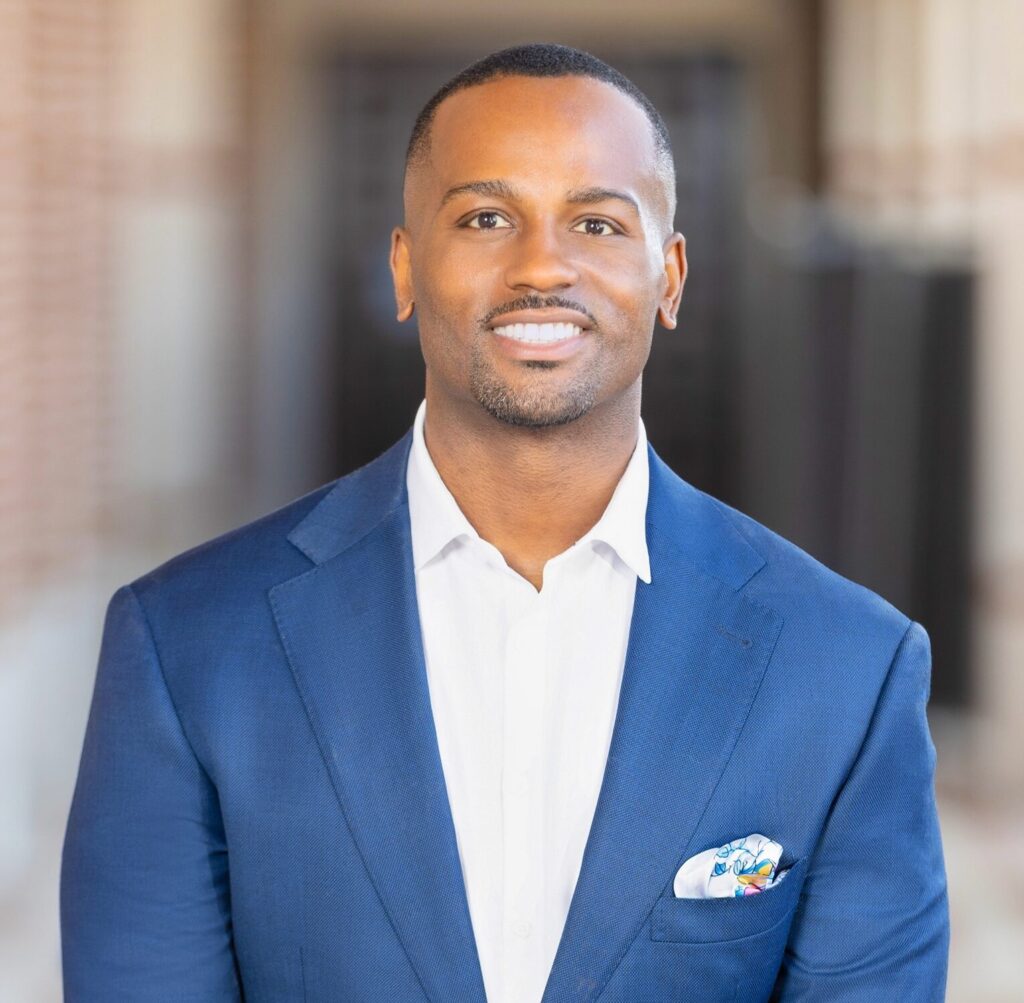
William A. Lumpkin (Will) is a devoted husband to Layla, a proud father to Ailey, Sage, and Liam, and a purpose-driven leader with a passion for delivering significant impact through high-performing teams.
Will serves as Vice President of Sales at Agios Pharmaceuticals in Cambridge, MA, where he leads a team dedicated to providing disease education and access to first and best-in-class solutions for underserved patient populations affected by chronic hemolytic anemia.
Prior to Agios, William was Head of New Product Strategy and Business Development at Alexion Pharmaceuticals, Chief of Staff to the Chief Commercial and Global Operations Officer, and the Commercial Integration lead for Alexion into Astra Zeneca rare disease. His innovative solutions earned him Guiding Star and Excellence Awards.
With a diverse background spanning leadership across functional disciplines, including finance, sales, marketing, and strategy, at Baxter, Baxalta, Shire, and Takeda, Will has demonstrated his ability to build and lead teams that operate with a sense of urgency in service of others. His professional journey began in finance at Procter & Gamble and includes time as a lecturer at UNC Kenan Flagler School of Business
Will holds an MBA from the University of Chicago Booth School of Business and a Bachelor of Science in Finance from Indiana University, where he excelled as a four-time letterman, senior captain of the Hoosier football team, and President of the Alpha Chapter, Kappa Alpha Psi Fraternity, Inc.
Originally from Dayton, Ohio, Will and his family reside in Houston, where he remains actively engaged in community leadership roles, including serving on the Hermann Park Conservatory Board and as a Senior Fellow at the American Leadership Forum.
Welcome to the Athletics of Business, a podcast about how the traits and behaviors of elite athletes and remarkable business leaders frequently intersect. The real stories and hard lessons to help you level up your leadership and performance. Now your host, Ed Molitor. Welcome back to another episode of the Athletics of Business podcast. I am your host and CEO of the Molotor Group, Ed Molotor, and I am beyond thrilled to welcome today's special guest, Will Lumpkin. And before I get into his background and his fascinating journey and give you a little bit of context in terms of what our conversation consists of, I want to share something with you about Will. It absolutely jumped out at me.
One of the first things we do here in preparation for the podcast is receive the bio from the podcast guest or their assistant, or their agent, whatever the case may be. And when I first received Will's bio, my God, something's really cool about this. It's different and I couldn't quite put my finger on it. And then, hello, master the obvious. It was his intro paragraph, because first paragraphs. For most podcast guests and most people in bios, it tells about where they are now, what they're doing, what their title is, et cetera. But when you read Will's, it reads this. And this just speaks volumes about him as a person. Will Lumpkin is a devoted husband to Layla, a proud father to Ali, Sage, and Liam, and a purpose driven leader with a passion for delivering significant impact through high performing teams.
I mean, that is in essence the priorities of his life. The way he does things, the way he talks about things, and you can feel it inside of this podcast conversation, which is so awesome. Now Will serves as Vice President of Sales at Igeos Pharmaceuticals in Cambridge, Mass. Where he leads a team dedicated to providing disease education and access to first and best in class solutions for underserved patient populations affected by chronic hemolytic anemia. I feel like I'm shortchanging if I just stop there with his bio. Because he has such a diverse background, spanning leadership across functional disciplines including finance, sales, marketing, and strategy. At places such as Baxter, Baxalta, Shire and Takeda, he has demonstrated his ability to build and lead teams that operate with a sense of urgency in service of others. Now, how powerful is that?
Operate with a sense of urgency. Something we talk about all the time. A sense of urgency in service to others. His professional journey began in finance at Procter and Gamble and includes time as a lecturer at UNC Heenan Flagler School of Business. Now Will holds an MBA from the University of Chicago Booth School of Business and a Bachelor of Science in Finance from Indiana University. Now, he originally hails from Dayton, Ohio. So everyone thinks Dayton, Ohio, you're a football player, you go to the Ohio State University. But Will was a four time letter winner and senior captain at Indiana University, as well as President of the Alpha Chapter Kappa Alpha Psi fraternity Incorporated.
Will and his family reside in Houston where he remains actively engaged in community leadership roles, including serving on the Herman Park Conservatory Board and as a Senior Fellow at the American Leadership Forum. Now, why do I tell you all this? Why am I so long winded with it? Because I want you to get an idea of the class, the dignity and the value of the individual that you are listening to. Someone who's without question wakes up every single day making a difference in the lives of those that he leads and that he's connected to. Here are some of the things that we'll talk about inside of this episode. We are going to jump into the importance of authenticity, honesty, integrity and leadership.
We're going to talk about the power of one, the impact of values on team building and work focus, how to connect individual impact to organizational goals through mission and strategy. Also, we're going to jump into the significant role of communication in active listening and leadership. And Will share some methods that he uses to keep developing as a leader. Right. Continual growth. And we'll discuss his strategies for that continuous leadership development. Now I'm going to get out of the way. I hope that you're able to enjoy this conversation as much as I did recording it. Will, thank you so much for joining us today on the Athletics of Business podcast. It is awesome to have you here, my friend.
Hey, thanks for having me on today. It's a great way to start the week.
Hey, the pleasure is all ours and there's so much to talk about. I just want to jump into your journey's amazing. Where you've been, what you've done personally and professionally. We're going to do all sorts of things. But to get started, can you just tell us, tell the listener where you are, what you're doing now, and what's going on in your world.
I'm excited too. So I'm currently serving as the Vice President of Sales at Agios Pharmaceuticals. We're a rare disease company focused largely in the chronic hemolytic anemia space. And what's really exciting is that we are on the precipice of growth. So over the next few months, we're looking to double our team because we are stepping into, hopefully, if approved, new Indications that can significantly shift the trajectory of the company. And as I've mentioned to you before, part of the reason why I am here today is in hopes of recruiting others to join the goal of helping more patients across the world. And I'm fired up about that. I think we've got an amazing platform and hoping that through our conversation we might identify some like minded folks who may be interested in joining us.
I love that. That's phenomenal and I think a great way to do this. Let's jump into conversation. That talks a lot about who you are as a leader, what you folks stand for in your organization, what you're looking for, how you connect, all that and let's just roll with it, right?
You know, I think part of the opportunity, even you know, at Agios, and why it's aligned with who I am at this point in my life and why I get so excited every day to jump into the work is it's not actually work, you know, it's mission based. And having spent a good amount of time thinking about who I am, where I'm going, what lights me up and sets me on fire, the alignment with what we have an opportunity to do as a company I'm with is directly correlated. My mission in life is to help people. And from the time that I started my career and it was in a different industry, you know, different space to now, what I've really come to appreciate is how through some instances, some experiences, you do have an opportunity to make a broader impact on others.
And you can do that through the product or service that you're offering. But I think as importantly, and in my case, why I've been very passionate about pursuing leadership opportunities is you get an opportunity to make the impact through the people that you're working with, the people that you're serving in, the organization that you're helping to guide.
And I love this, I love the mission based, I love your intentionality about it and the impact that you can have. Where did that come from in your life? When did that start to show up for you? That you realize the significance of leaders who are intentional about being transformational and not just transactional.
Yeah. Early in life. So I had the benefit of growing up an athlete, have teachers and coaches, and certainly my parents have invested in me at a very young age. Every opportunity that they had to pour into me words of affirmation, encouragement, challenging me to push myself to be the best person that I could be was something that I just grew up having. The fortunate experience of Feeling like everyone was behind me, pushing me forward and encouraging me to do and be my best self. Because I feel like I've benefited greatly from those even earlier experiences.
It's something that I want to give back to others and try through my efforts and interaction and engagement with people to be alike and be someone that serves as a source of inspiration and motivation so that they can achieve what it is they were put here to achieve.
Are there different sort of intangibles in your leadership style that you pull from different people? And I got this from this person. As you think about being a high impact coaching leader in the business world, is there something from your college football coach, your high school football coach, your peewee football coach, or anybody else that showed up in different areas of your life? And when you look back on it, you're like, yeah, that's absolutely where that came from.
So starting with my parents, I'd say my mom is one of the more giving people that I've ever encountered. And her heart being so big, she always finds a way, even if she doesn't have much, to carve out a piece to give to others. So having that as a model certainly has influenced how I view and see the world. And then when I think about coaches, this concept of continuous improvement and always looking at how I as a part of a team can and should be pushing myself on a daily basis to get a little bit better. Because if I individually inspire to improve, then my contribution to the greater good then is even more magnified. I had the fortunate or unfortunate experience even through sports and I, I played football through college.
To have, over the course of eight years of high school and college, I had six distinct head coaches. And what you learn from having to navigate that significant amount of change is one, there's something good that can be taken from each experience. And you've got to have a growth mindset where you're not stuck or handcuffed by the loss of people coming and going, but that you instead are taking what you can learn from those experiences and using it to move forward. You know the coach that recruited me to Indiana University, his name's Cameron. He went on to be a pretty successful coordinator and at some point I think he even had a head coaching job in the NFL.
But I remember Coach Cam showing up during the recruiting process and being someone that highlighted the potential that, you know, that I have and how in the platform that Indiana University represented, I could achieve my goals, which at the time, transparently, it was just to play Big Ten football, to compete against some of the larger schools like Michigan and Ohio State, who didn't extend the offer that.
I had little chip on our show.
So. Yeah. So playing, you know, have an opportunity to go and compete against those who maybe represented something that I thought was just a little bit out of my grasp, gave me a little bit of an edge, you know?
And let's talk about that edge for a second. Right. I want to get to know this piece of you because I think it's so significant. Okay. Earlier you said, I played college football. You played elite college football at a very high level. Now you are from the state of Ohio in the Ohio State University. I need to make sure I say that correctly. Did not extend an offer. Okay. You had a cousin that played there, your father's from Detroit. Right. So you have the whole Ann Arbor, the Maize and blue. You have all that stuff, all these dynamics going on. What was it like for you to know that those two schools didn't offer you a scholarship, knowing that you were going to suit up your captain your senior year, which speaks volumes about your maturity and the respect that you commanded amongst warriors?
What was that like for you and what did that do for you? And we're going to get back to what were just talking about. What did that do for you in the weight room? What did that do for you in conditioning? What did that do for you with the relationships you developed with your team members? And I know in college athletics, coaching can be a revolving door, but just the way you talk about it shows your level of maturity. How was that? What set you apart there?
And there's this concept of an inner voice. And for me, knowing that what was a goal growing up wasn't accessible, it became a source of motivation and inspiration for me. So every time I was in the weight room, every time I was running sprints, every time I needed to get up at 5am to get to practice on time, when I needed to be in the classroom preparing myself for exams, it was about competing. It was about competing against myself. It was about competing against this concept or idea that I maybe wasn't quite good enough because I didn't get that offer. You know, every rep, sometimes it's like I can see it, like, visually. It's like if I just get a little bit stronger, then when my chance comes to prove myself, I'm going to be ready and that I still have it.
I can't help but to focus and see opportunity in what's ahead of me. And because of. I know that opportunity is just around the Corner. I use that as a motivation to make sure that I'm ready. So whether it's hitting the weight room, running sprints again, making sure that I'm not just eligible, but thriving in the classroom, those what could be perceived as hard work and challenging prospects ahead of me, they were just what needed to be done to get to the end goal. And that's, you know, generally what guides me. I'm looking at how can I be well positioned and prepared when the opportunity presents itself.
So let me ask you this. You know what it feels like to be overlooked? You know what it feels like to maybe not be able to get that shot that you ultimately wanted over the years, over the course of years in your journey, in your professional life, how is that showing up? When you're. The interview, you're, er, and you're meeting with people and you know they're trying to put on their best self, right? And you get this feeling like, man, I think there's something more to this person. I gotta. I gotta get it out of him. I don't wanna. I don't wanna say no without uncovering this stone. Does that show up at all for you?
Yeah, I think you're very intuitive in that, and maybe something I hadn't really thought about before you asked that question. But it is, for me, it's important to move beyond just some of the traditional, tell me about a time when, or walk me through your resume, when I'm having an opportunity to engage people in conversation. When you get to the heart of what really makes someone tick, you have a better sense. You have the opportunity to really understand who they are and what's driving and motivating them. And for me, how that's manifested itself.
So certainly through an interviewing process, but also even the team that, you know, that I work with on a daily basis, one of the really important aspects of my interaction with them is to really understand what it is or who it is that they want to be and how within the platform of the organization that we're working in. How can I help align what someone is fired up about with an unmet need or an opportunity for the business? And I always try to promote from within. I always try to help people access opportunities that are a good fit for their interest by certainly also making sure that it's aligned with the needs of the business. And you only get that when you. When you ask, you have to.
You have to ask people what it is that you're interested in so that they can help guide you and help you help them at least in my experience, ultimately help the organization thrive as a result.
One of the key components to all of our work here is the ability to be authentic. Right. It's at the very core of our foundation, victory defined foundational program. And the way we break that word down is this honesty, the ability to be honest with yourself and with others, integrity. So in other words, you say what you're going to do when you say you're going to do it and to the best of your ability, how you say you're going to do it. Okay. And then the third piece is so significant is the vulnerability piece. But what really drives, and it drives trust. Right. Trust as a result of resiliency is a trust of it. But what really drives those for me is the fact that we are values based on and purpose driven.
How significant is in what you do and the way you operate in your organization operates is to focus on being values based.
Yeah. So working in rare disease, you find that every day does not come with instant gratification or feedback. And because sometimes it's a long time before you get that positive reinforcement. You really, we really have to make sure that we're finding and recruiting people to the team who are committed and able to extend that grit needed to persevere until they have that breakthrough.
So the, you know, the values of being patient centric in our case, and what that means to me really is just the reality of that at some point you and I, and probably somebody that we love very dearly will be a patient, will be afflicted by some disease or condition every day or approaching the work with the sense that if I don't fight for helping people to get educated, if I don't fight for helping people to get access, if I don't fight for helping people to have the awareness of what may be happening to their bodies, then it might not happen. So, you know, patient centricity is an aspect of it. Being performance driven is also an aspect of it as well.
So what's beautiful about the work that we're doing is when we are successful, it means one more person is having their lives positively impacted.
How much you guys, will you talk about that as you build the teams and you focus on the work and you what's next? Right? And what are we working on and why are we doing this and what is our purpose? What will that language be like? Will that be a conversation piece that you always go back to, like, this is our North Star, like, this is.
Why I start every meeting, you know, revisiting our mission. So our mission, you know, succinctly, is to help people living with rare disease. Strategically. What we've said we do is commit to being first and or best in clients. And that means we're taking a leadership position in every disease area that we're going into. So if you're first, that means that no one else is doing it other than you. If you're best, that means that you've got a unique value proposition that you can bring to the market that can potentially help people a little bit more than what else is out there on the market today. So having grounded the team in the mission and strategy, now we can then move on to talk about how they can individually impact and influence our progress towards those end goals.
So we're often talking about the power of one. You know, one story, one patient, one extra effort is needed to ensure that we're making and having that impact. And we often get the fortunate opportunity to have people come in and share their stories. Because when you hear directly from some of the people that you're looking to impact, nothing has a greater influence in your understanding than hearing directly from those people that you're directly engaging.
Can you talk about that a little more? Because that's really powerful. The fact that they come and they actually share their story and connect an emotion to the process. I just think that's huge.
Just last week were fortunate to have a team together for a national sales meeting. And as part of that national sales meeting, we had an opportunity to have people living with one of the conditions come in. In fact, it wasn't just one, it was a family of three. And that family talked about how they having the same diagnosis had three distinct experiences with that disease. So you know, genetically and we deal with genetic diseases, so everyone is inheriting the disease that they're living with in our world. But having people who from the same household, growing up in the same environment, but having three distinct life lived experiences goes a long way. But to hear one of the stories, and all three of them were very impactful.
So you have folks come in and tell their testimonials, tell their stories, share their stories, get really open and vulnerable with your sales leaders. How do they carry that story forward as they build their teams, as they lead their teams and what are the conversations you have with them about doing such a thing?
Yeah, again, these are the stories that we take forward. And again, coming back to that power of one, we carry these stories forward by reminding ourselves how each individual person that we Help is contributing to a broader goal. We remind ourselves, I mean we work in an industry that's highly regulated and we don't get into, you know, individual patient health information or anything like that, but we do take the, you know, conceptually, the essence of the stories that are shared with us forward as a sense of again, inspiration on a daily basis. So when we have our bi weekly connections where the team sits with me, or monthly national sales calls, or again, when we periodically get together in person, we try to remind ourselves of the point of it all.
And again, the point of it all is to help unlock, enable, unearth opportunity for people who otherwise may not have a voice, who may otherwise not have someone working on their behalf.
That's beautiful. When we bring values into the mix. When you do something like this and you're going through the process that you folks are going through right now, right, doubling the size of your team, there is going to be adversity like every day there's going to be adversity. There's also going to be incredible success here. How do values and how are the conversations you have that help you grow through the adversity but keep you grounded through the huge success? Like what is it that brings you back to center regardless of the circumstances that you have going on right then.
The centering the North Star, for us again, being, and for me generally being the purpose driven individual is the potential of, and again, in this world, the potential of helping and supporting others goes a long way in helping me stay grounded, to stay focused. That said, that doesn't mean that every day that, you know, that we wake up every day and everything is going right or go is going as was anticipated. But what we can't do and what I think, you know, I have the benefit of even learning from many years as a football player is we have to remain agile. You know, we have to not panic. We have to stay rooted in knowing that by executing the plan that we will over time find the success that we're looking for.
So for me, it's often taking it back to the purpose and the opportunity and using that as a way to keep me going, to keep my energy high when things may not be, you know, in the moment trending as we would hope.
So when you talk about keeping your energy high, right, like that's one of the things as leaders, we always have to be the face and voice that our team needs to see and hear. What are some of the ways you do that? Because you have things going on that the folks you lead don't understand, don't need to understand, don't see, don't hear. But when you're in front of them and when you're having the one to one conversations, when you're having the team meetings, we're providing feedback, when you're trying to connect, all of that's irrelevant at that moment to them. How do you do that? How do you keep your composure? How do you stay dialed in? How do you stay focused and be that individual, be that high impact coaching leader that they need in that moment?
And I have kind of an underlying sense of optimism about the world. I believe that when you work hard, you treat people kindly, you are walking in your purpose, that good things happen. And I fundamentally believe that what I'm doing right now in this moment is the thing that I'm supposed to be doing. And I try any interactions that I have and I think my team would tell you I'm a lot better in small groups and one one than in a big crowded room. This is the, you know, the introverted nature of me and my maybe unique background that shines through. But my belief in what can be accomplished is something that I think I do a pretty good job of articulating to the team.
And when they can see how their individual story, their individual contribution, their unique ability to add value to the team is very much necessary for our continued success, I find that gives people a sense of purpose, a sense of belonging, a connectedness to the, again, the greater good that we're looking to accomplish. And when we have those opportunities to connect, they are also finding themselves renewed. At least that's the feedback that I've been getting from the team, which is awesome.
And you mentioned something that I really want touch on because I think it's very important. Introverted self, right? Which it's hard to be a major college football player and be introverted. Okay, you just go to work and you put hits on people and you heard them, which is awesome. But sometimes people are like, well, if you're an introvert or you have an introverted personality, you can't be an effective leader. Which is completely the opposite of the truth. When you first started pursuing leadership roles, did that ever show up in the conversations?
It was, I'd say, one of those shadow beliefs or something that I had a lot of skepticism and was really uncomfortable early on. The assumption that you have to be a big gregarious personality, shaking everybody's hands, high fiving, you know, what work in the room? I think there's certainly a place for that type of approach. There's also, I think, a unique place in the world for people that lead like me, who really in service of others. I find great inspiration and energy. So when I see it as I'm looking to help you, and the only way that I can help you is if I really understand what's going on in your world, in your life, not just work, but holistically who you are as a person, what's going on with your family, how's that nonprofit that you're a part of going.
Having those real meaningful connections with people helps people like me, who may not otherwise be, again, big gregarious personality, be effective. It's about, you know, truly making a connection with an individual. And I'd argue people that may be more introverted in nature, they have at least I have a great affinity for making those one one, smaller group interactions very robust so that people can have then the confidence that I have their best interest in heart, that I'm going to do nothing other than what is in service of them and the broader mission that served me well over the course of my career to date.
Well, and you said quiet source of energy to me. I'll take 10 of you any day before I'll take someone who's rah, full of it, chest out loud. But there's nothing productive, effective or supportive or transformational that comes out of their mouth. Right. It's all about metrics. It's all about driving numbers, all about getting it done. And it's that quiet source of confidence. Do you find that the way you lead and it's okay to talk well of yourself? Okay. Do you find that the way you lead tends to make people feel more psychologically safe, more comfortable to come to you and open up and be vulnerable with things that are going on in their world?
Yeah, that's one of the gifts that I have. There's a natural and innate curiosity that I have about people. I want to know really what's going on. Not the how was your weekend? Or how are you doing today? I try not to even ask those questions. I really want people to feel comfortable sharing what's underlying going on in their lives. And I look to model that. You know, someone asked me, hey, how's your day going? And I'm disappointed in something. I, I let them know if something is a little gray over the years. The proverbial, like rain cloud. If that's out there, I share that and I think there's something real powerful and you use the word authenticity earlier.
There's something real powerful and moving beyond the mask and the characters that we tend to play when we're in these corporate environments and actually connecting with people. I think ultimately we're all out here every day pursuing success and looking to contribute to something bigger than ourselves. I think we also just need to get to a place where recognizing that others are assuming positive intent is something that I hear people, the way that people articulate it. If we just get to a place where we understand that if we commit to doing all that we can to help others, then our individual successes will be assured. Because if we're all helping each other, then we get, you know, more energy directed towards what we're working towards, you know, versus having it be our own individual efforts driving us forward.
I love that. And the assuming positive intent is so huge. One of the things just to build off this, the innate curiosity about what's really going on. And that's it, right? Like we're not paying lip service to being curious. Like we know being curious is really the traits of high impact coaching leaders, but the innate curiosity to know what's really going on. What's your process? How do you get that? I mean, is there something that you do when you ask the question? Is there a setting you make sure that you're in? Is there a, a vibe you try to create? How do you get to that? Will?
Yeah. One of the things that I try to do is connect with individuals on the team one one as often as possible. Now as the team grows, you know, as you're working in larger organizations, it is challenging to do. But when you have those moments, those critical moments, giving people undivided attention goes a long way. I look people in the eye when I'm having a conversation with them, ask follow on questions that illustrate, demonstrate that I'm actually listening to what they're saying, not just putting some surface level question out there for them to react to and then immediately looking to move on to the next part of the conversation. And quite frankly, these are things that I've had to learn over time.
I've almost studied how to be a more effective communicator because my natural disposition is to be more in the background and observant. So what I've had to learn to do in order to be effective up in front of the room is to find ways where I can make these connections with people. In doing that, again, for me, it looks like one one Small group, consistent, regularly scheduled engagement. Not stopping at the surface level, asking why or how or tell me more and really diving into the essence of what's going on.
Well, first of all, if you ask me a question and you're trying to connect with me, I'm going to give you the answers because you're so dang grounded, so dang sincere and humble. But what happens when someone pushes back on you? Right. So you're really, for the right reasons, with the heart, you're trying to get to what's going on in the world. Right. What's really going on when someone pushes back on you, what happens then?
That's where the curiosity kicks in. So I've grown. This is an area which I've grown. So historically, pushing back is, you know, it's a heightened sense.
Defense mechanism.
Yeah, it's a defense mechanism. You get a little bit of adrenaline pop in. And, you know, historically, or maybe when I was younger playing football, that would be, you know, an opportunity or a catalyst for potentially negative interaction. But where I've grown and what I see happen now more frequently is just, I want to understand why, like, why are you pushing back? What is it in your experience that may be in conflict with what I'm suggesting that we consider. What is it in your experience that maybe even before you engaged in this conversation with me may be influencing how you're showing up? What is it about how I may have presented myself or my belief that may cause you to be in a heightened state of sensitivity or being uncomfortable?
I try to be introspective and start with how I'm showing up to make sure that it is, in fact that I'm presenting in a way where people are comfortable. But then, you know, once I've checked myself, then that's where the curiosity kicks in. And I try to. To ask, you know, a few questions.
Does that help you connect to where they are emotionally and physically? Because we always talk about, right, like, go where they are physically, if possible, go where they are mentally and go where they are emotionally. Does your approach. Is that what really kind of comes out of it, where you. When you say what really is going on? Okay, I see it like, I can see it not just on the external. Right. Not just a shell, not just a smoke and mirrors. They may try to be put up there, but I'm starting to get an idea of what they've got going on in here and how I can best connect with them and lead them from here moving forward.
Yeah. And I think part of it is just understanding what works well for me, when someone takes the time to really tap in and understand what's going on, that gives in part, it kind of signals a level of trust or it facilitates a level of trust because you feel like the person is really invested in you. And having the ability to gain and earn trust from people has a, I think a direct correlation with your. The inability to work well with them and ultimately be optimally in pursuit of the mission or goal of what you're working towards together.
Yeah. And when you bring folks in and you're building out the team and trying to double the size of your team and you start talking about purpose and you start talking about values and you start asking questions around those. What are the things that really make you sit up straight, that really make you smile and really start to think, okay, there's a potential here not just for a fit. Right. We're beyond a fit. We want someone who's going to be a huge part of this team and really serve their mission. What are those things you look for?
Yeah, so I usually in an interview actually lead with, I try to lead them a little bit when we talk about values. I, when I'm introducing myself, I always lead with. I'm a dad and a husband. I lead with. I'm someone that loves being on high performing teams, being a part of a high performing team. I'm someone who's motivated to make a big impact in areas where there's high unmet need. And I use that to try to help them then tell their story maybe a little bit differently than they're accustomed to. So it's the first thing that I say when you ask me to tell you about myself is, hey, I'm a proud dad. I've got three children, 10, 7 and 4. My wife is wonderful and my best friend and my been my teammate. We've grown up together.
We met right out of school and have been on this journey together. I start there and then when you ask me, well, why am I where I am right now? I'll tell you. It's because I want to be a part of an organization that wants to lead and Agios is first in class, best in class and everything that we do. I want to be at a place where I'm with people that I love and I've worked with the CEO, the chief commercial officer and others within this organization in prior lives. So I knew what I was getting myself into when I joined the organization.
What I didn't appreciate was that there are 400 other now kindred spirits that have had the opportunity to come in contact with who are on fire about helping people and are inspired to make a big impact in an area where there's a high need. And then I've got people who are ready to compete, who are unafraid every day to get up and say that they're here to win and that they're willing to do all the right things to ensure that we're winning. Because, as I mentioned, winning for us means that we're helping more people across the world, and that's something that we can all get behind.
You just touched on something that we discussed the first time we talked. Right. Like clearly defining what winning means to us. You're not even talking about metrics. You're not even talking about numbers. You're talking about making a difference and making an impact and changing people's lives. I've got to think, and I'd love to hear from you. That's a big part of the conversations you have with what winning means to us. And here again, it goes back to sharing the stories. It goes back to purpose driven and mission focus. Talk about that, though, because we live in a society that's afraid for whatever reason we think winning is and working hard and having fun are mutually exclusive. Whereas the reality of it is if you're winning for the right reasons, that's absolutely what drives us.
Yeah. It just reminds me of. And I've had the great privilege of working for some outstanding leaders. Early in my healthcare career, there was a leader, Blaine Fersaghi, who was, at the time I was at Baxter. He had now, it's almost like a lineage. The tree of leaders that work with Blaine include guys like Brandon Monk, Amanda Morgan, Brian Sturgill, Mike Hardersbart, who's someone, I think, who's been on this podcast. I remember them investing a lot of time and energy in what was prescribed as the. It was our way. Our way. And it was just a little leaflet, little booklet that the team had worked through to identify specific values that were to operate on. So we didn't. We didn't need to get into, hey, you need to get three calls per day or five calls a day. You know, some of the metrics.
Right.
We needed to talk about, hey, our purpose is to help people. We have an accountability to each other, a commitment to each other, which means that every day you get up, you're going to make sure that you're pointing your car in the right direction to follow up on an opportunity. It means that if you've got information or best practice or even that you learned something that didn't work, that you're picking up the phone and calling Will and sharing that experience with them so we're not making the same mistake twice across the country. Those experiences were formative to me. And ultimately, again, part of why I really enjoy the work that we're doing, because it feels a lot like being on a football team. You know, believe it or not. Right.
It feels very similar to having people with distinct roles and responsibility interdependent, relying on the next person to do their job so that the overall success of the team can be achieved.
A part of something bigger than yourself. But here's what else I want to ask you. When you create this culture of we're not just in this with each other, we're in this for each other, right? And you start talking about our way. I love that. Our way, okay? And you're not talking about the 10, 3, 1 sales method. You're not talking about five cold calls. Your success number wise is going to be a byproduct of doing these things. When you bring these folks in and interview them and you bring in new leaders, do the majority of them grasp that? Because not everyone leads this way. Not everyone has the same amazing career path that you had where in your orbit, you had some incredible leaders that you just named. So is that something that's pretty common for people to understand that concept?
You attract the right people. So it is unfortunate it's not the experience that everybody has. You have so many stories of people who, if you think about a leader's job being to. To either bring light or block light, you know, then, you know, some people have had those negative experience in their careers. Others who have been fortunate enough to work in organizations or be a part of movements that are defined by how each individual can contribute their best self in service of others and looking to drive and move the broader team forward. They get it. And when we find them, we're doing everything we can to bring them into the fold because I know that they're going to do a great service to the organization by contributing to the multitude of energy needed to have this amount of success that we're looking for.
It has to be fun to have those conversations and it has to be fun to talk to the other leaders to see how their conversations are going. When you hire someone now and you bring them into the fold, do you folks stop to ask them, what was it about us that made you want to join this team? What was it during the interview process that connected with you, when you realized, like, this is the place that I.
Want to be, we asked that question. It's also something that we ask regularly of the team. We check in at least quarterly and ask that specifically, why are you still here? What's influencing you or motivating you to stay the course? How can we get better? That concept of continuous improvement comes out. But when you start with hearing and asking for people to articulate, what is the stickiness of the opportunity that resonates again. What I'm often looking for is I want to be a part of something special. I want to be a trailblazer, a pioneer. I want to be someone who is giving their all next to someone that's giving their all, because that combined effort will get us closer to where we want to be.
And when you hear people use a lot of wheeze, again, there's positives in the I, but when you hear a lot of wheeze and the team and an orientation to help shine through, then at least for me, you start to get a sense that you're on to something. You might, you might have found someone that might be a good cultural fit.
So I love that. And that's a great way to start leading into us wrapping up. I can't believe we're already out of time. But before I ask your last question, where can folks find out more about your organization, about what you have going on, and just to follow your Success?
I'm on LinkedIn. Please just add me as a connection on LinkedIn. But if you also are interested in learning more About Agios, please www.agios.com the career section is a great place to start. We'll have a number of openings coming live here in the next week or so, which we're looking for people who have the right heart, who are aligned with a passion and, you know, an excitement to help others and who want to be a part of a movement that we'll be making here over the next several years.
And we'll put the website and we'll put your LinkedIn profile link as well in the show notes. Now, you mentioned before, and you and I talked about this extensively last time, continual learner like you are always evolving. You are always growing. You're looking for the next thing to absorb. What are some of the methods you use to keep developing as a leader? What are some of the resources that you use?
Well, first of all, the mentality is always stay on. On the learning curve. If you're on a learning curve, then that means you're getting a little stronger, a little faster, you're pushing yourself. I've allowed that to be a part of my journey. Even when something's a little scary, I step in head first, knowing that worst case scenario, I'm gonna have some great learning from the experience. So part of it is just being willing to take the leap and try something new and different in pursuit of that continuous improvement. I'm a big podcast guy. I love podcasts. I love reading. I've got Leadership from the Inside out on my desk right now.
Wait, wait. You're stealing my thunder. That's what my next question what's the book you're reading right now?
I'm reading Leadership from the Inside Out. Becoming a Leader for Life is by Kevin Cashman. I've got a long list of phenomenal leaders that I've been fortunate to work with. Sean McCabe, Chris Miskel. I'm shouting these guys out in the event that they hear this. And then Yak Leonardi and actually Yak and I have been connected more recently and he's helping take me through Leadership from the Inside out for a second time. And part of the story that Becoming a Leader for Life is being told by Kevin Cashman is it really starts with understanding and developing personal mastery. Having an understanding of who you are as a really a prerequisite for you to be an effective leader. I'm diving into that now for the second time because understanding and we'll.
Put a link to that in the show notes as well. I love that. Because here's the thing, it never ends. It's in a continued journey. And we're always figuring out who we are, especially as we evolve.
Yeah, I think so. Learning a little bit every day about yourself, but being intentional about pursuing understanding who you are, I think is. Is a very powerful trait.
Well, I can't thank you enough. You were so gracious in your time. You shared so much. I really appreciate you. We're going to have you back on. Thank you so much, Dad.
I appreciate the opportunity.
Thank you for listening to the Athletics of Business. Be sure to give us a rating and review so we know how we're doing. For more information about the show, visit the athletics of business.com now get out there. Think, act and execute at the highest level to unleash your greatness.