

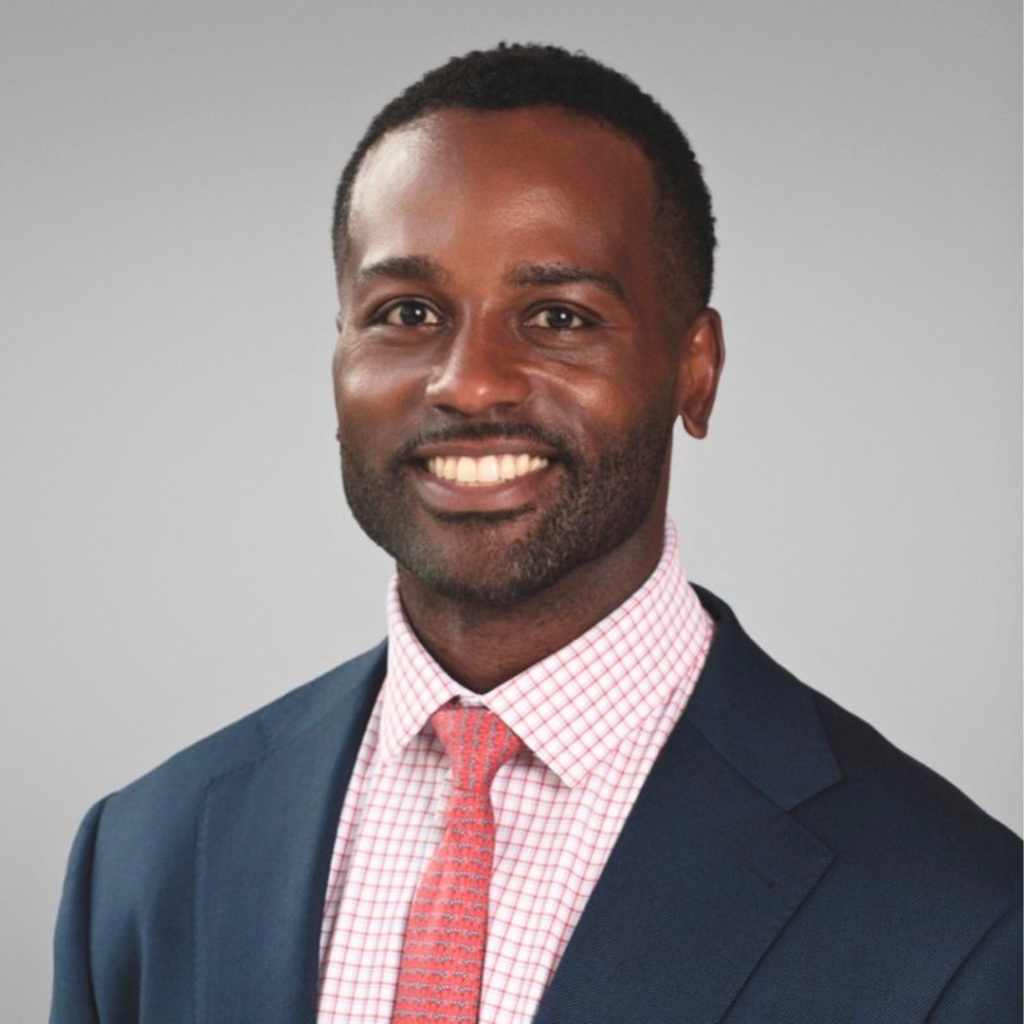
William A. Lumpkin is a devoted husband to Layla, a proud father to Ailey, Sage, and Liam, and a purpose-driven leader with a passion for delivering significant impact by cultivating high-performing teams.
Will serves as Vice President of Sales at Agios Pharmaceuticals in Cambridge, MA, where he leads a team dedicated to providing disease education and access to first and best-in-class therapeutic solutions for underserved patient populations affected by rare diseases, including Thalassemia, Pyruvate Kinase Deficiency, and Chronic Hemolytic Anemia.
Prior to Agios, Will was Head of New Product Strategy and Business Development at Alexion Pharmaceuticals, Chief of Staff to the Chief Commercial and Global Operations Officer, and the Commercial Integration lead for Alexion into AstraZeneca’s rare disease division. His innovative solutions earned him Guiding Star and Excellence Awards.
With a diverse background spanning leadership across functional disciplines—including finance, sales, marketing, and strategy—Will has led within biopharmaceutical companies, including Baxter, Baxalta, Shire, and Takeda, and demonstrated his ability to build and lead teams that operate with a sense of urgency in service of others. His professional journey began in finance at Procter & Gamble and includes time as a lecturer at the UNC Kenan-Flagler School of Business.
Will holds an MBA from the University of Chicago Booth School of Business and a Bachelor of Science in Finance from Indiana University, where he excelled as a four-time letterman, senior captain of the Hoosier football team, and President of the Alpha Chapter, Kappa Alpha Psi Fraternity, Inc.
Originally from Dayton, Ohio, Will and his family reside in Houston, where he remains actively engaged in community leadership roles, including serving on the Hermann Park Conservatory Board and as a Senior Fellow at the American Leadership Forum.
Welcome to the Athletics of Business. A podcast about how the traits and behaviors of elite athletes and remarkable business leaders frequently intersect the real stories and hard lessons to help you level up your leadership and performance. Now your host, Ed Molitor.
A great athlete like Seth Curry didn't get where he is without resilience, positivity and a competitive mindset. And guess what? Neither do great business leaders like Howard Schultz of Starbucks, Brad Smith of Intuit, or Sir Richard Branson and Bergen. Sports is used as analogy for business all the time. Why? Because sports are a microcosm of life. This podcast is all about exploring the leadership lessons, mental fortitude and sustained success that truly great athletes and successful business professionals share. We will dig into the skills, traits and behaviors that empowers them to unleash their greatness. What drives the best of the best? Why are these men and women able to think, act and execute at a higher level than anyone else?
My name is Ed Molitor and I have spent the last 26 years developing my leadership skills and helping people to grow into their greatness in three incredibly competitive industries including coaching college basketball at Texas A and M, performing at a high level in one of the most competitive mortgage markets in the country here in Chicago, and serving as Vice President of Operations in an industry leading recruiting firm where we specialized in consulting and placing former military and jobs throughout the country. While working with the best and brightest minds in these three industries, I saw what the top leaders did every day to perform at the highest level.
The athletics of business is a result of my experiences and it is a mindset born out of the foundational belief that the skills, traits and behaviors deployed by elite athletes are not only applicable in business, but that they are the key to your success. And over the years I have seen one thing consistently hold true. That is the mindset of an elite athlete in a top performing business leader are remarkably alike. The stories, lessons and interviews you will hear on this podcast are going to be hard hitting. They're going to be blunt, they're going to be honest, they're going to be powerful and they are going to be authentic. You can't be soft with someone on the basketball court and expect them to be great. And I won't treat you as a listener different. This podcast is for people of action.
People looking to level up their leadership and performance. People who want sustained success and have the competitive mindset needed to go the distance. None of our guests have made it this far without this mindset.
Thank you for listening to the Athletics of Business. Be sure to give us a rating and review so we know how we're doing. For more information about the show, visit theathleticsofbusiness.com now get out there. Think, act and execute at the highest level to unleash your greatness.00:01
Thank you for listening to the Athletics of Business. Be sure to give us a rating and review so we know how we're doing. For more information about the show, visit theathleticsofbusiness.com now get out there. Think, act and execute at the highest level to unleash your greatness.00:01
Thank you for listening to the Athletics of Business. Be sure to give us a rating and review so we know how we're doing. For more information about the show, visit theathleticsofbusiness.com now get out there. Think, act and execute at the highest level to unleash your greatness.00:01
Welcome back to another episode of the.
I am your host, Ed Molitor, and joining us today for his encore interview is Will Lumpkin. Previously with us on episode number 188. Will serves as vice president of Sales at Agios Pharmaceuticals in Cambridge, Mass. Where he leads a team. And now we're going to talk a lot about this team and what they've accomplished and how they've accomplished it together. We've really explored and dove into leading with purpose, what it meant for Will, what it meant to the people that he leads, where that came from in.
His world based on his past.
Experiences with mentors and peers and coaches. And today we go even further into some things. We're going to talk about team culture and competitive character, navigating change and maintaining resilience, mission driven engagement and stakeholder connection. If you recall from episode 188, will play football at Indiana University.
Obviously a lot to talk about there.
And he's going to share some things with us about the leadership philosophy and influences that his coaches during his time at IU had on him in what his observations and thoughts are around how they built such an amazing program in Bloomington, Indiana. Now we'll also talk about aligning individual motivations with mission and connect that to your personal leadership strengths which absolutely become a competitive advantage. What's really cool as Will talks quite a bit about his team and the team that he built and what they have done in the last 12 months together and how they've been able to do it. And he has a few stories in there towards the end of the episode where he shares some things that are incredibly valuable not only for the leaders enroll right now, but for those emerging leaders. Right.
And how he talks to them about leaning into their curiosity and people skills early to level up and gain that competitive advantage that we're talking about.
So I'm going to stop this right now. And hopefully you enjoy this conversation half.
As much as I did. Recording Will Lumpkin.
Will, thank you so much for jumping back on the athletics of business podcast. Man, I missed you. You are one of my all time favorite guests. You're as real as it gets. You know, the way I connected to the things that you had to say the last time, I couldn't wait to get you back. Although it seems like yesterday. I mean, it's been about 18 months. A lot has happened in your world, including your Hoosiers, and we're going to get to that later in the podcast episode, but including your Hoosiers winning the national championship. I mean, the run that they've had the last two years in football, nothing short of amazing. We'll get to that. But you know what? I want to find out first.
I want to find out what's going on with you and your team that you were building the last time we spoke. Because you live in this world with constant change, a lot of moving parts. So fill us in.
Yeah, thanks again for having me back on. And you're right, we've been on quite the journey over the last 18 months, which again, I credit this conversation or that conversation that we had really being, you know, catalyst for us attracting what's been, without question, the best team I've ever had a chance to work with over the last couple years. We were working to set the train in motion, so to speak, in a paradigm shift for people living with thalassemia. And as importantly, building a culture that really celebrates competitive character, which is a concept that I borrowed from the great Coach Sig and those Indiana Hoosiers. And it's been a lot of fun getting the team motivated and running in a direction towards doing something that's going to impact people's lives across the country.
It's amazing. You mentioned competitive character and Coach Sagan. I went through our in preparation for this, our last podcast episode, and I listened to it twice because I couldn't take notes fast enough. But there were words that you repeated, like, that came up with different stories and different topics that we talk about, but words like impact, right? Values, psych, safety, connection, continuous personal growth. How do all of those add to the competitive character we live in this world for some reason, will they think that doing things the right way. Not everybody, obviously, but a lot of folks think doing things the right way for the right reasons at the right time, and crushing your numbers and metrics and accomplishing everything you set out to accomplish. And all the pressure that's on you, sometimes those are mutually exclusive and at.
The end of the day they're really.
Not because those results are a byproduct of that competitive character. Can you talk a little bit about how that shows up for you folks?
I define competitive character as the ability to perform at a high level when it matters the most. And you're doing that consistently, ethically, under pressure. I think it all starts with your core internal standards, your values. So how do you show up, you know, how do you prepare when no one is watching? How you hold yourself accountable? How do you tap into that internal drive and not need external validation and push harder? Those core values, I think is where it starts. And then when conditions tighten, how do you ensure that you don't flinch, you don't blink, you know, you don't blame others, you don't drift from the fundamentals. You know, that composure under pressure allows you to drive the success that you desire. And pressure ultimately, I think, reveals character in many respects.
And then how do you ensure that you know, while you want to win, you don't do it at the expense of those values of that character. You know, you do the right thing, you protect long term trust over short term gains. And you wake up every day and recognize that it's a part of the journey to start anew with a desire to get a little bit better than you were the day before. That's how I think about it. And I think we've been able to find a lot of people to join the mission. And the collective efforts of people with those like minds are starting to make a real impact for people, in our case, living with thalassemia.
When we spoke last week, just listening to you talk about the team that you have built and the team you've put together and all these things that you just mentioned and the things that I had said before, how much does that pour into? Because I mean, hey, let's call it what it is. You guys are in a high pressure environment and not just a high pressure to produce, but a high pressure to serve because of the types of clients that you serve, right? Like what you do is really special. As long as you're focused and your values based. It's pretty easy to find the personal meaning in the work that you folks do. But resilience is so critical in your leaders. It is so critical for yourself.
And one of the things I've come to admire, one of the many things I've come to my son much about you is your ability to be that face and team, the face and voice that your team needs to see and hear regardless of the circumstances. How do you talk into, like, how do all those things play into a role to having resilience? Know, it's funny because were talking about youth sports at, you know, before we started recording the this episode, and the other day, I'm at a game and this coach, his intentions were pure. He was trying to get his kids to calm down, but he was screaming and his face was blood red and the veins were popping out of his neck as he was screaming at these seventh graders to might have even said, effing, settle down.
That's obviously not the way you get people to settle down. But how do you do that? Like, how do you utilize all of these things to stay resilient and be that face and voice that your team need to see?
In here, it starts when you have a mission worth believing in. It starts with that. So that shared purpose goes a long way in galvanizing folks to put forth their best effort. And when you believe that you do in fact have the capacity to do something meaningful, you find the energy, you find the resolve, you find the resilience needed to push through. You don't always get perfect conditions, but with purpose, persistency, and a commitment to a strong team dynamic, you can get some stuff done. I think that's been a, you know, fortunate for me. That's been a consistent theme that's played out for our team over the last year. We had an expectation going into 20, 25 of timelines from the FDA as an example.
We had a number of times where we had a specific date in mind where we needed to be ready. And if you can imagine being all warmed up and, you know, ready to run out on the field and then told just as the door was opening and the. The music was. Was turning on, that you needed to wait. That happened to us a couple of times last year. And then, you know, what was great, though, is each time the team saw the opportunity in the shifts in timing, finding ways to do what they could within their control, manage to ensure that when we did get our opportunity, we. We would be prepared.
How did you navigate that? Communication wise. Right. So there's that pause. Great visual, by the way, analogy, but there's that pause and there's a first one. Really not easy, but pretty straight path forward, how to stay positive and optimistic and stay focused. Right. Then there's a second one, like how important from you is messaging and what was your mental Exercise before you communicated things to the team and then how did they take that and respond with it?
I won't bore you with science, too much science here. But I'll just quickly say, you know, thalassemia, which is the disease that we're most focused on today. In addition to pyruvate kinase deficiency, thalassemia was first described by an important game changing scientist in 1925. So if you think about 100 years later, we having to wait another few weeks or months, when people who have lived with this disease as a genetic disease, who have lived with this disease their entire lives, a whole host of people who have had the disease over the course of that hundred years, what's a few weeks or months to us to have to wait when people are living with this in their entire lives? So it kind of starts with that framing of, it's uncomfortable, it's not ideal, but the unmet need, the mission, the opportunity still exists.
So reframing, taking time, don't get me wrong, some of those were tough. And I had my moments where I had to take a breath and a walk and, you know, other ways to decompress to get myself in the right headspace.
You had mentioned in our last episode how you stay anchor in the mission by revisiting the mission, restating the mission every single meeting.
Right.
How else do you do that? Like, how else do you keep that mission front and center? Because obviously, let's talk about from a sales perspective, like you have these people and you hire these people that get after it and they're here to make things go. And when things are paused, for them to be able to sh their focus from, oh my gosh, I'm not gonna be able to sell to our mission, our values, our purpose. How else do you do it besides just talking about it in the meetings?
You get into the community, right? So these stories that are motivating and inspiring people, they are lived experiences, you know, shared stories that are only accessible to us because we are aware people are. So all of our stakeholders have, in California has unique, I'd say, cultural pockets. And for the first time, you know, we're doing programs in Arabic and in Mandarin in the U.S. right. So we've got an international like global launch being executed across the country because there are pockets of people that have moved from different parts of the world and they're most comfortable interacting or engaging with people who literally speak their language. So whereas, you know, we in some cases that were successful in bringing people in that had that ability to speak multiple languages and connect with people.
We've also invested in technology and partnered with local organizations who can help us bridge that gap. So the proximity to the opportunity helps keep the mission or the goal more top of mind. And when you're being intentional about literally speaking people's languages, it's hard to disconnect from the impact that you can make. So people staying on the ball, you know, so to speak, is probably the best way that were able to sustain not just activity, but path towards impact because people were willing to put in that extra effort.
One of the things you told me about your team last week, and we talked for 45 minutes about your team and how much you think of them and how amazing they are. One of the things you said is they're very connected. How much does that keeping the mission front and center keep them like, drive, help, drive and strengthen that connection with each other.
When I think about, you know, my team, it's a collective and again, I'm proud to be a part of the team. That team extends beyond even just the sales organization. Our external stakeholders, they have their own unique and distinct needs. They don't care what my title is or what, you know, my cross functional partner's title is. They care about the experience that they're having, interacting with us or through an initiative that we're supporting. And the beauty of this organizational structure that we have is each of us have the ability to contribute in a unique or distinct way within compliance guardrails to support our stakeholders along their journey. But it only works when we're talking and when we recognize the interdependency of our efforts and how important it is that we do all that we can to ensure that we show up well externally.
So that means that we've got to have the meeting before the meeting that we need to be aligned on who is going to be on first, so to speak, with addressing the, you know, required steps to get that stakeholder to the next phase of where they are along their journey. You know, it's been fun watching the team, you know, work through clarification of roles and responsibilities and then ultimately finding and acknowledging that there is a common anchor that we as an organization are looking to deliver. Just ensuring that we, you know, each individual we find our ways to contribute to that is the opportunity that we continue to work through.
And I love how you talk about that. And it brings something to my mind that I want to ask you. I'm going to refer to our last podcast episode a few times, so forgive me, because there's so much there. And one of the things I realize when I reflect back on previous episodes, I always forget to ask a question or two. Whether we ran out of time or went down a different path, we started to talk about all the amazing coaches and teachers and family members that impacted you when you were younger. Can you remember back to the first time as an athlete or a student or a community member when there was a challenging situation? Right.
Whether it be challenging, you're trying to accomplish something challenging in the terms of adversity, whatever it was, and just the simple presence of the leader and the way they spoke, the way they ask questions, the way they connected with you, can you remember that or an early time and how that made you feel in a trust that resulted from that?
I'll take an example from college, just because we. We are celebrating the national champions, Indiana Hoosiers, all year long. That's right. 2026, I played at Indiana. And fortunate or unfortunate, I had three head coaches while I was there. So, you know, continuity, it really matters, especially with young people who are coming from across the country, coming together, learning how to be on their own, learning how to manage the schedule of a college athlete, student athlete classes and weight room and training table and study sessions and all of these things. So three of them during my time there was the last coach that we had, Terry Hepner was one that came in not, I'll say, not too dissimilar from, you know, Coach Signetti. And he really had a vision for where he thought and wanted the program to go.
He believed that the program could go. And he take. He took intentional steps to ensure that were and, you know, that were culture, but that were investing in building in a culture that would lead to the successes that were to come. And he was, I mean, he was so intentional about ensuring that people understood what were trying to accomplish to start. And then he was very intentional about ensuring that people exercise the behaviors in all aspects of their commitments in order to be a part of that. So came in cast a division of what was possible, held people accountable to a standard that they may not have. We, at that point had not achieved that level of success that his vision suggested was possible. So we had to buy into the process.
Falling in love with the process of getting better and working together and being, you know, relentless and resilient and committed to the discipline of getting better every day. He brought all that through and what I think was a very magical way. So starting with casting a vision, making sure that you've got the day to day blueprint of follow this way and you're going to get. It may take some time, but you're going to get to where we dream to be. And I don't know, I credit that experience a lot, you know, for me in terms of shaping, you know, even how I approach my life, you know, I think we often encounter every day. Right. Every day is unknown. We don't know we're going to wake up and deal with every day.
That you, I think, can also develop a confidence that transcends the situation and operating consistently allows you to navigate and you know, really thrive in any environment that you're placed in.
And to your point, and you kind of actually beat me to the punch because I found an article from 2004. Okay. And you described, you describe coach as.
Let me get this.
Indiana's football's defibrillator.
Right? Yeah.
And to be able to resuscitate a program, right. To change culture, you have to change behavior. But to change behavior, you really need people to trust you to do the things that you talked about, right. Casting division, holding people accountable to the standards that you set, getting the players to self select into the process, all those things the players have to just like your world now. They have to trust you. What were some of the things that coach Heppner did to get the players to trust them that allowed him to push you guys outside your comfort zone and to find more?
Yeah, you know, so he invested initially in the seniors. I mean he knew he would only have us for a very short period of time, but he, I remember sitting down with him and him asking, you know, for help, vulnerable, he didn't have to take this approach. But we all know that people that have been around a place for a while, if you can get them to buy in their perspective, their opinion, their voice carries. Right. And he was intentional about connecting with the seniors especially and asking them, asking us to buy in. So there's something about again, having a vision and then being thoughtful about engaging some of those that may be able to amplify your voice. You know, investing in them to help be the first follower that drives the rest of the group towards truly buy. Buying in.
And you see that a little bit like you're talking about Coach Sig, Right. Like you saw it a little bit when he came in. Let's segue in that a little bit because, you know, when he first took the job, and I'm going to be really transparent, I didn't know Totally respected his journey, you know, and that's my world. Although my sport was basketball, I understand the pressure. I understand how to do what he did at the levels he did it at consistently, and then to be on the podium, right? And I. When he said, Google me, I'm like, okay. I'm like, what do we got?
Like, is.
Is Indiana ready for this? I said, are they ready? I know they're ready for the wins. And I sort of took a step back while people were, you know, of course, the Michigan fans, which you have in your family, the Ohio State fans that you have in your family, you know, they're having a field day with. But I'm like, let's take a step back and watch the consistency. He operates within his messaging, and it's unbelievable. Like, I can't watch enough of his interviews. Half of me smiling and kind of giggling the way he goes about it. The other was like, man, this dude's just different. And it's good. Like, it's really good.
Can you talk a little bit about, like, as you watch, having gone through it, having had three head coaches, when you watched him take over the program, the way he went about doing it and how he connected with his people, that's all he cared about. You know, it's the old dogs may bark, but the caravan moves on. Okay, take us through your thoughts.
I think what you saw right away, it wasn't just a series of sound bites and quotes. There is a system behind this man that had been proven on many levels, so obviously not yet in the Big Ten, but when you have a series of successes, I think it builds the confidence and, you know, in belief in the model that you have. And he was bold enough to come in and implement that thing with a level of precision that we've never seen. I mean, it goes down to even how he practices. His teams are off the field in an hour and a half, hour and 45 minutes. I've had times where we had hundred play scrimmages on Thursdays, you know, before games with coaches because they didn't like the tempo of the practice or the energy of the team.
You know, he figured out, you know, how to ensure that his philosophies of, you know, intensity over duration, focusing on efficiency, high standards, accountability, that carried through. And even, again, how he structures the day. I think I read something, too, about how he treats his coaches. And he's not asking you to sleep overnight in your office. He's asking you as an expectation that you know, the trends, you know, the tendencies you install, you teach and you live your life. It's really something to, you know, to see this man's focus on again efficiency and results. It's something again I think we'll all be looking to study once that movie comes out on chronicling the thing, this chain of events that needed to be true for them to have the success that they had over the last year.
But it really again, I think starts with him and his consistent implementation of a program, you know, that's worked for him and been refined over time. You can see, you know, his belief in that.
The Coaching Effects Summit is not just any leadership conference. It is annual event where high performing leaders come to grow through research, relationships and real coaching work. Join our co effects team and hundreds of business leaders on May 5th and 6th at the brand new Tanesca center in Omaha, Nebraska. Two days packed with powerful keynotes, interactive sessions, meaningful networking and a night at let it fly that you won't soon forget. This year's theme, driven by data, empowered by People, is grounded insights from over a half a million coaching interactions revealing exactly what high impact coaching leaders do to drive performance. Here's what you can expect. The latest coaching and leadership research, framo and informal learning opportunities, a supportive community full of networking opportunities, and absolutely just a ton of fun. I want to get back to how he treats his coaches, okay.
Because that's really significant to me. I've made comments on the podcast before in blogs, in our newsletter, in keynotes and workshops. I'm not a Brian Kelly fan, okay? I'm not a Brian Kelly fan for many reasons. It's, you know, throws his assistants under the bus, puts a kid on a scaffolding when they tell him not to. Right? And then you got to call a young man's family and say he passed away because coach didn't listen to people. We're going to, we're going to lie, cheat and steal so we don't have to lose the lawsuit, okay? You know, the faces that are made on the sideline, the screaming at his assistance, the never taking accountability for his own actions, behaviors and decision making. And Coach Sega is a complete opposite. It doesn't mean he doesn't have frustrations. It doesn't mean he doesn't get fed up.
So I want to come back to that because I think that's so important in business as well too, because yes, you have to accelerate and elevate the expectations and standards you have for the leaders under you, but the way you treat them so significant. Okay. But I want to get back to the way he does things with his players and the ability to be able to get your players off the field in an hour and a half and not be paranoid that you miss something. To believe in them enough to believe in your system enough without that. Does my guy get his toes down in the end zone in Penn State without that? Do they go on the road in Iowa, you know, in Iowa City and beat Iowa at Iowa, which some folks may be saying, oh, it's Iowa.
They're not what they used to be. Trust me. It's brutal going in there to play right. Without doing those things that way, or should. Let's reframe this question. By doing things those way, did that allow for those two events to happen?
I think it's the only way. I mean, you know, the best ability is availability, right? So it starts with having players healthy and actually on the field to start and, you know, my understanding, a huge driver behind the principles and the approach that he takes is ensuring that the players are in a position to be fresh and healthy. Because everybody's got a death problem. You know, we don't have enough. We don't have enough talent to make it through a long season when the likelihood of injury is. Is high. So why not do all that you can to, you know, obviously structure the environment to maximize output, but minimize the toll that you're putting on your team, on. On your roster. So I think. I think it's.
It's a direct effect or a direct red thread, you know, between how you approach your preparation and in that moment that, you know, that big moment, you being both physically and mentally in a space where you can deliver what's necessary to win a championship.
And, you know, it's really cool about. We've. We talked about this last week, watching Mark Cuban's interview, watching the president of the university's interview, and this absolutely translates into your world and how you built this incredible team. You're not trying to outbid people. You're not trying to get the people that are getting the highest salaries and most money. You know, and college athletics, like, when you were playing, it was a business. Now it takes it to a whole other stratosphere. Like it's something. Like it's different. But to hear them talk about, we the right fit to hear them talk about. We want character people to hear them talk about, like, what he looks for, the little things he looks for physically, mentally and emotionally in each player.
Like, when you hear things like that and you think about Building a team in the high pressure environment you're in, how does that connect? How does that translate?
Yeah, you know, I've actually been thinking a lot about this recently because you know, you, and especially in a launch, you have very this like idea of like intrinsic versus extrinsic motivation and thinking about where people stem their internal satisfaction and curiosity and enjoyment. Like what does that look like for an individual and how do I keep you engaged? You know, and when your priorities or your personal interest or passions look like maybe a little bit different than what mine's mine do. So mission again, kind of back to that is one of the places to start. So I want to be very clear on what we're planning to accomplish. The what. And then I want to share with you how I believe that we can get there. And it's usually the combination of those things.
So what we're trying to do, what we're going to do, I'm going to say it, we're going to do it because it's going to happen. I hope you're a part of it. What we're going to do is important. How we're going to do it is just as important. So gaining alignment there is really a focus.
Speaking of how to do it, how important is it and how do you go about doing it? If in fact this is important, how do you connect with your folks, personal goals, so your team members personal goals and their career goals to your mission objectives and have those conversations because we know how significant that is. Right? Like you have to show the value, you know, that you place in their personal life as well as their professional life. How do you do that?
Yeah, I mean, so it may sound not overly complicated or you know, sophisticated, but it actually is just, it's being intentional about it. It's asking a couple of times a year, you know, what are your motivators? We've got a tool that we use at Agios called just simply called the Motivators Worksheet. And if you can imagine, it's a three columned sheet that says what are your motivators? And we list a couple of things. Are you motivated by, you know, financial reward, recognition and support, career development opportunities, etc. How important is that? Rank them, stack, rank them 1 to 10. You can't say everything is a 10 and, or everything's a 1. You get, you get 10 numbers and you got to do 1 through 10 what's most important to you. And then you need to rate your level of Satisfaction against that motivator.
So if you're a person that really is out for recognition and support and that's number one on the list for you, and your current level of satisfaction is low, well, now we're talking about, well, what needs to be true to help you feel more connected and better supported and more recognized. So it's not just talking about it, but that's a start. Like you gotta actually take the step to prioritize and talk about the things that you say are important.
But then are you gonna be willing to take the step to address the thing, whatever is uncovered, you know, through those conversations in a timely manner, doing it with urgency so people know that they're not just, you know, talking and having their perspective fall upon deaf ears, but it's in pursuit of improvement and an environment, an increasingly enriched environment, you know, that ultimately support you and the team delivering what impacted it was intended to.
So with all this being said, how much value do you place and how much do you emphasize? And I know you personally embrace the one to one meeting, like the one one meetings, the small group meetings. That's where you really get to connect with people. But your leaders are under so much pressure, constantly moving. They have all these people, they're riding with people. You know, people are going in 15 different directions. You tell me, hey guys, you got to be really super intentional and slow down in your one to one meetings. Like that has to be a time where you really capture what's going on with your people. What are those conversations like?
We're talking a lot and really since we expanded the team, this idea of leading leaders, of really embracing a culture of coaching is something that we've talked a lot about. It starts with trust and how one gains or earns trust may vary, but I'd argue it certainly starts with communication and connection. Doing what you said you were going to do consistently goes a long way. And people seeing you as a reliable source and someone who again isn't just going to talk about it, they're going to get it done. So finding ways to create quick wins to demonstrate that commitment that you have is something that is very important. But even now it is.
We're a couple of months now into this launch and without making you get put on a blackout list, I'll just say we're very positive on how we initiated our journey and approach towards delivering and achieving our goals. It's been a really strong start by the team. Part of the conversation is, hey, I know there is, and our focus is on that next patient, that next physician, the next call, you know, the next opportunity to show and show up and demonstrate all the hard work that you put in. Let's also make sure that we're taking the time to enjoy this moment. It is a privilege to have something that you care enough about to give your all to and to do it with people that you care about. And I think we've got that right now.
It's a very unique situation where there's high unmet need, limited options, significant opportunity for impact, and then to be surrounded with like minded people who have similar character, who have similar motivation. You really want to enjoy those moments, right? Because we're all competitive, we're all achievers, we're all people who are constantly looking ahead to the next thing. I think you and I both know whatever that thing is, it's going to be great when we achieve it. But the journey, the day in, day out, is really where the magic happens. That's where the memories are. Like, you get to the date when you achieve the goal. If it's a number, you hit the number, ensure that day is special. But what you ultimately look back and reflect upon are all the steps that you took to get there.
So I'm asking us all to spend a little bit more time reflecting and appreciating the moment where we are today. And look, this is something I'm working on myself because I'm the first to tell you, well, when I've gotta.
Go, you're moving fast, right? Like, yeah, it's harder. But the reflection piece, does that help your intrinsic motivation when you really reflect back and look at how we spend so much time, like looking at the mountaintop, right? Like, how are we gonna get there? How are we gonna get there? But sometimes we often forget. Like, look at how we just got from Base camp A to Bas. It can't be. Yeah, look at those things we just did.
Absolutely, absolutely. Again, small things. So we now have a shared photo album. You know, everybody is now contributing to that photo album. They're taking a snapshot of these special moments in the moment and we're collecting those and you know, certainly at the end of the year, but before that we're sharing that and you can just, even if you don't have that much time, you can just pull this up and hit slideshow and you can see from across the country the faces of people walking into that next big appointment, coming together on weekends, setting up for these exhibitions, hosting dozens of physicians in these Forums that we've created, those are the moments, that's what you're going to remember.
So, yeah, you gotta take some time to reflect and appreciate that, and it certainly then will reinforce the intrinsic value that many of us are looking for.
I love that and respecting your time because I know we're just thought out of it, but I'm gonna put you on the spot one more time. And you've been amazing about allowing me to put you on the spot. I appreciate that. But we often talk about the little things as a leader, like what are the intangibles as a leader that you do that, you know, deep down inside are kind of your competitive advantage, building relationships with your people. Right. If you were to give advice to your younger self and you'd say, hey, Will, this is something I think you're really good at, lean into that kid, because that's going to help you and it's going to help the people that you lead and it's going to help the clients, customers that you serve, really lean into that.
And, you know, not to make light of it, but double down on it. Like, just hang your hat right there. What would be one or two of the intangibles that you take great joy in knowing that you're good at? You know, some people, it's just the way they ask questions. Some people, it's their posture when they listen. Some people, it's the fact that they're always, you know, a handwritten note, you know, things like that. What would be a couple of your things?
The first thing that comes to mind is, you know, lean into my innate curiosity. From a very young age, I was, you know, I was really into books. Was probably into books more because it came with like a free pizza in the summer if you read. So, meaning, you know, I'm talking about you put the stickers on the thing, get the librarian to hook you up. But through reading, you know, I was able to experience now what we take for granted, you know, other parts of the world and history and learn about all these things that I may not have seen with my own eyes on a daily basis. But that curiosity, you know, eventually extended to certain things that I was. Became very passionate about.
So from sports to academics to the work, the different types of work that I've done over the course of my career, that curiosity has served me well. But probably most importantly, where it's benefited me is interaction with people. And like, I, when I care, like I, I really care, like I really want to know about you, like, who you are, not just what you do, but like, who you are, what gets you fired up and excited. And how can I, as a passenger or a. An extra in the movie of your life, how can I help you in and along the journey that you're on? What. What can I do to support that? Leaning into that sooner, I think, you know, is something that I would give advice to myself because it's so enriching to have genuine connection with people.
And turns out it's usually good for business, too, you know, and, like, if.
We're speaking to a listener that's the emerging leader right now, like, you think about it. I think some of the challenges with not leaning into it early in your career is the confidence piece, the unknown, how is it going to land? And I really haven't had a lot of reps or opportunities to do that. But to your point, as you have more experience, you realize, dang, like, that's competitive advantage internally and externally.
Yeah.
Well, I can't thank you enough, man. I hate the fact that we're out of time, but I really appreciate you. I really appreciate you spending so much time with us and sharing everything here on the podcast.
Yeah. Thanks again and congratulations to you and the team on all the progress that you've made over the last 18 months since we last connected. It's important work that you're doing for the community with these conversations and the platform that you're building. And I appreciate you and your vision and all the work you're doing to bring it to life.
I truly appreciate that coming from you. That means a lot. And I. I look forward to when we can actually sit down in person over a cup of coffee or dinner. Even better. And spend more time talking about this stuff.
Coming soon. We'll figure it out here soon.
All right. Thanks, Will.
Thank you for listening to the athletics of business. Be sure to give us a rating and review so we know how we're doing. For more information about the show, visit theathleticsofbusiness.com now get out there, Think, act and execute at the highest level to unleash your greatness.