

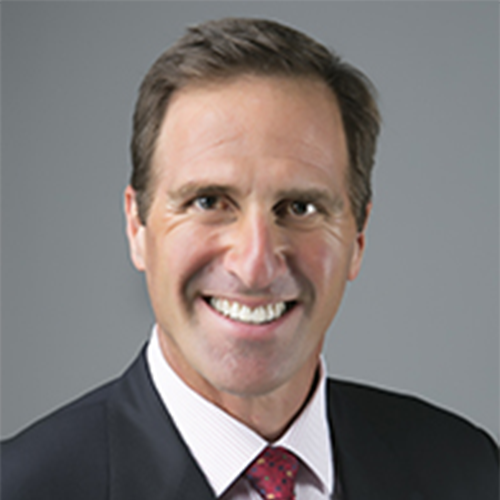
Brent is a Vice President of Wealth Management with GCG Financial, having been a member of the firm since 1995. He has been serving clients, their families and their businesses since 1989 with a particular knowledge and focus on the accumulation and preservation of assets along with risk management. Brent meets his clients’ financial needs through the use of the extensive resources and professionals at GCG, as well as through trusted outside advisor offices.
Brent received his Bachelor of Science degree in Economics from the Wharton School of Business at the University of Pennsylvania. He graduated with honors with a concentration in entrepreneurial management. He received his Chartered Financial Consultant® (ChFC®) designation in 1999.
Brent played seven seasons in the NFL. He was with the Chicago Bears in 1988 and the Minnesota Vikings from 1989-1994. In a career that included over 100 special teams tackles, Brent retired after a serious neck injury. He is a member of the Chicago Jewish Sports Hall of Fame.
Active in many charities and organizations, Brent serves as the President for the NFL Players Association Former Players Chicago Chapter. He is also the Treasurer of B’nai B’rith Sports Lodge and the Chair for their scholarship program.
Brent and his wife Andrea live in the northwest suburbs with their three children, Alec, Zachary, and Mackenzie. Brent is a brown belt in Taekwondo, enjoys softball and family time, and is an avid, bad golfer.
Welcome to the Athletics of Business, a podcast about how the traits and behaviors of elite athletes and remarkable business leaders frequently intersect. The real stories and hard lessons to help you level up your leadership and performance. Now, your host, Ed Molitor.
Brent, thank you so much for joining us today. I am absolutely humbled and fired up. It has been way too long. I believe it's been about five years. So how are you doing today, Brent?
I'm doing great, thanks for having me.
I apologize before we started recording, I apologize that it took me so long to reach out to you because you live and breathe the athletics of business brand. I mean you talk about your journey and let's start with where you're at now in your business career and what you're doing, how long you've been doing it.
Absolutely. So currently I'm with GCG Financial, which is an Alera group. We about two years ago went from a family run, family owned business to pulling together 23 other companies that deal with small and mid sized companies on the insurance side of the world. So benefits and property casualty and put these companies together into one group. And that was two years ago. The person that ran Greater Chicago, Alan Levitz, runs Alera. We're now at 72 companies and growing. So it is becoming a very company very quickly. So it's very exciting. But I've been here 24 years, got here because of John Paxson. I was working out with the Bulls as I had done for six years of my seven year career.
And I had gotten hurt and went and was messing around at the Berto center where they work out playing pool with John Pax. And Pax asked me what I was going to be doing and I said, I don't know, I'm just talking to different business contacts and trying to figure out my life. And he said, why don't you go talk to my agent, Harvey Weinberg? And I said, okay, great. Who's Harvey? He goes, well, he's really an accountant out of Highland park, right. And he knows everybody in Chicago, so go have breakfast with him. So I did, I called Harvey, we had breakfast, spent 60 minutes talking about John Mengel, who was a former Bulls player and was doing something in pr.
I don't even, I'm not even sure, but got up to pay the bill and Harvey says, well, go talk to Bob Levitz too. And I said, who's Bob Levitz? He said, well, his son's married to my daughter and he sells insurance And I said, there's no way in hell I'm selling insurance. I wound up calling Bob. Bob is the greatest salesman in the history of the world, and spent three hours with him. And after my neck surgery, I went to work for Greater Chicago Group, or GCG, as it's known now. Started on May 15 and have been here 24 years. So it worked out okay.
So you have a big anniversary coming up.
Yeah, yeah. You know what? It was the idea of being able to really run my own practice and build a business that I wanted to have and really that the entrepreneurship finally came through after, you know, working seven years for the NFL with the Bears and the Vikings and spending some time with bigger companies like Mesero and Lehman Brothers and just decided, you know what? I'm going to be on my own. I'm going to build up a practice that. That I can be proud of and that, you know, during the summers, I can go and play golf and set my own schedule and set my own timing and build and grow with my clients, which for 24 years, it's. It's worked out okay.
That's pretty amazing. But talk a little bit about how hard it was, because we know. And I talk about this all the time with folks, as an athlete or as a coach at the higher levels, you have it. You have a tendency to attach who you are with what you do. Right. And yeah, so when you got done playing, because it wasn't your choice to stop playing. I mean, you had an awful neck injury, you know, and if. Can you walk us through a little bit about that? You know, having a neck injury, then all of a sudden having to completely change your identity, and then all of a sudden, here you are in the business world, and. Yeah, it sounds really cool, right? You're going to be your own boss, build your own business, you get the golf.
But yet there's still that sense of re. I hate to use the word reinventing yourself, but to evolve.
Absolutely. You have to. The injury itself. You know, look, I played seven years. I was a tight end that caught two touchdown passes in my career. They were in the same year in 1989. You know, I played 88 to 94, so there was a lot of years there I didn't even touch the ball, but I was special teams captain. I made over 100 tackles in over 100 games. And I would joke about it all the time. We talk about it, you know, dodging bullets, you know, that you never know when it. When it can happen. And for a lot of guys, so it happens over time. It's gradual, but when you have an injury like I had, which basically was just. I made a tackle, and the guy's knee hit me in the shoulder and popped out my disc, my C3.4 disc.
And I was done. I couldn't feel my hands and my feet and went. Got an mri. And the question was, how many car accidents have you been in? And I just, you know, seven years in the NFL will do that to you. And March of 95, I had my neck operated on a plate and four screws put in. I was fine after that. I'd be able to walk. I'd be able to feel my hands and feet again. But football was kind of out of the question to the point where I continued to work out. I think about five years ago or so, I had another injury lower down and had to have a second surgery. So I've got two plates and eight screws in my neck. You'd think that it would keep my head down for golf.
I just need to tighten those bolts up a little bit. But you're absolutely right. I mean, the reality of. It's so crazy because I think about that date, and it was November 27, 1994, and I got hurt. And it was the second quarter of the game, and at halftime, Tampa Bay, right, basically, against Tampa Bay up at the Metrodome. And they brought my wife down to the locker room. It's first time she saw the Vikings locker room. And I had gotten showered and changed, and they sent me with. She drove me, basically, to get my MRI during the game. And the craziest thing is I. You know, it was during the game. So I walk out of the stadium, and we go to the car, and we're driving to the mri, which must have been about a mile away. It wasn't that far.
But I noticed that, you know, people were out walking around. And to me, that was so strange, that who the heck's walking around? I thought, everybody's inside watching the game. My whole world revolved around the game. And all of a sudden, I opened my eyes and I looked around. I said, you know, there's more to life than football. And although, you know, I was so invested in it for 15 years of my life, through high school, college, and the pros, you don't even realize that because you're. That's your only focus. And, you know, so many people are so adamant about it, but you finally realize, hey, you know what? There is a world beyond that. And it's rough because you've got Those three different areas. You've got the emotional, you've got the physical, and you've got the mental part of it.
And the reality is the physical part is what it is. I mean, we're trained in how to deal with the physical nature that you. You're trained to deal with pain, you're trained to deal with injury. How do you get back on it? How do you be very aggressive and get that resolved? Well, you're kind of stuck. I mean, you got to play your neck. Not much you can do. There wasn't anything I could do to strengthen the other car, the other, you know, parts of my neck to overcome that I was done playing. So, you know, that was it. On the physical part, I can just become as healthy as possible. The mental part, obviously, is a lot tougher. To take yourself from a position where you're an athlete, you're an NFL player, people are knocking themselves out to get to you.
People are giving you stuff. You go to dinner and meals are for free and people are buying drinks and all the accolades and people want to hear you and talk to you and then to feel like you've lost that. Although as retired players, we still have a little modicum of that, but not so much anymore. I mean, once you've lost that effective use, you see a lot of people jumping off the bandwagon. You figure out who your true friends are.
Was that hard for you?
Yeah, not really. I kind of knew who my true friends were, but. And it's interesting, more interesting to me than hard. It was just fascinating to me to see who your true friends are and how that works, and people that are the social climbers or the jock sniffers, if you will, and you get to see that right away because people drop certain people and even guys that you played with, it's similar. So that was tough, but it was interesting. The hardest part was the emotional part. You know, you're just so tied into that. It is your identity, and all of a sudden this is everything you've poured your whole being into and you're done. And I was done at 29 years old, which I got more than double the average of, you know, seven years.
But, you know, still, I'm not even 30, and my life, in essence, my useful life of football is over. And hopefully I'm living another 55, 60 some years. And that's something that's kind of. Kind of tough to take. It's like all of a sudden, where's your identity now? And everything we did as an athlete, you had this track you're running on this track, they told you exactly what you needed to do and you followed it. And you know, were good soldiers. The problem is now all of a sudden you've got this open architecture and you've got this ability to say, here, you know, with the rest of your life, here you go, do whatever you want to do.
And the problem that I found with most people, they're so goal diffused, they don't know which direction they want to go into because they've got a lot of these opportunities. And the problem then is they don't focus on just one of them. And that's the big thing with football is you had to focus on Sundays. That's what everything led up to. Now all of a sudden you got a blank sheet of paper. And I find these guys, especially in business, that are just stretched to the limit. They, it's a shiny thing world where, hey, let's look over here and look at that. Oh, wait over here. And their attention kind of wanes in a lot of different directions, whether it be their foundations or whether it be their personal businesses.
And you know, it's one of those things where you look at it and you say, you know, that's a problem, yet it's inherent to kind of what's been laid out for people. So, you know, the NFL has done a pretty good job with education, with the trust, where they give you that, you know, feedback where you can go for a week or so and go to Wharton, you can go to Harvard, you can go to Northwestern and get these advanced kind of degrees, if you will, but just get some knowledge so that you can be kind of pushing the right direction. So that to me was the most difficult, you know, the part for me. I knew I wanted to be in the finance world. I knew I wanted to do planning. So this kind of fell into play.
But it was a long play for me too. I knew I wanted to do this for the rest of my life and not only make it a career and a business, but, you know, a lifestyle. And.
Well, that's where I really tip my hat to you though, because you think about it, I mean, you make this major change in your life right now. Now you graduate from Penn, you have a BS in economics from the Wharton School of Business. So you had the educational foundation, but nothing could prepare you for what was going to happen. Your oldest son was how old when you stopped playing? He was.
My oldest son was a year. He was a. Let's See, he was born in 93. Okay, he was born in August of 93. So he's about a year and a half.
So all of a sudden, here's something you've been doing your entire life and beyond high school, we're talking junior high, grade school. And now, okay, you have the education, but you have to completely learn from the ground up this. This business. And, you know, my first question to you was that a challenge? Like, your reputation is a man of character, a ton of heart, a ton of persistence. Res. So obviously that's going to bode well for you learning something new. But was that, like, you walk in your office the first day, you sit down at your desk, and it's like, okay, here we go. What am I doing? How was it?
So that was. That's interesting that you say it like that, because I had, you know, I had experience while I was playing when I was with the Bears. I didn't think I was going to last very long. I mean, I got cut three times my first year, so I wasn't sure a Jewish kid from Skokie was gonna last very long in the NFL. So what I did right away was I started doing internships. I started figuring out what I don't want to do. And my freshman year, actually, it was my freshman year of college. I came back in the summer and wound up doing an internship at Northwestern Mutual cold calling businesses in a room without windows. It was me and this backup center from Columbia University. So the two Ivy League guys are there, but we're, you know, we're Chicago Ivy League kids.
So it wasn't prep school, you know, but we would get the Dun and Bradstreet leads, which were the, you know, the cards of the businesses that we had to cold call. And we just dial for dollars. And we'd be calling these folks up, and of course, you know, somebody would be rude or whatever, and we'd give it to the other guy, and the other guy would basically phony phone call him for the next four hours. So it was one of those things where, you know, I'd had this experience, but when I first sat down, I made five cold calls. My first day where I just picked up the phone and just dialed, and I just said, you know what? This isn't going to work. This is not what I spent my life building up.
I've got a lot of friends, a lot of people that I know and I like and like me. So I wound up calling them and basically just saying, look, I have no idea whether or not you're in the market, I don't care. Let's just get together. I just want to film my calendar up, tell you about what I'm doing now, find out what you're doing, and then see if there's anybody that I can help that, you know, and. And I built my career around that. And I think that's why a lot of us, a lot of the former NFL players are pulled toward the finance world because of the connections. Because, you know, it's basically, if you look at it, we are, you know, we are the ones that can get in and see owners of businesses.
We can get in and see people that have money because we've dealt with money and hopefully we've dealt with it properly. And once you're in now, it's your education, it's how much you know about the products that you're selling and you know how well you can sell. But getting in is most people's problem. Most people can't even get through the door. And I try to tell our guys, look, you've got that built in. You're going to be able to get in a lot of doors, and then what you do after that is really going to be up to you. So it was a difficult transition, but you know what, it's just like in the weight room, that's difficult, too.
But if you've got something that you can attack and you can come up with a way to do it, you know, God gave me the ability to work hard, so work hard. Work doesn't scare me. I can. I can work hard if I know what I need to do. So that. That, to me, that was the fun part.
Well, and you look. You look at what you do. You're in a contact sport now in the business world, so to speak, right? And someone's going to win and someone's going to lose. That's the reality of the situation with what you do. Either you're going to get the client or somebody else is going to get the client. How much did the whole mindset and the mental toug and that aspect help you as you grew your book of business?
Oh, it's tremendous. That's the key part is, you know, the wins and losses. You know, I still hate losing, hate it, you know, where you just can't stand it. But yet you realize when you're doing this that, you know what, maybe it isn't all you. Maybe it's the clients, maybe it's the prospects that, you know, for whatever reason, you're dealing With a very emotionally charged issue. When you're talking about investments and especially insurance, talk about mortality and morbidity and these things. Don't want to address it. Where, you know, I always said my job is to grab people by the back of the neck and lift their heads out of the sand. But that being said, it's still not a guarantee that somebody's going to actually execute an act on what you recommend.
So for me though, it was always about having the business as a whole. Where I was consulting, I would tell people, look, here's what you should do, here's what I've done, and here's what makes sense. That's great. That makes sense. That's awesome. Put a game plan together now, let's execute on it. And that to me was the thrill of what we do, is that we can actually do it. Soup to knots. We can tell people what they need to do and actually get them on that path and say, okay, let's get this done. And I've taken it a whole other route where, you know, being 53 and dealing with people my age, the question becomes, if we can get you financially, well, what about physically, what about mentally and emotionally?
And a lot of that revolves around all these aches and pains that people have. And I've gotten, you know, I see guys that have retired in the NFL and that's just a huge deal. If you don't feel good and you're not able to work out, you gain weight, then everything just goes in a downward spiral. And then of course, your emotions go there, your relationships, you don't feel good about yourself. So that's become a whole other aspect of the business. Quality of life, you know, how do we get more quality out of life? And how do you not just take a pill, but how do you do the stuff that we've already done, which is, hey, I know how to work hard, but what's the most efficient way for me to work as a 43 or, excuse me, a 53 year old.
And as I get older, you know, what are the things I want to continue to do so that my lifestyle doesn't change or my health isn't going downhill? So it's both financial and it's the health aspect of it. And I love it because I think I found maybe not the founding youth, but something that sort of similar.
Well, you look like you found the founding youth, for goodness sake.
Well, I lost three, about £30 five years ago. And so I've got the eating thing down and then the moving. I walk on treadmill, two miles a day in the morning, and then I've got a. An hour workout twice a week. But literally, I've never felt better. This weekend, I caught nine innings. You know, hardball. Baseball. Went back to that.
It's amazing.
Like, I'm a little kid in Little League, and I love it. And then I go and play golf. But, you know, why have all the money in the world if you can't enjoy it? So it's. It's two aspects of it.
So. So, you know, let me. Let me add some context to our relationship. Brent and I first met, I think it was five years ago at the Special Olympics Pro Am in St. Charles. It's been on five years. And I was fortunate to be in the same foursome as you and immediately connected. And we just started talking about, you know, playing the whole game of three degrees of separation. But. But one of the things I noticed about you, first of all, obviously, I know the sport a little bit. I understand that level being, you know, what my background is. The thing that really amazed me about you was, you know, you go to those things, and sometimes the former athletes are all about busting out their super bowl rings or World Series rings, which is awesome.
But that's, like, the extent of the conversation they have with the people around them. Right. But you were really genuine. You were really deep. There's depth to your conversation. But then I thought about, as a football player, what you did. I mean, man, it was brutal. I mean, you're a special teams captain, and you're just throwing your body all over the place. I'm sure there was times you got hit in the head where you couldn't even see the scoreboard, you know, and yet here you are as this person that has the ability to connect with people and develop these relationships. I got to imagine when you step alongside these folks, these potential clients and these clients, that's pretty amazing for them. And can you talk into. Let's just say there's someone a little bit younger in the financial industry. Okay.
That you're trying to talk to about work ethic, you're trying to talk to about the process, about the grind, about winning and losing and about learning from failure, yet at the same time, managing. Meeting those metrics and building great relationships, they're not mutually. Mutually exclusive. They can go hand in hand. What kind of advice would you pass along for that? Or what would your, you know, your infinite pearls of wisdom to be able to do that? What would that be?
Well, I think the infinite pearl is there are no shortcuts, there are no quick fixes, there are no easy ways to go. When you get emails from somebody saying, I've got 100 prospects for you, all you got to do is sign up and pay me $600. None of that works. The reality of it is you need to grow it from within. You need to go find the people that you connect with. You need to go find the hobbies, the things that you enjoy doing, find people that also enjoy doing that. Find people that you're truly interested in, finding out more about them. Whenever I sit down with a prospect, I am truly interested. You know, the reason that you ask good questions is, are you really there? First of all, are both your feet there? Are you where your is?
And that's a problem with a lot of young people, is that they're multitasking all over the place. And to sit down with them and have a conversation and look them in the eye, that's our business. Our business is getting warm butts and seats across from you. It's not about emailing, it's not about texting, it's not selling over the Internet. Everything that we do is. It's a personalized business. That's why, you know, I hope our business is going to be around for a long time. Is that, yes, a lot of our stuff can be done over the Internet. I do a lot of our stuff over the Internet now when I execute on it.
But to get that relationship, to really get that true relationship, you have to be able to sit down with somebody, you got to be able to shake their hand, look them in the eye and have a conversation with them so that they feel like you're going to take care of them. That's the big differentiator in any kind of financial planning at this point is if they didn't have that, if they didn't need that, they could just go online and get a robo advisor to help them. Now, most people don't want to do that. They don't trust that they want somebody that's going to back that up, somebody that they can talk to, that's going to understand their needs. So that to me is the key aspect of it, then it's just natural.
I mean, you can go to all the networking events in the world, pick up all the cards in the world, and that's just what they are. A year later, you've got a stack of cards, you've never done anything with them. So what I always do is if there's somebody Worth meeting. You know, I'm going to meet with them, I'm going to sit down with them, I'm going to add them on my LinkedIn. But more so than that, I'm going to ask them, look, who can I connect you with that's going to affect your top line? Who can I get? You know, what are you looking for? What's your sweet spot? Who do I know? Because I'm going to run into a lot of people. I do that on a day to day basis. All I do is see people.
But when I talk to them and figure out, okay, what do they do? Who can they meet with? There's always that connection that you can make. You know, it's not a love connection but it, you know, fitting up two people. You know, if I don't want to think about 10, 15, 20 people, it's too much. I want to just fit you. If I can get you two really quality connections, they're going to help you, they're going to help the people that I connect you to. That, to me is the most important part of any business. And you know, if you've got that ability to connect with people, you can make it anywhere. I mean in sales is just that, it's connecting with people.
But then you've got to realize, look, I've got to connect with the people that need what I do, can afford what I do and that, you know, want to work with me. So there is, it's not easy, but it's that kind of thing where if you can focus your hard work, if you find an efficiency and just go and do it. And for me it's LinkedIn was the greatest thing ever invented in the sales world. I got there in 2007, didn't really know what I was doing, but I just started doing it. I just started connecting people and using it as kind of my client management system and then reaching out and sending messages to people. But you know, using it in conjunction with emails and texts and phone calls and you know, I don't do many letters anymore.
But that's, I think the biggest problem that I see in the industry is people fall in love with one medium and they try to use that for every single one of their clients or prospects. It doesn't work like that. We've got so many different ways to connect to people. It's good and bad in that, you know, sometimes we fall in love with that method that our client doesn't really like. You know, a Lot of people prefer meeting in person. Some people on the phone, some people via Zoom. I'm trying to do more Zoom meetings like we're doing now. But, you know, for me, that allows me in January and February to be away from the Chicago winters and maybe be in Hawaii and the South Shore and you can see the, you know, the breeze in the background and then the water.
And, you know, I'd be happy to deal with you at that point and say, you know what, When I'm in town in May and June, let's get together and talk.
You're going to keep put the way this weather is, you'll keep pushing that weather, that date back when you return. How, how hard was it for you? Was it a challenge for you to understand that it was a transformational business, not a transactional business, you know, because you're in a business where you chase numbers, you chase metrics, you got to produce or you're not going to succeed. But yet you're sitting there and you're making an impact on somebody's life.
Yeah, you know what? Right away, I knew that right away that for me, again, it was not about the short game. It was not about, you know, getting sales tomorrow. It was all about, you know what, let's build a relationship, because I'm going to sell you something, you know, maybe five times, but it's going to be down the road. And, you know, that last sale is going to be the biggest sale because that's when you're going to sell your company and that's when we're going to need to protect it and need to manage all that money. But you know what, that could be 20, 25 years down the road. And I just kept saying, you know, I've got time. I'm going to be doing this for a long time. And that's the way it's worked out.
Now that 24 years in business, all those plans we set up at the beginning to get kids through college, kids are getting through college now. I mean, my youngest one is going to college in the fall. And a lot of my clients are in that same position where we've gotten them through college. Now the question becomes, what about retirement? What does that look like? And a lot of them are in that 5 to 15 year time horizon where they're looking at retirement. So my whole, you know, my whole practice has kind of changed into. It was the family planning. Now it's more on the retirement planning side where you look at and say, okay, You've built up these assets. What do we do with them in retirement? How do we actually liquidate them? How do we get them?
How do we make sure we don't outlive our money? How do we make sure we're not falling into any of the major potholes? Because, you know, you hit a financial pothole now in your 40s or 50s, you can overcome it. You hit a major financial pothole in your 70s or 80s, forget about it's going to be dire. So we've been doing a lot of that. And the fun thing is being in the insurance industry, when you deal with annuities, long term care, you can deal with certainty. So, you know, I've got retirees. My happiest retirees are the folks that used to teach me in high school. Because one of the first things I did was I went back to those folks and said, look, that's awesome. You gave me this great education, I'd like to give back to you and help you.
And I've got a bunch, I've probably got about 10 to 15 teachers, former teachers that I deal with. And these are the happiest retirees. Why? Because they retire? Yeah, they retire on the average three years of their salary and they've got healthcare, so they've got all these things. So any of the investments we did is just gravy.
Right?
Because they're living off that income. So that guaranteed income is the way to go. Now being in the NFL, we've got a pension. Unfortunately, it's not a gigantic pension. It's, it's decent though, but it's not, you know, it's maybe two and a half times Social Security, but it's something, it's a guaranteed income. So to me it's. And when I started doing this business, I sat down, I said, okay, what do the demographics look like when I'm in my 20th year of business? And that was when the boomers were going to start retiring and that was when the dollars were going to transfer from one generation to the other. And to me, that it kind of worked out really well. So there was some foresight in there. I did, you know, the decisions I make with some foresight, a lot of them tend to.
You look at it and say, wow, that was kind of happenstance. And it's funny because when you look at why I was a tight end my freshman year of high school, we got a first practice, we had a practice in the gymnasium and the coach said, okay, get in Line behind your position. And of course there was center, guard, tackle, and then they had tight end and wide receiver and running back. And, you know, I was a bigger kid, but I didn't want to play the line. And I was looking around and as people got into lines, tight ends was the shortest line. So I said, okay, that looks good. I'll go in the short line. I mean, you realize over time when you're practicing and what you're doing that puts you in the right spot.
But that's literally how I got to be a tight end and then played defensive, played outside linebacker, and I was actually a better outside linebacker than I was a tight end. And as it turns out, with all the special teams tackles, I could tackle, but I could also catch. And the problem with defensive guys is they can't catch. So any great defensive guy, any great cornerback or linebacker, if they could catch, they'd be playing offense. The other side of it is any defensive lineman that can count would play offensive line. So they can't count. They know right and left. That's right. So I'm not saying defensive guys aren't as smart as offensive guys, but I am saying. But you're saying guys aren't as smart as guys.
I'll back you up on that, too.
Yeah, but yeah, defensive guys have got that. They, they've got that innate ability, they've got athleticism. Offensive guys are like accountants. You know, we've got to know the numbers. You got to, you know, you got to walk it through. Everybody's going to be on the same page defensively. You get one guy that's a stud, he can blow up the whole play. You get 11 guys on offense, one guy doesn't do their job, it's screwed. So you know what? It worked out okay. I actually made an all star team my senior year of high school and beat out two of the guys that were going full boat to Missouri and Illinois. And I caught a bunch of passes there. And really I thought I was going for defense because I love playing defense.
And again, that's where special teams, I love finding the ball and blowing up the ball carrier. But you know what? Offense paid the bills so.
Well, you look at it though, you kind of figure out a way to leverage your strengths, don't you? And what you're good at and doesn't mean you're not going to have more strengths, but what you're good at. But one of the things about football such, there's so much energy, there's so much powerful, positive energy. Can you Talk a little bit about how you created that in your world, you know, that you've been doing the last 24 years, because that's a whole different monster. You know, how are you able to bring that positive energy to the office, to your client relationships, to building a team inside of the office, which I want to get to. How are you able to do that?
So it's. It's a little tougher. You know, you go into the. The locker room and you can scream and shout and just, you know, for me, it's just having a blast at what you're doing. I used to go into practice and, you know, I kid around, you know, I use humor and joke around, but not to the point where it's. It's not letting people be effective, it's not letting me focus. But I always want to have a good time. I want to have a blast. I want to have a blast in what I'm doing and how I'm doing it. So it's bringing that energy. And, you know, often when I'll speak to groups, you look at that and say, well, is the content really important? And it is to a point, but it's more so how you say it. People remember how you were.
You know, they don't. May not remember what you said, but they remember the.
How you made them feel.
When I go, exactly. When I go and I play in a golf, I just want to be up. I want to be. I want to be excited. I'm excited to be there. I'm excited to be playing. And people get that. You know, then you get the high fives and then you get the chest bumps, and, you know, you're having fun on the golf course and your fist pumping and you're doing all that things. You could do that in business, too. You just have to be a little more careful how you do it and a little bit more restrained. But yet, if you can just have people just understand that excitement exudes to them, and if you can get that forward to them, that's the key. There's no real big secret to that. It's really about bringing the energy.
And then, more importantly, look, I know how to beat it up every day. I know how to go after it. And when things aren't going your way and, you know, things don't go your way all the time, in fact, very often things may not go your way. And I've got a pretty good innate ability to push on. And whether it be through workouts or, you know, just getting my head right, just building up that day to day fundamental kind of track to run on that says, you know, this is what I'm going to do. I'm going to get my body ready, I'm going to get my mind ready and you know what, things are going to happen. Like I was on the bubble. Every single year that I played, every single article that came out, they were going to cut me.
And I, my job was to make it as hard as humanly possible on these coaches to cut me. I was going to be in the right position, I was going to be at the ball, I was going to be doing all the right things. They knew they can count on me and I was going to give it everything I had. Now everything I had might not have been on the same spectrum as some of these other athletes, but if they were giving less than their full, I had a chance. You know, it's like I'm not going to beat Michael Jordan in one one basketball. He's just so much better than me. Even if I played at my best, he played at his worst. He's that much better than me.
But I was good enough that my best was better than most of these guys mediocre. And yet most of these guys didn't know how to bring more than mediocre. And that was the secret is that if I can just maximize my abilities, then you know, I'm doing the best I can. And if I've got somebody that's just a better athlete. And the reality was my last year in the league, I was, I came in the league as one of the heaviest tight ends at 245 pounds. 3. Excuse me, seven years after I left the league at 245 pounds, 30 pounds lighter than most average tight ends at that point. Plus I was six two and most of these guys were six five, six, seven. So it changed. The world changed. So could I still do that?
You know, I always say I got one more time down the field that I could run and that would be probably about it. But these kids are, I mean my son's six five, 315 pounds.
So it's insane.
You know, these kids are, it's amazing what they do. So. But for me it's, look, you've got this spectrum of your ability. You can move this spectrum through coaching, through getting more knowledge, through being more efficient, diet, exercise, all that good stuff, but you're still going to have some spectrum that you can work off of from the worst case where you just kind of sleep through it and say, okay, I could Just do this in my sleep to that. Hey, I'm focused, and I'm going to work as hard as I can. You're going to have that spectrum, that. And a lot of days you're falling within that range. You want to get above the mediocre range. You want to push as close as you can to that top range, with the reality being you can't always perform at that top range.
So you give yourself a little bit of break on that. But, you know, I always was working toward a perfect practice, a perfect game, and I was upset when I wouldn't get that. And to me, that the difference between baseball and football, because I play baseball now and I love it. But baseball is a game of failure. And the reality is, if you're successful three out of 10 times, you're a Hall of Famer, right? If you're successful 3 out of 10 times on the football field, you're done. You have no career. You know, you better be successful 9 out of 10 times. So it's much more a game of successes where you kind of focus on those failures and say, okay, I got to do that better.
So that's the same thing in business, is that your business should be a business of successes, but you should learn from those failures.
Now, you said, something I want to get back to real quick is you talked about how you basically made it impossible for them to keep you off the field by how hard you worked, right. And how. How much you continue to grow and to learn and to develop. How do you. How do you do that in business? And not only how do you do it, how do you teach it? Because I always loved as a coach, when I was coaching, you know, at the college level and in the business world, I love when you have that person that might not be as talented, it might not be as naturally gifted, but, man, do they just work at it. And what that does is that raises the bar for everybody else, because if they're going to do, why can't your highest performer.
Why can't your performer. So how do you do that? Can you talk into that a little bit in the business world, how you do that?
You know what? That just comes from my upbringing. That comes from where I always was, you know, middle class. You know, we never wanted for anything, but yet we never got everything that we wanted. And I think you look at that, you see these guys that are just amazing superstars, just talent beyond belief. Look at a guy like Herschel Walker, who came over in 89 when I was with the Vikings. My first year and had the locker next to me. And this guy was just a specimen, I mean, physical specimen. Now he didn't have everything handed to him. You know, this guy ran two miles before practice every day. I would take a nap. It was exhausting. He would do push ups, he worked his butt off. But yet there's a guy that just was at a different level.
I mean, just his talent was at a different level. Now he's one of the guys that was successful now, very successful in business. But you look at a lot of guys that blew out in the league that were supposed to be great, excuse me. And you know what? They didn't have that work ethic because they didn't need that work ethic. So you've got to have the combination of two. And the question becomes, you take a guy that's just a better athlete and same thing in business, you take somebody that just looks to be, you know, just a better fit.
Or do you take somebody that's willing to work and at some point there's going to be a crossover to where that person that's willing to work is going to outperform that person that comes in with a natural ability and whatever point that is, that person that's going to work harder is going to shoot way beyond and it's going to, is going to push your business a lot farther. So give me the people that work harder that are willing to learn. Now if you can get both. Now you're talking about a true superstar, right? And that's, you know, those are the folks that you hear about like, you know, the Jerry Rice is the world. You know, Herschel was a great example. Roger Craig was one of the best examples. I saw that. Roger Craig was phenomenal running back with San Francisco.
Came to us his last couple years and this guy was just super athletically, I mean, just a fine tuned machine. This is a guy that came back from a serious knee injury in like a week and everybody was on him saying, what are you doing? It's just his work ethic was insane. Plus he had the talent to back it up. So you've got both of those. It doesn't really matter what your talent level is, you can always improve it. So it's the hard working aspect of it that's most important. And it's that ability to look around and, you know, be a sponge and take a look at what people are doing around you and take the good stuff and try to avoid the bad stuff. And you know what? Those are the folks that are Going to push the business farther.
Right now, let's talk about, as we talk about bringing in people that work hard and fit into your culture. Let's talk about culture a little bit. You now have 72 companies and you and I both know that how, you know, values based, purpose driven. How hard that is, how big of a challenge is it going to get these companies to fit the culture that you have and then find the people inside those companies to fit the culture that you have?
It's, you know what, that's something that would appear to be difficult. Now, I'm not on the that side of our business. I'm working my side of things, but I've talked to enough folks on that side of the business to realize something that they go and the businesses that they're looking for are similar to us to begin with, which is kind of nice. It's a smaller company that's local, that deals in a local area. They've got a good local footprint and they're top notch people. First and foremost is they're doing the right thing for people. They're not just turning and burning. These have got the people with long standing relationships that have got a little older ownership group that's looking for that, maybe that next transition or you know, how do we grow and how do we build that?
So I think it's kind of twofold is that you're going out there with an expectation of what we bring as a culture, but you're also fitting companies in that naturally fall in line with that culture, that concept and then it's kind of that, okay, how do you put the monster together? You know, you've got all these building blocks that are similar. We're coming up with ways that how do we mesh all these companies? And a lot of that has to do with how do we cross sell, how do we bring somebody that's just doing the property casualty benefits to say, you know what, I'm part of this big team now. I've got a lot of companies that do great work in the benefit area. I got great work in the 401k area, in the individual health and wealth management area.
And just to put those things together and give these folks big ship, if you will, and the ability to take those resources. It's twofold. The expectations that we come out with and say, look, this is our culture. But also adding those companies that already have great culture really helps. But it's growing pains because I remember were 40 people, I think when I started, we're over 200 GCG itself and you know, it's family run. Bob Levitt started it, but his three boys run it and they've done a wonderful job. But a lot of that culture gets diluted a little bit once you're not, you know, the 40 people at the Christmas outing are now 200 people. And you don't know a lot of those folks. It was very similar to when I was on the Vikings. Four people ran the Vikings.
When I got there, we used to get checks that were handwritten and Dan Endy was the guy who ran it. Not only did he run it, he wrote your checks. He was the one that did the hotels. And then all of a sudden, about three years into it, they were sold. And all of a sudden we had big business. We had 150 new suits with people running around with suit and tie. This is football. And went to the Christmas party and I thought I was at the wrong party because I didn't know half the people there. Right. And then some of the players started showing up and said, wow, this is crazy. But it's reality.
I mean, when I was with The Bears in 88, same thing, family run, you had a few people running it and now it's a giant, it's a billion dollar business. So you've got people that are there and it's just progress. It's the way it is and you have either have to accept it or you get swallowed up by it.
Right, right. Well, as we wind down here, before I ask you the last question, where can people find out more about Brent? Where can they find out more about GCG and whether they're potential customers, clients, I should say, or they have a small mid sized agency that might be interested in learning more about what you do and how you bring people on board.
Absolutely. So Alera is a company, A L E R A and people can always reach out to me on LinkedIn. Just Brent Novoselski. B R E N T N O V O S E L S K Y. If you reach out to me on LinkedIn, don't ask me to join your network and give you that canned deal. I get like three to five of those every single day and I just ignore them. Throw something personal on there. It doesn't even have to be. We don't. They don't have to meet personally. But you know what, Put something on there that's going to say, hey, here's why I want to connect with you. Let's talk, let's connect for a reason. Don't do that on LinkedIn. Stop that. People do that way too often, and it's a slip of the finger on the app or something.
Go in there, personalize the message, make it something that people will chuckle about or they'll say, oh, yeah, we've got to get together, because if you can make somebody laugh, they're going to remember you. And you know what? I've used that to my, you know, to build up my practice where I'll go out and I'll. I'll spend time with people golfing, and then I'll reach out to them and I'll connect with them and. But I'll throw something on there personally to say, hey, you know what? I found your ball finally. So.
Well, I was going to say, I think you referenced. I think you referenced the time on the seventh hole there. I went in the water five times. I do believe you're referencing. Yeah, yeah, no, but you're absolutely right. And LinkedIn. Such an unbelievable tool, isn't it?
Yeah, it's. It is the eighth wonder of the world. I mean, what do we used to do before that? We used to have to Google people before that. We just have to stake out and, you know, do stuff that was illegal to check into this person's personal life. Now you've got LinkedIn, you've got Twitter, you've got Facebook, you've got all these things that people are throwing out there, all their personal information, and it's just up to you to go out there and just take a look at it, do a little research, don't be lazy.
Is it safe?
Have to do that much?
Yeah. Is this safe for you to say that now you have the ability to actually, instead of trying to get more potential relationships, you have the ability to go deeper on fewer relationships, always.
Oh, you know what? Everybody is so worried about skipping stones on the networking front, where they're just worried about, I mean, how many. How many cards can I get? How many cards? And they're going to stay to the surface. That's what I mean by skipping stones. And they're going to collect all these cards. And at the end of the day, what do you really have? My focus is it's more like fish in a barrel. You're built, you've got this barrel, you're putting fish in that barrel and deal. Now is who do you want to go deeper with? Figure out who you can go deeper with. Spend some time, spend some effort, spend a couple months and say, is this person really a good fit for me? And It's. It's really, you know, what you give, you give.
You expect something in return, but yet don't go out there giving like you expect it in return right away. I give. I give plenty of time to say, look, you know what? This is somebody I like, somebody I may want to work with, somebody that's got, you know, something that they do that my clients could utilize. I want to build that trust with them. I want to build that rapport with them. It's going to take a little time, but once you've got that, you've got gold. I mean, if you've got that for me, I've got a couple great attorneys. I've got a couple great accountants. I've got some folks that. I got a gentleman that does college planning whereby helps people get merit scholarships.
I mean, all of these things that you know, are specialties, but that in the right situation, those are people you can turn to, and those are people that I trust with my own stuff that I know. Hey, if I recommend somebody to talk to you're going to take good care of that person. And that me is the most important thing. And me, that's. If folks can just dig deeper, go deeper with these contacts and have them go deeper with you so that you get that teammate relationship. It's much more than just, you know, okay, we know each other from business. No, we're brothers or sisters or, you know, this person has got my back, and that's what I try to bring to the workforce that I had in the NFL. And it's just an 8.
I mean, it's nothing I really thought about, but as I think about it now, I want that team that I could suit up with. That's 10 other people around me that I know. If I focus on doing my job, they're gonna do their job and we're gonna get across the.
I love it. Yeah, I love it. So you're sitting here in front of a young group of folks ready to go out into the business world in your industry. What is one piece of advice? It can be a piece of advice that your mentor gave you. What is one piece of advice that you would give them? I mean, you and I have a tendency. We're cut from the same cloth, to tell people what they. They need to hear instead of what they want to hear. Right. So you now have that opportunity to do that. What would that piece of advice be?
It's real. It's. It's not going to be easy. There are no Shortcuts. But the biggest piece of advice is there's so much good information out there. There's so many good things to do, you've got to do them. And the problem in my business that I found is people will find a system or something that works and then they'll go on to the next shiny thing and they can never go back. It's like, go back and do what's right. Do the elemental things that got you here and keep doing them. And, and that's where you see people miss on. That is where they're like the fear of missing out though, the fear of that next great thing and the reality of they're really. Yeah, the next great thing might be okay, but it's really everything that we learned growing up.
You know, what's the secret of life? It's okay, it's eating right, it's moving your body, it's, you know, spiritual billing that. It's the relationships that you have with your family. And you know, at the end of the day I always think, and I always plan on, I look at me as a 90 some year old guy on my deathbed saying, well, what would I have rather done? You know, how do I get here and why did I waste my time doing all that stuff? Focus on what's going to get you to your goals and more importantly, focus on the people because those are the ones that are going to matter the most.
Well, I sort of lied because I said that was going to be your last question, but you said something that I want touch on because I think it's so important. We talk a lot about like what you're willing to sacrifice, how much are you willing to give up? What are you willing to sacrifice? Can you just said it. But can you talk about how important it is to also figure out what you're willing to endure to be successful?
Yeah, that's huge because you know what, everybody, when they do the talks and they speak, it's all about the positives. It's all about the accolades. It's never about those downtimes. So there are a lot of them and it's being able to dig yourself out of that hole. You know what, when I started this business and got it rolling, I always had this kind of reassuring thought that, you know, I know I have the ability to work hard, but I also know that if anything happened where I just lost all my business now, not because I stole something or did anything, you know, like that, where I'm in jail. But no, if I just for whatever reason, my business went away tomorrow because of my skills. I know I'd be able to build something back. I know I'd be able to build a practice back.
I know with all the skill set that I have and everything that I've learned and as efficient as I could do it, I know I could build it better and I could do a good job with that. So if you can build those basic skills, you know, that to me, is the thing that is really calming and allows you to get through the rough part, because it is. It's. It's just like baseball. You know, you go through where you're. You're hot as can be and, you know, you get hits where you shouldn't get hits, and then you go through spans where you're hitting line drives and rockets and it's going right at people and you're in a slump. Slumps happen. How do you break through a slump? Just keep doing the work that got.
You there and just keep grinding and keep treating people the right way. And that's the other thing. You'd be fine. Not just because of your skills, because of how well you treat people. And that's one of the things I really respect about you. So, Brent, thanks a lot. I hope you had as much fun as I did.
I did, Ed. I always love talking about myself.
You know what? That's the first time I've had someone say that. That's perfect. That's awesome. Yeah. Brent, thanks a lot. I really. I really. I really do appreciate you joining us today.
My pleasure, Ed. Thanks for having me.
Thank you for listening to the athletics of business. These. Be sure to give us a rating and review so we know how we're doing. For more information about the show, visit theathleticsofbusiness.com now get out there. Think, act and execute at the highest level to unleash your greatness.