
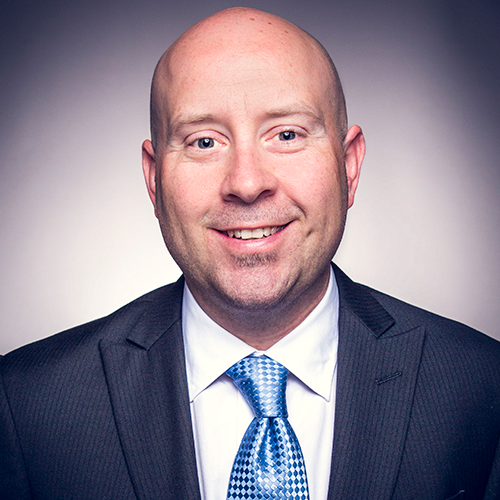
Cody Foster is one of the Founders of Advisors Excel. In 2004, after leaving a corporate job to partner with David Callanan to be independent financial advisors, they realized the support system for independent advisors was dramatically insufficient. So, in 2005, along with Derek Thompson, they formed Advisors Excel with a goal of building a world class support structure for independent financial advisors across the country. Today they have over 500 employees and are responsible for over $7 Billion in annual sales. Their success in achieving this has led to their story being featured in Success Magazine, Darren Hardy’s book “The Entrepreneur Rollercoaster” and Tony Robbins’ #1 New York Times bestselling book, “Money, Master the Game.”
Cody graduated from Washburn University in 1999 and has made Topeka his home ever since. He is a big believer in the future of the Capital City of Kansas, and has been a lead investor and developer in quality of life initiatives including The Cyrus Hotel, The Pennant, and Iron Rail Brewing. He currently serves as the Chairman of the Greater Topeka Partnership and was one of the five founding investors in Top Tank Topeka, a unique entrepreneur challenge patterned after the successful TV show, Shark Tank. As much as he enjoys business, his real love is family. Cody and his wife Jennifer, a Topeka native and fellow Washburn graduate, have been married for 16 years and have two children, Dylan and Ella.
Welcome to the Athletics of Business, a podcast about how the traits and behaviors of elite athletes and remarkable business leaders frequently intersect. The real stories and hard lessons to help you level up your leadership and performance. Now your host, Ed Molitor.
Welcome back to another episode of the Athletics of Business podcast. I am your host and CEO of the Molotor Group, Ed Molitor. I could not be more excited to bring you today's special guest, Cody Foster, one of the founders of Advisors Excel. Now you might be saying to yourself, hold on a second, Ed, I know I have heard the name Cody Foster tied in with the Athletics of Business podcast before. You know what, you're absolutely correct because we are beyond fortunate to have Cody joining us today for his encore interview as he was originally a guest on episode number five. And I don't know about you, but episode number five to me feels like a lifetime ago.
Before I jump into all the fantastic things that Cody and I talk about in this conversation, I want to refresh your memory a little bit about Cody's story and Advisors Excel story. And it goes back to 2004. After leaving a corporate job to partner with David Callanan, who is still his partner, to be independent financial advisors, they realized the support system for independent advisors was dramatically sufficient. So in 2005, along with Derek Thompson, they formed Advisors Excel with the goal of building a world class support structure for independent financial advisors across the country. Now think about this. One of the things we're going to talk about is a 10 year challenge. On January 1st of 2010, Advisors Excel had 47, I believe that's correct, 47 employees.
Now remember the last sentence I said here where it was a goal of building a world class support structure for independent financial advisors across the country. Today they have over 600 employees and are responsible for over 7 billion. That's billion with a B in annual sales. Their success in achieving this has led to their story being featured in Success magazine, Darren Hardy's book the Entrepreneur Roller Coaster and Tony Robbins number one New York Times bestselling book, Money Master. So that's a little bit about Cody, his partner Advisors Excel story. You'll hear a lot more about it in this episode as well as go back to. I encourage you, if you have not listened to it, go back to episode number five. But today we are going to jump right into getting real with Cody about what's been going on in his world in 2019.
2019 was his best year ever. Professionally, it was Advisors Excel best year ever. However, personally it was his most challenging year ever. And there was health issues. There was health issues with his wife, with his father. He lost an uncle that he was close to. He too had a health scare. So it's funny, isn't it though? We have all the success and on the surface it seems like our world is perfect. But Cody's going to dig into that. You know how it was his most challenging year personally. And one of the things that came out of that he has really hammered home to his team at Advisors Excel is to prioritize your health and not take it for granted. Here's what is amazing. There was a four and a half week stretch where Cody did not go, didn't think about going into the office.
As a matter of fact, he only periodically checked in on email when he knew he needed to. But one of the things that his partner David and he were real intentional about was developing the leadership so that if something were ever to happen to them, that leadership team can carry on and keep things moving forward, which is absolutely what happened. They carried on without missing a beat. And he'll share that story. He talks about what's important to you, what's most important to you, and then invest the most in it. We talk about having the ability to really be intentional about not taking time for granted. And then we'll talk about their theme, 1ae and what that means, and we'll break that down.
One of the things that, you know, we've talked about a bunch before on this podcast, this is going to be no different. 70% of advisors excel workforce is made up of millennials. And Cody shares with us how they make their people know that they are important, that they're valued, right? That the work they do has meaning in that they're there to help them grow, they're there to coach them. And one of the things that Advisors Excel does an amazing job of, and Cody will share some stories with us that are really cool things that could be great for your organization, is in 2019, they completed over 7,000 hours of community service. Cody is all about investing in the Topeka community. And it's pretty amazing the work he's done. And we'll talk about some of those things.
In addition to that, he'll talk about everything that Advisors Excel gets out of all of the work that they do in the community. Think about it, right? You do all that, what you're doing, you're serving people and people that buy into that, people that love that, people that enjoy that have what they have, a servant mindset. So Now Advisors Excel is attracting people with the servant mindset. And then another thing that we're going to talk about, and this ties into all the things that we focus on, is the power of vulnerability and how that gets by. And as a matter of fact, Cody goes on to identify the three things we talk about in authenticity, honesty, integrity, and vulnerability as the three most important traits a leader can have. So sit back, have your pen and paper out.
So many great notes to be had in this and I hope you enjoy this conversation with Cody as much as I enjoyed recording it. Cody, thank you so much for joining us again for your encore interview on the Athletics of Business podcast. It is great to have you here.
Well, thanks for having me here. It's good to be back on it. It's fun to see what you've done since we talked last time too. So you've been busy.
Well, so much has happened in Your World in 2019. Episode 5 is the last time we talked, which seems like a lifetime ago in my world. I can only imagine with us talking before we started the podcast, all that's happened with your world, how long ago that seems. So can you fill the listeners in on what's been going on?
Yeah, 2019 was an interesting year, I think is the way I've been describing it to people. You shared this with our team a few weeks ago, but professionally, just an incredible year. We had our best year ever here at Advisors Excel. Set records kind of across the board, grew and expanded. We just bought a second location, so we're growing into second campus. So going from here, about 100,000 square feet office to just bought a second campus that has about 150,000 square feet total that will be moving some people in. So, you know, be some challenges for I think Dave and I as leaders of this will be the first team that we've literally had kind of our team split.
So going to be some things that we're going to have to do better as leaders to make sure we keep the culture and communication and some of those things so also open. I can't, I don't think we had done this yet last time when we talked. But here in Topeka, I've tried to do some investment in just how we move our city forward and things. We opened 109 room boutique hotel that opened just great reviews. Now the number one ranked hotel on TripAdvisor in the city. It's been really neat to see the kind of community and the downtown, how quickly it's really revitalized In a way, we've still got a ways to go, but just changed the dynamic down there overnight.
So professionally, great, incredible year, personally, and this is what made it interesting in some ways, maybe the most challenging year that I've ever had in my life. Had some health issues, so my dad had a heart attack. My uncle got diagnosed with cancer and actually passed away just a few weeks ago. Yeah, it stinks. But hey, it's going to happen to all of us at one point in time, too. So I think there's been good lessons through that. But then I guess when my wife had some with her thyroid and having to have that out in June and some complications from that shortly after in August, I had a spot they didn't like on my leg and took it off, and it was melanoma, so they had to carve a little chunk of my leg out.
So, you know, went through this summer, but there's some good things, and I think we can jump into some of the lessons from it. We went through a stretch. I didn't show up in the office for four and a half weeks. Like, didn't step into the office, didn't call into the office. Kind of stayed on email a little bit. Right. If there was something that was really needed. But it really tested our team, and it was awesome. You know, a couple years ago when. When Dave and I bought out our other partner, one of the things we really talked about was trying to build our leadership team up and our organization up in a way that if.
If we ever wanted to take a step back, or I think more importantly, if something ever happened to either one of us, right now we've got a lot more people that count on this company, and we have to be good stewards of that. That we would have our team in a position to be able to carry on. So it was kind of a little bit of trial by fire, and it was cool to see that we didn't miss a beat. Frankly, I don't think they even missed me. Some of them may have enjoyed that I was gone, but also we ended up having our best year ever. So to be able to have to see, hey, how are we going to respond to this? It was pretty fun to see. So it confirmed some of the things that we've been working on.
I mean, it's amazing because that's what you work for, right? And when we talked a little bit about this earlier is. And I'm not trying to minimize the amazing result there, but as a college basketball coach, you'd want to know if you would walk into practice. Right. Or if you walked out of practice for 20 minutes. All right. Or if you walked in 25 minutes late, you would want to know that your team is so prepared and so bought in that they'd be able to execute without you. So kudos to you folks for the way you do things. And how hard was it for you for four and a half weeks to not even call in?
You know, surprisingly, it wasn't that hard. And a few reasons why. One, I could see people had it covered. Right. We've got such an awesome team, and I knew they would do a good job with it, so that made it easy. Frankly, it just. And this is maybe one of those lessons, too, until you go through something like this. You and I both probably had lots of friends, right, that have had big health issues or maybe passed away or other things. And until you go through it, you don't really understand it. So, you know, you always want to be there for people. But when you go through it personally, what it does is it also prioritizes the things that are really important in your life. And AE is really important in my life. Right.
It's a huge part of who I am and how I contribute and so many other things. And a lot of people that count on us as leaders here of it, but not more important than my family. So just happened to be kind of there with Jen through that process. You know, were in the hospital for 13 or 14 days at one stretch. And so it was not that big of a deal, really. So I think it was just because my focus was so much on being there for her and supporting her. And then, frankly, you know, we have a son that's a freshman and a daughter that's a sixth grader. So it probably gave me an appreciation of how crazy and hectic her days are. You know, I felt like a professional chauffeur during that time a little bit, too, so.
So I think I was just preoccupied enough with that it wasn't a big deal, really.
So I don't want to get back to the family one second. But I'm curious as to what do you think the three or four keys, or even two keys were to the fact that you were able to step away for four and a half weeks. What did you do organizationally as leaders to have the pieces put together and in place to trust that it would be okay?
Yeah. Some of this is a constant growth of trying to move out of being an operator into being an owner. Right. And I think for the first. And this isn't something that we did like in the last year. I mean, I think this has been a gradual process probably over the last eight to 10 years, you know, that we continue to try and hire really good people, continue to give them more and more responsibility and delegate to them. But Dave and I, you know, even 10 years ago, you would have looked at us probably more as an operator in the business. A lot of stuff really relied on us and Derek, our other partner at the time, doing stuff. Today, it really doesn't. I mean, our primary role here is leadership, culture, vision of the organization.
But we've been able to build to a place where we've gotten the right people on the bus and the right seats that really do most of the heavy lifting day to day, you know, leading the company forward to where it has been something we've worked on. Right. I think were strategic about it even a few years ago when we bought our other partner out. One of the conversations we had is, Dave and I both want to do this for a long time. But now that the company's bigger and there's a lot more people working here that rely on the income it provides, we've got to be good stewards of the business. So I think any good steward would think about, something happens to me, how am I going to make sure that the company is okay.
And a big part of that was us developing that team. Some of the team was in place, but continuing to develop more and more of it. I think if there's, you know, one thing we still, and we've been working on a lot over the last six months, the vision and kind of entrepreneurial spirit of the company still probably rest heavily upon Dave and I. So we've been more transparent in bringing our leadership team into more discussions than ever before. Like, now they kind of know everything going on, and we're trying to expose them more to the way we look at things, the way we think about things, to just make sure we're in a good position to keep the company going for a long time.
Right. No, that's awesome. And when we go back to, you know, shift back to talking about the family, I've got to believe that the behavior you're modeled, where you prioritize your wife, your kids, because that's a struggle for them, that you have to help them get through, too. The people that work with you, the people that work for you saw that and realized that this organization I work for, they are authentic. I mean, they're walking the walk you know, and they're doing things the way they say they need to be done. And that's just got to add more. And I'm not saying at a high cost you, but it's got to add power to the culture, doesn't it?
I would hope so. It's something we've always tried to tell people is that working here, it's a big part of what you do. Right. You're here eight hours a day. There's no denying that. But it's not all you do or all you are. Right. You play a lot of other roles. And while I don't know that you balance all those roles, I think you have to pick your priorities of what are the most important to you and invest heavily in those. But this shouldn't be the only thing you're worried about. So I think from day one, and it seems weird to say, but we've never wanted a culture where people are here 50, 60 hours in our ideal world.
I tell people this when I do the final interview before we offer them a job is what we'd really love you to do, is give us 100% from 8 to 5 and then go give 100% to whether that's your husband, wife, kids, you know, other passions that you have. So I think we've always tried to model that Dave and I are out of here 5, 15 every night too. But you know, I think that is like trying to model it through that. And then I think I was, I tried to be somewhat transparent through the process too. Right. Respecting my wife and some of her, you know, just issues that she was dealing with it. But just telling people like, hey, there are some health things going on and these are things that I learned through the process.
So I've had now probably, you know, three or four kind of all company communications around it that I think does help. And you know, like I said, one of those I took away is like prioritize the things that are most important to you because you never know.
Well, let's talk about that because you just did a newsletter, right? Yeah, let's talk about your newsletter and what you do with that and what the most recent one was.
Yeah, so we do a monthly newsletter to all employees. You know, as the company grows. I think one of the things we've had to focus the most on is how do we do a good job of communicating. When we started, every employee was within a 10 foot radius of us. So it was pretty easy for everyone to be on the same page. So we've done this for years now. It's just kind of a monthly. I always write the opening kind of article about what's going on, the business or the industry or just things that are kind of top of mind for me and then have a lot of other updates and stuff in there. Most recent one I wrote about was just a little bit of how we kicked this podcast off.
Is 2019 being a interesting year where professionally it was incredible and kind of a credit to all of them for just knocking it out of the park last year. But then personally, some of the challenges and I just tried to share with them a couple of the. I think, I don't know if you would want to say lessons I learned or things that I tried to take away from this. And I think one of those it is just prioritize your health. You know, we say it all the time, we all know it, and we just don't all do it. And just being proactive, whether that means if you haven't had a physical, go get a physical, or if you need to lose weight, I'm losing weight, working on that too. Or just changing your diet. I use the example.
My uncle who passed away, he had signs for probably three years that something was wrong. Just a lot of stomach issues and that, and just tough it out. Never went to the doctor until the point where he basically had to go to the ER because he was in so much pain. And by that time he had cancer that kind of spread through his intestine, st, colon, everything. And it was, I mean, in a way, kind of too late. On the flip side, I went up to Mayo to do their executive physical, which in a small way, in the way God works. You know, I'd already had that booked, which made it really easy for us to get my wife into Mayo because we had a direct contact there.
But, you know, I just normal physical and everything else was great, but there was a spot in my leg they didn't like and took it off. I do go to the dermatologist every year, but I didn't have another appointment for six months. So being proactive, they found it, treated it, God willing, right now everything's great and, you know, I'm in pretty good shape. So just I think being proactive about your health is really critical. We say it all the time, but I don't know, until something happens, do we sometimes live it out. So I think that was an important lesson that I learned through that I shared with all of them. And then the other one, we've kind of Hit on it is just don't take time for granted.
I think one of the things that I've just learned through this process and actually we sat down, my wife and our kids talked about this right before the new year. And just talking about next year is like, there's a lot of times where I could be spending time with my children, with Jen, that I'm wasting on social media or mindless activities. I think just being more thoughtful around the time that you do have. And how are you investing that? And are you invested in the people and the things that are really important, or are you investing it in stuff you're going to forget about the next day? Right.
So 2019 was an extremely challenging year, also a very successful year. What is it that you're excited about in 2020?
Oh, so I think a few things. You know, I talked about the fact that we bought like a second campus and we're going to be moving some people in there. I think what I'm most excited about around that is it's going to force Dave and I to grow and get better as leaders. Right. It's a whole new challenge. And it may not seem like a big deal, but it is. You know, I mean, we have to keep the culture which is so important to us. It's going to require us to better leaders, better communication, a lot of those things. So in a way that's exciting for me, I think anytime you're pushing yourself out of a comfort zone is good. So I think that would be one of the things I'm most excited about.
I think the other thing is much success as the business has had. 2020 is the first time I actually really feel like we're close to being what we're capable of becoming. You know, we have these like, what I would call kind of four different product divisions and a lot of different departments here. And those product divisions are at different stages of maturity. Our most recent one, we started at the beginning of last year, you know, a year and a few months old. The other one's about three and a half years old. And then our others are more mature 10 plus years. So this is the first time I actually feel like we're not launching something new. In all the human capital and time and mind share that launching a new division creates.
This is the first time I feel like now we can really focus on optimizing what the foundation that's built. And I guess what I would say is it feels like now we're really in a position to actually scale and grow Even though the company has scaled and grown at a pretty good rate, I feel like we're now in a great position to do that. So that's the other thing, I think, just being in that position to perfect and do well some of the things that we've been trying to do well.
Speaking of growth Decade challenge. Okay, so 10 years ago, and correct me if I get these numbers wrong, but I don't think I'm going to. You had 47 employees in 2010.
Yep. January 1st of 2010.
January 1st of 2010. 47 employees. January 1st of 2020. You are at 6,000. Excuse me, 651. Is that correct?
Yes.
And it's amazing. Now it's the first time you feel like you can actually do what you're capable of doing. But we talked about it, and I think it goes back to your four guiding principles. But we talked about all the great work you've done, how much you still keep referencing back as you grow to those four guiding principles all the time.
You know, we talk about them a lot, and it's funny you should ask that. As we are moving into this second campus, too, we started talking about some. Some things that we need to do a better job of even just making sure we're all communicating. So those four kind of guiding principles of what we're trying to build and how we serve the advisors we work with have remained pretty constant. And everyone could talk about those one thing. We always talk about, like, core values or what we're looking for in people here, the actual employees that work for us. So we've taken some time to actually solidify those. We met as a leadership team and said, like, hey, I know we all say kind of a similar thing, but we need to all start saying the exact same thing.
So it was kind of fun to go through the process, actually, Ed, because, you know, the way I said it may have been a little different than the way that Dave would say it or other people in our leadership team. But once we all sat down, we agreed like that on what those five kind of core values were and the people that we're looking for, what we want out of the people that are working here and kind of formalize those, at least in a way to where we're all sharing the same message there. So I think that consistency, that doesn't mean your vision for the company doesn't change. But staying true to I think what we built the company around, the principles or, you know, kind of core convictions we built it around, has allowed us to continue to grow and scale it.
It just looks different today than we probably envisioned it looking when we kind of wrote those out on our kitchen table, you know, 15 years ago. Yeah, we're. I mean, we're a few weeks away. February 1st of 2020 will be our 15 year anniversary. So that's great.
Well, happy anniversary. And I love core conditions, by the way. Can you share the five core values with us?
Yeah, absolutely. And we built it into this theme. So this is what I was saying. We have this theme we call 1ae. So just how do we as an organization all work really well together to best serve the advisor? You know, with different product divisions and different departments, how do we make sure we're improving our communication and the different things that we're doing here? So we built it into this kind of one AE theme. So the first one is take ownership. You know, as we've grown and scaled as a organization, it's easier to pass the buck off to somebody else and say, that's not your responsibility. So just reinforce, take ownership of everything and think like an owner of the business. Make choices, take action, that type of stuff. So that was the first one.
Now I've got to think in what order these go, right? Because of how they rewarded them around the 1ae. The second one, so this would go with the n1 is never stop growing. So just this. As a service based organization, what we firmly believe is the growth of our company is directly correlated to the growth of the people that work here at the company. So we've tried to build a great platform to invest in people's personal and professional growth. But what we tell them all is like, you still have to own that. We can't force you to grow and get better. So the second one, so take ownership, Never stop growing. The third one is be an excellent teammate.
So the E aspect of it, and just if I were going to boil that down quickly, I would describe it, is we've tried to create a great culture here where people feel respected and they enjoy coming to work. As someone who works here, you can either add to that or subtract from that. We want you to be someone who adds to that culture. Right. That you're enjoyable, respectful of the people that you work with, just thoughtful about how you interact with the people here. So that would be the third one, the fourth one. I've got to think of how these go because I'm missing how we describe the A in it. So. So let me give you the final one, then I'll come back to the.
Final One is, I caught you off guard in this, so I do.
No worries. Oh, I'm sorry. I've got them now. So the A is always do the right thing. Right. So just act with integrity, be honest, do the right thing. And then the final one is basically focus on an incredible client experience. So the E just, above all else, experience matters the most. I don't remember how they worded it in a little word phrasing. They did. Again, all things being equal, we believe the company that provides the best experience is always going to win. So in all your interactions with the advisors we work with, look for ways that you can provide the ultimate client experience.
Right, right. That's so huge. And I love how you tie all that together. And I want to talk a little bit about the folks that tie that together for you. Your workforce. When we last spoke on episode five, 70% of your workforce were millennials. Okay. And we know this about today's workforce. They want to know that they're valued. They want to know that the work they do has meaning and is important. They want to be coached. They don't want to be told what to do. They want to be coached. They want someone to jump on that journey in on the journey with them and help them grow. And that's exactly what you folks do. Can you talk to or talking to. Excuse me. About what that's done for not only attracting and retaining the top talent, but also developing the others inside your organization?
Yeah. So maybe a few things there. So if I ramble a little, forgive me, but there were, I think, a couple different things we could address there. That's been a big thing that we've focused on, and maybe not by design when we started, but I think a few years in, realized that we needed to be very thoughtful around the culture that we wanted to build and, you know, a lot of that culture. I have a good friend who says this all the time. The culture is just the makeup of the people that work there. Like, you can't create a culture. You can only hire really good people and have them help you build the culture. But still similar numbers. We have a lot of millennials. I don't find them to be. I know everyone else does, and it's a huge topic.
I don't find them to be any different than any other generation that has worked for us. I think everyone, to some degree, wants to feel valued at work. I think they want to know that in some way, shape or form, the work they're doing does make a difference. I think they want leaders that are good at, you know, helping them grow and develop. But I think a few things there. I think we've tried to do lots of things. The model that we do value the people that work here. You know, we do a survey every single year. We do one every quarter, but we do a big comprehensive one every year with our team here and ask them for ideas. What could we be doing to better serve you? And it's crazy how many good ideas we've gotten from that we're then able to.
And this is probably the key. That is, we immediately take action. Like, this was a couple years ago, but great example is like, our maternity policy. We didn't know this was like the same policy we'd had in place since we started the company 15 years ago. But everyone's like, it kind of sucks. So went out, looked, and said, like, what would it take to have the best policy? Instead? And implemented that a week later. To where sometimes it can be simple things. Like, they're like, hey, you know, our lunch, we have kind of a lunch area set up where people can get salads and soups and sandwiches. And, you know, they're like, hey, we'd love to see some options like this. So took some action on it. Sometimes they're bigger, right? Another big example was like, our 401k match.
Everyone's like, it's okay, it's not great. So we made it great. Like, it's the best now. And, you know, I tell time, we work with advisors who are helping people transition into retirement. Why wouldn't we want our people to do the things that we know lead to a successful retirement? Like, you know, having a great 401k and making sure you're contributing. So I think that's one, you know, trying to demonstrate that we do value them and want the best for them. I think the second is the idea of, you know, they want to do work that they view as valuable. I think the work that we do is super valuable. We're helping these advisors become better business owners so they can have, you know, help people plan for an amazing retirement.
Our advisors are working with people worked 30 or 40 years of their life and accumulated this big nest egg. And sometimes we don't talk about it enough. They're getting ready to make a decision. Like when you decide you're going to leave work, you know, something that you may have known for 15, 20, 30 years and go away from a steady paycheck or income, that's a huge emotional decision and not just financial, but people have Their identity tied up in that a lot of times too. Right. And their contribution. So we do a really important role of helping these advisors do their job as great as they possibly can. We do tell the stories of a lot of their clients a lot. We actually had our big kickoff day Monday. So this is two days ago.
And we had three of our advisors that flew in to spend time with our team. And what we always ask them to do is like, share stories of your clients and how were able to help you do a better job with them. So I think that's valuable. The other thing I would say here is, especially as people listen to this is you may say, like, I don't know that people would find the work they do here like, as this life changing world changing, like valuable. But what I think we've also seen and learned is Dave and I are really big right now on the impact that advisors Excel can have in our community. So last year we logged about 7,000 volunteer hours with our team here. And what I've seen through this whole thing, we did it Monday.
It was actually awesome to see and all the people that have reached out to us about it. We split our group into 65 teams, so about 10 people per team. We gave each group $200 and they could spend it however they wanted. But the goal was figure out over the next they went out from noon to 3, figure out how you can use that money in the next three hours to make the biggest impact in our community. And it's crazy the things they came up with. It was really cool. Oh, it's a blast. So, you know, one of the things we talk a lot about is like, even if your company is maybe not saving lives or whatever that is, you can still use the company to impact your community. And people buy in from that.
Man, I don't know if we talked about this last time, but nine out of 10 final interviews that I do with people that we're hiring, when I ask like, hey, why do you want to come work here? The number one answer I sort of got 90% of the time is, man, I see all the awesome things that you guys are doing in the community and I just want to be a part of an organization like that. So, you know, it's fun to see just the buy in people get from it and you know how proud they are because we're trying to do some good things and use the company as a force for good in our community also. So, yeah, I don't remember if there was something else you Said.
But you know, I think there's ways that you can demonstrate that you value them and then there's also ways that you can demonstrate that they're part of an organization that's valuable to, whether it be their community or the world.
Well, and I think that translates to all the things you do out of the office. Right. We used to call it in coaching when I was playing, you know, what you do off the court. And I remember feeding the homeless and doing things at Christmas time and a booking program, a reading program. We did. But that must translate significantly into your success with your actual work as well.
Yeah, it does. People think I'm joking when I say this, but the benefits of what we've done, some of our community action or things that we've tried to do, the benefits to us are greater than the benefits to the community. And people don't believe me when I say that, you know, they think, I guess, you know, that I'm trying to be humble or something like that. But I really mean it. What we've seen it do for our talent attraction, you know, the amount of people, like I said, that are coming in because they see what's happening and they're like, man, I want to work at that place. So the ability to attract top talent.
And here's the thing, I never would have guessed and didn't I should say, like, oh, we're really smart and had this great idea and thought this is what would happen. But it's just as you do some of these things, there's benefits that you don't anticipate. So I say all the time we want servant minded people. Right. We're in a service based industry. Well, what type of people do you think are attracted to the things that we're doing in the community?
Right. Servant minded people.
Servant minded people. So it's just been this awesome. Like the people that it's attracting to us are the exact type of people that we want. Right. That just get service and want to help other people. So that's one huge benefit. And then I think the second huge benefit for us has been what it's done to the culture and the buy in from our team members here. You know, you kind of shared those numbers going from 47 to 650 over the last 10 years. You know, there used to be a day where everybody knew everybody that worked here. That's not really the case anymore as the company's gotten bigger. So being able to send these teams out, we do it quarterly. You go out once a quarter here as an employee to work in the community. But we always do it in groups.
So it's not like you go out for, you know, yourself for a day. And the groups are always mixed groups. So you're meeting new people, you're serving beside them. It's just been a huge to, I think, help us protect and develop and grow the culture that we want to grow. It's been amazingly beneficial thing for us, too. So I really do mean it. Like, it's been more beneficial to us, I think, than it has been to the community in some ways.
Well, and think about it. Think about what we talked about, you know, earlier in the conversation about 2019, the success you had, even though you had to check out for four and a half weeks. I mean, your people have your back, you have each other's back. And they probably. They may not have said these exact words. It's like, it's okay, we've got this. You know, we've got this. And that goes to just all the incredible work you do in the community. And kudos to you for doing that. And thanks, you know, as you move forward, okay. And we talk about growth and you're finally where you're at, can do the things you know you're capable of doing. There's going to be a lot of growing pains. There's going to be some adversity that you have to grow through.
And I want to be careful how I word this because it can be confused. We always talk about people that got you here, might not get you here, right?
Absolutely.
You know, in a mastermind group that you were in, but you have this group of people that, you know, can get you from here to there. Okay, now you have them with you, but there's going to be some things that they have to do differently. They just can't do them the same way that they're doing them now. But we're not saying that what you're doing now is not sufficient for right now, but we have to do them differently. We have to do them better, we have to do more efficiently, we have to do them smarter. How do you get that? How do you communicate that? How do you inspire that? How do you navigate those waters?
Well, maybe a couple ways. Let me back up. I think the thing I would say about that is right now we have a great team, right? And I think we have a team that can help us continue to grow and develop as a company and as an organization. But we are going to grow. So we're moving from one campus to two campuses, you know, we'll probably add. I think we've got 50 open positions right now. So, you know, we're going to continue to grow and do things as the company grows, the people in those leadership roles have to grow. Also. What I think is most important for us is you can't get to a point where the people that you have in those leadership roles stop growing and developing.
I shared this with the new hire group probably six months ago, and I've said it every time since then about kind of that growth mindset we talked about in the beginning. But I said, if you would have taken, you know, we can use the decade Challenge. Had you taken Dave And I on January 1, 2010, went back in time, picked us up, came back to, you know, January 1, 2020. Yeah. And dropped us into this organization today. The people that were in 2010, it would take about two weeks for people to realize that we ran over our head. So I think as the organization grows, the people and leadership within the organization have to continue to grow.
So good way to say, like, yeah, we've got the right people, it feels like right now, but we may not in a couple years, and we'll have to make some tough decisions around that. I guess my answer to that is I think the best way is to model that as the leader yourself. So, you know, I think Dave and I have just constantly had this focus on how do we continue to grow and how do we continue to get better as leaders. And, you know, both of us were just talking about that, like, hey, what are you going to this year? From a personal and professional development, we never try and do the same thing together. So it's a, you know, kind of we both go do our own thing and share ideas, you know, best practices from both of those.
I think just constantly modeling the behavior you want to see as the leader is probably the easiest way to do that. The second thing I guess I would say is if that's what you want and you feel like the growth of your leadership is important, then start investing into the growth of that leadership. We brought in some executive coaching to work with us and our leadership team starting probably in August. That's been great. As we make this transition of trying to challenge them to take on more of the vision of where we go as an organization. And we brought someone in who's done that with other organizations, and we're vulnerable enough to say, like, hey, we don't have this all figured out, so if we can go take some best practices from other organizations. So I think you can Model it as the leader.
And then I think the second thing is you can invest in it with those people along the way.
Now you just use a key word. When I talk to my clients and we talk about authenticity and that's vulnerable. You know, I believe you break authenticity down into honesty, integrity and vulnerability. Can you talk into the significance of being able to be vulnerable and how key that is into, you know, your self awareness, but into the success as a leader and with your team and inside the organization?
I can try. You're right. Right. I think those three things are the three most important traits in any leader. I don't you and I haven't shared those three before, but just hearing you say them, I can't think of a thing that I would say is more important than being honest, having integrity and vulnerability. I think what we've realized over the years is the more vulnerable we are, the more, just the more people buy into you and what we're trying to do. And I don't know if it's because, you know, you do come across more real or what it is, but it makes a huge difference. I think, you know, even talking about sharing some of the challenges that went through personally, like most of the people in the company didn't know I was going through that. Right.
But I think it just, it's amazing how many people reached out and just the connection I think it creates with people is pretty fantastic. And I think people do want to work. Going back to what were talking about before, I think people want to work for someone that they like. Invulnerability, I think makes you more likable also.
Yeah. And when we say like, we don't necessarily mean your friends. We need like and respect. And one of the things I found, and I took this directly from growing up a coach's son and being a college basketball coach and being an athlete. When a leader makes themselves vulnerable, then that gives, and I don't even want to use the word permission, but the person on the other end of that vulnerability, you know, they're going to know that they can make themselves vulnerable as well. And when that happens now, you're going to get information that's very critical and very key to be able to put those folks in position to be successful. Can you talk a little bit about how critical information about your people is to know?
I mean, there's timing, what's going on in the world, you know, how do they respond in certain situations, whether it be adverse or whether it be success. How important is that for you?
Yeah. I mean, it's a huge key. I think that's one of the things we've really tried to do, is how do we know more about where they're at, what's going on in their life? One thing I wanted to share, you know, you were talking about coaching and vulnerability and some of those things, and you and I have talked about this before, but. But I think you're just seeing this huge transformation in coaching that way. Right. Like I've said all the time, I think we talked about this maybe a little last time, but there's no coach in college sports I would rather have my kids play for than Dabo Sweeney. Right. You watch how he interacts with people, and just the way he treats people, it doesn't mean he doesn't demand excellence. Right.
I mean, they've been the most successful program in college sports over the last three or four years. So he demands excellence, but does it in a way where the way he treats people and the way he interacts with people, you know, you see that vulnerability in him, and I think that's why kids love playing for him and I think why they do so good. So you're seeing, I think, that more and more in leaders across every platform where it used to be the. You don't have a relationship and it's tough. And I think that was not only in coaching, but in the business world, too. But I think knowing what's going with people. And the one thing I would say, I didn't share this earlier, but I think another big thing, that this.
Going through this stuff this past year with our family, man, it opened up this level of empathy that I didn't really, I shouldn't say, didn't have it before. I like to feel like I was empathetic, but you just can't quite understand it until you go through it. And so even when we had people that were going through stuff. Right. You know, I was always willing to reach out, figure out, is there anything that we can do to help. I've just ratcheted that up to a whole nother level. Right. It's knowing now how difficult that can be has. You know, I say all the time, I don't think God makes mistakes. I think we go through trials and tribulations to strengthen us for things that are to come. And so it sounds weird. I wouldn't have changed any of it. Right.
And easy to say because right now we seem to have a real clear bill of health, and that's good, but it's just you know, I think it's positioned me to be such a better leader going forward because I do have an understanding of how stressful and how much your. What's going on in your personal life. This is one of the things I shared, how much that impacts your work life. And so I think there's things that we're going to try and tweak and do a little bit better than we do currently about knowing if someone's going through something in their personal life, how do we come alongside them and support them better? Because it does make a difference.
When you talk about empathy, and it brings it to a whole different level, I think you actually feel it, you know, when you go through something, you do. And I remember being a coach and you tell a kid, hey, I'm really sorry to hear that, but here's what I need you to do, right? But then all of a sudden later, there's a lot to be said about wisdom with age, okay. And there's no doubt. But now, you know, when I talk to folks, it's like in. They're going through something, you actually take a step back, you pause, and you really feel it and go through that emotion with them, and maybe you're going to ask them to do the same thing the next time.
But the way you go about asking or suggesting or recommending will be a little bit different and the timing will be a little bit different. So I'm sure that's coming to play with you. After all the things that you've been.
Through in 2019, you know that for sure. I think also this idea of pausing and asking, like, man, I wonder if there's something going on in their life that's leading to this. Right. You know, I think just a lot of times we jump to a conclusion or get frustrated with maybe performance or anything else. And. And just, I think it's given me that to say, like, I wonder what the deeper issue is here that's going on that's causing that.
Right. I remember as a young coach, I would try to. Not that I would hope, but you would be curious if there was something going on in her life. And that's why they were such a train wreck for the last three days. And then when you figured out there was nothing going on in her life, then you were really in trouble. But there's so much to be said for all that. Now, before I ask you the last question, this has been phenomenal, and I really appreciate you doing the encore interview. It has been unbelievable. Tell us a little bit about or Tell us a lot about where folks can find out more about Advisors Excel, about Cody Foster, about all the great work you're doing.
So, you know, we finally jumped into the social media age a little bit at Advisors Excel. So, you know, we. We now have Facebook, Instagram, Twitter set up. I don't know that we had any of those before when we talked, but, you know, a lot of that. Also you can go to our website, which is just advisorsexcel.com. You know, it's definitely built more for advisors that are looking there. But what we're starting to do is try and highlight a little bit more of the things that we're doing in the community, the things that we're trying to do from a culture standpoint, modeling the behavior that we want other companies to see. Let's get super philosophical. But right now, our country's in kind of an odd spot, right? There's a lot of division, a lot of crazy stuff going on.
And I think there's lots of talk around capitalism and how it changes. And I don't know that it's a monumental change, but I think everyone's starting to realize that as a capitalistic society and a capitalistic company, that there's more to that equation than just the shareholder, you know, and that there's a lot of people from your community to your team members to your clients that you need to do a good job taking care of. So I'm excited to see that trend happening. I think we've tried to do that from day one and model it a little, but it seems to really be taking off. So I think we're trying to share more some of the things that we're doing in hopes that we can inspire some other companies to do it too. So some. So go to our website.
From there, I think you can link to any of our social media pages. You know, follow those if you want. I always share random thoughts. The only one I'm on is Twitter. I don't know if we talked about that last time, but I'm on that. This is gonna sound bad. I don't remember even what. How you find me on there, but I think if you look up Cody Foster some, you may find me. Yeah, yeah, that. That would be the trick, I guess. So I'm trying to think.
Do you have some K State? Do you have a K state logo on your Twitter handle?
I don't think I do, but I could. There's a possibility. I'm trying to think of what pictures even on my. My Twitter handle. So there's a good chance that it could be at a, you know, a K State event or something like that, too. So.
And I promise not to let the Dabo Sweeney comment get back to the K State football staff.
That's. Hey, I'll tell you what, though, you know, being a coach, we. We've got a hell of a coach right now, too. So they made a home run higher. And Chris Kleiman, it's. He reminds me of Dallas, quite frankly, you know, and you don't win, I think what he went four national championships in five years at North Dakota State, you know, and then this year, we've had just a ton of success. And it's funny, I said after our bowl game, was talking to some friends, I go, man, he's just one of those coaches like Dava that kids are going to want to play for. He just gets it and he cares about the kids and he knows how to coach. And so I'm as excited as I've been about K State football in a long time.
So that's great, actually. Great segue into the last question. I just changed my last question because of that. So North Dakota State to Kansas State and North Dakota State. Amazing program. Right. And an incredibly high level of football. It really is. We just had a kid here from Batavia who's unbelievable. Going to North Dakota State next year.
Yep.
But anyway, so it's still a different level. Right? It's still a completely. It's still a step up. Everything's different with your leadership team, and part of that's getting outside your comfort zone. Okay. With your leadership team, all the success you've had, you're still taking things to the next level. You're still growing. How do you, even though you've had this massive success, how do you intentionally, on a daily basis, get outside your comfort zone? Okay. Like, we understand in terms of studying and growing and reading and attending things, but how do you challenge yourself and avoid the complacency?
You know, for me, and this may not be a perfect answer, I think a lot of times I shouldn't call it project based. That's probably a bad way to say it. But I think we're just constantly trying to grow and do new things. Right. So for me, over the past few years, there's a few things I would say ae going great. We continue to add divisions and grow, that brings its daily challenges and new things that you have to figure out. I think as we've tried to develop more of our leadership team that's taken us out of our comfort zone a little right where Dave and I used to get together and just it was the two of us really thinking about where do we need to go in vision, incorporating them more in that, being more open with them.
That is part of it. You know, even personally outside of this, some of the different investments and building out a team outside of AE that works on, you know, whether it's a hotel or restaurants or some. Some of the real estate development, I've learned new things and, you know, I've made some good mistakes, bad mistakes that, you know, have been good lessons that have come from them. So I think it's just trying to. And this is not a great concrete answer, but just if you find yourself comfortable, completely comfortable, it's probably time to try some new things. And I think just avoiding complacency and constantly pushing yourself to be a little bit uncomfortable, and it doesn't have to be completely uncomfortable, but just it's something new. You don't know everything about it is a big part of that.
And then I would say just, I think what you read, what you listen to, those things are another one that just always, you know, I like to study and learn from other people that are doing great things. And, you know, I think that inspires you a little bit too, to not get complacent and keep stepping out of your comfort zone.
How significant has risk been in getting outside your comfort zone?
And growing advisors excel, you know, it has to some degree, but maybe not in the way that people think. Right. It's funny, I set kind of the books up I'm going to read this year, and a good friend of mine sent me a book. It's called Risk Only Money. But I haven't started into it yet. But kind of the premise is like you want to take calculated risk, so you want to make sure that you're doing things that are smart. And I think as the company grows, there's this natural tendency not to take as many risks and you probably shouldn't. Right. Or you take different risk, or you're more thoughtful in the risk that you take because you do have a big organization, a lot of people that depend on you here. So.
So I think we've always taken risk, but what I would say, and maybe we've just been lucky to avoid them. I don't know we've ever taken these massive risks. If this doesn't work, the company's going under. I think it's like we take some risks that if this doesn't work, may not look great. We May have a little egg on our face, but if it works, it's going to be really cool too. So some of the other investments I've made, some of those have probably been riskier than things that we do here per se. But either way, I think it's always trying new things. Some are going to work and some aren't.
Well, speaking of risk and speaking of trying new things, before we wrap this up, we have to give the hotel some pub. Okay. Can you tell us about your boutique hotel?
Yeah. We open our community. I think we talked about this a little bit last time because we're in the process of it, going through a whole kind of downtown revitalization and we're trying to figure out how we make our community better and some of that's attracting young professionals here. So. So just I think quality of life and quality of space are some things that have been talked about. So, yeah, we had this idea to build a boutique hotel downtown in downtown Topeka, which has been kind of the center mark of a lot of the redevelopment. So we opened that about a year ago. So it's kind of late January of last year. 109 room boutique hotel. It's called the Cyrus Hotel. It's been awesome to watch, actually. Just the energy and excitement around it.
And I think for a lot of people in Topeka saying like, we're not used to something, were there a few weeks. People are like, man, I feel like I'm in New York or Chicago, you know, which is. It was packed. It was kind of over the holidays, it was packed in the bar, the restaurant was packed, you know, the hotel was sold out. And just there were tons of people downtown. So it's had some success. We're now number one ranked hotel on TripAdvisor. We got there faster. And the management company had ever seen one of their hotels get there. You know, I think Food network voted us as like the one hotel you have to see in Kansas. Yeah.
So we've gotten some cool different things that have, I think made the effort and investment that went into it just fun to see it work kind of how you envisioned.
Forgive me if I miss it, but have we said the name of the hotel?
Cyrus Hotel.
Cyrus Hotel.
C Y R U S. Yeah, Cyrus. And Cyrus. Cyrus Holiday was the guy who founded Topeka. So he was one of the original, like entrepreneurs as the weather got settled.
That's so cool. Well, hey, Tony, I can't thank you enough and continued well wishes and prayers for your wife's recovery.
Thank you.
And for your father. And thank you. Thank you, thank you. Thank you so much again. This has been awesome.
Yeah, Ed, it's always awesome. Thanks for having me on.
Thank you for listening to the athletics of business. Be sure to give us a rating and review so we know how we're doing. For more information about the show, visit theathleticsofbusiness.com now get out there. Think, act and execute at the highest level to unleash your greatness.