

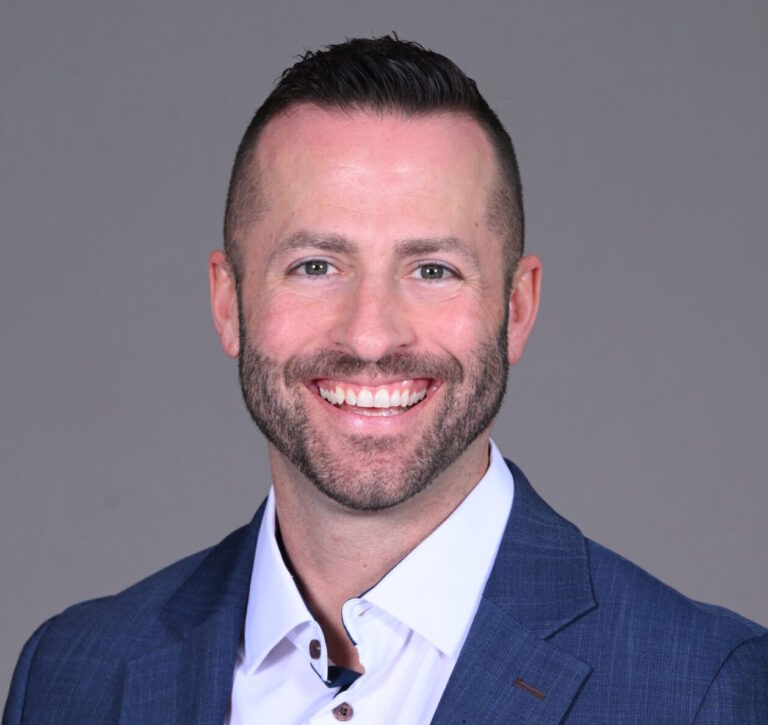
Jake Thompson is a leadership consultant and the Chief Encouragement Officer at Compete Every Day, a brand he started in 2011 by first selling t-shirts out of the trunk of his car.
Jake has spent more than a decade working with leaders and organizations all over the world on how they can get better results for themselves and their teams.
He has been featured in Forbes, hosts a podcast in the top 1% globally, and has directly impacted over 75,000 ambitious leaders.
Through his entrepreneurial sales experience, client work, and research, Jake has built a proven framework that helps leaders improve their mindset, habits, and team development to create more influence as impactful leaders in their organization.
Jake lives in Dallas/Fort Worth with his wife, Elena and their dogs, Sugar & Donut.
Websites:
Welcome to the Athletics of Business, a podcast about how the traits and behaviors of elite athletes and remarkable business leaders frequently intersect. The real stories and hard lessons to help you level up your leadership and performance. Now your host, Ed Molitor.
Welcome back to another episode of the Athletics of Business podcast. I am your host and CEO of the Molitor Group, Ed Molitor. Man, you are in for a treat today. Today's special guest, Jake Thompson. Dear friend of mine, I consider him a great friend, a mentor, a leader in every sense of the word. But I'll tell you what else he is. He is a consummate giver. He is a consummate connector. How can I help you today? Are words that just roll off his tongue so easily. And he means it. He's sincere, he's genuine. And even though he and I did not talk nearly enough, he is roasting down there in the Dallas Fort Worth area while I'm up here in Chicago.
When we jump on a zoom call or we pick up the phone or we text, it's like we see each other all the time. But he has been a tremendous asset to me. And I mean that in the sense that he is someone I can go to when I need to think creatively, when I need to share ideas, when I want to pick his brain, I introduce him to some folks along the way. He has introduced me to so many amazing folks. We've done speaking work together. I trust him immensely with his advice and what he speaks into today in this conversation is pure gold for you. Okay. Regardless of your field, endeavor, and let me tell you a little bit about Jake. Cause I want to jump into this conversation.
Jake is a leadership consultant and the Chief Encouragement officer at Compete Every Day, which is a brand he started back in 2011, get this by first selling T shirts out of the trunk of his car. He has spent more than a decade working with leaders and organizations all over the world on how they can get better results for themselves and their teams. Jake's been featured in Forbes. He hosts a podcast which is in the top 1% globally. And as someone who's been doing this for five years now, that's pretty dang hard, right? That is really, really hard. And Jake has directly impacted over 75,000ambitious leaders. Through his entrepreneurial sales experience, client work and research, Jake has built a proven framework that helps leaders improve their mindsets, habits, and team development to create more influence as an impactful leader in their organization.
As I mentioned, Jake was down in the Dallas Fort Worth area with his amazing wife. Elena and their dogs love the dog's names, Sugar and Donut. And you know what? I don't even think we talked on this episode about Jake's infatuation with Donuts, which I apologize about, but. But there's so much here, and I truly hope you enjoy. I know you will enjoy this conversation that I had with Jake Thompson. Jake, thanks so much for joining us today in the Athletics of Business podcast. It is beyond an honor to have you here. It's been a long time coming, brother. How you doing?
It has. It's been great, Coach. I'm always Good to see you, always energized every time I get to talk to you. And now we just get to let other people listen in on our conversation.
I know. Well, the pleasure's all mine. I mean, we. And we're just. We're just talking about this. How many times have we had a conversation via Zoom or on the phone or in person? We're like, damn, that was a podcast recording right there. So now we get to do it.
Okay, now we get to do it. I would say one of these days we're going to just lock ourselves in, like, an A workspace and talk through strategy and, yes, coaching. And we need to make sure it's recorded because we're probably going to pull out a ton of stuff there, and we don't even hardly get into that stuff on this kind of thing.
No, we are. We don't have enough time. You don't have days, but that would be a lot of fun. And, you know, that's actually a great segue. We first connected. Gosh, how long has it been now? Six years? Five and a half years?
Six years. Yeah.
Six years. And I believe. And tell me if I'm wrong, I believe I had wrote a blog about compete every day, and you, being who you are, somehow managed to find that blog. And the blog was about. I have his picture over here, about a good friend of mine, Brian Delaney, who is like a big brother to me and passed away from leukemia when I was a senior in high school. And we connected and I discovered your brand. Right. You were gracious enough to have me on your podcast.
We connected and, gosh, the journey over the years, you know, whether were working on or speaking together, just sharing business ideas, watching you grow, and I mean this from the bottom of my heart, has absolutely been an inspiration, and it's fueled the resilience of our team here as well as helped us clarify our vision about how we do things. So I thank you for that.
I Appreciate it, man. As I told you last time we chatted, I send people to your website for, like, clarity and positioning because I think you do such a phenomenal job. And it's been fun watching you kind of tweak and adjust and make little developments so that you can continue to impact folks. And so, dude, the pl. The pleasure's mine. I always enjoy hanging out with you and have loved getting to see what you do as well. And like I said, one day we're going to talk because I just want to learn more.
Well, I thank you for that. And you know, it's funny because you and I are cut from a very similar cloth. Not the same cloth like we. We want to win, but we also want to clearly define what winning means to us, what success looks like to us. Right? We want to compete our lips off. It's just the way we do things. But we also understand the value of making our people feel appreciated, right? That the work that they're doing is important. We understand the value of coaching. And for whatever reason, we find ourselves in this black and white society right now where people think that competing and working your butt off and grinding, but yet taking care of yourself, creating a psychologically safe space and having compassion and vulnerability, they're mutually exclusive.
When the reality of it is this, they go hand in hand. How do you fit that in? When your brand and your message is to compete every day, which I absolutely love. How do you communicate that, though, with the people that you speak to, the people that you work with? The fact that these two worlds are actually interwoven and they feed each other.
They do feed each other. And so a lot of the work we do, we talk really twofold or threefold, if I'm honest. We talk about competing internally with yourself, getting very clear on what that is, what that actually looks like in the day to day, and then learning to block out the rest, we then talk about you gotta collaborate with your teammates. We know we can do a lot by ourselves. We can do way more with the right team atmosphere. You saw it as a coach in practice, you experienced it as an athlete. We always push ourselves harder with that teammate to push us.
It's the reason why now at 40, I still go to group training classes because I know on the days I don't want to do cardio and things like that, somebody's going to be pushing me and we're going to go harder. And then lastly, doing those two things makes us more competitive in the marketplace and we don't have control over anything. Else in the marketplace but how we show up and how we get better. And I think it all really distills down into helping people understand this idea that the definition most people have of competition is wrong. The definition most people have is, I need to beat you. I need to defeat you. It's all about the win. In reality, if you look at the definition of competition or competing, it says striving to gain or win something.
And so we heavily emphasize the striving because that's all about the daily pursuit of excellence. And when you're pursuing excellence, you're not worried about, how do I get the approval of others, how do I look amazing? It's every day, what do I need to do to get better? And sometimes getting better is how do I better connect with my team? If I want to create influence and lead people, what am I doing to be a better role model and connector? And so that's really where we get back to is breaking down the definition of it, talking about ways we get competition wrong, but more so breaking down to say, hey, it's not about the win. We don't control the win. We don't control the outcome.
If we did, most people would go to the gas station, play the lottery tonight, not show up to work on Monday or Tuesday. Right? But in reality, we don't control outcomes, but we are responsible for the process and pursuit. And so we try to really hammer fol on understanding the pursuit is what you're in control of. The pursuit of betterment is not about beating everyone else. It's about being your best and then helping others along the way.
Right? And you just said a word that I think is one of the pillars of who you are. Because as you talk about all of this and you talk about competing and showing up your best and serving others, you do all of this and you have this ability to connect people. It's unparalleled. And I've had some folks on this podcast that are master connectors. But the thing I'm curious about are your wheels always turning? Because there has never been a time, I swear to you, there has never been a time that you and I have not jumped off a call, and two minutes later, I've got an email from you. Hey, man, I need you to connect with so and so. And if there is a hall of fame for connecting folks, you would absolutely be a first ballot hall of famer, brother.
All right? Because it has never failed. All right? It has never failed. How do you do that, though? How do you understand who to connect where you really like the last connection you made with Aaron. And I like, there's nothing to gain for you other than the fact, you know, you connect to two people are moving in a similar direction and trying to do great things together. How does this happen?
Couple reasons. I probably couldn't have done it when I was younger because I struggled more with the scarcity mindset, because I saw everyone as competition, right? But when I understood, like, I have an abundance mindset, the more I can help connect people and add value, the more good people can drown out the bad. And that's really where a lot of my focus comes in now, is I feel there's so many snake oil salesmen and charlatans, especially in the speaking game, especially in the coaching, executive coaching game, that it hurts me because, one, they give all the rest of us a bad reputation. Two, they put up more roadblocks for people who actually want to succeed. And so I'm always looking of, how can we drown out those who are in it for themselves and don't actually care about helping others?
And the best way to do that is to help the people I know who have good hearts, passions, and are willing to do the work, help them speed up their process. And for some folks, I don't know their business well enough. I don't know what they're doing, where they're going. But when they say something like, you and I'll have a conversation like, I'm going this. I have an idea. I know somebody. My brain never shuts off in general at all. Just the entrepreneurial bug. My wife laughs between entrepreneurship and the ADHD in me, like, my brain's always running. So, like, even when her and I will go to a movie and I will try to unplug if something happens in that movie that I'm like, oh, that's a really good teaching point. I'd be like, all right, be right back.
She's going to the bathroom. No, no, I'm going to go outside, make a note on my phone. I'll right back in. And I'll do that because I just don't shut it off. But my core purpose in all of it is I just love seeing good people win because I think there's enough wins out there for all of us to do that. And that's why, like, I'll refer anybody to you. I'll refer your name to anybody. There's a couple of speakers that we know. Like, we're back and forth sending each other leads because we're like, hey, I trust you. To deliver, to take care of them. It helps you, it helps them. I don't need anything out of it. Just want to see good people win.
Was there a significant moment in your life where that mindset shifted right from scarcity to abundance?
You know, it was interesting. I always go back to probably with our business. I tried for years when I started to compete to be like a lot of other brands and Emmett, figure out what they were doing, but not just learn from them. Like try to be just like them because I saw them as successful. And that just put us more and more in a hole because I would overspend. I built us into debt trying to be like someone else instead of leveraging our strengths. And when I made the tough decision in 2017 to say, hey, we're going to go really big on events, we're going to push the brand and apparel more, and then we're switching hardcore in 2018 and 2018 almost sunk our business making this pivot. But it was the one I knew was the right play.
And when I was going through that process, I didn't have anything to give folks. Like, I was barely. I mean, weren't paying some bills. I was skipping paychecks to make sure team was reported. I was just trying to build this speaking business so I didn't have what I saw value to give others. And so the only thing I said is I can help them either by giving them content or connecting them to somebody who can help them. And as I started to climb out of that financial work position and really start to build momentum teaching and speaking, I realized, well, there's a whole lot more to this than I realized and I'm not really in competition with other speakers. I laughed yesterday. I gave a talk and there was another speaker there who I know, and we're friendly, but I'm not the biggest fan.
I laugh and my coach laughed that it was a little petty. But I was like. When I knew somebody was there, I was like, oh, the competitive side comes out. It's that little chip on the, like, you want to perform better, but at the end of the day, it's like, hey, we're not in actual competition. It's like a temporary performance piece. And then, hey, I want you to do really well because the better you do, the better it makes our industry look and the better opportunities we get. And so I have a little bit of that competitive piece in the moment in performance. But performance is such a small piece of what we do that life is so much bigger. Like, if you and I Speak at the same event. I want you to crush it.
But I'm competitive enough to say I want to do better than Ed. However, as soon as we finish, I'm going to be like, dude, you crushed it. I'm going to be honest with you. I'm going to give you feedback, I'm going to encourage you, and I'm going to be like, hey, you need to talk to this person and this person to go give that talk because they need it. Because I'm not worried about stealing stuff from me. And I think that's why, when we understand that our competition is with ourself, and then people like you, people like Alan, other people that are in our sphere professionally, that most would see as competitors. But I don't look at that way. I look at professional colleagues and teammates, y' all make me want to get better. Because I cannot look at you as competition.
I can look at you as, hey, how can I learn from what they're doing real? And it challenges me to keep upping my game.
All of that is so profound because I will find myself when I speak, if I'm speaking after you, I'm going to get there and listen to you and I'm going to take notes. And when I take notes, it's just not on your content. It's on your body language, it's on your delivery, it's on your performance. Even if I'm speaking at a corporate event, I was just in Nashville speaking for one of my big clients, and one of their executive leaders spoke before me. And it wasn't supposed to be a keynote or I was very matter of fact, going through data, going through survey, going through results. Here's what the industry indicators are telling us. And I sat there and watched her. It was just amazing watching how she carried herself. And I would watch how she would shift from something funny to something serious.
Right? And somehow meet my point being is we're always trying to learn from people. And what I have found in doing that is I have found myself surrounded by a bunch of Jake Thompson. It's like people who are the same way, people are cut from a similar cloth, People who want to learn from others. And to me, that's what it's all about. Like, people ask me all the time, what do you miss about coaching college basketball? And they think game day, they think being on tv. They think that I miss the brotherhood. Like, I miss a fraternity. I miss the competing. Like, knowing we're going to play my boy and he's going to watch 20 hours of film, I'm going to be more efficient. Watch 19 hours of film. We're still going to kick you know, you know what I'm saying?
But that's what it's all about. And the fact that you once you made that shift, right, and once you embrace that mindset, did you see your opportunities for business to grow? Did you see your relationships go deeper?
Thousand percent. And it's funny, were laughing about this yesterday. So one of the video teams I work with here in Dallas is called Harp and Sling. They did a real estate video for one of my wife's friends back in 2019 and I was like, oh, that's a pretty creative video. I want to get you guys to do my speaker reel because my old speaker demo was filmed in an empty auditorium and you couldn't tell it, but it was, you know, I wanted something different. So they came with this really cool idea. We shot it, filmed. It was a phenomenal speaker reel. That wasn't a reel. It was here's what we talk about, here's how we can help you. And I started referring them construction client. Oh, you guys need to meet Harp and Sling this group Dwayne.
Oh, a guy came to me, he's like, oh man, I need some of your content. You need to talk to Harbin Sling. I've probably netted them half a million dollars in extra business from just opening doors. And I'm just like, hey, like let's just keep working together on projects and little things. Like I don't need anything. Like let's just work. I want to see y' do well and I know you can help other people. And so the opportunities from a speaking standpoint have opened a ton more doors in terms of who's open doors and connected me and vice versa.
And to your point, like one of the things I think that was so profound, you talked about sitting and listening to other speakers and take notes not just on what they say in the performance because one that's putting you is constantly looking for ways to improve even if that person is not a professional speaker or coach, there is something I can learn from how they deliver or connect with their people secondarily. For those listening, if you ever have to follow someone, listening to their talk and being able to reference something they said makes them the hero even more. And all you've done on stage is, hey, you know that thing Ed said a minute ago? Like that's exactly right. Here's another way to look at it.
So then they're going to be maybe listening to this example, but they're going to remember what you said. And then the last piece, I think so important that is very tough for us is the teammates because we don't have that in the weight room, in the locker room, watching film, working together type atmosphere, especially as speakers, because we're with family, we're on the road with a client, we're back in airports by ourselves, hotels by ourselves. It's a lot of lonely time.
So I think it's very vital for leaders, not only that are speakers, but in every industry to have those peer groups, those mastermind groups, even those informal, hey, once a year let's go spend a weekend Ed, let's grab three or four other guys that are in our space and go play golf and then spend a day workshopping everybody's business, see how we want to get better. Like those things I think are so incredibly vital because business and leadership especially are very lonely. But it's not meant to travel alone.
And I love that. Can you say that again?
In business, leadership is incredibly lonely, but it's not meant to travel alone. So that's why I think those peer groups are so important, they're so significant.
And so let me ask you this, what type of people do you surround yourself with? And you're very intentional about it. What is your avatar? What are the qualities? What are the behaviors? What are you looking for?
So I have different pockets and I say that very intentionally. It's how I treat coaching. Like when I hire a business coach, I'm going in with the expectation this is going to be a 6 to 24 month relationship because I'm coming to you because I have a very specific problem I want help solving, growing or developing. And then I may come back to you in a year or two. But I'm coming to solve. Michael and Amy. I went to learn a problem, went to Grant to learn a problem with Carrie, now to learn a problem. So I do that from a coaching standpoint. But relationally I have my, I call them like the brotherhood. These are the guys that I'm going to get tequila with once a month. We're going to talk family, friendship. I'm going to check in.
These are the guys in my backyard who I can go see and spend time with and pour into each other, vice versa. So I have those from a relational standpoint, from a professional standpoint, I'm very intentional of selecting who I can spend time with. So I have two small mastermind groups I'm with other speakers and those have changed because I was with A group after heroic public speaking for a few years, there were five of it or six of us loved them to death. But we did an in person retreat in 21. And I realized where I'm at in a career point and what I'm trying to do is very different from where y' all are. And I still love you, but I've grown in a very different direction and so we can now be friends.
But I can't keep investing professionally in this circle because I'm not growing. I'm the only one contributing and not adding. So I've had to change those dynamics to say, okay, who else is in my sphere that's same level, one step ahead, maybe one step behind. And we can facilitate to do a once a month call, talk to each other, share things and go from there. And so I've been very intentional about that piece of where I go spend that time outside of family and then speaking. And then the last piece of it that I think is it is I've gotten to the point where I'm now trying to cultivate it myself. I've had on my whiteboard for the last year just a list of 15 to 20 guys in different industries who I respect. I think they're phenomenal at what they do.
And I'm trying to figure out how to create just a weekend golf retreat that we can go play some golf, smoke some cigars. And instead of doing what most guys do when they have a weekend away from their family and they just want to drink and forget the weekend and party, I want to go talk about business and life. How do we better men? How do we better leaders in business and actually have quality type conversations around it? And so now I'm looking to how to curate it. And so for those listening, you got to have the relational people, you got to have the professional peers that are in your sphere, maybe a little bit ahead of you that you can add value to and learn from.
And then if you're struggling to find it or struggling to have it consistently start asking, how can I create it.
In one step further? The type of people that are on your whiteboard. Right. Their characteristics. The creativity piece, right?
Yeah.
The resilience piece, the work ethic piece.
What is work ethics? The big one? I mean, that's. I want people that follow through with what they say they're going to do. I've seen far too many people that talk about their goals and I never see them take action or they're constantly changing every single direction. So I don't Include them. So I want people of integrity, people that are focused on growing. They don't want to stay within their comfort zone. They love the idea of how can I learn from other people in other industries just so I can be a better leader, Husband, dad. The curiosity and pursuit of growth, the integrity, I think those are kind of the pillars and the list of guys, there's a couple that are speakers, there's guys that are CEOs of massive organizations. There's a whole mix.
But what they have in common are those commonalities that I'm looking to build myself to get better. So I bring better to those that I care about. And that's, I think, the underlying foundation of me, what I believe. And I think that's what makes them very unique in that area too.
That is so. I want to use the word powerful and so cool. But what it really is sustainable, right? Like it's so dang sustainable. And you know, it's there. Now I'm going to switch gears. I'm going to ask you a question, completely random, nothing that you could prepare for. When I first met you're kind of on a tail end. Or you're making me a transition from slinging T shirts for compete out of the back of your car. Which God do I have so much admiration and so much respect for how in the world you built that thing right, and why you were doing it and the fun that you were having. I mean, I used to look at your social and be like, this dude gets it, like he's nuts. And I love it. Okay, total respect for that.
But was there something in that journey, some piece in that journey that stuck up there in a subconscious and somehow recently, and I say recently, when you get to be my age, like a year is recently, okay, but that somehow popped up. And like I remember when I made a decision in this similar situation back when I was slinging T shirts and apparel and stuff like that, and it wasn't the right decision. I'm going to learn vicariously through that decision and that outcome and I'm going to shift and do something different here or even vice versa. Like, it really worked then. I'm going to see how this happens now. Is there anything you pull from that experience and use now in the speaking business?
You know, it's interesting because the businesses are very different. I mean, I think about the apparel lessons all the time when we reorder product and I'm like, do we really want to reorder or just let that go? Because you always Order one too many sometimes. So, no, I think the thing that I always go back to is being striking up and connecting conversation with random people. Because when I would work expos and CrossFit events and race events, rock and rolls, like you're sitting at an expo booth and you're hoping people stop by and it's traffic and so you got to just reach out and start talking to people and connecting and then not like, hey, buy a shirt. It's like, hey, tell me your story. What do you hear? What are you running for? What are you competing for? I still do that now.
I mean, I really try to focus. Even though you're, you know, you go to events, you're the speaker, it's all about how can I be interested in you versus make myself interesting. I'm going to be on stage, I'm going to tell a story. Tell me about you, because then I would love to use part of your story to connect on stage because that creates a better experience for you. So that's the one thing from the expo or from the apparel days that I still reference back to and think about. A lot of the stuff I learned in the apparel days was more for building the resilience. And I say that because, man, it's a Grind selling 25T shirts and driving all over the country and working expos every weekend.
And there's a story I told recently and I've started to use it in my talk, but I had an event in 2013 where I lost about 10 to $15,000 I could not afford to lose. I was already in debt. And I was driving from LA to Vegas and I'm driving through the desert and if you've ever made that drive on a Sunday night, everybody from Vegas is headed back home to California. So it's headlights in your face and darkness in front of you. And the whole time I'm thinking, how do I get out of this? How do I get out of this? Like, I have too much debt. Maybe I'll start consulting, maybe I'll sell this. I'm not the right person, like going through all of it.
And I flashback in my head, I'm hit with a memory of 18 months prior, having lunch with a buddy. And he told me, I'm my own worst accountability partner. I said, what do you mean? He said, you built a brand that says no matter what, good days, bad days, every way in between, you compete to get better. Doesn't matter what you're facing, you show up, you give it your best. Which means no matter how Hard this gets. You're stuck with the message, because whether it's 10 people now, 10,000, or one day, I hope 10 million people have bought into this message. You're saying that the way you reach your potential, the way you only have a shot to reach your goals, is if you show up and compete every day. And if you quit, you tell everyone that message is a lie.
And you know it's not a lie. And I know it's not a lie because I believe in it. And I remember driving through the desert and wrestling with that conversation, eventually going from this, how do I get out of this? To how do I just get better? And that came back again in 2018, when I almost sunk the business trying to go the speaking route of, did I make the right move? What did I do? And eventually saying, I can change the business, I can pivot what we do, but I can't abandon the message. And so that's always been with me. And that's what I remind myself. If. If we try a project and it doesn't work, guess what? It didn't. What do we need to do to get better next time?
And by getting better, that's what's actually going to pull you out of it, right?
Yes.
That's what's going to help you get to the next level. Let me ask you this. And you said something, by the way, I love the visual, right? Because I actually have done that drive from LA to Vegas. And that's a story for another time. But you're absolutely right? Headlights coming at you, darkness going there. Which is often how we feel as business owners. Right? Are we headed in the. Right. But here's my thing. How do you compete every day, mentally and emotionally? Because sometimes when people think of the word compete, it's like, I gotta run, I gotta lift, I gotta work hard, I gotta grind, I gotta get up early, I gotta stay up late. To me, competing is about being your best self, being your best even when you're not at your best, emotionally, physically, mentally.
Talk to me about what that means to you, competing mentally and emotionally.
So it's funny, a lot of people ask, is this exhausting? The idea of waking up and pursuing this every day is exhausting. And I say it's actually not. Because if every day you can go to bed and know you got at least one step better in an area of your life, that's confidence building, that's momentum building, that's. You may be exhausted, tired, had the day from heck, but you got something done that moved you closer to a goal or finishing a project, you at least can rest on that. Versus where I think it gets really exhausting is when we just go through the motions on autopilot because then we start to get bored with life and we're clocking in and clocking out. We're not getting any progress.
And so for me, the Ken Rizza, the old former sports psychologist, like one of the grandfathers of it, heads up, Baseball was his book. He talked about, you know, not every day you're going to have a hundred percent, but on the days you have 40%, do you give all 40% of that? Or you say, eh, I kind of got 40% today I'm just going to go through the motions and give 10. And that's the real separator. And you think about a game like baseball, it's a grind. So is life. And so like this morning was a great example. Last two days I've had keynotes, mentally, physically. Those fry me after doing it. And so I was in the gym this morning and I was busting it. And about halfway through I was like, I'm kind of going through the motions here.
I'm sweating, I'm working, but I'm not. I got one station left. It's the assault bike. It's the worst thing I ever. In the world. I got three minutes, can I just do it? And so that was my focus. And so I went all out. I was on my back afterwards. But I, I said, I know this sucks, this feels terrible, but I know I got better because I didn't coast to finish. And so that the rest of the day is it. And so really it's this idea of how do we go through every day with intention, making sure we're making progress on what matters. And that can be a professional goal, a personal goal, building relationship with your spouse or your kids.
But when you can get into the rhythm of, instead of going through the motions like the majority of society does, they just go through the motions without intention, without daily action. You start to find that momentum is invigorating. It builds your motivation on the days you don't feel it, the days you don't have that motivation, but you force yourself to do something, you always have confidence going to bed to build momentum for the next day.
What keeps people from competing?
Oh man, there's a few. I think at the biggest it's fear. I think at the end of the day we are afraid of failing and more importantly, we are afraid of what other people will say if we. And so the Way we avoid and do it wrong is we go to only places where we're guaranteed to win. So we play it safe. We call it the domination route. But that's like. It's like an NBA player spending their off season playing basketball at the park against middle school kids. They're going to win 50 or 100 to 0 every time, but they don't really get better comparisons the other way, where we spend all of our life and making sure our happiness is just to make sure we're better than our neighbor or that coworker.
And then we end up shorting ourselves because instead of doing our best, we do just the bare minimum to beat them. And then the last way, we avoid it because we're afraid. We're afraid to fail. My case as a kid, I was afraid not only to fail, I was afraid of what failure made of me because my identity was so wrapped up in what I did as an athlete versus who I was. And then I was afraid of what other people would say or afraid of what they might say. They didn't even say anything. So I think fear is what gets there. And I think a lot of people hope the fear leaves, but fear is always there. I mean, it. It never goes away. It's a. It's built into us biologically. What the goal is not fearlessness. It's to fear less. And the.
The guy that climbed the rock wall, I'm blanking on his name. It's in the documentary Free Solo. Adam Grant talked about him in his book, and he said they studied this guy's brain because they thought, anybody that'll climb the sheer face wall at Yosemite, I believe, without ropes, without harness, just chalk in hand and go, has to have a screw loose. And they studied how.
There's no question. I mean, you can. Yeah, there's a little bit, but you absolutely have a screw loose.
But they said he has. His brain must not process fear. All of our bodies have heightened sense, fight or flight. And when they studied his brain and the chemical releases, he has the exact same chemical release as everyone else. The difference is, little by little, he put himself more and more into these situations to feel that fear. And when he would catch it, instead of allowing his brain to run wild with it, he would change his focus. And so he'd start focusing on his grip. When he felt his pace run, he'd focus on his breathing and where his grip was and what his next move needed to be. And that's where I think if somebody who's climbing the sheer Rock wall has a screw loose, but they're feeling the same fear we are, yet continue to climb.
Then we have the same option to sit down and have a tough conversation with the employee we're trying to coach up or to get up on stage and give a company address, because we know public speaking is the number one fear. It's just you can't overcome or make that fear less unless you start doing little things to lean into it.
And that's why I wholeheartedly embrace that you only grow through discomfort. And it's not just physical. That's mental. Right? And that's emotional. And when you sit there, and I know it pales in comparison, okay, to what you just discussed. But when I was doing the Half Ironman this past June, it was exactly that. I had put myself for three years, really. But that's a whole other story. But in the training, the five, six months leading up to it, I had put myself incredibly difficult situations. Whether it was the temperature, outside the time of day, I worked out the pace that I went at, whatever the case was, because I wanted to force myself to respond. Even if it was only for 30 seconds, I wanted to force myself to respond what I was thinking about.
I wanted to force myself to start talking to myself instead of listening to myself. But I just did it for a short while, and I'll be dang. That race, somehow, every single time it came up, and it didn't really happen in the swim was eerily. It was rough, it was crazy. It was obnoxious in terms of how many times I got kicked and punched, but it was eerily peaceful. It was weird. Okay? The bike, it didn't really hit me until about 40 miles that my back was tightening up. And the run, it was just, here's a game plan. Just do it. Holy crap. It feels like it's 200 degrees. Hey, thank that person over there for volunteering and working. Right? Or grab that water and put the ice down your. Whatever it was, you just.
And when you do that and you realize you still had fear, you were still nervous, you were still scared, you still thought you were absolutely off your rocker at certain points of the day to do it, but that's not where your focus was. And when you do that in the spirit of competition with yourself, not with others, which is what I've really taken away from you, man, you just get better every single day. Even if it's only a little bit. Even if it's only a little bit.
I tell everybody, Lego blocks by themselves are Worthless unless you're barefoot. And then you will step one. But stack enough of them over time, you build something epic. And I want to point out real quick three things you said there. In moments of discomfort, shifting your focus to thank someone on gratitude is a huge help. In the middle of discomfort, it's shifting your focus of how am I feeling? How terrible is this to thank you, I appreciate you. Second is not just listening to what you're saying, but talking back to yourself is so important. And then the last, I think is the one thing people miss. And I missed this the first time I ran a half marathon. When you do the uncomfortable training on the front end game day, when the discomfort sets in, it's par for the course. It's not a surprise.
The people that get wrecked are the ones who train easy or they wing it in their preparation for a speech in front of their company. They do all this and then they get on stage or they get on game day and all of a sudden, oh, I have nerves. Oh, this is harder than I thought. They're not prepared for it. Versus the one who's like, I've done this. I know this is going to hurt. I know this is going to be uncomfortable. I'm expecting it. Let's go.
And you know, if what you just said is so spot on. And you know one else, I had to compete on race day. So you know the story. Three years ago it was canceled because of COVID Two years ago I banged it three weeks before the race because my daughter had her first ever travel softball game added to the schedule. And it was on the same day last summer. Didn't have time to train for it, just did the Olympic distance. So here I am. This year we're finally going to do it. My wife did an amazing job getting this beautiful house on this cliff on Lake Michigan. We wake up at 3:30 in the morning to a complete monsoon. Lightning lighting up Lake Michigan, wind blowing through this humongous screen in porch that blew into our French doors in our bedroom.
We couldn't even shut those. I'm like, you gotta be kidding me. Because I'm not. Because sometimes they'll shift it to a run, bike run. I'm like, I'm not doing that. That's not the real deal. So I'm sitting on the couch and my wife has a bunch of pictures. I mean, I'm staring at the map, I'm staring at the radar, I'm getting the updates of text messages. Transition supposed to open 4:30. Now we're opening at 5. Now it's 5:30. Now it's 6:30. And everyone's taught, like, now the family's in there. They come from the other house, they're in there and they're like, oh man, this is too bad. This and that. And I feel myself saying, it's okay. Today was just a celebration. I don't really need to do the race. I got up from the couch, I went out into the screen in porch.
I'm looking at the lake and I'm like, get your crap together. I needed to compete to get myself back in the mindset I needed. And once we got the text, let's go. Transitions open to get there and fly there and just go and just lock in. Because I honestly felt myself going away. But to me, like, those are the little things that we miss. Like, we miss what it means to compete mentally. And it's not a big deal. Get yourself to a place physically and mentally where you can lock into the way you need to think and the way you need to behave and just get it done.
And that leads me to ask you, how many times do you find the people that you are speaking to, the people that you are coaching, the people that you work with, how many times do you find they overthink what it means to compete and they make something way too dramatic, way too, way bigger. And I don't want to take away from the significance of it, but come.
On, they overthink it? Mainly because we have the wrong perception of it, right? We think it's the win or the domination. And we have always been trained. There's two groups, right? You have the overly competitive people who just want to win everything every time, and they're sore losers and they're sore winners. Then we have the people that, well, I don't like sports and I don't want to defeat anybody else, so I'm not going to compete. I'm not a person that competes. So you have those two camps and you're like, no, like competing. It's every day in this pursuit of excellence. The ancient Greeks. What I love is there's a book called Top Dog by Ashley Merriman and Poe Bronson on the science of winning and losing. It's one of my favorite books. I read it every year. And they talk about.
Ancient Greeks had the phrase eratas around competition, not aret eratos, which is a different conjugation of it. Because the Greeks believed competition brought out the best within us. It was the roots of democracy. You had to argue for your points. You had to Compete to state better ideas or better positioning. They created the Olympics as a way to honor their gods because they believed if we put you on a race and you're running with others, your best is going to be revealed. And so it's all about understanding. It's me versus me, but it's doing it. And to your point, I want to hit on, there's a couple of things that I think might have changed the situation. So, one, if you had a someone racing with you, there's probably a little bit less of, oh, you know, I gotta do this.
You're like, no, I got Jake sitting at the starting line. We gotta go. Like, I don't care if it's raining. If he's out there doing it, I'm doing it. Right. It's that accountability. And the second thing is, the one thing I love that you did is you felt the feeling. You talked back to it and did it. Because most people talk about their goals, and then when it gets time to execute, they've already gotten the praise from friends and family. I'm gonna write a book. I'm gonna write a book. Everybody praises you. Well, then I don't actually write the book. Cause I've already got all the dopam. Least you still did the race, even though everybody was there and you could have walked away and everybody been like, oh, it's the weather. No big deal. You knew this was me versus me.
And so for our leaders, I'm not telling you don't talk about your goals. But it's a very fine line between discussing goals with people that'll hold you accountable to do it and discussing your goals with everybody. Because most times when we discuss the goals with everybody, we have the instance that you had. When the storm hits, when it's a little uncomfortable, we don't end up doing the thing because we've already got all the dopamine that we wanted.
And I'm going to take that. I'm going to move into, like, your playing days in football. You're being a business owner and getting on the big stages, right?
Yep.
What I found myself. This is almost twisted what I'm about to say. Okay. But it's also really cool what I found myself saying to myself, like, I've earned the right to suffer today. This is awesome. I have no appetite. I'm taking as much water as I can. This hill is brutal. The winds in my face for the last 10 miles. And I love it because I earned the right to be here. Talk about that and how much that meant to you as a football player, how much it meant to you as a business owner, how much it means to you when you walk onto a stage that you weren't on last year, you weren't on two years ago, and you know deep down inside, you earned the right to be here and what that does to your resilience inside of the heated competition.
Yeah. So from an athletic background, I immediately go back to high school because I was always an undersized athlete. So for me, it was outwork, outsmart you. That's how I played. The coach, not the coaches. The guys that ran our hometown radio station would always laugh if we could take the size of the guy who was a year older than me, who was like 6, 3, 2, 20, and you could take the guy behind me who had an arm that could throw it 75 yards on a rope but had no touch. But if you could put his arm on Matt's body and give them to me with just the. How I played with that attitude a little bit, he's like, we would have had an NFL player in a heartbeat.
And so I always went back to that because when I first got the opportunity to play my junior years, the starter got hurt, senior got hurt, I got stepped in, and I was not ready because I was the backup that year. In my mind, however, after that first game and me realizing, crap, I got to step this up at the end of the year when he tore his ACL and our, like, next to last game, and it's like, you're up and you have to take us to playoffs. I got under center that LA that first game and had a whole different attitude of I've spent the last eight weeks earning the right to be the starter. I wasn't ready then, I'm ready now. And especially going into senior year, that's why you ask any football, any quarterback, you want to get hit.
Once you want to throw the ball and get hit, you want to run it. Because once you get that first hit, it's like, that's all you got. Like, this is what I love. And so I always embrace that on the other side now, as a speaker, I love having conversations with people who don't understand the craft because they assume you get up on stage, you just talk. And so yesterday, I'm at a talk with two people that aren't professional speakers. They're phenomenal entrepreneurs and they're speaking and we're in the back of the room, and they're like, hey, you do this for a living. Like, what's your advice? I was like, nobody knows if you mess up your script because you only do and get on stage and focus on the audience, not yourself. They're like, oh, yeah. They're like, how do your notes?
I was like, I don't have notes. Like, what do you mean? I was like, well, this is a 20 minute talk. I've probably spent about 10 hours rehearsing for it. They were like 10 hours. I was like, yeah. And then afterwards they were like, you make it look easy. I was like, remember I told you I spent 10 hours working on this talk. Plus I've told these stories a few times. I was like, if it looks easy, it's because the preparation wasn't. And so I love now, as a speaker, the prep, the telling the stories, the testing it, the reworking it and then getting on stage. And more than anything, I love afterwards being able to talk to people and be like, oh, you're such a natural. I'm like, no, here's what it looked like when I created this talk.
Here's how many times I've given it. I've told that one story a hundred plus times, which means I've put in 200 plus hours probably working on it. And they're like, oh. It's like, yeah. I was like, I've earned the right to do this because of the work I put in. I said, if you want to do it, you got to do that. And we actually, it's funny as you mentioned that I was texting my design guy last night, we're going to do a shirt. And I had the idea for him based literally similar to this. I said, I don't know if there's something here, but I'm watching college football last night and I'm thinking about the talk. And I said, getting the job that others envy comes from doing the work that others avoid.
Being the starter on Saturday comes from doing the work in the off season. Being on the stage comes from preparing. So yeah, getting the job others want comes from.
I'm telling you right now, that's going to be part of our social media post for you. That is huge.
Let's do it.
But that's it, right? I mean, that's it. That's it. And you know what's really cool? And I did not plan on continuing to reference my half ironman, but this was another thing that I took away from it that is similar to what you just said. And I have found myself when I got off the stage or out of a coaching meeting with the client where I Immediately. It's no different than golfers going right to the driving range or right to the putting green after they compete, right after they play around golf and professional golfers. I found myself during the race, treating it like it was a learning experience, knowing I'm going to be back there again, even if it's not that specific race. Right. Knowing I'm gonna be back in that situation again.
Do you ever find yourself when you step off the stage, like, dang, I got a great tweak to that story. Or I need to get this to support that. Did you ever find yourself doing that?
I do. I do. Like I. The one I did the other day, I was like, I need to find some additional research to hammer this piece, this start home, because I know it's right. I found a little bit, but I need a little bit more. And the one thing that I've gotten really good at, that I've done over the years, is I record almost every talk I can. There's a couple of clients. I can't put a video camera in the room, but for the most part, I will put even my own camera in the back of the room. Terrible angle and lighting because I want to go back and watch it. Did I stand still or did I wander? How did that story hit if I'm looking at the audience?
Because usually when I'm telling a good story, I'm going to try to find the friendly eyes that I can connect with. How is the rest of the audience accepting it and understanding it? Do I need to pause more here? So I'm taking notes, just like you used to do after a basketball game, right after practices. So I'm still going back to that. But I've gotten to a point now during the talk that once you've rehearsed, you know this. Once you've rehearsed it so much, you go into a flow state, giving it that. At the same time, in the back of my head, I'm making mental notes while I'm giving it of, okay, pause a little bit more the next time you do this. Or, hey, remember to call back to that later because you're seeing quite a few heads nod.
So how can we reference it again to tie it in? I get into kind of that flow because of the preparation and then getting into the moment. Whereas when I first started my career, I couldn't. I was so focused on what's my next point, what's the next story, rolling through it. And so it creates that different dynamic. But I'm always looking for it. I Told you off air like I hired a guy because I thought my keynote was really good and I wanted to say it's better because I'm always in the pursuit of how do we improve it. Is there one little thing we can do that's going to better connect?
Right. All right, here we are. Of course, never enough time with you. But before I ask you the last question, it's going to take you a minute to elaborate on the answer. Tell our audience where they can find out more about your speaking, about the apparel, everything. Where can they find out more about J. Thompson?
Yeah. So easiest website is going to be compete everyday dot com. They'll give you two options when you get to the homepage. Build my mindset, which will take you more into the coaching speaking that I do. Mostly I don't even. I do a little bit of coaching. Most of my work is keynote speaking, leadership development training or I say build my closet. And then you can find out about all of our apparel and gear and some of that social media. I'm Most active on LinkedIn. Search Jake Thompson. You'll see me and then Instagram is Jake Thompson speaks.
Incredible content that you put out there too. I appreciate it. Always look for to it and there is a ton of it. Ton of it. I mean anyone who tries to keep up with you is tired a minute they wake up. And obviously we'll put all that in our show notes. We'll also put a link to your first book every day. Okay, we'll put that in our show notes. My last question for you, how significant is it for you in terms of what you do, who you become, who you're becoming to operate with conviction and not convenience.
Oh, it's so important. I mean, I think it's the most vital of choosing your commitments over your feelings because it is a grind to build a business. It's a grind to speak. It's a grind to be a leader in a large organization. It's grind to be a leader in a small one. And it's so easy to get distracted by what's outside of your control or how you feel in the moment versus what your foundational principles are. And I think what's really unique about you asking me this question is I always had a very idea of like, this is who I am. These are my values. This is what I want to stand for.
But I never solidified them and put them down on paper and put them into a position to where if somebody asked me, I'm like, these are the five to six Things I stand for. And when I was writing the second book, that became the pivotal piece of. Before you can truly lead others, before you lead yourself, you have to know where you're leading yourself to. And those convictions and those values are crucial. And so when I sat down to actually write and start doing it myself, I was like, all of this makes sense, but now I can formulate and articulate it. And so I think to be great at anything, it's always about choosing your convictions over your commitments. Because there's never going to be a week where you're motivated every day.
There's never going to be a perfect circumstance or a vote of confidence. You just do the work, you build the confidence, you build the progress. And eventually you find yourself in a great position, great circumstances, and then it's on you to let your convictions keep growing you instead of to settle in.
Way to put a bow on just an amazing conversation. Listen, I appreciate you and I appreciate you making me better. Whether you do it intentionally, unintentionally, our friendship means the world to me. It's too bad we're so many miles apart. But it. We will get.
We both travel the country. I'll be. I'll be at some point.
Well, you always go around Chicago. I get it. Things are rough here right now, huh?
All over. I'm all over around you guys.
I mean, can you. Can you bring it down, can you bring it down to like 95 for me before I come down there? Holy cow, man.
It's 11:00am kickoff tomorrow for my frogs and it's going to be 103, so.
That's insane. That's insane. Will you be in the house?
I will. I will be in my house in my AC watching.
That is a smart man right there. All right, brother. I appreciate you. Thank you for everything and just keep doing your amazing work and mastering that craft.
Appreciate it. My man, always great to see you and thank you for the opportunity.
Thank you for listening to the athletics of business. Be sure to give us a rating and review so we know how we're doing. For more information about the show, visit theathleticsofbusiness.com now get out there. Think, act and execute at the highest level to unleash your greatness.