

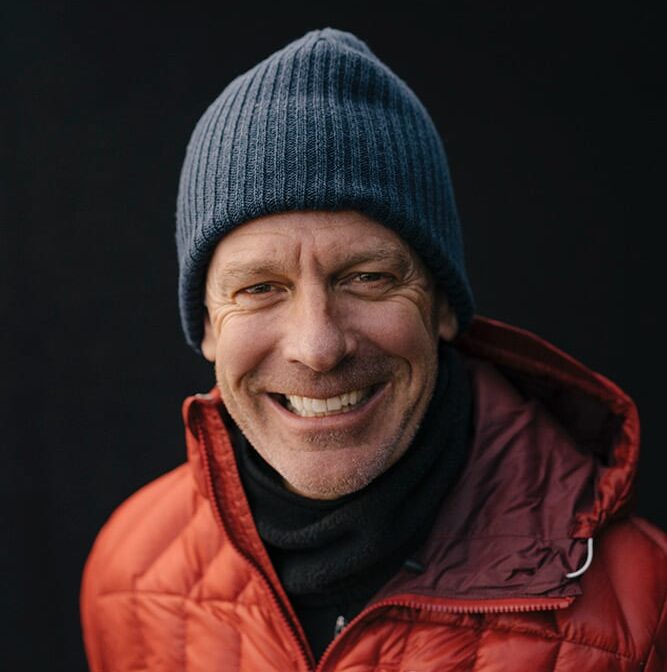
Former NFL Player now Climbing the Seven Summits. Will become the first player to do so. Vinson Massif this January, Everest March 2020.
This is the Athletics of business podcast, episode 20.
Welcome to the Athletics of Business, a podcast about how the traits and behaviors of elite athletes and remarkable business leaders frequently intersect the real stories and hard lessons to help you level up your leadership and performance. Now your host, Ed Molitor.
Welcome to the Athletics of Business podcast and I am your host edition, Ed Molitor. Today's special guest is my friend, Mark Pattison. Mark is a former NFL player attempting to climb the seven Summits. Once successful, and he will be successful, Mark will become the first NFL player to ever do so. To date, he has been on five of the world's tallest peaks with only Everest and Vincent looming. Mark played five years in the NFL. Then he went on to start several successful multimillion dollar businesses, including one that was venture backed and acquired by university. Mark travels around the country speaking to corporations about overcoming adversity and finding their way through his seven Summits of success strategies.
As he shares stories from the gridiron in college, the NFL, mountaineering and his various business ventures, Mark will take you on an expedition and help ignite you and your organization to unleash your potential, achieve your goals, live your purpose, traverse through life's obstacles and add greater meaning to every aspect of your life. Master your own destiny and never giving up on living the life you want. Mark, welcome to the Athletics of Business concept. I cannot thank you enough for joining us and taking time out of your day. I am humbled, honored and fired up to have you with us today.
Well, I am the same way. Thank you very much for having me.
So tell us about your journey. Take us all the way back. And obviously you are going to do an amazing job of speaking right into our brand, the athletics of business. But you have had it since you finished playing in the NFL. You've had an amazing journey and I'd like you just kind of to take us back a little bit to the end of your playing days and what you did right after that.
Yeah, no problem. So I played five years in the NFL. I went to the University of Washington where I was very fortunate to play. What I didn't know at the time because the way was really cresting, but there's a guy up there named Don James. He would later become a Hall of Fame coach. And my freshman year went to the Rose Bowl. My second year went to the Rose Bowl. I redshirted. And so my third year were knocked out on the last game of the year to go back to the Rose Bowl. We ended up in Aloha bowl in Hawaii the next year, same deal, exact same scenario back in Hawaii. And in my fifth year, we ended up in the Orange Bowl.
We were number one most of the most the time that were up there and ended up actually number two in the country. And so, you know, after I got done playing in the NFL, I was like a lot of athletes, you know, pretty lost about what direction I was going to go. Probably took me about two years. I started to invest in real estate and stuff like that, but that wasn't my true passion. And so it's really trying to figure out what that next thing for me was going to be. And a lot of it was trying to be very entrepreneurial. I didn't necessarily want to go out and work for anybody.
I'd been exposed to big business through being around the Raiders and being around the New Orleans Saints and seeing the way the owners are and the way that other guys on the team had been out getting involved in other different projects. So I started a marketing company and you know, that kind of led to a lot of great things. Everything kind of had a tie to it. And, you know, I just kept learning and growing and learning and growing. I grew up in a very entrepreneurial community, that being Seattle in Washington. So, you know, there's so many companies, we call it the center of the universe. You know, Microsoft and Amazon and Expedia, you know, so many different great companies up there.
And I worked with all those companies, my marketing company, and then ultimately I started a venture backed company, toy company called Front Porch Classics, and raised a bunch of money, ultimately about $11 million. And it was a real education for me in terms of dealing with the board and investors and all that stuff. Yeah, so kind of the end game with that was we ended up in 700 different retail locations, seven countries, and sold the company. And so, you know, it was a real lesson in terms of how to do all that. And you know, I guess along the way, like a lot of people, I met my wife, my college sweetheart, and went off, we got married and we had kids and moved down to California. And so a lot of things were going on and kind of coming full circle.
We can get into more detail about this. But about seven years after, you know, being in business for a long time and trying to raise a family and go through all that, I ran into a wall. And my long term marriage was coming crumbling down and my dad had a stroke and ultimately died after three months. And so it was pretty tough. And so I really needed to figure out, you know, like how I was going to break through and what I was going to do next.
Right. That. That had to be, you know, tough. Everything happening at once. So what was your mindset when all that, those things started happening? And, you know, obviously it was many years ago, but sorry to hear about that struggle in your father. And what was your mindset when that was happening?
Well, it wasn't good. And I'll tell you, one of the reasons why it wasn't good is because we actually had moved from Seattle, where I know everybody, it seems like, you know, growing up there, started a business, and my now ex wanted to go back to California and she wanted to resume her acting career. And she'd done very well, you know, kind of back in the day. But, you know, in order to try to get her happy, it was just like sacrifice and said, let's move back to California, move to Santa Monica. And so not only were these things happening in terms of the relationship breaking apart, but I had no friends down there. You know, I found myself in a very lonely environment.
I used to be the coach of everything, like you know, of my kids and being involved in the school and all that community left. And so in terms of having a support group, it really went out the door. So I felt very alone. And it's just not a good place for me to be at that period of time. And so when you don't have internal support on the home front and you don't have external support within the community, it makes life pretty tough.
So what did you do?
Well, there was a couple of years where I had this chocolate lab. And I like to talk about this because it's true. And, you know, he was like my best friend, right?
Yep. Absolutely.
Every single night I'd get up and in Santa Monica, they've got these fairly large blocks. They're not small blocks as you go around and I walk this chocolate lever on this block and, you know, I really felt stuck. And I felt like, you know, where. Where was I going to go? My business was going okay, but, you know, life is so much more than just, you know, getting a paycheck.
And.
And so I just kept asking myself, you know, how did I get here? How did I get here? And then after a couple of years of, I really felt like, you know, you can't go anywhere when you are treading water. And so at that point in time, it was just one night. I don't know what it was with a full moon or something. And it was just like, you know, this has got to Stop. I'm not going anywhere. I don't do well in slow motion or standing in one spot for too long. And so I just said, you know, I'm going to change my mindset. And I changed that question from how did I get here? To what am I going to do about it?
In that point, you know, it just seemed like my creative channels, you know, like, reopened, and there's, like, all kinds of things were coming in my head. But the one thing that came in my head was the one thing that I want to do that brings me so much joy is doing athletic challenges. And so I didn't want to just do any kind of athletic challenge. I wanted to do something that we call in the business world a bhag. A big hairy eye day. Right. So, yeah. So growing up in Seattle, you know, I had really come to know a number of mountain and guys who I'd always respected, and. And I knew some guys who had climbed Everest, and it was just like, you know, I want to be one of those guys someday, number one.
And number two, I'm going to do some research to see if any NFL players ever climb the seven Summits.
Yeah, I love that.
And the answer is, nobody had and said, I'm going to be that guy. And so there was no, like, master plan, you know, beyond that, other than just, like, I got to figure out a roadmap to go back down and attack these crazy mountains. You know, how do you do this? And so at that point, you know, it just kind of unleashed me to go, you know, take this thing on. And then out of that, a lot of stuff started to come to me.
Can I take you back for one second to that mindset switch? Because it's going to play into what you just. What you just told us. What did that feel like when you finally made that switch from, you know, how did this happen to me? To what am I going to do about it?
Yeah, no, that's a great question. And the answer is it was super liberating. And it was liberating because I felt I had options. You know, I wasn't stuck. I felt I could get momentum, which up to that point, I didn't feel like I had any. I felt like, you know, I had the ability to take a step forward. And all these things sound super simple today, but at the time when you're immersed in this and, you know, you signed up for life, you know, I'd know my now ex for 30 years, married for 24. And, you know, when I signed up for life. And so to break that commitment. And another thing I found along the way, that is probably one of my greatest strengths, and my greatest strength is also my greatest weakness. And that's never giving up.
And I learned that in football. Right. And so we could be down, you know, by 30 points in the fourth quarter with two minutes to go, and I was 100% confident we're going to win that game. And most of the time we did. And so. And so, you know, sometimes you just got to know in business or in relationships or other thing with, you know, if you've worked it in every which way and it's not working, it's holding you back for being all you can be. You got to call it. And that was that. That was a big lesson.
Yeah, but. But very liberating. Economic. Some of the things you've said, opportunities, your creative juices started flowing again. And I've got to ask you, I do my research before podcast. You are a history and political science major.
Yeah.
Right. Is that. Is that correct? Yeah. Where did this entrepreneurial spirit come from? And I know you mentioned he came from an entrepreneur family, but it is absolutely amazing how you jumped right into this after your playing career.
Well, I think my grandfather really paved the way. And he's a guy that had grown up in Montana. And then when he was 18 years old, coming from a small ranch out in the middle of nowhere where they had to jump on a horse every day and ride to school, he came on his own to Seattle and started these bars. And the bars, then he'd get them going and then sell them. And ultimately that became a restaurant. And then ultimately that became hotels, and ultimately that became racehorses. And so I was around that a lot. I worked for him in his restaurants, and I really had my eyes open to possibilities on what could be. And then again, I think I was double exposed when I got into the NFL and I just saw how truly big business worked.
And at the Raiders especially, it was the day back in the LA Raiders. And so I was right down there in the center of everything. And Howie Long was on the team and Marcus, Helen and know Alzado, and at the time, O.J. Simpson would pull into the parking lot in his, you know, Lamborghini, and it was like, holy smokes. You know, and so not that the flash is all about, but it was like, these guys are doing things outside of just playing football, meaning endorsements, you know, had a impact beyond just the football field.
And that leads me to a question. Howie Long Lyle El Zado, quarterback Jim Plunkin.
Yep, correct.
And who was, or I should say, I shouldn't isolate. But who were your best teammates and why?
Man, well that spans into, you know, I mean again it goes back into to college too, right. So Jim Moore is my best friend and you know he's the, he last coached at UCLA and he's been the head coach of Atlanta Falcons. I also play for his dad down in New Orleans, Hugh Millen, he played 10 years in the NFL. So were high school teammates together. So we grew up all the way through. When I got down to the Raiders, even though their win loss record in the last couple years has not been great, they truly do have a unique family sense in terms of the camaraderie that they have. They have customs and they brought me right in. So it wasn't just one guy, it was all of them. Plunk had brought me in under his wing.
Cliff Branch was right there, Matt Millen, Lester Hayes, I mean these guys, they all, if you, once you made it into the club, you were in the club and still is that way today. Every year they have a Raider reunion up in Santa Rosa and they bring all the ex guys back and it's just doesn't matter if you played one year or 10 years or whatever, man, they reach all the same. It's great.
I gotta think that's not a bad time.
No, and I'll tell you another thing too, you know, just two years before that I'd watch those guys play the Washington Redskins on TV and I never imagined myself necessarily, you know, like one of those guys. And then I got down there and again a lot of professional sports is all about mindset and I was then became one of those guys because I said I am going to become one of those guys. And as we're sitting there, you know, I can remember there's all these rookies and everybody else sitting in a room and there's a hundred plus guys and they were going to bring you know like 55 guys in the roster. And I said, I don't know who's going to still be sitting in the room, but it's still going to be me.
I'm not going to be one of those guys that's going to be cut no matter what. And you just got to have that relentless attitude which I think you know, has been a real crossover for me in the business world as well. And what I'm doing now, climbing mountains.
So I mean relentless and the other word that comes to My mind is resilient. Resiliency. How did. How did you see resiliency showing up in your corporate career? But now with the Seven Summits, how do you see that showing up?
Well, I think like anything to be successful, you have to be emotionally, physically, spiritually. You have to be strong in all these different areas. And I don't think you can wake up and just say those things. I think you have to actually go out and do them. I think in my mind, just like I did this morning, the first thing I do every single morning, I put my feet on the floor. I call it fof feet on floor. And then I walk out the door and I'm either climbing up a mountain or I'm going to the gym or doing something. But I feel like you have to exercise that muscle, that physical muscle, and push through and do things that are uncomfortable. And by doing that, then that strengthen. Strengthens the mind.
And in particular, what I found is in that, for me, my meditation of being in the mountains and being unplugged and not having my phone and my computer and everything else blasting and pinging and all these things that happen electronically, it really get. Gives you that time to get clear about what the things that you want to do in life, not just you're climbing the mountain, but also problem solving. And it helps relieve a lot of stress and everything else. I think that all builds towards the resiliency of when you hit adversity, hits you, and now what are you going to do about it and how are you going to get around that obstacle?
Are those some of the things that attracted you to the mountains? I mean, you could do marathons, you could do triathlons, there's all sorts of things. But you chose this thing that is physically, mentally and emotionally as challenging for, I mean, I would think, as it possibly gets.
Yeah, well, you know, I didn't just start climbing the Seven Summits, trying to become the first NFL player to climb the Seven Summits. You know, it really started before then. I mean, I can tell you there's a mountain outside of Seattle. When I lived up there, it's called Tiger Mountain. And I probably been on top of that mountain 150 times. And the reason why it's been 150 times, if you just do the math, I was consistent during the winter and during the spring and during the summer and during the fall of going up that mountain, which meant in Seattle, it's rainy, it's snowy. I mean, I've cleared snow that's up to my knees, you know, and you just go, yeah. And that's just part of it. And so it's like so many things you do.
We talked before went live here about, you know, my Instagram, I'm sorry, my social audience, which has grown, you know, fairly high. And the, you know, so much of whether it's business, whether it's working out, whether it's relationships, it's all about consistency with discipline, daily discipline. And that continuity that doesn't get broken.
Talk about that consistency with the, you know, daily discipline and the process. Because obviously that's what mountain climbing is. It is such a process. How do you correlate that? And, you know, why don't we jump into the E course that you have coming out, the seven summits, and talk a little bit about that and how the process of mountain climbing relates so well to business and life.
Yeah, well, so I've got a. I've got an elearning course that's coming out. It's out called finding your summit. And you can find that on my website@markpaddisonnfl.com but, you know, the bottom line is that a lot of people have come to me and said, hey, Mark, how do you get these things done and what do you do? And so what I've done is essentially gone back and tapped into the things that my coaches taught me. That's all I've done. This isn't anything I've invented. It's just me passing along information. And a lot of it really came from Don James, my Hall of Fame coach. But where he stole it from was from John Wooden. And you're a basketball guy, I think. And so John got.
John Wooden is a guy who had not only won 10 NCAA championship chips, but he did it in a row, which is incredible.
Mind boggling.
Yeah. And so he had this thing called the pyramid of success. And essentially what that is 25 different blocks of individual and team goals that help you accomplish things that you want to do in life. And, you know, for him, you know, back in the day, it was course winning the national championship at the NCAA basketball level. And for us, we had skewed it and made it. So it was football centric. And so for us, it was winning the PAC in those days, PAC 10, the football conference championship, and then going to the Rose bowl and hopefully winning the national championship. And that was the pinnacle. And so, you know, I learned how to get myself physically and mentally, spiritually and everything ready when, you know, when I came first came to the university of Washington.
You know, I was an all state quarterback and receiver and I was offered a scholarship there and I'd really never had to do anything. I just showed up and everything, you know, just worked. I was, I seemed to be a bit better than everybody else in terms of my speed and coordination. And when I got to the University of Washington, I looked around and you know, all these guys were all Americans but they were developed and they had been working at the craft and I wasn't anywhere near and I was so far over my head and I didn't think there was any chance. And so, you know, I had to like follow the program and do all the daily discipline, you know, working out, running the stairs, doing this and that.
And that's really what helped develop a strong mind for me to get me, you know, through the NFL and starting these different businesses where I'm at today. So going back to the elearning course, I've dumbed it down into my acronym called summits. S U M M I T S. And so S represents the seed and then the u's and leash them is move. Then you get a measure, then you have to improve. And then after you improve the T represents, you have to diverse. We talked about that earlier. Where things hit you, adversity and what do you do? You don't give up. But sometimes you have to go on an unexpected detour. They didn't think it was coming. And then once you get through that and you're well on your way.
Then we get into the last letter which is S. That represents to me the summit, the success. And that's really when you start paying it forward, you start moving it and passing it to other people. You start getting involved with things like I am with Waterboys. We're now giving back, you know, and that's really what that's all about.
Let's talk about water boys, because that's absolutely amazing and I love what you folks do.
Well, Waterboys was founded by a guy named Chris Long, and Chris is the son of Howie Long who I played with. And Chris plays currently for the Philadelphia Eagles. He's won a couple Super Bowls last couple years, so good for him. And about four years ago he went down to Africa. Tanzania saw that there's this huge gap in terms of these villages that you know, you go out there and he was seeing that these mostly girls walking three, four miles with these Gatorade looking five gallon buckets on their head to go get water. In many cases when they do that, they get attacked by These wild animals, they get raped. I mean, it's just all bad stuff. And plus the water is none pure. And so there's a lot of sickness that they bring back into these villages.
And so he started this organization called Water Boys. And essentially what it is challenging different players to go out and raise X amount of money, cost $45,000 to build a well, and then put that well in that village. And by bringing exposure, he invites every year a group of guys down to these villages, and then we climb Mount Kilimanjaro, which I've now been and done a couple times. And it's just an amazing thing they've done. And, you know, the original goal, I think, was to representing 32 teams, to have 32 different wells that are down in the Tanzania, really in the Masai tribe, the Serengeti. And I think they're up to like, well, 80 now. I mean, it's just blown up. It's really amazing. And they're going into other parts of East Africa, Kenya and other places.
That's got to be pretty rewarding.
Well, I'll tell you something. You know, I was down there. I was in these. It wasn't a lot of times, you know, you donate to a cause and, you know, you feel good about that and write it off your taxes. And in this case, we actually, you know, Jim Moore and I actually partnered up together when went down there and we raised $47,000. We actually funded our own well. My dad's name who passed away. The well was dedicated to. Which I'm very thankful of. But went into these villages, and when we walked in, they celebrated us like were the. It was insane. I mean, I'm not kidding you. I mean, we walked in there and they were cheering us. They were crying. And we walked over, and there's.
Everybody in the village shows up and they're, you know, they're not like the way what you and I Americans are dressed like. They're like. They were what they WORE, you know, 10,000 years ago. That sticks. And they're sheep herders and all this stuff. And we walk over and the big ceremony, the ribbon cutting was where we just turned on this little thing called a spigot and somebody water came out of it. And everybody shared and hugged and. Yeah, it was amazing. And just their gratefulness of us, you know, doing that for them and helping making that village sustainable was really amazing.
So how did that make you feel? I mean, what did that feel like?
Well, it just. It made me feel like I was on number one, I was on the right path. Number two, a life of giving is really the ultimate gift in life of passing that along. And three, that I want a team together and which I'm doing with Water Boys. And we're coming together, funding your summit and Water Boys to, you know, promote even more awareness and to raise more money to build more wells, you know, in Africa. So, you know, it's a great thing. And especially when you're in those villages, which I plan to go back and seeing those people and interacting with them and seeing their faces light up, it's amazing.
Yeah. So let's get. Let's. And that's got, that's part of your story. And I want to get to your story and the story that you tell, and we'll talk about where folks can find you for speaking engagements as well. But what is your main message? And we've, we've touched on it, but when you. Because you have a very powerful message because you've lived it, you're still living it. But what is your main message that you get across to your audiences?
Yeah, I think, you know, it's. It's, it's a couple things. It's one, finding your summit, I mean, I think that's at the bottom line, and it's not. It's literally climbing up a mountain and trying to find your summit and what's on the other side. But I think whether you're stuck or whether you're just trying to improve, there's so many of people who I know that have done great in life, and they're just at a plateau where, you know, every day they wake up, it's the same deal, and they go into work and they come home, they pet the dog, and they go back to bed and wake up, it's repeat. And so it's really challenging yourself. And, you know, I think a lot of the people who I do talk to have had to overcome adversity.
And if you haven't overcome adversity, then it's around the corner waiting for you, because it happens to all of us. And so the real question is, you know, when that stuff happens, you know, how do you get yourself out of it? And if I can be of any kind of inspiration, if I have any words of wisdom, any of those things, then, you know that I'm here. I want to be a resource, but it's really all about that. It's just finding your summit. And I help people do that.
One of the videos I'VE watched. I've watched. Mark, you said something that really resonated with me and that goes back to the conversation we had before we jumped on this. And for you, it was the transition from football to the corporate world. Okay. For others, it could be changing industries, it could be changing jobs, it could be unexpected layoffs, just some of the things that go on in this world now. But you said if you can rechannel and you're talking about NFL football players and being successful after football, if they could re channel that same effort, that same energy into finding something you are really purposeful about, those things that are going to get you out of bed in the morning, how do you help people find that?
Well, again, I think you have to be. You have to get true clarity. And when I did that, it was such a fun piece to do. The NFL Network decided to do a piece called Life After Football. And I think, you know, again, getting a job, if you're somewhat motivated, anybody can get a job. And, and nobody can ever tell me that you can't get a job because McDonald's and everybody else are always right. That's right. Now the question is, what do you want to be purposeful about? And I don't think that you can really get clear on where you want to go if you don't have a vision board that's out in front of you. I write these things down, and the other word for this is goal setting. But I literally have a vision board.
I'm sitting here in my kitchen here in Sun Valley, Idaho, and I have a whole refrigerator chuck full of photos. And when I go up in my bathroom where I shower, I have a vision board written down of exactly what I'm trying to do. And then every day I set these certain goals about how I'm going to get to that goal. Now, you know, I'm still in the mountain climbing part of it right now. I've got two mountains to go to complete the seven Vincent down in Antarctica. So I haven't been there, you know, but my goal is to get there. And I've made all these preparations and plans, and every day I'm taking small steps to get there. But there's a little thing called New Year's resolutions. And what happens is coming up here in the next month or two, everybody's going to.
It's the end of the year now. We're all going to write down our New Year's resolutions. And what happens is people get about two or three months into them and they break them and so what I think everybody needs, they need coaches like you, they need mentors like I've had plenty of and coaches or they need people to help guide and keep them accountable for staying on course. And if you don't, you know, then you don't. I, you know, even myself, you know this, we've talked about this, you know, I have hired essentially a team of coaches to help keep me on course and help me continue to refine my message and continue to go out. So this isn't just about going one sided.
This is I'm walking the walk and I'm talking the talk in terms of I'm doing the same thing, I'm trying to help other people do.
And this is perfect. You've hired a team of coaches because in the old days, and I don't want to date what the old days were, but people would look at you working with a coach and say, man, something must be wrong with that person. But the mindset now, because the reality of the situation is everybody who has been successful at a very high level has had at least one or two coaches in their life. You look at the great athletes, you look at the great business people. Talk a little bit about what having coaches, a coach does for you, how does that bring more clarity because you're so successful and you're so talented. Why does a person need a coach?
Well, I mean, I don't think I can be a jack of all trades. I mean, I think I know a little about a lot of things, but I think it gets down to this little word called perspective. Right. And when I'm going to say another corny old line here too, which is sometimes when you're in the forest, you can't see the trees. And I think that happens with a lot of people. Happens certainly with me. Like I have a certain way and you know, you can. I have my vision board. But, you know, maybe there's a better way and there's a better path to getting to my ultimate goal of where I'm trying to get to. And everybody brings something a little bit different to the table.
And certainly from a coach's standpoint, they, in my case, going back to my football days, there were tips on experience, tips on, hey, you can run this route a little bit better or how to recoverage defenses that were coming up and playing bump and run and doing all those things. And so there's just a different way. And that's the beauty. When you're exposed to different people, everybody brings something slightly different to the table. In Mountain climbing, I can tell you there's how to deal with minus 40 degrees, how to put up your tent, how to build ice walls, how to navigate your way over the top of a crevasse. When you're looking down 100ft, you know, and you're scared to, you know what? Yep. How to hydrate properly. I was recently up at Laird Hamilton's and Gabby Reese's house in Malibu.
He's a big wave surfer and he's a big brand, you know, in the surf world. And you know, he does this whole underwater workout thing I've never done. It was just great way to stretch me, which I took essentially between 35 and 55 pound weights and went in the deep end of the pool and jumped over. And having to come up and out of the water and breach and breathing, obviously you sink right back down. But it's a low impact way he's trying to reinvent. That's not just on him, but it's just an example of having different influences come to teach you new things to improve your game. Because if you're not growing, you're dying.
Amen. And the thing is, you're intentionally looking for those opportunities. It's not like those opportunities are coming to you. Can you speak to that a little bit about how significant it is to intentionally look for opportunities to grow?
Yeah. Well, I think the biggest thing is this, is that every action and this is people got to know is that every action has a reaction. Now that might be a negative reaction, but at least you're going to know that reaction, right? And so I think far too many people just don't take the action. They don't take the first step. And I can tell you for absolute fact that nothing like these companies just climbing these different mountains, getting up in the morning, working out my athletic career, you know, way back when, there's not one thing that was ever given to me. I had to work my tail off for every single thing. And, and that's just been my life. And I've had other people that were born into, you know, very wealthy families, very famous names.
And good for them, you know, that's just the car they were dealt with. I wasn't dealt with that card. I just like trying to, like I said, when I was born with certain skills and talents, like everybody is. And what I did is I just kept at it and added and add it and going back to that word, relentless, I just never gave up or stopped short. And I became A gym rat. But you got to love the process. And I think that's one thing that I really enjoy, is that process and understanding. There's some things in there that aren't fun, but you got to do in order to get to where you want to be.
Right? And I firmly believe once you learn to love and embrace and love the process, you're going to love what the process delivers to you. But in your process, someone as successful as you and with the positive outlook that you have, with the ability to just keep grinding and building your grit, does self doubt ever creep into your mind?
For sure, for sure. I think that's just a natural human emotion. And, you know, and I never want to sell it any way differently. You know, I have a podcast called Finding youg Summit, and I openly talk about, you know, how many times I've fallen down. And, you know, the question is, we keep talking about is what are you going to do about it and how are you going to get back on that horse? I just know one thing. It's just again, nothing has been given to me. I've had to work for every single thing. And then when things come, maybe it's a negative event or something. The question is, how do you get around that? You just got to have that resiliency and that strong mind.
There's other things that you've learned from a young age all the way through, and make sure that you tap back into those things when things get a little tough. But you said it perfectly. Is that the prize is so much more sweet when you get to the top? I can tell you this too. You know, somebody asked me this last week, like, what's that like when you get to the top? I tagged Denali, which is the highest mountain in North America, up in Alaska, which is an incredibly tough mountain to do. Had to do it twice to get to the top. But they go, what's it like? And I go, well, the problem is that when, once you get to the top, you're only halfway there, you still have to come all the way down.
And you're talking about 14 hour days and it's hard. And when I come into camp, you know, I am burned out. And, you know, there's a lot of times along the way you got to give up and you just got to keep the mental exercise of, you know, go, go, don't quit, you know, and you talked about fear and self doubt and all those things, and that's just all real. And you got to play these mental, you know, gymnastics with yourself in terms of like keeping going and let kicking that guy off your shoulder.
You know, let's talk about that, because that's another great sort of analogy, if you will. But you get to the top, so people think that's success. Right. But really, I mean, the most dangerous part lies ahead, doesn't that?
It does for sure. You're so tired, you're so fried.
So mentally, how do you do that? I mean, how do you get. Let me. Let me say that a little bit more clear. I mean, mentally, how do you get dialed back in? Like, holy cow, look at this beautiful view. I'm here, I've done it. Especially when you had to go back the second time because you had pretty inclement weather the first time. Wasn't it like minus 60?
It was minus 60. And a super storm was coming in to put it at minus 82.
So sort of a little bit of adversity there.
Okay, a lot of adversity. Yeah.
So you get there, now you're here, but now you got. You have to go down. So what do you do with yourself in your mind to get you. And not just to get through it, but to grow through it.
Well, I mean, I'm going to hit you with yet another football, Corny. You know, I love it.
Keep them coming.
Yeah. Here, the Cubs, we're where preparation meets opportunity. And, you know, and a lot of that for me, and I'm still learning the game, but there's the conditioning aspect of it. So what have you done to put yourself in a position to get up and down safely? Nutrition, it's a big one for me because if you don't have the right kind of fuel, you know, going up, especially going down, and especially, you know, when it's within its minus 30 and you're sitting down on a. The side of a glacier, you got your crampons on, you're all roped in, you're cold, and then you start, you kind of have this sweat when you're going up the mountain, and when you sit down, you immediately get cold. So there's a lot of work. You just don't sit down.
And then you have to, between the water intake and other foods that you're putting in your system, that all counts towards trying to keep yourself ready and having enough energy to successfully make it up and down. And I can tell you this, that every single one of these expeditions I've been on, every single one, we've had people on there that should not be there, and they did not. You know, again, the Preparation, each other. They're watching a movie, they're reading a book, but they haven't put in the work. And I. It pisses me off because they're putting my life in jeopardy. But, you know, it is what it is. It's not like you can go, you know, pick your own, you know, basketball team or something. I go with these expedition outdoor groups.
And so it's kind of people from all over the world are coming in, man.
We could talk a whole other podcast about teamwork, you know, I'm based on that one and being committed, you know, being all in with your team and being a part of something bigger than yourself. But I want to bounce back real quick to, you know, luck is when preparation meets opportunity. Did you have a chance? And we're not supposed to date the podcast, but there was this great game this past football season, Texas A and M versus LSU 7 overtime last weekend.
Yeah.
And I'm sitting there watching, I'm sitting in my chair and you know, obviously there's a lot of folks down there I'm texting with down in College Station. And it's unbelievable. People are leaving the stadium when they think the game is over. And you see these folks and some of the LSU players started dropping like flies. They started cramping, they started, you know, fatigue started setting in. And I watched the press conference after the game and they said that there was players coming off the field from A and M that said they still could have played. We could have played two or three more overtimes, which is mind boggling. But I want to go to, in terms of people think that you rise to the level of the occasion, but isn't the truth that you actually lower yourself to the level of your training?
And doesn't that speak volumes into your mountain climbing?
Yeah, I think so. I think so. Yeah. It's an interesting way you phrase that. You know, I don't know if I lower myself to my training. I elevate my game to match the challenge that's in front of me. Right. And so I've actually been to College Station with. I was, I served in a mentorship program with UCLA football team last six years. And so UCLA played at College Station. So I've been there. It's the greatest football environment. I played at lsu and that's also an insane environment.
And those two worlds collide right after Thanksgiving.
Yeah. No, I can't imagine I'm fortunate to have been in both places. But, you know, I don't know. I mean, part of that, too. You know, to me, it's crazy when kids start to cramp up, even though it can get pretty hot in both those different places. I don't know what the temperature was that particular night, but, you know, they're also 22.
Right, right, right. What I was trying, what I was trying to get at, though, is this. The big thing about Jimbo down at Tech Saint and the change that he made was the level of accountability for work ethic with this team versus the last few years. So. But what I meant by lowering to the level of your training was, you know, how elevated. How elevated is your level of training? Do you make. Do you make your training? Do you make your work harder than the game is going to be? I think that's what I was trying to get at. And you were talking about folks not being prepared for the climb, so they shouldn't have been on the climb. So is that something that you do when you get ready for your climbs?
Do you make it even more difficult in your training or as difficult as it can be than it's going to be on the climb?
I always do. And one of the things I've always said is that I, if I'm not going to make the top, I don't want it to because I wasn't in good enough shape. So what I typically do is I'm climbing big mountains. You know, I mean, I climb all the time, but in terms of one big mountain every year. And so I kind of throttle it up and bring it back. I work out every single day, but in terms of that frequency and the intensity, I just ramp it up as I get closer to the actual date, which I'm leaving, which, by the way, I'll be leaving on January 6th for Antarctica coming up. But, you know, so right now I'm in this kind of acceleration mode of pushing it, you know, to a higher level.
But I'll also say this, you know, again, I think it gets back to this, you know, when you're talking about the AM game versus LSU again, it gets back to John Wooden, you know, the basic principles of the 25 different, you know, it's individual and team. So, you know, you got to be the best that you can be, the strongest that you can be, in order to then feed into the team mode of how that's going to affect the outcome of your, you know, your game or your mountain climbing or whatever you're going to do.
Right, right. And I love to say, we all obviously believe that we is bigger than me. But, you know, I think if you want to. If you want to contribute the best version of me into we, you've really got to work on yourself.
Absolutely. Absolutely. Just knowing that there's a bigger picture and then, you know, and I mean, this is at all levels, you know, but, you know, within the mountains, there definitely is a. There's a team component to. It's not just that one guy going up because you're tethered, you know, to these others on a rope, number one. Number two, when you get into camp, there's a lot of work to be done in terms of putting up these different ice walls, which is not fun. Putting your. Your tent up and rolling everything out and then cooking and blah, blah, you know, just doesn't end right there.
And so I've been in camps before where people have just gone over and sat down and they're not helping and just like, you know, okay, look, I just dragged a sled for six and a half hours, you know, 135 pounds and get your ass up and help.
Right, right. Well, this has been unbelievable. Where, where can. To keep it real simple, I'm going to let you take the reins here where folks can find out every single thing about finding your summit. Okay? The E course, water boys, everything else they can find. Where can they go to find that information?
Yeah. Thank you. So where anybody can find me is www.markpadison p a t t I s o n markpadisonnfl.com and you can find all the information about waterboys Finding youg Summit podcast, Finding youg Summit elearning course, my public speaking and the climbs I'm going to be on. As a matter of fact, something that's really cool that's coming around the corner is I've got something going with Garmin. And so I'll actually have a link on my website, on my expedition page, where people can actually watch me, you know, dot dot, going up the mountain and coming back down, which is pretty cool.
That is very cool.
Yep.
When will that go live?
So it will go live the January 6th. Probably show me fly from LA down to south of Chile and then from there going into the glacier.
That's really cool. Best, best of luck on these remaining summits and everything else, and I cannot thank you enough. This has been. This is for entrepreneurs, for business owners, for business executives, for climbers, for athletes. I mean, a ton of information here. Everything that you just mentioned will be in the show notes as well. Every link will be in the show notes. You can find that at the Athletics of Business. Check out more about what we do at the molotor group@themolitorgroup.com and we would love to hear your feedback. This has been some amazing time together and I appreciate it. Mark.
Absolutely. Thank you.
Thank you.
Thank you for listening to the Athletics of Business.
Be sure to give us a rating.
And review so we know how we're doing. For more information about the show, visit The Athletics of Business.com now get out there.
Thank you. Think, act and execute at the highest.
Level to unleash your greatness.