

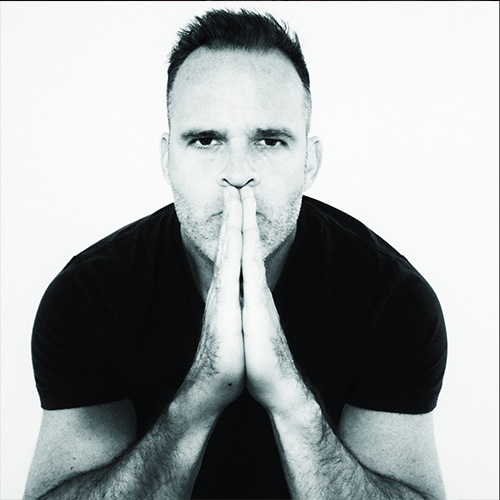
Mike co-founded Altos Research in 2005 and serves as the company’s CEO. He has 15 years of experience with software development and marketing of enterprise applications, and security products. In developing the Altos product offerings he applied his expertise in analytical systems development to a personal interest in the real estate market.
Prior to founding Altos Research, Mike was Vice President of Marketing and Product Management at network systems vendor Nevis Networks where he led the team from initial product concept through the company’s launch into the market. Before joining Nevis he led product management at Inkra Networks, and helped build the company’s innovative product line and contributed to the company’s successful sales into the largest datacenters in the world. Mike previously founded Potrero Networks and was director of product management at Lucent Technologies/INS VitalSuite division. He has a BS from the University of Nevada and an MBA from Chicago’s DePaul University.
Specialties: Real Estate Data, Real Estate Technology & Marketing
Startups and Entrepreneurship- Internet, software, and information
Welcome to the Athletics of Business podcast. This is episode 31.
Welcome to the Athletics of Business, a podcast about how the traits and behaviors of elite athletes and remarkable business leaders frequently intersect the real stories and hard lessons to help you level up your leadership and performance. Now your host, Ed Molitor.
Welcome to the Athletics of Business podcast. And I am Ed Molitor, your host and CEO of the Molitor Group. And today our special guest is Mike Simonson. Mike is the founder CEO of the real estate analytics firm Altos Research. A true data geek, he founded altos Research in 2006, the commercialized software he originally built to understand his own oversized Silicon Valley mortgage when the NASDAQ bubble burst in 2002. He has since grown the company to be the nation's premier vendor of real time housing and rental market analytics. Altos bring data and insight to the largest Wall street investment firms, banks and tens of thousands of real estate professionals around the country. Mike is also the 2019 president of EO, the entrepreneurs organization in San Francisco. Mike, welcome. I am beyond fired up to have you here and just let's put it all out there.
I was fortunate enough to be a 1988. That's right, I said it. I dated myself, and you for that matter. 1988 graduate of Palatine High School with Mike Simonson. Mike, thanks for joining us, man.
Nice to be here, Ed.
It is. We've talked about this for a while now. For it to come to fruition is pretty cool. And you know we're going to get into your white paper hacking happiness. But before we do that, can you just bring us back and behind the curtain of your journey and share with us how you got to where you are now? Sure.
I grew up in Chicago and went to school out west, but fell in love with building software and building software companies and did some Silicon Valley stuff in the 90s and bought a little old overpriced Silicon Valley House in 2001 with a giant mortgage. I've always done data software and knew that I was going to build a data company. It took me about a decade to figure that out, but I started building models to understand home prices in my neighborhood in my part of town. And the Nasdaq bubble in 2002 was crashing and it went from unbelievably huge bubble to Armageddon. It was really crazy. People who had previously made a lot of money were totally out of work. It was nuts in Silicon Valley at that time. And so I started, I needed to understand what's going on with my own home.
And I started building the system to do that. I did it for a few years just for my own. My. Myself, my own needs. And then after a while, I was like, you know, we really had. I really have some real insight here about the world. And so in 2005, we decided that, you know, let's go make this into a company, commercialize it. Launch a company in 2006, January 1, 2006. And I've been doing it ever since.
How difficult of a process. Process was that to take it from just being your own thing to realizing how all of a sudden you had this responsible to build this organization, this responsibility to build this organization that was going to serve. I mean, so many folks. Talk about how many folks you really serve.
So, yeah, the decision was, it kind of flowed. It was, I have a need. I'm going to build some models to understand my need to solve my need. And then, wow, it's really good. And I would share it with people and say, oh, let me, you know, we would help each other. When I started thinking about commercializing it, I remember talking to, for example, a real estate agent that somebody said, oh, go talk to my friend Bart. I sat down with Bart and I said, here's what I've got. Here's what I can show. Here's how I can show the home price trends and how I can put it together in a report that people can use. And I remember Bart said to me, well, that's great. How much? And I have no idea. No idea. Like, I go, 50 bucks a month.
He goes, great, I'm paying 60 for what I got now. And I was.
Did I say 50? I didn't mean 50.
That's right. The next guy said, how much? And I said, 79 bucks a month. And so it was like, I had pretty good feedback right away that there was value there. And so, you know, we launched a company. It was, you know, so we now reach real estate agents, cover the whole country and try, you know, real estate agents, professionals and brokers and mortgage people and the whole ecosystem. Because everybody needs to know what's going on and needs to communicate that with their clients. So we help them do that. We give them their data. They can put it in their mix and with their name on it, get it to their clients.
My take, Mike, is it's almost like real time data. I mean, it's almost. It gets to your clients before all the other stuff. Before all that other.
Exactly.
Right. Okay. How do you do that? How does that work?
Well, so Every. We track every house in the country that's for sale. So we have a giant database of every house in the country, and it's 110 million houses or condos and things. And then when your house goes for sale, we know exactly how much it's priced for, and we know how long it's been on the market. We track it week over week. So it's. So we go, oh, Ed's house has been on the market for 42 days, and now it takes a price cut. And so what we do is. And there are 39 other houses on the market. And so all of that is signal about the housing market that we can then communicate to you.
So you, as a home seller, it's really interesting to know that if 40% of the houses on the market have taken price cuts, and now that's normal, and now it's 55% of taking price cuts, that means demand is weakening. Like for you selling, like, that's signal. And so we go find all that signal and we build it up and we publish that all for the whole country, every zip code, every week.
Right, Right. So you deal directly with all the emotional roller coasters that go on in the market. So, as you can see, I'm trying to segue into why we are really here, what we've talked about. So Mike reached out to me a while back when he saw some of the. The content that we put out, and he said, I really. When I'm done with this white paper I'm writing, and this is a while back, he said, I want you to read it. It's Hacking Happiness, A Personal Journey through the Biochemicals of Happiness. And he had me right away on that. So I want to jump into that. I want to jump into how this came to be. I want you to. And I want to move beyond just what it is.
I want to get into how you did it and how you're doing it with your team here in 2019.
Yeah. So we had, as I. You lead a company and you lead it for a long time. You go through cycles. You have upside cycles and down cycles. You can be. You can get into sort of boredom or, you know, like, not excited about it. And if you're leading a company and you're not excited or depressed or, you know, bad things happen. And I was in 2017, in this kind of state where I needed to. I was like, not feeling great about the company, and I needed to make a change. So I started looking at. And I'd done a bunch of things But I'd started looking at what kind of change can I make. I've done things like you got to do some planning, for example. You got to do business planning is create your plan for the year.
I've created those over and over through the years, and they feel uninspiring in general. And so, like, there were all kinds of things like this that I'm looking for solutions for. And I'm realizing that I am needing more joy in my work. And I started on a. On a sort of a journey to understand how joy is happening and then actually translate that into my work, because that's what was felt was missing. I was bored. I'm not excited. So I did. That started really in the fall of 2017. And by last year, 2018, I had a remarkable. I had a personal turnaround. It was all an internal focus. It was working on my stress levels and the stress chemical cortisol and happiness chemical serotonin, love chemical oxytocin, dopamine. The reward.
Working on those, working on their levels, understanding how they interact, and really trying to optimize myself. And then it was magic for. What happened to the business, for example? Like, the business, we had an amazing year. Growth, super profitability, like, just. Just like, remarkable all the way through. The paper came out because I was telling people about it. In specific, I have a. In this entrepreneur's organization of a group of 10 people. It's a forum. It's called the New Deep Dive Confidential. And telling people what I'm doing, and they're like, you gotta. You gotta teach us. And I said, right now?
Pretty much the same response I had.
Yeah, exactly. You know, so I started writing it down, and all of a sudden it's, you know, 30 pages of stuff that I'm doing. And so that's where the paper came from.
Yeah, yeah. And then let's get into the paper. So you talk about serotonin, you talk about dopamine, you talk about oxytocin, and you talk about cortisol. Okay, the bad guy. But let's talk about how. Which one of those did you. Which one of those did you focus on? I mean, I know that the three positives is what you really want to drive towards, but was it more serotonin? Was it more dopamine? How did you go about doing that?
Yeah, my. So my observation is that we get in. In business, especially achievers, we get in a dopamine cortisol cycle. Dopamine is the reward chemical. You get the new sale, you get the hit. High five. You feel it's dopamine. You put a plan together, you put a goal and it's measurable. You hit the goal, it's dopamine, you feel great, right? And so you keep doing it. That's why you use dopamine. That's why you set goals like that. When you miss, you feel cortisol and that's the like, ugh, you know. And my observation was that I'm in this dopamine cortisol cycle. I don't feel joy, I feel like I don't feel about opportunity. I'm not feeling optimistic. The phone rings and you. My state is dread. It's like, oh man, something's going to go wrong as opposed to the phone rings and it's opportunity.
And so my state was that's that joy, that optimism, that confidence is serotonin. So my first step was how do I focus instead of dopamine in my daily work? How do I focus on serotonin? How can I increase my serotonin? And then the next thing I did very rapidly was worked on how do I decrease the cortisol? When you decrease the cortisol, all kinds of good stuff happens.
And then we'll get into in a few minutes. I don't want to get. I'm so excited. I don't want to get ahead of myself. But we will talk about how to decrease that cortisol, won't we? Okay. All right. So that's. Second, decrease the cortisol.
So then, and then you start paying attention to the, you know, you start paying attention to serotonin, for example, and you realize that you can do things to improve it. And then you also recognize, for me, it was like, also recognize oxytocin, which is the love chemical, how intertwined with our full state of happiness oxytocin is. So really, you've got dopamine, which is the high five, the reward. You've got serotonin, which is our confidence, our joy. And you've got oxytocin, which is our love, our bonding, our teamwork, our community.
Can I ask a real goofy question real quick? I should preface it that way, but something just dawned on me and that's what happens. When I've read this paper a number of times, I was always in it and I still struggle with this today where like, you can high five me all you want. You can say, hey man, I'm proud of you. Or you can say, hey, man, that's a great job. It just might not impact me. And that's. Is that Because I might just have a naturally low level of serotonin that I need to work on.
It may be right. So you get to high five and you're, you know, as an athlete, you focused a lot on, you know, the. You get the basket, you feel the dopamine. Right. You get the high five, you get the coach high fives you. Good job. That's the dopamine. When you look around the team and you go, we're awesome. That's serotonin.
Right.
We're going to win this game. And so when you're feeling. You get, you get the. You get a high five and you don't feel the joy. That's exactly what may be happening. Right. Your. If your serotonin is low, it's like what you don't need is another attaboy. You need a. We're doing great things. We're doing great things for the world. It's a shift. Right. It's a shift in that perspective.
Right, Right. Which that must go. And I might be getting ahead, but that just goes back to when you talk about articulating an elegant purpose.
Yes. In business, in our community lives, when we have a purpose that we are working towards, we feel more than ourselves. We have a. We have a mission that we're going. Those, Those feelings. The reason we do those things, they. The reason they feel good is serotonin. And so you'll know that, you know, your work, for example, with Molitor Group is you're. You're looking to elevate performance in people. And as you do that. That is a gift, really to the world. That is a. You're. You're making the world better, and you feel good about making the world better. That's the purpose driving you. And that is a serotonin feeling. It's a. It's a big picture confidence, joy, state of mind.
Okay, I love this. So let's go back to. First, you're looking at serotonin, second to cortisol, third, oxytocin. Okay, what's next?
And then what I started realizing. So. So cortisol is. So cortisol is the stress chemical. It is when the cortisol is high and my serotonin is low, that's when the phone rings and I feel dread. So I drop down the cortisol, I increase the serotonin. The phone rings and I feel optimism. Oxytocin is when we are in a joyful state of love and being loved and respected, and we have our community bonding. So one of the Things that was really fascinating to me is you're in a business environment and if you're uninspired, and you're uninspired, like the people around you are both the cause and the effect of that lack of inspiration. So one of the techniques that I, one of the things I did was I started expressing gratitude outbound to the people around me. That gratitude generates oxytocin.
And now I feel much more confident in my daily activity, my daily going into work because I am happy. I'm so grateful that these people around me expressing that gratitude to work on my oxytocin levels. I noticed one of the things that I've classified it into is a dopamine cortisol cycle, where dopamine drives performance. But if you miss your goal, you feel cortisol, or you get the negative, you lose the cell, you get the negative event you generate as cortisol. And if we are in a state of having an awesome team around us that we love and support, you get that bad news. You're way different than if you're in a state of just focused on like trying to get that next score.
And now I get the bad news and I miss or I get the penalty or whatever the bad news is, the cortisol hits. Now I have no framework around me and I fall. So that was my observation, was like, how do I shift out of the dopamine cortisol cycle into a serotonin oxytocin cycle to break out and truly get into a new achieving mode?
So let me put this out there. We talk a lot about working on the mindset that are going to, you know, develop and create the right behaviors to drive the process. Right. To get the results that we want. How does this, and I'm going to go from the process to the feedback loop here in a second. But how does this play into the process? You know, how, you know, really sharpening, strengthening the behaviors that are going to drive the process that's necessary to get the results. And I know that you're not as much in the setting dopamine driven goals. Okay, so how do we drive the process with this?
So, yeah, so, you know, very often the planning, especially in results focused planning, business results focused planning is, it's written in a dopamine framework. It is because you know, it's measurable, it has a timeframe. You know what to achieve. That's all. You hit it, you get the reward. And that reward is super powerful.
Right?
You get the reward. You want to work harder you get the sale, you want to work for the next one. It feels great. And so that shouldn't be ignored. Right? You should absolutely embrace that. My observation is that the truly great achievement plans are with teams that have the serotonin already there and the oxytocin already there. So that the cortisol, when it hits, doesn't knock you down and back to square one. When the cortisol, when the bad news is there and you're in a dopamine cortisol framework and the bad news hits. Now I missed the goal. Now I look at the goal and I'm like, oh, I missed that. We're not on the trajectory. We're not going to make that goal. Now even looking at the plan generates cortisol. It generates a negative feeling for me.
So even looking at the plan, so now the team doesn't want to look at the plan, we don't want to visit it. We get avoidant or we get angry. We have all of this negative cycle that happens if we've only got the dopamine part in place. So rather, we spend the great teams and the great frameworks will have a serotonin baseline, an oxytocin baseline. So you'll see it come up in terminology like alignment. You'll see it in terminology like teamwork, respect. You'll see it in things like confidence. So we're already have these things in place so that the dopamine can be the rocket fuel on my daily momentum. If you look at even like you can look at any great framework for human achievement, whether it's Buddhism, or you can look at guys like Eckhart Tolle, or you can look at John Wooden's pyramid.
Have you looked at the John Wooden pyramid lately? He's got all these boxes of things like teamwork and skills, and he builds this pyramid. Yeah. For greatness. If you'll notice, he has half of those boxes are about serotonin and oxytocin. They are about giving to the community. They are about outbound. There's nothing about basketball. Right. It is. So his framework is so powerful because it happens to help his team develop their serotonin and their confidence. They're giving out to others. It's not about selfish, it's not about the ego. It is about the community. And when you take it out of the ego and you give it out to the team, that's a generate oxytocin and drop the cortisol. That's the framework. That's why that framework works.
It's funny how this all manifests itself. So when I was a freshman at Creighton, really, three days after we graduate from high school, you think that the summer after your senior year in high school, you're going to spend at North Avenue beach with the boys and all that stuff? I had to be in Omaha. I had to be in Omaha for a summer. And you either got a job or you're taking summer school. I was not going to take summer school. All right, and then you. You lifted weights, worked out, you played, and then you did whatever you do in Omaha. Okay, when you're 18, 19, 20 years old. Well, it was. It was. I mean, it was. And every. Every guy on the team had to be there. And none of us understood it, but were there, right?
So you do what you can do. And we really became a family. We really became close, and were brothers all of a sudden, because you just go through that together. Well, then a week before the season started, on a Wednesday. And I'll never forget this, because it was our day off every Wednesday. We didn't lift weights at 5:30, 5, 45 in the morning. We did Monday, Tuesday, Thursday, Friday. So Tuesday we may have had a tendency to go out because we knew we could sleep till like, 6:30 Wednesday morning. So our phones all started ringing. Some guys were getting knocks on their apartment doors. Coach wants to see you in the lounge, in the locker room at 6am we're like, all right, so now we're all walking down the hill to the old gym, and we're looking at each other like, who did what?
You know, who went out last night. And a lot of us didn't, for whatever reason. And we couldn't figure it out. We sat down and Coach B. You know, his family, to me, to this day, very close to him. But he had this thing when he had a black sweatsuit on and his hair slicked back. You might as well start running the other way because you knew you were screwed. All right? So coach walks into the locker room, black sweatsuit, hair slicked back, and he cuts right to the chase. He says, fellas, I don't know how to tell you this. He goes, but I've got some bad news. He said, we have been put on NCAA probation for something that had nothing to do with us. So we do not qualify for the. The postseason Missouri Valley tournament or we cannot.
If we do win the postseason tournament, you know, we. Obviously, we can't go to the NCAA tournament. So we're like, God, we had a bad week. We were picked to finish Second to last, and now we're on probation. But we knew we represented something much bigger than, you know, just the standings in the outcome, record wise. Long story short, were taken off probation in January at the special collection of the ncaa. It's not the right terminology, but they met, they took us off of probation. You know, it was the old joke that Kentucky cheated, so they put Creighton on probation. So, yeah, whoever it was back then, it might have been Vegas, I don't know. But anyways, and we end up winning the league and winning the postseason tournament and went to the NCAA tournament. But we all.
To this day, I was just with a former teammate of mine out in Oklahoma. We talk about it. You still get goosebumps because we had no concept of what were doing. But it all went back to this, you know, it all went back to the fact that we are a part of something bigger than ourselves. And that now Fast forward to 1998 when we got fired at Texas A and M. I went back to Chicago into the mortgage business. And Mike, I had no clue what my why was, what my purpose was. Everything was a reef. Started the refi boom. Everything was so metrics driven. You know, do this and you'll close a million. Do this, do this and this, you'll close a million and a half a month. It was all about the plaques. It was all about this.
And okay, fine, I got the metrics. I was miserable, I was unhappy. And I'll tell you what it was. You felt like you were on an island. And when life got chaotic, you had nowhere to turn to. You had no foundation. And when I started this business, I realized there was going to be a lot of that lonely feeling as an entrepreneur, which you know much better than I do. So I took John Wooden's pyramid of success. Ironic that you say that I made my own. And there's days where you have to go back to that and refer back to that and you get this because that's that foundation that's laying underneath everything that you're trying to build. There's. There's so much to this that you're saying, so let's keep going a little bit. And how have you. What's your.
How did you do it? Like, how did you start implementing this? Besides just the gratitude, what else did you do?
So I so a bunch of things. The. The most powerful thing for the cortisol that I do is I started a meditation practice. I do TM Transcendental Meditation. It's a Type, you know, it's an organization. You take a class, you do the, you do 20 minutes twice a day. But what the evidence shows, the science shows and they can really. In the last few years, the, to High definition Functional MRIs, brain scans are really getting amazing. And they show the actual physiological changes you're making to your body when you build a meditation practice. So the thing that happens, one of the things that happens is you immediately drop your cortisol levels. And so when you drop your cortisol levels, all the good chemicals can flow. Your serotonin, your growth hormone, your testosterone. All of these things flow when the cortisol drops.
We have this artificially high level of cortisol in our world because we have this Darwinian body where we need to be able to respond to stress quickly. In our modern world, we have stress around us all the time, especially socioeconomic stress, money stress. We're traffic, we have, we're thinking about making the mortgage payment. So we have this elevated level of stress all the time. And we, so we have to work at decreasing, specifically decreasing the cortisol. Like cortisol happens. It's a long term stress response. And it, you know, it does all kinds of things. You have to have it to respond to the stress because it, what it does is it like shuts down the blood flow to certain muscles so that you can have other muscles respond to the lion attacking you. Right, right.
But if you're, if your cortisol is high all the time now, your blood flow is shut down. And that's why cortisol leads to heart disease. That's why cortisol leads to belly fat storage. Right. It leads to like cortisol is catabolic, so it decreases, it rips down your muscles. Like all of these bad things. Like just, you know, it's, there's a.
Lot of health issues right there.
Yeah, yeah. Absolutely. Makes your brain smaller. Right. It makes, it builds the plaque, the amyloid plaque that leads to dementia. Like in your brain is a function of cortisol, like all of these bad things. So meditation drops it down immediately. And then after like 12 weeks of a meditation program, like going 12 weeks into a new workout, like, you start to, your body starts to change.
Absolutely.
Same thing happens with meditation. So 12 weeks in, you can measure, like your whole basal cortisol level is lower, and then you grow it over time. So meditation was a big change.
So let me ask you this. And meditation I do, I only do 10 minutes a day. I do headspace. It's 10 minutes a day. I know I need to ramp it up. Look at TM meditation. But my question is this. Let's say you're right in the moment. Let's say something happens, okay? And you just get whacked with a whole shot of cortisol. You don't have time to meditate. All right? It's like split second. Whether you're sitting at a negotiation table, you're trying to close a deal, whether you're sitting in front of your boss, you think you're going to get the promotion, you don't. Or you don't.
What.
What do you do? Well, how do you. How do you go ahead and work then?
That's when you need cortisol. So that shot is when you need cortisol. Right. It's. It's like, you know, you need it because in that moment, it helps the memory sharpen, be faster. It helps you think about where you're going to run away from it. Is the focus for the cortisol. Yeah. So it's like insulin. You eat sugar, you need the insulin to process the sugar. The rest of the time, you want the insulin to be low.
Right? Right. So then with cortisol, instead of focusing on how lowering the cortisol in the heat of the moment, for lack of a better term, you need to focus on the behavior in your response, not your reaction.
That's right. You want the long term, you want it to be down. So. So. Or like your heart rate, right. When you're exercising, you want the heart rate to climb when you're done. The best heart rate, right. Falls rapidly and goes to a low level.
So breathe.
That's what you want with your cortisol.
Okay. Okay. Now you. You mentioned. Along those lines, you mentioned something in a podcast I listened to earlier, Scaling up business you talked about, and forgive me if I wrote this down wrong, Default brain network. It's in the paper.
Yeah. The default mode network of the brain.
I'm sorry. Okay.
Yeah, yeah. The dmn. So the DMN is. Is one of these things that we get to learn because of the new MRI scans. The default mode network is this cool part of the brain that happens to fires when we. When we are thinking about the self. So it's the center of the ego. And when we're thinking about time, like worrying about the future or, you know, fretting about the past, the time. So, for example, when you read. You're told to read a bunch of adjectives on a screen, you read the part of your brain Associated with reading fires up when you're told to think about how those adjectives apply to you. Now, the default mode network fires up, right? So it's now I'm thinking about me. And so that fires up.
What we observe is that, that default mode network time and ego is where are the greatest stress response happens. So what we want to do is drop time and ego. We want to be in the moment. Right. Drop the time. Yep.
Present.
And we want to be out of the self. So we are, you know, now we're thinking about the community and the world and the team. Because when we are in that mode, when I'm thinking about the team, I can't worry about the self. I can't. I can't build that. Right. When I'm. When I'm in the moment, then the future and the past, you know, like those are the things that are tied up in depression and anxieties. Anxiety is the ego wrapped in the future. Depression is the ego wrapped in the past. Right? That's the default mode network. Go back to the Johnny Woodpecker.
Can you say that one more time?
So anxiety is the ego wrapped in the future. I'm worried about what's coming to me. Depression is that the ego wrapped in the past. I'm still thinking about what happened to me. I can't change either of them. Right. So, you know, it's why the power of now feels so great.
Right.
We are focused on the moment because we drop out the past and the future. And it's, you know, all kinds of spiritual teachings. You know, will. Will talk about that opportunity. You go back to the Wooden pyramid, the John Wooden pyramid, the pillars on the left and right side of the pyramid. He has, he has patience. And I think on the other side is. Is community or it's time. It's. It is patience being in the moment, not worrying about the future and being the community, the team, not being about the self. What he realized is that you got to calm the dmn, you got to calm the default mode network. And because what happens is the cortisol falls, the serotonin rises, Good things, results, right? Good teamwork, winning results, scores, result.
Isn't it amazing? Then you start thinking about all the amazing quotes from the past and how far ahead of their time they really were or where they really are. We just don't understand it. I mean, you can get everything you want in life if you help enough other people get what they want, you know, and I mean, there's so many different ones, but it just. So we've got, we've got the default mode network of the brain. Okay. We talked about lowering cortisol with meditation. How do we go about. In addition to expressing gratitude, how do we go about raising the other three when we're in the process? When we're in the middle of it?
Yeah. So serotonin is joy, it's confidence, it is purpose. Those feelings of good things. I use a few techniques to focus on my serotonin. I journal my moments of joy in a day. And the journaling technique is powerful because the brain doesn't. I see it as no coming and going. There's no inbound, outbound. Right. So there's no like, this happened to me or I'm causing this to happen in the world. It's just the chemical level. It's just that the DMN is either active or it's calm. So. So journaling joy allows me to. Every moment that I journal allows me to experience that joy a little more. So I noticed maybe it's. You know, my daughter started driving, right? Like we drove up to the mountains to go skiing, put her behind the wheel. That was fantastic. It was great.
And of course, I'm thinking about this whole framework while she's doing it, right? Like, I need to create. I need a moment with my daughter to create oxytocin in her love, create serotonin in her confidence. So I can't be in criticism mode. I can't be in second guess mode. I can only be in. You're amazing. I love doing this experience with you. Giving her oxytocin means that now she's not in stress mode. She is now in the future looking back and enjoying when she went driving with dad. She can now relive those joyful moments and create oxytocin and serotonin in herself. So journaling is that technique for me. So I can do a couple times a day, when it occurs, I can journal. Like this made me super happy. This is what I was feeling. This is why.
And you know, a little paragraph and I keep it in Evernote and I write a little journal of my moments of joy. So we do it in my team as well. My company. Like, well, we've. Because I've now taken this framework for them. We'll do journaling that way. We'll do. I'll journal the negative emotions too. So if I have. I do that because I have some triggers of cortisol things that make me anxious or angry or whatever. The negative expression is. So I will. When I notice them, I can label them, I can describe it. And in that act of journaling, I can actually decrease the cortisol in the moment.
Right, Right. So let's talk about this then. Getting outside your comfort zone, is that an intentional shot to yourself of cortisol by getting outside your comfort zone? And then the fact that you're able to move past that and get to the other side of fear, is that all of a sudden a shot of oxytocin? No, not so much oxytocin. Maybe dopamine or maybe dopamine.
Yes. So I would describe it this way. Have you studied flow?
Yes.
Yeah. So the study flow is a psychology, Optimal experience.
Right.
We know that one of the ways we achieve optimal human experience is by pushing ourselves. When we push ourselves past our boundary, past our comfort zone, what we're doing is when we push and we succeed, that's dopamine. When we push and we succeed, and then we realize, man, I'm good. That's serotonin. Right. Like, I'm really good at this. And so. And the other thing, the characteristic in flow, when you are kicking ass at whatever that thing is, that characteristic, one of the main characteristics is you forget about time. Right? Time passes. You have no idea. Your DMN is calm. Optimal experience requires the DMN to be calm. You're not thinking about yourself. You're not worried about. Like, you're just in that moment. You're like, oh, I'm going to do the next thing. And so you have that recognition of your skill, your confidence.
That's your serotonin. Wow, I did it. That's your dopamine. And then you can have a flow experience with oxytocin in moments with your children, and you're just with your family, and you're in a space, you're not worried about things, you're not distracted. You can have that as an oxytocin set as well. That's really why that pure joy, pure, contented, that awesome space. Serotonin, oxytocin and dopamine are high. Cortisol is low. The DMN is calm. That's when we are feeling amazing. Like, that is the best human experience.
So I feel a little bit. A little guilty, and I'm almost hesitant to bring this up. So is that one of the reasons that, you know, we have so many distractions every single day is that. So is that one of the reasons that we don't get into flow because time is always so prevalent? Because we're checking so many devices. You know, just. They're all around us. Everything's. And plus the social media aspect of it, you know, how significant is that to you to shut those down and put those to the side? I don't want to get sidetracked with it, but I'm just curious as to what you think about that.
Absolutely. You know, those. Those things are. The phone and the social media is a. They're highly tuned for dopamine. The little red bubbles, right. The likes in Facebook, you know, you post a witty thing and somebody hits a like on it, that's dopamine. And so it's also why it feels lousy when you're stuck there too long. Right? You're like, that's like it's a bad.
Car accident is what it is.
Looking at it, the dopamine cortisol site right now, it can do like, social media can increase your community connection, so it has opportunities for things like oxytocin. But it is so highly tuned to dopamine, and dopamine is fleeting and prone to the crash. That's why we have to. We have to make sure we take time away. We have to develop the skill for oxytocin, for calming the dmn, for increasing serotonin. We have to develop those with the work on those as skills. Because otherwise the stimulus around us is all a dopamine cortisol cycle.
Right, Right. And then to jump back, I'm sorry, but to what were just talking about, because the outside the comfort zone, and you're working with your team in 2019 on what you worked on yourself in 2017. 17 and 18. But in terms of increasing the oxytocin as a collective unit, you think about the great teams and the cultures they have. You think about the military, you think about families that are very close. They go through hell together. They go through things together. They get outside that comfort zone, and collectively, they find a way to make it work. And then at the end of the day, they are closer. They are. You know, they do have that bond.
Absolutely. And funny, one of the things I did and people, when I say this, react like you did.
What?
I communicate love to my team, my employees. People are like, you can't do that, man. Because it feels really weird to think about love. Unconditional love. Right? Unconditional love. The same way that you think about, I love my kids no matter what.
Right.
And applying that unconditional love to my employees, to my customers. What happens is that I am physiologically, I'M increasing my oxytocin. I'm increasing their oxytocin. I'm making us more robust to stress. I am making us stronger as a unit, you know, and so we, so one of the things I did and I didn't tell them my team, I was doing it, I just started doing it. Like, I would do a meet launch, like a team meeting, and I would say things like, you know, start the meeting with a serotonin. We do. We're doing great things. Our customers love us. This is a great team. Then we can talk about dopamine and cortisol, the things going well and the things not, and the metrics we're hitting and things we're not.
And then we close the meeting with, you know, like, I love working with you people. You're. You're amazing. Right? And, you know, you think about the love languages, like how we communicate and receive love. So some people are words of affirmation. They want to hear that. Some people need my time. They're, they're a quality time that feel loved. Some people, some people are gifts. People, like, they're, you know, these ways we communicate. So I have to communicate in the same way I will to my life partner. I have to do that to my employees. Like, I have to think about that. And as I do that, the magic opens up in the business.
And that's what's awesome. Because here's the thing. We're not talking about touchy feely stuff. It doesn't mean you're always going to get along. It doesn't mean you're always going to agree. It doesn't mean you're always on the same page. You know, joy doesn't always mean happiness. Joy means you. You have, you articulated an elegant purpose. Right. And that's where you find your joy. And your success is a byproduct of that joy and that love and that happiness, right?
Yep. And, you know, in business sense, like, we're like, you know, I can't give them love. They're underperforming.
Right.
They're like, I can't, you know, I can't reward that. And so we get into a conditional love sense. And conditional love is dopamine, and it's fine, but it's, you know, when it goes, it's cortisol. And now you got nothing.
Right.
So now people are, now your people are like, well, you know, you're like, maybe I should leave. Maybe I need to quit. Maybe, you know, whatever, you know, like it's fake, you know, all of those kinds of. Those kinds of negative reactions. So it's. It is. I took time to think about and communicate love to the team and, you know, the. One of the results and like, frankly, I'm doing it for me, you know, because I needed to change the. What was going on inside me. And the byproduct was that just, you know, everything else works great.
Yeah, that's. That's great now. So let's talk about this then. You said something earlier about the mind or, you know, doesn't know what's going in, what's going out. You know, we both, I think, would agree that the mind does not know the difference between perception and reality. How can you execute visualization? How can you utilize, I should say visualization to work on your serotonin, work on your dopamine, lower your cortisol. Well, I guess you already do with meditation. Excuse me. And raise the level of your oxytocin. How can you implement visualization?
Yeah, so I have a couple of visualization tools. I did a, you know, looking back on 2019 visual, like a write down, you know where, and write it in the present and past tense. So now I'm like, you know, I'm looking back, how am I feeling at the end of 2019, looking back on the year. And in that visualization exercise, I wrote about my state of mind, about my, you know, my calm confidence, my, you know, enjoyment of the success we have. And I also wrote about dopamine level things like measurable, you know, things. Sales numbers and growth and things like that. And I wrote about the experience that my daughter's having and how she's feeling and how I'm giving love to her and my partner.
And, you know, so I did this as an exercise, and now you go back and you read it, you know, a couple times a week, and it generates those feelings, right? It's. That visualization exercise is a manifestation. I didn't do what they call the bhag, you know, the big hairy, audacious goal. I didn't put that in there. The BHAG is like, it's a pure dopamine. And then if you get on a trajectory where you're not going to hit it, now, it's only a negative. So it's a pure positive exercise. I had a session with a leadership coach, instructor, guy who works with EO and ypo, the Young Presence Organization. He's. He's a neat guy. You'd like him. He's a former NBA player, played for the warriors in the 60s. And then he was in the Ford White House.
So he worked for President Ford in the White House. And then he's gone on to corporate leadership and he does buyouts and he runs big plans. He's up 50 boards and you know, he's done a bunch of things. And he has a morning exercise that he prescribes for everyone and he calls it October 10th, 10:31 minutes. First thing in the morning. The first thing you do one minute to think about your purpose for the day.
For the day. Not your overall purpose for that day.
For the day.
Got it?
You take 10 minutes.
What if you feel like you have 20 purposes, though?
Well, I think his point is that like let's identify overriding purpose for the day. Take 10 minutes for gratitude. He does. Then 10 minutes for reading only positive messages and then 10 minutes for journaling his positive thoughts. And he's landed on this in his 50 years of unbelievably high level career building billion dollar companies and going with Henry Kissinger to China, crazy stuff like that. This is his routine. What he didn't realize was what he was doing. His purpose for the day is his serotonin, his gratitude is his oxytocin, his positive journaling, his positive reading is probably both of those things. And his journaling is now cementing that. It's letting him relive it's letting him visualize it. So he goes into his day in a calm state of confidence and joy and gratefulness. He can knock down anything, right?
So it is that 10-10-10, that 31 minutes is a visualize. It's increased the good chemicals, it's decreased the bad ones and all of a sudden we can tackle anything in the day. It's a really great exercise.
That's awesome. That is awesome. So 10, 10. I'm going to work on it because really when I look back on what I do a gratitude list every morning. Gratitude list, excuse me, Every morning, every evening. And it's very simple, you know, three to five things, that's it. And if things aren't going real well during the day, I will go do like a quick 20 minute gratitude workout because we know that you can't be, you know, anxious and ticked off and grab, you know, grateful at the same time. But I like, you know, I like being specific with the 10 minute of journaling because I'm one of those people that when I feel like I have a lot to write, I'll write Nothing. Because I know I'm going to write for 45 minutes and I don't have 45 minutes to do it, so it's awful.
Okay, yeah, shame on me. And I like, you know, the 10 minutes of reading and reading. Nothing but positive stuff. Now, as we wind down here, a couple more questions. But before we do that, I really want to get into. Sometimes you lose, sometimes you learn. I always believe that. I don't think losing is failure, but you have to fail, you have to fail forward. You have to be able to learn from that by the fact if you get intentional to learn from and your success, but you learn from failure, you learn from a loss and you, you run to the fight and you're intentional about it. How does that affect these levels, these chemical levels? The serotonin, the dopamine, the oxytocin?
You know, obviously it's going to reduce the cortisol level somewhat because you're going to reduce the anxiety because you realize there's a lesson to be had out of.
Yeah, exactly. So that approach is like all of these where we're spending the time, we're taking the ego out of it.
Right.
If the ego's in it now, you're obsessed with why you lost, the ego's out of it now you can be in learning mode.
Right?
So the DMN is calm. That's when the good chemicals can flow. So that intentional, that forward looking, it all comes from a place of confidence and that's a serotonin space. Ryan Holiday, in his book Ego is the Enemy, talks about how the amateur is based in passion and the professional is based in purpose. The amateur is like, is wrapped in ego. The professional is wrapped in serotonin. I'm good at this. Lets the professional lets himself. Even when you occasionally get shown up to experience, to enjoy that process. And that's really the motion, the shift is out of that initial passion, that dopamine mode. Like, I need to do this, I'm getting reward, I'm getting better into that calm satisfaction of I'm really good mode. And I get satisfaction in improving.
And I think at the end of the day, yes, you want to be passionate about what you do. Okay. You never work a day in your life, but I think at the end of the day it is the purpose that is going to get you through the grind and you can have passion all day long. We're still going to have days that are a grind. We're still going to have nights that are a grind. Still going to Have a months, you know, or quarters that are a grind. And at the end of the day, it's the purpose, you know, that same. You talk about it collectively, as a team, as a unit. It's that singleness of purpose. It's a shared language, the singleness of purpose. And to me, that is so significant.
Now, before I ask you the last question, where can folks find out more? Where can our listener find out more about Mike Simonson, about Altos research? Go ahead and fill us in.
Yeah, you can find me Mike Simonson on, you know, altos research altoseresearch.com you can connect, you can drop me an email, mike, altoseresearch.com if you want. I'll send you a link to Ed so that you can have it in the, put it in the show notes and people can download it and read it. I am very interested if they read it in parts that resonate with them. So you know, things that stick with you and that you go, yeah, that made sense to me. So we're growing it, we're adding examples as people come back to me and tell me what's working for them. So we keep building the information for everyone. It's been really a fun process.
So everything that Mike just said will be in our show notes. Okay. We'll share all the links, we'll share all the places they can find you on social media. And I want to piggyback on that because I would love to know from the listeners. And we've, as our listenership grows, it's been amazing. I would love feedback, edit the Molitor group about how you see hacking happiness, A personal journey through the biochemicals of happiness, how you see that directly being aligned and paralleling what we talk about on the Athletics of Business podcast and with our brand, the Athletics of Business. Because I believe it's the high. Excuse me? Well, it is the high. No pun intended, but I believe it's the why behind what we teach and what we preach. I really do. You know, were talking about this before we started recording.
A lot of folks get into what you should be doing, but let's, you know, let's be like my 4 year old son, why, Daddy? You know, why do we do this and why does it work? And I want to thank you for sharing that with us. And I'm going to, I want to leave you with this question. You know, if you were to give one piece of advice to the business professional right now, whether it be an entrepreneur, whether it be a director, a manager, an entry level, an emerging leader, an entry level salesperson, nature, Anything. If you could give them some advice, how to take this goal that you just shared with us and apply it to their world. What's the first step if this is something that's totally new to them?
The first step is to realize that this is an internal process so you can increase your serotonin and oxytocin, even if you haven't yet figured out what your purpose is, or even if you haven't figured out really what you're working on or you're in a mode where it doesn't feel purposeful. You can increase your serotonin and your oxytocin by giving it out, by communicating it out. And you get the benefits of that. And that's the key purpose, is one means for generating serotonin in our work. But there's a lot of ways to do it. And so it is. One of the big realizations for me is that I can create this by giving it out. I don't need to wait for it to happen. I don't need to be in the right job. I don't need to have.
I can give it out and have it generate that joy in me. I love it.
I love it. Hey, Mike, I. I can't thank you enough. You. You just poured just a ton of value laid out. I mean, a lot of. A lot of great stuff for our listener. For me, I am going to see you sometime here in the next couple months. I. I really want to get out to. To San Francisco and spend some time and pick your brain. So be ready for that. But, but thanks again. I really appreciate it, Mike.
Awesome, Ed. A lot of fun. A lot of serotonin.
A lot, A ton of serotonin. I feel, I feel it right now. All right, man, take care of it.
That's great.
Thank you for listening to the athletics of business. Be sure to give us a rating and review so we know how we're doing. For more information about the show, visit theathleticsofbusiness.
Com.
Now get out there, Think, act and execute at the highest level to unleash your greatness.