

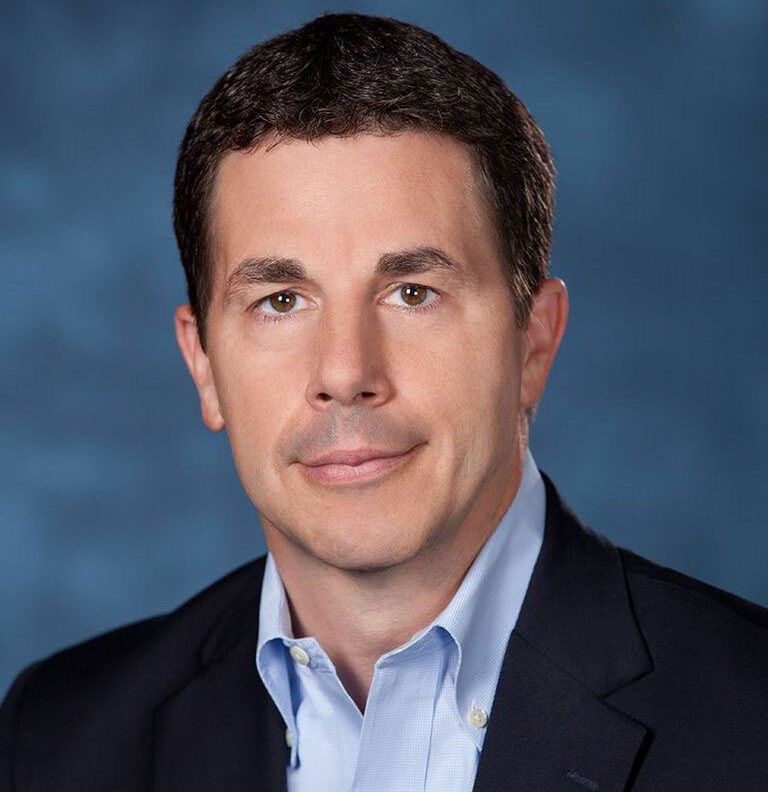
Scott MacGregor leads one of the fastest growing and most successful recruiting agencies in the US. He’s revolutionizing how companies hire and onboard new talent.
Scott founded SomethingNew, LLC in 2015. SomethingNew isn’t just another recruiting agency. They find perfect matches for their clients faster and cheaper because of their unique network and proprietary screening tools. Satisfied clients and candidates have made SomethingNew one of the fastest growing recruiting firms in the US.
Scott has the trophy case to prove it:
He and his team are seven-time recipients of the American Business Awards for Innovation and winner of Best of Staffing. Plus, Scott has over 20 years of experience as a top sales performer and CRO in tech.
What’s so revolutionary about Scott’s approach is that his company also teaches business leaders how to develop their own recruiting systems. SomethingNew Labs™ has saved their clients millions of dollars by helping them refine their own recruitment and retention strategies.
Scott is also the founder of Talent Champions Council. This group supports professional development, shares best practices, and serves as a trusted private community for industry insiders. Members can openly discuss talent strategy and make life-changing connections.
Scott’s philosophy of “people above everything” has served him, his team, and his clients well. He is a wealth of knowledge and experience for every business leader.
Welcome to the Athletics of Business, a podcast about how the traits and behaviors of elite athletes and remarkable business leaders frequently intersect. The real stories and hard lessons to help you level up your leadership and performance. Now your host, Ed Molitor.
Welcome back to another episode of the Athletics in Business podcast. I am your host and CEO of the Molotor Group, Ed Moore, Molotour. Amen. I am beyond thrilled to welcome today's special guest, Scott McGregor, who is a founder and CEO of Something New LLC, which is one of the fastest growing talent strategy companies in the country. He's also the founder of Talent Champions Council four times. Author of the Standing O series, a record seven times. Winner of the American Business Award for Innovation. And Scott exudes and believes and embraces in people over everything. He is so passionate about investing in people and by significantly impacting employees lives and the organizations they partner with by discovering mutually beneficial opportunities. And Scott is a believer that this can be done through integrity, transparency, impeccable attention to detail, professionalism, laser focus and giving back.
And that it's possible to do all this. And here's the thing, have fun in the process and we'll talk about so much about something new. We'll talk about Talent Champions Council. We jump into why building life changing relationships is key for growth and success and how trust is an important pillar in the coach and team relationships. You know, Scott jumps into thinking big and what that means to share and be full of gratitude and how you can pull from your past and your experiences and shape your values. There's so much here. I just implore you, encourage you to get a pen and paper, take the time, even if you're driving, get back home, take the time to really listen to this and pick apart everything that Scott talks about because there is so much value here.
Scott, thank you so much for joining us today on the Athletics of Business podcast. It is an honor to have you here.
I am a huge fan, Ed, and I know it's been a long time coming in terms of us trying to coordinate schedules, but it's a real honor to be with you today. So I'm excited.
Well, and I appreciate the kind words, I appreciate the patience. Our schedules have been a little bit challenging to coordinate, but here we are. I have been a tremendous fan of yours, your work and what you do for a while and really a great admirer of your journey. And what I'd love to do is we jump in, just kind of take a step back and let you talk, you know, to our listener about your journey and where you come from and how you've gotten to where you are now. And all the great work you do is something new with the Talent Champion Council and. And your phenomenal book series standing up.
Thank you, Ed. I mean, I guess I'll go a little bit way back. I think a lot of the success maybe that we've had in the businesses, a lot of it has been predicated on probably how I grew up. So I grew up pretty poor in a very affluent town, which is a very unusual way to grow up. So everybody around me had a ton of money and we didn't. But for me, athletics leveled the playing field for me. And I realized very early on as a kid that developing relationships was something that I was good at. And it was something that really had a very positive impact on my life. And I just kept that up. I went to school to play Division 1 baseball, blew my back out.
My career ended very abruptly, and I just channeled kind of all that and energy that I put into sports into business, because I knew no longer was I going to be, you know, the starting shortstop for the Yankees, so. Which was never going to happen anyway. But, you know, I was psychotically motivated. And I think one of the things that I realized very early on, I started as an individual contributor in sales and did very well, and then very young, got into sales management. I realized that the teams that I built were really going to dictate my success or my failure. And that's been something that I've been hyper focused on throughout my career, whether it was as a early sales manager or as a chief revenue officer now, as, you know, the founder and CEO of Something New and the Talent Champions Council.
So I've always had a people over everything mindset, right?
And I love that people over everything. And I love the sign in the background. And I'm going to come back to. The piece of adversity you dealt with in college was blowing your back out in baseball. But I'm curious when you figured out that your success was based on how well you developed your team and how much you're able to pull out of them. At what point did you connect the fact that relationships was going to be a key to that?
I guess it goes back to probably high school. I was very lucky. I played for two hall of Fame coaches, you know, literally legends. And we had a relationship. It was a tough love relationship, but it was a relationship where the expectations were absolutely sky high and unwavering. And I just realized that those relationships played such an impact in our success And I think other schools around us in the state, because we're pretty much the premier football program in the state. You know, they're always like, how are these guys doing it? And that's how it was being done. I mean, the relationships that were formed from the coaches to the players and the tradition just played a. Made a major impact.
How much the level of trust you had in those two hall of Fame coaches. Because often when we talk about hall of Fame coaches, right, people are starting to think of wins and losses and championships and athletes. But when you cut down, the core of is like the root of it. It's how much can we trust them and how hard will we play for them and how authentic are they? You know, are they honest? Do they operate with integrity? How much of that impacted you still impacts you to this day as a leader?
Big time. I mean, the lessons I learned, probably even before high school, but definitely in high school, playing at a high level and winning state championships and things like that, it played a major role in the way that I think about business. So I always. And that's why I was so excited to talk to you, because I see the similarities between business and athletics as being so closely aligned that all of those lessons that I learned are things that I've taken into my business life.
And in your standing O series, you really focus on the gratitude. And so you go to college, living your dream, Division 1 baseball, you're going to have a phenomenal career, and you blow your back out. What did that do to you? And how did that piece of adversity, coupled with what you grew through as a high school athlete, how did that kind of chart your course for your future success?
I had grown up with a lot of adversity along the way. Not just financially, having a lot of money as a family, but just a lot of adversity. So, honestly, it was like flipping a switch. I think one of the things that I've been very blessed with is the ability to have incredible resiliency. And things don't knock me off course that much, even things that are big. It's interesting. I think, you know, I've been on a lot of podcasts in the last couple years, and people will typically say, you know, let's talk about what the last two years have been like. But to me, whether it was 9, 11, or whether it was anthrax or it was 2008 or. I mean, there's just been so many things that can throw you off course.
And yes, Covid, I mean, I'm not minimizing the impact that it's had on people's lives and their loved ones and their businesses. But to me, it was just another thing that we had to deal with.
Right.
And, you know, there's more coming. There's always a bus that's going to come and hit you. And it's just, are you prepared for it and what are you going to do when it hits and how long? I think of it like, you know, in football, if you're a great cornerback, you know, you get burned for a touchdown, you better forget about it pretty quickly. So I heal quickly.
Now, you referenced 9 11. And, you know, in preparation for this, I was reading some things and you have a badge from your day when you were there in business and you kept it. Can you talk a little bit about how did that impact you? Where does that still sit inside of your soul?
I was working with Caner Fitzgerald, and I don't know why that badge that I have is still in my office. I kept it. I don't know why I kept it, but I did. And then two months later, 911 happened, and I lost a very good friend, Pete Jalinas, who is somebody I grew up with, played football and baseball with. We went to rival high schools, but I always had tons of respect for him. It was a real test, I think, for all of us, for as a nation, but myself as a leader. It was a real test because to try to navigate how do we continue to try to operate our business in an environment where it seemed disrespectful to even bring up business because New York was our biggest market. It was very challenging.
But I think just understanding the landscape, approaching things with empathy and compassion, but also understanding, like, we have to move forward was probably the key to making it.
And that's really the trick, isn't it? Okay, when is it? It's time to keep moving forward. You know, one of the things we talk a lot about, you know, people think you're going to be successful when you sacrifice, you sacrifice. But, you know, when I was recruiting as a college basketball coach, when I was in your space, we always asked the question, can I win with this person? Yep. But I always found it very significant to ask ourselves. And I'd work with my clients in this. Can you lose with this person? They look at me like I have 10 holes in my head. But no, really? Because I think, yes, sacrifice is very significant, but so is the ability to endure. And that's what you speak to. How has that helped you build Something new into what it is.
I mean, something new was really. There was no magic to it. I was fortunate enough that I had left a Fortune 500 company, and I had gone to a startup with about five people, and I was a chief revenue officer. I was 29 years old, and I basically had to build sales, marketing, and client success from scratch. We grew double digits every single year for 17 straight years. Super easy. Like, no applause needed in the beginning because it's pretty easy to grow double digits from nothing. But when you're starting to do 20 million, 30 million, 40 million, you know, and you're continuing to grow at a pace, it's a lot more challenging. So I was. I felt like I was drinking from a fire hose every day for 17 years. So I was trying to outsource things that made sense.
And certainly talent or recruiting seemed like something that was easy to outsource because especially like in 2008, the economy was terrible, but were growing like crazy. So every recruiter was calling and saying that they would like our business because they knew were hiring a lot. And I guess just through really 20 years of sales leadership, I thought, man, this is a really screwed up industry. And I felt that there were so many things that were lacking that like most entrepreneurs, it wasn't rocket science. I literally just said, how would I solve these problems for myself? Once I figured out how to solve the problems for myself, it was easy to put a business plan together. What wasn't easy is for me to actually pull the trigger and be an entrepreneur. So I sat. This is embarrassing, but it's true.
I sat on the business plan for 10 years.
Wow.
And I just. Did you work on it or just.
Let it sit there?
I worked on it constantly. And my wife, finally, Meg, said, this is your passion. This is what you think about. This is what you work on. You just have to go for it. You got to do it. And I just thought. I had two kids, a wife. I was making a pretty good living, especially based on how I grew up. I just thought, wow, this is crazy. To walk away from the stability and all this money. At the end of the day, finally, with her help, I did. It's the best decision I ever made. It was seven years ago now, and it's gone by like that. And it's been truly an absolute blessing because I think I was made. I was probably constructed more to be an entrepreneur than to tend to work.
For somebody else, which is interesting because there's so much of that now in this. In the sales industry. Right Being having that mindset. But I want to, if I can, for a second, I want to read something from your website that I love.
When you talk about what you believe.
And aspire to be at something new, because I find this phenomenal. A company that gives back, a company that really cares. A company with integrity, a company that is transparent. A company that exudes fun professionalism. A company with insane intention to detail. I love that insane attention to detail. And a company whose eyes are always on the horizon. And I mean, it seems so simple, yet that's not easy to do. Where did this come from? Like, how hard was this for you to. Not how hard. How time consuming was it for you to sit down and say, here's who we are, here's what we stand for, and here's how we're going to go about doing things?
It was. It was really easy. And I had situations before in my past life where we would literally sit in a conference room and my CEO, who I reported to, would, you know, try to construct these mission statements. And they were all just concocted for the public view. They weren't like, at the core of who were. And so for me, I just thought, you know what, that I don't want to run a business that way. I want it to just be authentically who I am, Right? So in thinking about. I mean, if you think about authentically who you are, it's pretty easy, right? It's just authentically who I am. I want to have fun. I want to. I know I'm going to have maniacal attention to detail. Those things were easy.
It was just a matter of sitting down and saying, okay, I want to make sure that we live this. That it's not just something on a website or a plaque on a wall. It's what we live every day.
That's just me being me. What you see is what you get in a positive way. You're the same person at the office leading your team as you are at home with your wife. And it's just how you're wired. It's the core fiber of who you are. And everyone I talk to that know Scott tells me the same thing. He's an incredible person. He's very caring. He always has enough time, even if he has no time. And he's very creative and innovative, which, by the way, we need touch on that something new. Is it? Seven times you won the Stevie Awards now.
Seven times in a row, we won American Business Award for.
That's insane, huh? Talk about that.
Yeah, Pretty proud Of I wanted to build a different mousetrap. I was very intentional. You know, naming the company something new.
Right.
Was important to me and I never had a plan B and I knew it was going to be successful. So I knew that this was going to be a long run. And I thought when you name your company something new, you can't be doing the same exact thing year after year.
That's a great point.
And have that name. By design, we are designed to be innovative. You know, we've done that, we've held up to that, and you know, we've been very blessed to win. You know, it's a record seven straight American Business Awards for innovation.
I mean, that's pretty amazing. Now how when you say you were designed to be innovative, okay, that forward thinking, how did you do that? Where did you leave space? Like, where did you room for that bandwidth to grow?
A lot of it is. I'm a contrarian. So, like, if everybody's going right, I probably want to go left. It's just how I think. When I knew I was going to start a talent strategy business with a recruiting component, everyone told me, well, you can't do this, you can't do that. That won't work. This won't work because that's not the way it's done. And I'm like, no, that's exactly why it will work, because that isn't the way it's done, but that's the way we're going to do it. So I actually draw tremendous inspiration from businesses that have absolutely nothing to do with my business. Like, I never oftentimes people will say, what do you think about this company in your space? And I'm like, I don't know anything about them. I'm not going to study them. I don't really care what they do.
I get inspiration from businesses that have nothing to do with what we do.
So you'll take something that you'll pull from somebody else in another industry that you really love that stands out to you and say, okay, they do this in their space. How can I take that thought process, that mindset, that creative idea, and apply it to our space? Sure, you answered my next question, but I'm still going to ask you, have there been times as you build something new into what it is, where people look to you like, scott, you're nuts. You're overthinking it. You're making it too challenging for yourself. You're making it too hard. It's really simple. Here's all, just do A, B and C and you'll get D, E and F. But you find joy in that creative peace and challenging the status quo.
I love it. It's fun. For me, it would be boring to copy someone else's blueprint or roadmap. That's not exciting to me. And part of being an entrepreneur and being able to chart your own course, at least to me, is the ability to be creative and you're going to do things. They're not all going to work. Some of them people are going to be right. They're not going to be the right move. But the freedom to be able to do that, I think is to me, it's a huge part of the allure of being an entrepreneur is that if I think it Talent Champions Council was a great example. We had a lot on our plate and I came up with the idea and a drive in the car with my wife and less than 90 days it was up and running.
So I love the ability to do that.
So I want to jump into town Champions Council here in a second, but I have a question. You talked about talent strategy company, which is different than just a recruiting firm. Can you just share with what you. We have a ton of business owners that listen and that subscribe to the podcast. I'd love for you to share exactly what that means and the incredible work that you folks do.
So I found that when I engaged with a recruiter in my past life, their only goal was to throw resumes at me so that I would hire somebody and they would collect a fee. And I thought, what a missed opportunity because you can really help me think about my talent strategy. You're supposed to be a thought leader in this industry and you're hypothetically, if you're in this industry, you're thinking about talent eat all day, every day, you're seeing best practices. But nobody was sharing any of that with me. They were just throwing resumes at me, hoping that I would hire somebody. And I thought, that's not fun. Again, it goes back to I want to have fun.
And what's fun is working with hyper growth startups, helping them build the foundation that will allow them to become unicorns or will allow them to do spectacular things. Just finding a person is not that exciting. It's how we get paid. But to me, that's not the exciting part of it. It's helping companies really chart their course when they really haven't thought through all the nuances, that at the end of the day, it's the most important thing to do, it's your number one expense by far is labor and it's the number one predictor of success or failure.
So what type of people add something new do you bring on board? What is it that you look for? Who are the people that like, you know what, they're a fit, they fit the culture, they fit our vibe. How do you go about doing that.
For our own employees?
For your own employee. For your own employees? Yeah.
They have to be creative, they have to be very detail oriented. I always look for, I mean, this is, this hasn't changed probably since I was a first time manager. I look for people with a great work ethic, with discipline, with resiliency, with great communication skills, with empathy. And a lot of people, when I talk, when people say, here's a job description, we want you to find us a chief revenue officer, chief marketing officer, or whatever the case may be. And I don't see those things like work ethic, discipline and resiliency. I'll say, well, you know, what about those things? And they go, oh yeah, yeah, no, of course we want that. And what they're saying, really by the oh yeah, yeah, is that they almost think that's table stakes.
Right.
And we don't live in a world where most people have a great work ethic, discipline or resiliency because if we did, we wouldn't have issues with debt, we wouldn't have issues with obesity, and all the other things that kind of plague our society. So those are actually pretty rare things to find. Those are the things that I really try to figure out if somebody has or not. And those are the people that we bring on board.
That's awesome. So Stanio, where did this idea come from? Because what you have done and the folks that you have in those books, you know, talk about the series, where the idea came from and what it was you're trying to accomplish. And I mean, I couldn't tip my hat enough to you for all the amazing work that you've done and the programs, the organizations that you've supported through this series.
It came from desperation.
But so many great things do though, right?
When I started the business, Giving Back, I knew was going to be the cornerstone of the business. Like I wanted to have a. I didn't want to run a nonprofit, but I wanted to run an organization where giving back was just absolutely in our DNA. The problem was, and this is the problem that I had to solve is because I didn't want to take any financial assistance, I didn't want to be VC back because I didn't want to beholden to anybody else. I wanted to. I knew I was going to bootstrap the company, so I was putting every dollar back into the company. So I thought, I just can't write big checks to organizations that I care about. What am I going to do? And I started to think, this is before I even started the business. What are my assets? My assets were.
Over the course of decades, I had developed really amazing friendships and relationships with an extremely eclectic group of people, whether it was Olympians or pro athletes or best selling authors or CEOs. And so I thought, okay, that's my asset. I've got all these relationships. Why don't I. I'm a big believer in really focusing on gratitude. I thought, why don't I ask these amazing friends? I have to write a chapter of gratitude for a life lesson that they learned. I'll put it in a book and then I'll give all of the proceeds to charity. So that started with a book called Standing O. So Dick Vermeil, who's, you know, hall. Luckily just got into the hall of Fame.
Yeah.
Won a Super bowl with the Rams. He wrote the forward. Tiki Barber, you know, all time great for the. The Giants, wrote the COVID quote. And then we had 52 off the chart.
People writing gratitude, insane. Where do those relationships all come from?
It's kind of been a snowball effect. Like a lot of people ask me that question, and I don't really know what the genesis was. I started befriending people. Tiki was probably one of the first people that I would say is famous that I became close friends with. And that spawned introductions to all kinds of different people. I became friends with Dick Vermeil through Marnie Schneider. Marty's mom was the only female GM in the history of the NFL. Her grandfather was Leonard Toast, who won the Eagles. And she introduced me to Coach and I became friends with him. So when it came time to put the book together, I gave him a call. I said, would you write the forward? And he said, absolutely. So I think it's just those relationships just kind of snowball.
And it becomes very easy once you're friends with somebody of some prominence to develop friendships with others.
And you have them write these amazing stories about life lessons geared towards gratitude. And then you serve a charity. Can you talk about that? Like how you identified which one for each book and out of the four books, each one is a different sort of subtitle to them?
Yeah. Standing O. Standing O. Encore. Standing O.
Salute.
Standing O Tribute and Standing O Honor will come out. The fifth book will come out in November. We specifically pick underserved unknown charities. And it's not that I don't love the work that is done by Susan G. Coleman or Wounded Warrior, but Wounded Warrior, Susan G. Coleman don't need the publicity that I can give them. They don't need the money that I can give them. As much as organizations like look for the Good Project are the others that we've supported through the books. There's so many. And I've been very fortunate to be very involved with a lot of nonprofits throughout the years. And I just see how hard these people work and how dedicated they are. And part of the struggle they have is just getting people to know who they are, because people don't donate and support to organizations they've never heard of.
So Collectively, in the four books, we've got about 20 million social media followers for all of the authors, and that shines a massive spotlight on these organizations, and we're able to give them a ton of publicity.
That's amazing. Now, is the result or have the results been about what you thought, or has it blown your mind how it's turned out?
It's been a true blessing. I think people get a kick out of writing the chapters because they're really celebrating somebody in their life and they're. They're really giving somebody almost the ultimate gift because they're memorializing somebody. So I think the people that have, the 200 people that have contributed to the books, you know, it's been a gift for them, but then also to be able to know that through their words that they're able to hopefully inspire people, but they're also able to shine a spotlight on these charities. I'm not a great bookseller. I always wish that we could write bigger checks to the charities, but it's been unbelievably fulfilling for me to see people come together and rally around an organization and be so supportive of these books that we've put out. So I'll continue to do them until I run out of friends.
Well, it doesn't seem like that's going to happen anytime soon. Yeah. Well, hey, speaking of selling books, but.
We'Ll put the link to each book.
We'll put that on the show notes. Okay. And we'll share that out in social media when we do all our social media posts. And speaking of social media, I feel like there's not a day that goes by that I don't jump on LinkedIn and do my LinkedIn work and I see, would love to welcome the new member to the Talent Champions Council. You said the idea came from when you were on a car ride with your wife. I mean, it has grown into something so cool and so powerful and talk about it, I mean, talk about where it came from in the purpose that it serves because it's outstanding.
So my wife and I, this was late August, early September of 2020. We just kind of wanted to get out of Dodge because of COVID So we thought, you know, where have we never been before that we could drive. So we took a fort, I think about a 14 hour drive to Charleston, South Carolina, which is absolutely, as advertised, gorgeous. Loved it. August, probably not the greatest idea because a little toasty.
Yeah. Warm.
Oh, my God. So on the drive home, Meg and I were talking about how much I love the business of something new. The only thing that I was struggling with is it's not overly scalable in that we can work with maybe about 100 companies a year and then we're pretty tapped out. So I wanted to figure out a way to give back in a bigger way and to impact more people's lives. And I thought it came to me like again, so simple now when I look back. But I hadn't thought of it this way before. I thought all these companies that were helping are just made up of individual people and leaders that need to understand how to lead their teams better, how to be people over everything, leaders. So why don't I create a private membership community and I'll bring in.
So Coach Vermeil literally was the first person I said, coach, will you talk to our members about team building and culture? And he said, sure. And then I brought in a Navy SEAL buddy of mine and I said, you know, why don't we talk about an aspect of leadership? And then, you know, we brought in Brandy Chastain to talk about teamwork and just all of these people. So giving people the opportunity to learn. But through the lens of either a prominent CEO, a military leader, somebody in sports, it's been unbelievable. So we have about. We've been around for a little bit over a year. We have 500 members in 30 countries. So we just hit our 30th country. We got a member today in Nigeria. From Nigeria, which is always cool when that happens.
It kind of shows me the power of social media and it's growing like crazy. It's just a unbelievably supportive community.
I've got to believe that the networks, it's open for the Members, you know, meeting folks they had never met before, and the idea sharing and the creativity that comes out of it. I mean, talk about that a little bit, if you could. It's just got to be. And I know you're giving back, and that's got to feel. So that has to feel so rewarding.
It does. I really think that one of the things that we owe our members is access. My life has changed completely because of the relationships that I've made with amazing people. And I've just surrounded myself with people that are so much more accomplished than I am, and that's changed my life. So when we bring in these people, these are live and interactive, so they get an opportunity to talk to a Jesse Itzler or talk to a Tiki Barber or talk to a Brandy Chastain or talk to Kara golden or Claude Silver. Any of these people that we bring on, and then they have an ability to then develop a relationship with them offline. And I just think that ability to access is a total game changer.
So how do you grow it besides just the numbers itself? Like, what different things do you do from a creative standpoint to just have.
It keep blossoming organically? I think people see the joy that people are getting from being a part of this community. They see the amazing people that we bring in to talk to our members. They see the book clubs that we do with just the most amazing authors that come on and talk about their books. And again, live and interactive. It's a snowball a little bit. Again, going downhill. We don't really do anything other than publicize the things that we're doing. And I think everybody is hungry to be a part of a community, but a community that cares and a community that's dedicated to giving back. So we give back to the look for the Good project. And we've sponsored tons of schools and thousands. We've impacted thousands of students. And the membership is extremely affordable. It's $240 a year, so it's incredibly affordable.
Let me ask you this. So. And I'll put this in the show notes as well. If someone's listening and they're interested in what type of folks are you looking for it? Is there a certain industry, a certain space, a certain level of leadership they need to be at? What is it that you're hoping to attract to the Talent Champions Council?
I think it's any leader that wants to have a people over everything mindset that understands that their success as a leader, whether they're a CEO or whether they have one person that reports to them. Their success is going to be predicated on how well they build their teams, how well they nurture their teams, what they do for onboarding, what they do for learning and development, how they look at diversity, equity, and inclusion, how they think about retention. And the better you are at that, the better you're going to be in business, the more successful you're going to be.
I love it. I'm going to ask you a question that we just started asking our podcast guests, and I think it's so significant. We built out a foundational program here. Victory defined. We've taken the word victory, and I'm not a big acronym guy, but this, the way we've worked on this, it just falls in line. So aligned with what we talk about here. And it's V is values, I, intangibles, C, creativity, T, team O, objective R, rules of the game and why you? But one of the things I firmly believe, and I've always believed this, and it was the way I was raised, is you have to know what you stand for, and you have to know what winning means to you and what victory means to you. And very clearly we say victory undefined is victory unfulfilled.
I'm curious because you are so full of gratitude and you're so amazing at giving back. But, hey, you are an extremely successful athlete. You have the edge. You're a competitor. You excelled in sales. So I'm really interested to know, what does winning mean to you? How would you. And I'm not trying to put you on the spot, right. But how would you articulate what victory or what winning means to you?
Winning to me is incremental progress. And I think where maybe people go wrong is they think that winning is. You've got to hit a home run every single time. And I just don't think that way. I believe in making incremental progress and that there is no finish line, so that I'm constantly chipping away. It's one of the things a good buddy of mine, Jesse Itzler, constantly is talking about. Chipping away. Just chip, chip away. And before you know it, you're at a level that you didn't expect to be at. And then you just keep going and keep going. So I think victory and winning is just making incremental progress every day towards fulfilling your potential, which nobody ever can. You can't get there. It's a destination that has no finish line. I guess that's what it means to me.
You have your own scoreboard then, right? So when you talk about incremental progress, how important is it to celebrate the small victories?
Huge. So every morning we have a team meeting at 9:30 and we do something called daily accomplishments. Daily accomplishments is what did you do yesterday that you were most proud of? And it could be that you just had a fruitful conversation that took things from here to here. It doesn't mean that you placed somebody or you did this or you created revenue, but you moved closer to the goal line. It's our way of recognizing that every day you have wins and we want to celebrate those wins and we want everybody to remember that it's a journey. You don't just hit a home run every single time. So you have to celebrate everything.
As your career has evolved and as something new grows, how have you evolved? How have you evolved as an entrepreneur? How have you evolved as a person? How have you evolved as a business leader?
Yeah, I've probably gotten more and more confident. You know, it was very scary to jump off the cliff. Very scary.
With no parachute.
With no parachute or net. And I knew, I'm like, I don't have a plan B. I've got to make this work. And like anything, you know, the more success that you have, you just, you gain more confidence. You know, just the belief that you, because you wonder, I think when you're, you know, I'd worked at a Fortune 500 company and I was successful. But you do, there is a little bit of you that's like, okay, how much of that was me? How much of that was I work at a Fortune 500 company? Then I went to a pure startup and you know, again, it's still, you're surrounded by other talented people and as the company grows, you've got other people that are contributing to your success. When you're an entrepreneur, I mean, you're out there completely naked.
And now I'm surrounded by an incredible team. So I don't take the credit for being successful. I mean, they're the ones that make it happen every day. But yeah, it's, you know, you get more and more comfortable about doing things. I mean, it's always your idea and you're going to live and die by, you know, those ideas.
How important is self awareness to you?
Huge. You've got, you know, I tell my team all the time I want feedback. Like, the thing that I, I worry about is I never want to be the emperor with no clothes.
Right.
I never want to be, you know, doing things that people are like, oh my God, like, I'M not going to say anything because he, you know, owns a company or whatever. I want feedback desperately. So I think you have to be self aware. And I know my strengths and I know my weaknesses. There are some things I am horrific at and I try to bring in outside resources so that, you know, we can shore up those things because I'm just not good at them.
We've talked about authenticity, right? And the way we break it down here is honesty, honest with yourself and others, integrity. Your words and actions are aligned and going to what that means to people. And the third piece that we really dig into is vulnerability. How significant is that in your world and how key has that been to your success? You just alluded to it basically. But I'm really curious to hear that.
You have to be vulnerable, I think to be an entrepreneur, to grow different businesses, especially if you're creative and you're going to try a lot of different things, you have to be vulnerable and you have to know that failure is not a death sentence and you have to embrace it. You've got to love the fact that you're going to try things, they're not going to work and it puts you on a better path. You can't be afraid of that stuff. So I think you have to be vulnerable. Otherwise you'll never grow or you'll never even get close to reaching your potential.
You just remind me of something earlier in the conversation. You're talking about the two hall of Fame coaches you played for. And we really develop high impact coaching leaders. And I think one of the big challenges right now, not challenges, one of the big opportunities we have is really dial into psychological safety. But I go back to Popovich to hug them and hold them. How do you navigate the waters of making sure your people know that things are okay, that you have their back, that you care for them, yet you still find a way to push them outside their comfort zone so they grow on a daily basis. Is that the creativity piece? Is that kind of a challenge? Let's accomplish this lead goal. Or how is that?
Because when you and I were athletes a few years ago, it was flat out, here's what I'm telling you to do now, go do it. We're going to create adversity for you every single day of practice. So we make the practices more challenging than games, which was awesome. It's hard to do that in the business world right now. And there's. It's not a dance, but it's an art, it's a craft. How do you find Yourself being most successful at being able to challenge your people to grow, to get outside their comfort zone. And they still know that you had their back.
I think they know that I have good intentions and that I'm not afraid to have courageous conversations. So we're actually going to be. Our next book up is Radical Candor by Kim Scott. And I'm a big believer in being radically candid. But they know that if we're trying to get better, we're going to have conversations that are going to feel a little bit uncomfortable. But they know that it's coming from a good place. And I always think it's not what I say, it's what I do. So if I'm saying one thing and doing another, I'm not going to be a very good leader. It's not what you say, it's what you do. And I see so many people saying, I'm a people over everything leader. But then I'm like, that's not how you're leading. That's not what you're doing.
I mean, and I get it, and I get that's what you want to be, but it's not what you say, it's what you do.
Larry and I were talking about this the other day after I got done speaking to their group, the authenticity piece. Like, everyone loves to pay at lip service, right? I'm an authentic leader. But then when their back's against the wall, there might be that opportunity to take the easy way out or people cave to it. When you have that opportunity of discretionary thinking, why do you think that is? Why do you think it's so challenging for people to stay true to who they are and what they stand for and the values that they communicate and the way they go about. They say it's people over everything, yet they bail on it when things get.
Challenging, I think, because they're not really being authentic. I mean, if you go on most websites, like you read these, like, really unbelievable, powerful things, but then you see companies that just don't behave that way. I think it's really hard to behave in that way. It's gotta be in your DNA. And I think for a lot of people, truthfully, it's just not. It's not in their DNA. But they want to say it because it sounds good. We deal with this all the time in our business. So I have a lot of CEOs come to me and they say we need diversity. And I'm like, okay, do you really need diversity? Do you really want diversity? Because here are the challenges in doing that. And most of them cave because they really don't care about diversity. They know the world cares about it.
Like they care about the optics, but it's not a part of who they are. And they don't feel it in their heart, they just feel it in their head. So you've got to feel it in your heart in order to execute on it and be disciplined enough to not go after short term shiny objects.
So then if someone doesn't feel it in their heart, then what? Then what happens? What's that conversation?
You're in trouble. I mean, I think a lot of people, I love the concept of authenticity because I think, and I know that, again, I'm probably a contrarian when it comes to this. The problem with everybody saying you need to be authentic, I agree with it. The problem is that a lot of people's authentic self is not that great. They're not really servant leaders. I mean, you just look at the interactions that people have with you. Most people are not probably trying to figure out, how do I help Ed? If they are, they're really just thinking of that as a means to an end. It's like, okay, if I help Ed, he's going to help me. But it's really all about you helping me, not me helping you and doing.
It so I could say I was an authentic leader. Right.
I just think the truth of the matter, these are all like, painful things. Like, it's painful to say that most people are not disciplined, most people do not have a good work ethic. Most people are not resilient at all. Like, you don't want to say that, but that's the truth. And I think the, you know, the same goes for authenticity. I think there's a lot of people out there that if they were completely authentic, it would not be that appealing.
And I don't want to go down this rabbit hole, but I mean, it's the first thing that pops in my mind with our backgrounds is I think the lack of work ethic, the lack of resiliency, the lack of mental fortitude and toughness has a lot to do with our society today. Has a lot to do with helicopter parents, lawnmower parents, the school board being afraid of the parents. I mean, it's parents being afraid of their kids. And I mean, how do we get back to being a society built on our values, built on the work ethic, built on, you're my neighbor, I care about you. I don't care about your political affiliation. You have a heartbeat of mind You've got your own crucibles, your own problems. And I think that's what's so powerful.
One of the many things that's so powerful about the way you do things. You're bringing together all these different people, whether it be through something new, Stanley O or the Talent Champions Council, they've all got different backgrounds, but you know what? They're all in it for the same reason. And I can't say thank you enough for doing what you do, because I think it's so amazing.
Well, I appreciate it. I think resiliency is really lacking, and I think it's because people want to protect people that they love from adversity. And it's coming from a good place, it's coming from a place of love.
Right.
But they don't realize that adversity is a gift, because adversity builds the callus that allows you to survive that next thing that's going to happen. Because life's not easy. And it doesn't matter if you're an entrepreneur, there's always going to be challenges. And if you aren't ever given the opportunity to build your resiliency through adversity, if somebody's always protecting you from it, you really are going to have a hard time and you're going to get derailed by things far less significant than a pandemic. I've seen people go completely off the rails for things that are, on a scale of 1 to 10, they're not really that significant. They are to them, but it's because they haven't built resiliency.
They've never gotten to the other side of it. They've never grown through that adversity. Like, they've never said, okay, they run to the fight. We like to talk about running to the fight. They've never. Okay, here I am. I'm in the middle of it. I'm in the thick of it. I don't know exactly what it's going to be like on the other side, but no one's going to better than this if I do things a certain way.
Yeah, no, absolutely.
Before I let you go, okay, before I ask you this last question and let you go, listen to me, like I'm in charge here or something. Okay, but before I ask the last question, Scott, where can folks find out social media about something new? Talent Champions Council, again, we'll have everything in the show notes, but if they want to jump into it right now, as they're listening, go ahead and share with. Share everything with us.
I mean, the Best way to communicate with me is through LinkedIn. So definitely, if anyone wants to get connected, just send me a personalized invitation and love to get to know new people. So LinkedIn is definitely my platform of choice. People want to learn more about something new. It's try something new now dot com. And the Talent Champions Council is talentchampionscouncil dot com. Yeah, I hope people consider joining the Talent Champions Council because I think it can really change people's lives. And for, you know, very minimum amount of money, it's been really a blessing for me. It's just pure fun. I absolutely love it.
That's what makes you so cool. I mean, you're enjoying what you do every single day and making a difference now. Someone like Scott McGregor is a growth mindset person. Can you share with us three books? They don't have to be recent. They don't have to be something new. I know you mentioned radical candor, but three books that have impacted you significantly, that have something to do with how you lead, how you go about doing things, just at the core of who you are.
If you could see behind me, I've got.
Besides the four standing old books.
No, no, not the.
Not these.
The shelves underneath.
Okay.
I've got books coming out my ears, so it's hard to pick three, but I'll give you three that are top of mind.
Yep.
Different and often. There's a book by a good friend of mine, John Rulin. John Rulin wrote a book called Giftology. There's no other book out there like it. John's message is completely unique. It will change the way that you think as much as any book you will ever read. So John Rowland's book, Giftology. Jason Van Camp wrote a book called Deliberate Discomfort, tying in with what were just talking about with resiliency and dealing with adversity. Jason Van Camp's book Delivered Discomfort is off the charts.
Good.
And then I'll throw one in. That is just probably one of the most enjoyable reads. Jesse Isler's first book, Living with a Seal. You will laugh out loud, which it's pretty hard to laugh out. Literally laugh.
It's a great book. Yeah.
But also just see into the mindset of somebody who's truly a remarkable human being. Jesse Itzler is one of the most remarkable people I know. And that book is just a phenomenal read. So those are my three off the top of my head.
Awesome. We'll put those in the show notes as well. Scott, I can't. Thank you enough. This has been an absolute blast, Ed.
I can't thank you enough. I love the work that you do. Keep doing it. It was an absolute pleasure and an honor to be a part of this. So I appreciate you carving out the time for me.
Well, thank you. We'll have to do this again soon.
Sounds good. Thank you for listening to the Athletics of Business. Be sure to give us a rating and review so we know how we're doing. For more information about the show, visit the athletics the of business.com now get out there. Think, act and execute at the highest level to unleash your greatness.