
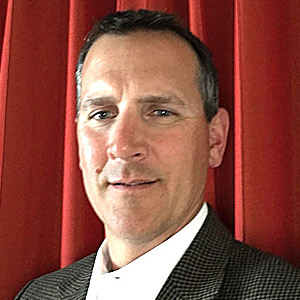
Todd Becker has done everything from successful basketball coach, sales representative, and nonprofit warrior. Currently the Managing Director of Clubfoot Solutions- a nonprofit to free the world of untreated clubfoot deformity. Before that, he was in charge of Zimmers- one of the world’s leading orthopedic device services where he successfully managed sales, marketing, distribution, and warehousing. He served as a regional manager for Johnson & Johnson and coached college athletics at the College of St. Ambrose and St. Francis. Todd has had the opportunity to learn from some of the best in the athletics and business worlds.
Todd has had the opportunity to learn from some of the best in the business world as well as the athletics world. One of his most important lessons: organizing everything from on-the-field coaching to off-the-field details like uniforms and scheduling. Leaving St. Ambrose for St. Francis opened up a whole different world. He also learned how to set and exceed exceptional standards from his Dad.
It’s not lost on Todd that his first bosses in both fields took chances on him. The medical device field was tough to break into, and Todd entered with no sales or medical background. But, looking back, one of the reasons Todd landed the position was because of the work ethic he established during his coaching career. There’s a lot involved in the medical sales industry, such as terminology and hospital protocol. That dedication to putting in the work to learn gave Todd an edge over others with more experience.
Throughout his career, mentorship and consistent coaching have proved to be invaluable for Todd. Dennis Worth, whose son Jason Worth won a World Series with the Phillies. His hands-on coaching techniques were pivotal to teaching a young Todd how to engage with highly educated individuals like orthopedic surgeons. If you ask the right questions, those doctors will teach you more than you’ll ever understand. So let them engage with you and teach you their business.
From his days at J & J, he didn’t feel like he had that mentorship he wanted, which led him to Zimmer. His mentor, Paul Daniel, taught him the importance of wearing different hats in management positions and how valuable transformational relationships are. If someone is willing to help you, it’s essential to follow up and send a thank you. We can all do a better job at it, and it’s critical to forming and maintaining both personal and professional relationships.
Frustration is part of the process, both in athletics and business. But the problem is when you express that frustration and scold them for messing up, it’s easy to forget to bring them back up—but lifting them back up after is so important. Again, becoming a parent drove this concept home for both Todd and Ed because it’s not just what you say but getting them to understand why you’re saying it.
However, if something isn’t clicking with a player or an employee, it’s tough, but you have to know when to let them go. As coaches, we naturally want to help, but Todd learned the importance of getting the right people on the bus and the wrong people off.
Right now, 7.5 million people are walking around with uncorrected clubfoot, and it impacts their ability to do things like function all day on their feet or even hold steady jobs. One contributing factor is that there aren’t enough corrective braces available to support them through the 4-5 years of healing after surgery.
Through his work, Todd’s mission provides support braces to children in need to help them heal and perform the day-to-day tasks they need to succeed. Clubfoot Solution has distributed over 11K Iowa Braces around the world. The best part about working with nonprofits is that Todd can serve others over himself.
Welcome to the Athletics of Business, a podcast about how the traits and behaviors of elite athletes and remarkable business leaders frequently intersect. The real stories and hard lessons to help you level up your leadership and performance. Now, your host, Ed Molitor.
Welcome back to another episode of the Athletics of Business podcast. I am your host and CEO of the Molitor Group, Ed Molitor. And today we are joined by a great friend of mine, someone who I have always had a tremendous amount of respect for. His energy, his enthusiasm, his passion, the purpose in which he has built teams and got them to achieve things at a very high level. Again, my great friend, Todd Becker. And Todd is currently the managing director for Club Foot Solutions, which is a 501c3 nonprofit with the mission to free the world of untreated club foot deformity. And we're going to talk a lot about that towards the last 15 minutes of our conversation. So much that we can do to help their mission.
And I would love for you to check out the show notes, check out the links to go ahead and do that. Prior to his time with Clubfoot Solutions, he was in charge of Zimmer's and Zimmer is one of the world's leading orthopedic device providers. He was in charge of Iowa division where he successfully managed sales, marketing, finance, distribution, he and warehousing. And he led a team of 25 to 30 million in annual sales with and this is so impressive at 11% sales growth. And prior to Zimmer, he was regional Chicago manager for Johnson and Johnson Medical Devices. Now here's where I first met Todd and got to know him and known him as a winner. Okay. And inside this conversation, it's really cool.
He takes our victory defined foundational program and he takes the word victory and breaks it down for you what it means to him and the foundation. Clubfoot, excuse me, the nonprofit Clubfoot Solutions. Okay. But before starting his career in the medical device sales and management, Todd had a successful seven year run as a college head baseball coach at St. Ambrose University and the University of St. Francis. And you talk about working with some phenomenal men and women who served as mentors to him. Very young, very inexperienced when he first took over. What a run he had at St. Ambrose, Todd led the Bees to three consecutive conference titles in 93, 94 and 95. And the highlight was their third place finish in the NAIA World Series in 1994.
And inside of our conversation, Todd shares a story about how he created that vision for the young men at St. Ambrose.
Okay.
And that was the first appearance in the College world series for St. Ambrose in the school's long history of baseball. Then he completed his coaching career at the University of St. Francis here in Joliet. And if you know anything about St. Francis, you know about some of the great men and women that have worked there. And we'll talk a little bit about Pat Sullivan and Tony Delgado and the great Gordy Gillespie and what they meant todd. And what's really a cool twist in our conversation is I asked him to compare the lessons he learned from his mentors in the business world and how those compared to the ones that he learned from his mentors in the athletic world, both at very high levels. Amazing how aligned they were. And we'll talk about that quite a bit.
So without saying too much more, let me tell you, get a pen and paper handy. There's some great stuff. And again, please pay attention what we talk about with Clubfoot Solutions so we can serve that unbelievable nonprofit that's doing so much beautiful work. Todd, thank you for joining me today on the Athletics of Business podcast. This has been a long time coming, my friend. But you know what? It is great to have you here finally.
Well, two years of COVID has been kind of crazy, Ed. You know, it seems like yesterday you and I were meeting in Iowa City for some coffee before you were going to see a hoop game for the Hawkeyes.
That's right. You're kind enough to drive me off a Carver Hawkeye arena afterwards and had a great conversation. We've been talking about this for a while and really our journey together began back not to date ourselves, because I looked at you. It's like I said, you look younger, Todd, every time I look at you. But we first met back in the early 90s. And here's the thing about you, like everybody I have in this podcast that I knew previously, it wasn't a question of whether or not you're going to be wildly successful. It was just how soon you're going to do it. Because I've always had a tremendous amount of respect for your ability to connect with people, your ability to coach, how hard you worked.
So I'm really looking forward to you sharing your journey with us today and where you're at today and what great work you are doing.
Well, thanks, Ed. You know, our time at St. Ambrose was very special. And being back here now after 26 years, we moved back to the Quad Cities of the Bettendorf. You know, you forget how special that time was. And I was able to go over to St. Ambrose a few times, see all the amazing improvements they had to do and actually watch Ray play. Play a basketball game or have a coaching basketball game that night. It brought back a lot of memories. And you know, that's where your base starts. You know, when you get into college and you learn those valuable lessons as a 18 year old kid on your own. No parents, they're holding your. Holding your hand anymore. Right. You know, it's good stuff.
So my big question to you, and there'll be a few people here that appreciate this. After that basketball game, did you really. The glory days and was there a stop at Uptown or at Blair's?
No, no, there wasn't. But you know what?
Cheeseburger at Rookies. I don't know, I gotta give them a plug.
Yeah, we did have a cheeseburger at Rookies.
All right, there you go.
Yeah, we did have a beer at Blyerts before a football game the other day too, a couple weeks ago.
No, no free throws. And McButts though.
No free throws. Make butts.
I'm really just me. Did I ever. It's hard to believe I knew all those places when I spent most of my time at the library.
Right, exactly. When those late nights at TCS and then crossing the river.
That's right. Hats off to TC's. That place was awesome.
Chantilly Lace and all those fun places never made it there.
And I mean that sincerely. I was too busy having Rudy's cheese fries by that point.
I'm sure you were.
Hey, listen, it is great to have you here. So you've had an amazing journey. I mean, you jumped right into coaching college athletics and had a Great run at St. Ambrose. Short run, great run, very successful. And then he went on to St. Francis. And you've had the opportunity, and we talked about this previously, you've had the opportunity to learn from some of the best, not just in the business world, but in the athletics world. And if you could share just a couple things about that, like your journey along the way and who really impacted your coaching style and what you firmly believed in. Like what your foundation was that you leaned into in both worlds and how those were aligned in the athletic world as well as the business world.
Yeah, sure. You know, it's interesting, Ed, you know, a lot of my former coaches are starting to retire now, right. And guys that I know grew up with and, you know, mentored me and those type of things. So, you know, let's start at St. Ambrose. So, you know John Furlong recruited me, you know, played baseball and football there. Just an amazing man who's still going right now, Rockistana College. And there's. I learned so much from him, both on the field and then after I got into coaching too. He was, he'd left St. Ambrose by then. We were Augie by then. But, you know, then you go into the Mike Woodleys of the world who just retired from the best, you know.
You know, he was my baseball coach at St. Ambrose and took the job over from him after he took the football program over there. And you know, the one thing that I can tell you that I really learned from Coach Woodley was just the organizational piece of stuff, how to keep things organized. From, you know, the on field coaching to the off the field stuff that you have to deal with as a college coach, right. To scheduling uniform stuff, all the little things you have to do as a college, small college coach that you're just like, okay, you don't even think about that stuff.
And Mike was so good at that and keeping that stuff all so organized then having the success on the field, you know, he was invaluable mentor of mine that I just learned so much for, from, from a work ethic standpoint. And then, you know what, guys like the old Jim Fox, right, Our athletic director at the time, you know, Jim was just a great guy, just a great people person. They could relate to any person that walked into his office where it was an inner city kid from Chicago or it was, you know, a farm kid from Iowa. Jim Fox was just the guy that just knew how to deal with those kind of kids all the time. And then for me, you know, leaving St. Ambrose and going to St. Francis and Juliet was a whole different world.
Right.
You know, I'm from a small town in Iowa, 600 people, you know, now I'm moving to Juliet, Illinois, to the big city of Chicago. And you have just such wonderful people that brought us in. Me and my wife and my family at that time, the Pat Sullivan's of the world, the Tony Delgados. Gordy Gillespie wasn't there, but he called me all the time. And every time he came, he always made sure he came to see us. You know, those type of people was just am amazing. Dave Locketta, who's still there right now, our sports information director, who's now the athletic director there. Amazing, amazing people that taught me a lot in my short time there. I was there for a couple years, but it was a Great learning experience from those wonderful coaches.
Well, and you know, what's really cool about St. Francis is they have endured over the years of so many changes.
Right.
And those. Those people that you just mentioned continue like Sully, he's. He's not there, but he is there. I mean, he is St. Francis.
Right.
He continues to pour into that school. You know, God rest. Gordy. One of the greatest human. I mean, just an incredible man to learn from. And his legacy in impact still lives on. That's one of those unique places that businesses can only aspire to become. But I'm really curious, when you got out of coaching college baseball, when you walked away from it, Okay. A, what pushed you or what even pulled you into the business world to do that? And B, when did you see the parallels? When did you see the alignment?
Well, I got in the medical device world, Ed, so is a very tough business to get into. And my first boss took a chance on me. You know, I'm a college baseball coach at St. Francis, you know, 28, 29 years old at the time. I can't remember exactly how old I was. And newly married, just had, you know, two new kids, you know, that were. That were there. So they're taking a big chance on somebody that really had no. No background besides coaching and that type of stuff. Truly, I don't know how I got this interview process, tell you the truth, but they did. They took it on me. And, you know, and for me, I think the first parallel from coaching and from being athletics that they learned how to do was a work ethic.
And I look back at it, and it's probably one of the reasons why I got hired. You know, they knew I had a strong work ethic because when you get a medical device, you got to learn all medical terminology. You got to learn how to deal with doctors, ins and outs of a hospital, you know, all those type of things. And there's a huge chance that my. That my boss took at me. But I can remember if my wife, you know, this is before, you know, cell phones and all that type of stuff against business. I had a medical terminology book that I had to study, and were tested weekly, right, on these terminologies. And I remember, you know, I'd make her drive because I would come back to Quad Cities for holidays or back to my home in Iowa for holidays.
You know, those type of things. I'd be studying this book, trying to remember all these things. Medial, lateral, you know, anterior, you know, all this little stuff that I just didn't know, and I remember telling her, I'm not going to make it. There's no way I'm going to make this. I can't learn this stuff. And I remember her specifically looking at me going, yeah, you will. You'll do it, because nobody ever outworks you. I just shut up and I said, yeah, you're right. You know, Dug it down. And probably one of my biggest, I felt my biggest accomplishments was, you know, I was with J and J at the time, Johnson and Johnson. And I went to that training session and finished first my class.
And I was there with a lot of smarter people than I was, you know, and I just felt I outworked them. I put the time in that it took that I knew that was going to make me a better salesperson and more prepared to go in the medical device arena and understand all these things. Finished first in that class. I still have that plaque sitting in my office right now. That reminds me of the hard work I put in as an early career with JJ back then.
Well, that's awesome. And here's the thing that's really awesome about that. And I think a lot of people in the educational world miss this in terms of parents that are pushing their kids to have straight A's and B numbers, number one and this and that, or my kid's super smart, doesn't need to study straight. Here's the bottom line that you being number one in your class represented way more than just how hard you worked. It gave you the confidence to become the best in your field. That was a springboard into what you were going to accomplish in your future as a result of all your hard work.
Oh, I agree, Ed. And you always have to have a plan, you know, so, you know, when I took the job at St. Ambrose, I was a young 23 year old kid. Right. But I, you know, but my, I can so vividly remember sitting down with my first team that year in 1991, whatever it was, and I put up on the whiteboard up there in Lee Loman Arena. You've been there many times, right? Your little meeting room. Absolutely right.
Yep.
I put up in the whiteboard NAIA World Series. And that's all I put. And I looked at the guy said, this is the goal. NAIA World Series. I'm going to do everything I can to get this program to that goal. In 1994, we made that goal, finished third, you know, 96 year after 95, we got beat by the national champions in the regional finals. And in 96, they finished second after I was gone, you know, so we reached that plateau. So I remember, you know, when I got out of coaching, I sat down after my wife gave me the little coming to Jesus, right? You know, I said, hey, here's my goal. I don't just want to be a sales rep.
I want to be the guy that hired me, you know, I want to be that guy, you know, that general manager, you know. So that goal was put in place. Now that goal wasn't made with jj. I left that company and became that goal became with Zimmer when I left. But that goal was always in my mind. I want to be the guy that's leading 30, 35 sales guys and operational staff and that type of stuff. So where did that come from?
Your, your ability to set exceptional standards for yourself and then to exceed them. Where did that come from in your life?
You know, I think a lot of that came from two things. I think it came from my father, number one, who had his own business and he was a construction owner. Right. Which is a much different business than the business you and I are, Ned. Right. So I think that work ethic and that drive of watching this man from a small town in Iowa with just a high school education develop a construction business that was nationwide and work as rear end off to get there, you know, kind of drove me. My dad, no education can do this, right. You know, who sacrificed like could go to college, you know, first one in my family to ever get a college degree, the St. Ambrose boy. I should do the same thing.
Well, and the fact that you had that awareness is pretty dang amazing. I mean, not that we did immature things as 22, 23 year olds.
Oh, we did.
But no, but in all seriousness, having that awareness is something that is lacking. I mean, in an overall sense. And we know how key self awareness is. So now. So you're with Zimmer. Let's talk about your career as leadership in your field. Okay. And how did that start to shape up and when did you start to feel as comfortable in the medical device field leading as you did in a baseball uniform?
Well, about five years. It was the same thing I tell everybody when I was hiring in the medical device. It's going to take you five years to be comfortable. And I think that's the problem. Like you had. Kids these days want instant gratification, right? They think everybody should be handed to them. And I'd really try and pull that out in my interview process with kids. This is a five year process. It's Going to take you time to develop relationships, learn the business, understand your territory, understand every venue that you're going into. After five years, it's going to blossom, it's going to build. Being a medical device is a marathon, not a sprint. There's no quick sale for you to walk into an orthopedic surgeon's office and say, hey, I want you to look at my total knee system.
When he's been using a different system for 10 years and trained on that system. Not an easy process. But the guys that stick it out and develop those relationships and look at those opportunities and figure out what their product can do over the competitor's product and veer that into that customer. You know, those guys spend a lot of time in this business and do very well at the rep level. That was the first key of understanding that. And the time that it takes that it's hard to find these days. I think I saw a stat and you might know better than I did. That kid out of college will have six jobs in like seven years.
Yeah. And a whole lot of debt.
And a whole lot of debt. And it's like I haven't had six jobs my whole career. So it's weird to me.
Well, and it's such a process now. I want to go back to a second. I might pick that back up as we answer this question. But we know today, right? We know today's workforce. And I'll argue that this is multi generational. We are the same way as athletes as these folks are in the workforce today. But they want three things. We have the data to support it now. They want to know that they're valued. Right? That they matter as people. They want to know that the work they do is important and it has meaning. So they're doing meaningful work. And third, they want to be coached. And again, I believe it's multi generational. But we're focusing on now, how early in your career did that show up that you realized that's the way to lead people?
As you and I were just talking prior to jumping on that emotional attachment. When did you figure that out?
Well, I tell you what, that is a huge thing, especially in the medical advice arena. I mean, the coaching piece of it for me was so invaluable. I had some early mentors that were in the business for 10 plus years that truly helped me. I'm going to give you one right now because I want to shout out to him, Dennis Worth.
Okay.
Probably know who Jason Worth is. Jason Worth. Jason Worth played in the big leagues For a number of years, won a World Series with the Phillies, got his picture of him, signed up on my thing. But Dennis was our rep in the Springfield area. Dennis played nine years in the big leagues as a baseball player. He was working for about 10 plus years. When I first got hired, I would go down to Dennis's house and stay with him for a week at a time for training. Hands on training, where he was coaching me. He wasn't just training me, he was coaching me on how this stuff worked, how to deal with the doctor in the operating room, how to deal with the doctor in his office.
So how would he do that? How would he. Not to interrupt you, but I want to make sure I dive into. When you say he was coaching you how to deal with the doctor in the office, what was that like?
He was pretty special at that and still is. He's still going. I think Dennis is almost 67 years old right now and still just love the business and still stays in it. There's a lesser level right now, but he likes coaching guys, right? You know, his thing was he brought you in and he wouldn't just put you off in the corner and say, hey, watch me do this. He would have you engage with the customer to talk to the customer, let them know who you were, what your background was, you know, that type of stuff, you know, and that's what it's all about. And you know, because these days, kids are on their phones all the time. They have a hard time engaging. So he was teaching how to engage with a very highly educated person, right?
An orthopedic surgeon, you know, And I remember him saying to me, hey, Todd, you're young, you're 28 years old. Our customer here is 40. Some are 50, some of them in their 60s. They're going to look at you like their son, right? And he said, the one thing about doctors is they all still love to teach. If you just ask the appropriate questions, they will teach you the business more than you ever understand. Be that young guy. Utilize that young guy with young gray hair guy, right? No gray beard, no gray hair. Utilize that young guy.
Yeah.
I had asked the doctor a bunch of questions and you'll be amazed on how much they will teach you. That was probably the biggest thing that I learned from him of asking questions to our customers. And let them engage, right? Let them teach you. Let them understand what you have going on, you know, those type of things. So he was a master at it. Dennis really was, you know, and then as you go along, I'm not in the business any longer, but I do have some friends still in it. It changes. You become 50 in the business and you become one of their buddies.
Right, right.
And the whole thing changes from there. So interesting concept, but Dennis is one of the best long, you know, did a long time.
That's awesome. And then who else was your mentor in the business that helped you know, develop the. The ability to make people feel valued, know what the work they were doing is meaningful, important, and to. To coach them.
Sure. So, you know, Dennis was, you know, longtime rep. Never really gotten the management course besides the training, stuff like that. But, you know, I knew that wasn't the only thing I wanted to do. Right. So, you know, I had to look at my days J and J. I didn't really feel like I had that mentor that looked at me as somebody that was going to move on to that next step. So that's when I took the step to Zimmer. And there was a gentleman there named Paul Daniel. He was my general manager in Chicago there. And Paul saw that. I mean, Paul saw two things and he saw that I could probably turn business for him, for his, from JJ over to Zimmer.
But you know, the one thing about Paul that I can tell you what I learned, because he leads a lot of people, is you get into this thing of being a chameleon. Right, let's talk about chameleon. And Paul would talk about this. If you want to get into management, you have to be a chameleon. You have to wear different hats, be able to do different things. You got to deal with the high dollar rep that's been doing this for 10, 15, 20 years. You got to deal with the entry level rep. You got to deal with the guy in the back room putting the product together. You got to deal with the doctor, your customer, you got to deal with his nurse, you got to deal with the front desk person, the hospital CEO.
When you're dealing with contracts, you really need to learn to be that chameleon that understands all these different people. And Paul was a master at that. He could go and turn it on and turn it off. And I remember following him around to some of these different meetings as he was training me to go into the management piece of the business. And that was probably the best thing that I learned from him, you know, especially went to a business dinner and we all did those back then. Right?
Right.
Business dinners and watch how he would just work the table and work the room.
Right.
You know, from the customer to the customer's wife to, you know, the nurse that came because she was there for a training session or whatever it was, he was always working the room with everybody. And I learned a lot from him on that aspect of it, you know.
And while you're talking about that, let's jump in a real quick about. I shouldn't say real quick. Let's jump into how valuable relationships are. And I mean, when I talk about, I'm talking authentic relationships, not transactional, but transformational relationships.
So important. I mean, so even today in my mission that I'm doing with Clubfoot right now, relationships are even, probably even more important when I'm dealing with high end donors and people that are really helping our mission out. It's invaluable. And I think the biggest thing that I've tried to teach the people that work for me, and not only that, try to teach my own kids, is follow up. If somebody's going to help you better follow up with a thank you, a sincere thank you. Whether that's a handwritten card to them or it's a email to them or a quick text to them, or you call them by video chat now, which I think is the best way to do it. There better be a follow up. And that's just building that relationship and thanking people.
I think that's follow up and thanking people are something that I think we all can learn how to do a better job of. Even I do. There's even times when I'll forget, oh shit, I forgot to send that guy a note for thanking him to help out. Just like we talked about before. I got in the phone call here. My daughter has flat tires trying to come home from college. I called my car dealer where the car was bought. Thank God it's right in the town where she's going to school at Northern Iowa in Cedar Falls. And Dan was like, I'm on it. I got her. We'll get over there, get the tire change, that type of stuff.
So I told my wife, said, hey, we need to make sure we send Dan a gift basket at some point and thank him for what he just did, you know. Now he built a relationship with me over 20 years, right? And I bought all my cars from him. And that's why he's doing that for me. But he's also become a friend too, that I need to thank him, you know, for the things that he's doing for us. So it's. Those are little things, I think, these young kids, you know, and people coming into Business these days need to understand it's tough to build a relationship.
It takes time, you know, but the little things that you do, that little note that you write, that phone call that you make, that text that you send, that person, that shout out on social media now if that's the way we're going with some of this stuff goes a long way.
And you know, we're talking about customers, let's talk about, you know, we're living right now in the appropriately coined phrase, the great resignation. And I've always been a firm believer this, and you know this better than I do. I mean, your current players are your best recruiters and what you do, how you serve your current team members, those are the ones that are going to sell, the ones on the outside that you're trying to bring on board. They're going to sell them on what a great opportunity it is and what a great team it is, right? And what it can mean to your career, what it can mean to your family. So you talk about follow up and thank you and shout outs on social media.
How significant was that to you as a leader in the business world to really reward and celebrate the wins with your current team members and not just worry about people on the outside.
Oh, so important. That was every year I looked forward to our year end sales meetings when I was a leader, you know, and I would spend two months planning it and what would be the appropriate things to do and how do we want to honor them and what do we want to give them? I mean, we're doing that right now for Clubfoot right now. You know, we put together little gifts for every year that we send out to our large donors, to our people that help us, you know, our distributors, our internal workers at the warehouse, you know, that send the braces out for us, you know, all those type of things. And then I always send a handwritten note.
Not just a typed note, just a handwritten note to each and every one of them, you know, thanking them for everything that they're doing for us, you know, and you know, my big thing when I was leading sales guys was I wanted to talk to my every one of my sales guys every single day. And every time I got done talking to them, no matter if it was a heated conversation or not, I always wanted to thank him. Hey, you know what? Thank you for what you do because I'm not here right now. If you're not out there doing what you're doing.
Well, you know, I'm right.
So, yeah, I think That's. That's a big part of what we need to do, especially in the era that we live now where everybody gets a trophy, right?
Oh, everybody. Yeah. Don't pull me down that rabbit hole right now.
But we do.
We do.
We do. We live in that. And I think everybody gets a trophy. So. So they. They want to feel, you know, that.
You just touched on something, okay. And by the way, without knowing it, you become the master. Okay. Of the segue. You don't even realize you did it, but you did. And I'll get to that in a second. But you just touched on something. You talked to your sales reps every single day, right. No matter what type of conversation was. Because we can sit there, we can lay out the five or six different types of conversations you have with your team. We could do that. But the bottom line is this. The ability to have fierce dialogue, right. And to be brutally honest with each other, but yet circle back to the fact that you're in this together for each other, not just with each other, and having the wherewithal to still say thank you to them.
I've got to think that paid huge dividends, and it was very. And it meant a lot to the person on the other end of that conversation.
And you know what? I think I learned that in my early years of coaching Ed, because, you know, as a young coach, you get so mad at your guys, right? So mad at your guys, you think.
You're still a player.
You get frustrated. Exactly. You do. You think you're still a player and you're frustrated when they're not getting it right, and you just light them up and their heads go down, they walk out of practice or they walk off the field or they walk off the court and they're just degraded. Right. And you never brought them back up. And I probably learned that after I got out of coaching. Right. And started coaching my kids that I can't do that. You can't. I got to bring these kids back up, too. And I've talked to some of my former players about this, you know, and players back in the 90s are a little bit different than players today, Right? Sure. You know, and they all laugh about it, some of the things that you did to them, and that's type of stuff.
But, you know, I wish I would have known now as a, you know, 40 and 50 year old, and I was coaching my kids all the way through back then when I was coaching those guys that, hey, man, yeah, I drove you guys pretty hard, but I should have probably picked you up a little bit more once in a while when I really. When I really beat you in the ground. And I didn't do that as a young coach. So I think you learn that as you evolve and you can go through your career and stuff like that, but I think that piece has to be there. And the tough thing in business, Ed, as you know, is this. At some point, it's just not clicking with somebody. You gotta let them go. Right?
Right.
You know, one of the biggest things I learned from. From one of my. My bosses, area vice president, was Tom Bartnick. He was. His name was Zimmer. And he goes, todd, you're gonna have this. Just remember this. We want the right people on the bus and the wrong people off. It's your job to figure out when they're coming off. And he was right, you know, and that's probably when you get into management and you have that, you know, the ability when you have to let people go. That's. That's a tough one. I had a hard time with it because you always want to be the coach, right? You always want to try. And I can get this person to where they need to be. But at some point, there's some points.
I had to do it twice in my career where we just couldn't, and I just had to let them go. And those are probably the toughest things. You feel like a failure as a. As a manager that this person didn't get to the point you wanted to get. You look back at it, you assess it, you know, those type of things.
So, yeah, and it goes back to, you know, there's those that are willing and able, those are willing and unable. And, you know, the hard ones for me were always the ones that were willing and unable. But at some point, it just. You can't keep them around that much longer, you know, and that's. It's like. It's like the left, the final cut. So there's nothing worse as a coach than cut day. Oh, and there's a kid at Porter's heart and soul, or her heart and soul into everything in the off season. The game means so much them, but at the end of the day, it's just not going to work out. Right. And it's hard. But you know, the thing, I look back on my coaching career similar to you, and. Yes. Do we wish we yelled less? Yes.
Do we wish we could walk back some of the comments we made? Yes, but it's. It's what you said. We thought were players. We were wired Differently back then. The thing I've realized, and being a parent has helped me tremendously in this realization. I was always told this, but I finally have grasped it as I've aged a little bit. It's not just walking back, not just dialing down what you say, but making sure that they understand not only what you're saying it, but why you're saying it. It's the concept of, hey, listen, we have really high standards here. I believe that you can not only do better, but I believe you can exceed those standards. And that's why I'm doing things the way I'm doing.
Right. Yeah, I agree. As you know, my son's playing Division 1 baseball, University of Minnesota for legendary coach John Anderson, who. I love John. And the lessons that he's teaching my son right now, he's a freshman there, but he just got home Monday night. So, of course, dad being dad, let's go work. Right? Let's go get some work. Let's go.
Dad needs his fill now.
Exactly.
Gone too long.
Exactly. But, you know, I'm trying to work with him. I'm trying to get a concept through to him on some hitting stuff, and he just wasn't getting it, you know, until I walked over and I actually physically moved it and showed it to him. Oh, okay. I see what you're saying now. Kids are touchy feely visual learners right now because I think that they have a device in their hands that shows them everything they need to have. Right. You know, so if you try and say a cue to them these days, until you actually show it to them, they don't understand it. Well, we didn't have that growing up. Right. So when the coach was screaming at you from the sidelines, hey, do this. You figured it out in a real hurry. Okay, I got a coach. I'm getting it now. Right. Where?
I think kids are a little bit different these days. You know, in your segue, you said, you know, people want to be coached, they want to be taught. I think it's even more so now. You know, a lot of times when were kids, we just figured it out. Right. Well, it's not that way anymore. I think we as leaders of organizations need to understand that. And I see that with my interns. I have two interns from the University of Iowa, University of Northern Illinois or Northern Iowa that work for us. You know, if I don't specifically tell them the things that they need to do and how they need to do it, they just won't do it. Right, right.
But Then once you start showing them and teaching them the things that they need to do and how they need to do them, then they go, oh, okay, I get it now. And the creativity starts to come out, right? And they start to do things on their own then. But it's that first initial push of showing them how to do things that you really try to get kids to understand stuff. And I still do some lessons and that type of things. I love the devices. I'm showing YouTube videos to kids all the time. I think it's great. It's a great tool. And I think we have to, as leaders, understand that this age of employees learned differently than we did growing up.
Well, and I think it gives us an opportunity to really leverage that as an opportunity to develop them. So in other words, I think when you and I were athletes, it was more like, I'm going to prove to them that I can play. Like, I'm going to prove them that I know how to do it. Now I think it's, I need you, coach, to show me how to do it, then I'm going to do it. Which is fine. I mean, but it also gives us that opportunity to show them the right way to do it, build a greater relationship. I mean, it goes back to the things I look at began to change when I changed the way I looked at them. I mean, instead of it being a pain, like many coaches, older coaches will look at it that way.
Like, I can't believe these kids these days, it's actually, I see it as more of a. An opportunity. And hopefully they grasp the concept of paying it forward to their team members.
Oh, I agree. You know, one of the things I always try to teach my kids when I was coaching, you know, I'm talking about now, you know, the high school level and the youth level and those type of things was I always told our kids, you know, hey, you're going to be your best coach as you go through your athletic journey. And as the kids got older, I kept hounding that on. I always ask that question, who's the best coach you're ever going to have? You know, and they say, myself.
Right.
All right. So now as they got older and I started coaching high school kids, I would say the same thing. And I leave it one step further. You're leaving your parents house here. Soon you will be the best coach you're going to have in school. You're the one that's going to have to tell yourself, I got to stay up, you know, to all hours of the Night to study for this test. I'm the one that's got to run down, do my laundry now. I got to go eat now. All right. You're the best coach you're ever going to have. You're the one that's got to do your resume now. Put that stuff together. There's always resources for you to get help, right?
And how important is that for them to understand? I'm going to segue into this the victory defined foundational program that we had that I shared with you, and we had a brief conversation about this. How important is it for us to understand what winning means to us, what victory means to us, and how we define it and then how we go about achieving it?
Well, I tell you what, Ed, I love this. When I was looking through this stuff, I took some notes down just on my personal business. This is pretty cool stuff here. I'm going to try and equate this and make jots, some notes down for clubfoot and what the things that we do and those type of things. And as I went through, I started the beginning, the V and all the way down the Y, right? All right. But as I got to the why, and you put you know, what you put down, you got why, you know, the discipline, work ethic, you know, all those type of things that you have to have. And a thought came into my mind, and I can't remember who said this, but they always talk about getting your house in order, right? Your house in order, you.
And I thought to myself, well, why should be at the front of the victory? Because you get your stuff in order first, right? To go down the line, the rest of them. Because if your house is in order and your work ethic is not in order and your educational base is in order, the things you need to know and do and your relationship building skills aren't in order. All right? It's going to be hard for you to go down the line with the rest of the stuff. So get yourself in order. And I kind of put it in back, that coaching thing. I'm the best coach I'm ever going.
To have and I'm the most important person I'm ever going to coach, right?
I'm ever going to coach, you know. So I think that was a really one that kind of hit home with me as I kind of started thinking about this, you know, and then your victory stuff and the values and all those type of things. There's times even when my business is clubfoot that I know I should be doing better And I got to get those things in order or my personal life, hey, I skipped my workout today and why did I do that? Those type of things. So I think you as a, probably the most important thing in my mind of understanding you and what it's going to take you and do I need help? Do I need some help with some coaching to get me better where I'm at so I can help my team organization win?
I love that and I love how you attach to what you're doing. Clubfoot solutions. Let's talk about clubfoot solutions because the journey you've had and where you're at now and the amazing. And I'm telling you, the work you folks are doing is nothing short of amazing. It's beautiful. It's wonderful what you're doing and just take us along that ride a little bit and how it all began and where you're at right now.
Well, I'm going to go right down to the victory thing because I made some notes.
Okay, Fantastic.
Yeah. Kind of important. So I took the values, right, you know, and I put our mission statement down there as our value, because that's really our value to provide a clinically proven, comfortable, high quality clubfoot brace for all children no matter what. You know, so right now there's 7.5 million people walking around with uncorrected clubfoot. 7.5 million people. That means they can't walk normal, hold a normal job with their, you know, that's going to be on their feet all day long, those type of things. So we need to do better, you know, and a lot of that problem is there's not enough clubfoot bracing out there after they do get their feet fixed that they can keep that correction. Like we said, it takes four to five years for them to be fully corrected and get done. So that's my job, right?
I'm not the doctor correcting feet. I'm not the nonprofit that's organizing, you know, healthcare workers to correct the feed, that type of stuff. I'm the guy in the organization that's providing them the bracing needs, the tools they need to keep their feet corrected, you know, so that's our, that was the first value thing was how do I, you know, continue to find additional resources and those type of things to make our mission serve out and then the intangibles, you know, and I put this down when I read your intangibles things, service over self. I'm not looking at, you know, the great thing about running nonprofits is that I'm here to serve these children over myself, over the notoriety of what I do or any monetarial stuff that comes to me for the job that I do, those type of things.
And that's probably the most gratifying thing for me of getting out of the corporate world. Sometimes in a corporate world, you're looking for yourself, right? How much can I make more money? Can I get that promotion? Can I do those type of things? And I'm not with this job. I'm just not there anymore. My intangible is, how can I serve more people? How can I serve more of these children? You know, and then the creativity. Now, this one was interesting because, you know, when you're in your thing is how do I make myself more attractable over the competitors, Right? How do I. How do I get that person to buy my product or my competitor's product? And it's different for us, right? Because we're trying to help this one child. And there's numerous nonprofits that do this. And. But it's an interesting thing.
I'm the one kind of trying to bring them together because I have the device to help you correct her feet, right? So we have miracle feet that's correcting feet all over the world. We have Poncet International from University of Iowa correcting feet all over the world. We've got cure that's correcting feet. They're all nonprofits, but they all have one thing in common. They all need braces. So I'm trying to bring them all together. How do we come all together? Where I can help each one of them is it programs that we need to do, educational programs, social media posts we can do to help you guys service more kids? Financial support. Can I help you guys with financial support so you can get more braces to help more kids?
So I'm trying to bring groups of people together, you know, that are out there for the common good of helping clubfoot children. So I kind of took that and spun it a different way for myself and then the team. I got so many different team members, from our board of directors to our district, our 16 distribution partners that we have around the world, you know, in different countries, to the 35 nonprofit organizations from around the world that we work with, to my one employee who's my lovely wife, who's obviously a different way to deal with an employee. Right.
You guys are rock stars. Yeah.
Then to my two interns, you know, so. So it's a. It's a broad team that I got back. I talked about being a chameleon that I have to wear many different hats when I'm working with these different people and especially with people that aren't from our country that I'm dealing with. From China to Italy to Japan to Australia. You know, it's a whole different thing where you have to really wear different hats and engage and get these people to do things you need to do. And then objectives. Our objective is pretty simple. How do we help children walk and lead normal life? How can we do that? How can we make sure in 10 years that there's not 7.5 million people walking around with clubfoot deformity? How can we do that? You know, what are the things that we can do?
And then the rules of the game for me, this is a big one for me because I'm not very good at this. I was hired as a medical device person to bring a medical device to market and sell it and get it out there and distribute it. For me, the rules of the game are funding. How do I gain additional funding? Whether that's donations, it's grants, state funded programs, national funded programs to help with these things. How do I do that? That's something that I've challenged myself for 2022 to do a better job of that, to get some additional coaching to help me go out and find these grants and do those type of things for the rules of the game. And then you. And we talked about the you portion of it. Be the best coach.
I'm the best coach I'm ever going to have, do the things I need to do to try and take our business forward. Like I told you, we've got this year we'll have about 11,000 braces. Will be our largest year since we started in 2015 that we distributed out fantastic throughout the world. 11,000. So that means 11,000 kids, all right, are going to have the opportunity to lead a normal life. But we just Talked about there's 7.5 million that are walking around with this deformity. So how do we take that 11,000 and quadruple it? Right? You know, so those are the things, those are the challenges that we have over the next 10 years of this mission.
Can you do me a favor? Can you paint a picture for us of what the deformity means? Obviously I understand it from you and from researching it, but for a listener who's saying like, okay, these poor kids. But really talk about what it means, what it looks like, what it means for their future.
So it's a genetic disease, it's the world's largest prevalent orthopedic bone deformity disease. That's out there. So the baby is born with their feet curled in and up. So it's called club foot deformity because the foot looks like a club. So when they're born that way and most of them know it coming out. So if you're in the United States, the ultrasound will show it and then you're already lined up with your pediatric orthopedic surgeon for when the child is born. Within the first three weeks they're going to start the correction of the feet. So we don't hear about it here in the States, in Europe, Australia, any high resource country, Japan, they're being corrected at 100% rate. So we get into trouble are the low resource countries in the medium sized resource countries where their health care systems aren't very good. Right.
So those are the ones where children are only being corrected at about a 25% rate. That's the sadness that you see. So you see a country like India, there's a very high class india and a very low class india. Right. So you have whatever it is, how many millions of people, children being born every year. So it's about one in every 750 births a child is born with clubfoot. So the higher populations are, the more cleft they're going to have in that country. So India is a large problem there. Nigeria, you know, some of these larger countries, larger populations that their healthcare systems really can't handle these kids. So we have a clinic in Nigeria, we have 78 clinics in Nigeria and we have, I think it's 20 orthopedic surgeons that are trained for 9 million babies being born a year with clubfoot. Right.
So it's just a, it's a large universal problem that we need more help, more training, more devices like our clubfoot brace to really get out there and eradicate this. And there's like I said before, there's numerous organizations that are helping to alleviate this problem. It's a simple correction. So it's six casts cast last one week and it's 44 to five years of bracing. The child will outgrow their brace about every six months. So they go through about 10 to 12 braces. So typically you can have this whole thing done in a low resource country or a medium resource country for about 500 to $700 a child and their feet are fixed.
That's it.
That's it. Casting materials, very cheap, our bracing. We've got the costs way down. We've Got some wonderful partners that help us with that to get the bracing costs down. It's a very manageable system. But $500 in Nigeria, a lot of money, right?
It is.
$500 in a low resource village india is a lot of money. So those are the problems that we run into right now.
Well, let me ask you this, Todd. How can we here at the athletics business, how can we, how can our listeners, how can we be of service to you and where can we find Ponsetti Method? Everything that, the great work that you're doing and how can we help you with that? Rules of the game with that additional funding. Walk us down that road.
Sure. So clubfootsolutions.org is our website. Everything is on there from the Ponseti Method to University of Iowa, how their history of clubfoot care has been there, to Clubfoot Solutions, the Iowa brace, to partners that we help all over the world. Everything is on our website and a donation site. So it costs us about $25 to send a brace to anybody in the world that needs clubfoot bracing. So that's what we tell if you want to donate $25, you can help a clubfoot child in need somewhere around the world, 100% of your donation goes to that brace to help that child. So it's not like a portion of it goes to it's 100%.
Our nonprofit is at that point now to where we can tell faithfully to all of our donors that 100% of your money will go to that child and helping them with a clubfoot bracelet. And it's a great feeling that I can sit down with a donor or a foundation and tell them, hey, 100% of your funding is going to this child in need.
And that's really significant. I mean that is not that common. That is very significant. That's phenomenal that you can do that. And it's the giving season. I mean, this is it right now, right? You have an event, I shouldn't say an event, but you have a drive going on right now.
Yes, we do. So it's our year end drive is always the largest. So we have a wonderful program and partner down in Guatemala, Orthopedic Surgical associates that does just tremendous work in Guatemala. These children travel from all over Guatemala to this one clinic. There's one clubfoot clinic in Guatemala that helps these kids. It's not paid for by the government. There's no ministry of health paying for clubfoot deformity. It's a group of doctors down there It's Ponceti International, Guatemala that helps these children out. So they get kids from all over that country that come into that clinic on a daily basis where they're correcting these kids feet. They requested they need 400 braces for their 2022 campaign. That will last them the whole year to take care of their kids in their clubfoot clinic. So we have a campaign going right now for 400 braces.
It's going to cost us about $10,000 to get those braces sent down to Guatemala. So that's our campaign right now. Last time I looked, were right around $3,000. We got to the end of the year. Each year we've done this. We call it Braces for Hope campaign. We've made it and we've helped partners from Nigeria to the Philippines to Mexico to hopefully Guatemala. This year's our fourth year doing it to Guatemala. We've always made our goal of $10,000. It's been about our goal every year. 400 braces being shipped to these wonderful programs around the world.
That's awesome. Todd, thank you so much for joining us. I mean, we'll put all of this on our show, notes on the links. We'll have it on a social media post. I can't tell you, I mean, there's so much inside of this conversation from your leadership as a college baseball coach to the business world. And I appreciate you. I appreciate our friendship. I mean, I probably don't tell you often enough, but I've always admired how you do things and the way you do things and you're as authentic as they come.
Well, Ed, it's been a lot of fun and I appreciate the time that you've given us. And again, like we talked about, I love what you're doing. To tie athletics and business together is so valuable for any leader out there and young person to get in the business world.
Well, thank you. An amazing job. Taking victory defined and taking that word victory. Full disclosure, I didn't ask you to do that. That was simply you did that on your own. And it gives us clarity, doesn't it?
It does. It really does. And I want to leave with this because this is something I got posted in my office I look at every day. I think it's really good for your listeners and hopefully some young guy out there that's getting. Success is a journey, not a destination. The process is often more important than the outcome. And I think this day, I think a lot of our young people forget about that process. It takes a lot of time to get to where you want to be. Don't look for that quick fix.
Awesome. Todd, I can't thank you enough, brother.
Thank you for listening to the athletics of business. Be sure to give us a rating and review. Review so we know how we're doing. For more information about the show, visit theathleticsofbusiness.com now get out there. Think, act and execute at the highest level to unleash your greatness.