
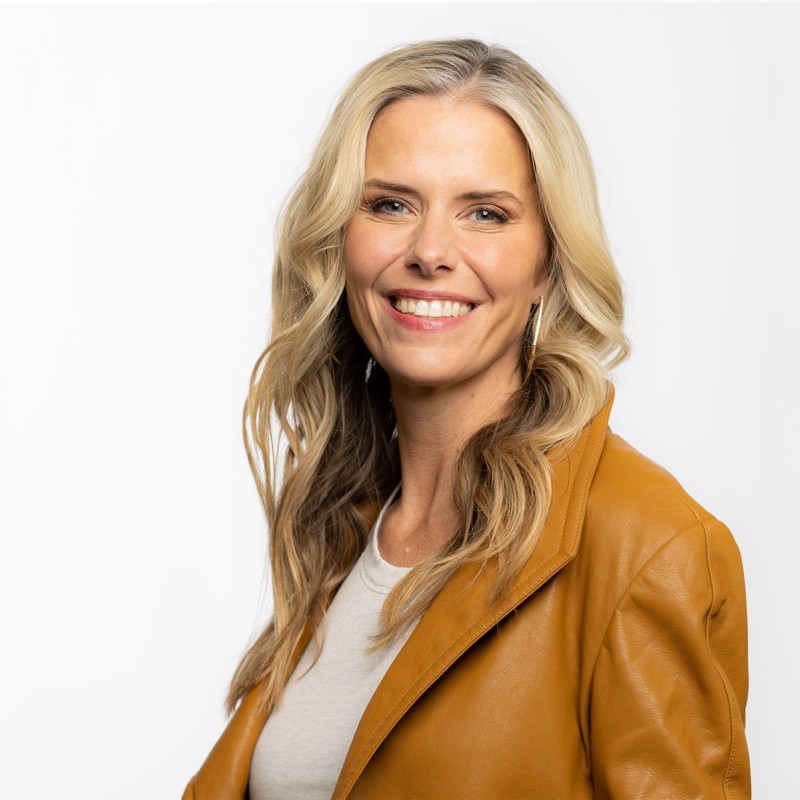
Molly Painter is a seasoned executive across both biotech and biopharma, known for her ability to lead with clarity, conviction, and a calm, commanding presence. With deep expertise in rare disease and neuroscience, she has a proven track record of building, launching, and scaling organizations—from early-stage biotech startups to global pharmaceutical business units.
Currently Vice President of Sales & Strategic Accounts at Takeda, Molly leads the U.S. Plasma-Derived Therapies Business Unit, driving growth, alignment, and performance across one of the company’s most strategic portfolios. She previously served as President of U.S. Orphazyme, where she built a scalable commercial organization from the ground up in just nine months, and as President of Vifor Pharma Group, where she drove topline U.S. sales growth and positioned the company as a leader in the nephrology and cardio-renal therapy space.
Molly brings a rare combination of strategic precision and human-centered leadership. She thrives in complex, high-stakes environments and is deeply skilled in interpreting trends, aligning cross-functional teams, and creating cultures of accountability and ambition. She has led all facets of drug company development—from pipeline strategy to in-line commercialization—and is known for her ability to articulate value, influence stakeholders, and accelerate market uptake both domestically and globally.
A strong advocate for agile leadership and inclusive growth, Molly holds an MBA from Northwestern University in Management & Organization with an emphasis on Health Enterprise Management. She also serves on several executive boards, including Big Brothers Big Sisters Chicago, the Joffrey Women’s Board, and the Healthcare Businesswomen’s Association (HBA).
Molly Painter
Ed Molitor
I always was comfortable bringing people together and making sure that you're orchestrating towards a common vision and a common goal and everybody was aligning to the purpose. Change is the only thing that's constant. There's so many things that are unpredictable in the world. Being able to predict all of them and know your game plan each and every day is kind of a silly thought.
There's so much to be said about like the authentic piece and the consistency of right and doing what you say you're gonna do when you say you're gonna do it. But then that human piece, what's the type of leader you do not want on your team?
What I love is people that first of all different than me and they round out the team and they bring different skill sets.
Welcome back to another episode of the Athletics at Business podcast. I am your host and CEO of the Molotour Group, Ed Molotor. And today's special guest is hands down one of the most genuine, authentic, high energy, full life leaders that I have been fortunate enough to get to know. And Molly Painter joins us today and Molly is currently Vice President of Sales and Strategic Accounts at Takeda, where she leads the US Plasma Derived Therapies business unit, driving growth, alignment and performance across one of the company's most strategic profiles. Now, she is a seasoned executive across both biotech and biopharma, known for her ability to lead with clarity, conviction and a calm, commanding presence, which you'll absolutely be able to pick up on here in this conversation.
With deep expertise in rare disease and neuroscience, Molly has a proven track record of building, launching and scaling organizations from early stage biotech startups to global pharmaceutical business units. And one of the things I really love talking about Molly about is how she brings this rare combination of strategic precision and human centered leadership. She thrives in complex high stakes environments and is deeply skilled into interpreting trends, aligning cross functional teams and creating cultures of accountability and ambition. And besides all that, or I should say, in addition to all that, she is just a whole lot of fun to talk to. So I'm going to get out of the way and let you listen to this amazing conversation I had with Molly Painter. Molly, thank you so much for joining us today on the Athletics of Business podcast.
It is an absolute honor to have you here.
Thank you so much for having me. It's a pleasure to be here.
First of all, and I say this not because you're right in front of me. I have so much respect for you as a leader, not just in your professional career, but in the community as well. You give back to so many different organizations. You have a passion and a purpose about it. And we will get into that. But first, I want to jump into this. Something that I realized about you from our previous conversations, as well as in my preparation for this conversation was this, that you bring a rare combination of strategic precision and human centered leadership. And I agree with the fact that it is rare, but I'm curious to hear your take on why it is such a rare combination.
Interestingly enough, a lot of my passion is around rare disease and working with rare disease patients. Funny that you point out the word rare, but I think oftentimes when you think of a strategic leader, you think of somebody that's, you know, coming out of a highly touted business school with a lot of letters behind their name. They come in and they're able to cut the fat and, you know, drive the top line. And that's what you think of and what isn't thought oftentimes is how you get that done and how you get that done through people and how people are essential to making all of the business impacts that we need to have happen.
Now, at your point, like you talk about, right, like cutting the fat and when, you have to deliver that message as a strategic leader. But one of the things I've realized with clients I have worked with in past is, okay, I get it, that's your job, that's your role, that's what you were brought in to do. But the way you do it, A, how it lands with them. But B, what's the message that you send to the rest of the folks that are still hanging around and how you go about doing things?
Yeah, I think what you're getting at is like the what and the how is oftentimes through how you message to a broad audience, but really it's how you message one one and connect with people and are able to meet people where they are in the journey as a result of that, whether it's good news or whether it's bad news, you're always approaching it with a human element. And at the end of the day, people end up respecting that. I do think regardless of what ends up happening. So the how is extremely important and it's nuanced in how you do it.
So as your career evolved, Right. And you climb the appropriate ladder, how did you meet the challenge head on of having the difficult conversations of delivering the news that wasn't so great? That was a little bit challenging.
Yeah. I think what we like to call it or I've called it is, you know, crucial conversations. And I think if you have that trust built up in the candor that's already happened when you have that crucial conversation, it's a lot easier than what one may think because you know it comes from the heart and you know that you care.
So early in your career was that hard knowing that it comes from the heart. Right. And you have that conversation. There was going to be some things that weren't, you know, it was not going to land well with the other person and it would have meant a big change for them in their world, in their life. And maybe you've been together for a while. Was that hard at first to navigate through those waters?
Yeah, it's definitely a muscle. I think you need to strengthen and continue to build and it never gets easy. But at the same time, when you come at it from a heart power perspective, you know you're doing the right thing. You're doing the right thing by the person, you're doing the right thing by the organization, and you're doing the right thing by the team. So the notion of unit integrity and the integrity of the team is always what you're trying to protect.
So we know this, we know that we're shaped by experiences and people that we've had into in our life. Right. You're such an amazing mentor to so many. Who are some of your mentors along the way, who are some of the steadying influences that were landed in your coaching approach, your coaching style and behavior?
Well, I have so many, like people say it's a board of directors. There's a lot of, you know, great women that I look to and I've looked to throughout time. There's a lot of men sponsors that I've had throughout my career. There's a gentleman by the name of, I don't know if you know, actually was a point guard at Eckers. By the way, Jacopo Leonardi is his name. I mean, worked with me and developed me and through different stages of my career and has continued to be a resource. He comes top of mind. I have people throughout the globe that I lean on for different topics at different times. A former boss of mine is a CEO over in Europe. I lean on him a lot.
I lean on a woman that used to be my boss that also lives in Europe, and I lean on her a great deal. There's a series of people and it depends on the topic and it waxes and wanes, but I'm just grateful and thankful that I've had this fortunate opportunity of being with people that have been able to really build me up and take care of me along the way.
Was it hard for you at first to be vulnerable with folks that you lean you now lean into when you first started having the conversations?
Yeah, I think that's just how I was brought up, was just to be real and honest. And that isn't something. The vulnerability piece for me comes naturally. I don't know why, it just does. Sometimes it's an overdone strength to be honest with you. Like, maybe I don't need to share so much and maybe I care a little too much and I can over rotate in that regard too. But I think at the end of the day, it's what's allowed me a superpower to build trust with teams. And then as a result, I think you have a greater speed to impact by being able to do that with people because they're going to be more open with you, they're going to challenge you, they're going to make the team better because they know they're in a psychologically safe environment when you're vulnerable.
So speaking of, when you're younger, you learn just to be real, Right? So we're going to go back to younger. We're going to go back to the red lipstick. Because I just read an amazing blog that you wrote for your mom on Mother's Day, and I mean, really, it was super cool. What did your mom mean to you? Talk to me about your mom.
Oh, my gosh, don't make me cry on a podcast, Ed. You might not be the first woman beyond her.
Would not be the first.
Wouldn't be the first. You do volunteers. Yeah. She's a woman beyond her time. So she paved the way as an example for me. Prior to, you know, a lot of women being in the workforce, being at a level of which she was leading people, leading teams herself. So I was able to, you know, pick up things across the kitchen table that maybe some other women did not have benefit of doing. So I never would ever take that for granted. So not only was she just a great mom, and I always like to say the world's best friend, but in addition, she was somebody that gave me line of sight into what my life could be and what I could achieve and how I can be a great leader.
When did you realize the value of all those conversations? Right. Was it when you're, you know, was that your Miami in college? Was your first job, your second job? When was it when like, damn, my mom absolutely knew what she was talking about. She's had a huge impact on me.
She had a significant impact. But all of my parents, I have to say, had a significant impact. It was like surround sound in my not so nuclear family. I guess you could position it that way. But nonetheless, always positive and always promoting me and making sure that I understood that failure was the way to success and that I needed to fail in order to succeed. And that is part of the journey. And I got that from my entire family. But I don't know, like, if there's like an epiphany moment of which I realized all those things coming together is like, it's what made me who I am. But I recognized it many times along the way. Probably in college I was leading like the student government and leading a lot of teams and in college.
So I think that's probably when I realized, like, this comes naturally in your professional career.
Did a leadership piece feel like it would. It came naturally or did you anticipate that it might be a little bit accelerate of a learning curve for you based on, you know, the way you were raised and where you injected yourself in student government, different things like that in college?
Yeah, I think as a leader, depending on the situational leadership, it's maybe not natural or maybe it is, you know, it's always depending on what you're leading through and kind of if that's something that's kind of core to your values and your principles as a person. But I will say I always was comfortable bringing people together and making sure that you're orchestrating towards a common vision and a common goal and everybody was aligning to the purpose. And once that took place, then it was amazing how this notion of just like leading and getting the heck out of the way, I was very comfortable doing. You don't find that, I think a lot of times there's this human pull to control.
And I think to be an effective leader, you've got to relinquish a lot of that control and effectively just lead and like I said, get the heck out of the way.
You talk about your values, right? When you establish your values, who you are and what you stand for, can you talk about the role that's played not just in your decision making, but in the career moves that you have made?
Yeah, I think being in the industry that I'm in, it's super easy to align my values when you're helping people, you know, day in and day out. Right. Everything that I'm passionate about, as far as being A passionate leader is being a mentor, being a coach, being a collaborator, being an advocate. All those things line up to serving rare disease patients, right? So I love it that I get to go to work every day and know that at the center, I'm helping somebody else. Now, some days I'm helping a lot, and other days, you know, there's some administrative tasks that need to get done. But nonetheless, it's all surrounding around helping people. And I think that's a gift. Like, that's such a gift that I've been given to be able to work around the people that I, I do.
Not only my internal team, but my. The external stakeholders that we get to serve.
Let me back up here because you said something resonated with so much. Now, we're going through a time right now where the pace and rate of change is unlike anything we've ever seen. And it's only going to accelerate. Like, we are not slowing down. Certainly your industry is not slowing down. Okay, how do you navigate that and how do you talk to your leaders about the ability to make decisions without all the information? Right. To not sit in the unknown and the ambiguity, but to figure out what you do know and to run with it. What are those conversations like?
Well, first of all, changes. The only thing that's constant. There's so many things that are unpredictable in the world. Being able to predict all of them and know your game plan each and every day is kind of a silly thought in my mind. And so surrounding the team around this notion of agility and being able to pivot and move based on what's in front of us is a key component to how we succeed. But I think furthermore, being able to talk to them about, okay, we have most of what we know, we've been doing this for a while now. We can just make a call here and go, right? And I think that, you know, in a large matrix organization, oftentimes that's not as easy as that trite statement.
What may sound as a trite statement that I just said, but there are many things as to which, you know that agility piece, if you know enough information, you can just move forward. But the key component in making that happen is that they have air cover, right? Like that 20% of not knowing is the fear of what drags people down. But if they know that, hey, I'd rather be in an environment where you can make a decision, you can move forward. You know, you can tolerate a little bit of risk here on this particular decision, not every decision, but this particular One and lets us move forward. And oh, by the way, I got your back. If you know that 20% does rear its ugly head.
This is kind of a trivial question because the answer for you will come rather easy. But creating that psychologically safe environment. Right. Even though it's a culture of accountability. When I say psychologically safe, I don't mean soft by any stretch of the imagination. We compete, we win, we hate losing. That's just what we do. But how do you do that? So they feel that they have air cover because you can't be everywhere at all times. So how have you intentionally instilled that understanding with your leaders that you have their back regardless?
Yeah. I think that people watch your actions and your behaviors and your ability to follow through on that notion. And it's. You build a beehive effect with that. I mean, people share information. Oh, no, this is what, you know, Molly did in this time, or this is what, okay, this happened to me before. So they start to build that trust based off of the data over time that they either learn for others or they're watching in action.
So you have 10,000 things going on in your professional life, maybe 11,000. But yet you find so much time to mentor others and to be involved in these organizations. Like, I won't even tell the story about when we had dinner or appetizers at Gibson's and you had five different places that you need to be, but you knew exactly where you need to be, what the purpose of each one was, and you're going to make it happen. How do you do that? Like, how do you find that time to do it? And when you're mentoring others, what's that like?
Yeah, well, first of all, what I like to say, it's all in a good day's work. Right? It's how we prioritize our time and how we can make sure that those things that we're passionate about are still at the forefront of this great life that we get to live. And so I think, as I said, being able to serve people in the industry that I get to work in. But then, furthermore, throughout my entire life, I believed in mentorship and helping people along the way, not just within the four walls of a corporate organization, but just in society in general.
And so that's where you'll see my, you know, work with Big Brothers, Big Sisters, and that continuing on that board, I also work in an organization called the Infant Welfare Society, or I serve, I should say, of which we help the Angel Harvey center in Logan Square in Chicago. And Raise money for that so I get the opportunity to help those individuals. And that makes me feel good each and every day that, you know, my time is well spent. So, you know, juggling it all is never an easy task. But if you want something done, I always say, give it to a busy person.
How do you prioritize your stuff? Why? I ask that question because often, you know, in my coaching sessions, someone will ask me about the prioritization and why. I read this and I read that, and the bottom line is what works for you. You keep it as simple as possible, and then you just execute on it day after day. So I just want to know what Molly Painter does day after day to be so damn successful.
I would say I'm definitely not a machine in that regard. The people piece always takes over and is always a priority. So how I prioritize is always my people first. And if they have an issue and something comes up, you know, I want to be there for them to help, you know, clear the path and be sure that the work is getting done. So that's number one from a business perspective. I would also say from just a life perspective is I'm a mom, and that's like priority number one before anything else throughout the workday, the number of interruptions that I have and calls from the school, and, oh, yeah, I'm leading the PTO and helping out with that and the different things that happen.
I have a child with special needs, so that comes with its own set of complications, but nonetheless, it's an exercise in keeping a good calendar. And I have a port system around me, and I think that's critical. And you know what? Prioritization is a lot of delegation and also knowing what you're good at and what you're not.
Yeah. And something just came to mind as you're talking about your family. Your son is. I remember, you know, growing up, I spent my days in a gym. That's just where I was. I was in the gym. I was in the coach's office. I was. You know, I was just. Wherever my dad was, that was my life. And my dad chose not to coach college basketball so he could be with his family. He could coach me, which he might regret today, but that's okay. But no, you know, he. That was an intentional choice. But then I remember when I was playing at Creighton, Coach, baby. And, you know, family was everything to him. You know, it was the Italian blood, but family was truly everything. Brian was around, Tony was around.
Ms. B was around and later in life I realized the significance of that because then his family was not going to resent what he did for a career. With you being as busy as you are, how do you be sure that you don't create this sense of it's us versus work. I try to be really careful to the point where we just took the kids at my wife's president's club, which was, yeah, it actually was awesome. It worked out. People were like, how did you pull us off? And I gave my wife all the credit because she deserved all the credit. Coaching Effect Summit is not just any leadership conference. It is annual event where high performing leaders come to grow through research, relationships and real coaching work.
It's all happening June 11th and 12th at the beautiful Union Station in Kansas City and it's packed with dynamic keynotes, interactive sessions and one of a kind networking opportunities, including a night at the Royals Yankees game. This year's theme, a new Track Forward, is powered by Data. Now get this from over a half a million coaching interactions showing what high impact leaders are doing to drive performance. Here's what you can expect the latest coaching and leadership research, formal and informal learning opportunities, a supportive community and networking and absolutely just a ton of fun. Now our keynote speakers are not to be missed. Aaron Deal, renowned author and podcast host and founder of Improve It Mike Buddy, who is a former Director of athletics at West Point and he is now the Athletic Director at Texas Christian University. Conducting the workshops.
Ted Simendinger, president and CEO of Ocean Palmer and author of the world famous book the Worry Circle. Sarah Worth, president of Excel Institute and yes, I will be joining, facilitating a workshop. It's going to be a ton of fun. You don't want to miss this. If you want to learn more and grab a special discount, send us an email at infoemodel tour group.com that is info@the molotor group.com or send a text with the word summit to 7194-5969-4071-9459-6940 and text the word comment. But anyway, but how do you do that?
Be omnipresent? Sometimes, you know, it's kind of like this coaching of what would mom say in this situation? You know, now you've got teenagers or how would she guide me through this? Or particular thinking of the daughters we have in the house and their ages. I think that's mission critical. But I also think there's the time that you carve out that it's valuable and that you're spending one one dedicated time, and it's almost like a battlefield multiplier effect when that happens. You know, when you're engaged, you're not distracted.
I find times when I go on a business trip sometimes if it works out and my daughter's not playing sports or something's happening, I'm like, you know, get on the plane, you're coming with, and then you see mom at work, you see the people that mom works with, and you kind of can see a vision for your own life in that way, too. Am I perfect at it? No freaking way. Am I constantly trying to improve? Yes. But over the years, I've been able to kind of wax and Wayne, bob and weave, whatever you might want to say, in order to be what I think is an, you know, effective leader at home and effective leader at work.
And we learn vicariously through others. Right. We've all seen the other people that fail miserably. You know, I'm at that stage now where you just mentioned sports. Before I commit to any travel, you know, in two days, I've been asked to come out to Boston, New York, Philly, and then Vegas. Okay. In Omaha, which is great. Very first thing I do is go look at the sports schedule. That's it? That's it. Yeah. Because you don't want to miss anything, but if you're going to miss something, you want to make sure it's, like, the least significant of whatever their event's going to be.
Yeah, I definitely keep stats on. Okay. I missed the last five lacrosse games, and that's a packed schedule. I'm not now going on this trip. I'm going to dial in for this particular one. My company affords me that. They're very focused on women's leadership development, and as a result of that, I'm very lucky about the environment that I work in, and I'm able to make some of these calls.
Let me talk about that for a little bit because, and this is something I learned through my professional career was the power of the groups, right. The women's groups for leadership, growing your career and finding mentors and inspirations and that. What kind of role has that played in your professional career?
I've always been an advocate for the informal, like mentorship. Right. I was on the board for the HBA a couple years back. I've since rolled off, I believe, in the mission of that organization and what they're doing to promote women leaders. But nonetheless, where I've truly found success hasn't been through joining a group or joining a women's club per se. It's been more so through just developing these informal relationships throughout the industry and throughout the company. I will say where I've built strong relationships, maybe not specific to my career, is in volunteer work like we talked about before, because you get to know people through a task versus at a cocktail party. Right. And I think that's important because you're learning other individuals character and you're also learning their strengths and they're learning yours.
And you can really get to know the human element and know those people well versus, you know, casual conversation.
And you're there for a shared sense of purpose. Right.
Like, yeah.
You know, you're already lined on something. Now if I were to ask someone, one of your leaders, what is it like to work for Molly?
Oh, goodness, what would they say? And I would also say I'm real. You know, I'll be like, yeah, I know that's kind of messed up, but this is the situation we're in and here's how we're going to navigate it. Right. Versus not acknowledging all of the elements that are happening in a particular situation and expecting them to kind of live out on an island. I feel like I support them through that in a pretty authentic way.
Communication connection is such a huge piece. How significant is it to you to over communicate? And I shouldn't say over communicate. To clearly communicate. Right. To make sure that things are understood, to ask the right questions and to listen to what they're saying.
Yeah, it's important. And I also think that clarity just reduces chaos and nobody can afford to work in a super chaotic environment and really achieve the goal. So I try to have not only clarity but. But then repeat the message to the point where you feel like it's overdone. But then I think at that point that you feel like it's overdone. It's right when the team's picking up what you're putting down. Right. So that's kind of the key for me is I'm clear. Yeah. About what we need to do.
I love that because you know where you stand.
Yeah.
It goes back to this is really how it is now. What are we going to do with it? It goes back to the resilient leader who can deal with adversity in real time and clearly articulate like that path forward. We can sit here and we smile and we laugh and joke, but you have a lot of pressure on you. Like it's not a walk in the park. It is not easy what you do. And I Think it's really important, especially with this time that we're living in. How do you take care of yourself?
I love hot yoga. I would say it's a good day when I can get to a hot yoga class. I'm happy about that. I do my best to exercise and that reduced a lot of stress. But I'd also say my friends, I've got some awesome girlfriends and a great team both, I think locally in my community here that's been very welcoming to me. And then furthermore, just like even my college girlfriends that, you know, we still are, you know, hot and heavy and now celebrating some milestone birthdays. And so that's definitely something that is self care for me.
You notice I did not ask milestone birthday because I learned at an early age never ask a woman.
Exactly, exactly.
Isn't it funny how that feels like you may not talk to them for a month, two months, three months, but then when you connect with them and you can just go back to like, you keep that person alive a little bit, right?
Yeah. I'm still my first friend since I was five. We are like yesterday.
Molly.
Yeah. Pick up the phone. My parents walked me through the woods to meet Amy Wise and or yeah, Amy Stinson at the time. And we still are like, I guess the in our worlds are different, but nonetheless, if I was stuck in a ditch, she would be there, so.
Which is phenomenal. Now, you know, with that being said, I have to ask you know, we had Matt on the podcast and I have to ask your style versus his style of leadership, your way of doing things versus his way of doing things, because you both are the best at what you do. I'll tell you this right now, there is a seat in the hall of Fame waiting for your brother, right? And if there's a rare disease hall of Fame, a farm hall of Fame, there's a seat waiting for you. You guys, I notice the similarities, but, you know, raising a son and a daughter, right, I know that each child is significantly different. What's that like?
Well, the one thing I appreciate about him is his impeccable ability to focus. I mean, he knows about a couple things in life and knows them very well. It's like you think of an orthopedic neurosurgeon who only treats one type of cancer, right? That is Matt. He knows the game of basketball and the ins and outs of it and can remember stats from over 30 years ago and cite them, you know, on a dime. I would also say he knows the game of baseball. Pretty well. But if I go to talk to him about any I do, he is like, what do you do? Again, I'm not for certain.
You know, brother, though, right? That's what bro do.
Yeah. It's super cool with. I'm like, have you ever picked up a Wall Street Journal? I'm just wondering. So it's kind of.
I don't move it out of my.
Way, put him up against anybody as far as sports knowledge, and especially when it comes to basketball, and especially. I would give it to him for baseball. We were just at the Cubs game two days ago, so he's going to.
Ask when you're coming in for a Cubs game. I did not know. Now, I won't say what, but was there any progress in the gift that you were trying to give your brother or the Cubs game? You don't have to say what it was.
He actually turned it down.
He kind of thought that was going to happen, though.
Yeah. Because he said he's like, I just can't be down like that anymore. I was like, oh, you got to be kidding. So now I got to go back to a second gift.
And that's the thing about it, right? Like his focus and his dial, and you can see it. You can just see it in his disposition. You have this sense of. Even if you have a thousand things going on, you do have this sense of calm about you externally, whether it is internally, I don't know. Do you meditate at all? Is meditation a thing for you before?
Wouldn't say. It's like, okay, when yoga's kind of meditation.
It is. Especially when it's hot yoga. Think I died and came back to life in hot yoga. But.
All right. Exactly. Exactly. My husband won't even go. But that's why I like it. Right. Because it's your ability to meditate and kind of tune things out.
I mean, Cubs games can be meditative some days, but. Yeah, you know. But no, you just. You have to stay true to what makes you instead of just getting away from it. And as you've achieved success over your career, how have you done that? Like, how have you stayed Molly?
Yeah, I think that's something I'm pretty proud of because I've got a big personality. Right. It's like, it could be one thing I shy away from just because you. Oh, it's better to be more demure, not as quiet. But I think my personality is what's been allowed me to compete over the years and allowed me to stay successful and allowed me to kind of Run with the guys a little, if you will. And so I think it's been an asset, but also it can be an overdone strength at times. So I always have to be watching myself and being self aware and being sure. And I'm giving other people the floor that I'm making sure that, you know, I'm listening to, you know, what they have to say, that I'm incorporating everybody's ideals and ideas.
And because sometimes I can move at a mile a minute, I like who I am. I'm happy with, you know, awesome.
Yeah.
And I know my downfalls and I just try to keep them on. I keep on the watch out. I'm always on the watch out for the. My downside.
Off on a whole tangent of self awareness right now, we can talk about that big time. Who keeps you grounded? Like, I'm about to say something cheesy and I don't want to say it, but like, who's a Robin to your Batman? Like, that's so.
Well, my husband. My husband for sure. He's a great mentor. He's success. It's so successful in his own right. We're very different in how we lead. He definitely gives me strong feedback consistently or I test things with him. He's always a great guy.
That's important. Not just, I mean, the marriage too. Right. Many clients who, you know, both spouses are extremely successful in there. You know, one of the things we always joke about is the reentry. So if you're traveling and you come home or he's traveling and he comes home and navigating that, but to be able to sit and talk about the wins and the losses and the struggles, that has to be pretty cool to do.
Super cool. The interesting thing is the empathy gene that we both have for one another, because I'm clear what it's like to be on the road and how hard that is to be away from home. And he's clear what it's like to have to pick up all the tasks, you know, at home and vice versa. So we both understand both roles extremely well, whether it's gender defined or not. And as a result of that, we're able to kind of express the, what I call the empathy gene towards the other, which allows for a great collaboration and partnership. Right.
Look at each other. Like, I don't get how you do. I don't get how you made that happen, how you made that work, or why you endure that so much before. Like, does that conversation ever happen?
Yeah. Yeah, a lot. I look at him because he also is very, he's definitely a machine, meaning his Excel skills are very strong. He is very detail focused. I'd put him on, you know, any BD deal to get the right outcome. Extremely trustworthy man. But he has like a smaller inner circle than I do. You know, he's got like, whereas I cast this wide net. So I think he kind of is, how the heck did you just meet all these people and how the heck are they all coming over? And all these things are happening, you know, at the same time, you know, it's just a different way of kind of being brought into the universe I guess.
So you're standing on a stage, you're giving a keynote and someone after comes up, it says, molly, five points, five bullets of the type of leader or what I need to be or what I need to do to work for you. What is it that you look for? So in other words, what are the things that you know, someone will be successful on your team, they may be successful somewhere else, but not on your team. But what does it take to really thrive on your leadership team?
Well, what I love is people that first of all different than me and they round out the team and then bring different skill sets, number one. Second of all, that there's a level of authenticity and the authenticity is to support others around the team. I think that people are true to what they say they're going to do and that's fundamental to me. And trust, it's like, okay, I can trust you as a human, but I want to know that you're going to do what you say you're going to do and that's how you build a high performing team. I like to see people on my team be, also be a coach and a mentor to others and to spread the love of the team outward into the world, into the organization.
The fifth thing that I would say is that they're above all else, you know, they're human and they exercise their, you know, humanity day in, day and out. Not just for me and my team, but for the broader organization and that they show they care.
There's so much to be said about like the authentic piece and the consistency of it, right? And doing what you say you're going to do when you say you're going to do it. But then that human piece, what's the type of leader you do not want on your team?
Well, I mean you don't see it that often, right? But I mean you still do see people that are more into their own work or into their own selves than they are the. The benefit of the whole. So that's. Those aren't things that are attractive to me. You really want somebody that not only does their work extremely well or leads extremely well for their particular group, but they care about the broader organization.
You leaders, right? Or coaches, and you do that, you know, as frontline leaders. We want to see more in our people than they see themselves, and we want to develop that connection and trust so we can push them outside their comfort zone. But when you have leaders that have been in the business 20, 25, 30 years, is it more challenging to see things in them than they see in themselves?
Maybe so, because, you know, you're a little bit down the journey, but, I mean, you're still pointing things out to people that maybe that day they didn't recognize that the impact that they're having. I'm like, no, I don't think anybody else is particularly as good at this. I mean, I saw my boss in action yesterday, and I said to him, I was like, you are really good at that. I mean, really good.
What was his response?
He's like, oh, well, thank you. I mean, and he's obviously a very like man, but people forget, too. It's always good to remind them. Right. What their core strengths are.
Well, I would ask you where people can find a lot about Molly on social media, but it's pretty simple. Why don't you go ahead and share your Instagram handle and your link.
Oh, yes, my Instagram.
What is it? Love your Instagram. And I loved your Instagram.
I think it's Melan Painter. Is my Instagram okay.
We'll have it in the show.
Notes getting better. I'm getting better at Instagram. I'm trying my. We are work on digital dexterity. So I'm trying to get.
I just call it social media. I don't call it digital dexterity. That's too complicated. You are amazing.
March Madness takes five hours. Yeah, I'm trying to get better.
Hey, your Instagram during March Madness was phenomenal.
Oh, did you like my One Shiny Moment post? We're happy with it.
Yeah, I did. I. I really did. Well, LinkedIn, obviously, on LinkedIn, we'll post everything on social media. What types of things do you do on your own to continue to develop? Do you read? Do you listen? Do you watch? What is it? What type of things do you enjoy doing those?
Well, you know, I'm a huge Mel Robbins junkie, and I just came from. She was live in Chicago, so I got to meet Mel, which I'm like super stoked about. I focus on a lot of work around that. Last year I went away by myself to a retreat to really kind of think inward and to reflect. You know, five children living in our home and everything we have going on wasn't an easy thing to do. But extremely important, I think, to invest that time. I also do read a good amount. I like to read, fall asleep a lot while I'm reading. So that' sometimes why I rely on the podcast, but. But I like it and I'm just out at listening just to grow and develop in that way.
So trying to get into more, you know, nonfiction type books and to read into that.
Molly, I appreciate it so much and you know, we're going to find a way. I'm predicting two things I'm predicting right now. One, Creighton Perdue in the national championship game next year. Okay. So Mac and Mac, national championship game. And the second thing is we're going to find a way to have you and Matt on this podcast together. We'll just tell them stories. That's it.
You just can't give all my nicknames from when I was a kid. That's the issue.
Well, we'll have a cut.
I don't think they're for.
What was your most family friendly nickname? That was. Oh, boy.
I would say Mo Cheeks. So I had these really chubby cheeks, both of my brothers, but Matt in particular was constantly grabbing them and like saying cheeks. And so I would say Mo Cheeks. And you know, obviously where Mo Cheeks comes from. So.
Absolutely, you can't be upset. Upset about that.
I guess not. I guess I, you know, but my cheeks weren't. I kind of got bruised at times.
Now, are you able to share one nickname you have for Matt?
Oh, well, I always call him Curtis because his middle name is Matthew Curtis, which was interesting because there was a quarterback at Purdue, Curtis Painter, which I don't know if you remember, but anyway, so yeah, I always call him Curtis because my great grandpa was named Curtis. So that's why he got the middle name.
I mean, holidays, Christmas time, Thanksgiving. I don't know how often you get to really see each other, but you ever sit around and just have a drink together and look at each other like we turned out all right. Like, this is pretty good how we're doing?
I don't think so. No. I think we're lucky and blessed and I think that's probably more of the sentiment than it is. There's a lot of luck that went into all this, so.
But that speaks volumes about the two of you because you're both, you know, you really are cut from the same class. So, Molly, thank you so much. I appreciate it. And talk again soon. But we are going to make it happen. You and Matt on this podcast. We're going to find a way to do it in person, though.
In the universe. You're putting it in the universe.
I am, I am. And you know how that works, right? It comes back to you. Come on.
Yeah. It's like the power of now. Yeah.
Wait, Power now. But we cleared the first hurdle, and that was getting you on the podcast.
Yeah, I know. It's probably harder to schedule than him.
All right, Molly, thank you so much.
Good one. Okay, talk soon. Appreciate it.
Thank you for listening to the athletics of business. Be sure to give us a rating and review so we know how we're doing. For more information about the show, visit The Athletics of Business.com now get out there. Think, act and execute at the highest level to unleash your greatness.