

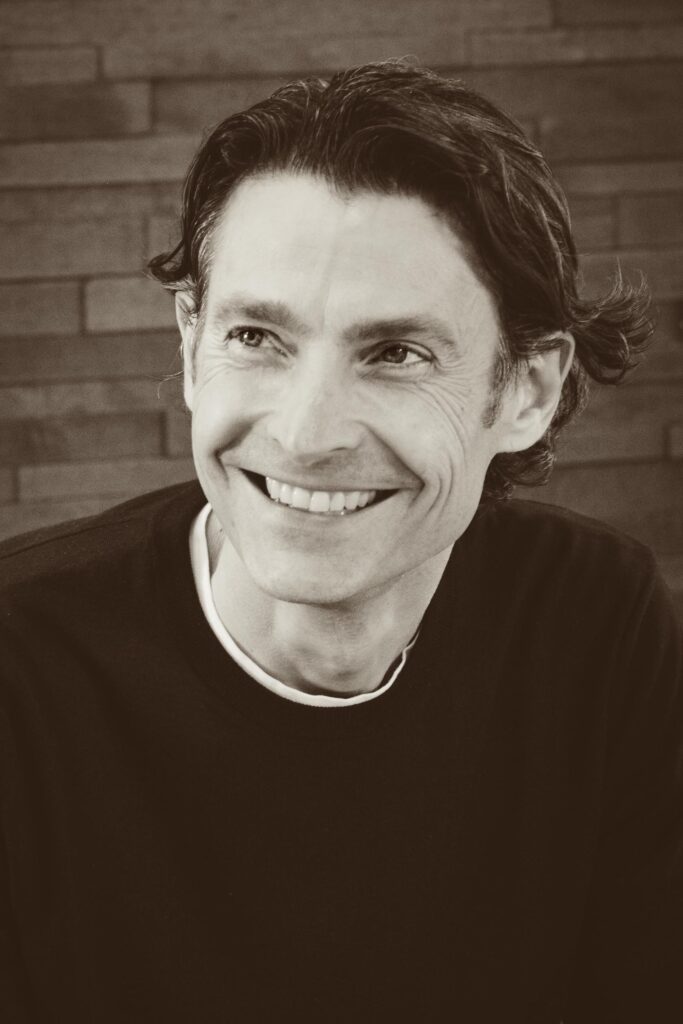
From Blow Pops to Forbes Best Small Companies, Rob started his first business in high school selling Blow Pops out of his locker. For the last 28 years, he’s served as President and Co-founder of imageOne, ranked as one of the Top 25 Small Businesses in America on the 2017 list of Forbes Small Giants.
Throughout Rob’s entrepreneurial journey, he’s developed an unwavering passion for delivering the X – genuine care that consistently drives extraordinary energy, actions and experiences to every one, every day, every time. A unique approach to business that has driven the company to success in its industry, and as a top workplace. imageOne is simply the best at helping clients optimize and manage print, automate business processes, and secure documents and is well-known as an exceptional company, receiving local and national recognition for its multi-award-winning culture.
Rob is an avid meditator of 15 years, the author of a best-selling book, donothing,™ The most rewarding leadership challenge you will ever take, and host of the donothing leadership retreat and the donothing podcast.
Welcome to the Athletics of Business, a podcast about how the traits and behaviors of elite athletes and remarkable business leaders frequently intersect. The real stories and hard lessons to help you level up your leadership and performance. Now, your host, Ed Molitor.
Welcome back to another episode of the Athletics of Business podcast. I am your host and CEO of the Molitor Group, Ed Molitor. And what a phenomenal conversation we have for you today with Rob Dube. And Rob is the president and co founder of Image One. And I'm going to tell you why this is such a powerful episode. During this COVID 19 virus. There's so much going. I mean, we are in a global pandemic and it's not easy to do. What Rob accomplishes in this conversation, he's insightful, entertaining, he's inspiring and most importantly, he's full of value. I mean, he provides strategies here that you can execute on immediately. Right now, regardless of the size of your organization, your team. There's things he talks about here that you can implement with your family.
Now let me tell you a little bit about Rob.
It's quite a amazing journey and as a matter of fact, it's from Blow Pops to Forbes Best Small companies. Rob started his first business in high school with his buddy selling Blow Pops out of their locker. And we'll talk about that story here inside the podcast. And for the last 28 years, Rob has served as president and co founder of Image One, ranked as one of the top 25 small businesses in America on the 2017 list of Forbes Small Giants. Throughout Rob's journey, he's developed an unwavering passion and you'll be able to feel that passion in this conversation. He's developed an unwavering passion for delivering the X genuine care that consistently drives extraordinary energy, actions and experiences to everyone every day, every time. A unique approach to business that has driven the company to success in its industry and as a top workplace.
Image One is simply the best at helping clients optimize and manage print automate business processes and secure documents and is well known as an exceptional company receiving local and national recognition for its multi award winning culture. Let me just say that again, they're simply the best at helping clients optimize and manage print automate business process and secure documents. Okay, that industry is taking a huge hit right now. And when you hear Rob's sense of reality, positivity, the ability to communicate to their team what they need to do, hold them accountable. We're going to talk about all of that when I share some more notes with you now. Rob is an avid meditator of 15 years. He's the author of a best selling book, Do Nothing, the most rewarding leadership challenge you will ever take.
And host of the Do Nothing Leadership retreat and the Do Nothing podcast. I could not be more grateful to my friend and two time guest, Ron Alvesteffer, President and CEO of Service Express, for making the wonderful introduction to Rob which led to this phenomenal conversation. Now, Ron and I talked on episode number 22 and episode number 67. If you have not listened to those episodes, I implore you to do yourself a huge favor and check them out. Okay, so what are Rob and I.
Going to talk about? I'll give you a little bit of.
A sneak peek, A couple things, a few things that we're going to talk about. How his team at Image One collaborated to come up with the plan for managing the COVID 19 crisis and had the mindset that they would be open to change because the situation was so fluid. We'll also talk about how they are taking advantage of this unique situation. I love this. How they are taking advantage of this unique situation by helping their people learn this new way of thinking, giving them the proper guidance and holding them accountable to what they need to accomplish in a series of short term sprints. So in other words, in their sense of accountability, they're not just telling, hey, don't use this COVID 19 as an excuse. Now they're saying, you know what, this is the new reality.
This is where we're at and we're in this together. And you know what?
This is how we're going to do it. We are going to hold you accountable because we have a plan in place.
And what we need to do is.
In a series of short term sprints. Rob also talks about some really fun stuff that they are doing to inject a social element to this remote working. And finally, Rob is going to talk about what was different when they reacquired the company and how they focused on making their good culture into an unbelievable culture. All right, sit back, have a pen and paper out if you're driving. Just listen. You're going to really enjoy this conversation with Rob Dubay.
Rob, thank you so much for joining us on the Athletics of Business podcast today. I am humbled and fired up to have you here. How are we doing today?
I'm humbled to be with you, Ed. The greatest podcast. I love what you bring to this world, so thank you for that. And your energy is ridiculous, so thank you for that. We all need that. These Days, especially these days.
But I appreciate the kind words. But, you know, we had an opportunity to have a conversation about a month and a half ago and our world was a lot different a month ago. We were kind of worried about like our brackets in the NCAA tournament, you know, who's going to go where in what region, and as the basketball season started to wind down. But here we are in the middle. I mean, we are in the throes of the COVID 19, where you're located, where I'm located. You're in Detroit, I'm in Chicago. We are in the hot spots. Talk to me a little bit about, you know, your world and we'll get into your journey, obviously, and talk about that. Well, what's your world like right now? How much has it changed?
Yeah, it's changed a lot. In fact, a question I've been asking you could give a little bit of thought to it yourself, is say around about the end of February, not that long ago, maybe six or so weeks ago, what was really bugging you? What were the business issues that were keeping you up at night? I wonder if you can even remember. It changed in an instant, it seems I could say from my standpoint, were working on an acquisition. We were really excited about it. And the company that were looking to acquire and us were bickering about the value of the inventory. And I remember were having meeting after meeting and it was such a knock down drag out back and forth. I'm making my case, they're making their case. And literally overnight, the next morning, I realized, this whole thing is done.
We are not moving forward with the acquisition. It's all changed. And that was over two months of work and due diligence that we had into that. And overnight, just that morning, I just remembered waking up and I said, I got to call them. This whole thing's off. We got other things we got to focus on now. And that is the health of the business moving forward. Because things were changing quick.
What was that conversation like when you woke up that morning and eventually picked up the phone? What was that like?
Well, I was pretty excited to have it because I wanted to get going on what I needed to get going on. I think for the seller. I noticed it was taking a little bit of a few moments for it to sort of all kind of click in. But I could say after 15 minutes of our discussion, the seller was completely in agreement, like this wasn't going to be a good time for them or us. And since were in the exact same business his company happened to be in a different market. He knew he had to get to work the same way I did. And so we had needed to put that focus on the health of our businesses right away. And that's what we did. Staying in touch, though, with best practices and good things that we're doing.
That's great. Before we started recording the podcast, we had a conversation you were sharing with me. I asked you, I said, rob, when did it really hit you and hit.
The business, but when did it really.
Register that this was happening and how significantly it was going to impact you?
Yeah, so actually I had a little mini insight into it because my daughter was studying in Florence, Italy this semester. So we started to hear on the news about all this stuff going on north of where she was. And when we talked to her, everything seemed fine in Florence at the time, but were concerned and were paying attention to it. So I started to think like, okay, this is having a personal impact on me. And so I was aware of it. I shared with you that On Wednesday the 11th, I think it was, of March, we received a call from one of our larger clients that takes up a good amount of space down in downtown Detroit.
And they informed us that they were going to do some practice run throughs with every one of their employees and have them work at home that week on Thursday and Friday, just to see how it would go in the event that they actually had to do it for real for any extended period of time. I have an apartment in downtown Detroit and I looked out the window on Thursday morning and I didn't see many people out on the streets. It was really odd. And I just thought to myself, okay, this is going to be impactful for us. And the reason it's impactful for us is because we provide products and services that businesses use when they're at their actual businesses. Print products, multifunction printers. And printing is a big part of how we make our living.
And so when people are working at the offices, they're not printing and that's going to cause a huge decline in our sales. So I remember I called our leadership team and I said, I'm concerned because if this company did it, others might start doing it. And if they start doing it's going to really have a severe impact. And sure enough, that started to happen. And luckily that kind of got us going. And we started that Friday, Saturday and Sunday, and throughout the following weeks, really preparing ourselves for a crisis and trying to hit all the right checkboxes to make sure were Covering everything, doing the different financial performance to see how things could play out in the worst case scenarios, the best case scenarios. And we chose to manage the business off of a worst case scenario for six months.
And then we are very collaborative company and we practice open book finance. So our team is very familiar with our numbers and how they work. So we kind of have a head start when it comes to that. And so went to the team and we showed them the math problems. You know, we showed them what it would look like. And then put together two days of ideation where we broke off into teams and came up with ideas on cost savings, potential payroll cuts, new markets or services or products that we could go into, and how we could tighten up some of our processes and do things better and more efficiently and hopefully save some money along the way. And so the team came up with the go forward and we started operating on that promise. Just a couple weeks after that, it all happened.
And with the knowledge that every day's a new day, I mean, were receiving information and data every single day. And so that might mean some of the decisions that we made two days ago, a week ago, 10 days ago, are going to change rapidly. So we're all in the mindset that we need to be very fluid and open to change. And so that's what we've been doing. And we certainly have had to make some adjustments and changes along the way. Some things haven't been as impactful as we thought so far. There's been federal stimulus programs that have come out that, you know, we've been able to identify and, you know, maybe take advantage of. And, and some things have worked out a little bit worse than we thought and had to deal with that.
Like people being extremely concerned with their own personal well being, as this has kind of even gotten more intense. And so how do we deal with those kinds of things? And so every day is a new day. And we're trying to do the best to keep the company healthy and keep every single one of our team members both physically mentally healthy and super engaged as we all work from home.
Right, right. I mean, we're all remote. And so how do you balance that? Right. Because there's a business that you absolutely have to be focused on. I firmly believe that your ability to do things as successfully as you are right now through this crisis has everything to do with the foundation you built, you know, the way you built Image one and the relationships you have with your people. But can you talk into how this is bringing you closer with the Collaboration with the. Every day is a new day. We're going to have to change. We have to embrace the change. We have to make fast decisions. How that's brought you closer as a team and how you focus on building, continuing to build those deep relationships with your folks, even though you all are remote.
Well, I think, first of all, you know, we always try as organizations to rally around, you know, something, you know, maybe companies have a theme or some sort of goal they're going after, and that those are always great rallying points where everybody kind of comes together with the same end in mind. In this case, it's very much heightened. I mean, we all know the stakes, we all know what's going on, and we're all on a level playing field. You know, we're all in our homes. We're all dealing with the same constraints, the same challenges, although they're different challenges, but very much similar and same thing in the marketplace. All the companies are. Many of them are on equal grounds right now. And so there's a rallying point there. So you have that focus point.
And now as a leadership team, it's how do you come together and do what we call C to the third? Communicate, communicate. And so it's just getting those rhythms in place in crisis time to ensure that, you know, those messages that need to be disseminated are getting out there quickly and consistently. And there's no, you know, birds chirping, so to speak, and different ideas or thoughts that are kind of adjusting. What the real message is about the company's, how we're dealing with this as a company and together. So we've put those different, more regular touch points than we normally have into place. And then as a leadership team, we're a concern for our people first and foremost. And so it's really about the individual touch points. I think those are really important.
So we've made that part of our rhythm, which is just simply to reach out to every single one of our team members, ideally getting them on. We're using zoom like most of the other people in the world, and just trying to get them on video so we can see them, see their reaction to questions and, you know, really just allow them to vent or express their anxiousness or frustration. And then, you know, from those conversations, what are the things that we need to provide back to them? Like, half of our company, they're not accustomed to working from home. They're out in the field all the time.
So what tools can we give them that are best practices so they can stay Focused and energized while they're working at a desk, when they're used to, you know, driving from point A to point B to point C all day long. And, you know, in our case, they're getting jobs sort of sent to them throughout the day, so they kind of have a queue. And so it's so different now for them. And so it's our responsibility to help them learn this new way of working and give them the proper guidance and holding them accountable to what we need to accomplish in short term sprints. So, you know, those are some of the things that I think are important.
The other thing is making sure to be, you know, if you have the ability to be open book with your finances, to do regular checkpoints with the team. We have a weekly all hands on Friday. You know, we're looking at the most critical numbers. And for us, it's cash. You know, how much Runway do we have with cash? It's what is our access to debt in case we need to go into a line of credit or any of the other vehicles that we might be able to secure through some of the stimulus packages. And then how are sales trending? And so that's an important thing. Is it as great of a decline as we thought it would be or is it not as bad? And then you make a decision. And so everybody kind of.
I'll stop there because there's many other things you can look at, but everybody's kind of on the same page as the health of the company financially, because that's a super important part when it comes to making decisions.
And I love to go back to. I love the touch points because. And this leads into what you just talked about, but the touch points, and you think about what you're doing, the level of trust you're building with your people in terms of showing compassion, providing.
Stability, and you're giving them hope, right.
That we're going to come out the other side of this better. Which is something that you and I talked about. And that leads into my next question. And this is something I haven't heard a lot of people get into yet as I listen and I read things. But it's a concern of mine, the sustainability of the habits we're developing and the behaviors we're executing right now. And that's why I love what you're doing, because this will bring that whole focus on touch points. You said. Now there just happens to be more and more focused touch points. And as your leaders have to pay attention to how they're reacting to how they're responding to questions via Zoom, you know, what's their body language? And you think about the ability to lead remotely and lead via zoom, lead you via the phone.
I've got to think at the other side of this. This is going to be something that makes everything that much more resilient, that much more sustainable. Is that at all coming to your thought process? What's this going to look like in three months, in four months? And what are we going to be like at Image one? And how much better are we going to be?
Oh, yeah, for sure. I mean, you know, you talk about hope and our goal here is to take full advantage of this very unique situation where in this situation where we kind of have a bit of a slower pace in that we're at home, salespeople aren't driving all around town, technical people aren't driving all around town, people aren't even commuting. I mean, we have people that commute upwards of an hour a day. They're not in their cars during those hours now. So when I say slower pace, it's simply because they're in one spot all day long. And so that does slow the pace. So how can we really tighten ourselves up? Look at those things where we wanted to address, but we just haven't had time to do it now. We do. Let's make sure we take full advantage of this unique situation.
Let's take full advantage of this unique situation, actually, to connect even more as a team. We do things. We have two days a week, we have social breaks, Somebody leads it. It's just 15 minutes. People pop on Zoom. It's optional. You don't have to come if you got other things going on. And one person led a yoga. One person did Newlywed Game, One person did sports trivia. So somebody takes it and they run with it for those 15 minutes. We would never do that stuff in the middle of the day. I have a bunch with Rob once a week and just people pop on and I come up with questions and we go around the horn and just people answer questions like your favorite movie, your favorite songs from high school, etc. Etc.
And what are you having for lunch and show us and, you know, all that kind of stuff. We just don't do that on a consistent basis. And now we can do those things on a consistent basis because of this sort of extra time that we have in our days.
I love that perspective and all these creative ideas now who collaborated on those ideas. Cause those are phenomenal.
You know, we have A creative thinking team, and people are empowered to just take the ball and run with stuff. So if you have an idea and it seems like it could be useful to keep us engaged and keep us healthy, you know, go for it, get it out there, and start executing on it. You know, what's the worst that can happen? It fails and we stop doing it, and you try something different.
That's awesome. Well, it adds to your creative story as it is, because, you know, I'm a huge fan of your story and where it all came from and. And what you stand for and what you represent and how you do things. In the intro, I talked a lot about you, but can you tell us your journey, how you got to where you are today and the different components of it? And I'm going to ask you to start with selling the Blow Pops out of your locker in ninth grade.
Okay. So my best friend Joel Perlman and I were still business partners. The two of us started selling these Blow Pop lollipops out of our locker in ninth grade. Like you said, we'd buy them for like, 3 cents each from Joel's uncle who owned a drugstore. He'd sell them to us in bulk at cost, and we'd take those boxes we shared a locker in high school, and we would sell them out of the locker at lunchtime. So while all the other kids were doing normal lunchtime activities or whatever, you know, were racing over to our locker, eating over in the hallway, waiting for people to come by. The Blow Pops. And so, you know, upon reflection, we realized that definitely was something that. Where the entrepreneurial bug bit us.
And we kept up with all these different stuff like that, doing stuff like that through high school and college. And then when we got out of college, we didn't have much in the way of job prospects, not surprisingly. And so we learned about this business where you could sell toner supplies and copier machines and fax machines and all these different things. And so we kind of learned how to do it. And we started out of the basement and moved into a smaller office and kind of went from there. And were fortunate that we had some great mentors along the way that taught us a lot of lessons about how to treat your people right, how to treat your customers right, and we just really enjoyed everything about being in business. And so were fortunate to have grown the company.
In 2004, were approached by a larger company, a public company, and they made an offer to acquire us. We sold it. We stayed on. So the first time were employed by someone other than ourselves. And were running Image One as a wholly owned subsidiary that lasted about 18 months. They had a changeover in executives, and the new CEO didn't have Image One as part of his vision for the company. And so he sold it back to us. And when we bought it back, we just really wanted to take our culture from sort of what I would consider a nice, very good culture. And we wanted to turn it into an unbelievable culture, One that people would look at and go, wow, I want to work at that place and I want to stay there my whole career. And those are lofty goals.
And, you know, I don't expect everybody to stay at the company their entire career, but I always hope that they might want to. And so, you know, we created our purpose to deliver genuine care that consistently drives this extraordinary energy, actions and experiences to everyone every day, every time. And that's what drives us. And so we've just been laser focused that since 2006. And quite frankly, just chipping away at it a little bit at a time. You know, it's not something that happened overnight. And we're still going at it full force. I hope we never stop. I hope you always have.
I don't think you will. I don't think a whole bunch of questions out of that, though. But I have to go back to starting. So when you first sold the company, okay, what size were you before you sold the company? And then did you scale while you know, they owned you for 18 months or did it.
Yeah, at that time, we're about a five and a half million dollar company. And while were with them, the company stayed fairly steady in sales. We were having trouble getting traction on the vision. And the vision was that they had 500 salespeople, so they were going to incorporate this into their toolbox of things that they sold. And I don't know, I'm not that great at math, but you don't have to be that great at math to figure out that just $50,000 in sales times 500 salespeople on 50,000 average annual sales from each salesperson, be like 25 million or something a year. Year. So you could pretty much, you know, and they were just having trouble integrating it. Just for various reasons, it wasn't working. And so the vision wasn't. As one of my friends says, vision without traction is hallucination.
And so everybody was kind of hallucinating. It just wasn't happening.
How much of that do you think had to do with the fact they didn't really have an emotional attachment to because there was such a lack of vision from the folks that purchased you.
Yeah. I think what I don't. What happened and really is they. They had a goal to make a strategic acquisition, and they did that. And because were so small in comparison to their entire company, it was lack of focus on making it happen. So there was a lot of start and stops. New people would take on as a project, and, like, I'm going to be the one who gets this going. And then they would. Various things were happening. And so just a lot of start and stops and just lack of focus and prioritization on their end. Not to their, you know, detriment. I'm sure they're. The things they had to prioritize were way more important than this.
It was different, right? I mean, absolutely. So you buy it back and you're like, okay, we're gonna move this culture from good to great. Not to steal a page out of Jim Collins book.
Right.
Did you realize how great what you had was then once you had to go through those 18 months working for somebody else?
I definitely think we had more of an appreciation for being independent and sort of being able to create our own culture and not trying to live by somebody else's. And so it was just really then a matter of just through some different inspirations. I'd read a book right around that time called Small Giants, and it was a book about mainly companies you never heard of, but had this deep, genuine care for people, yet they were separated from their industries, from the standpoint of their success. They had these cultures that were so strong results that were very strong. And they sort of just had this way of tying it all together that made them a real special place to be. And I'd never been exposed to companies like that before.
And it just really opened my eyes and my business partner Joel's eyes to, like, what was possible. And through some good fortune, I was able to meet the author of the book. His name is Bo Burlingham. He's also former editor of Inca magazine. And he identified a group of about 10 of us, and he started taking us around the country for, like, 10 years to visit all these companies that were doing these unique things. So I had the good fortune to be able to visit two or three companies every six months in different markets around the country and tap into a little nugget here or a little nugget there that I could basically bring back to Imezuan and easily implement. And as I mentioned at the outset A little bit over a long period of time adds up to a whole lot.
So it's just, you know, staying focused and patient.
Yeah, that's interesting. And you talk about. And now my mind's going back, and I have to ask you this because you're a Tigers fan. The movie For Love of the Game with Kevin Costner. Did you see that?
I haven't seen it.
You haven't seen. Okay. There's one line in there where he might have over served himself, you know, one night, and his. His catcher comes to pick him up the day of the game and, you know, and he's got the little airplane bottles in his hotel room, and he says, hey, Chappie, don't, you know, a lot of little ones make one big one? You know, in essence, though, that's what we're saying, like the little things over time. But can you talk into that a little bit? Because we just had Porter Moser on the podcast, head coach at Loyola, and that's one of the things he shared about what he's doing right now, is he has a coaches clinic basically twice a week with 12 other Division 1 head coaches, and they share the things that they are doing.
How significant you alluded to, but how significant was it to you to develop those relationships, to share ideas, share strategies? What kind of impact?
Oh, my gosh, it's huge. First of all, having the ability to sit with your peers and just hear the things that they're doing and be able to share some of the things that you are is huge. And then having this. We all want to help each other. So when you have that, just great things come from that. And so for those listening, being able to be a part of a peer group, you know, there's great organizations like the Tugboat Institute, Small Giants Community, EO Entrepreneurs Organization, ypo, Young Presidents Organization, and many others are so impactful. Just to be just places where you can be open, honest and vulnerable about the real stuff that's going down in your business. Because something's always happening. There's always challenges in every business.
And just being able to learn from people's experiences, those that have been through it before or something similar like it, or just being able to have a sounding board and have all this kind of craziness that's going on in your mind come out of your mouth and hear what it sounds like and hear what people say back to you when you actually say it and see the response.
Right?
That's right. It's huge, you know, and so especially in times like this. There's been great resources that have been so impactful to myself and our organization at times like this. The Great Game of Business. Jack Stack and his practical way of running businesses helped so much through this time. He has a Black Swan playbook. You could download it at the Great Game of Business site and gives you, step by step, what you should be doing in times like this. Verne Harnish, he's got constant. Every week, he's got a new expert on a webinar. He's constantly sending out little tidbits and things that he's picking up from the business owners that he's dealing with. Within his practice.
The Tugboat Institute, which is one that I've been a part of, they're taking pulse surveys every week about what all the different members are dealing with and how they're dealing with it. You know, sending out, again, best practice letters from, you know, experts that have been through these kinds of crisis in the past and all the things you should be thinking about and doing. For me, it's just constant reinforcement and sort of a checklist. Am I checking all the boxes? Am I doing the right things and just constantly reminding myself of what those are as a leader and sharing those with the team? You know, it can't just be in my head. I'm sharing how all the stuff that I have and so we can kind of collaborate with each other. Where are we missing stuff? Where are our blind spots?
Awesome.
So.
Well, in essence, you're really putting together, because there is no playbook for this, you know, or there wasn't a playbook for this. In essence, you're putting it together, and you're putting it together with each other, which is so cool. And it doesn't necessarily have to be people in your industry.
That's right. That's right. And that's powerful, too. We happen to have an industry group that we've been part of all the same business in different markets. And, you know, we. Joel's very involved with that. Joel, you know, we collaborated. We said, hey, let's get the group together. Let's do a weekly download call. Best practices. What are you doing? I mean, we're all dealing with the same stuff. You know, what are you doing over there? What are you doing over there? And that's been hugely valuable. So if you are part of an industry group, drop down the things you've been holding back, let it all out there and share with each other and help each other. Right now. Now we need each other more than ever.
Yeah, I love that. And I think this is a great time to segue into your mindfulness and the journey that brought you there. Because I have to believe that you're leaning into that pretty hard right now. Well, not pretty hard, like you said, it's just you keep going along. But there has to be some folks that really are dialing into their mindfulness right now and some of the practices that you execute.
Yeah. So back in 04, when I sold the business, and even previous to that, I had a pretty high level of anxiety and stress on a regular basis, dating back to childhood circumstances. And I tried a lot of things, but nothing was really sticking. Gave me some kind of peace. In 04, just previous to 04, I'd read about meditation. And after we sold the business and things that the vision that were sharing earlier, I was sharing earlier, wasn't really taking place the way we planned, I found myself super stressed out and maybe just everything aligned. And I decided to try a meditation practice on my own. Just sitting in a chair for five minutes. I set an alarm and I just said, give it a shot, see if it helps. And I didn't even know what I was doing.
But I found after the five minutes, I did feel a lot calmer. My problems didn't go away, My frustrations were still ever present, but I just felt more capable. And I just realized at that time, something clicked for me. And what clicked was that was really simple and it only took five minutes. And I feel a lot more capable all of a sudden. And I was like, man, that's powerful. And so I'm a fact finder. So I just decided to dig in a little bit deeper. And I learned a lot more about the facts around it. And I won't get into all that this time because there's plenty of information you just Google.
But I found the facts around and the science around this with our minds, and then just how to do it properly, which, as it turns out, is really a simple thing to do. So I developed a mindfulness and meditation practice which is simple, focused, breath, attention. And I'm just focusing on my breath, allowing my thoughts to be as they are without judgment. And when I recognize my thought coming back to my breath, which is representative of the present moment right here, right now, and just bringing that awareness to that. Because all we really can control right now, Ed, and everyone who's listening is this moment, there's really not a whole lot we could do beyond it. The past is the past, and the future we like to think we control.
But as we're learning now more than ever, we just can't control it so much. Yeah, nowadays is a great wake up call for every one of us more than ever that we just can't control the future. So, you know, let's just bring ourselves to the present moment and deal with what we have in front of us. And so it's really a beautiful thing that's happening. So you had asked me earlier, you know, you kind of doubling down on your mindfulness practice. And my answer was no, I'm not actually the practice. The many years of practice that I have been doing has given me the ability to show up in the present moment at this time and be able to handle it as best I can.
And while I still have the stresses that come along with all the things that are going on, it's really the way it shows up and the energy that kind of swirls around me and in my head that is what's different. And so I'm just able to come to these issues and challenges and know that I'll do the best I can in the present moment and be perfectly okay with that and not let the future and the uncertainty of the future cause fear in me to where it becomes a stress point and anxious point.
And when I do feel those kinds of emotions, because I do like everyone else, just being aware of those emotions and allowing those them a seat at the table and not trying to push them away and just say, hey, fear and anxiety is here and I welcome to the table along with joy and you know, excitement and all the other ones that are at the table, the ones I usually like and just saying, they're all here to serve us, they're all here to teach us lessons. They all bring that wisdom. And so when we can integrate them together seamlessly, we're stronger. Yeah, I love that.
And to go back to when you said, you know your thoughts, you become conscious of them, but without judgment.
Right.
You acknowledge your thoughts without judgment. And this goes back to my days in sports. And I firmly believe that, you know, where you direct your attention can dictate your thoughts which dictate your beliefs. So when I meditate and I feel those, we all have flaws, we all have self limiting beliefs that show up at times. We all have the negative thoughts. So observe them without judgment, you know, embrace them without judgment. And that might be the wrong word, but what is the positivity aspect of it in terms of dictating your thoughts? In other words, those emotions that are sitting at the table, that were invited, that you do like do you work on that at all in your meditation in terms of switching from the negative thoughts that are there? How hard is that to do?
You know, you don't want to actually. No. So there's no switching that's taking place. This is actually the type of meditation that I practice. This is the time to just allow all those things that are just naturally rolling around in our minds to just be.
Go through the whole experience it.
We're not going to control it. Allow them to be without judgment. It doesn't matter if there are things you don't want to think about. Oh, stop thinking negative about that, you know. No, think negative about it and without judgment and recognize it and allow it to be. And there's some freedom in that your mind realizes. I'm not trying to push that away and bring something new in. I'm allowing it to be. Let it go through its course. And when you're done with your practice, you'll have a sense of, you let that go. You let that be until next time and it'll come back. And you know, with your background in basketball, you know, I like to talk about practice. You know, I always think of basketball. I love basketball too.
And I think about the players that are the top notch players and not having been around the game other than just a witness of it. But I'm sure you can attest to that. The top notch players, you know, they're in the gym late, they're the ones shooting the free throws until they hit 100 in a row or whatever, the three pointers. And so when the big game is on the line and the crowd is going insane and everybody's against them, all that sort of gets drained out and they just know how to step up to the line and sink them. And that's what happens when you maintain your meditation practice. It's just that it's just practicing. So when we're in the big game, through crisis days like this and stuff's coming at you're able to sort of not let the noise get to you.
You're able to focus on the issue at hand. And obviously you could do that in a much healthier way in communication with your team and not letting your emotions get to you and really opening up to what's the right solution here. Whereas those that aren't practicing, when they go to the free throw line and the crowd gets on them and their nerves get on them, you know they're not going to make that shot.
I gotta think there's a few coaches out there that you watch on tv, that you think you know what they can absolutely work on their mindfulness. Maybe I should send him a copy of my book, which. Let's talk about the book. So you had the Do Nothing book, the Do Nothing podcast, which I want to talk about. Can you fill us in on that as well?
Yeah. So a few years back I got encouraged to write a little bit about how mindfulness has been impactful for me as a leader. And so I wrote the book Do Nothing, the most rewarding leadership challenge you'll ever take. And I just share my own personal story and then the stories of many other leaders, both in the business world and the sports world and all kinds of people and how that they use mindfulness in their lives to run their companies or their organizations or whatever. I share the practical tips on how to get started with a meditation practice and maintain one. And then I have the podcast where I interview mindful leadership leaders with great cultures. Doesn't mean they have a meditation practice. And then I have a mindfulness retreat, the Do Nothing Mindfulness retreat, which I host once per year.
It's in April, unfortunately this year it had to be canceled, but all for good reason. So we'll pick that back up next year in 2021. But that's really just a four day mindfulness retreat where we do have some times of silence. But you're around people that are like minded and in similar positions as you are as leaders. And I bring in all different kinds of resources and speakers to help you just learn how to be more mindful person both personally and within your business.
Yeah, it looks awesome. I mean the retreat. I'm curious about the Silent Hike. Tell me about that. Because as you can imagine, staying silent for that long might be a challenge for me. So how does that work? When you bring all these folks together and you do that, how long is that for? And what's that exercise like?
Yeah, that was actually a new addition and it's led by a really amazing entrepreneur and person who's extremely mindful in his own right, Murray Hittery. And he has something called the Silent Hike Experience. And he goes around from town, city to city, and he does this as a nonprofit and he takes people through these mindfulness walks and hikes. And so we twisted his arm and he will be coming to the retreat and we do. He's a musician as well as a very successful entrepreneur. And so he has taken his music, which he plays the piano, and he has set it to a hike. And so you wear these wireless headphones and you're listening to the music, and he's guiding you through a mindfulness hike, in our case, through the Rocky Mountain for about an hour or so.
That is so cool. We will have the links in the show notes. We'll have the links for the book, for the podcast, as well as the retreat, because you'll leave that up on the website, obviously.
Of course.
But can we go back to the book for a second about that journey, writing the book. And I'm very curious, because here you are running this amazingly successful company, doing great things, you decide to write a book. That's no small task. What was that experience like for you?
Yeah, it was very rewarding and extremely difficult for me, because what I've learned is many of us feel we have good ideas, and we do. We do have good ideas and thoughts, but when you start to write about them, they only take up so much space oftentimes. And so you run out of ideas at a certain point, or your philosophies or your theories or whatever they may be can kind of hit a dead end. And so that's what I learned very quickly, was I only had so much wisdom to share. So the challenge for me was, how do I go beyond that and how do I stretch myself and find out how I can share these, you know, what I was trying to share in the way that it becomes an actual book?
And so that was very rewarding, and it really stretched my capabilities and my mind, and it was one of the best things I've ever done. And I highly recommend anyone who can do that, go through that process. It really gets things going.
How long did that take you? Was it about as long as you thought? Longer?
Well, it wasn't. It was much longer than I thought it would be, for sure, and it took me a little over a year.
Okay, all right, that's great. And so a lot of our listeners pick up the book, but they get that book, and what's the best way to read it? What's the best way to take that book and implement that? What would their takeaways be, and what could their execution be with the book?
Yeah. Wow, that's a good question. So you can skip around in it, because there's stories, there's personal stories of how mindfulness has showed up in my life, personal stories from other leaders, and how it showed up in theirs. If you just want to learn how to do the practice, you could go to that part of the book. If you want to learn a little bit about culture, there's a lot of Culture pieces and resources in the book where I've learned, you know, best practices as it relates to culture. And so you can kind of flip around and you don't have to read it from start to finish. And that's kind of the way I made it. I broke it up into sections. It's all in the.
At the beginning, you can find the right section for what you feel like you want to read at that moment and just flip over there and. And follow along from there.
So as you got more dialed into mindfulness and you practiced it more consistently over the years, when did you start to see the results take shape? I know you mentioned it a little bit, how you thought differently, how much clearer things were, but when did you see really impact the way you drove this amazing culture at image1?
I think very early on in the practice it did, but it showed up in little slivers, and it started to show up over time more consistently. And what happens is you notice times where you would have been more reactive, and you stop and then you recognize, oh, wow. Huh? In the past, I would have shown up this way. And actually, this time I didn't. I kept my mouth shut, I bit my tongue. I didn't go down that rabbit hole or whatever the case might be. And you just start to notice these little. Little things kind of spaced out and then notice them coming together more. And, hey, it still happens to this day. And I think it'll be a lifelong journey. I don't think any of us are ever going to go through flawlessly. That's.
Well. And that's what makes it so powerful, right?
Exactly.
Well, I have to give a huge shout out because I am forever indebted to our good friend Ron Alvisteffer for introducing us. And Ron is the best. I mean, making this happen.
I talked to him yesterday, actually. Just coincidentally. Yeah.
Okay.
He's been a great mentor, and his business service, Express, if you don't know about them, please go check them out, because they are an amazing company, and he's on our advisory board, and their culture is one that we strive towards.
It's amazing. And in the introduction, I mentioned what episodes Ron was on. He's had two episodes. We just recently released his encore episode, which we're absolutely gonna have to have you back on, Rob, because there's still so much for us to talk about, and especially when this is over, let's see how it all looks and how it all went. And, you know, I'll tell you what, if I was going to be in the trenches, with two people during this little situation we have going on, it would be you and Ryan.
That's kind of you. That's kind of you.
Love the way you two go about doing things and the people in your organization are better for being a part of it. And I bet you feel the same way for you're a better person for being connected to them as well, which is, that's for sure why you two are so successful.
So true. Thank you so much, Ed. It's been an absolute awesome experience to be on with you and I love your energy. Like I said at the outset, it's just so great.
Well, thanks. And Rob, I appreciate it. I appreciate your time. I appreciate how much you shared. I mean, especially with, you know, during this time, there's going to be so many takeaways from this and like you and I were talking about the things that are going to make us so successful in growing through this, not just going through this, are going to make us that much more successful when we're on the other side of this. So all the best, keep doing your amazing work and I look forward to talking to you again soon.
Okay, thanks, Ed. Thanks so much.
Thank you for listening to the athletics of business. Be sure to give us a rating and review so we know how we're doing. For more information about the show, visit theathleticsofbusiness.
Com.
Now get out there, think, act and execute at the highest level to unleash your greatness.