
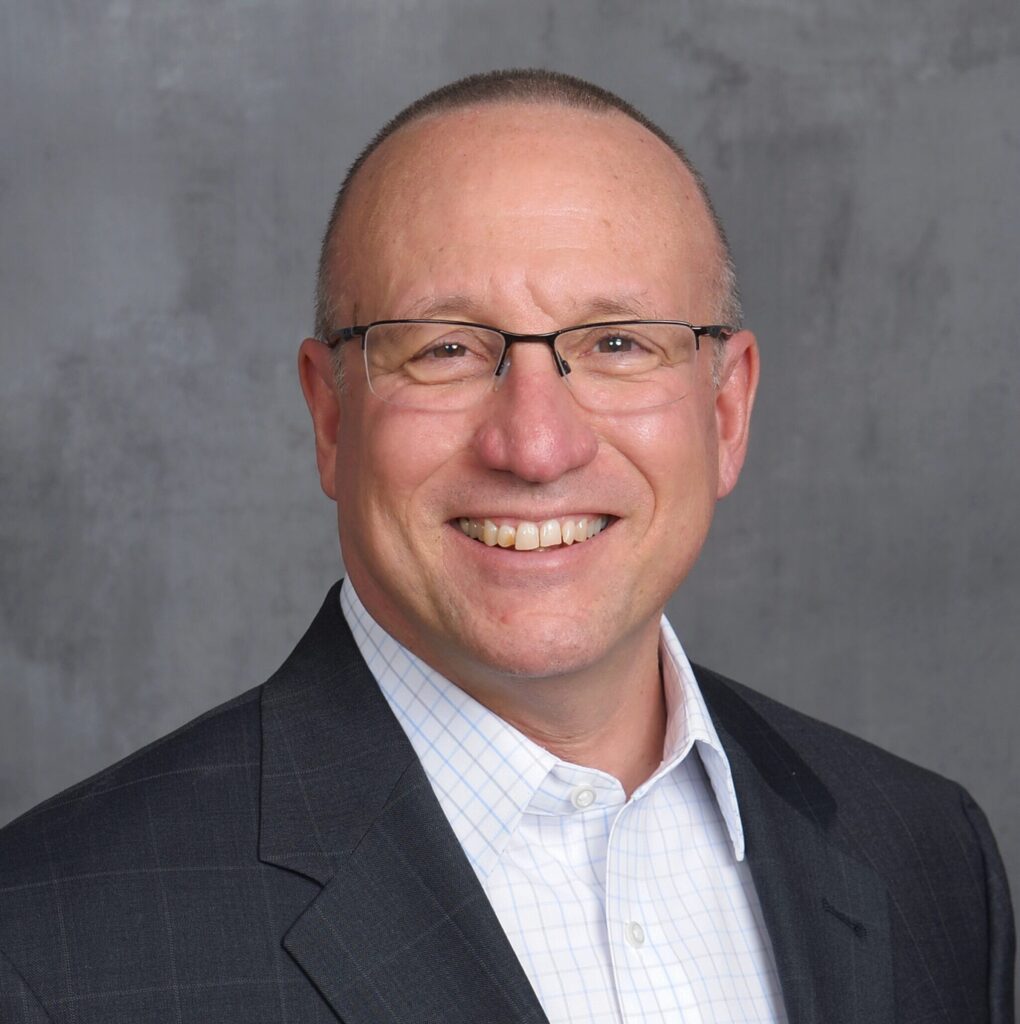
Larry Levine is a seasoned sales professional and the acclaimed author of “Selling in a Post-Trust World” and “Selling From the Heart.” With a career spanning over two decades in the sales industry, Larry has established himself as an expert in building authentic client relationships and ethical sales practices.
His journey in the sales domain has seen him transition from a successful sales representative to a thought leader and coach. Larry’s profound experience in the B2B sales sector, particularly in technology and office solutions, has given him a deep understanding of the challenges and opportunities in modern sales environments. His expertise lies in helping sales professionals foster genuine connections, enhance their emotional intelligence, and build trust with clients in an era where traditional sales techniques are increasingly ineffective.
Larry’s first book, “Selling From the Heart,” reflects his philosophy of bringing sincerity, respect, and honesty back to the sales process. It was hailed for its innovative approach and practical advice. His follow-up, “Selling in a Post-Trust World,” delves deeper into the nuances of building and maintaining trust in a skeptical market, offering insights on how salespeople can thrive by focusing on meaningful relationships and value-driven sales.
As a sought-after speaker and consultant, Larry’s engaging style and deep insights have made him a favorite in sales conferences and workshops. He’s known for his ability to inspire sales teams to achieve their best by embracing authenticity and integrity as their guiding principles.
Larry also co-hosts the Selling From the Heart podcast where he discusses sales strategies and trends, bringing in experts from various sectors. His contributions to sales literature and his commitment to reshaping the sales narrative have made him a respected and influential figure in the sales community.
Regardless of what you're selling, you got to be able to look somebody in the eye, whether that's the virtual eye or face to face, and help them drive revenue and profit, help them become better with whatever it is that you all sell. I got imposter syndrome. I got all everything crawled inside my head of, man, what if I write this book? It bombs and it tarnishes selling from the heart. Now what if you don't have trust and you don't have credibility? Things come to a screeching halt and every salesperson out there is going to get whacked with the price hammer.
How do you bridge that gap and build that trust over time so you eventually get to them?
If you want to see success, you got to be radically disciplined with it. That means you got to do the right things, right? Even if you don't feel like doing them, you got to do them day in and day out.
All the years of operating from a place of discipline to the best of my ability, all the years of relentlessly pursuing a higher level of success in all things I don't know if I've ever believed that it's okay and it's normal for success to be really fricking messy, as I do right now in this moment. Would you say the challenges that we face now as salespeople are greater than they've been before? Or is that just the way everybody's framing because of the whole concept of trust is so hard to come by now?
People have always wanted trust. People have always wanted authenticity. It's the choices that we make.
In this episode, my good friend Larry Levine, author of Selling in a Post Trust World, dives into the critical role of trust, authenticity, and soft skills and sales. He shares the powerful strategies behind transitioning from transactional to transformational sales, emphasizing the importance of building genuine relationships and truly understanding clients needs. We explore the trust formula, a framework for creating meaningful value and cultivating authentic connections that set sales professionals apart in a skeptical world. Larry also highlights the power of continuous learning, networking, and intentional communication for young professionals looking to elevate their confidence and impact. Larry, like all of us here, believes that success in sales comes from a commitment to serving others and contributing to a greater cause, which not only leads to personal fulfillment, but also elevates the entire sales profession.
Larry, thank you so much for joining us again on the Athletics of Business podcast. I can't even begin to tell you how good it is to see you, man.
Oh, dude, it's always good seeing You, Ed, you know, thank you for having me back on. We're gonna have one amazing time, let me tell you.
Well, we are in. The last time you're on episode it was two years ago. A little over two years ago we talked about your books, Selling from the Heart. Phenomenal book, episode 141, rightfully titled selling from the Heart. And today I have to congratulate you on all your success. Not just on Selling from the Heart, not just on the movement that you have absolutely created and watched it grow exponentially. But now book number two, which is so fascinating, selling in a post trust world. Tell me about that.
Oh well, geez, I'm telling you, this has been years in the making. I'm just going to throw it out there. And you and I have had some deep conversations about this. When I wrote Selling from the heart, this was 2018 book come out September 2018, I had no idea if five books would sell, 50 books would sell, 500 books would sell. Heck, I was just putting my heart into a book and it's how I carried my life in the crazy world of sales. And I go, if I'm going to write a book, I want it to be a book that somebody can pick up and read and reread and talk about as opposed to picking up the book halfway through it. They go, why the heck did I even buy this book? And then it gets trashed, right?
They use it to start a fire with. But what I soon realize is the way I write and the way I speak is very conversational in nature and I just speak from my heart. I'm deeply connected to my heart and I wanted to get out into the sales world what I was so passionate about. And that was bringing your authentic self to the forefront. And here we are, you know, it's gosh, six plus years later and this book, Selling from the Heart is still doing just as well six years later as it did when I first released it. But there was something missing. And the missing part of this was, you know, I'm just going to throw it out there. Ed is I got a stone cold glass of water thrown in my face about three years ago.
And this has to do with selling in a post trust world. And my business coach and his business mentor I'd gone out to dinner with, they had sat me down, obviously they sat Darrell down. Darrell, Amy's my podcast partner and you know Ed, and they go, you know what? Selling from the heart's a wonderful thing. It's a feel good type of a conversation. It's a feel good movement you're building. But let me tell you this, you got to be able to look an executive in the eye, a senior leader in the eye and you got to be able to tell them, how do you take all of this stuff called selling from the heart turning into revenue and profit. And I want your listeners to really keen on this.
Regardless of what you're selling, you got to be able to look somebody in the eye, whether that's the virtual eye or face to face, and help them drive revenue and profit, help them become better with whatever it is that you all sell. So in that conversation they asked us, well, what's the overarching theme behind selling from the heart? Well, it helps you build trust and it helps you build credibility. That was three years ago and lo and behold, we just sat down, went to work and go, you know what? Trust is the missing link. There's rampant skepticism out there. People's BS meters are at an all time high right now. Perception of the sales world's not very great and there's the opportunity to do something about it. So I went to work and I just started to come up with what is it?
What is it that we can layer upon selling from the heart that would build upon it, that I can look an executive in the eye and say, this is how you can drive revenue and profit. And thus the trust formula which I break down in selling in a post trust world. But I wanted to come up with something that was catchy, something that would be remembered. And when somebody picks up a book, whether that's a book they're skimming through on wherever they buy fine books online, or if they happen to walk into a brick and mortar bookstore and when they look at the COVID of a book, Selling from the heart was easy. I didn't have to explain to anybody what it was. Selling from the heart, how your authentic self sells you.
But when I came up with the whole foundation in the book of selling in a post trust world, I had to come up with something catchy as the subtitle to drive the point of where we're at in today's business world. And thus the subtitle, discover the soft skills that yield hard dollars. The soft skills, the people skills, the relationship building skills in a world that lacks trust. That's what's going to help executives drive incremental revenue and profit. And thus this is, that's the short version, it's the reader's digest version, ed of everything. But that's really how selling In a post trust world came to be, was.
It easy to write?
No. No. And so I laughed because I knew the answer, right? No. You will see, you tell me the.
Answer you alluded to. If you allude to things, Larry, I pick up on them. But it wasn't. So tell me, why wasn't it easy to write? Because you lived it every day. I mean, you felt it every day, you had the conversations every day. But you really do need to find a way to articulate and put it down on paper the right way, right?
You know? Absolutely. And I gotta go back because when I wrote Selling from the Heart again, I had no idea what I was doing. I just wanted to get my heart and put it out in a book. It took me from start to finish November of 2017 till May of 2018 to write. Selling from the Heart book was published in September 2018. Then when I decided it was time to write Selling in a post trust world, it took me two and a half years to write this book and I shelved the book completely for a year. I got halfway through writing the book, I got cold feet, I got imposter syndrome. Everything crawled inside my head of, man, what if I write this book, it bombs and it tarnishes. Selling from the heart now what?
Never thought of that.
And literally I put this book on pause, chucked it away, never even thought about it, never thought about it until were starting to coach and train corporations and their salespeople on the foundations that were in that book. And we started to have success with it. And it lit my fire like none other, going, I gotta get this book out now. And I picked the book back up, made a commitment to myself, made a commitment to Daryl Amy, who's my podcast partner, and I said, I'll get this book done. And I set aside every Wednesday, went to my favorite Starbucks, sat in the back corner where nobody would bug me. And I knocked the rest of the book out and finished the book. And obviously it came out in August of 24, but I'm really proud of the book for one simple reason.
It really expands upon Selling from the Heart, but it brings to the forefront a massive freaking issue in the business world today. If you don't have trust and you don't have credibility, things come to a screeching halt and every salesperson out there is going to get whacked with the price hammer. They're going to find themselves replaceable and they're going to find themselves going, what do I do next? And in selling in a post trust world, I drive a really hard message. And that's one of the things, you know, when I decided to pick the book back up again, it had to have some exclamation points in it that, hey, you know what? This is a serious issue out there. And as an executive or as a senior leader, you got to be coaching. You got to be holding your people accountable.
And one of my favorite sayings, Ed, is you got to have the iron fist, velvet glove. You got to drive a stern message, but with loving care that, hey, your salespeople, if you want them to drive revenue and profit, you got to coach them on people skills and relationship building skills in a world that does not trust salespeople. And so when I picked it back up and I just motored through it once I got the excitement back in writing this book. And I will tell you this, I've told people, be prepared, because this book packs a punch, but it's transformative. It's transformative that if you read this book and you apply the trust formula, I promise you this, it will transform your sales career, but it'll revolutionize your personal career.
I love that. The trust formula. What are the different components of the trust formula?
It was really interesting as were starting to put this book together, and I was coach to this, and my business coach, who has got a prominent feat part in the book, he goes, you know something, because he was on the security team with Tony Robbins and he got to travel around the world with Tony Robbins. And Tony would always say, people remember things. Now I'm giving you the short version of this, Ed. This is the doctoral psychology version of this. He said, people remember things in equations. It's just simple equations can't overcomplicate this. So they go, well, you know, if selling from the heart's the foundation, then how will somebody build trust? And me and my team just went to work and we broke down the whole four foundations in the trust formula, and now we coach to it with monumental layers of success.
And it's quite simple, is how do you build authentic relationships? And how do you combine that with meaningful value? Those are what we call two sides of the trust coin. And I break it down in the book. And the authentic relationships part of this, it's who you know. And here's my challenge to everybody in the sales and the business world. What do you really know about the people that you're doing business with? Not only what do you know about them, what do they know about you?
Right. Like how much?
Right. What's driving these people? What Are their goals, inspirations, aspirations? What are their initiatives? What are their challenges? What do we want to become better at? And then you gotta combine this with meaningful value. That's business substance, business goods. By the way, this is what most salespeople struggle with. Most salespeople get struggle with bringing business substance to the table.
And why is that? Are they, is it not innate? Obviously, but are they not trained on it? Does someone not sit them and get them emotionally attached to the joy that it brings and the outcomes that it drives? I mean, where do we fall short with salespeople understanding the significance of that?
Oh, boy. So I, I'm gonna chuck the, I'm gonna throw the hammer down on this one. Sales training, my friends, is not product training. I'll repeat that one. Sales training is not product training. There's a lot of smart salespeople out there. There's a lot of salespeople struggling to have a business conversation with senior level leaders, with key executives. And I, and I write about it in Selling in a post trust world ad. This is where business conversational skills, business acumen must be coached to. You got to be able to have a clear conversation with a senior level leader on what drives their business. What are the outcomes? How does what you do affect their P and L statement? Do you even know what a P and L statement is? And this is a conundrum I see with a lot of salespeople today.
And because they understand the perception of the sales world's not very high and rightfully so. Sales leaders, salespeople have done it to themselves. So what happens is salespeople lean into the likability and they lean into the friendship factor too much. And when you don't bring any business goods to the table, when you can't marry these together, salespeople got a lot of friends and they got an inconsistent sales funnel and they find themselves soon broke. So you gotta be able to understand how to build a congruent, genuine, authentic relationship. And you gotta combine this with business smarts, which means you gotta become educated, which means you gotta constantly be learning. You gotta learn about these businesses. You gotta learn about Business101, you gotta listen to business podcasts, you gotta read business books.
You gotta sit down with the decision makers in your client's office and you just gotta. Maybe it cost you some lunch and it cost you some cups of coffee. Maybe you sit down with them and say, tell me how your business works. Be vulnerable, be open. I say this in selling in A postdress world. You can literally earn a PhD from your clients business if you just sat down and just asked them questions. What drives your business? What outcomes are you looking to achieve? When you sit down and you're in your monthly, you know, financial meetings, what are the things that y' all are talking about? What are you looking for? These are the things salespeople struggle with. And if they can really wrap their arms around this, watch what happens.
What if you're in an industry where the client, so to speak, right, not maybe not the end use, but the client. For instance, we here at the Molitor Group have mentioned the biopharma, biotech, life science space. It's a hard sell. Depending on what your treatment is, your drug is, whatever it is, sometimes the person on the other side of the relationship is really hard to crack. It's really hard to grab time with. It's really hard to have these authentic, genuine, right, congruent conversations, so to speak. How do you do that? Like how do you bridge that gap and build that trust over time so you eventually get to them?
These are first couple things that comes to the top of my head Ed is first thing is if they're on social, this is the impact of social and this is how I would be using it if I was in that environment that you just described. Now some of these companies may or may not be active on social. Some of these people may or may not be active on social. But what I want to play to are the ones that are. I could pay attention to what their company's producing, I can pay attention to what they're producing and I can insert my voice into this. Now if you come back to me and say, well, these are industries where some of these key decision makers may not be that active on social. This is where bringing business insights and smarts comes in.
I can go old school. Allow me to go old school on this to prove this point on how this could play out. If I want to bring b business smarts, I got to become educated about them and their business. Why can't you as a salesperson, easy to find their email addresses this day. Why can't I drop them in email format some consistent nuggets of insight or some ideas to help them become better? Why can't I insert some ideas and insight that shares with them? I know something about their business. Why can't I mail them something, an article, a journal, a book, something like that shows I understand their business? I'm here to help you get what I'm Saying, absolutely. And then I pick up the phone and I try to get five minutes of them with their time. I always say this.
The stories in our head become the stories of our lives. We tell ourselves why we can't crack into a counter, why we can't get five or ten minutes with somebody. Everybody's busy. Everybody's busy when I reach out and I got to grow my business, just like salespeople got to grow their business. Ed, the way you be remembered is excite them, educate them, try to engage with them, give them some nuggets, share with them that you know something about their business, that you're helping people just like them and be consistent and be disciplined with it.
Yeah. And how significant is the consistency piece in selling in a post trust world? Right. So you validate the fact that you are authentic. The fact. Did you validate the fact that you are being sincere and being genuine, are trying to do the best thing for them in your sales role?
I always say this in an inconsistent world. Consistency's king and queen. It really is.
Right?
And you already know this. I'm preaching the choir when I say this to you, Ed. Just because. Based on. Because I know your background is everyone's looking for the silver bullet, the quick tip, the hack. Get me from where I'm at right now, which is not at quota, give me this silver bullet. What's the fastest way I can implement all of this stuff? To overachieve. That's the dopamine rush. That's going to last for a little bit of time. If you want to see success, you got to be radically disciplined with it. That means you got to do the right things, right? Even if you don't feel like doing them, you got to do them day in and day out. I learned this decades ago, right? I'm knocking on 60. I learned this in my 20s. I may not be the smartest dude out there.
There's people way freaking smarter than me. But when it comes to consistency and discipline and doing the right activity, right, on a daily basis, that's where I shine. That's literally where I shine. You know, you got a sports background and I'm a professional sports guy. You and I talk shop around this all the time. Show me a professional athlete that's not consistent and disciplined.
You know what I always like to say to my kids, and I say it half jokingly and they're so sick of hearing it from me, but when they say, yeah, you know what? I'm not in the mood to do that today. And I'll literally, I'll say, oh, is that what Steph says when he gets up to the podium, you know, after winning an NBA championship or an MVP award? Says, you know what? I am the single greatest shooter in the game of basketball. Because you know what? I only did things when I feel like it. Yeah, I only did things when they are convenient. I only pursued things with interest, not. Not with conviction. No, it's pretty simple. Yet for some reason we're in a society today of. And I am not talking about everyone, I am not talking about certain generations, it's.
It's cross generational with some of the habits and characteristics we see. But we do live in a society where I'm going to compare my greatest strengths versus your biggest flaws. And I feel like I'm entitled to things just because I showed up or just because I should or just because I, you know, sort of tried. But there's that mess. There's a. And I don't know if I shared this story with you. Last year when I was competing in my first half Ironman, I was about halfway through the bike, I was a mile 32, and I started laughing out loud to myself. And old boy on the bike next to me thought I was out of my mind. I started laughing and in my head I was saying myself.
All the years of operating from a place of discipline to the best of my ability, all the years of relentlessly pursuing a higher level of success in all things I don't know if I've ever believed that it's okay. And it's normal for success to be really freaking messy as I do right now in this moment, as I get like, you know, my Jew get gel, the energy gel, like dripping down my face, sticky on my hands. I dropped my water bottle, I need the next water station. And I'm just having a good time, you know. But you realize like all the struggle, all the miles, all the sleepless nights, all the days of not sleeping in when you wish you could, you know, your success is a culmination of all those struggles.
And for some reason we feel like we're entitled for the people on the other end of the relationship to trust us. We don't understand or we struggle to grasp the concept that trust needs to be earned.
It does. And here's what's interesting about this. Trust is built from the very first interaction you have with somebody. That's keying on this for a moment. Trust is built in the very first interaction. I'm a big. Whether people Want to believe me or not? That's fine. Perception is reality. And here's where I'm going with this. I want us to think through this for a moment. You're in a, you're in a group of friends. You're having a good old time with a bunch of your friends. By the way, what I'm going to say plays out in this, in the business world, hands down, you're out with a group of friends. You're in, you know, you're having a good old time and one of your buddies pulls you in and says, hey, Ed, I want you to meet my buddy Joe. Joe, meet Ed.
Ed, meet Joe. And you start having some small talk with this person. As you're listening to this person, there's these little things going off inside your head. Who is this guy? What he's all about? Why did my buddy want me to meet Joe? Is Joe trustworthy? And again, I'm keeping this simple. But Ed, these are things that are firing in the back of our heads. So when you as a salesperson are making a reach out, first time reach out, or you happen to be in a room full of people and they introduce you to key decision makers and all this, these are the things that are rolling through someone's head. Are they listening to me? Are they paying attention to me? Do they value me? Is this person trustworthy? What's this person want? Does this person have my best interests at heart?
These are all things that are going rapid fire. And this is why, you know, trust is so paramount in the world today. And I don't over complicate trust building, right? I'm going to tell you this. The one thing you're never going to get from Larry Levine is a college thesis doctoral report on trust. But what I am going to give you is this is through the lens of a practitioner. I practice what I preach. Just as you all got to build your business, I got to build mine. And I've built this business selling from the heart through my books, through the way my, me and my team carries ourselves, and through the trust formula. Trust formula is simple. We talked about, you know, the two legs of it, building authentic relationships and bringing meaningful value.
The fun part of this, if you want the accelerant thrown on this, you got to bring inspirational experiences to the forefront. This is how you show up, right? Hey, executives, sales leaders, sales managers, whatever title you want to call yourself, you're responsible for how you show up in the world today. It's not your company's responsibility, it's yours. It's how you show up every day.
Yeah.
Are you showing up congruent? Are you showing up incongruent? Are you pretending? Are you for real? Are you being relevant? Are you being relatable? What are you doing when you show up? Are you educating and engaging or are you just spewing a bunch of product stuff and transactional speak, which is replaceable?
And let's not sugarcoat it, Larry. I mean, let's call it what it is. Trust is a competitive advantage. I'm sure you've seen the Simon Sinek video about this, the Navy SEAL study and trust versus skill. Yeah, I trust you with my life, but do I trust you with my money and my wife? Right. And they will forgive your lack of knowledge or your shortness in skill if you have an elevated level of trust with them, if you've earned that trust. Absolutely. Opens up doors and puts more opportunities on the table for you than being someone who's just really freaking good skill wise at what they do.
It's so interesting. This is Lights My Fire, Ed. I love sitting in a room full of salespeople and sales leaders. And I ask them, what do you want to be known as? What do you want to be known for? What words would you like, people use to describe you? And we have fun with it, right? We literally have fun with it. Then I go, what words would you use? Right? Let's just throw the hats on of decision makers. You gotta, y' all gotta take your hats off now. Let's have some fun with this. What words would you use to describe salespeople? And the whole. Right, we have fun with it. I mean, you can imagine the words that come out a lot more negative and a lot more funny than serious and all that. And y' all can get where I'm going with this.
So then I said, well, if you want to be known as being authentic, genuine, compassionate, caring, trustworthy, then what are you doing about it? Your walk's got to match your talk, not just one time, but it's got to be done consistently over time. It's not just a one time thing. That's where they can smell fakeness and insincerity a mile away, right? They can smell over niceness, they can smell over authentic, they can smell over caring.
And don't think for a second in a post trust world that they're not actually looking for it, right? They're waiting for the. They're kind of watching for the red flag, waiting for the moment. And when you consistently squash it over time, that's when you build that trust.
I promise you this. This is racing through people's heads. Ed, I'm going to use you just as an example because you and I are having this conversation together. This isn't you personal, but this would just be like, I'm a key decision maker and Ed, you're the salesperson. And. Right. This is what's flashing through my head. This Ed Molitor guy, great guy, he's saying all the right things, but. But. And then. But right salesperson. But I know he's not going to return my email when he says he is. I know he's probably not going to return my phone call in a timely manner. I know when he says he's going to get back to me on Friday, it'll probably be Tuesday before I hear from him again. People, this is real deal stuff. This is real deal stuff. Do what you say you're gonna do.
If I'm in a conversation and I say I will get back to you by the end of today. If I say you're gonna have something by Tuesday at noon, you get it Tuesday morning.
And if you don't think you can get back to them by the end today, don't say it.
There's a flip side to this because poo happens. Let's just face it. Poo poo happens. But that's where you gotta then pick up the phone or send an email and said, you know what? Based on our last conversation, I know I promised you that I would get this to you by Tuesday at noon. These are a couple things that happen. Would you allow me grace and get this to you by the end of the day or first thing in the morning? Mark my word, if you just say, would you allow me some grace? This is what happened. Thank you. I appreciate you. Understanding that goes a long way. This is why y' all got to be careful with the words you use and the messaging that you use. And a lot of sales people write their yes people.
They don't want to let people down. They want their yes to everything, but they don't think of the ramifications behind it. When you all say yes to everything, just sit down and say, you know what? When can I get this to you? When would you like to have this? Is it okay if I get this to you by this date at this time? And if not, let's talk about it.
Are people afraid to lose the opportunity for asking for a little bit of grace? Right.
Yeah.
What Is it?
I think you just nailed it. I really think you just nailed it. I think it goes back. It's even deeper than this. See, when, and this is what I unpack. If y' all choose to read selling in a post trust world, I, I unpack. This is when you as a seller, when you lack confidence in yourself, when you lack believability in yourself, when you have low self worth, this all plays in your head. And what happens is when you're in situations like we're sharing, which by the way happens on a daily basis, and if it hasn't happened to you're not in enough sales situations, mark my word, you got to be able to sit down with confidence, with clarity, with conviction, and be able to have tough conversations. Business conversations, health.
I could call these healthy conversations with someone, but what happens is we just ease out of them by saying, hey, yeah, I can do that. No big deal, right? Hey, can you get this to me by tomorrow at 5:00'? Clock? Oh, sure, absolutely. What that shows is you got nothing going on, pal. I hate to say this, but when the funnels are weak, watch what happens a lot. They just grasp straws for everything. That person's just as busy as you are. But let's just come together with some agreement on some of this stuff and just have a conversation. This goes back to business conversation. There's not a lot of people that are being coached on how to have a healthy, assertive business conversation with an executive. That's why a lot of salespeople struggle to swim upstream and talk to executives.
That's why most salespeople are dealing with mid to lower level managers or get stuck in procurement. They're not bringing any business value to the forefront. They're not having confident conversations.
So what could they do differently and have those confident conversations? What can they do to prepare for those?
Practice, practice those. And what I mean by that is I'm a massive believer. I mean, obviously I'm preaching to the choir on this one. When it comes to practice, the way you become better at having these conversations is practice. You got to put yourself in these types of conversations and guess what? You're going to get bumps and bruises along the way, let me tell you.
Well, it's funny because we talk often about, you know, seek out counsel, right? Go ask the best, how they got to be the best. But one of the things we need to talk more about is, that's great, it's cool. But now go apply that knowledge, Go apply that mentorship. Go take Some swings and strike out, miss and fall down and pick yourself up and dust off 100%. Feel what that failure is like and learn from it.
No, I totally agree. And here's something, I'll throw this out. I'd be curious your thoughts on this one. How about this? When I go back to pra, I want to go back to practice for a second. I want you to think of like all the sellers that are out there, a vast majority. You have clients or customers, however you want to refer to them. How about if you sat down with some of your customers and again, this might cause you a lunch, this might cause you a cup of coffee, this might cost you, I don't know, gift certificate to wherever. How about if you sat down with a financial decision maker key executive and I'll use the air quotes, pick their brains.
Or you sat down and you said had a conversation and the conversation something around, you know, hey, I was just wondering if you could help me out on this. You know, I'm calling on other people just like you. What would cause you to interact with somebody like me? What would you want to see? What would I need to say? Walk me through this. This takes vulnerability, Ed. But these are the things, right? I always said if you want to achieve the results that no one's achieving, you got to be willing to do the things that no one's doing.
When you fail to practice, when you fail to build your confidence, when you fail to build your believability, when you fail to build your self worth, when you fail to do the things necessary to become a sales professional, you just waller in mediocrity and there's a lot of mediocre salespeople out there. But if you want to become the sales professional, you gotta do the things that professionals do. They put themselves in massively uncomfortable positions to become better. If I look back at my youth, if I look back at my 20s and even into my early 30s, I was freaking petrified to talk to senior level executives and leaders. That's why I always got caught with office managers and procurement and things like that. Because that's where I thought my value was at.
What did it take putting myself in massively uncomfortable positions to become better? Now I geek out, I freaking geek out. Talking to CEOs and executives and having business conversation people. That's what's going to move the needle in the sales world. Your sales results are inconsistent because you're inconsistently practicing, you're inconsistently learning and you're inconsistently talking to the people that can actually make decisions that can affect your life.
That's where I thought my value was at. Well, how do we increase our value? You increase your value by getting reps, by practicing, by doing things that are going to build your self confidence. Right. And by putting yourself out there, putting yourself in those moments. So as we. Would you say inside the book selling in a post trust world, Would you say the challenges that we face now as salespeople are greater than they've been before? Or is that just the way everybody's framing it because of the whole concept of trust is so hard to come by now?
There's a lot more avenues today than there was decades ago. I think trust has always been placed up on the business table. Go back to the 30s and the 40s and the 50s and the 60s and every decade since. Trust has always been there. It's just that we've broken it because of all the sales crapola that sales people and sales leaders do when they place numbers over people and commissions over people and things like that and they walk around with transactional mindsets and so forth. I, I, I'm here to tell you this. People are going to poke holes at me and throw things at me. Ed, salespeople and sales leaders have created the issues that are in the world today when it comes to how people perceive salespeople. People have always wanted trust. People have always wanted authenticity. It's the choices that we make.
What if I'm a sales leader and I've been a sales leader for years and I'm talking decades, okay. And I've experienced and realized a tremendous amount of sex transaction success transactionally. Right? Like the numbers don't lie. I've made a lot of people a lot of money. I don't know that I can change now. Why would I change now? What do you say to those people?
You bring up a great point, Ed. And God bless all those businesses. There's a lot of them that are out there that have built massive businesses based on transactional approaches to things. And by the way, what I'm sharing is not for everybody. But I'm not here to say stop the transactional game. Stop. You know, you got to get off that train track and you got to go on the transformational train track and all that. But I will tell you this. What happens if you stayed the course of where you're at, but you implemented some of the trust formula? What if you stayed on the transactional train but you coached your people on people skills and relationship building skills in conjunction with all the fine things are already doing.
And then ask yourself, if I do this, can i2x or can i3x my revenue and profits? I'll submit to you. You can. Not all. I'm going to tell you this, not all, but a vast majority of transactional approaches are replaceable. There's always going to be somebody with better transactional speak, better transactional positioning. But if you want to create what I call sales sustainability, then ask yourself as a leader, what tweaks can I make to move from a transactional to a transformational approach? Here's how I know you can do it. Here's how I know this can be done. I'm going to use the Chick Fil a model as an example, right? Walk in any fast food, right? Fast food's highly transactional, right? You walk up, you order, you're gone. Walk into a Chick Fil A and tell me how you're greeted.
They've taken a transactional approach and transformed the outcome. I'll give you one better. This is another thing. My favorite place is Starbucks. Hate them or love them? I love going to Starbucks. I contribute to their 401k plans mightily. I've been going to the same Starbucks in my neighborhood for 20 some odd years straight. Highly transactional. However, they got a manager in there right now who's highly relational, who's bringing relational and caring to the forefront like none other. And transfer. I've watched it. I've watched that store. And I've. And I, because I ask him, hey, how are sales? It's bringing a transformational approach to a transactional environment by simply showing that you care, paying attention, getting to know people, what makes them tick, why do they keep coming back?
These are small little things that you can do that can actually move the needle from transactional to transformational if you want it. If not, stay on the transactional train track.
Now I'm gonna completely shift gears on you, Larry, all right? And I'm gonna go to the person coming out of college or two or three years removed from grad school, and they're jumping into a sales position with a new organization. It's kind of. They've had their eye on. It's almost a dream organization for them to work for. And they want to set the world on fire, right? They, they want to just completely set the world on fire, make a ton of money. What would be the advice you give to them starting off in the sales world? Like, what will this book, what will both your books bring to them that they should grasp and hold on to more than any other concept to help develop the relationships that are going to drive the outcomes that they want.
Oh, I love it.
Thank you. Transformationally.
Oh, I love it. Thank you for asking. What I'm going to share. I wish was taught to me in my 20s. I didn't learn this till my.
There's a lot I wish was taught to me. Or maybe it was taught I just. The student didn't show up that day.
No, no.
It's very possible. Okay. Very.
Oh, dude. Oh, dude. Oh, wow. But what I'm going to share. This plays out. Here's how I know this plays out. Can I answer your question with a story?
Yes, please.
So I am coaching and mentoring one of my son's closest friends.
Love it.
My youngest is 30. My son's good buddy. Same age, 30, transitioned careers. Check this out. But this is going to answer your question. Went from being a school teacher to a financial planner. Go figure that one. Okay. There's a whole backstory to this one, Ed. I remember a year ago, and this is going to answer your question. This person sat down with me and said, larry, I'm new into being a financial planner. I listen to your podcast. Help me out, help me understand all of what do I need to do to succeed. My manager's hammering me on KPIs, dials, appointments, right? Old school KPIs. How many phone calls are you making? Right? How many dials are you making? How many emails are you sending out and all that? And I said, listen, here's what I want you to do.
And this is to the young person that's coming out of college. You got to start doing this today. You got to build a network. You got to build a network of friends and family. You got to find the influential people in your marketplace. And I write about this in selling in a post trust world, you got to find the movers and shakers in your community. Community in your marketplace, you got to put yourself in proximity to people who have power. And I write about that. And selling in a post trust world, you gotta find the people in your community that have prominent positions that are influential. And you gotta get to know them. You gotta build authentic relationships. You gotta connect to these people. That's what I told my son's friend. Fast forward a year from now.
He's in my Kiwanis club in the city that I live in. He's massively active. He's met the mayor, he's met city officials, he's going to networking events, he's running A committee for us at the chamber of commerce. He's getting out and he's getting to know people. Guess what? He's over exceeding his numbers as a 30 year old starting off in this business. He's only been in it a year. Plus. Your networks, your net worth. If there's anything I can tell young salespeople today, your networks, your net worth. You gotta understand, and there's not very many people that are coaching people today on how to do this is you gotta start building connections every single day. You gotta build a network, you gotta nurture, you gotta grow, you gotta facilitate it, you gotta fertilize it, you gotta invest in your networks.
And I write about in selling in a post trust world, it's like your 401ks. If you invest no money, you can't collect on any of this. If I don't invest in my network and network building and connections, I can never collect on it. If I can't isolate who are the prominent people, influential people in my marketplace, then what? I remember this because this was told to me three years ago when I got the cold glass of water thrown in my face. Larry, you gotta find the people who got power. You gotta find who they are, where they hang out, what associations they hang out, what shows they go to and all that. You got to get to know these people and you got to put yourself in proximity to people have power. Why?
Because with one phone call, one email, one social touch, they get you the fast pass to the front of the line with trust. That's what I tell young people today.
I would take this even a step further for thinking internally right in your specific industry. Again, I have my clients in mind. But your network is your net worth. Put yourself in proximity to people of power, inside of your organization, inside of your role, inside of your industry associations. Be intentional about it. Don't wait for someone to say to you, hey you know what? Have you thought about doing this? We all know the things that we need to do, now go do them.
No 100%, I mean, I'll throw another one out at you. And you can do this even as a youngster, it doesn't really matter is go to the businesses that are already working with you. Even if you haven't, you've never sold a licked any of them. The place that you work at has got customers. Why don't you just ask your manager for a list of your 10 best customers? Because you want to get to know them. You want to get to know their goals, what are they working on? You want to know something about their business, but guess what? They got people inside these businesses. Why don't you find the movers and shakers in those? Get to know these people. You may have never sold them anything. You may never even sold them anything.
Because they're assigned to somebody else doesn't mean you can't connect to these people. They know other people. I think I literally think the fastest way to grow your business is you gotta double down. This goes back to consistency and discipline. You gotta consistently connect to people every single day. You gotta nurture your network every single day. You gotta drive conversations every single day.
Before we wrap this up, I have to ask you, before I ask you the last question. Where can people find selling from the heart? Where can they find selling in a post trust world? And where can they get your podcast, Darrell, and your podcast? And where can they find out more about the amazing Larry Levine?
Oh, thanks for asking. They can just go to Selling from the heart dot net.
Awesome.
You can find everything you want to find out and then more. If you want to find out anything about my new book, just go selling in a post trust world.com. You can find our podcast on any podcasting platform, including our wonderful looking faces, our hair and makeup. It's Selling from the Heart is freaking amazing, ed. We're on YouTube now and let me tell you,
I think we need to get there.
Don't, dude, don't even get me started. God.
Give Daryl my best. And this is my last question. This is what, one of the things I love about you guys. How much fun are you having? Like when you do these things and you operate and you think about. And let me rephrase the question. How much fun and joy does it bring when people in sales focus on selling from the heart as well as the principles and the tactics inside of the book? Selling in a post trust world, how does that bring more joy? We all love seeing numbers, right? Like, I'm not gonna lie, when I wake up on a Monday morning and see, you know, we checked everything and the numbers are good. You feel a little bit. Yeah, a little bit of you're fired up, right, that positive energy. But finding joy in the process with the tools that you provide.
Can you talk about that?
Yeah. First of all, I believe success happens when I contribute to a greater cause. That's what lights my fire. That's what I geek out on. It's my big commitment to elevate the sales profession. What brings me joy and actually makes me cry sometimes literally. Is when I see salespeople that I'm coaching who take our coaching, they implement this out in the field. They come back and tell me, you know what? I sat down with this person, I asked them these questions, and the first thing that came out of their mouth is, no one's ever asked me this question before. You know what that does to a salesperson? They go, wow, this is what it's meant to me. There's not a day that goes by Ed, that somebody.
And I'm not saying this in a braggadocious manner because I checked my ego out at the door a long time ago. And I don't brag, I don't. It just blows my mind, the messages that I get back. But I'm a giver. I give and I give, and I pour my heart out when I coach to my clients. Nothing lights my fire more than salespeople coming back to me, and say, you know what? I took this, I implemented out in the field, and this is what happened. Well, how'd that make you feel? And you see their eyes light up and you see them smile, you see their body language just start, stand. You know, they're sitting up a little bit straighter, Whether they be in their car, at their chair, at their home office or their office. What did that conversation mean to you?
And then they just go on a. You know, they just go on a roll. This is the people skills and relationship building skills that are sorely lacking that I coach to. This is what gets salespeople's juices flowing, is when they can sit down with key executives with confidence, ask them very assertive, pointed, outcome driven questions. When they get answers they've never heard before, that lights their fire. They become passionate. They get the charge, they get the recharge and go, you know, I can do this. And they go out and do it again. They go and do it again. They go out and do it again. They go out and do it again.
It's where all the magic happens.
Yep.
Now, Larry, I can't thank you enough. We could talk for hours. I appreciate you. I appreciate all the work that you're doing. I mean, come back and join us anytime. We got to get you and Daryl on together. We could have a few laughs.
Oh, we'd have more than a few laughs.
Yeah.
But you know what? I really appreciate you. Thank you for having me on. Thank you for entrusting me with your audience. This is awesome.
Are you kidding me? It was long overdue and from my heart. No pun intended. But from my heart. Congratulations on all the success. I can honestly say the business world is a better place because of people like you being in it. And I think books like yours and approaches like yours, it gives certain people in the sales industry permission to really be themselves, too. Right. And that's what's really super cool.
Amen. 100% on that one, Ed.
All right, thanks, Larry. We'll talk again soon.
Take care. Bye. Bye. Thank you for listening to the athletics of business. Be sure to give us a rating and review so we know how we're doing. For more information about the show, visit theathleticsofbusiness.com now get out there. Think, act and execute at the highest level to unleash your greatness.