
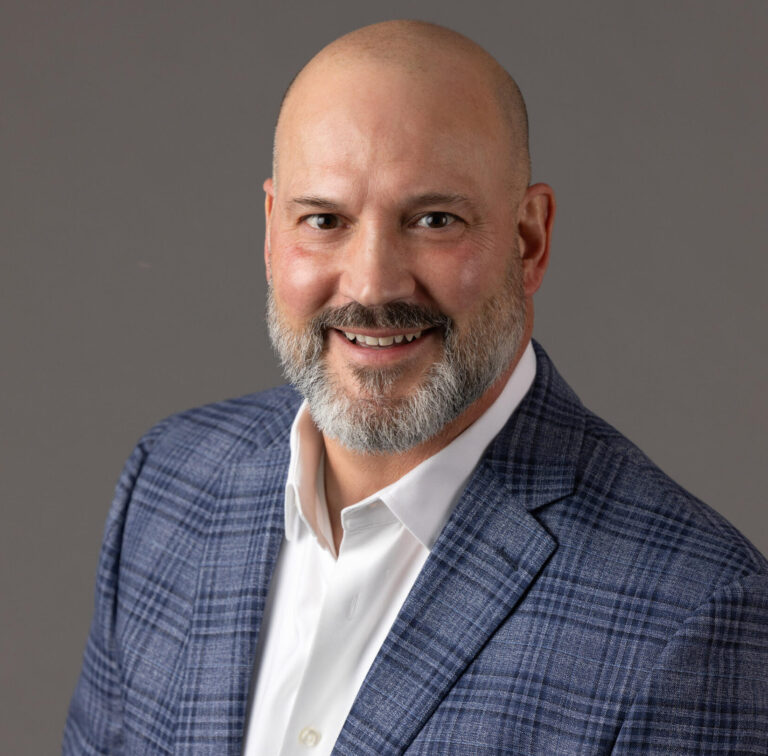
Jon Denny has been a National Executive Sales and Marketing Recruiter for over 24 years in the Pharmaceutical, Biotech, Medical Devices, and Medical Diagnostics Industries with leading national recruitment firm, Buckman Enochs Coss & Associates (BEC Search).
Established in 1979, BEC Search specializes in helping the best Healthcare and Life Science companies find the best people for every level of their organization, Commercial, Med Affairs, Sales, and Marketing Executives – for Projects and Retained.
They have partnered with leading companies such as Allergan/Abbvie, Biodesix, Amgen, Apellis, Cardinal Health, Dompe, Genentech, Lantheus, Shionogi, Inc., Supernus Pharmaceuticals, Takeda, Travere Therapeutics, Vertos Medical, and many others.
Before joining BEC, Jon spent over two years in Accounting and Finance Recruitment for a leading staffing firm and 4 years in College/University Recruitment.
In the last two decades, Jon has helped countless individuals in healthcare sales, marketing, and clinical roles find employment opportunities that have been life-changing and he has several current clients he helped early on in their careers.
Jon attributes his transformative approach to a unique blend of business acumen, strong work ethic, empathy, and ability to connect with individuals. These traits find their roots in his competitive collegiate athletic background, where he played football for four years at his alma mater, Ohio Northern University.
It.
There he is. So what's? Can you hear me? Here we go. Can you hear me now? Can you hear me? Let's see here. I got you can about now you there? I can't hear you either.
Can you hear me now?
I should be fine. You know what? Hold on a second. Wait. Hold on.
You got it?
I can hear you. Can you hear me?
Yes. We're good. Technology.
We do thousands of these, and it's really simple. And then every three weeks we get cleaning ladies, right? Tornado sirens go off, and it's always the first Tuesday. I don't know why it's today. It's first Tuesday of the month, right? So I have vacuums going, a shower running in the bathroom right outside my office. And all of a sudden, the siren goes off and it's 10:00. I'm like and I text my wife. I go, really? This is unbelievable. It's Murphy's love, right?
Blame it on the cleaning ladies.
I love it. It's hilarious. The saving grace, though, is my wife took the dog to, like, a kennel for kind of a play day. So otherwise, with all this, she'd be holling in unison with that, she'd be barking. That would be purely chaotic.
Oh, I love it. What type of dog do you have? What kind of dog?
He's a lab.
Yeah, we've got two dogs. We have a Labradoodle, molly, who's nine. And then I have a rescue, Maddie, M-A-T-T-Y who is a I think he's 100 pounds, 100 pound. Golden doodle.
Golden doodle. That's a big golden doodle, boy.
Big dog. Yeah.
I think we want to get a Labradoodle or a golden doodle. At some point, my wife will lose her mind. So I stepped in it the other night, like with the kids, right? So at one point, our last dog, unexpectedly, we knew she had cancer, died unexpectedly. Kids were really young. For some reason, they were scarred. Like scarred. And we got Bailey. And Bailey ran away the other night. She got through the electric fence at like, 10:00 at night. And she never does it, but we have all these coyotes. So she was chasing a coyote, and.
She said, screw it, right?
So the kids start freaking out, and they don't cry. They're bawling. I'm like, really? It's 10:00. It's past my old man's bedtime here. So my wife just flies out, and we go that way. There's a lot of property out that way. She goes flying out that way. So I do what any man does. I get in my truck.
Oh, yeah, you're like, I'm going to.
Get in my truck. Yeah, kids get in the truck with me. I go to where I think she might come out in the other side, another neighborhood, do all this stuff. Long story short, the dog comes back, which I knew she would. She was playing with another Lab two doors down. Well, my son goes to me, we're going back I go, guys, this is so weird. I go, I just had a picture of Elsie up on my timeline. I don't think I really realized how much I missed her. I go, I just wish Elsie and Bailey could have met EJ. The ever wise nine year old goes, daddy, that's exactly why we need another dog, because I don't want you to have to say for another dog that you regret. Bailey didn't get to meet our next dog, so let's have another dog.
I stepped right in it, John.
It was like, now you have another dog coming.
I love it, but it's good. So how are you doing today? Good.
Doing great. It was neat. I had a breakfast with a leader, a VP of sales device guy that I've known for years. It's funny, I knew him, ed as a entry into the industry, out of business to business sales, and he did yellow book advertising sales, which back in the day, that was like hitting the bricks and you knock on doors and get anybody to sign up because that's how it was done. We didn't have deep internet yet and all that good stuff, but it was really neat. So I'm going to send him your so.
Oh, that'd be wonderful. Who's he with now?
Yeah, so he's a guy. His name is Sean Rogers, and he's with a company called SHL healthcare. And you get a kick out of it because it's an ECG, so it's a heart type of monitor, but it has twelve leads, and he's a pretty fit guy. We were talking about that, but he got asked to come over. But he's been with organizations that have been medtronic. He's been with con med surgical. He's been with Echosins was where he was about seven years, which is a FibroScan device for liver disease. So he's been really on the forefront of device leadership. And Sean's a little younger. He's probably mid 40s, just a great guy. And he reached out we wanted to reconnect and had coffee this morning, and it was a great start.
And it's neat to hear from different people, too, just what they're doing and what's out there and so forth, and reconnecting in the device.
Is he a Columbus guy?
Yes, he grew up in Columbus and he did play sports. So his background, I think he played soccer and baseball, which is unique, because they're both I guess soccer in high school is what, fall and baseball spring.
Yeah, for us boys, is in the fall.
Just it was funny because I remember that he played soccer and he's like, man, you got a good memory why I do what I do. You remember things you have that comes in handy in recruiting, I guess.
That's awesome. I look forward to meeting them. You have an orbit of people that's pretty freaking cool.
Thank you.
You do. I mean, you have some conversations and some friendships and some professional relationships with some really neat mean if you got more than one Suzanne Monahan in your life, you're leading a pretty good life.
Suzanne, I spoke with her yesterday, Ed, and it was funny. I said, hey, I'm going to be connecting with Ed tomorrow, and she's in Anaheim at a trade show and hustling, and she was doing three things at once when she was talking to me, which is funny. She was getting into a lift, getting over to the convention center, trying to figure out where to go, and, yeah, she's dynamite. You're right.
People like her, that whole team, I mean, what they've done in the last month and a half while people are winding it down, they're on fire. They're like, everywhere.
Yeah, they really are. Her leadership group of those five individuals.
Man, they're good to see how this all plays out.
Yeah. For the growth. I don't know. I think there are going to be some folks that will move and make some growth things, and hopefully folks that don't make the move stay put and they grow in their spot, too. That's where we're talking a little bit about that. And I think that's always something to think about at the people and the leaders and all that and absolutely.
I have some stuff here I realized Kyle I mean, Kyle's fired up. He's excited. Yeah, I love that he's well, he's.
Probably excited that the Texas Longhorns are you know what?
I got to send him a text. I haven't even said a word. It's incredible. Enough money will get you anything, John.
Yeah. Tell him say hey, Denny. And was were talking about the Longhorns. Yeah, you and, you know, they're probably.
Has he ever told you his Manzel story?
No, no.
He's at home on Christmas day, and his buddy calls him when did they do the heisman it's before Christmas, right?
It's right around now. Yeah, I think it's coming up.
So his buddy calls him down the street. He goes, hey. He goes, what are you doing? He goes, I'm getting ready to go to church Christmas day. He goes, all right, listen, only you will understand that you can't tell anybody in the neighborhood or just no one, but I'm bringing someone over to your house I'm pretty sure that you would want to shake hands with and your kids would want to goes, all right. He goes, who's that? He goes, Johnny touchdown. What are you talking about? Well, somehow it's connected to I forget the entertainer that he was hanging out with or an actor he was. I forget the whole connection. You have to ask him the story. So Christmas morning, here comes Johnny Manzel.
But when you watch the like, it was at one of the crazy points of advertisement, and they were golfing that day, and they've been cocktailing all day, and Johnny had been doing whatever Johnny does when he anyways, he goes, Ed, I don't care what he did that day. He goes, he couldn't have been more gracious and a cooler person and more down to earth. He goes, it was awesome. He goes, even being a longhorn, he goes, I loved it. He goes, It was really neat. Yeah, it was funny. You got to have him tell. He tells him much better than I do.
I think he coming over to the company with his experience. And then he ended up networking over a lady that's the director of marketing for Shinogi named Jen Roland, who's really neat too. I don't know if you've had I'm.
Working with Jen good. I'm working with Sharp.
She's Sharp. She was one of his references, and I was so impressed. It was funny. I didn't place her with Shinogi, but it was through the referral that Kyle had. But I remember speaking to her. I thought, this lady needs to be a part of Sanogi. Instantly after doing the well, it's funny.
You say that, because the night I got into Jersey, I sat down, and before I do any, like, I go be by myself the night before, I always go to dinner by myself. I read, I chill. I do whatever. There's always emails to return or something's up with the kids at home, questions, whatever, and that's what I do. So I wasn't really close to much, and I didn't feel like waiting on an Uber side, so I was starving, so I went down to the restaurant, and I could see the bar, and I didn't know anybody yet. I hadn't met anybody yet, and I swear to God, I thought it was Suzanne. Mommy, he was sitting wow. It was Jen.
It was her.
Yeah, it was Jen sitting at the back of her hair, and she was sitting with Ted, and I think Kyle was sitting next to her on the other side, and I could tell, but I didn't want to go over because I didn't look him up on LinkedIn. I want to be that guy, right? So then the next morning, everyone's in the lobby waiting for me, and I walked down there. I'm like, oh, my God. Suzanne and Jen were standing right next to each I go, this is bizarre. It is really weird. Well, hey, I'm excited. I want to make sure I respect your time. Go to 1145 minutes. Token for you?
Yeah, absolutely. This is great. This is great.
Okay. This will be awesome. I have some more. I took notes from our previous podcast, and I'll go back to and refer to what I'm really going to open up with. And one of the other things I want to talk about is they often say that the turnover in biopharma is not that, like, they say that turnover is lower in biopharma than is in other industries, which I don't know that. And this article is from 2017, right? So I'm not sure how much is that true, but what I want to lean into. I want to ask you why people leave, right? What makes them leave? What are they looking for? Is it a better manager? Right? Is it a better experience? Is it something we're going to whatever. You just roll with it and I'll come up with questions.
What I'm going to open with is I'm going to say welcome back. Last time we had you here, episode number 86, where we talked about embracing the opportunity to make you positive impact. And that's all you've been doing for the last three years because the last time we talked was think about this. The last time we had you on the podcast, july 15, 2020. That's weird, isn't it?
That is weird. Well, it is weird, but then I thought about it. There wasn't a lot of activity that were doing face to face. I think when, you know, for the summit meeting and thank you for doing that, too. That was.
I have an idea that you and I can talk with Ted about this. I have an idea how we can get you guys here to sponsor one that I'll put together long. And don't tell Peter this yet, but he and I have talked about it along with Peter because Peter's very connected to the Rickets family, to money people there, and we could get the facility at Wrigley Field.
Oh, man.
Yeah. But we would bring in high profile leaders, right? Like it'd be a big ticket thing. You guys sponsor, you guys coming in and do your thing. We do a dinner. We do everything. I think that would be really cool. Then you guys don't have to worry about anything.
That'd be awesome, man. I'm talking to Peter tomorrow afternoon. He said, I'm so glad you go through your junk folder and I get so much peppered. To me, his invite was from Sunday was in my junk folder. So it was for tomorrow. Thank goodness. I felt bad. I'm going to have to email him and say, hey, but I accepted it this morning, so we're going to be talking tomorrow afternoon.
So here's what you do, all right? Immediately, Peter will let his guard down. I'm being dead serious. Like, Ed speaks to that. He knows our relationship somewhere in the conversation early. You've got to steer towards football and the crazy national championship, and you have to be Peter to the punch because I don't know that he will tell you, but he may tell you.
Okay.
But you have to. You know, even though I'm a Buckeye fan and my scorn for Michigan, I feel worse about the University of Georgia and their quarterback, Carson Beck. Because that kid could have left at any time and he stuck it out and all he did was have an amazing year and go 13 and lose to Alabama in the SEC championship and they get screwed. You watch Peter's eyes light up because then he will tell you, I wish I could imitate his voice, but it's very high where mine is very low. Okay. When you see him, try not to laugh. Like, he starts talking. Our voices are totally opposite. He's the best. And he'll tell you some cool stories because that is one of his best friends, the dad. Even though yeah, Chris and I don't speak anymore. He was my old business partner.
We don't really speak. He was making some very poor life decisions. Know, didn't really live up to that authentic feeling. But the kid's amazing. The mom's amazing, the daughter's amazing. But you say that, and I'm going to tell you what he will say to you. I appreciate you recognizing that because Peter asked me to have the dad on the podcast who used to be one of really my good friends and I just know ain't happening.
Really? Yeah.
But if you bring up Carson Beck and he was just there, he was down there for the game in Jacksonville, too. Okay. With dad and a bunch of our guys down. But Peter is his journey is amazing. And you've listened to his podcast episode, right?
I've got to do that. I'm going to do that before tomorrow. I have not. I have not.
Yes. Listen to it. It's fascinating. He started out as a physical therapist.
Oh, my goodness. You know, Heidersbach did that, too. Yeah. Do you know that?
Yeah. Heidersbach went to Northeastern. Peter went to UIC, and I don't know where he did his PT school because it was different back then, obviously. But he's a know, the chairman of his board is the former chairman of wow.
Okay.
I would go look at all the stuff they've got going in his it's. He's got something going right now that's going to be huge.
Okay.
And I don't think they're just going to sell. I think they're going to actually build it out and really build something amazing. I'm actually going to have Dr. Alberti on the podcast. We keep dropping the ball on what we're going to have, and he's the one who's the global gut specialist and stuff. So you'll love Peter. So I took up too much time. You'll absolutely love I'm glad. I'm glad you guys are connecting. But honestly, to get his guard down, just go right to Carson Beck.
I love it. Okay, I'll do it. I'll do it. That's great.
So listen, you ready to roll? Anything specific? I'm going to start the recording here besides what we talked about, anything specific you can think of?
No, I did. And thanks, Vignette, for she sent that your PDF, which is great, and the victory, obviously, how you base your business. And there's a lot of similarities and things that we do. And then just talking through some of those things like we did yesterday. I think I'm good even in our.
First podcast because we talked about what you look for in these candidates and we talked about intangibles. So it'll all come out. Like, don't feel like you need to force it. I'll find a way to pull it all out of you. We just have a fun conversation.
Yeah. I love it. All right, man.
This meeting is being recorded. John, thank you so much for joining us again on the Athletics of Business podcast. It is good to see you, my friend. It's hard to believe that it has been since July. All right, let's start over. John MCCANNis, I apologize about that, but we're starting over. Okay, no worries. John, welcome back to the Athletics of Business podcast. It is so good to see you again, my friend.
You, too, Ed. Great to be on this again. I appreciate it. It's been a while.
A while is an understatement. It was episode number 86, and it was all the way back July 15, 2020, which seems like an absolute lifetime ago, doesn't it?
Lifetime ago. Lots of obviously, things happening with the good pandemic, or as we know, as COVID. And it's three years later. My son graduated high school that year. He is now in his senior year at University of Cincinnati. So it's wild. Yeah.
That's kind of mind blowing. I mean, that's actually like, a sign that we are getting older. Not old, but older because those years seem like they just flew by. But as a dad, having a son all of a sudden come out of the pandemic, now he's a senior in college and all the amazing things that have happened at Bec, what's your world like now compared to what it was like back then?
Yeah, I tell you, including the family, it's been great with kind of helping guide my son and not trying to be the recruiter dad, which it's hard not to do that when you're a recruiter as you're living, but just guidance and understanding that your first job is your foundation to get to the next job with my son Jack. In talking with them, I think the idea a lot of people think you get out of college and you're instantly in your career forever, and you're there for 35 years. It's just not that way, especially if you take a role in maybe marketing or sales or business. Lots changed. I mean, the firm, we are doing really well. We had a knockout year last year, probably a fantastic year. We worked with specific clients.
Lantheus Cicada with Mark Hedersbach, who's been on the podcast with the Neuromuscular build out. We've worked on several projects that have been 20 plus in terms of representatives in the field. We worked in leadership and finding great talent for leadership, which I love. I mean, that's right up my alley in terms of the wheelhouse of what we work in and really leaders and what you do as a business as well, Ed. But, yeah, three or four years later, it's amazing. I think we're doing a lot of things with clients that we haven't done initially. I think if you ask any client out there interviewing, they're probably doing what we're doing on a zoom, on a team's meeting hybrid. Some are also doing a hybrid situation, virtual. Then they're meeting them in person and I think things are getting back to normal.
You can feel it in the industry as well.
Question for you. As you know, things pop in my head as we do this recording.
Love it.
Have you noticed more swings and misses since it's been a virtual world in recruiting? In other words, you're not in person, you can't read the body language. There's a different thing. You don't really get the whole vibe or has it been pretty efficient?
It's a really good question. And that would be probably talking to folks like a Suzanne Monahan or Mark. Personally, I think it's inevitable that you have to have that human touch. And I think it's really important for roles in leadership and sales. I had this discussion this morning at a breakfast. I think the good things you get a lot of things done quickly. It's probably less cost than flying someone to a headquarters or flying to a city to do an interview process. But at the end of the day, if you ask any leader that's probably been in the industry for 20 years, 20 plus, they want to meet people. So I do think that once you meet someone, you see body language, you can feel are they genuine?
And I think one of your terms, authenticity that I know we always talk about, but you can get a lot done. I think what I would say that where I see a lot of our clients is it's a hybrid approach. Approach where it's virtual for the initial hey, getting to know that persone one, walking through their resume, walking through their background. And then when you get deeper and you get into more of the nuts and bolts of the job, that I think there's that face to face contact that has to happen. It may be different for accounting and finance, it might be different for different roles outside of what we do in life sciences, but I still think the human contact and folks want to be a part of you.
If you talk to folks right now, they're going back to the conferences, they're meeting people. We were at the ASM, the kidney week. So Ted and I ted Cost and I back gosh back in November, just a little bit ago, and it was great. I think there's energy with that. So anyway, I answered that really long, but there you go.
No, it's perfect because it leads into my next question. You mentioned earlier projects, and I want to get into that, the project work you do because it is so fascinating. You are a direct recruiting business model. What's that process like and what is that with and what are you looking for in those clients? Or excuse me? In those candidates?
In those candidates. Well, that's a great question. What we do if we look at our history, we've been around for 45 years. Actually, this year, 2024 will be 45 years. The company has been established. Ted's been in it for 30. I'm hitting my 25th year, January 5. I know the date, too.
Anniversary. Yeah.
There we go.
What are we doing to celebrate?
Well, we got to do something. I'm coming to Chicago instead of Columbus. How about that? We'll do that.
That's fine. Bring your snow gear.
Exactly. It's not warm right now. This time of year. Yeah. 25 years. It's amazing. And I had a lot of more hair when I first started, too, by the way. It's gone to the chin now. It's gone this way. But really direct recruiting. We started a model of contingency recruitment, which we still will do, but it's headhunting. It's the old school knuckle to knuckle. What I would say head hunting, finding people for jobs rather than jobs for people. And when you say that, it sounds kind of Cold Palace, but we really look for the right fit. So if a client says, hey, I need this leader with five years of leadership in the hospital that's dealt with anti infectives, and I'm also looking for someone that might have previous know, in business to business sales, we're going to go out there and find that.
And that's a lot different than potentially, if you think of an RPO model recruiting process, outsourcing, where they're just posting the position, they're seeing who applies. And those recruiters, which a lot of times are not as experienced as myself and others in my team, they'll make an assessment and then send that person across. What you get are a lot of the people that are active on the market. There's some great people out there that are active, but you're not maybe sourcing the direct candidate that has their head down. They're doing great in their job, and they're like, hey, I'm doing great, John. I appreciate your call. And if we think about clients, even that I work with, that I've placed as reps, there are a number of them that I reached out to, and they said, John, I'm not interested right now.
But we kept in touch. So I think part of what we do too, is also it's relationship driven, having these deep relationships. I had this breakfast this morning, and I met this gentleman probably 20 years ago when he was first starting out from business to business sales to break in the industry. And I always think about, can I connect someone to an opportunity, to someone that they can get to someplace else? I think about it. When I was graduating college, I thought I was going to be a professor. Ed. I thought I was going to do art and graphic design. I have a Bachelor of Fine Arts. And I figured out real quickly, I was for extraord. I was the Solter chairman of my fraternity for three years. I love being out there talking to people and helping people.
And I got into college recruiting. That's what got me into what I do now years ago, the foundation. So anyway, another long answer, but yeah.
I love the concept of contingency. You're finding people for jobs, right? In direct you're finding jobs for the people and the right people. Let me ask you this. You mentioned that you reach out to people who are doing well in their jobs. What is it that makes people leave the jobs that they are in? They might be happy. Things could be going well. Things could be okay. Is it what they see or don't see down the road? Is it management? Is it the product is kind of the competition. What are the most common reasons people leave their jobs?
Yeah, there's a lot of articles about this too. A lot of folks would say your manager, your supervisors, why you would leave a role if you clash with that person, that individual. But there's a lot of times where people leave because they want to grow in their career. They feel like maybe they're static. They fit kind of the top of where they can go in that specific organization. Maybe there's not a lot of avenues for growth within personal development. And I know that you deal with that in your coaching. But personal development, it's not always tied into financial. I think I'd always say to people, you think about career, you leave a career because you're looking for a better opportunity career wise for growth and financial growth. Those are the two areas. And I mentioned this back three years ago in July.
It used to be I thought it was all about money. Money is important for salespeople. That's why we're wired this way. But I also think that we've been able to place individuals where it might be a lateral move financially. There's something there why people want to go south. So why do people leave? I think it's a combination. It's not only maybe a clash, I tend to think it's more of they just feel static in their career. There's not as much opportunity for career growth. It's not always the financial component. And I see that more in other roles outside of sales. But sales, I think money is a part of that equation. If we had a pie chart, we probably could map it out and figure it out and do a survey and all those things.
But really, I think career aspirations to do more than what they're doing now. So if somebody's a field sales rep and they know they want to be a trainer and maybe they don't have the opportunity to do that there maybe it's a small organization or maybe it's a very large, big pharma organization and they don't have an avenue to go. I love talking to. People in that space that want to get to a smaller company, like a Shinogi, for example, that want to make that move, make that transition, if they have the right background.
Speaking of Shinogi, and you mentioned Suzanne earlier. Suzanne Monahan was on the podcast, episode 164 and episode number 180 with her amazing husband Matt, who is going to be on Solo. And Matt and I are quite nervous that we can't carry the episode without Suzanne because she's so incredible. So we're going to see how that goes, right? But anyhow one of the many things that I respect about you is how you build these relationships and how much you get to know the other person. So in other words and that's why I led the lead, asked the leading question, why do people leave? You understand what kind of makes people tick and what they're looking for, and you can see whether or not they're getting that fulfillment in their current role, knowing what's there down the road. My point is this. You're prepared.
You do your work, right? You do your research, you have the conversation. How significant is preparation? It's one of our five fundamentals of coaching. But how significant is preparation in this entire process for you, for the candidate, and also for the client?
Really good question, Ed. Preparation, if we take it from a recruiter dealing with a client company, for example, Shinogi or Lantheus or someone else, I want to know all about their product, who they compete with, who their CEO is, who are the people that have come to the organization, the leadership. I'll do a lot of research. I also may talk to somebody that might know someone there and do that preparation. And I think we get this from even growing up in your family and, hey, go to school, you got to do these things, and you got to brush your teeth, all those things. But preparation in the industry, it's very important for a recruiter like me, but also then to know the candidates and figure out the camp, to understand do they match up to what that hiring authority needs and wants.
There's the opportunity, and there's a lot of different things that we look for. But preparation for a candidate, I just had this conversation, too. I've been talking this is crazy in the last probably months. I've talked to a lot of folks. This is the time of year that you get the calls as a recruiter. You're like, here we go again. It's the end of the year. A lot of people go, hey, I want to do something. The new year, it's the self. Just like, I want to work out more. I want to run more. I want to do all these things, maybe eat better. These are things people start thinking about this time of year. And I've talked to folks that have been VPs of sales. I've talked to folks that have been second line leaders, first line leaders.
And then I have a lot of coaching folks like my son that are seniors in college that it's crazy to me. There needs to be, and maybe there is, but it seems like a lot of these schools don't have a class where it teaches them kind of the foundation and how to prepare. Preparation, right? How to prepare to get the job out of college, what things you need to do, so forth. So I think in our world as a recruiter, executive search, being an executive recruiter, I'll tell you don't go to school to be a recruiter. You learn all these things. But preparation is extremely important. I've learned through all the years that I've done it, too, and not being prepared and trying to wing it. And you've got to make sure you research that company.
As a kid coming out of college, network, I don't know if a lot of kids know about as much about LinkedIn and how important that is. Make your profile, make your lead there's leader. Deal with that. Don't have a LinkedIn profile, too. So you've got the opposite end as well. But preparation, I think, just like in sports and like every day, it's really important.
Let me ask you this. What is it about Bec that sets you is? I know the answer to that, but I want the listener to know the answer because I think it's really cool the way you all operate and how cohesive you are and how you're on the same page. Now, here I go answering your question for you. But what is it in your eyes that is the intangible or intangibles that sets you apart from everybody else?
Yeah, the intangibles. Boy, we've got a great group. That is our team. And we're close. We've been in the trenches. We've done a lot of work together. We worked on many projects. These are folks that you have trust in, you can count on. They come through, I think, the work ethic and drive and I think I mentioned this before, I don't know if it's an Ohio thing or what, but I think that a lot of us that grew up where you grew up, working hard, no shortcuts in life, coming through for your clients, that's what we end up doing. But we have a lot of experience. We have Ted Talk, 30 years, myself coming up on 25. Kirsten Siegel does a lot in the biotech industry, 20 years. And then all the way down, we have Brooke, just hit her four year mark.
A lot of the folks, too, on our team have played college athletics, which is interesting, have been competitive by nature. Love to win, hate to lose. So I think some of those intangibles, the character, integrity, common values, I think work ethic that we're going to get it done. If we've got to be here on Saturday at 10:00 at night for a deadline, we come through for our clients. And I think that sets us apart. The other thing that we touched on a little bit before is direct recruiting. We really know our craft, know how to approach a client, finding out their needs, what they're looking for, identifying talent and accessing that talent, getting a hold of that talent and then reeling them over and then helping that transition. And I think also have an empathy for everyone.
Having empathy for the client, have an empathy for the candidate, knowing that there's a lot of things that go into this. When you take a job, there's an emotional roller coaster. That's one of the parts of recruiting that we deal with as recruiters. But I mean, candidates deal with that. It's like getting married or having a kid. A pretty big deal when you change jobs. So there's all of that.
We talked about that. You shared a story in the last episode about the awards banquet, and a former client of yours came up and said, john, you need to understand you changed my life. And that's when it went from a transactional business to you to a transformational business. Right, right. And how have you seen over the 25 years, how have you seen the impact the transformational mindset and transformational approach has had on your success as well as the success at it's?
It's big. I think there are a number of examples out know Suzanne is somebody, suzanne Monahan, somebody that I met through a friend I went to college with that worked for Suzanne. That's how we first got introduced. I think about Amanda Morgan, who's the VP of commercial for Lanthias. I helped Amanda back in the day in Chicago, actually placed her with Baxter Healthcare, which became Baxal, which became other companies. And these are that you get to really know well. You get to know about their family, their situation, their aspirations, what's important to them, not only in life, but career, what makes a great team from what they give you. It does become more of, I guess, a mission that we're helping others. The transformative part is that, yeah, when I was young, I think you're thinking, I go into recruiting.
You can make decent money on what you do. But I think if you ask folks around here, we really love helping out clients that we'll have clients for a lifetime and some clients that we work with, that we've worked with for 1525 years.
Well, and that's where I was going with that is, to me, when you are a transformational leader, transformational in your aspect recruiter, it's more sustainable and there's more substance and there's more character involved. And the loyalty factor is huge. And as individuals careers evolve and they go from sales to a frontline leader in the biotech space to a second line leader, that loyalty is going to stay there. They're going to remember what you did for them along the way. And I have to believe that's helped the business grow tenfold. And not just in bottom line, but in the reward, like the emotional reward, the satisfaction of knowing the impact that you're having on just their lives, the lives of the people that they're leading.
Absolutely. Yeah. It's need and sometimes you forget kind of these things like most people do this time of year. You reflect on your career and your life and what do you want new Year? We always are thinking the old year and the new year, but making that impact. I think part of it is growing up I thought I was going to be an educator. My mother and grandmother who had a lot of influence on me were and I think what's neat about this career that I guess now is a career after 25 years. Right. You're really making that impact on people and knowing that there's some common values and associating yourself with great people and surrounding yourself with great people. That's what it's about.
It's so neat to see where folks have grown in their career that I started out like today, having that lunch or breakfast excuse me, with a leader, just to see his growth, knowing him as a B, two B candidate looking to break in the industry 20 years ago. It's good stuff. And I guess it's something where if you really love what you do, you'll be successful at it. Right. And this is a football thing, but it's what effort plus commitment equals success. That may be a thing that I remember just getting beating my head in football days, but effort and commitment.
You told some great football stories in our first podcast episode. Yeah. Change of positions and all of that. One thing I remember when I was in recruiting space years ago, and I was in it for a while, but I still remember the sense of responsibility that I felt towards both the client and the candidate. Right. Like there's that sense of responsibility and then having the ability to align those two and realize you're being authentic to both. That's a little bit of magic that you have to do. And I don't mean magic in a bad word. I mean magic in a special way. That's something that's very significant. How is it that you do that?
Wow. These are deep questions, Ed.
I know they are. It's what happens on a Tuesday morning.
Well, I'll tell you, when you get in recruiting like us, I think the thing when you start out as a young recruiter in the industry, you know that your client paid, meaning the client company that has the opening pays you a fee to find a great candidate. Candidates don't pay us money to help them. And it's different. Back in the old days, I think there were firms set up where the candidate paid money and they said, hey, we'll pay you 100%, all that. But we really are client driven. But I'll tell you what, it's so important as a recruiter that you've got to put yourself in that candidate's shoes. How would you want to be treated? So I think the candidate experience is number one, and that's a lot of what we hear from clients.
What they're looking for is a great candidate experience because guess what? If they don't have a good experience with the recruiting group or team like Bec, then that's a reflection on that company that we're working for, whether it's Nogi Lampias or whoever, it's so important to have that credibility with both sides. You've got to be authentic. I just always think of myself putting myself in a candidate shoes. How would I want to be treated? Also thinking about the hiring manager, what's important to them and working together, being really that agent in the middle. To make sure if this candidate has been truthful all the way through the process and has told me everything and their excitement about the opportunity, I'm going to help them give them some tips and pointers here and there. I don't want to create a false facade.
I don't want to over prep them and give them the playbook. But I think it's important to kind of give them perspective, knowing the candidate. And it's great when you have a deep relationship with a client, knowing the client really well and having that experience with them. You could say, hey, this is what I know about this person. This is their personality. This is what you probably want to really ping them on, or maybe some hot buttons that they have to so we have to play that balancing act between both parties. But I think the magic in that, I don't know. I think it's just understanding people, trying to do the right thing by people, too. I've always done that.
It's amazing how things seem to work out when you focus on doing the right thing for the right reason.
Doing the right thing for the right reasons, yeah, exactly. The golden rule, what you're raised about your parents and doing the right thing for others, and it'll all come back. And I even said this today at this breakfast meeting today, I said to this leader, said, look, if I can't place you directly because I don't have an opening at VP level, I'll tell you what, I'm going to connect you with great people that I think could get you to the next role. And that's what we're about. And I think Bec, for me, the philosophy, ted's philosophy, stevie Knox, you know, the president and others below, it's all about doing the right thing for the client company, but also the candidate.
And there was a post the other day on LinkedIn that someone had put out there, and it talked about basically, in a sense, not ghosting a candidate after they go through an interview process. And I made a comment. I said, Absolutely, you have to follow up with candidates even if they don't get the job, because guess what? They're going to probably be a candidate on something else down the line. And also put yourself in their shoes. If you're going for an opportunity and you don't hear back from the recruiter, that's good. There are some recruiters that probably do that or say they don't have the time to follow up. I think you just have to follow up, and it's important.
Let me ask you this, if I may. This is going to be gold for some of you folks out there that are thinking about leaving a position, whether it's your first time changing jobs, your second time, your fourth time. But it's something that I have noticed with all the work that I've done over hundreds of coaching clients. Sometimes people don't understand the power of their story meaning why are you leaving? What is it you're after? And how does that connect to your purpose and your why and what is your story? Where have you been? What's the adversity that you've grown through? What is the success that you had to handle and you handled it humbly and attached it right to your values? How did you do that? So when you ask a candidate, why are you leaving?
How significant is the story that follows the story that they tell you?
Very significant. It's very significant. It's interesting. I had this talk with one of our junior recruiters here that you always want to believe their story, but there may be more in the story. So the story part is important. We called unpeel the onion layers to figure out really what is the story. But knowing where somebody's coming from, it's so important. And I think not only in what we do in recruiting, but just people. I mean, you want to figure out, do you have a commonality? My wife too much for chagrin. I'll talk to anybody. I could be on an airplane in a seat next to me, and I'll be that talking to that person or holding the door for somebody and just having a conversation real quick.
I love to know about people and I want to figure out their story and what makes them tick. Did they have commonality to me? Did they grow up in an environment where they played a sport? If that's part where we can make that connection, maybe they're in the band, but there's something there that we can draw up on. But in recruitment, it's really because then I have to present that candidate story to get their foot in the door, to open the door for the client. And it's so important.
Here's. Why I asked that. And I think I don't know if I shared this in our last podcast, but I do believe this has come up in a conversation, but I'll never forget it. When I was in the recruiting space as VP of Operations and I was filling an opening for huge role, and it was for Louisiana, which was very hard to find people.
Okay.
It was for a field service engineer, very hard to find people. And you're on the road a lot, but when you weren't on the road, you were at I mean, I had the rock star. I had the ideal candidate, former military, obviously, incredible human being, big bump in pay, company vehicle. There was no reason for him not to take it. And I said, Well, I said, let's make up a name here. Let's say Kirk. I said, Kirk. I don't understand. I said, Everything like, most of the boxes check, and obviously there's one box that's not checking. Is there something that I'm missing? He goes ed. Well, there's more to the story.
He goes, When I grew up, my father was a traveling salesman, and he worked from home, and every time I walked into his office at home, he would kick me out and never have time for me. He goes, I've always loathed the concept of having a home office and turning into my father. He goes, I love him dearly, but there is that one piece of my life that I just can't shake. I can't take a job where I'm going to be on the road for a week and then back in a home office for three weeks at a time because I can't do that. There's no guarantee I won't better at parenting than my father. I still get goosebumps when I tell that story.
Wow.
To me, that's what leads me to say, and that's why I think it's so significant to really know. And when I say story, I don't mean fiction, right? I'm talking about what is the real situation? So I think it's fascinating because everybody truly does have a story that there's an emotional attachment to, and I think it's really cool. But what about on the other side in terms of when your clients tell you these are the type of positions that are open, but these are type of candidates that we are looking for. What are the commonalities? What are the types? Like, what are the intangibles? What are the values? What type of teammates are you looking for?
Things of that nature that's really well, a lot of our projects lately have been leadership and then first line leadership to first line rep out in the field. And again, it's sales. A lot of these have been in sales roles. We work in market access. We work in medical affairs, MSL placement, too. But recently, if I think of some of the examples there, a lot of the commonality is having the track record of success. Number one, have they been a performer? Where they've been have they had a Rookie of the Year? Have they been a presence club winner. Have they gone on the trips? And then also, sometimes it comes down to experience exposure. If it's a high level role in sales, do they have the KLO understanding, for example, lampias prostate cancer? Have they called on urologist? Urology oncology.
Do they have nuclear medicine experience? So some of that's really important, but commonality across the board, I think is the track record of success. The experience always it helps, I think, in life sciences, understanding those customers that they already have. That what we used to call Rolodex head, which you can't even say that anymore, I think in your iPhone, right, in your contact list. That does open the door.
I like the Rolodex better, though, right?
Rolodex just rolls off your tongue, visual, right? It's funny. There are people who still have a Rolodex. I know they're out there for real.
I total side note, and we'll get right back into this. Last night at our 6th grade girls basketball practice, I told one of our girls whose shot was flat, her release was flat. Follow through. I told her, I said, hey, just shoot. I go, Follow through like you're shooting out of a phone booth. She looked at me with like I had ten holes in my head. I said, what's a phone booth? Don't know what a phone booth is? She goes, no. I go superman. She goes, Who's Superman? I go, oh, good Lord. Yeah, so it's changing.
But anyway, we're in trouble. I bet she knows.
Back to the Rolodex and back to the commonalities, though. But they have a network, right? They've spent time connecting with people and valuing those people. What are some of the other commonalities?
Yeah, I think the network, the value, then it comes down to the things that you really touch upon, the values. Do they have the same values? Are they looking? Not looking. But that cultural value of that company, the mission patient centric. And that's important too, in sales in our world. A lot of these companies want someone that can understand, put themselves and be an advocate for a patient. The patient advocacy and understanding that disease state that you're really helping people. So I think whether it's prostate cancer, whether it's a neuromuscular rare disease like Mark Heidersbox group, that's a commonality. Does that make sense?
It makes absolute sense. As we start to wrap up the podcast episode, which I can't believe, time has flown by like this. We I had the honor of coming out, spend time with hold on, I have to edit this here. Stay with me. I literally just popped up that my microphone run out of juice.
All right.
No, we're not we're good microphone change. We'll edit that part. The I had the dubious honor and privilege, if you will, of moderating an incredible panel discussion in the Leadership Summit with Ted and yourself and Suzanne Monahan and Mark and someone we failed to mention at Jason Bay good Friends, a former client of ours. Jason was on episode 39 and 76. Just unbelievable episodes, but what a day that was. And as we sat there I would ask a question and take a step back and what was really cool was to see people's eyes light up as they were watching the other person and they're sharing stories and all of a sudden it dawned on me, this is greatness in the room. These are leaders that make a significant impact on a great number of people and enjoy doing it.
And I've talked to all three of them and Ted and you as well at various times when it hasn't been pretty and it's been ugly and it's been a grind and you've been in the trenches, but that purpose never goes away. That passion, that flame never burns out. What is it about the work that you guys do that attracts leaders like Suzanne and Matt and Jason and Amanda Morgan and so many?
You know, that's one of those questions you kind of have to really think and reflect know, I think the way that these and you get a feel of each of them as leaders and you work with them and you go, my gosh, I want to put these great people together. I think if we can do a summit meeting like this, have them share, which will help others, I mean, that was part of what we wanted to do with this. Thank you for coming in and really moderating it and being the MC and kind of getting that to go because it was great to have you. I think getting these folks together, you just see the energy, you see the passion in what they do. They love what they do, they love being a leader. All of them are a little bit different too.
There's some commonalities, but I think if I remember back, even Mark would say I'm more of a analytical and I think analytical thinker. Suzanne is definitely analytical, very thoughtful of others. What she's I mean, that was probably the first time I got a chance to really hang out with him and get him to see his human action, which was fantastic, and seeing how he rose to be a leader. I think I first talked to Jason when he worked for Genentech years ago, and he developed that really great Bot with Kirsten Siegel, who they do a lot of recruiting together. And I know I've worked on a project recently, so yeah, going to your just I don't know. I don't know what that secret sauce is, but, boy, you just see it.
You get people together and you're like, we would have put these leaders together because we knew this was going to be dynamic and they are dynamic individuals in their own right.
Well, as you all are and I appreciate you so much coming on. If folks want to know more about buckman Enoch and cost bec search, where can they find more? Where can they find you? On social? What's the website?
Yeah, great. Yeah, great question. So WW dot bcsearch.com is our website. My LinkedIn profile is out there. John Denn H-O-N-D-E-N-N-Y. They can reach it out. Connect social media. We're out there on instagram, I think facebook, BDC or buckman. Enochs costs and associates, you can find us there, too. I think twitter as.
Yeah, wonderful. Now I've saved the last question. I carved out a little bit of time for us to talk about something completely irrelevant in the recruiting.
Okay.
How not to timestamp this podcast episode. How does a buckeye fan like you view the debacle that we call a college playoff, football playoff right now with these four teams that we have in? And I say debacle. It's just a mess. I mean, I think when it expands be great. But how do you feel about michigan being the number one team in the hard.
It's hard right now. Yeah.
First of all, hold on. I need to know we're still friends since I asked that question.
Right? We're still friends. We're still friends.
Okay, good. I need to know. It's such an OD thing. You spend the entire season under the microscope. Blatantly cheated. Blatantly lied. Now, I'm not saying it's a huge violation. I'm not saying that the majority of programs aren't doing. I'm not saying that at all. I'm not knocking but and now here you are somehow here is verbal in the Michigan Wolverines, ranked number one in the country going into the playoffs. What are your thoughts on that?
Oh, my goodness. Well, first of, I I'm a kid that grew up in Toledo, so my family are wolverine fans. And I'm hearing it right now. Right. I'm hearing all, which is why I love this perspective. I think I may have mentioned this before. So growing up on Friday before the big game, we literally would dress up in your colors. You wear amazing blue if you're a Michigan fan and Buckeye Scarlett and gray if you're a Buckeye fan. My first grade teacher, Mrs. Jarosi, who has since passed as a good friend of my grandmother, she was a Buckeye. So if you wore michigan stuff, you're going to get razzed by her. But anyway, I guess growing up, it was very much a big deal up north because were 40 minutes away from Ann Arbor.
But Jim harbaugh, the one thing I don't like is that obviously he knew what was going on. But to say you don't know what's going on, I just think that's the wrong thing. There's a lot of speculation that know, ryan day and everybody in this I don't think it was actually the buckeyes. I don't know where it started, where they figured out they were signed stealing, but there was a body of evidence right. That they mean.
The dude standing on the sidelines at central Michigan and central Michigan snapped in a video of the play caller from 6ft away. Whether it's Ohio state or mean, come on.
It's wrong and it's.
It'S.
Be like playing golf and you kick the ball out of a hazard or something and somebody catches you and you're denying that you did it. Yeah. It's crazy. That's my perspective on Be. Like, I think he's trying to be like Woody Hayes and his look, his whole look and all think, you know, we'll see what the NCAA does, but I don't know what will.
You like winning the championship?
I think I might have to turn my attention towards Texas. Right. Texas Longhorn. Yeah. Yeah.
Kyle Richardson. Did you hear?
Yeah, kyle Richardson there. You.
Know what? Washington. You can't sleep on them either. Pac twelve. For all the issues they have and the travesty that breaking up, that was pretty good football this year.
Really good football. That game against Oregon was really good. It was a good game. Yeah.
Hey, John, we could talk for hours about football. I appreciate you so much.
You got it, man.
Incredible getting to know each other and spending time together. I look forward to so many more things and obviously anything we can do here on the Athletics of Business podcast for you at the Molitor Group, please do not hesitate to ask, and I look forward to seeing you soon. We got to get you to Chicago.
Oh, you look to it. We'll do it. And we can celebrate the 25 years in January. Maybe. It might be a little cold, though.
We'll do it in style.
Okay, awesome. And I'm going to connect you with those people. So we'll do that as well.
All right, Don, thank you so much for joining us again. I appreciate you, my friend.
All right, Ed. Thanks so much. Appreciate it.
The recording has stopped. All right, you're good. We were still recording when were talking about football.
I love it. Oh, no.
Yeah. That's why we threw Kyle Richardson in there. Oh, yeah. I'm going to send him that clip. I will.
Absolutely.
Yeah, we will do that. Also, and I meant to mention this. Dang it. I will put some clips from our summit in your show notes.
Cool. Okay. That'd be great.
Dang it. My fault. I meant to mention that.
No worries.
I can't do it in the introduction. I'll mention in the introduction that yep. That's all due.
That would be so if I forget this, I'm going to try to get you connected to organ aesthetics leaders. Right. So I'm going to do that. I'm going to get you connected to Sean Rogers, who I had breakfast with this morning.
Please do. And Mark is going to introduce me to Amanda Morgan, even though I think we've sent messages before on LinkedIn. But he's going to do formal introduction.
Yeah, he needs to do that. And then I'll put a bug in her ear and talk to her, too. I've got to connect with her at some busy. I think Amanda's like really? Yeah.
I'm not just saying this because we're doing great. Things together, but Suzanne is one of the most amazing human beings I've ever met, and I mean that so sincerely.
She's just she is I'll tell you. Obviously, it's happened already. What I love about her, she's straightforward. She tells you how it is, but it's very thoughtful. She cares about people. It's funny. She was talking about all the stuff that she needs, and she's like, how are you? And how's your family? And we talked about my wife getting rotator cuff surgery and all this know, but she's know she's got tons of stuff going. Amanda Morgan's like, her and I put them together to talk so they know each other. So that would be a good segue, too, that you've done this work with of I don't know if I told you the story. I just felt like, man, these two ladies need to meet. They don't compete. And at the time, Amanda was a VP of sales, just like Suzanne.
She's kind of elevated to this VP of commercial. Suzanne could do that, too. I mean, she could easily do it. But I put them together and they connected, and they still talk to each other. They rolled things off of each other. Amanda's daughter is a model in lives in yeah. And Amanda has five kids. She's a mover and shaker. I placed her originally with Mark Heidersbach way back when he was at Baxter. So that's the connection that I got to know Mark really well. And then Amanda, we've just kept in touch. She's a twin sister that's in marketing, too, by the way, that leads a marketing firm. It's phenomenal.
Yeah. So you could get amanda was an athlete, wasn't she?
I think so.
She wasn't. No, I'm thinking of wait, no, she was an athlete.
Might have been. She grew up in Iowa. I know that.
Yeah, I think she was an athlete. And I think painter. Do you know Painter at Molly? Painter? Molly Painter? Yeah.
Yeah.
I don't know that Molly was I don't think Molly was yeah, but Matt is.
Matt her husband?
No, that's her brother matt's her I know Matt. I know Matt decently. So Mark's going to introduce me to Molly, too. But I tell you, we're on the cusp of really doing something special. Kate coming on is really unique, and Mark's going to take on some I don't say this to him, but he's going to take on a couple coaching clients on the side. I'm going to bring some people that are at that stage of their career where they want to do build. I want this to be a haven for people to come to at the end of their road and just develop amazing leaders and have a lot of fun. The summit idea. I think I have some cool things that we can do together.
Oh, man, we love fun doing it.
And bring business in. Right.
Well, this is great for us, too. I love this because a lot of times I'm talking to these folks, and I know that they don't have what you do. I don't know if we got into enough about your business, so I wanted to get into more of that. But I think there are a lot of need for your services out there. That I talked to these leaders, ran up know, and I said, hey, I know where they came from. Lifestyle. And Lifestyle was always like, you're groomed up by the VP, and the VP kind of does the leadership, kind of. But there's some things that I think they need that really can help them. And again, I think growth, people are looking for that coaching to get better, and they don't have it well, and.
They don't know how to coach.
Yeah.
Things that are common sense to us, they don't know how to ask the questions. They don't know how to listen. They don't know how to that borderline of compassion and pushing them to be mentally tough. How do you create the complexity in one of your team members life and force them to get outside their comfort zone and create order out of it so they grow? That's the only way we grow is through complexity. Right? Do you do that? People don't they're not comfortable doing it. They don't know. And here's why. You don't teach how to coach in college. You don't teach how to coach. Now it's coming. Like, it's coming big time, right? In grad school, it's coming. But it's so much fun. And that's why I like the workshops. I love because the workshops I really spend time like Shinogi.
I sat up with them outside till 11:00, just talking about their families, talking about kids, talking about whatever. And I mean, I'll be friends with these guys for life.
Yeah. And that's how I feel. Like my tight clients that I've worked with and we work with for a long, I mean, client for a lifetime, really. And some of my clients have gone to other places, and they take you with them as a recruiter because they're like, hey, we know you're going to come through for me. I want to come through for my clients. And that's probably the biggest importance. And I want to impact their life. I want them to be excited about the people they bring over. But there's a lot of things because your niche now getting into life sciences, biotech, pharma, medical device. What I will say is, in the medical device space, like with Peter, it'll be interesting to speak with him even more so I don't know if there's enough coaching there. They don't have the training programs.
They don't have the coaching development program. And some of these small what they.
Have is they have leadership and someone said something funny. A client I will not mention who the client was. It was not Shino and it was not Beatrice. So it leaves one for our three big yeah, well, you know, you talk about coach, but you need to talk about, like, how goes, well, you can coach all you want, but you got to lead, too. Don't you think coaching is leadership? He goes, but you got to get into how to have a difficult conversation. I said, okay. I said, when you tell me that's the topic you want me to cover, we can go into a freaking three day workshop on that one. Yeah, but that's leadership. I'm like, all right, I'm beating my head against the wall in this one. I just let it go. That's what they don't get.
That what people don't get about a major college basketball coach. You're a CEO? Assistant coach. You are a freaking senior VP. The crap that you have a bottom line, right? You have a budget, you have a PNL in the administrator's eyes. You have a high pressure, like, majorly high pressure every single day. It's the awareness that you have to have. Not saying all these guys have, but it's just funny. There's a lot of work to do. There's a lot of work to do, a lot of work to be done. And it's cool because people appreciate it. Say I'm coaching eleven people at one organization. There might be one that doesn't connect with the Athletics of business podcast.
But what we do or business mindset, but what we do, we connect it to science, we connect it to engineering, we connect it to music, to whatever it is for him or her. That's how we connect it. So we'll figure it sounds I mean.
You'Re building your team. You got the folks that are helping you, too, like Mark and many that's where when I first heard the podcast of Mark with you, that's why I reached out to you, like, man, I think we need to meet. Yeah. And this is great, and there's so much out there.
You know what we need to do. I don't mean to cut you up, but I got to roll. I got 1115 meeting. What we need to do is we also need to figure out a time to get the Boston together when Mike Campbell is there to meet with Mike, and we can do a dinner with Mike, Kate's husband. Or actually, it might just better to do a dinner we can have lunch with. We spend time with Mike, and then we can go off on our own and have dinner with Kate's brother and husband, and you can dive into their world with all the biotech companies they have, life science companies they have out there in Boston that they're.
A that'd.
Be a good play. If we play our cards right, I think we can get some Celtics tickets. Oh, man, that'd be I think so.
Well, that's where Lantheus is based. Yeah, let's do it. Because Lantheus is out there's a couple clients that I know out there that I could business trip to go see them, and then we can meet up. Yeah.
How about we do this? This will drop next weekend.
Okay.
Or no, we say the week after. Which one did you want? The week after.
Whatever you want to do.
Let me talk to my team and see what they have, and we'll connect, obviously, then. And maybe we can map out a tentative date so I can get the ball rolling, like in January. I'd like to do it in January. February we have our trip out west, and then I have surgery after that, so I don't know what that will be like.
Okay. What are you getting surgery on?
I'm getting two on my elbow. Well, I was supposed to have two. I was supposed to have one four weeks ago. They canceled it the day before the surgery. Then I'm having one in February to move the nerve. Got it. Got to move the nerve. The atrophy, whatever. Oh, you should see it. It looks like the guy told me. He goes, your elbow might look worse than Nolan Reigns. He goes, oh, my, the arthritis is so accelerated. I had really bad tennis. Whatever athletic career. It is what it is, and I hyperextended it once diving for loose ball. I've had a couple. We're at the end of the road like we're going to do move the nerve, put the plasma shot in there, see if that works, hope it lasts. Even if we scrape the bow and spurs, it doesn't matter.
They're going to grow back right away. So at some point, it'll be an elbow replacement. As long as I can make it five more years.
Yeah, if you can make it five more.
Anyways, we can look at some dates. We can look at some dates in January.
You got it. All right, Ed, thanks so much. Appreciate it. Being honest.
And I'll get connected to Mike. Let me know how it goes with Peter tomorrow, and I will give you Peter's feedback as well. Perfect.
Awesome. All right. Thank you, man. All right.
Tell Ted I say hello.
I will. All right. Thank you.