

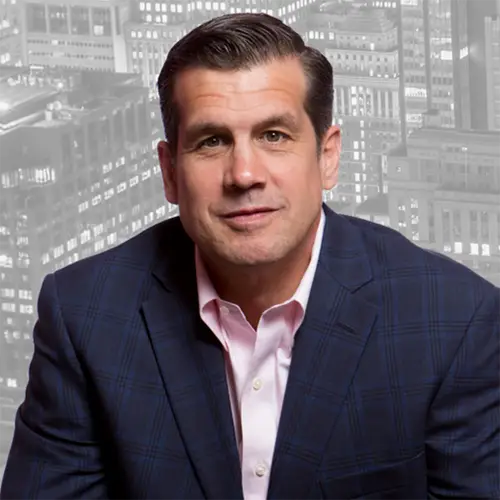
The Reality of Coaching with Ed Molitor

Ed Molitor

Episode 159:

Bio:

In the last 26 years, Ed Molitor has developed his leadership skills by evolving in athletics and business. From working as an NCAA Basketball coach at Texas A&M to becoming the Vice President of a national recruiting firm, Ed has taught countless athletes, coaches, and business leaders how to THINK, ACT, and EXECUTE at an elite level.

As a result, Ed has a unique set of skills to deliver leaders across the country a purposeful, positive, energetic, and refreshing experience to unlock their true potential.

In 2016 Ed launched The Molitor Group to reach and add value to a larger sphere of ambitious individuals and help them achieve their goals every day.

Through The Molitor Group, Ed has guided all leaders to achieve success. From entrepreneurs and executives to teams and companies, The Molitor Group empowers individuals and groups to achieve at the next level.

Through Leadership Performance training, coaching, and speaking, Ed’s goal is to supply people and organizations with the necessary tools to move forward from where they are now to where they want to be.

What you’ll learn in this episode:

  • Why choose to be a transformational coach vs a transactional coach
  • What the 90-Day Emerging Leader Coaching Program is all about and how it helps individuals, producers, and teams achieve VICTORY
  • How to stay grounded when you’re being pulled in multiple directions
  • How a positive values-based culture can combat quiet quitting
  • Why a culture that evolves is more powerful than a culture that conforms
  • What three things will provide the psychological safety for a powerful culture
  • How an elevated sense of discomfort is a driver for growth
  • How to embrace the opportunity to coach while embracing the responsibility you self-selected into
  • Why is individualization key to putting your team members in a position to be wildly successful

Additional resources:

Podcast transcript

[00:11] The real stories and hard lessons to help you level up your leadership and performance. Now your host, Ed Molotor.

[00:19] Welcome back to another episode of the Athletics of Business podcast. I am your host and CEO of the Molitor group, Ed Molitor. We're going to take a short break here from all these amazing guests that we have had on, and we have so many coming up, but I want to do a solo cast because I want to share some thoughts with you. Something has become very apparent to me, even though it is top of my mind often with the work that I do, especially the work I do with our emerging leader coaching program. But I don't think we discuss it enough. I don't think we give it enough credit or enough value. We spend so much time right now developing coaching leaders, and this past week, for myself personally, has been pretty cool.

[00:56] Last week I was in New Orleans with the Excel Institute and their leadership team. Just amazing people. As a matter of fact, on our podcast previous episodes, you can hear my conversation with Bill Ekstrom, the CEO and co founder of Excel Institute as well as. And Bill was on episode number 119, as well as Will Cloughcorn, who is on episode 145, and he is their vice president of sales for Excel Institute and Excel sports. They're doing some amazing work, but they were kind enough to have me down in New Orleans for their coaches summit. The Excel Together summit, just a huge collaboration of leaders from all over the country, actually globally, and spent three days with them. Got to meet some fascinating people, some incredible leaders who are committed to coaching their people, coaching their team members, and developing more coaching leaders.

[01:42] On the second to last day, Excel Institute was kind enough to allow me to. They invited me to chair a table for peer expert roundtables, and the topic was revolved around culture. Does the workforce now, do they really want a culture of community? And there was talk about quiet quitting, there was talking about remote working. There was all these different things. And for me, it was really interesting to hear so many different perspectives from different people. And we had folks that represented the business world, the education space, as well as the sports space. And some of the things that I walked away from about where we're at right now as coaching leaders is a. It is our responsibility to figure this out. See, the reality of coaching is this. Okay, let me start with this.

[02:27] I don't want to jump right into the challenge of it. Coaching is very powerful and it's at its most powerful when it is done right. And what I mean by done right is when it's transformational, not a transactional relationship. When it's purposeful, when it's meaningful and meaningful not just for yourself. Like, man, this really means a lot to me that I'm impacting these people. When it's meaningful for the people that you lead and coach and that there's passion involved. When it's passionate, when you're passionate about coaching your team members and when your team members are passionate about growing, when all this is done consistently, it doesn't mean that it's done perfectly. But when it's done consistently, that's when it's at its most powerful.

[03:05] But here's the reality of coaching, and this is something that I want to discuss today, and I think I've mentioned this before, but if not, I want to dive into it a little bit. Today, one of our hottest programs here now, meaning one of our most popular programs that people are really embracing and putting numbers of their emerging leaders into, is our 90 day emerging leader coaching program. And this is something I'm having many conversations around now. Here is the reality of coaching. It's hard. It's hard. Yes, we can simplify it. Matter of fact, we do here at the monitor group with our 90 day ELCP program. Okay, our emerging leader coaching program. We simplify it down into the seven drills of victory as well as the five fundamentals of coaching. But it is hard.

[03:42] It is not easy, especially if you're in it for the right reasons. But okay, Ed, why is it hard? Well, there's the uncontrollables. There's so many different uncontrollables going on right now. There are what some folks view as the inconveniences. There's so many different moving parts, so many different, how would I word it? In a positive light. Distractions. And it's not so positive, but it's also not very negative. There's distractions as leaders, as coaching leaders. We are being pulled in multiple directions, professionally as well as personally. And here's the thing that really hit me when I was at the Excel together summit in New Orleans last week. There's so many different labels right now and trending topics that are created. Like everybody wants to simplify this thing. Everybody wants to create a space to do, to teach, to.

[04:35] Hey, man, let me tell you something. It's not rocket science. It's not easy, but it's not rocket science. This quiet quitting thing, I sit up in front of a room full of people. And I said, I'm not going to judge. I'm not going to dive into the quiet quitting. But if it is what people say it is, it's been around forever. I am the first proponent. I will run to the fight for mental health. Trust me. Don't ever think you're going to challenge me. And I mean, you could try. That's fine. We talked about before on the podcast. I lost a very dear friend, a mentor, a peer, someone I respect. I consider him a brother in the fight. Lost him to a battle of mental health. Okay, but quiet quitting. But now we're giving them labels.

[05:13] I'm going to move on from quiet quitting. That's just another sense of distraction. Again, coaching. The reality of it is hard. I heard a young woman stand up and say something that we need to understand is that the younger generations, the 23, 24, 25 year olds, get to tell us what culture they want. No. Hey, let me explain something. Cultures absolutely evolve. Let's first of all define culture, right? It's a shared set of behaviors and beliefs. Cultures will evolve, but they do not conform. I want you to think about the difference. Cultures evolve. They do not conform. One of the keys, the foundational pieces to a strong culture is a clearly identified and articulated set of values. And what are our values for who we are and what you stand for. And I'm sorry, I don't care how talented you are.

[06:05] I don't care about the shortage in the workplace. I am not going to change who I am, who we are and what we stand for. Because the minute you start doing that, you'll fall for something. You'll create new blind spots. You'll lose this huge sense of self confidence. So let's be very clear about that. Now, when you say something like I just said, cultures evolve. They do not conform. You create this set of standards, these expectations that are elevated. And what's that going to do? It's going to make it more uncomfortable for you. As a coaching leader, you are going to have an elevated sense of discomfort, which is awesome because this all growth occurs during discomfort. You cannot grow without discomfort. You have to consistently get comfortable with being uncomfortable, living outside your comfort zone, constantly stretching yourself.

[06:51] Again, we can simplify leadership principles, but doesn't mean it's easy. Now, this young woman went on to say, and I respectfully say, she says, you have to start meeting people where they are. We've been doing that in leadership for years. It's not rocket science. It's not brain surgery. And someone in my table made a great point to like, well, if these 23 and 24 year olds are coming in and tell us what they want the culture to be, they've obviously never experienced the benefits of a positive and productive culture. Just something I had just been talking about. I think it's very important as coaching leaders that we keep in mind, constantly keep in mind the three things that our team members want from us or three of the important things our team members want for us. They want to know that they're valued.

[07:32] They want to know what they're valued. They want to know that the work they are doing is important and has meaning. And they want us to coach them. They want to be coached. And while we do that, while we're on the topic of cultures evolving and not conforming, what are three things that will drive an extremely positive, productive culture? Honesty. The ability to be honest with yourself and with others. And as we talk about culture, when teams have the ability to be respectfully honest with each other, it's a game changer. You start policing your culture yourself. I remember sitting and watching game film with my teammates, and we had this ability.

[08:11] Of course, we would give each other a hard time and bust each other's jobs, but we had this ability to hold each other accountable and to be honest with each other, knowing that they were invited to the same for myself. Right. I was going to be honest what I saw in you. You can be honest, and I'll be honest with myself. So there's honesty and then integrity. The ability to do what you're going to say when you say you're going to do it and how you're going to say you do it. In other words, your words and your actions are in alignment. People are going to know what to expect of you. Your teammates will know what to expect from you. And then vulnerability. It's not about having all the answers. It's the willingness.

[08:44] The willingness to do what it takes to come up with the answer, to ask for help. Okay? To articulate the need for help. Honesty, integrity and vulnerability. And those things will. Those things, those keys will drive a positive, productive culture, one that is fun to be a part of, one that brings joy. I have a hard time wrapping my head around the fact that we're mental health. First of all, psychological safety is so significant and so important. It is also critical to understand that psychological safety does not mean soft. It's creating an environment. And this is one of the things culture does. And one of the things that creates culture as well, is creating an environment where it's okay to be yourself, to ask questions, not worried about, is it the wrong question? Or should you know the answer?

[09:32] Can you take risk and fail and learn from it? Or should I say this, can you take risk and come up short and learn from your mistakes? We've really got to stay laser focused on what we're trying to accomplish with coaching, and this is something, as I mentioned, our 90 day emerging leadership program, coaching program. Here's what we developed this program for, and I want to share this with you because I want to share with you some things I share with them that I think are very relevant, regardless where you are at in your career, where you're at in your corporation, whether you are a frontline manager, whether you are a director, whether your C suite, these are all extremely, very relevant.

[10:08] So we created this program for people who choose to behave in ways that make it possible for them to positively impact and influence others. Now, some may be entry level leaders. Some may just be leaders on their team, not by title, whatever it is. And these behaviors, let me include those. Okay. They include, but are not limited to, informally influencing others. The ability to supervise others, being open to failing learning and growing sounds weird because really, if you're learning and growing, you're truly not failing. Right? Having strong people, building schools, being centered around their core values. You and I both know those folks on your team that are not a leader by title, but you know exactly who they are. You know exactly what they stand for.

[10:54] And you never question where they're coming from, especially when they're delivering a message or delivering the truth or providing feedback. And you always know that their intention is in the right place. Other behaviors, having the vision to see the possibilities, to see a future state, being a change engine, the ability to start going to our pillars, our seven pillars of victory, which I'll refresh your memory on here in a second, but it goes to the rules of the game. The ability to respectfully challenge a status quo. Say, wait a minute, why is it this way? Does it need to be this way? Can we creatively, can we tap into our creativity and reframe the situation to come up with a novel solution? Can we do that?

[11:31] Another behavior, uniting others and helping them see new possibilities and finally, actively seeking ways to become a more impactful leader. People that we have in this program right now are just super cool. They're also ambitious. They're also sincere. I was very honest with each one of them up front. Just as I am with, I will be with the new members. We have a certain set of expectations, and the expectations are real simple. Be committed, not just interest. Be willing to put in the work. I don't want someone coming into our program and us investing so much time, energy and resources into them only to find out that they're doing it because they're checking a box, because their boss want them to do it, or they think it'll help them get that next position. They'll help them move up into a leadership role.

[12:14] That's not what we're looking for. And I want these people, one of the expectations is I want these people to be prepared for every single one of our calls, even if they're picking up the call, which they're more than welcome to do, 24 7365, even if they're picking up phone just to call me, to ask me a quick question. Be prepared. Be able to identify and articulate why you want to be in this program. What is your purpose? Again, these are the expectations that we have for folks in our 90 day emerging leader coaching program. Be on time with assignments and for calls and meetings. And, yes, part of that is out of respect for me, my team, our team, excuse me, but a huge part of it is developing those right habits, developing the winning habits, and then communicate. Be curious.

[12:55] And here's a huge one. If it's via Zoom, whether it's in person, I look them in the eye, I have them look in the eye, and they give me permission, I have that person give me permission to push me outside their comfort zone. And finally, and last but not least, by any stretch of the imagination, have fun. We spend 90 days. We spend three months together. Let's have some fun stretching you. Let's have some fun growing you. And it's really cool. I mean, it is just unbelievable, the things that have come out of this program, the success we have seen in our clients, the struggles that we have worked through. But these are all things that we could be doing. These are all things that we should be expecting of ourselves. And here's one of the things about coaching that really got me thinking.

[13:39] In addition to my trip to. I actually, when I returned from New Orleans, I had a couple days, and then I went and did a triathlon. And I've been doing this triathlon now with friends of mine for a long time. As a matter of fact, a long time is an understatement. And when you travel, two of my favorite times to really put thought into my work and what I'm doing and where I'm at and to reflect are when I'm traveling and when I'm working out. So a lot of traveling and a whole lot of working out, this triathlon over the weekend, I had a lot of time to think.

[14:10] And one of the messages that one of the pieces that I really share with our emerging leader coaching program clients that I think is so important for all of us to remember is that coaching never stops. It never stops. Now, you could be sitting there thinking a few things. One of them may be, well, I don't work 24/7 it's not what I'm saying. I want you to think about it this way, okay? Coaching never stops because you do not know when the ideas are going to come to you. I am constantly thinking of new ways to get through to a coaching client, get new ways to get through to one of our team members. I'm constantly trying to create moments for them, okay? But you never know.

[14:49] Ideas will always come to you when you least expect it, which you need to make sure you capture those ideas. Carry around index cards, Journal, have the journal somewhere nearby. If you want to use your notes app on your phone. Use your notes apps on your phone. Some of you would rather record a voice recording. Some would rather actually videotape themselves. Whatever. Video record. Excuse me, yourselves. I didn't just date myself there, did I? By saying videotape. But always capture those ideas. Because those ideas, you can lose them very easily. And then the second part of this, okay, the second part of coaching never stops is this. And this is probably the most significant of the two for you to really remember, understand and embrace your influence. Inspiration and impact are always at work.

[15:33] And you think about the amount of people that you interact with, whether you lead, whether you mentor, whether they're your peers, your family members, your influence, inspiration and impact are always at work. Always. So coaching never stops. And here's a few things. Remember, and I'm going to leave you with this. I'm going to wrap you up with this. And if you want to find out more about our 90 day eLcp, our merging leader coaching program, just shoot me an email at ed@themalatorgroup.com ed at t h e m o l I t o r group would love to get you out. We'll have some folks get you out some information. We have a new enrollment, always new enrollments coming up. And just love to share some information with you. But here's a few things. Remember, okay?

[16:21] Appreciate the opportunity that you have to coach while embracing the responsibility you self selected into. That's significant. Appreciate the opportunity that you have while embracing the responsibility. Here's the key that you self selected into. That's why it just gnaws at me sometimes right when people sit there and complain. I got this. Hey, I'm going to tell you right now, I talked about transformation earlier. We talked about values earlier. Here's the five fundamentals, the things I stand for, who I am. What clearly defines transformation? Fundamentals. Compassion, mental toughness and vision. Now, when I lock into those fundamentals, how in the world could I ever take time to complain or moan about something I've going on with one of my team members or my coaching clients now? My five strengths. My five strengths. Collective strengths finder, right?

[17:18] Which is part of our coaching process along with our victory gap finder assessment. But my five strengths, my top five leader belief, focus, individualization and achiever. And it's that individualization piece that I really love to lock into. And I want to encourage you to lock into because at the end of the day, it's figuring out what makes your people tick. And how can you as a leader put them in position to be wildly successful? How can you connect with them? How can you create that psychological safety? How can you create that environment? How can you inspire and impact them and influence them? All right. So embrace the responsibility that you self selected into and don't ever sell short the impact you can have. Don't ever sell it short. And always be working at becoming more.

[18:08] And we had a podcast about this earlier about be more, not do more, be more, become more. Always be getting better. Be best that you are capable of becoming today, in this moment, as a coaching leader. Be insanely curious. Ask questions. Listen to understand, not for your next turn to talk, right. But be insanely curious about your people, about their life, about the professional and their career goals and hopes and dreams and aspirations. Get to know them personally. Get to know their family. What is it? What's going on in the world? What is it that they know that you need to know? How is it that they like to be coached? How can you connect with them? Be insanely curious. Don't try to reinvent the wheel. Do not. Don't try to reinvent the wheel. And just as important, don't act like you did.

[19:03] Do not act like you did. Remember your people do not care how much you know until they know how much you care. It is not about you. Which is my next point. Okay. Leadership, coaching. Leadership is not about you. It is about them. It is about them and it is about us. It is about we. Not me. But it is not about you, but the responsibility, the honor, the opportunity does fall to you to be their coaching leader. It's pretty cool coaching people, isn't it? It's so much fun when you see the light bulb go on and it's so much fun when you see your people keep working through the highs and the lows and a roller coaster ride.

[19:42] And remember, don't sell yourself short on the influence that you will have and that you are having or your ability to impact, to inspire and impact the people that you lead. Don't and enjoy it. It is not easy. It is hard. Coaching is hard. But for me is the most rewarding opportunity that there is. Whether it be business, whether it be sports, whatever field you are in, embrace it. Coach it. And again, hey, thank you for all the emails I've received, and thank you for all the follow ups, all the inquiries. If you really want some information on the 90 day ELCP emerging lean coaching program, please do not hesitate to shoot me a personal email. Ed@themalitorgroup.com remember to do the best you can with what you have to become the best you are capable of becoming today.

[20:30] Thank you for listening to the athletics of business. Be sure to give us a rating and review so we know how we're doing. For more information about the show, visit theathleticsofbusiness.com. Now get out there. Think, act and execute at the highest level to unleash your greatness.