

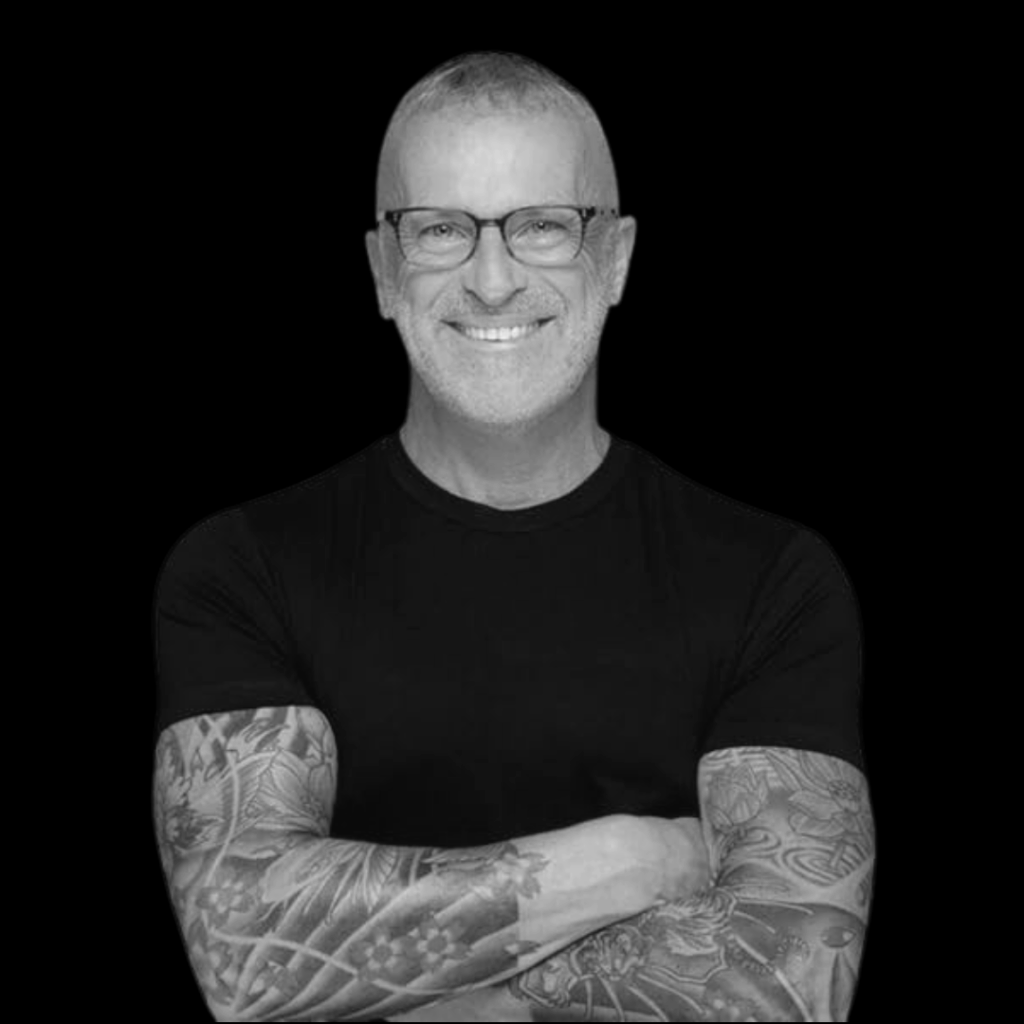
Scott Miller is a seasoned executive and author renowned for his transformative leadership in the global beverage industry. Now the Co-founder & CEO of YESLY Water, Scott began his career on the warehouse floor at Pepsi, gaining firsthand experience that propelled him through the ranks to executive leadership roles.
Miller’s people-first approach to business has been a hallmark of his career, emphasizing innovation, corporate social responsibility, and community involvement. Notably, he led the growth and acquisition of Essentia, a national bottled water brand, culminating in its sale to global food and beverage leader Nestlé.
In his debut book, The Summit Mindset: Winning the Battle of You Versus You, co-authored with James C. Moore, Miller shares insights drawn from his personal and professional journey.
The book serves as a guide for individuals seeking to overcome internal obstacles and achieve personal and professional growth. Miller introduces concepts like identifying one’s “North Star” and emphasizes the importance of self-reflection, consistency, and embracing change to reach one’s full potential.
Miller’s philosophy centers on the belief that by confronting our internal challenges and maintaining a commitment to continuous improvement, we can attain both personal fulfillment and professional success.
And the best thing we can do in life and in organizations is reach down and help somebody out, be a good coach, help people make a difference.
We are in a time now where the pace and rate of change is unlike anything we've ever seen. And it's only going to accelerate. How do people, how do leaders stay grounded to their North Star in times of turbulence?
Yeah, I think you have to start to develop a cadence in yourself that also knows when to pivot, when to make adjustments. Right. As you're reviewing that tape, whether it's your business life, what could our business do differently?
What about limiting beliefs?
Right.
In the conversation that people are having with themselves and their inability to be the author of their own story, or actually their inability to be their author of their own positive story. How significant is the Summit mindset in that?
It is about failure, reflection, and let's go again. I have failed more times in my life than I can count. And I'll continue to fail as long as I walk the earth, but I'll continue to adjust. And that's chasing greatness, Right? You're always looking to get better. I want to learn from you. I want to learn from the doorman. I want to learn from the stranger I meet on the street. That's a growth mind. There's always someone you meet that can do something you can't do.
Welcome back to another episode of the Athletics at Business podcast. I am your host and CEO of the Molotor Group. It's funny how things work out in life, right? We talk about that all the time on this podcast. And about a year and a half ago, I was down in Dallas having dinner with someone that I consider a incredible human being and a good friend, A.C. coleman. And gosh, must have had a two and a half, three hour dinner just sitting there, talk about everything from family to business to personal growth. And I said, A.C. i need a book. What's a good book? He goes, oh, man. He goes, I got one for you. I've shared this with my team. I've shared it with others at the, you know, work. I've shared with people in my personal life. He goes, the book is amazing.
It's the Summit mindset winning the battle of you versus you. So immediately when I got back to my hotel room that evening, I googled the book, right? Or I should say, I didn't Google it. I looked it up on Amazon. But then I saw Scott Miller was the author along with James Seymour. And I. I went ahead and googled Scott and looked at his story and absolutely an author, a person whose journey lent them to a way of thinking and doing and being that. I wanted to read what they produced. I wanted to study the Summit Mindset, which that book is absolutely something that you study and it would behoove you to carry with you everywhere to go in your travels. So it's always there as a reference guide.
And I'm quite fortunate today to have Scott Miller joining us here on the Athletics of Business podcast. Scott is a. A purpose driven executive best known for scaling the bottled water brand Essentia and leading into acquisition by Nestle. He began his career at Pepsi, working his way up from the warehouse to the executive suite. We talk a little bit about that, right? We talk about how his time starting on the floor, the warehouse floor at Pepsi, how that shaped his way of thinking about the processes, about the people, about what leadership really is and how it lands with others. Okay. Now, Scott's leadership journey is shaped by humility, resilience, and a deep commitment to developing people and culture.
The Summit Mindset is his debut book, and I'm telling you, it is an absolute game changer, as is everything he shares with us here inside of this podcast conversation. So I'm going to shut up now and let you enjoy this conversation with Scott Miller. Scott, thank you so much for joining us today on the Athletics at Business podcast. It is beyond a pleasure and an honor to have you here with us.
Well, it's absolute honor for me to be here to talk about business and life and really just have a fireside chat.
That's right. Those are the fun, kind of the most rewarding kind. And first of all, congratulations on all your success. And you know, I mean that not just from a, a business standpoint, from the transformational standpoint of building, you know, developing people, all the amazing work you've done. Obviously in the intro I referenced your background, where you're from. I just want to jump into this. Like my first question is, how significant of an impact did it have on you, starting on the floor at Pepsi, in terms of how you thought about people, how you thought about the processes, how you thought about what this is really all about?
That's such an outstanding question. And I say to you that starting on the floor of Pepsi, coming from very humble roots, right? Being really growing up a poor kid has helped me along my journey. It's helped me on the floor of warehouses, but also in boardrooms, to never get where you've come from. And understanding that you, everyone adds value. And at the end of the day, People want to feel their value. They want to feel empowered to make a difference. So I've never lost my roots. I've never lost who I am. And I think that is a key difference maker when you're managing people and cultures.
One of the things I firmly believe in here, obviously, is that our past shapes us, but our circumstances does not define us. Because I always like connecting our journey, like our guest journey, to not only what they are, but who they are now and why they're doing. Can you tell us a little bit about your childhood growing up and when you started to see yourself trending towards different sets of beliefs and values?
Yeah, absolutely. I think that we all have intersections in life, right? And some of us choose to pause at those intersections and learn and grow. And sometimes we blow the stop sign and we don't get those learnings. I think that happens to all of us. But my childhood was a working class family with a lot of poverty. My dad, unfortunately was in and out of a lot of work and he died at a young age of 50 years old. And I was a young. I was the oldest actually of three siblings. And you know, this is in the book the Summit Mindset. On his deathbed, hours before he passed, he turned to me as the oldest and said, I'm sorry. And I looked at him bewildered and said, what are you sorry for? And he said, I'm sorry I didn't try harder.
And I'll never forget that moment in my life. That was a real intersection that kind of seared right through my heart and it allowed me to kind of reflect on. I was in my young 20s where the family was, you know, a lot of struggle through poverty and a lot of tension in the home, good working class people, but just never really got the leg up. And I at that moment in my mind said, your weakness will become my strength. I may fail, but I'll never surrender. I'll never quit, I'll never give up. And that was an incredible intersection for me to look at life differently and say, why not me? Why can I do better? Why can't I achieve? And I went on a journey that I'm still on today at being a perpetual learner. I think all leaders have to be learners.
You have to continue to grow and learn. Always reading something, always trying to evolve. And I think that the goal is there is no finish line. And that was my first intersection in my life that really shaped me. And I was having dinner with a friend a month ago and we talked about that a bit. He goes, wow, he actually gave you such a gift. And at that moment, I didn't know it was a gift, but it was an incredible gift because you said, I should have tried harder. And my dad was a man not of many words. But in that moment, looking back and reflecting on life now, as I kind of turn the corner here and look at the back nine myself, that was an incredible gift.
So as your life evolves, right, when you grow and you're.
I don't want to call it a.
Fast track, but you're moving along in a pretty good clip and a pretty good pace, right? And then you have your own personal health battles. What happened then? Like, what did you lean into then? And what were the things that you drew strength from during those times?
Yeah, I think that, you know, adversity comes to all of us, right. I always like to say, nobody escapes the rain. So I think what happens in life, when we're young, we think life is very linear. Hey, we're just going to go from point A to point B, and we end up understanding that the climate's always changing. And in my 20s, when I started to become just an incredible, passionate reader and really modeling people and we. Whether that's looking at sports teams or great athletes or great CEOs, what I saw with those folks is they all had something that, what I believe was the magic and still is magic today. They had this one word called consistency. And consistency through adversity, consistency through triumph, consistently through victory, always being consistent. And what I've gotten really good at and still work at today are habits.
Habits of what I do, my routines, how I do them, how I'm consistent in adversity, in life, in my life. Today I'm 62 years old. Every decade of my life has had adversity, whether that's been health, whether that's been family, whether that's been business. But through my habits and consistency, I perform the exact same way. Certainly, I may feel a different emotional challenge or mental challenge, but I never break cadence on what's important to me. And I talk about this in the summit mindset. I have four pillars in life. My faith, my family, business, and others. And. And if it doesn't fit into those four pillars in life, I actually don't do them. I'm here with you today because of others. It's one of my pillars.
So I've gotten to the point where those four pillars represent who I am, and I'm always operating in those four pillars. Faith, family, business, and others. And they're not always aligned. One's a little this way, one's a little that way. But quite frankly, when I operate in those pillars, I know how toggle them and adjust them. So I think through time, that's where I've gotten really good. And I think you do the same thing with organizations, right? Good fundamentals win in organizations, good fundamentals win in sports, but they never stop. You have to keep evolving at them. The other thing, what I've done through time is I like to talk to teams and organizations about this and to individuals.
Hey, you and I, we both know what we're good at and what humans like to do is I like to talk about what they're really good at. And organizations like to say, hey, we have a great supply chain, or we're great in marketing, but nobody individually organization wants to. I want to start talking about, hey, what do you suck at? What do we suck at? Because if we can review the tape and think about what we suck at and actually talk out loud about it, be vulnerable about it, we can close that gap. We can become a better individual, and we can be much better organizationally as well. I always ask myself, even today when I review my week, what did I suck at this week?
When I take a walk cooling down from a run, hey, what could have I done better this week? And it's always within those pillars that I live my life by.
You know, it's funny you mentioned that we don't want to talk about what we sucked at. And just for the sports analogy, which I don't do as often as some would think, but how many times have we seen a team at the end of the regular season get drilled by 30, that two weeks later they play that very same team in the NCAA tournament or their conference tournament, and all of a sudden they win by 15? Yeah, that was just simply reflecting on what went wrong, what blew up, what you know, you're capable of doing better and then doing what it takes. And it's no different. It's no different in our world.
No, it's. You know, when I go into businesses, when I've taken businesses over, I interview everyone individually and I just say, what do we suck at as a business? What can we get better at? People taken back by that. But if we're always reviewing the tape and recalibrating, we become great competitors. Right? And that's a no finish line mentality. We're always evolving individually and professionally. So at this point in my life, I understand that. I also understand that change is inevitable. That adversity comes to Us all. When I wrote the book the Summit Mindset, I wanted a mom to be able to read the Summit Mindset and a CEO because it's individually driven. We all have challenges. It's how we choose to work through them, and we have good fundamentals and good habits we can continue to climb.
Very curious as someone who's trying to get their first book across the finish line and feels like he's been close now for a year. Was the Summit mindset, was it something that evolved over time that you would write down, or is it something that you always lived out that one day you're like, you know what? I have to. I have to sit down and put this on paper, and I'm not moving until I am done. How did that happen?
Yeah, no, it evolved through time. That is an excellent question. I think that I got to the point in my life, I had sold a couple businesses. I had a tremendous amount of adversity personally with health and my own health and things I shared with you. And I'm a big runner, so I like running the backcountry. And, you know, when you run the backcountry, you can start on a sunny day and end up in a terrible thunderstorm. And I really believe that's what life is. And I think when I talk to a lot of young people and older people, they often say, well, this is what happened to me in my life, or I wanted to do this and it didn't work.
What I try to say in a very gentle and kind way, life happens to all of us, and it's how we respond. So the Summit Mindset evolved through time, but it really is. The climate in life is always changing. The climate in business is always changing. We have to be able to endure that. And we do that through sound pillars, fundamentals. And what is our personal North Star? Like, who is Scott Miller? Who is Ed? Right. Like, what do we represent? And often I'll interview folks and I'll say, tell me a little bit about yourself. Interviewed thousands of people in my career, and they'll say, the common answer is, well, I'm really hardworking. I'm a family guy, and, you know, I like to spend time with my family. If you close your eyes, almost anyone can say that.
When you ask to dig a little deeper, young people and older people and people in the middle often can't define who they are. So that's where I think we see great athletes win Super Bowls or win big titles. We see them 10 years later, they're £50 out of shape, they've imploded. Greatness, to be sustainable, has to be consistent habits through time. If not, it's a one time event. And I think the greatest asset we have, what we have to work on and protect, is who we are. And we have to keep growing that.
Asset to really identify with who we are. Right. We talk a lot about here is we have a foundational program victory defined and what the seven pillars of that stand for. Values, intangibles, creativity, team objectives, rules of the game and you, okay, but those values, how important is it for you to understand who you are, to be able to clearly identify and articulate what your core values are? And how much does that play into the summit mindset?
I think it's mission critical. I think as I've gone into organizations, I always say a culture of values are not a plaque on the wall because human beings call BS on that immediately. And they say, this is bs. No one lives these values. So what I like to say in an organization, don't judge me by what I say, judge me by what I do. Let's build this culture together. Let's build these values together. And what I've always done in organizations, I say empowering people, be a leader, be a listener. And I'll start meetings with our pillars. Empowering people, be a leader, be a listener. Are we doing that? And I'll ask a simple question, hey, what did we suck at this week? Did we listen well? Did we empower the supply chain team? Did we empower the finance team?
And when you start to show your own vulnerability, people feel comfortable that they're not being judged and they start to share. And man, that's where the magic is. You galvanize as a team. So I think you have to live it. And I don't think, you know, in my experience, people aren't much different in their professional life as they are in their personal life. If they're dysfunctionally professionally, they're dysfunctionally personal. If they're chasing greatness professionally, they're chasing greatness personally. Right. And you're not going to get everyone to buy in on that. But you have to plant those seeds and you have to make sure they harvest and you have to do the reps on that every day. It's kind of like, how's the weather? How's our business? What do we suck at? Are we empowering each other? You got to live and breathe it.
Exactly what you're talking about speaks to something you talk a lot about with authenticity.
Right?
And that vulnerability piece, being a Part of it. But again, if you pursue greatness in your professional life, you're going to pursue it in your personal life like you are who you are. And I think sometimes people have a tendency to mistaken authenticity for if you're loud and obnoxious, being loud and obnoxious in a business setting, right? We're talking about being the best version of you. So that authenticity piece, how significant is vulnerability and honesty?
It's everything. I mean, that's why you talk about what you suck at. If you're really authentic and vulnerable, you're open to talk about what you suck at, how you can improve. You know, when I go into organizations, I tell people my personal story. Look, I'm here to work with you and help lead this team. But I'm also a teammate, right? I have personal challenges, I have professional challenge. But every day I wake up to chase greatness. Every day I wake up to live in greatness. And that does not mean that I win every day. It means I fail. But I'm always reviewing my failures. And if I do that, I can be humble and hungry. And what do you want in an organization is always to be humble and hungry because there's no room for arrogance.
Because when you start reading your own newspaper clippings, it's when an organization fails and it's when individuals stop growing.
How challenging was it for you early in your career when you first got your first few leadership roles? And this is your mindset, this is what you live, this is what comes from the heart. But you're consistently dealing with people like you just mentioned, the arrogance, the ego, the two face, you know, all of those challenges. How was that as a younger leader for you?
Hard. Very hard. I think you can't escape it, right? It's part of society, right? We have humble people, we have arrogant people. And often success breeds arrogance. And I, even in my 30s, would look around and say, when I get to lead an organization, because I never gave up on that dream. I'm not going to be like this person. I'm going to be a leader who listens, who has humility, and that everybody counts. And the best thing we can do in life and in organizations is reach down and help somebody out, be a good coach, help people, make a difference. When you start to do that as a leader and you grow in an organization, you start to see the outliers.
And I'll call the outliers, those that are not buying into the locker room or the game plan that makes a decision easier to move those outliers outside of the locker room and outside of the playing field, because they only bring you down right when we can talk about vulnerability and where we made a mistake, whether it's doing a presentation, whether it's pitching something, we can all reflect and get better. It's mind blowing how the walls come down in an organization and people feel, well, if Scott can speak about this as a leader and say, hey, I made a mistake there, I'm sorry, we all can do that and we're not going to be judged. And believe it or not, that is the most competitive, powerful part of a team you can because everyone is in lockstep now.
That means you also take feedback when things aren't working. What can we do better? What could I do better? That's the beauty of it. If you are truly a learner, as a leader, you always want to keep evolving. You always want to review the tape. And I do that personally too, right? I mean, if I've had a long week and my wife's chatting with me on a Friday night over dinner and she may say, you're not listening because maybe I'm not totally locked in to be more present, to be there and spend that time with her. I'm very passionate about business. I'm very passionate about life individually. But I'm always recalibrating because I think that it's valuable. If I can recalibrate and get better, I can be a better husband, a better teammate, a better friend, better father. And I think it's incredibly powerful.
And I think that is what the summit mindset is all about. You know, winning the battle, you versus you. You have to be able to be reflective.
Great segue because I just had that question on the tip of my tongue. So this is going to be the first summer in five years I haven't been training for a half ironman and for very good reasons. With all we have going on as a family, my children are 12 and 10, and we've got a lot of activities and just taking a break per their request. But my question is this. Now it's an even bigger challenge. When you thought getting up at 4am to swim was the real challenge. The challenge now is how do I find that consistency and develop the right habits. And when I don't have that struggle, I don't have that adversity of having to. To climb this uphill. How significant is this in a time of. We all know adversity is a catalyst, right?
And this is when it's you versus you and the discipline of thoughts, behaviors, and actions. But when things are going well, when life is good, when life is okay, right? When we're healthy mentally, we're healthy physically, we're hitting our numbers. The team seems to be firing all pistons. How significant is it to even double down on the you versus you mindset?
Yeah, I think it's incredibly significant. I think that we all need to struggle both mentally and physically and challenge ourselves. And what that takes is discipline. Right? You have a busy home life, you have young children. You also want to do things for yourself. I believe it first starts with the you versus you. Because when you can give the best fulfillment to your own being, you can give back to your family even more. So I think that if you're not going to do a half ironman, you got to figure out some other physical struggle. You have to do that for yourself. Because if you're in pursuit of your best self, those things are fulfilling, and it gives you time to be with your family when you can be a pursuit of being the best dad and best husband you can be.
So I don't think that ever stops. You know, I always say this to young folks. The victory lane is actually the easy part. When I've sold companies and got to the finish line, you're a high five and you're feeling really good. That's the easy part. All the knowledge, all the power, all the learning is in the valley, in the struggle. And I think that every year, individually, I pick one thing a year to challenge myself. I run my age in miles every year, 16 hours through the night, 62 miles. I start about 10 at night, and I finish, you know, the next day, nonstop. Why do I do that? I don't do that anyone but my with myself. Because I want to endure that struggle, that pain, and see how I can push myself.
And I want to spend that time alone on that journey, thinking I could do that during good times and bad times. So I think we're meant to struggle. It's part of living. And I think the misnomer in life is that struggle sometimes makes people feel like they want to fold. Or why me? I like struggling. I think it's where we learn the most on the journey. I've never got to the summit and felt like, wow, this is just what it's all about. To me, it's all about the valley, the work, the climb, the reps, the cadence. And, you know, I want to do that as long as I breathe.
That's where the fun is. That's where I mean, that's really where you enjoy yourself, isn't it?
Yeah, it's all the work. Yeah.
You mentioned something earlier about change. Right. We are in a time now where the pace and rate of change is unlike anything we've ever seen. And it's only going to accelerate. How do people, how do leaders stay grounded to their North Star in times of turbulence?
Yeah. I think you have to start to develop a cadence in yourself that also knows when to pivot, when to make adjustments. Right. As you're reviewing that tape, whether it's your business life, what could our business do differently? Is AI changing our business? Are we adapting AI? Are we pivoting to the customer individually? How can we pivot? And again, this is why I think talking about what you suck at is so important, both personally and professionally, because I think all of us, every individual that walks the earth, can walk with greatness. And greatness doesn't mean winning the Super Bowl. Greatness doesn't mean all these crazy trophy things. It's greatness in who you are. But you have to understand what you're chasing in that greatness, what defines you, what sets your soul on fire. And then they answer your question.
Having the ability to be able to pivot and change and move, I think where we are today in our lives, Right. I'm a different guy than I was at 25, I'm a different guy at 35, I'm a different guy at 50, and I'll be a different guy at 70 because I'm growth minded. I think people that are growth minded understand change is part of living. And you have to pivot when you're fixed mining individually organizationally, you're set.
For failure along that, the fixed mindset. What about limiting beliefs?
Right.
In the conversation that people are having with themselves and their inability to be the author of their own story, or actually their inability to be their author of their own positive story. How significant is the sum of mindset in that?
I think it's just so incredibly significant. You know, I talk to a lot of young folks and I think that people young, middle age, older, we don't give ourselves individual enough credit. We make ourselves feel small. We can't do it. We didn't do it. We look at someone else's lives and we go, well, you know, they had this opportunity and we start to become smaller. I think you have to set a North Star for your life, define your North Star and then be in pursuit of that. Right. I was a kid that came from a poor family. I didn't have a lot of means. But I said, why not me? After my dad looked at me and said I should have tried harder, why not me? So I have to do the work, so I have to do the reps. Great, let's go.
And I think people individually, they give up on themselves, right? They need to stay in the fight. Chop tree, carry water. And that's what life is. Chop tree carry water. It actually never ends. People think like, well if I get this job, well if I get this house or I get this promotion, it actually never ends. It's always chopped tree carry water. And that's why understanding what your pillars are, what your North Star is in life. Now go be in pursuit of your best self. That's the summit minds there.
You know, you talk about it never ends. It's a constant cycle of work and serving and how big of an enemy is stagnation? From the summit mindset, who I should say, how big of an enemy is it?
To the summit mindset, it's the deterioration of oneself, right? Stagnation is a deterioration of oneself. You know, you have friends you have a beer with or a glass of wine with and they talk about, you know, high school football and they talk about what they did in the past in yesteryears, but they're not forward motion at all. And that is stagnation. And what happens to a lot of folks. I was on a run with a guy, you know, a few weeks ago, he's about 56 years old and he turned to me and said, I feel my life is a failure. You know, I never progressed, I never did more, I should have tried harder. And I turned to him and stopped the run and said, let's start today. Like people give up on where they're on their journey cause they think it's too late.
And that's what stagnation does. It basically continues to erode your confidence. And the summit mindset is about building equity in who you are. What are your pillars? Are you living them? Are you building equity there? What is your North Star? And it doesn't mean it's easy. It means you wake up every day with a sense of purpose on winning the battle, you versus you. So this guy at 56 year old thought it was over. Well, where do you want to get started? You're 50 pounds overweight, you're drinking too much, you're broken. But what's really broken is your sense of self. And listen, when you think about it, what is greater than your sense of self? I always say protect that asset, grow that asset, grow it work it every day. There's nothing greater. I can be a better friend.
I can be a better husband, a better father, a better business person. Stagnation is where dreams go to die.
Roaching Effect Summit is not just any leadership conference. It is annual event where high performing leaders come to grow through research, relationships and real coaching work. This all happening June 11th and 12th at the beautiful Union Station in Kansas City and it's packed with dynamic keynotes, interactive sessions and one of a kind networking opportunities including a night at the Royals Yankees game. This year's theme, a new Track Forward is powered by Data. Now get this from over a half a million coaching interactions showing what high impact leaders are doing to drive performance. Here's what you can expect the latest coaching and leadership research, formal and informal learning opportunities, a supportive community and networking and absolutely just a ton of fun. Now our keynote speakers are not to be missed.
Aaron Deal, renowned author and podcast host and founder of Improve It Mike Buddy, who is a former director of athletics at West Point and he is now the Athletic Director at Texas Christian University conducting the workshops. Ted Simoninger, president and CEO of Ocean Palmer and author of the world famous book the Worry Circle. Sarah Worth, president of Excel Institute and yes, I will be joining facilitating a workshop. It's going to be a ton of fun. You don't want to miss this. If you want to learn more and grab a special discount, send us an email at info the molitorgroup.com that is info themolator group.com or send a text with the word summit to 7194-5969-4071-9459-6940, 719-459-6940 and text the word summit and you know what? It's okay be able to fall short. It's okay to have flaws. It's okay to realize.
You need to get better.
We all do. Winning the battle, you vs. Unisumit mindset isn't about perfection. It is about failure, reflection and let's go again. I have failed more times in my life than I can count and I'll continue to fail as long as I walk the earth. But I'll continue to adjust. And that's chasing greatness, right? You're always looking to get better. I want to learn from you. I want to learn from the doorman. I want to learn from the stranger I meet on the street. That's a growth mind.
Talk about that though, because you just said something that I hold like to be so dear and true. I learned from the doorman. Right? You learn from other People's experiences that you can never have, that you may not ever have. How important has that been on your journey and your rise to what you've done and how it's culminated with essentia. Right.
Immensely important. I mean, I look at it this way. There's always someone you meet that can do something you can't do. Maybe they can play the guitar, maybe they are great with pottery, maybe they're a great singer, maybe they're a great jazz guy, maybe they're a great mathematician. Your neighbor knows how to do something you don't know how to do. That's where your humility starts. Like, I can grab a nugget from anyone. I'm always just looking for a nugget because I want to better. Or I want to also understand your goals, your dreams, what your passion is. I want to celebrate that with you. You know, a lot of times I'll talk to an employee who might be frustrated. I'll say, look, tell me what you want to do. Like, you'd be like the athletics of business. This isn't the only place to work.
What sets your soul on fire? Let me help you with that. Because really, the greatest thing we have is each other. And you know, if we want to compete, well, there's actually room for all of us if we help each other along the journey. But you want to know who people are individually. So honestly, I think there's always someone you meet that can do something you can't. That's your starting point for an open mind.
What sets your soul on fire, right in your North Star. Has your North Star evolved over time? Do people's North Stars change? Change?
Yeah, I think your North Star will always kind of evolve. And it'll probably. When you set your pillars and understand who you are, like when people ask me, who is Scott Miller? I just talk to you about my pillars, my faith, my family, others in business. This is where I live, this is where I spend my time. My North Star is to be the best human I can be. Some days I work up, wake up, and I suck at it. And all the days I wake up and I'm really great at it, right? So I'm in pursuit of being the best human I can be. And even that might just mean holding the door open for somebody walking into a Starbucks for a cup of coffee. It doesn't have to be anything huge. I think what people think is greatness is always huge.
No, it's the best. You only, you know what defines you. Define me. My North Star is to Be the best person I can be. Even the best person when you're not looking. So I think your North Star will always evolve. When I was younger, it was to be a CEO. I wanted to be a CEO by the time I was 45. I want to be president by the time I was 40. I wasn't a president by 40, but I was a CEO by 42. That's business north Star. And as I evolved through being a dad, a grandfather, and a business person and a mentor, it's really to be the best human being I can be and continue to challenge myself physically and.
Mentally from the summit mindset. Is that what helped you become a CEO at the level you did? I mean, on the stage that you did at that young age or. Or all of a sudden, you get to that stage, be like, man, I gotta figure this out a little bit.
That's a great question. My adversity became my strength. I lost my dad at a young age. In my early 30s, I was a stage 4 ulcerative colitis patient where they wanted to remove my colon. Fought through that into my 40s, stayed on medicine for a decade, been through a lot. I think that's a difference maker. I'm just gonna keep getting up. I know I'm gonna knock down. I'm gonna get up again. And we continue to get knocked down through life. Like, that is part of life. And while you build good fundamentals, pillars, and your North Star and who you are is like, it's common. And like I said to you earlier, in the adversity, sure, maybe you're more emotional, you're more upset, but your fundamentals are locked in on the things that matter, and you have to keep evolving that.
I said this earlier, there's no finish line. And when we think there's a finish line, that's when we start to fail. There is no finish line. And, you know, through the decades of life, you start to see people that have to use your point have gotten stagnant. And I think that we're not our best. You versus you is winning the battle. And the best. We all have insecurities. We all have tough days. We all are flawed. That's just living, man. That's living.
As a younger CEO, what were some of your insecurities? What were some of the things you maybe treaded lightly on?
Yeah. As a young CEO, you don't think you're good enough. You're not sure you belong there. You're 42 years old. You're managing people that are maybe close to retirement. You feel like you have something to prove. You feel if you don't win at that job, you're not going to have another job. You know, being a CEO, I've been an operating CEO for over 20 years now. The air's thin, you know, and there's always somebody wanting your job, looking for your job. And there's a lot of competitors. There's. So you have to keep evolving and getting better. Today, I work hard at my craft. I know who I am. I'm much more confident, human. But at 42 years old, I was not that guy.
I'm curious as how that battle of cancer shaped your leadership style and the way you handle people.
My dad died in just a few months, you know, and he, not to get too detailed, but he just withered away. Right. And that was, as the oldest son, very difficult to watch. And I saw that life is sure. And I always used to say, since that moment, life is as delicate as a blink of an eye. And I've continued to lose friends through life as we all do, and see challenges. And I think every human goes through struggle. And I think that, listen, we're all the same, and we're all the same people. We're all human beings. That's our common bond. Gandhi always talks about our common bond is we're all human beings. It's so true. And there's no room for arrogance in that. There's only room for how we help each other and how we try to really serve each other.
I believe serving each other and like I said, the simplest way, open the door at Starbucks, hold the door. It doesn't have to be big service, but I believe serving each other is a great gift.
It really is the certain mindset, right? Being selfless and others before yourself. And for some reason we live in this society where they believe that doing things for the right reason, the right way. Right. And being incredibly competitive and focused on being successful and winning, that those two are mutually exclusive. How was you elevated through your career? Were you able to get that across? Like. No, like you embrace the summit mindset because our success is going to be a byproduct of. Of what we're doing and the way we're thinking and the way we're serving.
Yeah, that is an outstanding question. I think it becomes as simple as when an organization knows what their pillars are. We're going to empower people. We're going to be listeners and learners. We're going to serve our community. We're going to be customer focused, be the number one brand In North America. Now you've set up the guardrails for the business. And make no mistake about it, I want to wake up every day and be a fierce competitor, but I want to do it in a kind way. But if you decide not to be part of the organization and believe in the pillars, like I said earlier, then there's another locker room to play. And this is how we're playing ball. We're playing to be number one. We're playing to serve our community, playing to be listeners and learners.
Once you establish the culture and it's not a plaque on the wall, you're living it. It's very easy. And I want to be the fiercest competitor in the market and still be a gentleman. And I believe you can do that. I always say in business, look, we're not going to yell and scream at each other. We're going to respect each other. We're going to be ladies and gentlemen, but we're going to be fierce competitors. We're going to be fierce competitors, but we're going to live by our pillars. We're going to spend time in our community. We're going to give back. You read about it in the Summit Mindset, how we gave back during times, adversity, during COVID during George Floyd. We're going to lead by example. We're going to walk the walk that we talk every day.
We're going to live it as a team, and we're going to make mistakes and we're not going to be perfect when we make those mistakes. We're going to recalibrate. We're going to work to get better tomorrow. Like some days, we're going to suck. That's just life. And I think it's the same thing individually, right? I think what people think, you know, it in sports. How many times a friend says, hey, I'm gonna go out for a run. And you say, hey, how'd that run go, George? And he goes, it was raining yesterday. I didn't feel like going. I mean, it's the most common thing in the world, right? You know, that's mediocrity. It's like, I'm gonna run in the rain, the snow and the heat, and I'm gonna compete in the rain, snow and the heat, and I'm gonna be kind along the way.
I don't think that they're separate and exclusive from each other. I think that's a mistake because I think an organization knows that they respect their people and they have kindness. An organization actually works better together. They Galvanize. They really believe in the humility and the authenticity of the team. And that's why it's important to talk about what you suck at.
Running segue Jim Ryan, first story in your chapter, you versus you. It's amazing. I'm telling you, like I ran out of ink in that chapter. That was the first chapter. Okay, So I had a long way to go. But the daily habits, the daily disciplines and thought in actions and there's a part in there where like Jim didn't wake up and decide he was going to run at 4:30. He had everything laid out her whatever the weather was going to be, what time it was, temperature, rain, no rain. Can you talk about that? People hear you say you versus you, like wow, why would I live in this competitive world? Because that's what it is.
Yeah. No, I love that. Because you're actually competing with yourself of who you want to become, how you want to show up every day. When I run organizations, when I first start teams started during COVID I would show up five minutes early not to get everybody else on the phone out of respect for everyone else. Just like I showed up for you here today. And then you start to see the organization do the same thing, show up early, always be on time. Today I wake up every morning, go for a morning run. I get a quick workout in the night. Before I finish my night, I go out for another run. Maybe it's only a mile and a half, but it's time with myself to think about my day again, to recalibrate. And there's no challenge. I'm not training for a marathon.
I'm training to be my best self, to think through things to alleviate stress. I'm not in competition with the guy next door or the CEO next door. I just want to be my best self and what that is to me, to live my pillars and my North Star. So if you do that consistently, you're going to continue to grow, right? You're just going to continue to grow and you're going to start to see how you not only separate yourself just through your habits, you're going to build deposits in your confidence on who you are. When you don't do things, you chip away your confidence and you keep debiting yourself and then you start doubting yourself. So why wouldn't we want to live the best life we can? And you know, I always say, what is happiness?
People think the lottery is happiness or the new car is a happiness. Happiness really is who you are. With yourself first. Before you can give to your family, to the organization, or to others, how do you show up for you every day?
That's one of the things I struggled with early, was in order to do the best job you can to take care of others, you have to take care of yourself, but be selfless and unselfish. I'm like, well, isn't that a little bit selfish? I need to take care of myself. But no, at the end of the day, it's all part of the process of serving others.
No doubt about it. I think we have guilt being dads and family people and business people, individuals that, well, you know, I'm going to take care of myself. What about the family? If I can take care of myself better and stay fueled, whatever fuels me, I can give more to an organization, to my family, to others. So the greatest asset you'll ever own is you. And, you know, we often neglect it the most. I read every day. I run twice a day. I spend time with family, I spend time with friends. I live in four areas. Faith, family, others, and business. And I don't deviate from that. There's always one of those pillars that I need to do more on that's a little unbalanced because that's just being a human. Like, it's not perfection, but what I know where I'm focused.
I can easily adjust now.
Being someone who's so committed to growth.
Right.
And evolving Summit mindset. I have to think, as you were working on the book, you had some aha moments where you may have some learning, where you. You learned something or thought something or reframed something a different way than you intended to. When you first sat down to write the book, did that happen at all?
No. Absolutely a great deal. Right. I never wrote a book before in my life. I hired a writing coach. I spent time with a writing coach. I'll share something else. I think that has a great value. I said to one of my mentors, I was 59 years old, I'm going to write a book. And he said, what? Why are you going to write a book? You're not a writer. And I chuckled and said, well, I'm going to write a book. And I've gotten to the point in my life where I block out the noise from the crowd and I do what I think sets my soul on fire, where my passion is. And I wrote that book in the first week. It became an Amazon bestseller. And that mentor called me back, said, hey, I want to apologize.
When I told you, why are you Writing a book that wasn't really about you, it was my own internal conflict because I always wanted to write a book. I share that story because a lot of times people project on us their own internal conflict. It's not personal. It's their conflict that they're going through what they're not achieving. That's why it's so important. When I set up my pillars and said, I'm going to write the Summit mindset, I don't renegotiate with myself. Whether I fail at writing it or I win at it, I'm going to do it, and I'm going to do. Because I set a goal and that helps build who I am. And that journey on the book was hard. And it was hard talking about some things that were very personal.
But I thought if I could talk about some things that were very personal, there might be just one individual in the world that I can make a difference in their lives.
It's interesting that you talk about projecting insecurities, projecting our own personal doubts onto others. And I'm going to connect this to something you said earlier is I work through the Summit mindset for the second time. I found myself able to be the face and voice that my team needed me and my clients needed to see and hear and not project whatever anxiety I had in the business at the time or in the home at the time. I didn't project that onto my team. I didn't project that onto our clients. And so thank you for that, because that absolutely was a result of working through this. And that's another thing. This book. I mean, you don't just read it once. Like, it's. It's one of the two books I take everywhere with me. The other is Legacy by James Kerr. Phenomenal book, right?
It really does that because it's not just about you. It's about the impact this has on others in your life, without question.
And I appreciate that you've enjoyed the book, and I'm glad it's helped on the journey. Often what we hear from organizations and individuals is what can't be done. And that's why I think it's really important to know that when you're in pursuit of something, you're going to have obstacles. But a lot of those obstacles that come at us are people's own internal conflict organization's conflict. If you think in the book, we talked about Kodak, they had a digital opportunity, but they were saying no. Their senior management was like, we're committed to film. You know, that's really Cute, but we're not interested in digital. Years later, they claimed bankruptcy because their conflict was they weren't open minded enough to see that there was growth needed in this multibillion dollar business.
So I think blocking out the noise and going after what sets your soul on fire. Writing a book was something that it was a passionate pursuit of mine and I didn't care if I sold one copy. And my mentor who said that to me, if I wasn't so evolved in what I wanted to do in my thoughts, he might have talked me out of it. But it didn't stop me at all. I know that often the crowd will tell you what you can't do. And that's why your pursuit of your best self is what's the only thing that's important, your best self.
What if someone's listening and they say, okay, Scott, I get it. Like I get all of this. This is great, this is awesome. I have something inside of me that's trapped. Hey, I buy into the Summit mindset. I believe in it. But I don't know if the return on my investment is going to be significant enough. I don't know if I can do it. I'm not saying it's not real. I don't know if I can do it. I don't know if I can write that book. I feel it's in me, but I don't know how to get out there or I feel like I can be that person that holds the door for people at Starbucks. I feel like, what do you say to that person?
Yeah, and look, I say that we have to be able to get uncomfortable with ourselves. We have to be able to step to the front of the curtain and live our best life. And whatever defines your best life is different from Scott Miller or Ed or your neighbor. But are you in pursuit of your best life? And typically, before we get comfortable, we have to get uncomfortable. Remember when you start that first job, you show up the first day, you're super uncomfortable, you're nervous. But then, you know, six months in, you feel like you're home, but you first had to be uncomfortable. And I would say that get comfortable being uncomfortable. And that's really important. And I will also say that life is really chapters, right? There's chapters of good seasons, there's chapters of winters and spring and summers.
You have to be comfortable in those chapters of life. But you have to ask yourself a question. Hey, what do I suck at? Why don't I hold the door at Starbucks? Hey, what do I suck at? Why Don't I write that book? And that's the you versus you. And, you know, I can't tell you the amount of people I've sat with, one one, who are so disappointed in what they haven't gone after. And what I always say, it's never too late, but it does require hard work. And everything in life, in my life, I only. And everyone's life, I believe, is on the other side of hard work. It's like, you know. The young student shows up to the Buddhist temple and he says, hey, I really want to be part of this temple. What do you want me to do?
He says, for a year, I want you to chop tree, carry water. But I want to find out what happiness is. I want you to chop tree, carry water. He comes back a year later and he says, okay, I've done it for a year. Let me get involved. I want to understand happiness. What do I have to do for the rest of my life? He says, chop tree, carry water. So why I share that is we all have habits, we have bad habits, and we have good habits. The goal in life is to shrink the bad habits, expand the good habits, and create a fundamental performance on your good habits. And understand that life is about chopped tree, carry water. It's hard. And saying to yourself, what do I suck at?
Allows you to acknowledge to yourself your failures of what you want to get better, you first have to acknowledge to yourself you have to own it. You have to own your accountability and you versus you. And once you decide I'm going to own it, then you have to get after it every day. And I have to tell you in my life, getting after it every day is what helps my equity. Right? It's like the garden. You got to keep working the garden, you got to keep hoeing the garden. Same thing as human beings. You got to read, you got to learn outside your mind. You got to be physically after it. And sure, it's hard, but by the way, life is hard either way. You have to choose your heart.
You choose your heart, right? I get so much more out of people. Think, well, just if you. Dad, you worked 50 hours a week this week. You must have 50 hours this week. You must have been so productive. You must feel really good about yourself. No, I feel like crap. Because you know what? I could have worked 40 hours and worked out 10 hours and gotten after it and been more productive in the other 10. In the other hours I worked, felt better about myself, had a clear mind, I probably wouldn't have been a happier person, but that's it, right?
Choose your heart, use your heart and listen. I think it's always about, I love to finish a week and go, okay, what did I suck at this week? What could I have done better? Where are my gaps? Because you're always going to have gaps. Am I balanced? Is one of my pillars out of line? Did I not. I have three grown kids. Did I talk to them through the week? At least once? What's going on in my business life? How am I doing physically? How am I doing spiritually? How am I serving? And when I'm asking myself those questions, I know immediately what I'm not doing well. And then I have to decide to make those adjustments and through habits, fundamentally, every week, just like basketball coaching, when we dribble better, we cross over better, we play better.
It's the same things with human beings. And it is trap, tree, carry water all the time. And it's a no finish line mentality. And I think part of chasing greatness is to be noble and to serve others and to also serve yourself so you can serve others more.
Before I ask you one last question. Where can folks find the Summit mindset? Where can they find out information about you if they'd like to work with you, if they'd like to hear you speak, hire you to speak, whatever it is. Again, we'll have all of this information in the show. Notes will be on our social media post, but so you can direct the listener to that place.
Absolutely. Thank you so much. I mean, really, the Summit mindset you can find on Amazon, that's our best place to find it. And we have a little Instagram. You can find me at Scott Miller, you versus you, and certainly always here to help people, mentor people, and be a teammate and move forward together because we learn from each other. Mari, last question.
62 miles for your 62nd birthday.
Okay, I got.
I have to go back to this. What in God's name is going to happen when you turn 90, brother? Because that's.
That's a long at all time. If I'm blessed to turn 90, I'll be probably biking, running, and walking. But I will do it every year. Okay, but you'll get there.
You'll get those 90 miles. I've had a couple friends do the Leadville 100, right? Do we have that in your. Is. Is that in your repertoire?
I mean, not really. I think I run every day, right? So I run, you know, fives every day, morning and night. But I'm really. When I go out and run longs. I'm really there for myself. I'm not there to compete. I'm there really for my mind. I'm there to be in my own struggle. And it's really my personal kind of accomplishment. And it is something that, you know, also gives me the ability to say, you know, I'm going to honor life. I'm going to go out there and grind it out. And I think someday, to answer your question, at 90, if I'm blessed to still be honoring life, I have to walk it. I'll walk it. I think it all is about honoring life and being your best self. And to me, those things for me make me feel good.
They set my soul on fire. And I would encourage your listeners to not think small and to do things that set their soul on fire and be their best selves.
Thank you so much. I appreciate you're so gracious with your time and obviously all your amazing insights and thoughts. I appreciate you, my friend.
Yeah. It's an honor spending some time with you. I hope we stay connected.
Thank you for listening to the athletics of business. Be sure to give us a rating and review so we know how we're doing. For more information about the show, visit theathleticsofbusiness.com now get out there. Think, act and execute at the highest level to unleash your greatness.