

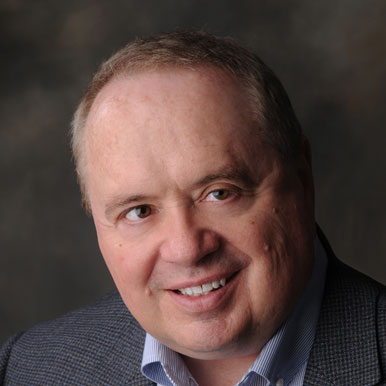
Tom Walter is a “serial entrepreneur,” author, speaker and a principal in numerous companies. He is best known as the Chief Culture Officer (CCO) of Chicago-area Tasty Catering, a suburban corporate caterer and event planner that was recently named a Forbes Best Small Company in America. Tom has more than 40 years of experience as an owner and operator in the service industry. He has participated in the startup of 32 companies, is currently active in 9 of those startups, has acquired three and—in a few cases—has terminated businesses in a broad spectrum of markets. Tom remains a principal, investor and advisor for several companies, most of which are part of 80 Nine Holdings and have been co-founded by his staff. He is also the co-author of the award-winning book “It’s My Company Too!: How Entangled Companies Move Beyond Employee Engagement for Remarkable Results.”
Welcome to the Athletics of Business, a podcast about how the traits and behaviors of elite athletes and remarkable business leaders frequently intersect. The real stories and hard lessons to help you level up your leadership and performance. Now your host, Ed Molitor.
Welcome back to another episode of the Athletics of Business podcast. I am your host and CEO of the Molotor Group, Ed Molitor and I'm fired up to bring you today's special guest, Tom Walter, who is a serial entrepreneur, author, speaker and a principal in numerous companies. Tom is best known as a CCO that's Chief Culture Officer of Chicago Area Tasty Catering, a suburban corporate caterer and event planner that was recently named a Forbes Best Small Company in America. Tom has more than 40 years of experience as an owner and operator in the service industry. He has participated in a startup of 32 companies and is currently active in nine of those startups, has acquired three, and in a few cases has terminated businesses in a broad spectrum of markets.
Tom remains a principal investor and advisor for several companies, most of which are part of 89 holdings and have been co founded by his staff. In addition, Tom is a national speaker, a renowned speaker, and co author of the award winning book it's my company 2 how entangled companies Move Beyond Employee Engagement for Remarkable Results. And we'll talk about the book in this amazing conversation as well as how Tasty Catering immediately identified opportunity in the face of extreme adversity. And we are talking about COVID 19 right now, how they got creative and continue to serve while other major caterers struggle. Some great stories inside of that. And we'll talk about how their culture, which was built to embrace change, was able to lean into their seven core values to help them grow through.
There it is again, not just go through but grow through the COVID 19 crisis. And Tom will share why it is so powerful to look to your employees on the front line when you are looking for answers and how one conversation convinced Tom and this is an amazing story, how one conversation convinced Tom that Tasty Catering needed a culture shift away from command and control to establish core values and to clearly define what their new culture would be. We'll also talk about why it is so important for Tom as Chief Culture Officer CCO to get his people to focus on the behaviors that drive the process as opposed to focusing on the outcomes and the consequences. And inside of that we're going to talk about why freedom and responsibility inside of a circle of discipline is so important.
And finally, another thing we'll talk about is how vulnerability plays a significant role in Tasty Catering's authenticity and the resulting resiliency. And that's something that has showed up time and time again in our most recent podcast interviews. Tom, thank you so much for joining us on the Athletics of Business podcast today. I appreciate you and I appreciate you taking the time, my friend.
Thank you, sir. Thank you for the honor of being with you.
So fill the listeners into, you know, the amazing culture of tasting catering and into your journey, your background. Obviously, we are in the throes right now, the COVID 19, the coronavirus. And I'd love to share something with the listeners so they get an idea of what your normal was prior to this global pandemic. And it's really the first paragraph from the chapter on Tasty Catering, giving employees freedom and responsibility within a culture of discipline from the book that you co authored, which we'll talk a bit, quite a bit about. It's My company too. Absolutely love the book, by the way. It was fantastic.
Thank you, sir.
So the first paragraph reads something like this. It says, tasty Catering springs to life in the wee hours of the morning each day at its plant nestled within the largest industrial park in North America, staff members prepare scrumptious meals, appetizers and desserts to deliver to corporate clients that range from Fortune 500s to small privately held companies throughout the greater Chicago area. Now, Thomas, you and I know that was your old normal, right? That was a normal seven weeks ago. Can you talk a little bit about how your organization, your people and you have been impacted by the COVID 19 pandemic?
It's no longer just the wee hours of the morning. I don't think we have stopped working. We've only had a few slowdowns or shutdowns during our business cycle since this problem hit. Because we chose not to participate in the COVID 19 quarantine, we thought that there would be companies that are essential services that would need to be fed, and there would be offices working and there'd be manufacturing facilities producing masks and gloves and other things that first responders needed that would not have restaurants to go to. And we have a lot of medical facilities we service and we have many essential companies that are doing business. And we decided we couldn't walk away and leave them alone. So we had to adopt a rigorous program of sanitation in our company's.
In the last 10 years, we've never scored less than a 92% on our health inspection. So we knew that we have, you know, where there's one required sanitarian, we have 42 sanitarians on our roster that are certified. And we decided to just do it that way. And we had to change the scope. We had to. It's called pivoting now. It's a hot word in entrepreneurship. We had to pivot quickly. Our business plan go from buffet meals, for example, to single served meals and individually packed meals, in common parlance. But during the switchover, we also have a manufacturing company that operates out of that same building. It's a contract baker. And that school district still wanted their food to give to their children because some school districts, it's the only meal a child might have for the day.
And so that company, that bakery, produces breads and muffins and cookies and things, breakfast bars. So they've been working almost 24 hours a day. But you're right, it's not coming in at the wee hours of the morning. At the wee hours of the morning. We're trying to understand the market, what's going to switch for the next day. We have to filter through the newspaper reports and the televised reports. We have to listen to our mentors and our advisors, and then we have to listen to our clients to figure out what are we going to do today. And it's so changing. I mean, I've never seen, I've witnessed, I've been in open up my first business in January or February of 1971.
So I've gone through a lot of black swan events, a lot of tragic events, the gasoline shortage of the 70s and multiple recessions and 9, 11, and all these issues. But I've never gone through a business shutdown where businesses are just closed. And that's become a frightening aspect. So, yeah, the wee hours of the morning that changed from coming in early in the morning having coffee and sitting down with your gang and having donuts or breakfast spreads. And all of a sudden now you come in and everybody's got terror in their eyes. What are we doing? Where are we going?
Well, and you mentioned change. And obviously we always talk about embracing change, but with the amount of change going on, I mean, it's not just daily, it literally is hourly with these press conferences and the updates that we have. And can you talk about, you alluded to a little bit of how significant it is to not only be fluid. Right. And to be able to pivot into change, but to make decisions quickly without all the information.
Possibly, yes. Our culture is the one that gave us the foundation to survive. And we're able to look at our seven core values on the wall and come up with usually come up with a decision based one of those values and the decision usually is right. But one of the things, and it's the title of the book, is that individual culture of discipline where everybody owns something, everybody owns a process in the company. All of 100 plus full time employees have something that they're the ultimate decision maker for that process. Someone might own box lunches, how they get together and package through the system to pack them. But when we come to a time like this, a crisis, we explain the crisis. Can we explain the anticipated outcome, what we'd like to do to get through this change, what we need to do.
And then we ask them, the employees, the staff, to use their thoughts, their ideas on how to get through it. Back in the 50s or 60s, Peter Drucker said that when in doubt, ask your frontline employees. They have the answers. And you know, the American Institute of Mental Health and Wellness said that the average person has 60,000 thoughts a day. And my 60,000 thoughts a day can't handle a company that does 10,000 events a year. I can't for the life of me, I could never be able to grow. It would grow upon the limitations of my mental agility. But when you have 100 employees that have 660,000 thoughts, that are applying them because they know they're important and they matter that they are somebody, then the change becomes very easy, it becomes fluid.
And if someone makes a decision and no one disagrees with it, we say, all right, let's go with it. And that's how we've emerged successful to date. And you know, this could change in a heartbeat. But we're doing good because we have people that are engaged, people that fully believe in the mission of the company and the vision of the company. And they're the thinkers, they're the doers.
Well, and can you share a little bit about some of the things that we've talked about in terms of what are the pivots, what are the changes that you made that your frontline employees helped you make in the midst of this COVID 19 situation?
Well, one of the first things we explained the problem and that we had no clear cut timeline to get through and there was no measurables in 08 and 09. We gave them indications about the bank crisis and what to look forward to as we emerge and what were signs that they could watch and their news sources, but we didn't have any. But what we said is that we're probably going to be the only major caterer open in the City of Chicago, and there's four of us and we are the only major caterer that's open and doing business. I said, where is the need that exists? Where are the pains that exist? Who is pained by this that we could solve the pain by feeding them?
And immediately our drivers, which we call brand ambassadors because they are the ambassadors of our brand, got in their own cars and started following our competition because they knew the competition would be closing. And then they started looking for full parking lots. Our salespeople went out and looked at full parking lots. We have a lot of hotels that we provide the food service for. And our salespeople went to them and said, the government may approach you to be a temporary hospital. We'll be happy to serve the food if that's the case. So sales looked where they could sell. Brand ambassadors looked to where they could deliver. They were the scouts out on the street. And the internal people started developing a system to lock down our company and be more safe, more sanitary.
And team after team would respond in leadership meetings and group meetings about what ideas they had on how to make us more secure. And through this, all, Ed, my brothers and I, and our CEO and our top leaders of our company focused on the people. And one of the things that we did when we focused on the people is we realized that the angst of a family, I mean, you have a wonderful family, Ed. A lot of your listeners have superior families. And what's the angst is typically it happens to a man. We're hunters. How are we going to feed our family? How do we provide for them? And so we made a decision based on something we did in 0809 is that we said, no one's going to be terminated. We're not going to fire anybody. We're not going to lay people off.
We went down to 70% of our pay. We took a 30% reduction. Our salespeople and admin people, some of our admin people were able to work at home and they took a 10% reduction in pay because they were still working, still making phone calls, still actively working hard and generating business. And then our hourly people, we cut their hourly pay to half, 50%. And we said, we're going to balance your hours to make sure you all get paid. You all have the opportunity to work, but if you don't want to come in because of this illness, you can take a non paid leave of absence. Your job will be here when you return.
And the pregnant mothers that worked with us and the mothers that had babies that they were at home alone with their children because they weren't at school, because dad was still working. And those who were over 60, we said, you will be. You go home and you. You'll be paid for your time, but you don't have to work. About a week later, there was a big to do during our lunchtime. We have lunch at 12:30 every day in a big room, operations room. And there was a lot of gibbering going on in Spanish. I didn't know what they were saying because I only have one language in my life and I have trouble with that language. Afterwards, some of the people stood up and they said, we don't want 20 hours a week, or we don't want 30 hours.
Excuse me, it was 30 hours a week. Originally, they said, we want 20 hours a week and we want to have less money for a longer period of time. I almost fell out of my chair. You want to take a 33% reduction in pay after taking a 25% reduction in pay? And they said yes. And we had also agreed in the beginning, when we lowered them originally to 30%, we'd agreed to lend them money out of TUI Capital, which is our major holding company and employee assistance program company. Lend them money solo for familia, only for family. No party, no fiesta, no fun, not buying a new car, but only family needs.
They could borrow the money that they needed and pay us back after recession, back when everybody was working full time and we charged them the minimum interest that's impudiated by the federal government. So those people said, if we can borrow the money to pay our bills, to meet our needs, we know when we get back to work, we're going to have a lot of overtime, we're going to be very busy, and there's going to be a high demand because we'll be ready to go the first day. So we'd rather make sure the company lasts as long as this disease lasts. And again, I was just. You could scrape me off the floor. I was so blown away.
I mean. And they came up with that on their own. There was no push from up above. There was no push from leadership.
That was flat out.
The employees just being empowered to step up and speak up.
The hourly employees, that. Yes, exactly. It was only the hourly employees started that conversation, started at one table and then they asked another table because they were sitting eight to a table. And pretty soon they were all talking about it and they all agreed to it. And I don't know who led it, and I hope I never learn who let It. Because I want them all to be superstars, in my opinion. That was incredible.
Well, and that's obviously a result of the culture that you have built there. So can we jump into that and how you went about doing that and the journey of Tasty Catering?
Sure. Tasty Catering has become recognized for the culture and the awards and the people we have. But I want to paint a picture for your listeners about what Tasty Catering was like before. I had been in business about 35 years when we bought the new building in Elk Grove Village, and it was 25,000 square feet to round off. And we moved from a 5,000 square foot to a 25,000 square foot facility. We stopped our fast food restaurants that were called Tasty Dogs. We sold them, and we focused only on catering. And I have two younger brothers that are with me. I'm one of 11 children and brother number seven. I'm number two. Brother Larry is number seven, and brother Kevin is number 11. And the three of us are partners. And I've always been the top dog because I'm the oldest.
And Larry's always been the king because he's the middle of the family and wants his own power and his own rights. And Kevin's the baby of the family. And Kevin always did what we asked him to do. He was a loyal soldier. Well, Larry and I moved into this big building, and Larry was in charge of culinary, all the food, the delivery service, and I was in charge of operation, excuse me, administration and sales. And the two of us got into huge territorial arguments, screaming at each other and throwing things at each other. And this was an outcome of this terrible culture we had. We had over 50% turnover. And when we did our first employee engagement, were at about 40%, and that means 60% of the employees didn't want to even be there. And our turnover at 50%.
You know, there's statistics today that say even hourly boys cost about $12,000 a year to train. $12,000 just to train them. And so were blowing money just off of training people. There was very little trust. And you were either my guy or you were Larry's guy. It was like the Confederacy. You were either with the north or the South. There was no in between, no.
No gray area.
So we moved in November of 2005, and the day before Thanksgiving of 2005, my brother Larry and I had a terrible argument in front of women, in front of. It was just terrible. We're screaming obscenities at each other. And I came back in on Monday morning After Thanksgiving and I started drinking coffee to amp up, get ready to go on blows with Larry. Two young people came up to me, a 24 year old guy named Tim and a 23 year old named Jamie. And I had known them forever. They were friends in junior high school. They were the future of our company because I knew how good they were. And I'll say it now, usually I don't mention the fact that Tim was my son, Tim is my son, you know, but it didn't make any difference.
He had told me, I'm coming to work for you. When he didn't get, he thought out of college he was going to get a vice presidency in the bank that he was working at part time. And he said, I'm the best operations guy of all. I'm the one that's qualified for this job. I'm going to get this vice president. I told him, you don't come out of college, get a vice presidency. So they didn't give him a vice presidency. And I said, do you want to work for me? And he said, I'll work for you, but I'm not going to own Tasty Catering. That's not my future. I don't want a future in your business. And he said, I'll work with you until I find something else. I said, fine, just give me everything you got.
And of course, as a dad, entrepreneur, I was terribly devastated. But I said, you know, whatever, you know, our job's not to make him take over my company. That's not why I'm here for. Not what he's here for. So anyway, I knew them and I trusted them because Jamie was a household friend of my younger daughter. You know, Jamie's a year younger than Tim and my daughter's two years younger than Tim. So the three of them have been buddies since junior high school. And I had hoped that they were going to be the ones to bring in new ideas about business and technology and help change us from this old antique way of doing business. It was almost like we had IBM Selectric typewriters and Attox machines. That's how ancient most of our systems were.
And so when they came to my desk, I looked up at them and I thought, now what the hell is this all about? And they said, if you don't change, we're leaving. I looked at them and I wanted to say, well, don't let the door hit you on the way out, because I'm not changing. You're leaving. And then I was weak and I was at the bottom of My business career. I said, I've worked my whole life to get to here, and my employees don't like me. My brother doesn't like me. The business sucks. We're not growing, we're floundering. And I'm deeper in death than I've ever been in my life. And this is. This can't go on. We're done. So I looked up at him and I said, you know, I don't know how to change. I am what I am.
I don't know any other way to do what I do, but I will support you in what changes you want. What do you want me to change to? And they said, we don't want command and control anymore. We don't want you giving orders to everybody and everybody doing what you tell us to do. And we don't want Larry giving orders. And the two of you give countermanding orders. And who do we believe and who do we pay attention to? And he tells us, don't pay any attention tom. And you tell us, don't pay any attention to Larry. And he says, well, what's the alternative? And he said, build a company around culture. Let's clearly define our culture, our behavior. Let's put seven, let's put our values up about. These are the values we're going to follow and we're going to believe this way.
He could have been speaking Chinese to me because I had no clue what he was saying. I said, all right. And all I kept thinking about Ed is, this is modern management, right? But they taught him in school some gobbledygook about, you're going to grow your business focusing on culture. How idiotic is that? So I had always been focused on outcomes. Hit this goal, hit this percentage, hit this number. So Tim that night ordered, I don't know, 70 books of good to great because it came in Spanish and English. And at night I went home, and in the middle of the night, 8 o', clock, 9 o' clock at night, I get a phone call from my credit card company saying, did you purchase something from Panama for, I don't know what it was, $2,000, $2,200 or something? I says, no, Panama, right?
And I said, what is it? They said, it's the book Good to Great. They said, oh, that's Tim. And he ordered it because it came in Spanish and English. And that's why he adopted Jim Collins's book, is because it came in Spanish and English so everybody in the company could read the same book. And they created teams and they Struck down a departments. They didn't want it to be Tom's department, Larry's department. They wanted to be teams. And they all read the book every week. They had an hour and a half to sit aside, set aside to talk about the book, what they read, what they liked. So it became a book club. Then they.
We selected my brothers and I selected seven leaders from our teams who we thought had the emotional intelligence and the character to be positive and to do the right thing, not the most popular thing. And we had our first good to great council meeting in March of 2006. And when these people came into the room and sat down, they started the journey that ended up to where we are today. Those seven people, and six of them are still with us. Five of them are still with us today. One girl just Left to marry Mr. Wonderful in Southern Illinois, but the rest of them are still with us. So five out of the seven are still with us. And I asked Jamie, can I be in this meeting? And she said, no, you can't. This is for employees only.
This is for the people that are going to create the culture. And I said, what's my company? I'd like to at least watch it. And she said, you and your brothers can sit in the corner, but you're not at the table. There's not a seat at the table for you.
Wow.
Wow. So my brothers and I went in. Of course, Larry and I were most vocal. Kevin was concerned about us opening our mouths. And I said to her, what if we have a question? And she says, well, you can raise your hand. But she said, I'm not going to call on you, so don't embarrass yourself.
Well, at least she was honest.
She was. About three meetings went by before I was able to raise my hand and I was recognized. I think it was at that meeting that those employees left and went back to their teams and said, tom, Larry and Kevin aren't at the table. They're not talking. It's up to us. Everybody came in with what their core values were. And Tim filled up a whiteboard with core values. And it seemed like there were seven that were very, very popular that everybody had mentioned. Part of that first one is always moral, ethical, and legal. And some people had said, integrity, morals, ethics, legal. And he combined that into one and the second, and once he wrote that while always more ethical and legal, I turned to my brothers and I said, that's what dad used to tell us.
If you're moral and ethical, you don't have to worry about being legal. And number two was treat all with respect. I said to Kevin, who was in charge of hr, I said, kevin, let's burn the employee handbook. Let's just put in with the government mandates and these values, because if employees are always more ethical and legal and they treat all with respect, what more could we ever want? And so they went on to explain the. You know, they came up with the other core values, and it was just based on what was most important to the employees. So there's no rhyme or reason other than, number one, being moral, ethical, and legal was most important to our staff.
So that's how it came and came about, and time started to change, and everybody was following them by nature, you know, because this was the new thing, and engagement was high. Then my daughter came up to me one day and she gave me new business cards. And I went away to a conference with Inc. Magazine, was at an Ink conference, and a dear friend of mine who's a famous business author, Bo Burlingham, came up to me, and he said, could I have some of your cards to give to people? I want them to meet you. And I said, sure, Bo. And then he looks at my car, he said, this is a funny title. And I said, what's funny? Chief executive officer. That's not funny. He says, chief culture officer. What does that mean? I guess I'm in charge of culture.
Well, that's how I got focused on culture. And I asked Aaron, what does that mean? And she drove. She wrote on a board a whiteboard, A with an arrow pointing to B with an arrow pointing to C. And she said, this is organizational behavior. We gave you the antecedents, we gave you the core values in the culture, and now it's up to you to focus on B, the behaviors. You focus on making sure all of us adhere to that religiously, and we don't have to worry about the consequences or the outcome. So it's antecedents, behaviors, consequences. And for the previous 36 years of my business life, I'd focused on the consequences, the outcome, not the behaviors. Starting in that day of 2005, 2006, I became focused on behaviors. And I don't care about the outcome because the outcome is always wonderful.
So that's the long story short, I guess.
Well, it's pretty amazing, though. I mean, the whole mind shift and being outcome driven. I mean, that's the way so many of us were for so long. But along those lines, as I sit here and I have your core values in front of me, what I love about it is the fact that you want to be always moral, ethical and legal. Treat others with respect. Quality in everything we do. High customer service standards, which you absolutely have. As loyal of a customer as you possibly can have. But I love the next one, competitiveness. You still strive to be the best. You're just doing it in a. In a more effective way, in a way that serves your employees and takes them to another level.
Yes.
And the sixth one, obviously we love enduring culture of individual discipline. I know when some people hear the word discipline, they cringe, but I don't think they understand that, you know, working hard, being self disciplined and Joy aren't mutually exclusive. They all go together. Can you talk about how you cultivate that enduring culture of individual discipline? And you talked a little bit about it when you talked about taking ownership of different processes, right?
Yes. That came from. Aaron was very strong on competitiveness. And both Aaron and Tim were high level athletes in high school and college, and they're still competitive to this day. They were juggling in my driveway. Erin, by the way, is my daughter. They were juggling a soccer ball in my driveway. And here they are, two of them. They have to set the record. One has to better than the other. They hadn't juggled in a long time, but they were showing Tim's children how to do it. And then it became a big rivalry between the two. So competitiveness, that strong determination to be the best leads into that individual discipline. So if I could just bring those two together. We want to be the best at what we do. Strong determination to be the best. And that solves the quality issue.
So if someone is not doing their job extremely well, it's very easy to call them out for number five. Is this number five? Is this the best you can do? And that's within your six, which is the individual circle of discipline. You're an athlete and you're a very revered athlete. I remember you when you were going through high school and college and you know, that competitiveness, the strong determination to be the best tied in with discipline, didn't it. If you wanted to be the best in the basketball court, weren't you disciplined about making sure your body was in shape and eating right and doing the right workouts, the form for releasing the ball or setting your body for a pick, all of that is that discipline is what makes you a superstar.
And my opinion, Michael Jordan's the greatest basketball player that ever lived and listened to him talk about that discipline, about his discipline, what drove him. And I always told my kids Because I grew up in the Jordan era. I was a young father in the Jordan era. They said, if you want to be recognized, then every day, every practice, show them that you're the best, try the hardest all the time, never stop. Have the discipline to do it the right way all the time. So in the discipline now we come to Immanuel Kant and Jim Collins in the book Good to Great uses a lot of Immanuel Kant's philosophical approach to life. And Immanuel Kant, for your listeners that aren't. He was a German philosopher. And I think it was about 1850. I don't remember exactly what years he was promulgating his beliefs.
But Immanuel Kant was watching his pasture. And in the pasture he had a fence that he had his horses in. And the horses were running around in the fenced enclosure and they were eating and defecating, drinking and urinating and sleeping. They were totally free because they were in a rigid circle of discipline. And that's what Kant's belief was. Within a rigid circle of discipline, a human being is free to do whatever they want. Now what if those horses didn't have a fence to keep men and they wandered off and how far could they go? And pretty soon people are being told, no, you can't do that. No, you can't do that.
So as a leader, it means to me clearly outline what someone's process is and what the expected outcome should be and let them figure out the processes it takes to get to that outcome. But show them the discipline within this area. You need to produce this, whether it's with a dollar amount like this is going to be. It should be 32% to produce this piece of meat, 32% of sales. This is the money that we've got to work with, whatever it may be. Explain the discipline, the circle of discipline that surrounding fence and then say it's all yours. Now, you're free to do whatever it takes to make sure this is right, but you're responsible to the company. So that's number seven is freedom and responsibility within that circle of discipline. So those three tied in very well together.
And I don't think the originators really understood how well that works. It just happened to be that way.
So with that being said, we know today's workforce, I believe it's multi generational, but they talk all the time now about today's workforce wants three things. They want to know that they're valued, right? They want to know that they're valued. They want to know that the work they do is important and has meaning. And then they want to be. They want someone, a leader who's going to take the journey with them and coach them, not tell them what to do like you and I have been talking about. But can you talk a little about that delicate balance of, okay, we have this circle of discipline, all right? We have what I call controlled freedom. Right. You empower them to go ahead and do these things themselves, but still as leaders, they have the ability to coach them through the process.
And how you go about doing that and how your leaders at Tasty Catering go about doing that.
Yes, we will set the goals and the vision about what needs to be accomplished with the company. And everybody partakes in that vision planning. And everybody takes care, participates in the strategy for their own teams. But I'm going to use analogy, a story that will illustrate how this worked within our company. We had a young lady right after the recession who was brand new in the workforce and she was a salesperson, and she was a very professional salesperson. Very attractive, very presentable, very well placed, very articulate, good background, excellent background in sales. And she came to me one day and she said that because of the downturn in business, the hotels around o' Hare Airport had closed their kitchens and laid off their kitchen staff.
And yet they still wanted to be able to serve breakfast and lunch to their groups that held meetings within the hotels. And I want to go out there and capture that business. I said, well, that's admirable, that's wonderful. Congratulations. What do you need from me? And she said, I need $85,000. I said, there's recession on. You know what recession means? And she said, yes. She said, it's my number seven. I'm free to do it. This is my circle of discipline is me providing sales in drop off sales. And this is an opportunity and I believe I can do it. I need $85,000 to have programming done so our menu can be inserted into these hotel menus on their online web presence that they'll have a sheet of paper or they'll have a click on, whatever you call it.
I'm not a technical guy, but a folder you can click on, it'll be their folder, it'll be their menu and it'll be in their font and their script. It'll look just like their webpage, only it'll be our menu with their price add ons and then we'll give them a discount. And she said, that's what it's going to cost for me. To do this. Is that what I think it's going to cost? And she had me because she said, it's freedom and responsibility. You told me that I have to go out and do this. I need this thing. And so I use some of my. Some of the company's advisors to help create the platform that she was talking about. So we did all the technical things for her. And I said, okay, you're free to do that.
Core value number seven is freedom and responsibility, but you're responsible to the company for taking all that money for Treasury. And I said, I want you back here in three to five months and prove your roi, the return on investment. She came back in, Ed. I forget how many months it was. And she had over $200,000 in sales that she had garnered from that $85,000 investment. And those groups of hotels have been loyal customers ever since. And it's into the millions that she's returned off that one investment. That's where we bring the discipline in. That's where we bring the individual pursuit of excellence within your discipline. And you have the ability to say, I want money, freedom and responsibility.
Well, and you think about that. We're going back to what were talking about a little bit ago, how we used to be so outcome driven. This wasn't a result of saying, hey, we want to figure out a way to get millions of dollars or more business from these hotels surrounding o' Hare that have with the downswing of the economy. What you simply said was, you cut her loose. She identified number seven. She saw an opportunity. She figured out what I mean, it was. I mean, she lived and breathed the core values that you folks put together.
Yes. And she. Exactly correct. You know, Tim was another one that came up with an idea, and he used that same leverage principle for almost the same amount of money. And he started a baking business, a contract baking business. He said, my number six, his individual circle of discipline is money, was there CFO and chief financial officer. And he said, we need to have more business being produced out of this building. We're vacant 16 hours a day. So he started a contract baking company. He asked for about $75,000. We gave it to him, and that's doing well into seven figures every year. Now, once again, it's about the employees with their ideas coming forward and saying, I have this idea, and they know they'll be heard, and they know they'll be recognized.
You know, you go back to when you change the focus to the employees. Right. That had to be challenging. I mean, it had to be, you know, the story sounds simple, but there had to be so much adversity, a little bit of pushback on your part, your brother's part, but you stayed true to it. You stayed loyal to the process. Can you talk about what got you to buy into that? And when things didn't go as smoothly as everybody was hoping at first, or did they? You know, how you stayed with it in the beginning?
Why did I change? If you would have told me 30 years into business that I would be giving power to my employees, I would have branded you a lunatic. Because I was command and control. My father was a World War II army sergeant. As the oldest boy, the second oldest, I had to do exactly what he told me to do, because that's all I knew, was command and control. But as we made this switch and we empowered employees, it only happened, I think. I don't know. It's God's will, and there's a lot of ways we can explain it, but I'm an alcoholic and a drug abuser. And I remember when I got sober, it was because I was so sick of being sick and so tired of being sick and tired. And I had hit my bottom. I just.
I was 26 or 27 years old, and I couldn't continue my life the way I was. And that Monday morning, I was thinking almost the same thoughts about business. I can't do this anymore. I'm 55 years old. I'm done. I can't go on like this. And so I had hit bottom. And what happened is they offered me a chance, you know, there they were, offering me some brighties. Come on, get on board. We'll do it. It went well. You know, there was an initial excitement because we're doing something different. And it was my AA teaching that taught me to take this next step, to make it come to life in our company.
And I was a good Catholic boy, and I knew my Ten Commandments, and I was a good Boy Scout, and I knew the Boy Scout oath on my honor, I'll do my duty to God. I think that's how it goes. And then when I got into Alcoholics Anonymous, I learned the 12 steps. You know, number one, I'm powerless over alcohol. By repeating them over and over and over until they became who I was. So the Catholic Church brainwashed me into being a good Catholic by stating the Ten Commandments. AA brainwashed me into being a good alcoholic because I knew the 12 steps. So we started repeating the whole culture statement before every meeting of five people or More So this behavior became conscious, then it became subconscious. And then it went down to subliminal, became our assumed behavior.
And we put numbers in front of the core values. I'm sure there's numbers in front in the book that you're looking at right now. And we put numbers in so you could call out the number. Like, you know, I always had trouble with certain commandments that I would sit around. I think it was six and nine or something. Six. And my priest used to, Mr. Walter, is that number three? Or whatever. Okay, got it.
What are we talking about today here?
So in the ten commandments, I mean, in the seven, repeating the seven steps, then when you. When you got upset with someone, you didn't have to say, is this treating me with respect? You just say, is this number two? Like, I was the first person called out for violating. Sherry said to me one day, is this number two? Because I wasn't treating it with respect, I had to apologize. And that started throughout the whole company. So you'll have people saying, is that number five? Is that number four? And here's the reason for this transference of power from Tom to the employees is that as long as Tom was saying something, an employee would say, I don't like Tom. He represents leadership. He represents ownership. He's a jerk. So my intrinsic being rejects his extrinsic approach to my soul.
However, if you agreed, if Ed agreed to follow our core values, and Tom agreed, and I said, ed, is this number two? You just look and say, no, I guess it isn't, because it becomes altruistic. Then using the core values is what changed the behavior of the people, making them come alive and incorporating them into your daily conversations and daily examples and reinforcing people for that saying. You did awesome. That was a great example of your number six. Then it became part of the language.
Amazing. And you build the structure to sustain the culture of discipline, which. Which leads me to this question. You know, what we talk about a lot with the multi group is the authenticity, right? And the authentic leadership leading, you know, creating this culture of resiliency.
How significant.
And this might be. This may on surface seem like a goofy question, but I am sure your answer will clarify this for me. How significant is that sustainable culture, discipline leading to resiliency right now during this COVID 19 crisis?
Oh, boy. That's it. Right there is. You know, we're falling back on our seven core values every single day. And other companies have five, some companies have 12, whatever it may be. But if it's the behavior we're falling back on that. We're being resilient. Here's an interesting thing that I didn't learn about until I was writing that book and I did some research and I had two academics that co authored it with me. Two well known academics and a young 22 year old young lady, a content writer that was working for our creative agency. And they taught me about positive psychological capital. Positive psychological capital is hero. In short, hope, efficacy, resiliency and optimism efficacy, the ability to set a goal and achieve them. Now Ed, doesn't that have a lot to say about what you were as an athlete?
Yes, it does.
You were a hero. You had hope, you had the ability to set goals, achievement, you were resilient. If you got a terrible loss, did you quit or did you come back? And then optimism. So we teach that in our TC University. We teach that to our employees. It's resiliency. You know, there's going to be an out to this. There's going to be an end of the rainbow somewhere. But are we going to be walking? Are we going to be laying down? How are we going to approach this? So resiliency is really important. And I think, you know, you touched on authentic leadership. That's about a two hour conversation right there. Is authentic leadership?
It is, yeah.
I think authentic leaders are extremely resilient. Yeah.
And you know, the way we break authenticity down is in three parts. Honesty, integrity and the third, which I think is the one that is so significant. Right. I mean, it's always significant, but vulnerability. Can you talk a little bit about how important that is?
Oh, yeah. You know, we believe in the same things, Ed, but we have different approaches to it. And I believe in authentic leadership. It's the best leadership model today for all generations. The leadership of Bernard Bass and the leadership of Llewellyn and the ones that came before us about Holacracy and servant leadership and command and control and a different approach, a laissez faire leadership. All of those have gone by the wayside because of today's social the ability to get online and criticize a leader. And I think if we look at leaders are being criticized more than ever. Why does somebody not like a president today? Well, it's because you can castigate them online any day you want to. You go out there and be a hero and rip into people. Doesn't make any difference who you want to rip into.
But a leader has to be vulnerable and has to understand that there's going to be a problem. You know, they have to earn respect Once you earn respect, then you earn trust by being vulnerable and intimate. You know, it's like dating your wife. First you respected each other, and then you went to that real dark era about, should I really reveal who I am? The real who I am is I've got identity issues. I'm introverted. I'm not sure that I'm a good person, whatever it may be. You confide in your significant other, and that's where the love comes, because you're vulnerable and you're intimate. And vulnerability leads to action by employees.
You know, if I stood up in front of the employees four weeks ago and said, I got the idea of cure, we are going to solve this, and you just get behind me and we're going places, they all would have said, oh, yeah, Tom, we're going to go to the garbage can following you. But I said, we don't have the answers. We're vulnerable. We don't have all the answers. We don't know where this is going, but we need all of us to think all the time in community to get through this. So I was being vulnerable, and I said, intimately, this could be the end of us, but we're going to go down together. We're going to go bankrupt together. We're all going to reach a paycheck and have the last paycheck on the same day. We're doing this together.
And by being vulnerable, then they said, all right. Instead of going home saying, well, Tom's got all the answers, they go home and say, what do I need to do? What does my area? What does my team? What do I need to do to become better? So I think in today's leadership, I agree with you on authenticity. The way I interpret it, this is just my own Tom Walter interpretation as an authentic leader follows the organization's values. And that's the integrity that you talked about. It's following the values, always being true to your values, earning respect and keeping respect. And then it's discovering trust, earning trust, and we relate it to our relationships. I met my wife and, you know, I was attracted her physically. I don't know, she must have been blind at the time, because I don't know why she wanted me.
She was the coolest, sweetest kid ever, and she happened to be very attractive. And I had tremendous respect for her. And then I wanted her to trust me. And then I learned the trust by telling her, I'm not the cool guy you think I am, and these are my fears. And I said, if I never lose her respect, I Never lose her trust. I don't think I'll ever lose her. And I, you know, she was with me during the darkest times of my life and she's been with me during the most positive times of her life. But why don't we bring that to our companies?
Right?
Why don't we sit down with our co leaders? Why don't we sit down with people and become vulnerable? And I don't mean hold hands and sing Kumbaya, smoke dope or whatever some people have about going off the deep end. I just mean saying, I don't know. I don't have answer. I feel helpless because I don't know. And then someone will say, I got it. Because when you're a leader is vulnerable is when the employees step up. And, you know, I think we sometimes look at companies that I'm going to put on a different hat when I walk into the business and I want to operate a different way.
I don't care if you're 22 years old and fresh out of college, you want to be a leader at Tasty or if you work for us for the day two and you're running a line or something, or you're the salad chef or something. Just own what you're doing and admit when you're wrong. And we're fine, we'll get along great. Just be authentic. But leaders can never have anything less than integrity. So we're 100% agreement with that.
Yeah. Yeah. And it helps you fill a knowledge and competence gap too, doesn't it? And it helps them be a part of the solution. And, you know, they realize that you trust them because you're opening up to them. It shows that you respect their skills, their experiences. But the thing I love, and this comes from my coaching background, and this.
Is one of the things I learned.
From my father at a very young age, watching how he connected with his players. But when you open up to your people, when you make yourself vulnerable to your people, and I love your insight on this, I truly feel that they're going to open up to you even more because they know you're there for them. They know they can trust you. And when you get that, and this is going to sound a little bit like you're doing it for selfish reasons, but you're not. You're doing, you're doing it for the right reasons, but you're going to get information from them that's going to help you as a leader understand what really makes them tick and makes them go and what's important to them, what's really going on in their life.
And I truly believe that's going to help you put them in a better position to be successful in the future. What are your thoughts on that?
I agree with you. I think in getting to know someone that works with you, once you find the vulnerable areas and they become intimate with you and you're able to see the world through their eyeballs, through their lenses, then at that point you have a good relationship and you can go far. You have strengthened that personal relationship with the person. You know. We all know this when you start meeting someone and they finally clicks or you say, okay, we have a good rapport. We understand each other. And as a leader, it's understanding your employee. Because no matter what happens in the workplace, the most important person in the world is them, not you. And it took me a long time to understand that after 2005, when we changed. The most important person is them. It's not me. And what can I.
How can I unlock their brain so they give me more ideas instead of standing around watching me do something and then doing it my way and no one has failed. And I said, hey, do you have a better way to do this? And then they do it the right way the first time. Wow. Okay. So I'm not really smart, am I? I'm stupid because I don't recognize you. Yes, that's key.
Yeah, that is great. Well, as we wind down here and we'll put the links to everything in the show notes where folks can find out more about Tasty Catering and you. But I really want to talk about the book here. It's my company too, and I love the subtitle. How Entangled Companies Move Beyond Employee Engagement for Remarkable Results. Can you talk about that journey in the book itself?
Yeah. We had started winning major awards. Best place to work in the country by Inc. Magazine, Wall Street Journal, Forbes came along a few years later. Number one place to work in Illinois several years in a row. And Jamie wanted to put Benchmark our company. And so she wanted to put this out to find out ways that we could improve. And we started winning these awards. And I said, I went to one. I think it was Inc or. No, it was Wall Street Journal. I went there and they had named Mike's Express Car Wash of Indianapolis, Indiana as one of the best places to work in the country. And I thought, a car wash, best place to work. The next day I'm indianapolis getting my car washed at Bikes Express Car Wash. Because I wanted to experience this Great place to work.
And here were these wonderful teenage workers in replete and a white shirt with a black tie and black jeans. And I said, are you really a great place to work? Do you feel that way? And the young man said, yes sir, we are. And he pulled out of his pocket, he said, these are our values, this is what we believe in, and this is why we all work here. They're one of the chapters in the book, Mike's Express Car Wash. I went back to some of these companies and I said, I want to know more about you. And I only reached a certain point. They didn't want to talk to me. And then Dr. Ray Benedetto came along. And Dr. Ray Benedetto is a mutual friend of ours.
Yes, he is.
Ray had just got out of the Air Force. He retired as an Air Force colonel in the healthcare side of it. And he wanted to do his doctoral dissertation on tasty catering. And it was titled An Ethnographic Study of Culture in a Small Workplace. And I didn't know what a doctoral dissertation was all about, but I said to him, all right, what are you going to do? He said, I'm going to study the ethnographic, the behaviors of your employees. I said, well, when you're, you can do this, but I want the copyright to the book that we're going to publish. He said, what? Look, I said, we're going to do this with a lot of companies. And then I got Dr. Ken Thompson from DePaul University, who had written some academic books.
And went out and asked these companies that have won all these big awards, what is so special about your company? And we thought it was leadership. Ken Thompson thought it was systems and processes. Ray thought it was culture. We found out that the true mark that everybody had through evidence based research and empirical data which allows us to use that book in universities now it's used in about 60 universities, was to prove that it was not Tom Walters behavior, Tom Walters attitude, or Larry Walter or Kevin Walter. It wasn't the Walter family that changed it. It was that we had employee engagement. Every company had over 90% employee engagement. And the employees were truly engaged in the company.
And as we interviewed these people, were dumbfounded by how rigorous they were applied to that company and how much it was part of their lives and their beings and they truly believed in the rights of the company. Then I was able to look at their financial statistics and it seemed to me as we watched the parallel of employee engagement growth in a graph, the financial performance was rising. So the leading indicator was employee engagement. The lagging indicator was financial performance. And in Tasty Catering, we saw that happen because our unemployment or our turnover went from over 50% down to 4%. And our profitability, this is the fourth year in a row we've had single digit sales growth and double digit profit growth. Just all these things were happening. And I said, the world's got to hear about this.
Well, since that date, six, five other doctoral dissertations were done on Tasty Catering to deeply examine what the culture was all about. And I just wanted to share with the world, especially young leaders and management classes at these universities, that one of the things we should look for is be an authentic leader. But look for employee engagement and don't worry so much about anything else but the behavior of the company. And then the profits are going to come along afterwards. They're going to be a lagging indicator that matches your employee engagement. So that's the background for the book.
Yeah, and it's a phenomenal book. And we will put the link in there where the listeners can go ahead and get a copy of that. Yeah, Ray, when he first, you know, I told you the story, I shared the story with you as we stood in the parking lot of the school and we talked for. It had to be at least an hour about the book. And it just fascinated me. And it's just. I appreciate you, Tom. I appreciate you taking the time. I appreciate all the great work that you do. And thank you so much for joining us today.
It's an honor. Thank you very much, Ed. God bless you.
Thank you for listening to the Athletics of Business. Be sure to give us a rating and review so we know how we're doing. For more information about the show, visit the athletics of business.com now get out there. Think, act and execute at the highest level to unleash your greatness.