

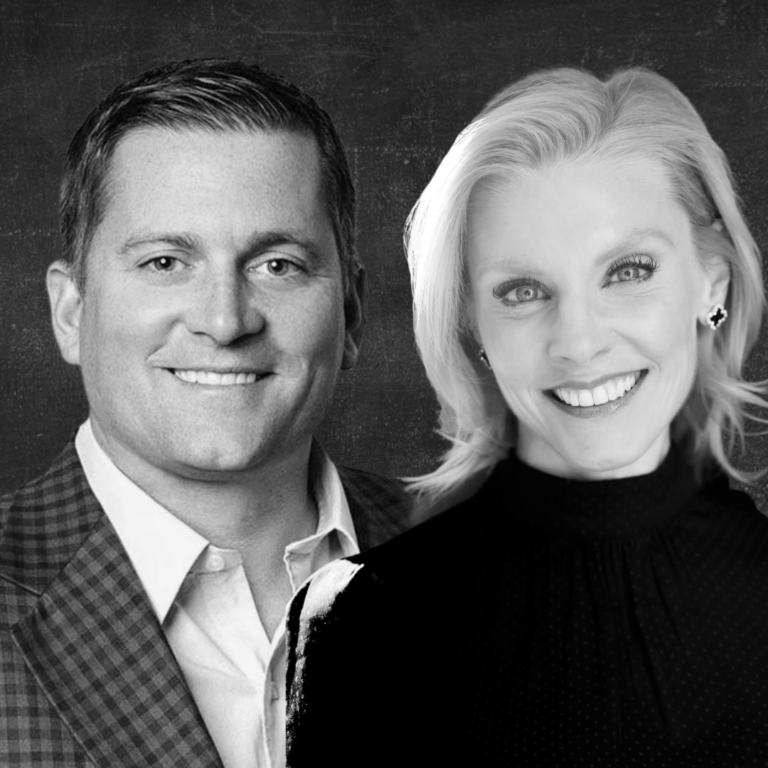
Matt and Suzanne Monahan have an incredible partnership. They are a remarkable couple, parents to two wonderful children, and forefront leaders in challenging industries such as pharmaceutical and healthcare consulting.
Suzanne is a former collegiate athlete and two-time cancer survivor. She is passionate about the power of mindset, teamwork, and performance. Currently, she holds a commercial leadership position at Shionogi Inc., a biopharmaceutical company that leverages a science-based heritage to develop and commercialize pharmaceutical products to treat unmet medical needs.
She dedicates her time at Shionogi to building and leading the sales team for the US. Suzanne is committed to “raising up” cohesive and resilient teams both at work and on the field.
She believes in family first and enjoys giving back, serving as a girl’s lacrosse coach, an advocate for patient-focused cancer care, and a mentor to future leaders.
Matt joined Genesys Health as Chief Strategy Officer in 2020 after leading the way as the National Practice Leader of an Insurtech benefits consulting firm where he was responsible for sales, service, and insurance operations for over 500 employers across the United States.
To know Matt is to be in the presence of an infectious energy. Matt sees the world differently; where others see a dead end, he sees an opportunity to connect, perfect, and solve. Matt isn’t afraid to ask hard questions and challenge the norm, taking pride in disrupting systems before building them back stronger and more successful.
Prior to that, he spent 15+ years at Aetna and GE, where he held multiple senior leadership roles at Aetna. Matt worked closely to bring innovative solutions to the market.
In a consulting business where service and support are incredibly subjective, regardless of the situation any action he takes is making sure it is the right thing for that person on the other end.
Welcome to the Athletics of Business, a podcast about how the traits and behaviors of elite athletes and remarkable business leaders frequently intersect. The real stories and hard lessons to help you level up your leadership and performance. Now your host, Ed Molitor.
Welcome back to another episode of the Athletics of Business podcast. I am your host and CEO of the Molotor Group, Ed Molotor. Several months ago, I interviewed Suzanne Monahan, who is the Vice President of Hospital sales for Shionogi. That was episode 164, and the title, very fittingly, obviously, for that podcast episode, was Executing the Impossible, Mastering Human Connection. And the response that I received, the emails, the calls, the texts, the instant messages, whether it be via LinkedIn, Instagram, Facebook, about that episode, were mind blowing. Not surprising because it was as raw and real of an episode as I've recorded. And throughout our conversation, Suzanne would reference her husband Matt, and the significance that he has played in her success both professionally and individually. And if you haven't listened to episode 164, pause, go back. It's unbelievable and it'll help add context to this episode.
So this episode, speaking of authentic and real, it might be without question the most authentic, genuine, vulnerable, inspiring, real and open conversations that I've been able to have. And what was really cool about it is we did it in person. I flew out to New York and we recorded the podcast in Gotham Podcast Studios and had an amazing dinner after recording this. A phenomenal couple. And her husband Matt is the Chief Strategy Officer at Genesis Health. And I tell you their titles only to put into context how busy their lives are and how many different directions that they are moving. And I think this is something as we all relentlessly pursue greatness in everything that we do, whether it's our career, whether it's our side hustle, whether it's our personal relationships, our marriages, our partnerships, whatever.
This conversation about how Matt and Suzanne make it work is unbelievably valuable to all of us. And we're going to talk about how Suzanne and Matt have partnered to build their careers in their life and how that plays into their leadership styles and their thought process wrapped around their leadership styles and their decision making. And one of the things that we keep going back to in the conversation and go to our YouTube channel because we have some great video clips of our conversation, some very lighthearted moments, some very serious, poignant moments, and all of them have significant value. But one of the things we kept going back to in this conversation is how their life centers around doing the right thing for the right reason. And not only in their careers, but in their day to day lives.
One of the things that makes this conversation so real is Suzanne and Matt's openness about the challenges they faced when Suzanne's cancer came back for the second time. The untimeliness of that. Also the untimeliness of some significant personnel decisions that both of them had to make with regards to their teams. In inside of this conversation, they show how they are able to, despite all the adversity they're going through, despite all the challenges physically and mentally, they were able to be there for each other, to support each other. And honestly, they really lean into the other one's experiences because each of them had been in the other shoes before. And you know, here at our house, Nancy and I, we find ourselves between our careers and our children's schedules, often going in different directions.
And this was a great reminder for me the significance of trust, the significance of prioritizing each other and making time for each other and understanding what's important to each of us, individually and collectively. Now, there's so much I can tell you in such a peek behind the curtain I can give you, but I'm not going to do that. This is just an absolutely amazing podcast episode. And please, any comments you have make, feel free to email me. I will forward them on to Suzanne and Matt because I think it's important, I think it's significant for them to understand the impact that this podcast episode is going to have on so many others.
Susannah, Matt, thank you so much for joining us today on the Athletics of Business podcast. I am thrilled were able to make this work out. And we're sitting here in New York City. Couldn't be more grateful to have you two here.
Same.
Really great. Happy to be here for context purposes.
Because we're going to get into an amazing conversation for context purposes. Let's talk about what you're doing now, the insanely busy world that both of you have, and just kind of share that with our listeners.
Yeah, sure. So, you know, Matt, first and foremost and myself have an incredible partnership which I know we're going to talk a lot about today. We are parents to two wonderful children, 12 and 9. And then we both have jobs we love and they're a big part of our life and the people that we work with are an enormous part of our life. For me, I am working as the Vice President of Sales at Shionogi Inc. Which is a 144-year-old pharmaceutical company. Just a tremendous place to live, really dedicated to bringing medicines to life for unmet needs. And I am fortunate and blessed to work with just an incredible group of people that we've built up over the past three years.
You've built an incredible team.
We have, yeah.
And I know many.
I'm biased, but they're wonderful.
That's okay. As you should be. Right. And really, it plays into your whole philosophy, which we got into the first time. You're on the Athletics of Business podcast, which was just an amazing episode. And we'll talk and we'll connect it to how you both lead. Right. And how aligned it is with your values and your partnership. And Matt, what is it that you are doing in this crazy world right now?
Yeah, well, so I am the Chief Strategy Officer at Genesis Health. We're a employee benefits consulting firm based in Atlanta. So to add to a layer the crazy, I'm flying to Atlanta like, you know, every other week, essentially. This. Our company's about six years old, so fractional to how many years Suzanne's company's been in business. But we had an actuary we used to work with who always said we're not new to life. And so we've all been doing this for a very long time and really wanted to start something where we could actually impact companies, do the right thing and do it the way that we knew it should be done as opposed to the way the company felt like it would be the most profitable way to do it.
We want to do the right thing for the right reasons at the right time, as opposed to the right reasons that are derivative or direct derivative of cost. And so for us, that's how this business has been built. We're women, owned and operated. Our two partners sold the business to Gallagher and then bought it back. And so we've built on a really strong foundation and we're finding like minded clients right now. So it's been a lot of fun. But it's funny, it's really odd leaving Suzanne every Tuesday that used to be Suzanne leaving me every Tuesday to go down to Raleigh in our last role. So we kind of flipped the script where she's a little more local and I'm traveling more to go to my office. But it's been a lot of fun.
You know, can you talk about that just a little bit? Because everything you read and everything you hear and the people whose brains I pick, that are amazing couples like yourself, that are committed to. To their work, committed to their people, committed to their clients, but they're also committed to their marriage and their family. Being aligned in your values and how you do things, doing the right things for the right reasons at the right time. And how you do it at home is how you do it at work. That authentic piece, can you talk about what that's like to leave on Tuesdays, leave Suzanne, leave the family, but yet still go make it work?
Well, I think the communication piece is huge, so it's a lot easier now. I look at our parents generation where it was significantly more challenging, where if they were leaving, you didn't FaceTime. It was a phone, maybe a pay phone, hotel phone. So we have the tools in place to be able to do that. But it stinks. I mean, the hardest part is you get on a plane, you're missing practice, you're missing games, you know, the amount of stress that puts on the other person. Or Suzanne, I'm sure will jump into is our village. Suzanne's mom is a major help for us in the family and friends who have stepped in. You miss your flight or you get stuck. Client goes long, meeting goes long, trying to get back.
Suzanne's not there because she might be in New Jersey or she's somewhere else and trying to coordinate. So there's also cousins, brothers, sisters, everyone. It's not just us. And then the part that we always joke around about is actually you have all of that happening. The hardest part about traveling, in my opinion, is the transition day home. It's like a 24 hour cannonball back into reality where you've been working nonstop, you haven't been thinking about anything besides trying to get projects done or worked on. And then the other part of it is just that transition where you come home and you're like, you're trying to help, but you're also disrupting because you weren't in the flow has changed while you were gone. And so that's a major part of it too.
And there's really no dipping your toe in the water like you're thrown right in it. No one cares how tired you are, how crazy your days were. It's like. But in the same breath, it's like, stay out of the way at the same time.
Yeah, right. Yeah. Because something's happening. It's been like there's been a rhythm that's been reestablished and that rhythm gets disrupted and then you're home and you reestablish the rhythm and then two weeks later you do it again. And so I think that's something that we learned over time. And that's 15, 16 years of traveling now that we've learned that. But it's a really funny thing that we. When people ask that's always where I go first, is that the entrance back into the house. Every time is different, more challenging than the departure. You miss everybody on the departure, but, like, the disruption is really when you get back.
Yeah, we get used to quiet hotel rooms.
Something to be said for there is.
Why don't you answer my call? Wheels across the room. I'm sorry, I got there. But, Suzanne, how hard is that for you? Because you have so many different things going on as well.
Yeah, this is a place. When I think about the puzzle that Matt and I have put together over these years, I would say that we had early on discussed a plan of what was important to us in terms of when we think about our partnership and we think about impeding parenthood, what were things that we felt were really important in building our life. And one of them that we decided early on is that we both wanted to invest in our careers. And that's a very personal choice. And it's something that I really encourage people to think about, because as you go into that partnership, there's a lot of sacrifices, and we've made them on both ends, both on a family side, on a personal side, as a partnership, and also professionally.
You know, in our roles, you make a choice, you move or you travel. And so we have sometimes taken turns on very heavy travel. I mean, we've had one role where I was in North Carolina four days a week and would come home. We've had other roles where someone might be locally based. We've had certainly roles now where we both travel. And when I think about what that means for the continuity of your family, you really have to anchor in on the choices that you made and why they were important. And for us, I feel like one of the first things that we did was really commit to the fact that we knew that there would be ups and downs and that one of the best things this has taught us is one, to prioritize each other, which is advice.
We got really early on, that if you want a really strong partnership, it's got to be strongly rooted in trust. And when you trust, first of all, that makes travel a lot easier. You're taking out a whole other element that people worry about, because that is. That's solidified. And then the second one is adjustment. You have to really be checking in and making sure that all those choices that you made for your individual growth and for our growth still make sense in that moment and make adjustments where needed. These are aspects that are Continual. Right. When you think about the teams that we build, it's kind of the same mantra. You are aligning with people who have the same values. You're working towards this mission and vision that you set in place. And then you're defining roles and responsibilities.
Matt and I have spent a lot of our life defining very unique roles and responsibilities that we take on in our partnership. And you communicate with each other and you just. And I will wholeheartedly echo Matt's sentiment about the village. I can't say enough about ours. This is really. We come back to so frequently that what keeps us so strong and rooted in both our professional careers and our own partnership is one, this trust, Two, that we really prioritize each other, and three, that we have a village that will go to the outer ends of earth and back for us. And I think about. Matt mentioned my mom and my dad and his parents as well, have just been such big forces in our children's life. But where we live, it's also very common.
Less common daycare, but more common to have someone in your home. And were so blessed to have two incredible nannies with us. One, when our daughter was young and had a lot of health issues. And two, Bev, who's with us still to this day, who really raised both our kids. And all of those become the foundation of why we can do what we do.
And that's all part of it, right? That's the plan. You sit and you talk about it. Okay. We identified our roles. We identified the sacrifices. You mentioned communication. Now I'm going to ask kind of a different question that Suzanne can attest to. These pop in my head every now and then. One of the struggles that Nancy and I have is when things are going real well for her and when she's rolling. I don't want to disrupt her with what's going on in my business. I don't want to disrupt her. It's not like a juju thing or anything like that. Right. Or it's just I kind of want to give her space and let her enjoy that ride that she's on at that moment. And I need to figure this out. But what about you guys? Because it's.
You're at such a high level and you have so many different things going on. Your business is growing, your business growing extremely successful. How do you respect and honor what's going on individually in your careers, but yet know that you are a partnership and you are best friends? And you know what? I really need to talk to Susanna. I really need to talk to Matt. How do you handle that, man?
Well, so I think one of the challenges. We're also, like, in a business. We're in two businesses that aren't that far apart from each other.
Right.
You know, I'm in health care, and she's in pharmaceuticals. And, like, you know, there's a massive amount of overlap. So we pick each other's brains a lot. We have different styles in different way. Probably, like, you could have picked that up in the last, like, two minutes. But we have two very different styles in how we approach things. I think we get to very similar types of teams for different reasons with the same end goal. And, you know, whether it's the interview process, whether it's who you're surrounding yourself with, but the communication piece is big. And when you get home, I want to run stuff fire. I trust her opinion, you know, so the balance is trying to, you know, you're going out to dinner, we're trying to catch up, and it's not. You try not to make it 98% work, 2% catching up.
And sometimes, you know, we're not perfect at that. So, you know, we'll catch that. And then sometimes you just get on the roll and you go. But it's really trying to find time to communicate that, but also find time for ourselves to communicate more effectively. But, yeah, I mean, I always want her opinion on that, and I really trust and value that. And so that's something for us in our relationship that I think it would be harder for me to come home and not have someone to have that conversation with or who didn't know what I was talking about. And we've lived a lot of parallel problems. So it's also like, hey, how did you handle this? Because that was tough.
And so we do more of that than probably I care to admit in a lot of our rides heading, whether it's on vacation or whatever, encompass some of that.
But how awesome is that, though? You can do that?
I love it. Really value the fact that Matt and I are very different people. We value so many of the same things, and we really enjoy having fun, which I think sometimes balances why we don't get stuck in only talking about work or only talking about our children. So that piece certainly helps. But I also, you know, in a very similar way, when you are coaching, when you are building out a team, you're complimenting yourself, you're building yourself and surrounding yourself by people who compliment you. And that's a big part of picking a spouse. Is that you're hopefully building a relationship where that person compliments you and you are open enough to ask for opinions that are outside of your own. So that's a place I feel like we win because of our personalities and because of who we are as people.
But it's definitely. It's a balance that you've got to be thoughtful about.
Great segue. Speaking of picking your spouse, you both go to Quinnipec?
Yep.
All right. You. You as a lacrosse player. Clear cut that you were a lacrosse player.
You, my friend, are.
It's amazing. I mean, you are my idol. You went as a soccer player and you end up as a rugby player. Well, you guys didn't start dating until after college. When you first met him, was he a soccer player or a rugby player?
Rugby player.
He was.
Okay, yes.
Awesome. But let's talk about that. Like, you knew each other in college and then you met a couple years after and where, like, what was the connection?
That's interesting. You know, I always say, when I saw Suzanne in college, I once told someone, that's the woman I want to marry. Probably the fact that I was a rugby player didn't help my chances. Probably took longer than I.
Until you threw that GPA thing at me. Right.
That wasn't mine. Collective. It's okay. I like 2.2. I think that hindered my chances a little bit. But we bumped into each other and I had always felt like I always liked her way, her personality, the way she carried herself. Even back then. She had a really vibrant personality. She had a really confident way of carrying herself, and so I was always drawn to that. And when we bumped into each other that night, I somehow got her to agree to a date and parlayed that date into a second date. And then were engaged about a year later. I mean, it was really quick. And so now, almost 17 years later, since we've married.
Where were you at in your career at the time? Were you just.
I had started, so I was a year ahead of Suzanne in school, so that's why my soccer career was very fleeting. But so she. She was. I graduated, so I was about three years out at that time. I was a sales executive at General Electric in their insurance business. This was back when GE was trying to be top three in every industry in the world. That was their stated mission. And they had acquired a number of different insurance entities and I had joined one that they had acquired. So that was where I went to group school and came out. So I was a 30 year sales rep. So starting to kind of find success, starting to, you know, feel what it was like to. To win some deals and move forward and advance. And she was still kind of starting out a little bit.
So you guys had no clue what was coming?
No, not at that point.
Yeah. That's amazing.
No, but we, you know, and I love how Matt describes that. You know, for me, it was in those moments that I met him after school that I saw him differently and for who he really was and not just the person at Quinnipiac sitting in the cafeteria, which is his favorite place to be seen.
It gets quiet. To study. Right. To spread out the books.
Great foundation for his career.
There's worse places to hang out.
There are, I'm just saying, 100% worse places to hang out. Absolutely right. But, you know, I really obviously saw that come to light. And then one of the things that's always been so impressive to me about Matt is his commitment and whether that is to. It became me and then our family, his own family, and obviously, as we've built our careers, you know, certainly to the people that he's been with also. But I was, you know, raised in my own village that really believed that you married a family. And that's something I've always taken with me. And it was something that was critically important to me in meeting my spouse. And, I mean, meeting Matt's family did sign the deal for me, and they. They, to this day, are my. My own as well.
And I just love how we've grown together because were relatively young when we. When we came together, and the decisions that Matt makes, he is 100% about, and he goes all in, and this is what we're doing. So the couple that was probably least likely to ever get married, I would say, is, you know, in the long run, just one that I think makes a lot of sense to people now and certainly to ourselves.
I love that. I do. And on the first podcast episode you were on with us, you shared your battle with cancer when you were in college. And I've never asked you this, and I apologize, but did you know Suzanne at that time when she. I obviously, I know you weren't dating, but did you know her and know what she had been through? And when you met a few years later, that conversation, how much did that connect you to?
So I had known of it just because it was not a huge school, 4,000 people. So word got out. I'll be honest. I don't think at that time in your life, unless you're dealing with this directly in front of you, whether it's yourself or a loved one. I don't know that I had the bandwidth to understand that at that time. So when I met her, it was like, at that age, we're just undefeated. And you're undefeated until you're not.
I love that. I absolutely love that. I haven't steal it. I'm just going on record saying that.
That is great, but you're undefeated. So she looked healthy when I met her three years later. So you have empathy towards that. And I remember thinking like, maybe I should reach out because we knew each other on a tertiary basis. But I don't know that I had the context on what that really meant. I know it now and I know the fear that comes with that. I know the stress that comes with that. But yet I don't know that I could have truly understood what she was going through at that time. Whether it's recovery from surgery, because even then, back then, if you're playing sports and maybe, I don't know, maybe someone gets stitches, maybe they have an acl, but they're on crutches and they're back to normal. I don't think you realize what goes into a recovery at that age.
It's just, I don't think you're equipped well.
And it's kind of the way we're wired. Right. We move forward and if we're not there for that part of the journey, we don't really grasp it.
Yeah, yeah.
And we talked about this earlier. Three years ago now.
Yep.
Cancer comes back.
Yep.
Talk about that and talk about where you folks were at in your career, with your family, with COVID all that stuff.
You know, three years ago when that happened, I would tell you that not knowing where we would be three years from then, I was in a job that I loved, a role that I loved, people that I loved. Matt was doing something very new and he was excited and it gave him a new spark in life that I loved seeing in him. You know, our children were growing and we had really overcome some hurdles with our daughter, health wise. And I felt like were kind of rolling down the good course, down the good path. And that came as a shock to me, honestly. It was found during a routine screening for my previous cancer.
So I am forever grateful for and always feel blessed for the healthcare that we have here and certainly for the diligence that my physicians have for me that really ultimately saved my life at this point. That time was so different for me. And I remember coming back from the doctor because initially I was by myself. And then once I went with Matt, were walking past Smithlin Ski Grill, which is a place that we love to go and have gone for a long time, and just remembering how different I felt this time. Because you're not undefeated. I was a wife. I'm a mother. And that hits you in a way that you feel a greater responsibility to get better than I felt at 21 and didn't know any better. Right. And so that time was really interesting.
And it was also a time that subsequently, I would come to find out that we needed drastic changes at my current position and that I would be asked to reduce that team down and ultimately make the decision and choice to leave there and finish out my surgery. So it was a time of a lot of transition and giving up a lot of things. You loved going into a very unknown time. And it's a lot for someone in your partner to take on all of those things at once. And it's hard for your family. You know, it's really challenging as parents look at their children, because when your children hurt, you hurt ten times harder. Right. So you're looking around, and everybody's got a little bit of hurt going on.
And there's nowhere to hide. We live in. I mean, you know, sort of like locking ourselves in a bath.
You can shut the blinds. You can do all that stuff, draw.
The curtain place to have the conversation on emotions. So I think that was one of the things that was really hard was, you know, and it's hard because you also want to get out to maybe go have dinner, but you want to talk, because we haven't talked about that, and you don't want to do that at the restaurant or the bar while you're catching up. So I think with that, like, there's nowhere to hide. And then, like, you know, Suzanne didn't allude to it is like, you know, you're also skidding into a pandemic at that point.
Unknown at the initial time, but.
But how many months before, prior to the pandemic? It wasn't that many months.
Three. Less than three.
Yeah.
So, yeah, that was.
What's going through your head at this point?
Well, at that time, were wrapping up our busy season. It was. I was buried. I remember my last trip was right before her surgery. I'd just come back from San Francisco, which, like, retrospectively was probably the worst place.
Bring that Covid right back with you.
Yeah, we probably did, because, like, I think half our house was sick over Christmas. You know, as we joked before the podcast There was, you know, you had With. With the COVID stuff and all of that. You had that happening, and then I was kind of running in a mirror situation. Like, you know, she's doing that in October, November, you know, April, May. I'm doing another restructure in our business, and, you know, I'm leaving my company because, you know, we have financial concerns. So, you know, we're kind of. You know, as she's working her way back to health, I'm kind of, like, going through what she just went through minus the illness.
Right.
And I think, overall, it was just. It was just a time of between that and, like, the kids becoming homeschooled somewhere in the middle of that, and there's no escape. There's no peace. There's no stress that came down. And were blessed because, again, that goes back to the village. We had a ton of people around us, and that was super helpful. Suzanne's parents were incredibly helpful through that process. Our friends were incredibly fantastic, you know, making sure she was okay. Food, you know, deliveries and all that stuff, which even.
That was a little bit dicey.
Yeah. Back then. Yeah, it really. But it was. It helps to know you have people around, like. And I don't mean just like, the physical being, but just knowing that people care and that they were there for you. But, you know, again, like, you kind of look at this when you're in that moment, you're like, all right, she's gonna be okay. You're not seeing the downside. I don't think we're totally wired for that. So I never. I know it was never about, like, losing Suzanne. It was more just like, how do we get her healthy?
Yeah.
And I think the stuff she had gone through with work played into, like, her ability to recover and recover effectively, because it was. She was under a tremendous amount of stress. And, like, most people have that stressful. You know, take some inactivity. She didn't have that. She went straight into surgery. And then. So, like, you're decompressing from one thing. Now you have a super stressful situation. Then he's, like, back into that. So, you know, a lot of our focus, even during, like, the beginning of the pandemic, was really, like, how can we get her to recover? How can we get her healthy? Like, if. Get her mentally back to where she needs to be, get her physically back to where she needs to because she had a lot to unravel over the course of a couple months.
I mean, when you throw the mental healing on top of Everything else you did you compartmentalize things or what was that like? I know you referred to in our first podcast, you talked about you woke up every single day at the age of 21. And this will not beat me.
That's right.
This will not get me. Again, you talk about. This time was different. Right.
This time was different because the magnitude of. So in that day. Right. You're thinking about this won't get me. Right. Same concept, I suppose, but it's also just something that you start to. It's easy to spiral into. How could this affect all these other people around me? Right. I am, I say, a pretty good compartment person. It's something I've worked on because I have the ability to really feel so invested in everything. I'm a feeler. Feel so invested in everything that it's easy to take all of that on and everybody else's emotions around me. And that's a learned skill that I've. I've placed a lot of effort into learning how to put things into compartments and really focused on what you can control and what you can't control during that time. Matt's right.
You know, this was different for me that there always comes a time in your life where you realize that everything you were doing is just not good enough. You need to get better at things. You know, it's. It's that old adage, like, what made us good won't make us great. And if you want to be great, my largest piece of advice is to get really uncomfortable. And that was a very uncomfortable time in our lives together.
Like, sort of helps you get great.
Yeah, right. And I also feel like I used some of that time to look into different ways and different modalities that interest me, but I wasn't as schooled on. You know, I really took time to better understand other ways that people heal, whether it's through meditation, which I was really fortunate and blessed to meet somebody through some of my career journey, actually, that spent time with me during that period, really teaching me the benefits of that. I think sometimes we shake that off as like, some other kind of worldly, you know, thing that people get to do. But the truth is that sitting with yourself in your own mind is one of the most powerful things that you can do to either spiral or. Or heal.
And, you know, using that to help me heal helped me come back into our family as a more grounded person. And then the second piece, you know, and I'm very open about this. I believe wholeheartedly that I personally have an unwavering faith and whatever that means to you, it really has to apply to what you believe and then what you do and who you surround yourself in. Right. And I knew that we had been through multiple other things, which could probably be a five part series for us. And, you know, we've been so blessed.
We are.
We've also, you know, we've. We've had a number of interesting things that have happened to us and to our children and to our family. And I keep coming back to you each time. If you're really grounded in that faith and you prioritize each other and you make sure that you're taking care of this, then you'll be able to take care of everybody else. And that's really great advice that I feel like our parents always shared with us as well.
And she was stuck with me because I didn't see negative.
No.
I refused to accept negativity in a lot of things. And so to me, the outcome was a foregone conclusion. She was gonna be fine. She was super strong. She was doing all of those things. It was just a matter of time. And then how could we help make that happen? And then on the activities, like if she took up the meditation, all those things are great. I was truly encouraging cooking. I could have used a little of that.
Listen, we can't be everything to all people.
Spanish there was.
That's a heck of an idea.
I did take up Spanish, but I.
Think the thing she did, it also was about keeping your mind active and happy. And so the meditation helped you get a lot of different thought processes through. And. And I think the Spanish just gave you something to look forward to, like, you know, when you. And what I didn't realize, like, with the surgery was when you were at a point where you're just trying to sit up, like, you know, getting out the door to go do Spanish is something that you're looking forward to because it's the next step. And at that time, it's a great point. So I think that was a really powerful thing in, you know, something that's helped us, you know, helped you along the way as well. I think it was. It was. To me, it was really powerful.
Yeah. Well.
And what I haven't even talked about, which I think is so powerful, is what this did for your kids. Like Matt, you had the dance of keeping Suzanne fired up, keeping her positive, which she's a very positive person. But then you also had that you were tasked with protecting the kids, keeping their innocence as much as you can, not exposing them to the drama and the significance of what mom is going through or we're going through. Oh, by the way, I'm at a significant point in my career making some very big decisions. How in the world did you do that?
Well, I think the kids came first, so obviously it was Suzanne. But it was making sure that they were happy and comfortable. And at that age, a lot of that is keeping them busy. So keeping them engaged in their sports, letting them have fun, and really making sure that they were around people because if left to their own devices and they didn't have. At that time, were fortunate because they weren't old enough or at a point where we had offered them to have iPads and phones or any of that stuff. So they were not fully capable of a Google search, which was good. So for them, Bobby wasn't feeling well. She was recovering. And so we kept it pretty basic. We never want a lot of them, so we are very honest with what's happening. But there is a degree of.
There's a degree of trying to keep their innocence and not allow them to know what cancer is or what that could mean. They can know that surgery because that's less scary. But it was focusing on them and then trying to make sure Suzanne was okay, and then honestly just trying to. When I didn't have that focus, it was trying to just get as much work done as I possibly could and make sound decisions and try and do the right thing for the people that I was making decisions on. Because at that time, were entering further into the pandemic, and it was. The next decisions were like, who's laid off and why? And what does that look like? And what does my piece of the business look like after that?
And so, you know, the hard part was try not to bring that stress on because you're stressed. And then you have Suzanne, who needs rest and peace, and the kids, you know, and any kid at any time can just. Like, it is stressful being a dad for kids.
Yeah.
So it's trying to make them not feel it. And so, you know, that was a big challenge, too.
Correct me if I'm wrong. Did you have to do layoffs while all this was going on? Did you have to cut down?
Laid off? I made 17 phone calls the day we made the layoffs. So I was. I mean, I brought these people into the company. I felt very responsible.
Yeah.
And I felt like it was my duty to make sure that the layoffs that took place were handled by me, and it was communicated by me. It was a broader decision and the company had to do more. But I think my business unit, those people got calls from me.
Well, and here's where I'm going with that. You cared about those people, but at this stage of the game, any of them would have probably forgiven you for being somewhat callous about the layout because you had bigger things going on to be concerned with. But it speaks volumes about you and how significant that was and how challenging that was to you. How were you able to put this aside and focus on them and delivering the news the right way?
I had a good role model because I watched Suzanne do it in October and she was going through a cancer battle and she had to call people and lay them off. And so in her situation, if she can do it, there's no reason I can't do it. And we both would have done it anyway. But it was just such a fantastic example of doing the right thing at that right moment. And so for me, that was easy. I mean, hers was harder because she had something completely different going on in the back of her mind that was directly impacting her. And for me, when you bring people into a company, you should feel some responsibility for, you know, their well being in their overall success.
And when something at a company doesn't work out and you have to terminate those people that you brought in because the financials aren't supporting their being there or whatever, I mean, you still share that responsibility. And it's important for them. They came to believe in you or, you know, someone on your team, you know, whoever's doing the hiring. So it's response. You have a responsibility to make sure that you're communicating back like that this isn't happening. Help them make sure they're going to be comfortable on the way out. Because the way in is the easy part. The way out is the part that's harder on either side, whether somebody's resigning or whatever. And I think being thoughtful in that is really important.
And watch how those people have been. They stay with you, they're advocates for you. That helps when you really invest and care about people. You have what I believe is their commitment to their greatest performance that they will ever give you. And then you have an added benefit of their loyalty. As you go down the path together or separate or you meet up. The world is a very small place and people remember how you were treated. Matt and I, I believe, were both really brought up in this notion, this idea that, well, it's just business, you know, you have to separate these things. You have to. It's a decision Just because it's best for the bottom line. There are days and moments where those definitely play into a cut and dry decision.
There are more moments, in my opinion, that you have people behind everything that has to do with performance. And when you really nurture that for the good and the bad, you receive a better outcome from that gift that you give them.
That's so powerful and what you were talking about. And here's what's one of the many things that's so cool about you, too. It's like what you see is what you get, you know, But I mean, that's a big heart. That's a big heart, right? You sincerely, genuinely care. You care about doing the right things for the right reasons. Right. You care about what's going. I mean, we're sitting here talking about all the things that you've been through, but what's really coming out is how you were able to think about the people that you're serving, think about the people that you were leading. How has that come back tenfold in the loyalty that you two have experienced in your careers?
I think for me, it's not just people I've led. It's people that I've sold to. Like, I've maintained relationships who have now become competitors. And I think, you know, for me, what I'm most proud of is that the relationships I've been able to build over time, and that's in whether it's people I'm selling to, whether it's people I'm working with. I want to be remembered as someone who is approachable, as someone, you know, you can lead and not be scary. You know, I don't. I don't want, like, it's like that Bronx tale. Like, do you want to be loved or feared? Right. Like, I. I don't know where I fall in that, because I think you have to have a little of everything.
But I don't want to be hated, you know, And I want to make sure, like, that I'm doing the right things for people. And I believe that comes out when I meet with clients. I believe it comes out with that when I meet with people internally. And, you know, one lesson my father gave me was, when you walk into a building, the security guard, the janitor should be. This should be just as happy to see you as the people you're going to see, because it means you treated them the same way that you're treating the other people. And that's something I always took with me as I went into sales and as I went into Leadership was, no one's bigger than anybody else. We're all the same. So treat everybody with the same respect, and that will come back tenfold.
And so I don't really measure the loyalty aspect of it as much as I just. When I see people, I'm happy. They're happy to see me, and I'm really happy to see them. And that's something that I value. And it's very simple way of looking at it, but I think it's really speaks to how I like to manage people and how I like to the types of people that I like to surround myself with.
I also believe that Matt and I, again, were raised. You know, I always come back to how you're raised in an industry, how you're raised in a company, how you're raised in a family will always shape who you are. What I really appreciate about our journey is that we've come to a stage where we've taken pieces that we feel really passionately about and carry them forward, and we take others and we redefine some of them. And we are both so lucky and blessed to, in our own roles and responsibilities, work with one of our best friends. And that's something that, you know, many years ago or even early in our careers would have been highly discouraged, because what happens if something doesn't go right? What happens to that relationship?
You know, I'll argue that if you are in the right kind of relationship that's built on trust and it's built on loyalty, that it's actually easier to have some of those conversations that are so difficult to have. And then you have the added benefit of really having someone with you who knows you better than you know yourself. That is a gift that I feel really lucky for every single day, and I know Matt does, too. And we have the added benefit of Matt and Karen being just incredible pieces of our life, as she's our. Our daughter's godmother as well, which is amazing.
Can you talk about that? I mean, because that Suzanne just hit the nail on the head. People focus on why it's dangerous to do it right. But when I talked to the two of you before we started recording the podcast, you guys lit up when you talked about, like, how many years it had been kind of hanging out there and how you brought it to fruition, and now here you are doing these really amazing things together.
So, yes, I'm very fortunate. I met Karen during group school. We were in general, which is a great story.
Great story.
I would take it down that road, but it's someone that I have truly respected. We have picked each other's brains for years on different business ideas, different sales tactics. We'd use different discussions, strategies, all sorts of stuff. So to bring that full circle and be able to partner and work with someone like that was something that I was really looking at and looking forward to. Part that I would say, just kind of building on what Suzanne was saying, we also, both of us, do not fear difficult discussions. It's not like we seek them out, but when they appear, we attack that. And so I think part of the reason this has to work or does work is because we aren't scared to have difficult discussions. We aren't scared to, you know, challenge other people.
You know, we believe you can do that with respect and kindness, but like, it doesn't mean you can't do it. And so I think for us, that's why we don't fear this. Because if something's going wrong, you tell them and, you know, that's where, you know, communication kind of going back to that communication isn't just like talking to people. It's communicating good, bad, the ugly. And so if you're willing to do that, I think this becomes less scary. For people who shy away from the conflict or shy away from the confrontation. This can be more challenging. So there's a lot of reasons why it has worked and a lot of reasons why it hasn't.
But for us, I think being open and honest, having uncomfortable conversations along the way has helped really make this not just easy, but really enjoyable and something that allows us to chase a passion together. And why wouldn't you want to do that with someone you know that's right?
I mean, you know, for me, I have someone on our team that has been at three companies with me. We've been together for over 10 years, seen our children grow up in a lot of different life milestones. And what I love about that is that when you connect with the right person and they travel with you like that, it's a built in honesty and loyalty that really helps challenge you. And I would say that's one of the greatest gifts that I think those kinds of relationships can give you is that they will challenge you and your own thought process. And that helps bring out the best version of you.
Right? It keeps you in check, so to speak. Not just with the serious side, but the lighter side, like attached to your why. Right? And attached to your singleness of purpose. I think that's so powerful. Now, conflict, all the things that you've grown through together. I have to believe at some point there was conflict, though.
Of course.
How did you two sit down. Deal with reality in real time? Because I think that's something that's so significant for professional couples that honor each other's careers and honor each other's marriage that all your values. But then when something seems off, it can be confusing for some people. Like, do we really have to pause and do this right now? We're better than this. We shouldn't be, but it happens. How do you guys deal with that?
You want to take that one?
Sure. It's like, what should I say? That I'm not going to get in trouble? No, I'm just kidding. No, but seriously, maybe. Right. So the first one might surprise people. I really encourage people both in their partnerships and certainly even sometimes conflicts at work, to give space. Not everything needs to be solved in the moment that you feel it. And some of the times that we've had the most conflict are the times where something hits you and I'll react or Matt will react. And there's nine other things happening that day that escalated that situation. And now, of course, the people that you were closest to will always get the brunt of your worst day. Right.
This one's tough for me because I solve immediately.
So, yes, it is. Right. And this is a difference.
I feel you on that, too, Matt.
This is a difference that we. And part of this is also honoring that. Right. I have learned that a little bit of space helps me put things into perspective. And for Matt, and I really do love and appreciate this about him, he wants to deal with it in the moment so that it doesn't build additional conflicts. And honestly, the truth is, both have their time and place. And I think that we've learned over the years, first of all, we live in a very tight space. Right. And so there's something to be said for the fact that we don't have a big home to run off and be. So apart from that, it does drive some of his way in that. And then we travel enough where usually there is a little space if there's something that's coming up.
I find, to me, finding that balance has really helped us.
You know, if you had a dog, you could walk. That would be.
If we had a dog, Matt. That's right. We could go out for a walk. We could, you know, be with nature.
So that was poor on me right there. I'm not gonna hear the end of that.
But I will say this. I find that conflict doesn't come out of thin air. Generally that's true, too. So I think a lot of times you see it building and coming and boiling. So, like, the harder part is finding time, to your point. Trying to, like, actually communicate when you're gonna do it, and then it's where. And like I said, I mean, you know, we live in an apartment, so we have to, like, be thoughtful about how we do this. Cause you don't want to do it in front of the kids. And so that's something that we have worked hard on to try and make sure that we find time. But I agree with Suzanne. She likes the space. I like the immediacy of trying to find the resolution, But I don't think there's a right answer.
But it's more disrespecting the fact that there is a conflict and respecting the fact that you do have to find a solution for it. One way, shape or form, you need it to go away. Because when you start traveling mad. It's a really bad recipe. And it's just hard to keep your mental state at that point when you're traveling angry.
And be specific. Right? To Matt's point, if you let every single thing come into that conflict, you're. That's going to snowball real fast. Right? Typically, it's the. There's like a nugget in there that's really causing the issue.
But watch this. Watch this reframing, though, right? Be specific about the little things, too, that you celebrate, that the little wins. Just like leadership, right? You want to be specific about celebrating the people on your team and what they've done, no matter the size. I find sometimes. I mean, I think we all find this sometimes when things are going really well, we sort of take life for granted. Okay. Take each other for granted. Not intentionally, subconsciously, but when you're able to dial back in and become more aware and more present and you can celebrate something little about each other. Right? I mean, talk about, like, that being able to do that. I mean, we do it for our kids, we do it for the people that we lead, but sometimes we forget to do it for each other.
So I have a great example of this that happened this week. This week, I was blessed to host our president's club for Shionogi. And Matt was with me as my guest, which I was so happy he could be with us for that. And I'm a big note writer, so I write handwritten notes to everyone on our team every meeting that we have. And so were finishing up at our farewell dinner And I had written some notes out, and were at lunch earlier that day, and somebody I think asked Matt, like, oh, you must get a lot of notes, right? Or you must get all these things. And I'm thinking to myself, oh, God, I can't believe I'm going to admit this to myself, but, you know, Matt and I do cards, you know, for all the representative holidays and these things, right.
And I honestly think we spend a decent amount of time really vocalizing things that we're grateful for and how we feel about each other. But there is nothing like getting a note. Even if it's not your thing, it's still just a different token. I went back and finished these and I wrote one to Matt and then I presented it to him at our farewell dinner. Now, whether that meant a lot to him or not, it made me think of just what you said. Whereas sometimes we're doing so much for other people that it's easy to not do those same or take the time to look at the people that are closest to you and do those same kind of things to them. And for them.
I like to celebrate everything. So hanging up the phone, getting on the phone. I think for us it was. We don't just growing up in sales, the very logical celebration is like, we had a huge deal, big. You know, something comes through and like, you know, now you start, you go celebrate. I think for us, we're relatively aware of what the other has going on. So, like, after she's finished with a POA or she had something, a lot of times our celebration will just be, let's go grab dinner. Let's like decompress, not think about this, or let's go do an activity or something like that. And that is really important. And, you know, when it came to teams, I'm just a. I like having a team. I love building a team that's close knit.
And I believe you have to do things with people like, yeah, you have to do more than just sit in the office together and you have to get out and get to know them. And as people have wins, whatever that win is, you have to recognize that. I think recognition of it and whether it's in a relationship with us at home, you know, it's just like, hey, how'd it go? Good. All right. You had a good day. Like that type of stuff all the way to congratulations. You just close the deal, like, love it. Let's celebrate that. And like, there's a lot of different break points that we've tried to manage to. So that for us, is. Is one of our cores is just we love. I love to celebrate.
Love it.
She's stuck having to celebrate. And so, you know, how do we do that and when.
Yeah, yeah. And it keeps it fun.
It does.
Especially everything you guys been through. Life can get pretty serious.
Matt's very fun. Yeah, Matt always brings the fun. He is very fun.
That's what rugby players do.
Yeah, it is. It is. Right? And that is. And then when they grow up, they're just mature fun.
How did you get to the point? Matt with. You have this rugby player mentality, which is awesome, which I love. Okay. But it's an edge, and it's super cool. Right. But you have this aura about you, and you have this very authentic, genuine vibe of like, I really care about people I lead. I really care about the people I serve. I really care about my clients. I really care about Suzanne, my kids. How did you get to that point?
I don't know. I think a lot of it was just how my parents raised us. You know, were taught to respect. Everybody all talked a lot about doing the right thing. Suzanne has reinforced that. But I, you know, I guess maybe it makes you a pleaser. I don't know. You know, I'm not like, it's as far as, like, I want to make sure people are comfortable. I want to make sure people are happy. We love to entertain. I love to have people over. But for me, as far as, you know, how I evaluate that as a strategy, how I look at that as, you know, how I attack life. I mean, I can't quantify how I care about people. I just know at the end of the day, I want to do the right thing.
I want to help them, and I love to solve problems. And sometimes that is what that is. You're solving problems for people, helping them solve problems, help them get to things that they couldn't figure out on their own. But I wish I had a better answer as far as why I care.
I love it.
I love the answer.
So Matt's favorite self proclamation is that he's a summer breeze. Okay, debatable.
However, I learned later in life, I'm relatively intense.
Exactly. And honestly, he shifted the intensity from whether it be rugby or soccer or anything else that he was doing to his intensity in how he cares. And you just apply that to all things that you do. This person right here, making pizza, right? He. Oh, my gosh. Him and our daughter taught themselves how to make pizza during COVID It's like the most intense project that we took over during COVID they make the best pizza that I've ever had in my life, whole life. And it's because you just. You shift that intensity that you have naturally. It's to the core who you are.
Yeah. I thought it was super laid back until Suzanne told me I wasn't that.
It's a laid back kind of intensity, though, right? Yeah. Was he always intense?
Yes.
So when you knew him in college, I was the intense.
He was very intense.
Matt Monahan. Right.
He was very intense. Even I remember, I have this very clear image that is both so sweet, but it not. It rocked me to the core. It was our second or third date, and I remember he sat me down. He was like, listen, I like you. Like, we're either gonna date or we're not. And I'm like, okay, it's like 12:30 at night. I mean, in the morning, like, you know, But I remember that there was.
No letting her sleep on either.
There was no sleeping on. It's like, I want to answer right now. Right. And again, it comes from, like, this really sweet place. Honestly, like, most people would die for that. Right. Kind of commitment. But he just. He knows exactly what he wants, and he applies that intensity. And it just comes from a great place because you have a great heart.
Well, you do.
And the thing is, you want the right things, and that's what makes it so when you. When you direct that energy and that intensity in the right direction, I mean, pretty cool things happen.
Yeah, that was a better answer than mine, for sure.
No problem.
Well, I think you just put the ball in the tee for it. And I think that was absolutely intentional, too. You dialed down the intensity, right?
You made about Summer Breeze. Did so.
Summer Breeze. How did you come up with summer Breeze?
Honestly, I was playing in a golf thing. Member, guest at a club with one of my very good friends. And he and I are very similar. And so were just having a blast. And were winning our flight, but were the lower handicaps in the flight and weren't playing particularly well. And so I remember I looked at him and I said, I was like, I don't understand how we keep winning these matches because we stink today. And he's like, buddy, we are just a couple of summer breezes who wouldn't want to play golf with us? And so since then, I was like, yes, I am a summer breeze.
That's it. That's. That's what I am. So you don't describe him as a summer breeze?
No, I do not.
Kids Call me Hurricane.
Yeah, the kids call him a hurricane.
That's awesome. That is. Do they give you a different name every time it shows up or.
No, they just. They. They make fun of me because they'll be like the summer breeze. And our daughter always yelled, he's a hurricane. So it always kind of goes down. Down.
That is awesome. So have things evolved and shaped up like you thought they would personally and professionally for you too?
I think so. I mean, I think we've been blessed in that we've been able to find the path that we've found. I have found an innate amount of happiness being tied to people that weren't strangers, that became friends at work, that were friends prior to that, and we've been able to continue to build a business. And I feel immense amount of freedom, both from a creativity perspective, but also just from a personality perspective. You're not. I'm not worried about giving them bad news or, you know, it's not. We're preparing for some meeting with the CEO, and we don't want them to understand what the total problem is. And that was a lot of what I saw in corporate America was like, you're. You're trying to. It's survival. And I don't feel like we're surviving. I feel like we're building a business to thrive.
And that's something that I really love. So huge it's. That, for me, is. I feel we've been truly blessed in that, so. Yes, it has. You know, there's things you'd like to see faster. You innately would love to grow faster, you know, but at the same time, I think it's allowed us to be very thoughtful, at least in what we're doing. And I know in Suzanne, like, the way she's built her business, so it's allowed us both to, I think, be thoughtful and do it the way we want to do it. And not everybody gets that opportunity in their career.
So.
True.
Let alone at any job, but in their entire career. A lot of people don't get to be able to put their own stamp on it the way we've been able to.
That's gotta feel really fulfilling. And, I mean, that's a massive understatement. What about you? Has it evolved the way you thought it would? I know there's been some bumps along the road.
You know, there are bumps. I am someone who used to feel very uneasy that I didn't have the perfect vision of exactly where I was gonna go or what I was gonna do or how that was going to map out. And what these past three years have taught me is it's not about one destination. It's really about how you're living in what you're doing. And it doesn't all have to evolve at the same time. You know, for me, I also feel so blessed about these past three years that I've spent at Shionogi. I feel really grateful for the leadership that we have there that have trusted in allowing the way that I believed we could build this team and really start to build a true culture with the people around us.
And watching that come to life has been something that, you know, that's not really something you put in a textbook and you talk about. This is what you evolved to do. It's something that you feel and you see come to fruition that will stay with me forever. I think about our next journey. I've sat a lot lately with. As your children grow, they go through different life stages. You know, we have two children that need a lot of guidance and support going into their teenage years. They both have learning disabilities that need really strong and that's going to be our next chapter to say we've over the past three years built these really strong foundations professionally. We need to keep growing those and keep building those.
And we also need to look inward and make sure that we're building out their strengths and their path, you know.
And I think this is a great way to start to wind down as I look at the time. How do you have those conversations about your commitment time wise to your careers professionally with your children based on the age they are now? And then how do you see those conversations evolving here over the next couple of years?
The calendar gets more full.
Yeah.
And there's multiples. But I think for us, what we've really tried to start doing was at least do a better job communicating like where we're going to be. It used to be a lot easier and we used to I'll be home the first half of the week, you'll be home the second. But now we have soccer practice and lacrosse practice and then you also have tutors and all that stuff. And so for us it's involving really communicating better around the calendar, really trying to guide each other on like what we have to do. And we, I think have both done a better job. Something we've talked about is traveling with purpose. Like if, I mean I've done same day trips to la, those I like to avoid. But like, you know, if I'm going down for meetings, I'M going down on Tuesday morning.
I have a standing flight at 7 o', clock, but if I can get on a 2 o', clock, I get on 2 o'. Clock. It's to me, it's about like, you get in, you do what you have to do, and then you get out so you can get back. Because we can maximize time with the family and I can maximize strain on the family with me being gone or with Suzanne being gone. And so that's a big piece of it, too.
Yeah. You know, I know that people use a lot of different terms to describe what you're asking. Right. One that's used a lot and used to be used a lot was work, life, balance. And the truth is, I don't know what that means. Right. Because for us, I feel like we have dedicated ourselves to being really present in whatever needs to get done. And so if that's something at work, then that needs to be prioritized to get done so that we can be present in one of these other activities that our children need. And part of that is switching on and off, both the prioritization and then the being present. And that can be hard. That's a hard skill to learn.
But that's something that I feel like we're getting better at out of necessity, but also because it allows us to have it all. You can have it all. You just need to understand where you're going to sacrifice and where you're going to lean in and where you're going to lean on someone else.
It also means you work in some pretty weird places, whether it's the airport, the bleachers, in a game. Like, you got to get something done, you got to get it done. You know, for all the crazy, all therapy session that's probably going to cost us later in life, where our kids might have seen us doing some work is we're trying to wrap up so we can watch 90% of their game. I want them to see that, like, none of this comes without hard work. And, you know, I think that a lot of kids, as they grow up, they see the end results. They see successful people living in beautiful homes, driving nice cars with good families or, you know, whatever they define as success.
But they don't see that, like, behind that great family was a tremendous amount of work that the parents put in to, you know, stay together and grind or professionally, that CEO that's out there, like, the amount of work that person put in to be the best out of, you know, however many people are at that company in the risk that they took to get there and the sacrifice they made. So, you know, while we want to be present, it's also we want them to understand, like, this is not easy.
And the lessons that is teaching them now, whether it be intentionally or unintentionally down the road, is going to pay huge dividends.
Yeah.
Yeah. Guys, I can't thank you enough. I know we're getting ready to wrap it up here, but thank you so much for making this happen. I mean, we just established how crazy your worlds are to take this much time to get here, to sit here and share so much with us. I greatly appreciate both of you.
This is really special.
Thank you.
Thank you for having us. This is fantastic. Wish like we could be in the same city at the same time.
I know. I feel I. How about that we met. I feel like we should continue this conversation at dinner tonight. There's like some things like where we ran out of time, we still need to talk about. Yeah. But no, seriously, Matt, Suzanne, thank you so much.
Thank you so much. We love it.
This was great.
Thank you for listening to the Athletics of Business. Be sure to give us a rating and review so we know how we're doing. For more information about the show, visit the Athletics of Business. Now get out there, think, act and execute at the highest level to unleash your greatness.