

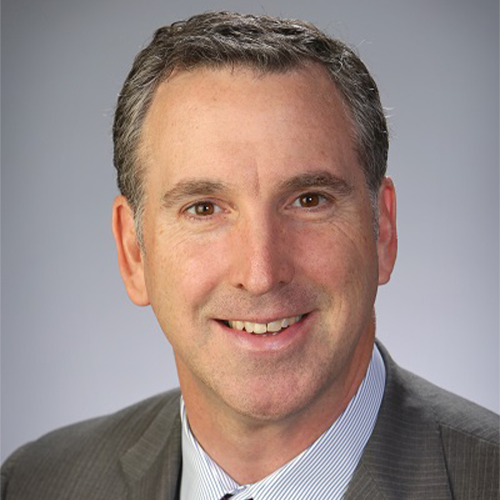
Aaron “A.J.” Jack is responsible for marketing, sales and business development for Argent’s entire 12-state footprint. He spent 5 years as vice president, director of development and marketing of Argent’s Oklahoma City-based group, Heritage Trust Company, before being named Chief Development Officer for Argent in January 2018.
Prior to joining the organization, A.J. spent 12 years in various sales and upper-management positions for Pfizer, Inc. Along with winning multiple awards, he spearheaded initiatives designed to enhance leadership roles, improve diversity and inclusion and maximize employee engagement.
A graduate of Texas A&M University, A.J. served as a two-time captain on the men’s basketball team and holds several athletic honors. A.J. is been extremely active in the Oklahoma City community. He has served on several boards, including the All Sports Association, Downtown Club and the Isaiah Stone Foundation. He is a proud graduate of Leadership Oklahoma City Class 33 and participates on the board of advisors for the Oklahoma City Chamber of Commerce on behalf of Heritage.
A.J. and his wife, Allison, enjoy spending time with their 3 boys – Bowman, Lincoln, and Barrett. They are members at St. Luke’s United Methodist in downtown Oklahoma City. In his free time, he enjoys traveling, playing golf and adding to his beginner’s wine collection.
Welcome to the Athletics of Business, a podcast about how the traits and behaviors of elite athletes and remarkable business leaders frequently intersect. The real stories and hard lessons to help you level up your leadership and performance. Now your host, Ed Molitor.
Welcome back to another episode of the Athletics of Business podcast. I am your host and CEO of the Molotor Group, Ed Molotor. I could not be more excited to bring you today's guest, Aaron Jack. Now, I had the good fortune of coaching AJ back in the late 90s while I was an assistant at Texas A and M. And A.J. Was one of those guys who you just knew was going to be successful. Not only that, but you knew he was going to make a positive impact on anybody he worked with, on anybody he worked for, any organizations, any people inside of those organizations which he led. You knew he would be an incredible family man, he'd be a great friend. And really simple way to put it is just everybody associated with AJ Would better off for it. Okay?
Now one of the things about coaching college basketball, it's a ton of fun, is seeing the players you coach go on and out into the real world and to grow and become successful and how they deal with their adversity and how they deal with the struggles, how they deal with success. And AJ was one of those guys who you knew would always keep things real, right? He'd keep it even. Whether he was having to endure some struggles, whether it was adversity, whether it's change, transition or some really significant success. And he's done just that. And currently AJ is a Chief Development Officer who is responsible for marketing, sales and business development for Argent's entire 12 state footprint.
He spent five years as vice President, Director of Development and marketing of Arjun's Oklahoma City based group, Heritage Trust Co. Before being named Chief Development Officer for Argent in January of 2018. Here's what's really cool about AJ well, one of the things that's really cool about AJ but prior to joining the organization, he spent 12 years in various sales and upper management positions for Pfizer. Completely different industry. Along with winning multiple awards, he spearheaded initiatives designed to enhance leadership roles, improve diversity and inclusion, and maximize employee engagement. As I mentioned, I had the good fortune of coaching AJ at Texas A and M where he served as a two time captain on the men's basketball team and he holds several athletic honors. AJ has been extremely active in the Oklahoma City community.
He has served on several boards including the All Sports Association, Downtown Club and the Isaiah Stone Foundation. He is a proud graduate of Leadership Oklahoma City Class 33, and participates on the Board of Advisors for the Oklahoma City Chamber of Commerce. On behalf of Heritage, AJ and his wife, Allison, enjoy spending time with her three boys, Bowman, Lincoln and Barrett. How cool are those names? They are members at St. Luke's United Methodist in downtown Oklahoma City, and in his free time, AJ Enjoys traveling, playing golf, and adding to his beginner's wine collection. AJ I cannot tell you how fired up I am to have you here and I appreciate you taking time out of your schedule to spend some time with us here on the Athletics of Business podcast.
And happy to be here. Really, really happy to do it.
So I, you know, I told the folks a little bit or a lot of bit about you in the intro, but fill us in on what's going on in your world right now and we're going to kind of work our way backwards. But tell us about the work you're doing with Heritage and Argent and I'm really looking forward to getting to the whole evolution of you and your professional career after you got done playing at Texas A and M. Sure.
Well, just briefly. Really happy to have been back here in Oklahoma last six years, blessed to be able to be chief development officer for our group here at Heritage in Oklahoma City and then our broad parent company, Argent Financial Group, which spans all across the South. In short, I'm in charge of our group in business development and marketing and have been able to be in that position for about a year and a half now and enjoying the opportunity to serve folks and their financial interests and we can certainly dig more into that as we move forward.
Yeah. And prior to Heritage and Origin, you were with pfizer for almost 12 years. Completely different industry, but something I want touch on. It wasn't just the evolution of you moving from one industry to the other. It was what you did inside of all of different roles. I believe you had like five different roles at Pfizer, did you not?
I did so right out of Texas A and M really was just looking for a job and blessed through a connection, a basketball connection to have the chance to interview with Pfizer and had a wonderful career at Pfizer. As you said, they're almost 12 years and honestly, if you'd asked me back in 2011, 2012, where I'd be sitting in May of 2019, I would have probably bet in New York City or international somewhere. Just the way the career paths were going at Pfizer and the opportunities that were presented and the diverse set of careers you can have within a great company like Pfizer.
So things were going along really well, but was introduced to the team here at Heritage through some circumstances that were bringing me back here home to Oklahoma for a number of different reasons, and had the chance to sit down and learn more about what they're doing and the needs for succession planning within the organization and what the future needs were and what the company was about, which is ultimately about serving families and those family relationships in a trust relationship, which means you're typically helping to manage and administer the financial assets of families, but ultimately you're taking care of them and you're serving them on their side of the table. And that mission spoke to me, and the opportunity to join a growing company with that mission of service really spoke to me.
And so over the course of about 12 months, had several conversations with the chairman here at Heritage and ultimately had the opportunity to join them and came in recognizing that I didn't have any relationships in the business, didn't have much knowledge of the trust business at all. And it certainly was a leap of faith. And during that time, a quote spoke to me a little bit that said, sometimes your only available means of transportation is a leap of faith. And I've had a number of those moments in my life, and this was one of them for sure. You know, young family taking the leap, coming back home, and have done that. And we have had a great six years. It's been a little over six years, but looking forward to a number of years moving forward.
We got a great group here, great group with Argent and excited about what the future holds.
So I'm going to presume something here. I'm going to go out on a limb and say at some point there was a discussion where they told you why they wanted you on board. You're in a totally different industry. But you know, A.J. Here's what we see in you and here's what we like about you, and here's why we think that your values and the way you go about doing things are. Is aligned with us. Is that safe to presume? And if so, what were those. What were those things they told you that attracted them to you?
Well, I joke for sure that my hire back then was only and solely a competency hire, because in the position that I'm in, leading business development for a financial services firm or any financial firm, you're typically hiring someone who either is bringing a book of business or bringing a whole host of relationships, or quite honestly, most of the time, both. And the truth is, I Had neither of those. So I think it goes without saying that my hire within the company raised a few eyebrows outside of those that were in the know of the conversations that were having.
And so I think ultimately what I was able to bring with experience from Pfizer and a fantastic training program that Pfizer puts you through, and just the diversity of experience that comes with working in a company like that, you know, I was able to bring that perspective, that experience, and as with a long Runway ahead of growth and succession within our company, as were looking to grow, able to bring some formalized approach to the role of business development here. The great thing about Oklahoma City and many cities, but Oklahoma City specifically, given I'm biased, is you are able to make connections quickly and easily. There are a lot of ways to get involved here in the city. And so part of the job is just getting out and being visible. And more than anything, that was what we needed somebody to do.
And then, you know, I feel blessed because so really I took a leap of faith that there were also those here in our building that were taking a leap of faith with me that I would deliver on what we talked about and the guy who knew nothing about the industry would be able to at least, you know, my role is not to be a subject matter expert, but to be able to communicate the benefits and the talents of our team here and the expertise that we can bring. And I think so far we've been able to do that pretty well. But always room to improve, and that's where we stand today. A lot of room for improvement, but we're going to continue pushing forward.
How, how challenging was it for you? You had mentioned that it raised eyebrows internally, which is obviously to be expected for reasons that you mentioned. But what did you do to go ahead and build those relationships, to develop that trust, to earn their trust and respect? And like you said, you didn't come in and try to act like you knew everything. It wasn't about being a subject matter expert. But what were some of the things you did to bridge that gap?
Well, I mean, I think each individual relationship is its own. And you know, through times and listen, there were challenging days, and there's still challenging days today. We all go through those, but certainly a lot more positive days. And you find those who are your advocates and you just work to treat people well every single day. And as you treat people well, your reputation, you know, hopefully becomes that, you know, and I also approach any situation that trust has to be earned. It's not something that's immediately given and recognize that. That, you know, I knew I didn't know much back then, quite honestly. I think, you know, as you learn more about any business, you feel like you know less than you did the day before because there's so much to learn.
And in an industry like the trust business, it can be so complicated and so personal, but it's really one day at a time. You know, doing the right thing, working hard, showing people that you have the best intention, finding those who you work well with and growing those relationships and the others that. That may not come along as fast, just working to find ways for common ground. I mean, ultimately the most important thing outside of. I think the one thing I knew is it's bigger than me. Our company is bigger than me. It's bigger than anybody we hire. But if we're all on the same page, on the mission of serving and looking to do that the right way, ultimately we'll find common ground. And that's what's happened over time, and that. That hopefully will. Will continue to happen.
Right. You know, and AJ Obviously, having a good fortune of having the opportunity to coach you at Texas A and M. I look back at your playing career and we talk about change and transition and being a part of something bigger than yourself. One of the things that struck me, and I'll never forget the first time I met you, one of the things is we got to know each other, and I. I had the opportunity to coach you in practice was A, how humble you were. B, be, you know, how you. You just did exactly what you said you were going to do, and you were. You were very authentic. Did you're. You know, you left Penn State after one year, correct?
Yes.
Okay. Then you go to Texas A and M and the. The crew that recruits you to go to Texas A and M basically gets fired. And now you bring on a new coaching staff. How much did that prepare you for the transitions you've gone on in your professional career?
Yeah, I think, I mean, a lot of lessons, and they're. There are lessons that come through those different transitions and different leaders in my life. You learn lessons of things to do well and things that maybe, hey, I don't want to repeat this, but ultimately, lessons learned through that are just had the opportunity to play for a number of great coaches, establish a number of great relationships. Even at Penn State, being there, I was. I guess I was there a little over a year. I've still got a number of great friends that it Feels like I was there for, you know, my entire collegiate career, but I was really only there for a year and a half and so establish those relationships.
And ultimately, I would hope that at the end of the day, whether it's basketball, high school, college prep school, my work at Pfizer, here at Heritage and Argent, I would hope that people would say, that guy showed up, he did what he said he was going to do, he worked hard every day. And that's the common denominator for me. You know, able. Able to learn from a lot of different coaches, a lot of different leaders, get some different perspectives, some of which. A lot of which I've taken, you know, within others. It's like, hey, I'm not going to do that. But at the end of the day, it's about creating your program. It's about creating a culture. And, you know, those things are critical for moving forward.
I think the most successful companies, programs, collegiate programs, professional programs, you hear about the program, create, the culture they create. And there's no doubt about the fact that you're either intentional in setting your culture or your culture creates itself. There's really no middle ground. And so having seen a number of different programs per se, I think I can attest that there's no doubt about that to be true.
So, A.J. That's what I was getting at, because you had this ability to adapt and adjust to change, you know, to a different culture, whether it be. Whether the schools you change, the coaching staffs that change, or you changing industries and leaving Pfizer and going to Heritage. But the thing that really impressed me about you was not that you didn't adjust because you can. You conformed and just tried to fit in, I should say, you didn't just try to fit in. You were aligned, like your values and everything were aligned with where. Where you were at. But one of the things you and I talked about when we had the event of Texas A and M was authenticity. And I think that's one of the best words to describe you and the way you do things.
And for me, part of authenticity that I work with my clients on is the ability and the commitment to be vulnerable and, you know, to ask for help. How. How important was that for you to develop that sense of trust when you went to Heritage?
Yeah, well, I mean, the idea of coming into a situation where you recognize while maybe fundamentally of what the job is going to be about, I felt comfortable in being able to go out and establish relationships. The day to day of what we did, I was. I don't want to say clueless, but close. And, and so the ability to listen, to understand, to just observe while doing the best I could to get up to speed with some of the technical info was critical. And again, back to. It's all about relationships. And so in the instances of those that I was able to establish quick relationships with, being able to open up, to say, hey, I'm unclear what this is or that, and be willing to listen and hear what they had to say.
And if I spoke up too quickly, perhaps trying too hard, instances to speak up, there were those that would tell me and I'd listen to that and try to learn from it. But, you know, ultimately you talk about, you know, humility and being humble and those types of things. I think, I think sometimes that's just learned. It may be nature and sometimes you learn it from being smacked down a little bit, but certainly a lesson from my dad growing up. My dad was as humble as any that I've ever known. And what's great about that for me is that one of the key tenets of our company today is an idea of humble confidence that comes from our CEO. And when you serve, you know, there's that fine line between being cocky and being confident.
And, you know, the end of that spectrum can go awry. At least the cocky side can go awry pretty quickly. But that confidence is critical. And then being humble and serving people, but them, knowing them, having that confidence in you is critical. So it's a key tenet of our organization, I think is great for me because it's exactly what I learned growing up. I mean, my dad was a fantastic athlete, ultimately All American in two sports at University of Oklahoma. And growing up, I really wouldn't have even known that. He barely talked about it.
How'd that go when you went to Texas and M, by the way? Because that was just the beginning of the Big 12. And we're not even going to talk about our game at Oklahoma. We won't even discuss.
Oh, you know, it was good. I think ultimately I was such a late bloomer that playing at that level didn't necessarily seem to be in the cards as I came through high school. But the opportunity of prep school led to Penn State and then ultimately led to Texas A and M. And quite honestly, I think for my dad, it was just. He was most excited about being able to watch me play at home in Oklahoma a couple times a year at Oklahoma and Oklahoma State. And then, as you know, he'd make trips down and spend a weekend or spend, you know, a handful of days down watching. And great thing about him is he was always around and that was just always. It was certainly fantastic.
It was cool. It was, it was always a lot of fun. There might have been a time or two or was a couple handful of days, which was a blast. But, but just a lot of fun. How, you know, obviously you, you got a lot from your dad in the terms of work ethic and thought process and your humility and things like that. Who else have you had along the way that's been a mentor to you? A.J.
Oh, it's a great question. I mean, I think one of the things that comes, I mean, just the way that my life has gone there are those just based on kind of moving from place to place. Folks have come in and out of my life and made incredibly positive impacts. Had a, had a PE teacher back in my elementary days that I mentioned her just because recently I found my way to her over in Tulsa just to sit down with her and tell her thank you for what she did for us. Because, yeah, I mean, my sister and I, you know, my parents were divorced, had, you know, while in the same towns, effectively being raised by a single mom.
And this teacher kind of took us under her wing and would open up the gym up early in the mornings for school, would keep us, she was keeping us busy and ultimately as kids, thinking we're playing. But ultimately what was going on was she was helping my mom kind of take a burden off of her and take us out for awesome experiences. And it hit me one day, now that I have kids, how important that was in my life. So I seeked her out on purpose. Didn't tell her I was coming over, but just to get, tell her thank you.
That is awesome.
My dad, yeah, my dad was an important influence in a lot of ways, of course. But the thing that I think if you ask people that work with me today, the lesson that I've taught them in the world we're in today is the lesson my dad taught me, which is the importance of the in person, tough conversation I had. I, I don't know this for a fact, but I may have been the first person to tell Bill Self, who was at the time the head coach at Oral Roberts. I may have been the first recruit to tell him no. And when I did that, my dad made me go tell him in person that I was going to prep school, that I wasn't coming to Oral Roberts. And it's Honestly, Bill may not remember any of this, but it was.
It's something I never forgot because having to sit down as an 18 year old and have that discussion without just calling or texting today has never left me. So I tell my people, you know, I mean, I insist on in person conversations or God forbid, at least a phone conversation versus doing something on email or text today, especially if it's a tough subject.
There's no question. How'd that conversation go with Bill, by the way?
It's a long story. And again, you know, it wasn't easy. Not easy at all. But. And while he's a, you know, obviously has a fantastic track record, it didn't hold him back at all. It's certainly the lesson that my dad taught me in that moment. Yeah. When he knew I didn't want to do it, he didn't. He knew I didn't want to go about it that way, but he made me go sit down and tell him in person. That was, it was an important lesson.
Well, you think about the two things you just told that story and then you talk about your elementary teacher. And the world that you're in now is where, you know, you mentioned you serve families, you take care of them. Right. So you're in this business where metrics are very important. I mean, it does. At the end of the day, dollars and cents do matter, but your focus and your values are on serving these families. And there's an emotional attachment to what you do. Can you speak to that a little bit about not how challenging that is, but how important it is to keep what you're really doing, what your singleness of purpose really is, to keep that front and center. Not just how important it is, but how you go about doing it.
Yeah. I mean, it really is at the core of why, you know, the founding of Heritage and our trust company here in Oklahoma City and is truly at the core of what we do. I mean, ultimately, every family is. Is different in their own dynamic. There's no cookie cutter situation. You know, we can't fit anybody into a box. And so when we are at our best, we are serving a family in a creative way, meeting their needs, being responsive to them and understanding that. Look, it's not going to be some greeting card or Hallmark movie type situation where folks are. It's some perfect situation. Every single family has its own level of function and dysfunction. And our job as we transition through the generations is to serve them and serve them well. And sometimes that means those tough conversations and those are not fun.
There are times that we know that when we're doing our job, there are going to be people that are upset with us. But, you know, us having the right people in place, with experience. We have folks with decades of experience of navigating family relationships. It's critical and take a lot of pride and being able to customize our offering to each family and recognize that it's just going to look different for each. Each. Each individual and each family that walks through our door.
Do you have a. I don't want to say an avatar, but do you have kind of the ideal client, the niche client that you work with, or are there a number of different types of family clients that you have, or what is it?
Oh, Ed, we really have everything from all over the board. You know, we have just candidly, we have people that will hire us and say, we don't want to talk to you anymore. Just manage this for us all the way to people that we pay every bill we visit on a regular basis and some sort of care center and, you know, maybe managing for the next generation or two, depending on their situation. So that's part of what's great about our group, is that, again, there's not a cookie cutter situation. It's not hire us, and you're getting this, and that's all you're getting. You know, we're going to make it. We are. We are. We are meeting the needs of our family, where they need to be met. And again, it's not just families, but sort of our core offering.
But we work with institutions, nonprofits, you know, just very diverse, you know, group all across the board. But, you know, our folks have vast experience, and I've just been privileged to be able to work with them and learn from them over the, you know, over the years. And as I said, we've got a long Runway ahead, and hopefully at some point, they learn from me. But right now, I'm still in the. In the learning process for sure.
So take us back right to the beginning of your time with Heritage. There had to be some challenging times. You're like, okay, what did I do? What's this leap I made? I know it's leap of faith, and I believe in it. But there had to be times, because you're an extremely mentally tough person. You really are. And there had to be times where you tapped into that mental toughness to help you grow through certain situations. Can you share one or two of those with us?
Well, I mean, sure. I mean, I think at the end of the day, I think when cut through all the business phrases that you hear, all the things, the motivational speeches that you can hear and all that, I mean, at the end of the day, it's about showing up and winning the day. And so, you know, no doubt we had some tough times. I mean, the company was going through some transitions, and those things came to fruition. And, you know, but the most important thing was that the folks that were here, were showing up every day. We were looking to just win the day. And in order to do that, you've got to be there.
And were here and navigated through a challenging 2014 and, you know, got the business going back in the right direction and have had the chance to have a fantastic year. Last year, combination that we made with Argent has just exploded our opportunity from a heritage standpoint and given myself and others the opportunity to work across the board. And so, you know, we had, like, you know, we've had people come and go, we've had people who didn't necessarily like the direction were going, and all those things are fine. I mean, there's nothing wrong with positive tension. If there's anything you learn in athletics, it said it's not always going to go the way you want to, but you got to show up for practice the next day. You've got to show up. Even though. Even though you may not want to, you've got to.
You've got to find a way to push through, and the ship will ultimately right itself if you're doing the right thing every single day. And so, you know, that's where we stood and had some challenging times, but we made it through those. And I'm sure there'll be some more to come, but there's no doubt that where we sit today, I know that we can survive pretty much anything that comes in front of us.
So talk to me a little bit about it. Do you talk to your people about getting outside their comfort zone so they can grow, so they can improve and they can get better, just like you would, you know, if you're lifting weights to exhaustion or if you're. You're running a defensive drill? And it's not that you want to do it so many times that you don't, you know, it's not that you want to do it until you get it right. You want to do it so many times that you can't screw it up. Do you talk to your people about that?
Well, I mean, I think everybody's comfort zone is different. You know, we have A number of different roles here. And sometimes that comfort zone could just be getting out and about in the community. Others could be pushing into additional responsibilities or. Or various critical functions that they may not be doing right now. I think at the end of the day, being open in communication, communicating honestly with people about the opportunity that may be out in front of them. And ultimately it's about setting expectations for people. I truly believe that people rise to the occasion, that if. If you expect greatness from people and set those expectations, that's what they will rise to.
And so in, you know, in each form, whether it's direct reports or dotted lines or whatnot, you know, to the extent that I'm able to have influence on people, I hope that I'm able to do that well to help push them out. If it's just comfort zone of getting out and about, if it's comfort zone of some other opportunity within the company, hope to be able to continue to influence in a positive way there.
Have you ever had someone that worked for you, worked with you, whatever the case may be, who you felt like you actually believed in them more than they believed in himself? If so, how did you connect with them to get them to change their way of thinking?
Yeah, I mean, again, I'd go back to that. That's communicating honestly with folks, setting expectations. And then, I mean, ultimately, sometimes those can be tough or difficult conversations where you may see potential in somebody. And there's no doubt the positive reinforcement through all that is critical. But whether it's in athletics or my time at Pfizer or here at Heritage and Argentina, you also sometimes have to sit somebody down and have the difficult conversation to push them as well. It can't always be positive reinforcement, although most of what I do would be more on the positive reinforcement side. Sometimes you've got to open people's eyes a little bit, and occasion that can mean that people may better off somewhere else.
I mean, they may have the best of intent and, you know, I may believe in what they're doing, what they're about, but it just may not be a fit. And so we've had both sides of that, for sure, meaning those that I believe wholeheartedly in, we've hired them to do a great job and push them to do that. And then others that it's been better to help them find somewhere else to be. And those are never easy conversations, but sometimes it's the best thing you can do for folks.
So, you know, we keep talking about the difficult conversation. Right. And the face to face conversation. Can you share a little bit with us, your strategy in those? Because, you know, one of the things I found work with my clients is they feel like in a difficult conversation, yeah, you want to run to the fight, but they feel like they need to just start talking right away. Do you, do you approach it to want to actually kind of figure out what's going through the other person's mind before you launch into what your thoughts are? How do you do that?
Well, I mean, that's back to Pfizer time, right? So one of the things that they're great at is training and training managers. I mean, training on all aspects of managing people, from the hiring side to the performance side to then the performance management, which can certainly mean the firing side, I think, in those, depending on the situation. I mean, having a tough conversation doesn't always mean you're firing somebody. In fact, hopefully it's very rare. But just being direct with the issue at hand, if possible, provide an example of the situation that may not be going up to expectations, but all along explaining why it's important and what the outcome could be and what the opportunity could be set out in front of them.
I'll admit, while I've had a number of those conversations, which are never fun, because as I told my wife a number of times, those things keep me up at night two to three nights before they're going to happen, because I just, you know, and this is especially around perhaps firing people or performance plan or those sorts of things, because, you know, the truth is it makes me feel bad, but I also know it's in the best interest of them and in the company that we have these conversations. So those have gone, you know, all over the board. I think again, it's back to communicating honestly, not catching people off guard. And if you've communicated expectations and those aren't being met, then it's a lot easier to have those conversations. Easier being relative because again, for me, it's never easy.
I've got friends and mentors who it was. It's very easy for them to have those conversations. And just for whatever reason, the way I'm wired, I will have it. I'll go, we'll make it happen. But it's something that, as I said, it keeps me up at night in advance of actually having the discussion.
So we talked about. You used the phrase keeping you up at night. And I love to talk to my clients about what gets you up in the morning, what gets AJ up in the morning, besides the kids, obviously.
Yeah, well, the kids are the great equalizer. And I've learned in pretty much life, I mean there's, yeah, right now it's them or a good morning workout, which quite honestly is. Although I never want to get up for it, I never regret having gotten up for it. But in all seriousness, at this point, what gets me up is the opportunity to pitch what we do at Argent Heritage. The opportunity to either via one of our referral sources or via one of our families have the chance to tell what we're doing or, you know, help equip our folks to be able to do that. Nothing gets me juiced up more than at least the game, quote unquote for me today is the opportunity to pitch our services to a new prospect or, you know, or influence a referral source that could do that.
And so that gets me excited, that gets me up, certainly gets me up in the morning. And those days that we have those types of pitches are my good days.
Now I'm going to switch a little bit because you said something that made me realize I haven't asked you this question yet, but how significant is self awareness to you and not just yourself, but to the folks you hire?
It's, it's incredibly important. I think it doesn't take long for, especially as a manager, for you to understand that while somebody may be incredibly competent in the work that they're doing, if they're not self aware, then it can go awry very quickly. I'll just give my own example, you know, in the role that I'm in, which is business development and marketing, being out and about, sharing the services that we do, you know, you may, anybody may think, including quite honestly me as I was going through Myers Briggs, I'd think, well, I guess I'm an extrovert. I don't know. I don't think so. But I'd have to be. Right. Because of that. Yeah, because of that. Just because of my role and the things I enjoy doing. But when the question came back, you know, what's the difference between the introvert and the extrovert?
It's like, well, how do you gain your energy? Is it by being alone and kind of regrouping or is it getting out and about and being with people? And without a doubt for me it's stepping back and regrouping solo. Right. And so that the, you know, again, just, I've done springs, finders and really enjoy that and believe quite heavily in that. But even just again, continuing to learn about myself and encouraging those that work with us to know more about themselves as well. I think it's absolutely critical, you know, my, in the role I'm in, I feel like, and not so much right now, but certainly in my first three, four years, if I was having lunch alone, I looked at that as a failure. Now, I don't mind, as an introvert, I don't mind having lunch alone. It's not a big deal.
But I, you know, if my lunch wasn't filled up with some sort of appointment, I felt like I was, you know, not doing my job. And, you know, so you've got to both know your role, understand what your, what the key aspects of your job are. But again, I mean, now I understand there may be, maybe the best time for me is to go grab lunch alone and just regroup because oftentimes during the day, there's not a lot of time to do that.
Right, right. So. And that's just the shift. Right, the shift. And you're thinking like, maybe it's not such a negative that it's actually a positive. And how do you work on. In terms of self awareness, but how do you work on your continual growth? I mean, obviously we know that the most successful people are constant learners and consistent learners. Are you a reader? Do you listen to podcasts? I mean, obviously I know the answer, but. But just share that answer with our listener if you could.
Sure. Well, I mean, most recently it's been audiobooks and podcasts. Really enjoyed the chance just in discovering that. Discovering the opportunity to, you know, to at least where we are here in Oklahoma City, to walk to a restaurant or walk to an appointment. We moved downtown a couple years ago into a fantastic building and. But I've got that chance. I've got about a 15 to 20 minute commute each way, depending on what's going on with the kids. And so that gives me an opportunity to, quote, unquote, read or listen to audiobooks that way. And so no doubt it's important that's allowed me to, with family at home, still get some learning. And I've really enjoyed the opportunity to, I guess, quote, I was late, feel like I was late to discover.
But to discover audiobooks, to discover you can play them faster than one time speed. I sometimes I can get up to two times. My wife, My wife thinks it's crazy and she'll hear it and can't believe I can even understand what's going on. But at this point, I can't even listen to the normal speed. I've got to have it faster.
Yeah, no, that was a great discovery. Well, first of all, two times speed is probably a lot slower than some of our friends, so we're used to. What are you listening to right now?
I've got to tell you right now, jump in here. Usually have two going at once. So I've got, just started the book Billion Dollar Whale. I've also got a book essentialism that I'm just starting. Those two recently finished the Boys in the Boat, which is fantastic.
Awesome.
And Andre Agassiz autobiography, which I didn't know was an older one, but it was just fascinating to hear that side of. Is that pretty good from tennis side? I thought it was good. I thought it was very interesting. And then it's gotten a lot of press lately. But I finished up Bad Blood here a month or so ago, which is also a very interesting story.
That's great. That's great. Okay, speaking of two times speed, I'm trying to write all this down and keep up with you here. How old is the Agassi book?
I think it was, I want to say maybe 2012, 2013. I could be wrong, but it's fun.
I mean, it's funny because, you know, we all learn differently, right? And for whatever reason I've gotten this, I don't want to say bad habit, but it consumes more time. I actually like listening to a book and reading it at the same time.
Interesting.
It's bizarre. But for whatever reason, you catch, you. You catch something you miss. It's not always. I don't always catch it when I'm listening. Sometimes I catch it when I'm reading and I just, it's just because of the way the brain works or I'm a little quirky that way, but it does. Definitely doesn't speed up by how many books I go through. But, you know, as we start to wrap up here, what are some of the things as you protect your culture? And we always talk about building a culture worth fighting for and you know, it's family. So what are some of the things you look for when you bring people on board with your organization?
Well, for us, and the irony of what I'm about to say is that I came with none of what I'm about to say with this, but the, you know, for us as we're, as we're out hiring folks, I think the first thing that We. We look for is experience. And that may just be a natural. The natural thing to think about in our industry. Just because of the. Again, most of our folks, we need some subject matter expertise. Again, I say that knowing that I had none coming in, but my position is a little different. There aren't going to be multiple business development officers in one location. So we're typically hiring folks as trust officers or their associates, that sort of thing, because that's part of what I'll go out and sell is experience within the industry.
Many of our folks have been at other organizations, and so the opportunity to work for an independent organization that can be a little more creative and that where we're going tout their individual skills because, you know, we want to market what our people can do and get their names and faces out there. So there's that. But we also want cultural fits. You know, we're here in Oklahoma city. We've got 35 people. Argent has about 300, but each, you know, across 30 offices. But ultimately, we're looking for that humble confidence, you know, that experience. People that come in that are looking perhaps for that next phase of their career where they can grow into, you know, just doing what they're good at.
And we've been able to be successful in doing that on a number of fronts and again, across the board, grown into, you know, essentially, you know, one of the more significant independent wealth management providers across the country. And that's been a lot of fun to be part of and grow through. So that's great. We're just excited about the future.
So next year at this time. Well, it would be several months earlier, but the Texas A and M University calls and says, AJ we want you to give a commencement address at graduation, class of 2020. We want you to speak to these young men and women and give them the best advice you could possibly give them to prepare them for the next step in their life. What would that be?
Oh, boy. You didn't give me this one in advance.
No, I did not. That's exactly why I asked that.
All right, so if you asked. Funny you mentioned it. So I'm a quote guy, but I'm a short quote guy. John Wooden, certainly one of my favorites. I mean, I actually remember Coach B and you having his pyramid for success posted up in our locker room. I think after y' all kicked us out of the locker room. Trying to give us life perspective. Okay, but my favorite.
That was Radar. That was Radar's idea.
Okay, so there's a story. My favorite quote of his is be quick but don't hurry. Which I think again, you talk to people that work with me, besides the in person conversation or live conversation, I should say today it's that, you know, the work we're, the work we do, nothing is an emergency. We're not saving lives. And so we can try to work to take time to make the right decision. So you ultimately have to make a decision. But the first thing I'd say to folks is, you know, be quick but don't hurry is number one. Secondly, an old quote that my dad taught me, but it's also a business quote, is that people remember 7% of what you say, but they always remember how you made them feel.
And there is no doubt about the fact that in my 40 plus years, I would agree wholeheartedly with that. So many people that I look up to and think back on, you know, it's ultimately a combination of how they made me feel is the way I look back at them. I remember some things that were said, but it's really more about what that person was doing and how they made me feel through that time. And then lastly, it's that, and I speak to this in the job that I'm in now, it's that I think it's a Socrates quote, that the only true wisdom is knowing that you know nothing.
And while I may not agree wholeheartedly with that, I think, you know, the longer I'm in the business I'm in, I know that it feels like the less that I know, even though that the amount that I know is growing just because there's so much left to learn and every situation is different. And in life, I'd agree that you don't know you're doing the best you can every day. And to think that you've got it all down is you're never going to be there and you're just fooling yourself. So working hard, showing up, but recognizing that you just got more to learn and having the ability to understand that the more diversity of thought you can get in a room, more experiences you can get in the room, the better everybody is. Because again, ultimately you've got to make a decision.
And whoever's in charge of making that decision, whether it's me as a leader or somebody else, make a decision. But at least if you've got diversity of thought in a room, your decision is going to better informed. So.
So there's my commencement speech. No, I love it. I love it. Right now, everyone's standing ovation right now. So speaking of diversity of thought, how important is your inner circle to you?
Oh, critical. I'm one that keeps it pretty small. But those, but they're critical to me. So. And you know, a couple my real close friends and you know, that's probably for better or worse, that's just my personality is to keep that inner circle pretty small. But again, treat everybody well. But the people that know me, that know everything, good or bad, that's probably a pretty small number and I'm comfortable with that. But they're critical for me. I just unfortunately have lost both my mom and my dad at a relatively early age. And so as I joke with my wife about my family, or is this little group of people that I've put together, I mean, that's about it. But. So the line between friends and family for me is pretty gray, but I'd view them all as family.
Yeah, yeah. Well, that's, I mean, that's quite significant. Now, where can folks find out more about heritage and Argent and Aaron Jack?
Well, so, you know, at heritagetrust.com or argentfinancial.com you can learn all about our, you know, the great work that our folks are doing and you know, and I'd hope in a positive way that between SEO and the work we're doing on other Internet sites and maintenance, that you can find us pretty easily via that as well because we spend some dollars doing that.
But you know, the active on LinkedIn too, aren't you?
Yeah, I'm on LinkedIn, as are, you know, our companies as well. And we've got a great group here that is helping us get out there. So yeah, you can find us there. I'm out on LinkedIn. I'm out on Twitter. Although most of it's basketball ranting, I still love the game and so anyway, those are the places for sure.
Who's your team in the NBA? Is it Oklahoma City or what's the deal?
100%. Yeah. Never thought I'd be a big NBA fan, but I have. I drank the Kool Aid. 100.
Sorry. There's nothing wrong with that. You guys, are you going to welcome Kevin Durant back with open arms? Because I'm pretty sure Golden State doesn't need them in anymore.
You know, I mean, I just, he made his decision. We've, we've moved on and. But I'm sure if he wanted to come back, I'm sure all those people that are booing and don't like him, I'm sure, they'd be standing in chair and it's just the nature of. The nature of the business.
Or is there going to be a group hug down in New Orleans with the big fella and Anthony Davis and Kevin Durant? How's that going to work out? It's. It's crazy though. How different is it? I mean, to get off the subject a little bit though, how. And people love to hear this stuff, but how different is the game in the world of basketball now from when you played?
Well, I mean, it's just, it's unbelievable. It's massively different. I mean, the way that. And I think, you know, at a professional level, those guys are so fast. They always have been, but they're so fast and with the rules that have changed and evolved over the years, you think about, you know, when I was growing up and you're a Chicago kid, I mean, the Jordan rules. The Pistons had how physical they could be with him. Just a whole, it's just a whole different game now to the point where you can, you know, defenders can barely touch. And so the level of athlete and the skill that's required to play at that level, it's just completely different. The game is. The game is just different. I mean, used to be, you know, our game was inside out and now it's. Now it's outside. Outside.
I mean, it's barely even ever in the post. So it's a different deal. You know, college basketball, it's unclear to me whether it's. Whether it's behind the times or if it's catching up, but just. It's NBA is just amazing.
Yeah.
Amazing athletes. And they're so, they are so fast. That's the thing that is. Well, hey, it's really impossible to understand.
Don't. Don't forget who you're talking to because to me, everybody's so fast. Okay, so let's ye. Everybody jumps high, including my 4 year old and my 6 year old. Okay? So everybody jumps high is really numb. So. Hey, I. Aaron, I cannot thank you enough. This is, this has been awesome. You can find, you know, more great interviews like this on itunes, Stitcher, Google Play, as well as our website, the molitorgroup.com. There's a tab there for the podcast as well as the athletics of business.com AJ it has been an absolute treat. It's been great reconnecting with you over the last year. I tell you, this in person. I'd be remiss if I didn't say it on the podcast. You're one of my all time favorites and I mean that sincerely.
Thanks Eddie. I appreciate you. Happy to do it.
I appreciate you brother.
Thank you for listening to the Athletics of Business. Be sure to give us a rating and review so we know how we're doing. For more information about the show, visit the athleticsofbusiness.com now get out there. Think, act and execute at the highest level to unleash your greatness.